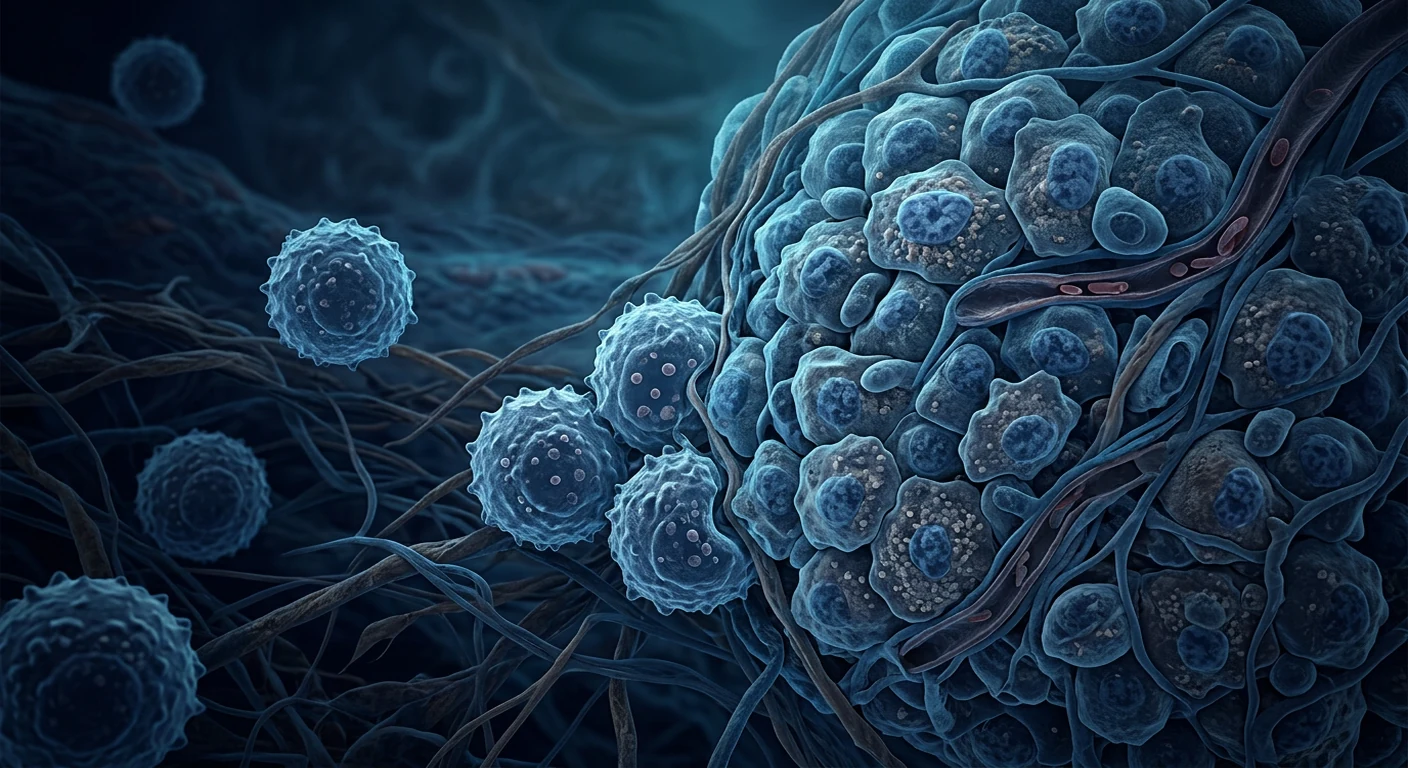
NK Cell Exhaustion in the Tumor Microenvironment: Barriers to NK-Cell Therapy
TGF-beta, PGE2, hypoxia and lactate can silence natural killer cells after they reach a tumour — what exhaustion really means, what reversal strategies are being studied, and why NK therapy for solid tumours remains investigational.

Lead-Time Bias and Overdiagnosis: Why Earlier Cancer Detection Is Not Automatically Better
Survival statistics improve whenever a diagnosis moves earlier, even if nobody lives longer. What randomised screening trials actually showed, and what that means for EDIM and other blood-based tests.
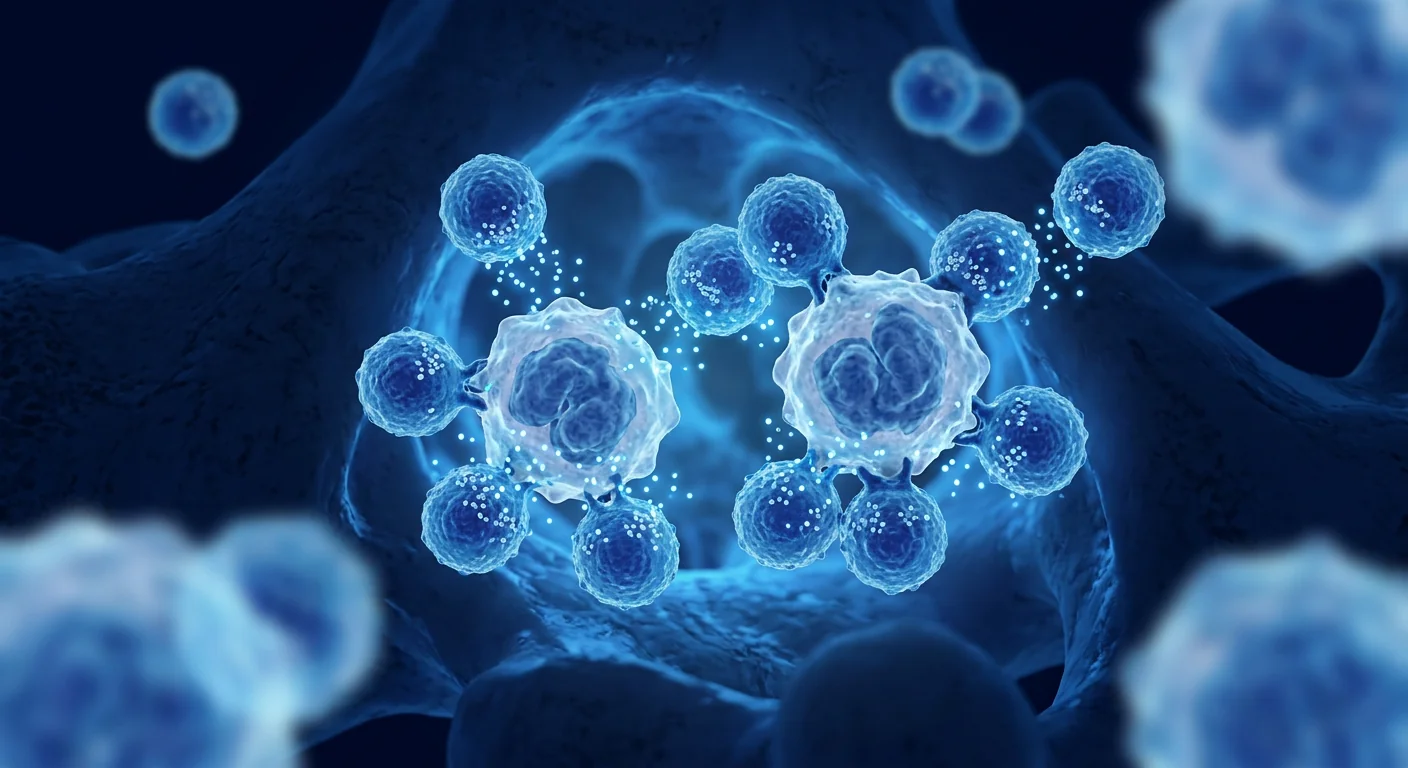
NK Cell Therapy for Leukaemia and Lymphoma: Evidence, Trials and Limits
Donor KIR alloreactivity, haploidentical NK infusions, memory-like NK cells and CD19 CAR-NK — where the strongest human data for NK therapy sits, and why it is still investigational.
The Warburg Effect and Cancer Metabolism: The Science Behind the EDIM Test
Aerobic glycolysis, the pentose phosphate pathway and the disputed TKTL1 enzyme — the metabolic biology an EDIM score rests on, and the four gaps between a real mechanism and a validated diagnosis.
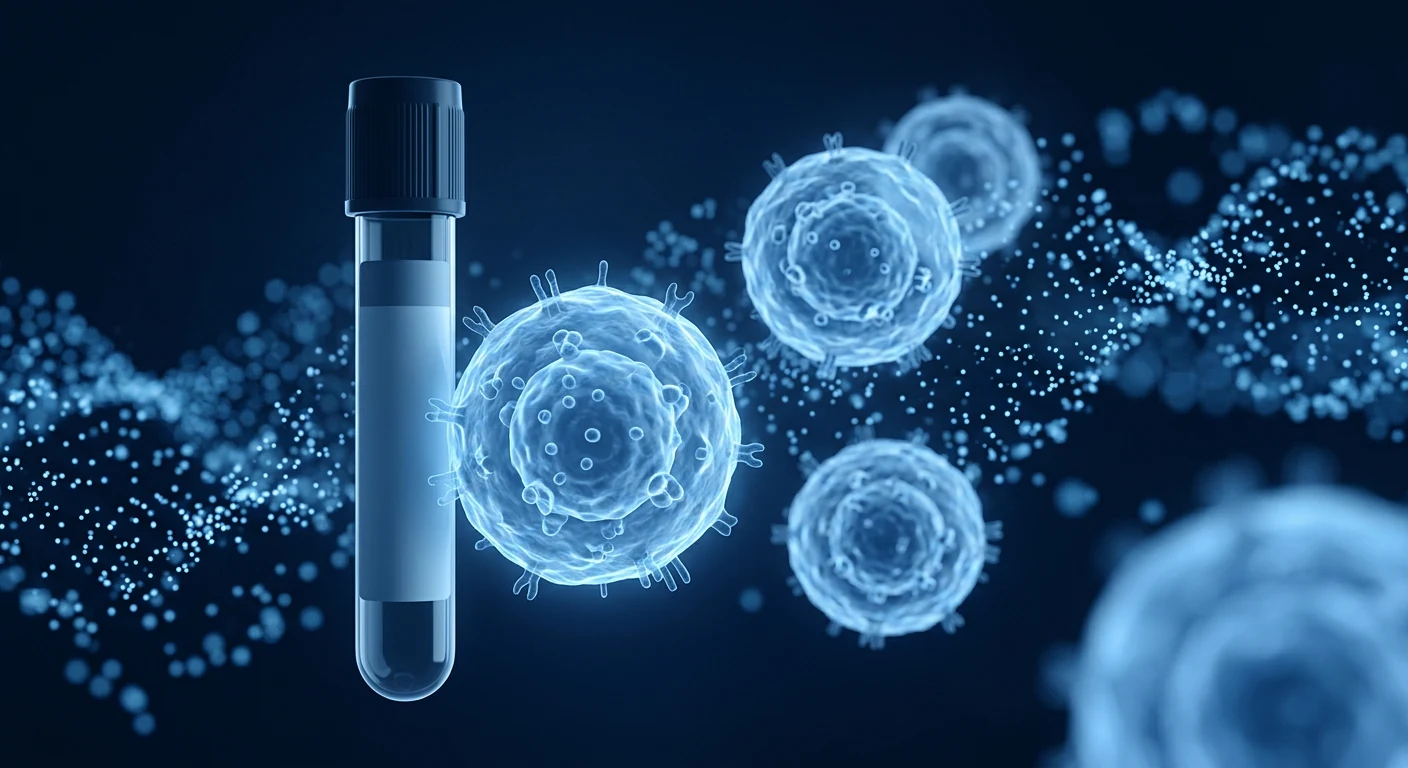
NK Cell Activity Test Explained: What It Measures and What It Cannot Tell You
Cytotoxicity assays, CD107a degranulation and interferon-gamma release — how NK function is actually measured, why results swing between tests, and why the number is not a cancer screen.
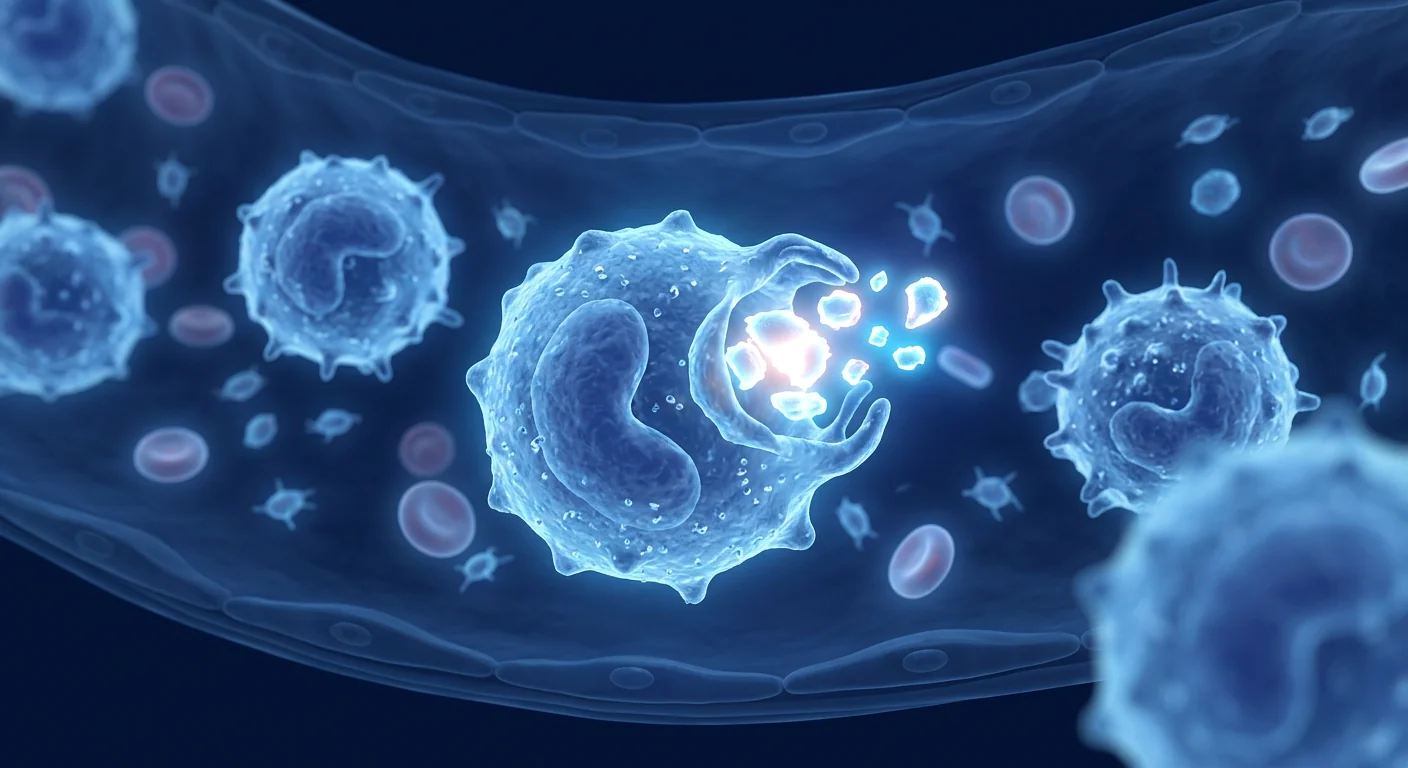
Monocytes, Macrophages and the EDIM Test: The Immune Biology Behind the Blood Test
Monocyte subsets, macrophage phagocytosis of tumour debris, tumour-associated macrophages and the confounders that move the number — the immune biology that decides how an EDIM result should be read.
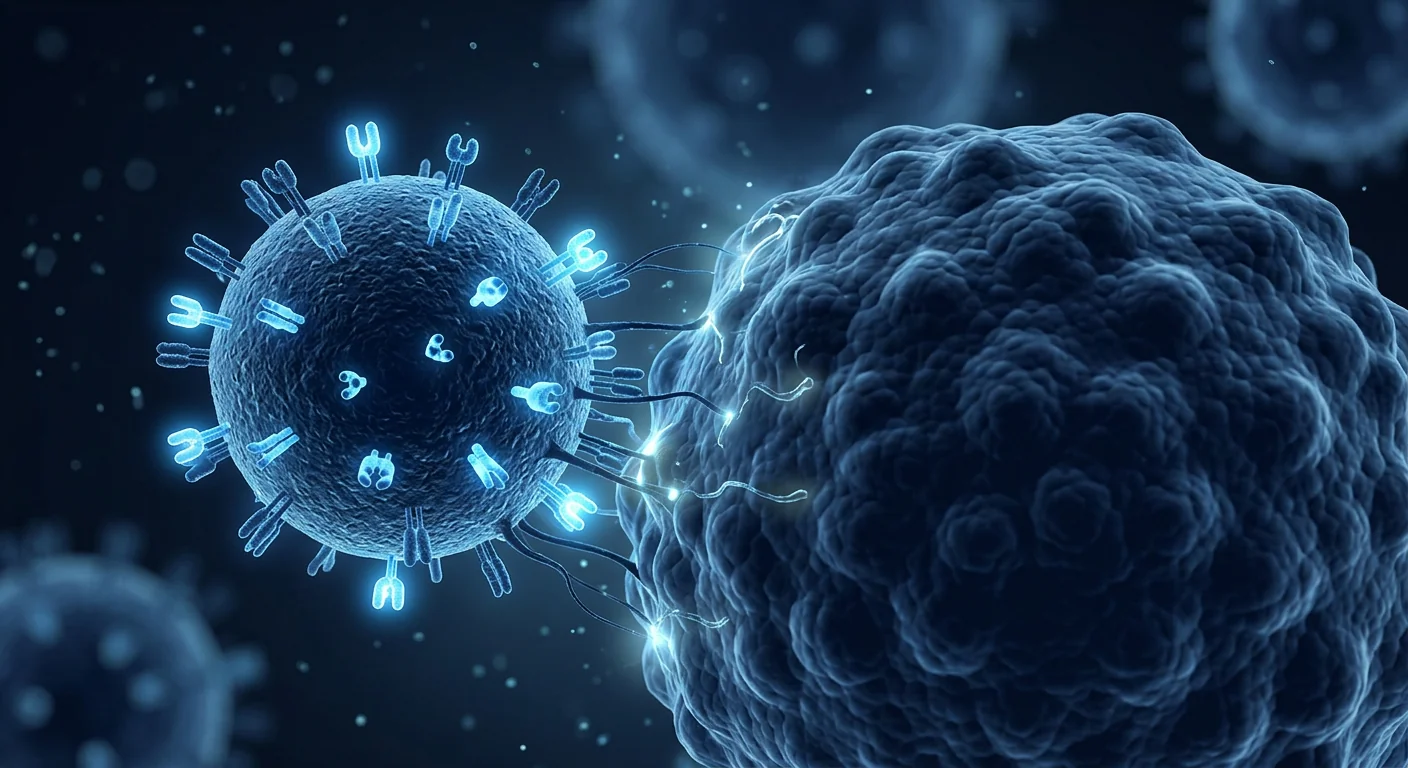
NK Cell Biology: How Natural Killer Cells Recognise and Kill Cancer Cells
Missing-self recognition, NKG2D stress ligands, the cytotoxic synapse and perforin killing — the receptor logic behind every NK-cell therapy claim, and where the human evidence stops.
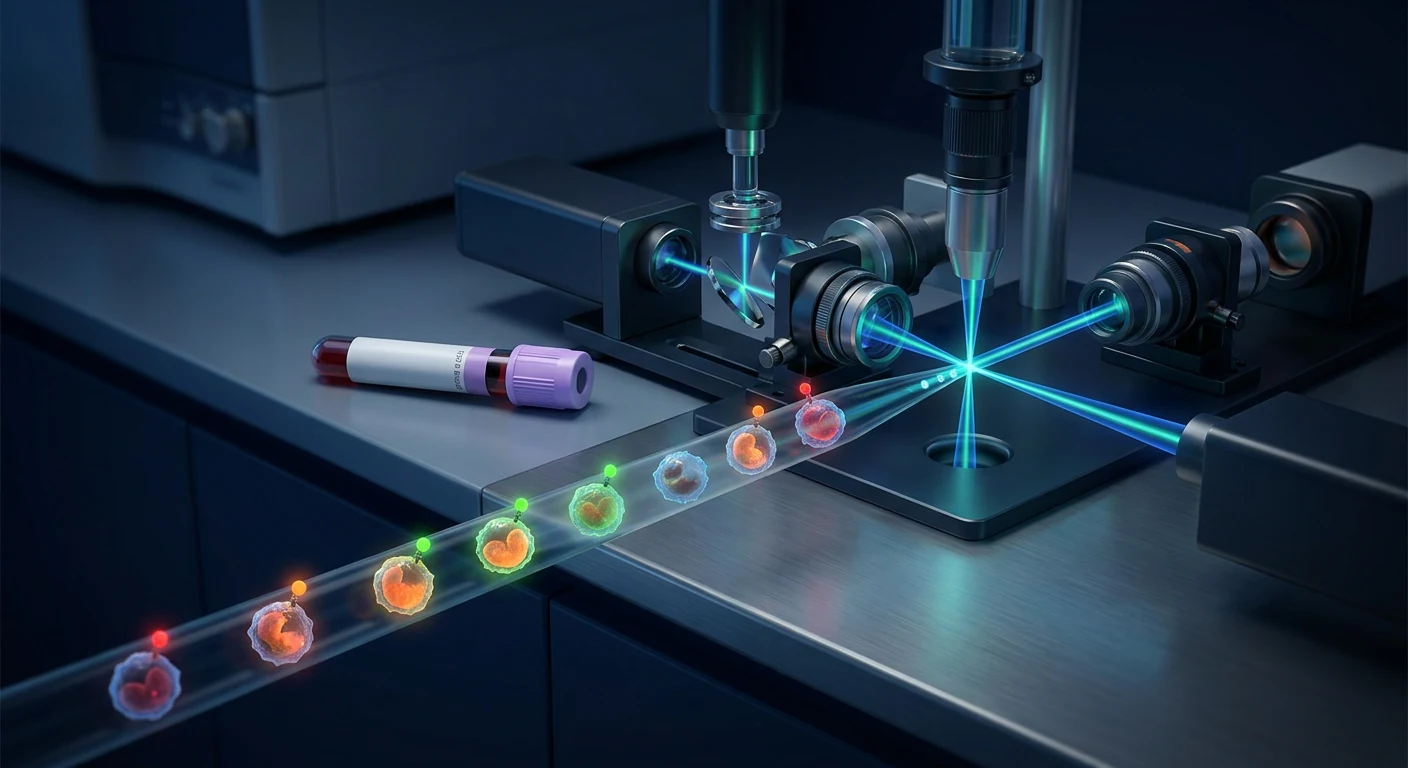
EDIM Test Preparation and Laboratory Workflow: From Blood Draw to Score
How to prepare for an EDIM Apo10/TKTL1 blood test — and why sample handling, transport time, flow-cytometry gating and quality control shape the number you finally read.
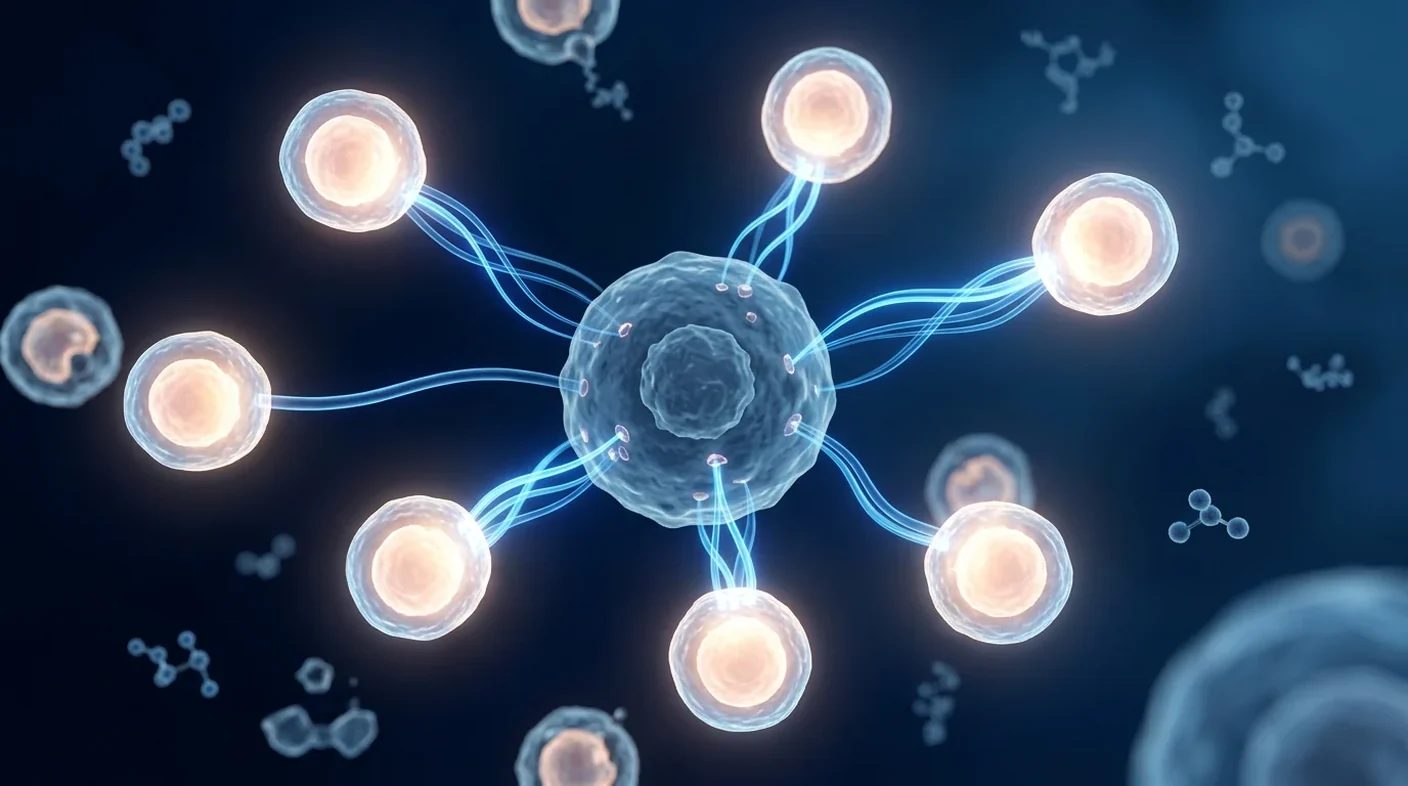
NK Cell Therapy Combinations: Antibodies, Checkpoints, Cytokines and Chemotherapy
Why almost every NK-cell programme is now a combination programme — ADCC antibodies, NK engagers, KIR/NKG2A blockade, IL-15 support and tumour sensitisation, with the evidence and the limits.
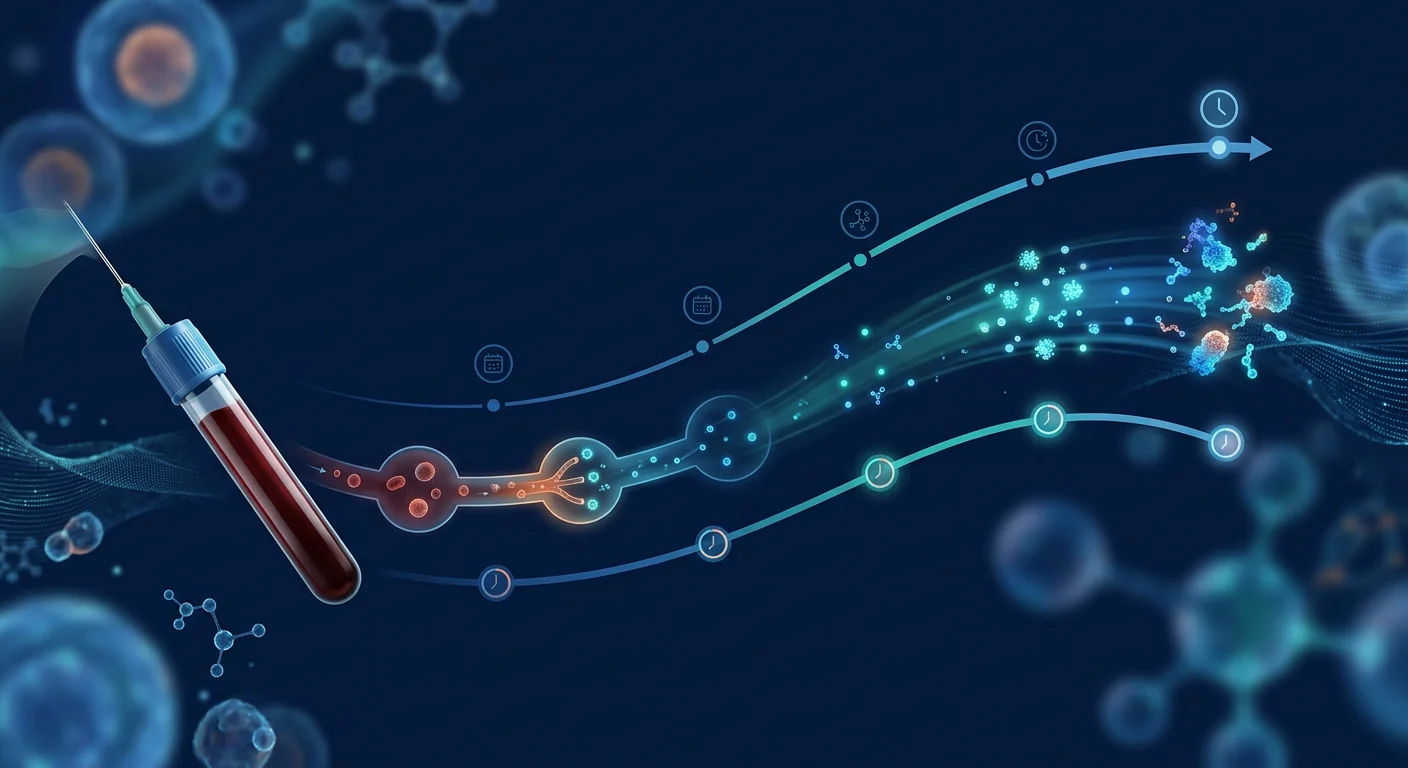
EDIM for Cancer Recurrence Monitoring: Apo10/TKTL1 After Treatment
How the EDIM blood test is being studied for post-treatment surveillance to detect cancer recurrence earlier — evidence, limitations, and comparison with standard monitoring.

NK Cell Therapy Safety and Side Effects: Risks, Monitoring, and Limits
Lymphodepletion, cytokine release syndrome, ICANS, GvHD, cytopenias and infection — what is actually reported, how it is monitored, and where the evidence stops.
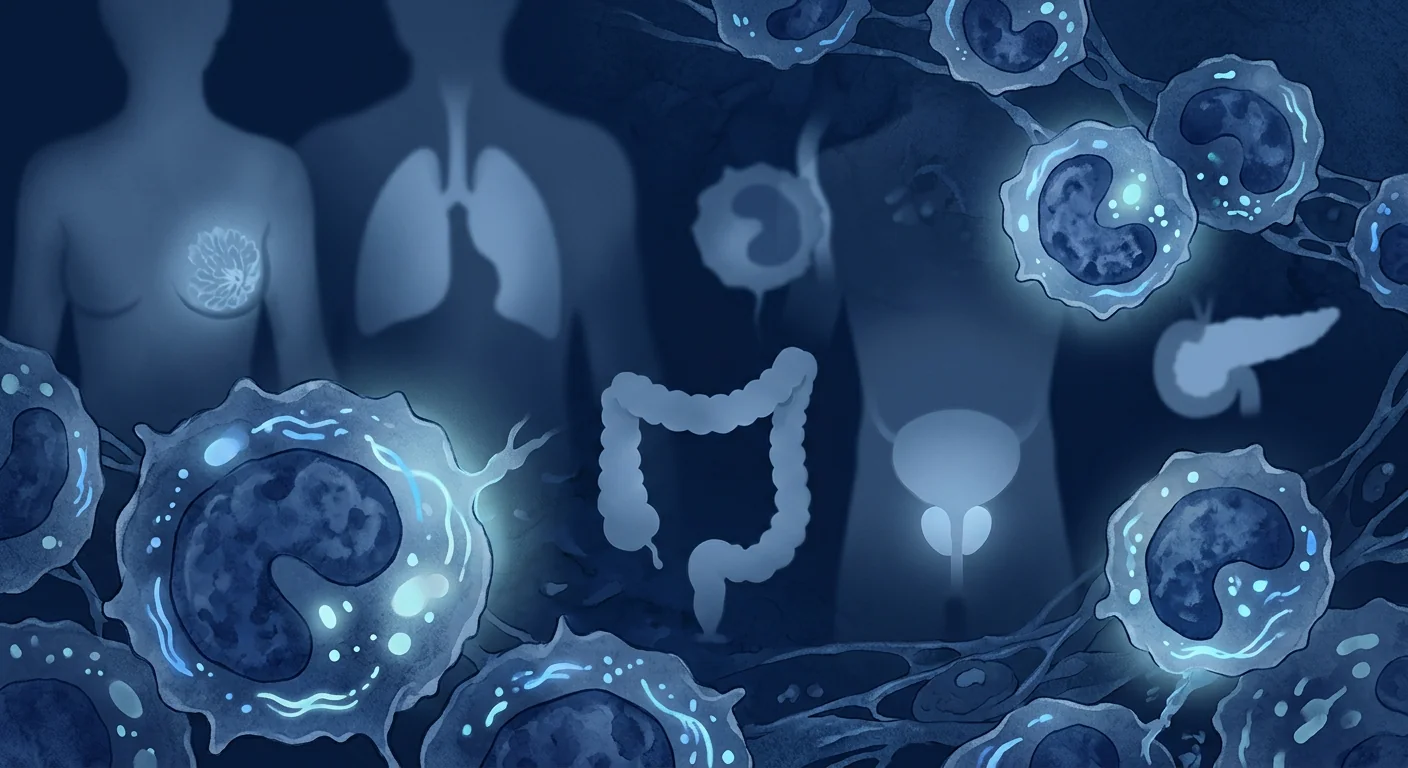
EDIM Clinical Applications by Cancer Type
How Apo10/TKTL1 test performance varies across breast, lung, colorectal, prostate, pancreatic, oral, and pediatric cancers.

NK Cell Manufacturing and Quality Control: From Collection to Release
How clinical NK-cell products are collected, expanded, tested for potency and sterility, and formally released.
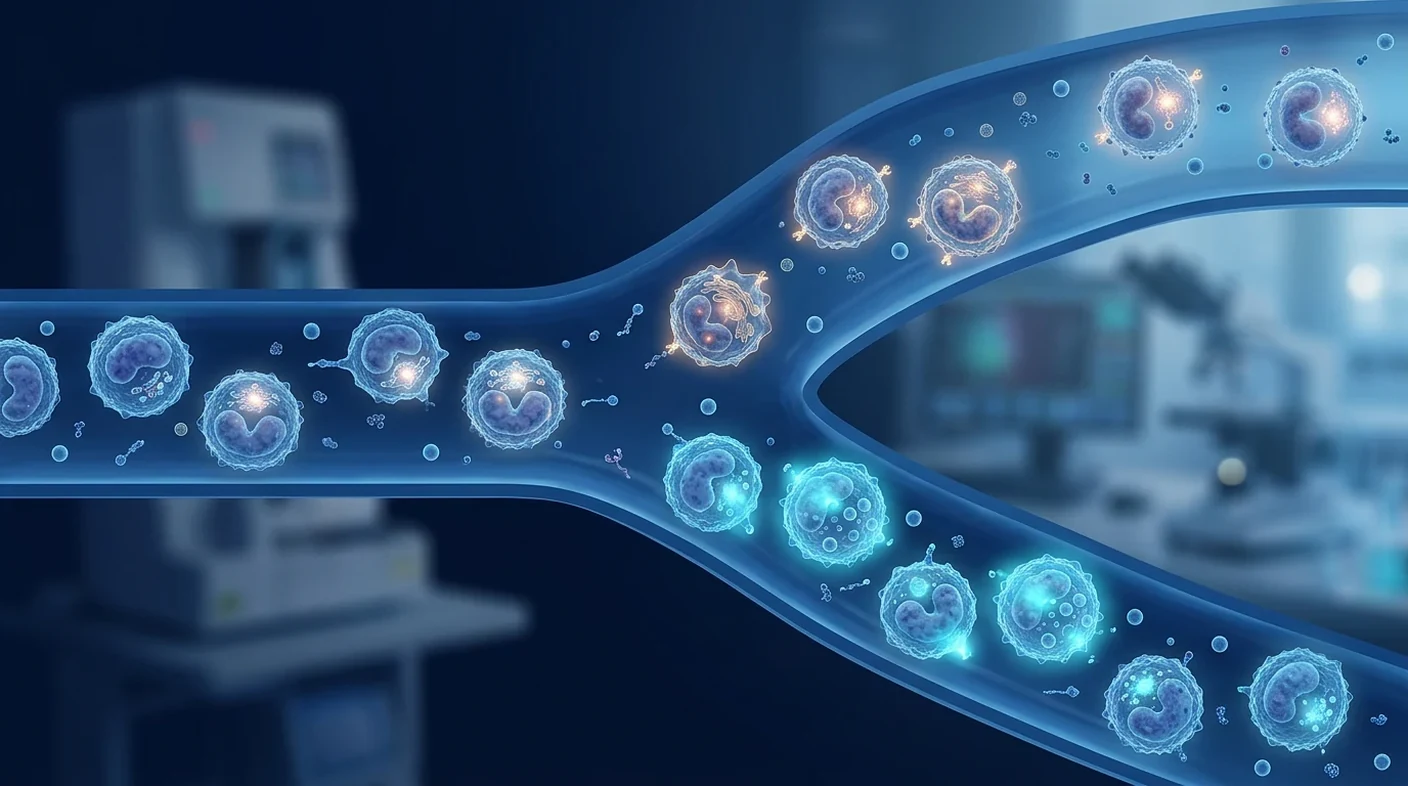
EDIM and Inflammation: False-Positive Results, Timing, and Interpretation
How infection, surgery, dental work, and inflammatory disease may affect Apo10/TKTL1 scores—and why standard confirmation remains essential.
EDIM Blood Test Patient Guide: Cancer Risk Screening Explained
EDIM blood test patient guide: how Apo10 and TKTL1 are measured in monocytes, what results mean, limitations, follow-up, and standard cancer screening.
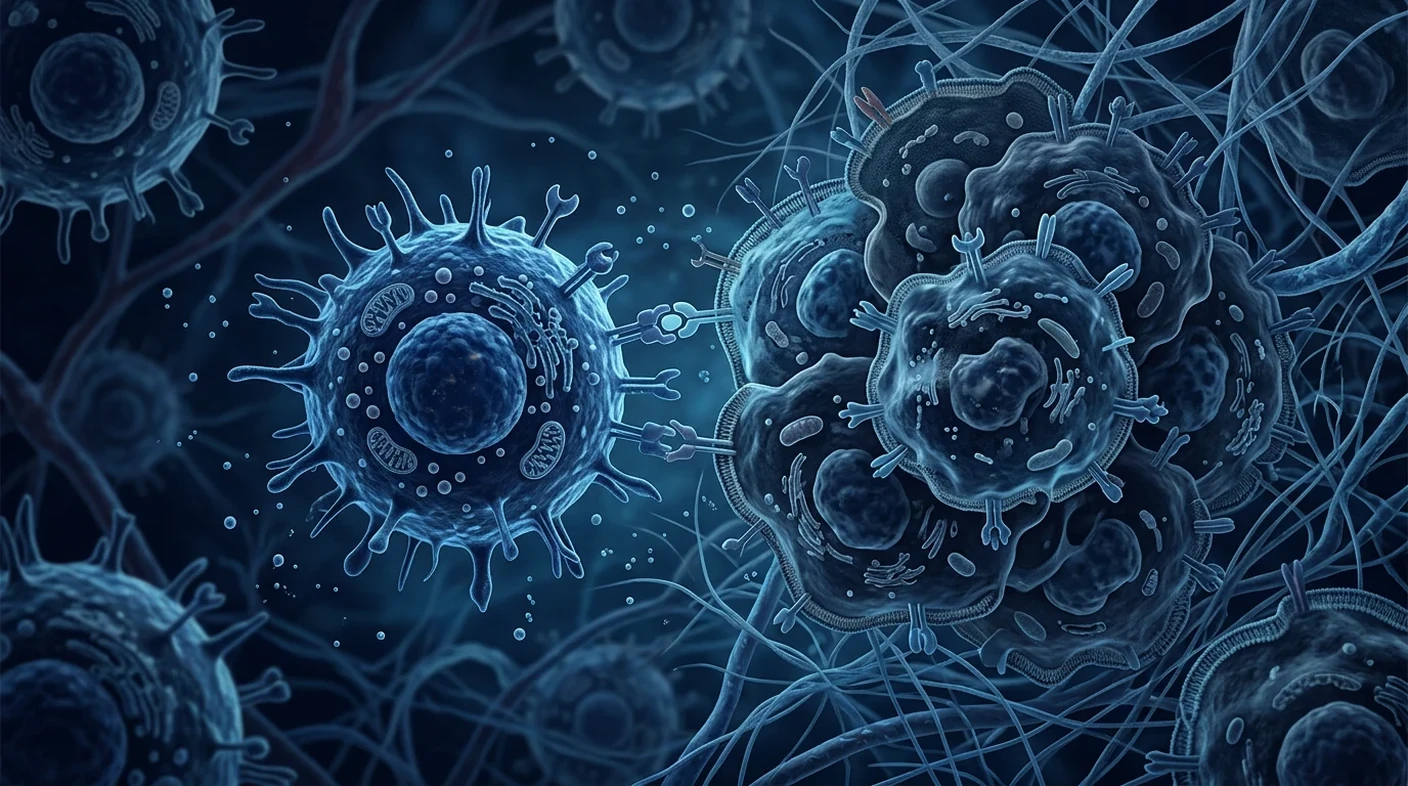
Natural Killer Cell Therapy: A Patient Guide to NK Cells and Cancer
A patient guide to natural killer cell therapy for cancer: NK-cell mechanisms, CAR-NK evidence, risks, eligibility, clinical trials, and limitations.
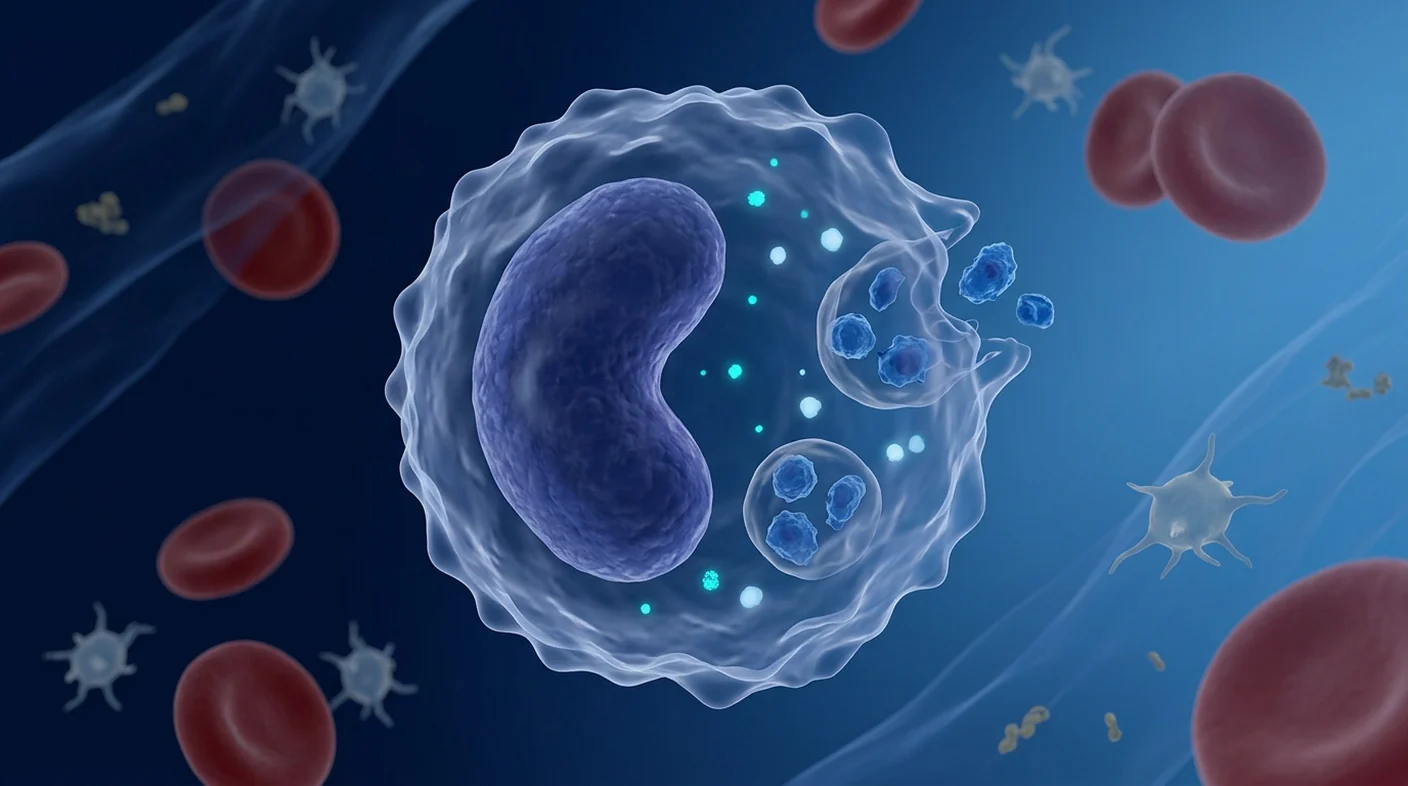
Apo10 and TKTL1: The Biomarkers Behind the EDIM Test
How Apo10 and TKTL1 are detected inside monocytes by the EDIM test, what their biology may mean, and why results are not a standalone cancer diagnosis.
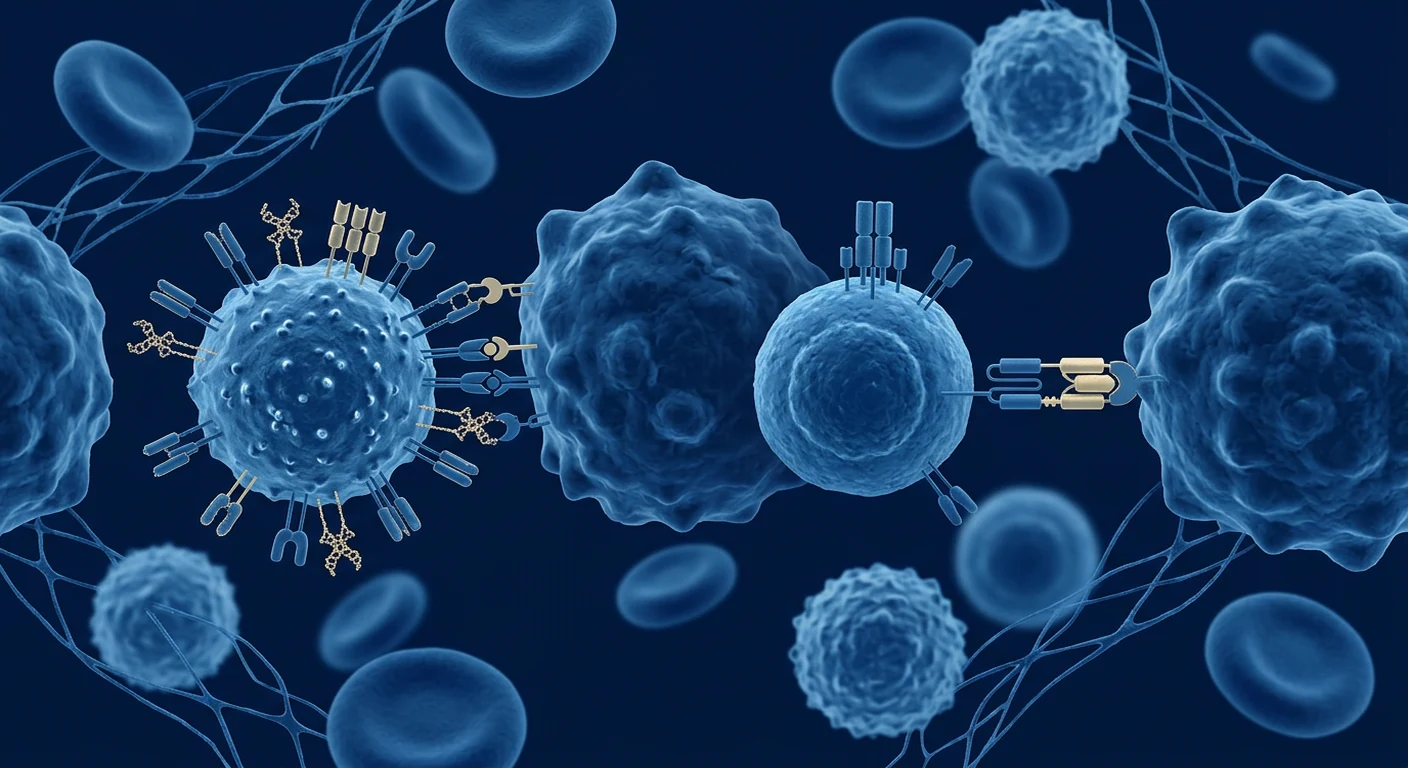
NK Cell Therapy vs T-Cell and CAR-T Therapy: Key Differences
Compare NK cell therapy, conventional T-cell therapy and CAR-T: recognition, HLA, autologous versus allogeneic logistics, persistence, risks, evidence, approvals and cost.
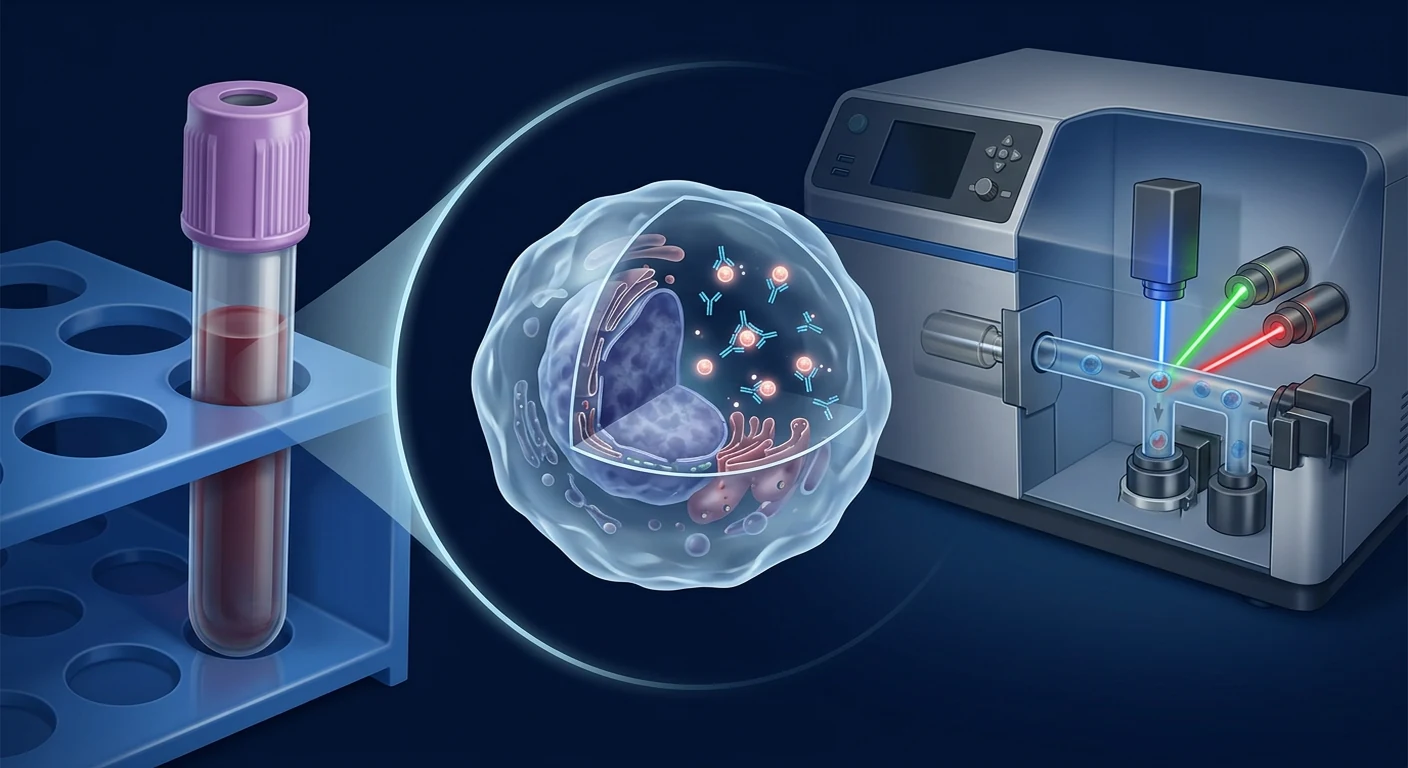
EDIM Test Evidence: Accuracy, Clinical Utility, and Limitations
A critical review of EDIM test analytic validity, diagnostic accuracy, clinical utility, spectrum bias, false results, and confirmatory testing.
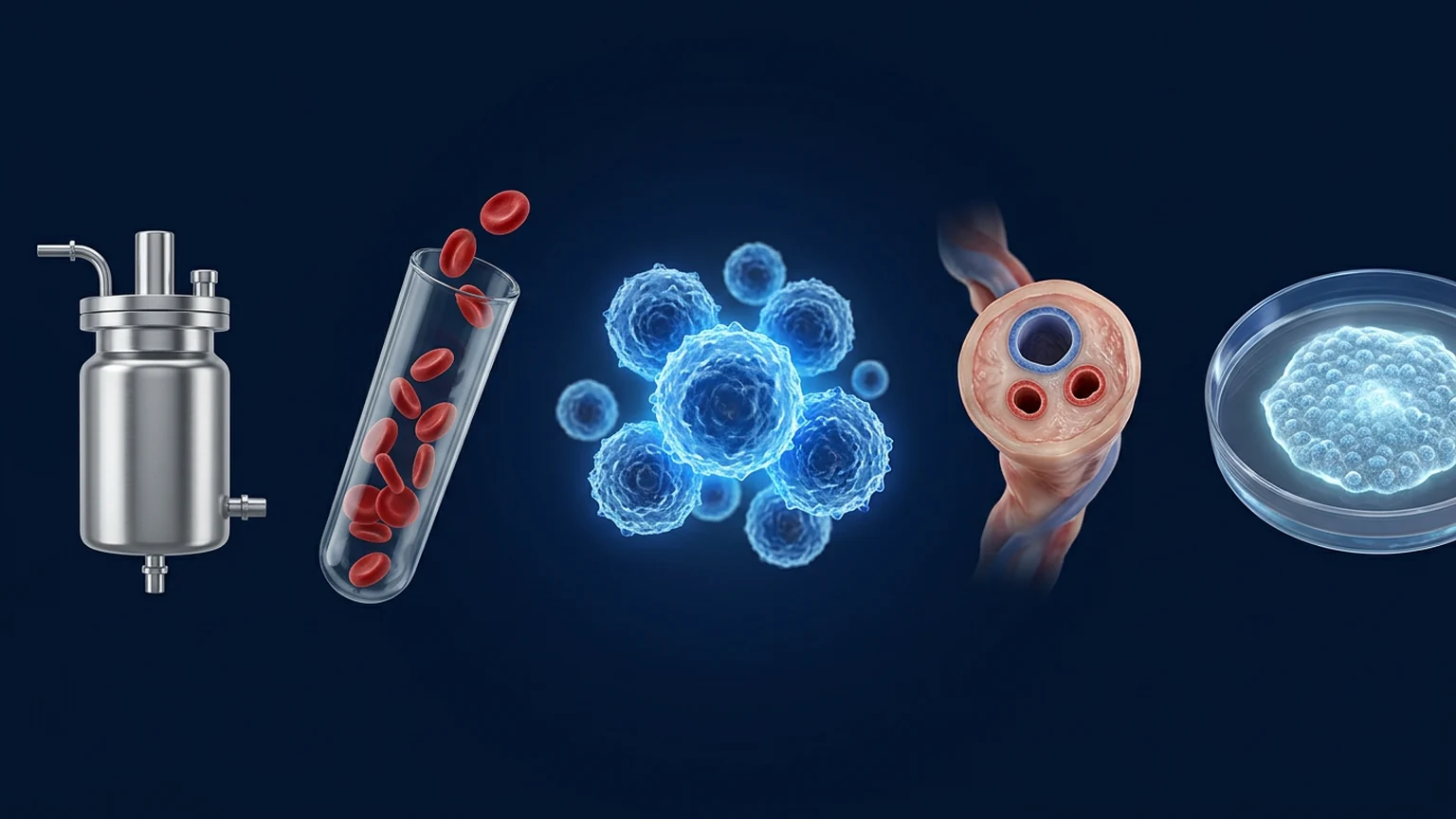
Autologous, Allogeneic, Cord-Blood, and iPSC-Derived NK Cells
Compare autologous and donor peripheral-blood NK cells, cord-blood NK, irradiated NK-92, and iPSC-derived NK platforms, manufacturing, cryopreservation, standardization, and safety.
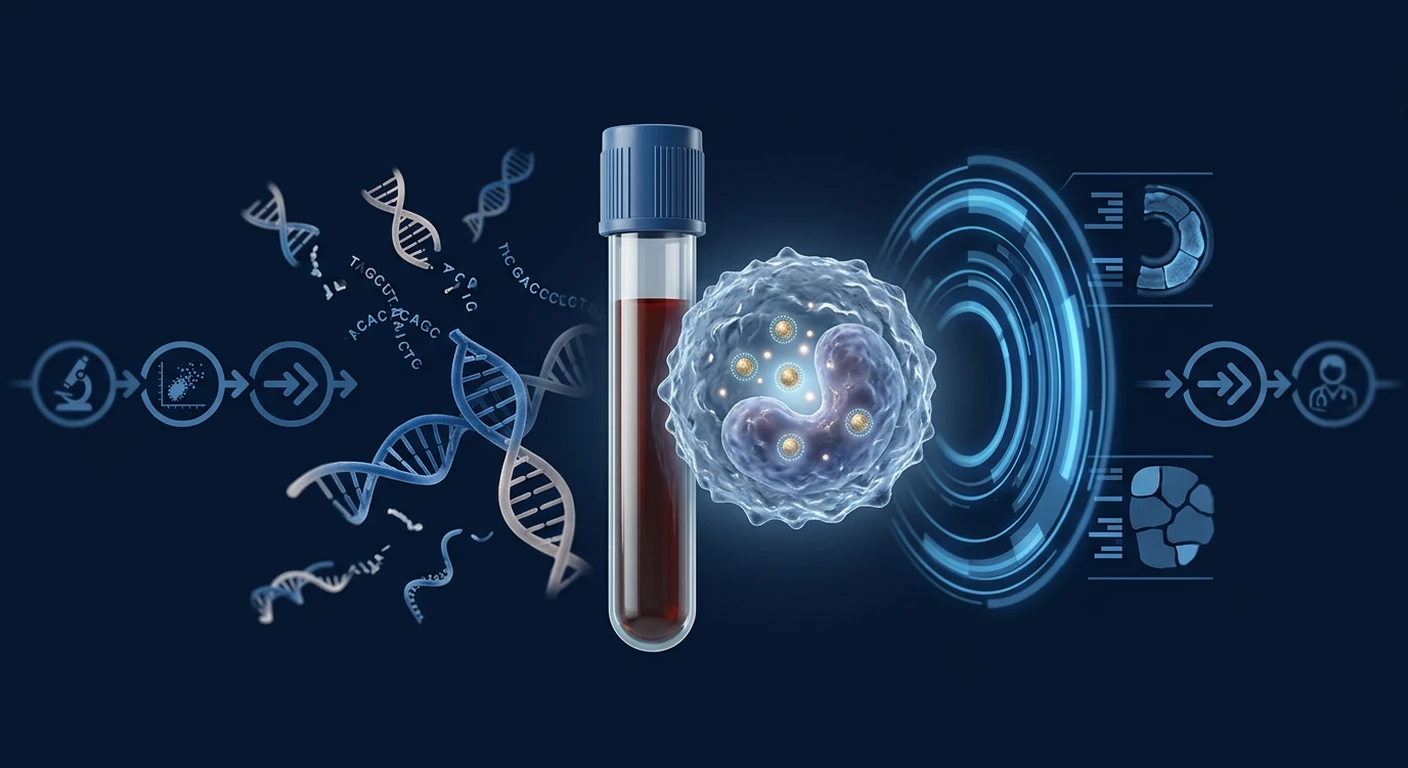
EDIM vs Tumor Markers, Liquid Biopsy, and Standard Cancer Screening
Compare EDIM with ctDNA, circulating tumor cells, serum tumor markers, imaging and standard cancer screening. Understand evidence, limits and next steps.
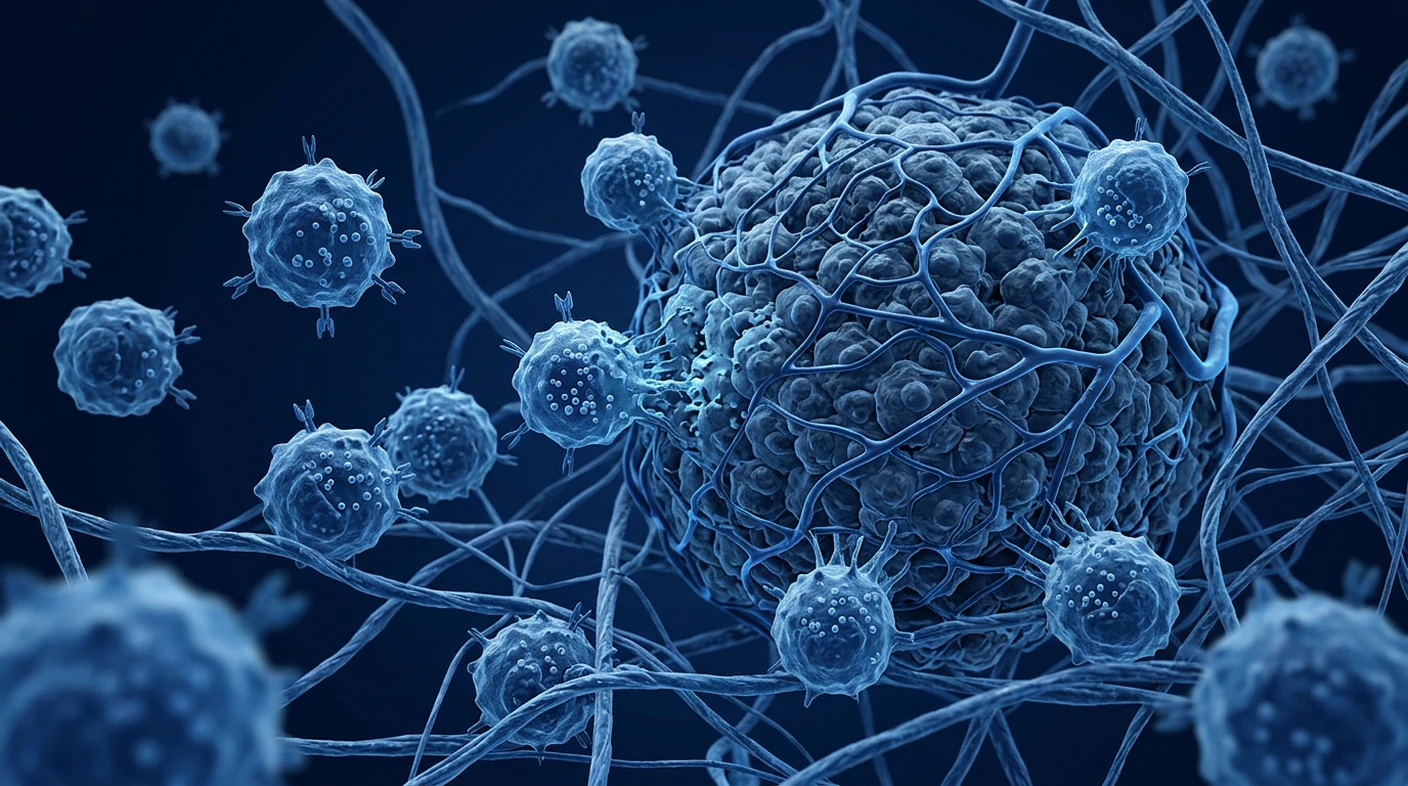
NK Cell Therapy for Solid Tumors: Evidence, Barriers, and Clinical Trials
An educational review of investigational NK cell therapy for solid tumors, explaining the biological barriers, clinical trial evidence, safety, and future strategies.

Understanding EDIM Test Results: What Happens After an Abnormal Result?
What an abnormal EDIM (Apo10/TKTL1) blood test result means, why it is a risk signal rather than a diagnosis, how pretest probability changes interpretation, and the guideline screening and confirmatory pathways that follow.
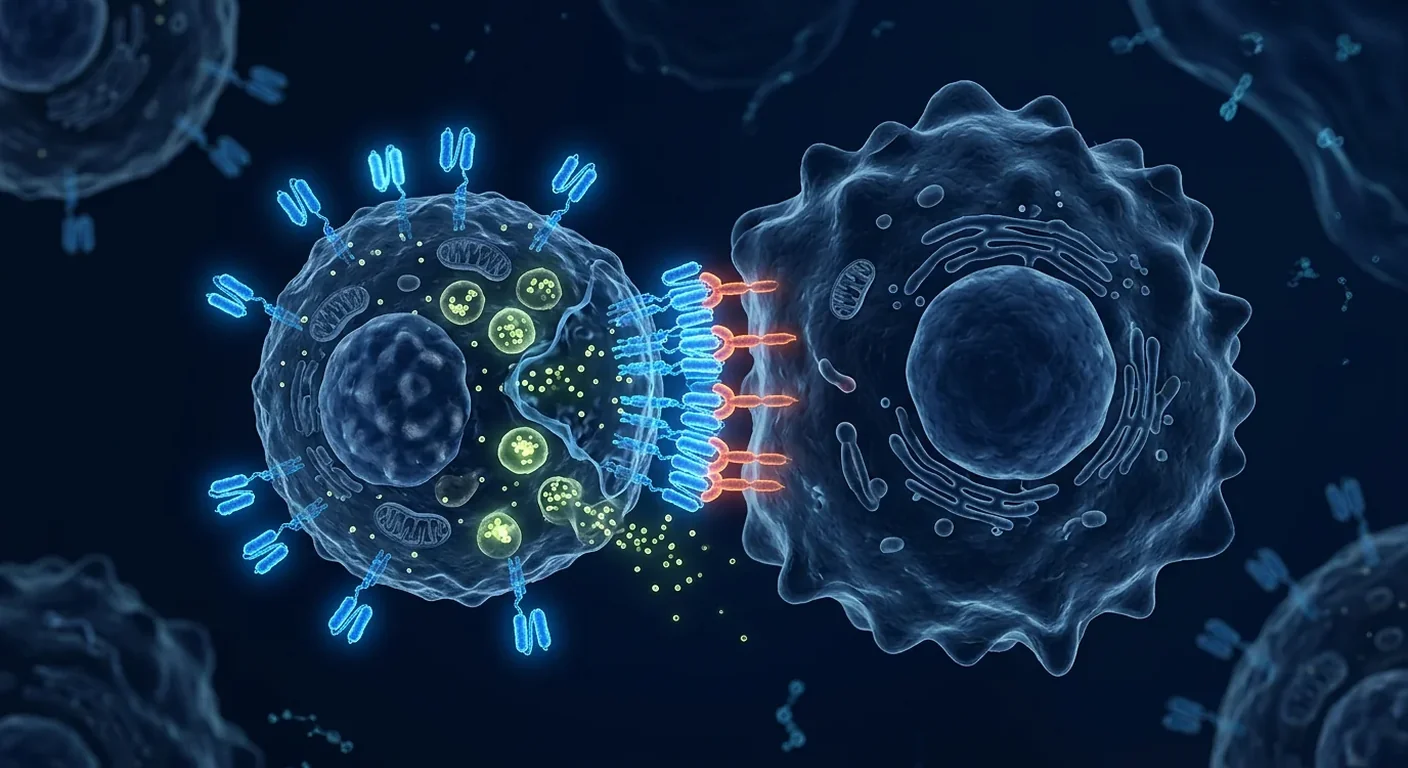
CAR-NK Cell Therapy: How Engineered Natural Killer Cells Work
How CAR-NK cell therapy works: CAR structure, dual killing, cell sources, off-the-shelf rationale, early clinical evidence, safety, barriers, and regulatory status.
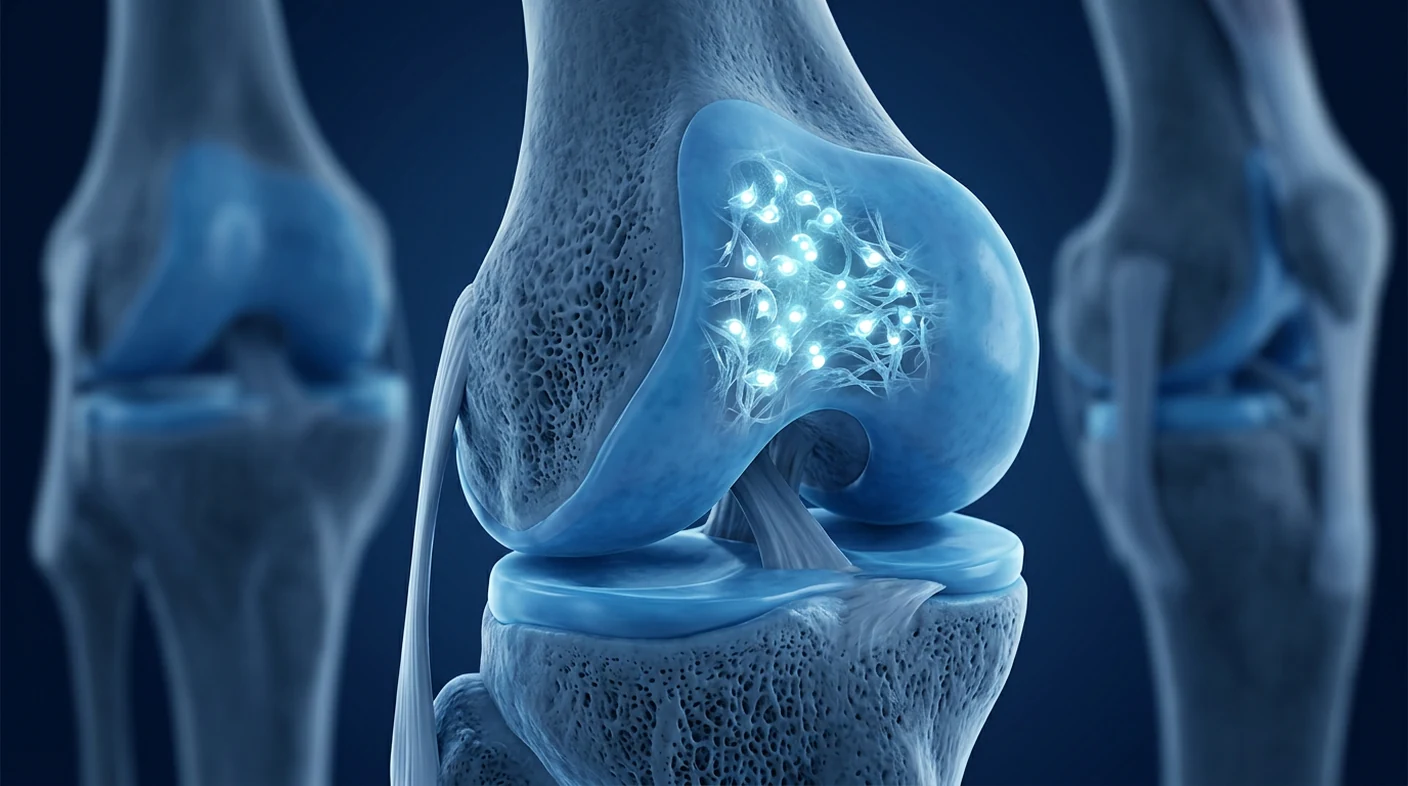
Cartilage Regeneration with Stem Cell Therapy
How MSCs, scaffolds, and joint mechanics shape cartilage repair — what human trials show and why pain relief is not proof of regrowth.
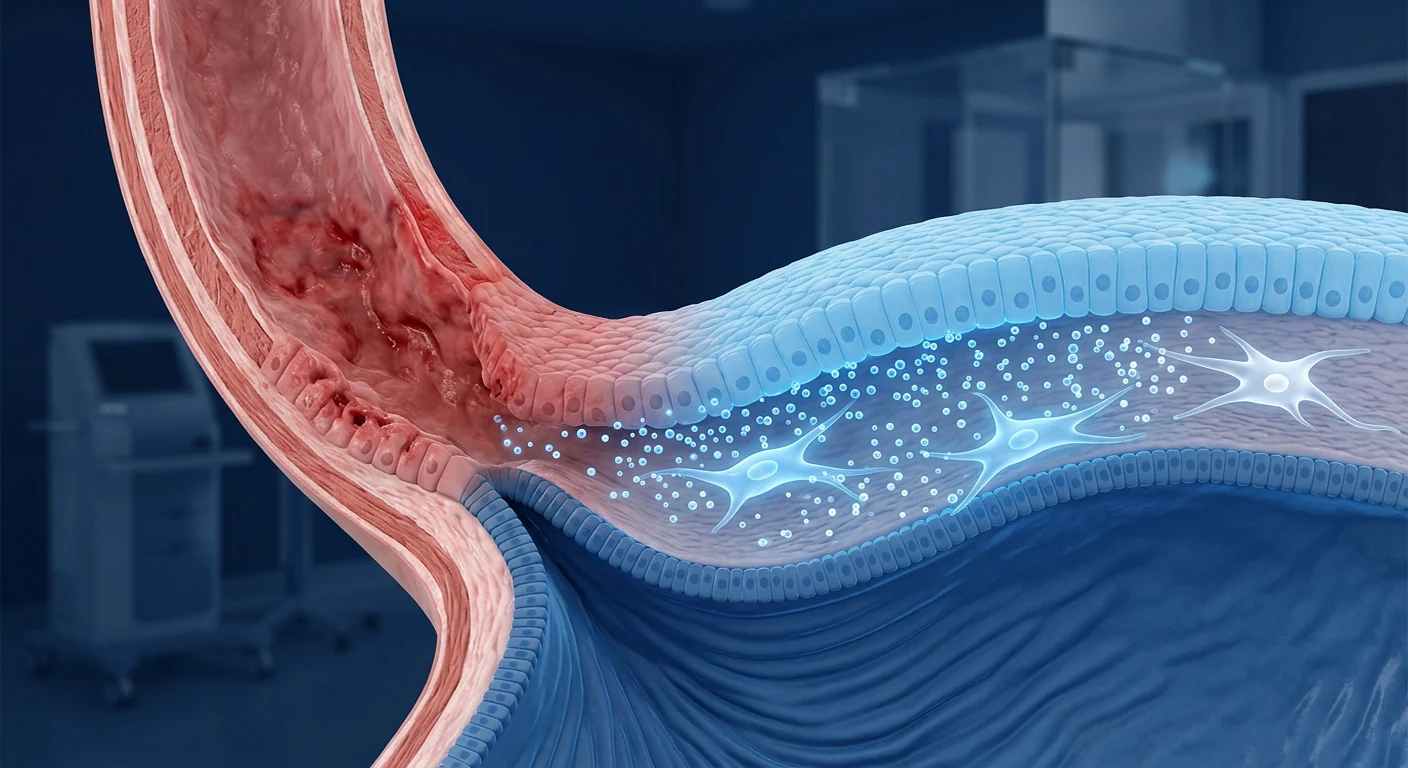
Stem Cell Therapy for GERD
How MSCs target the lower esophageal sphincter and epithelial barrier — addressing the mechanical root cause of reflux that acid suppression cannot reach.
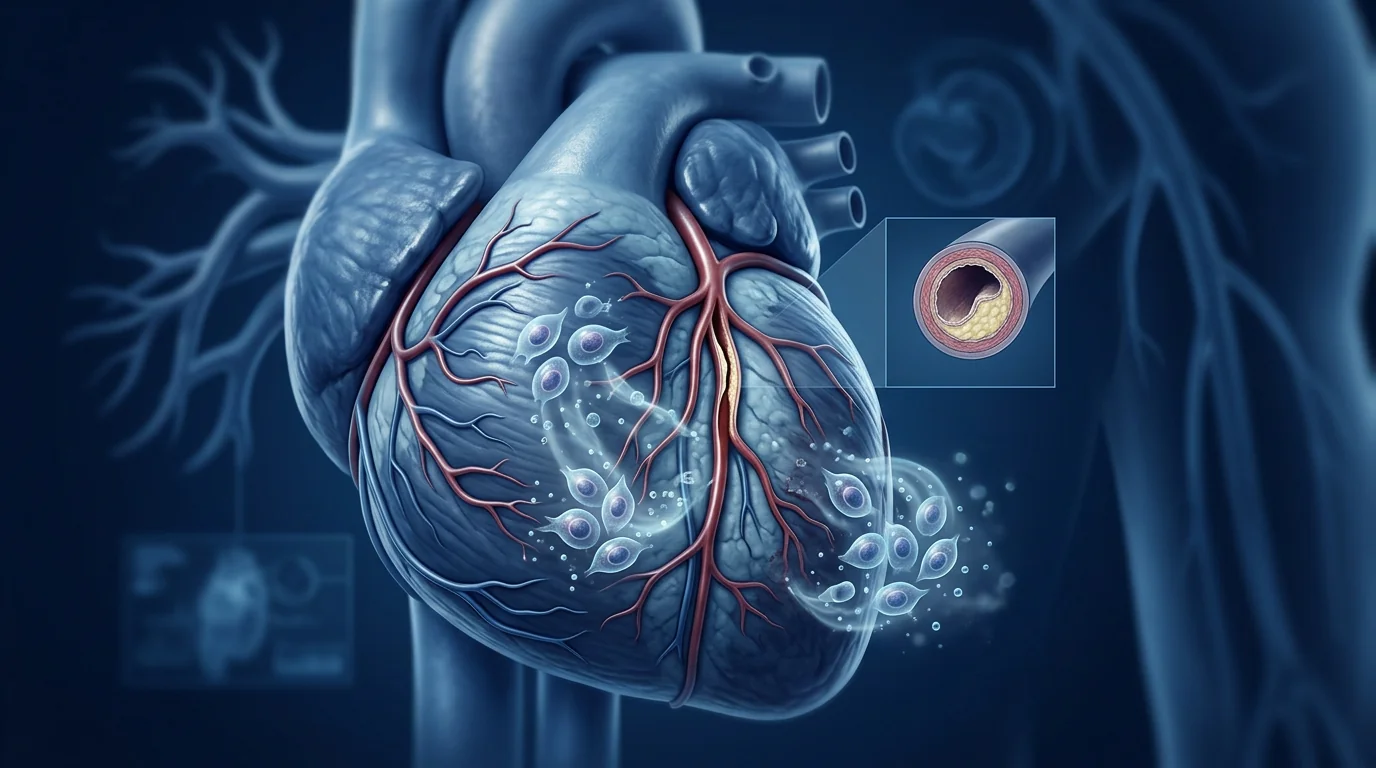
Stem Cell Therapy for Coronary Artery Disease
How MSCs target endothelial dysfunction and atherosclerotic plaque biology — repair the vessel wall, stabilize plaque, and quiet vascular inflammation in coronary artery disease.
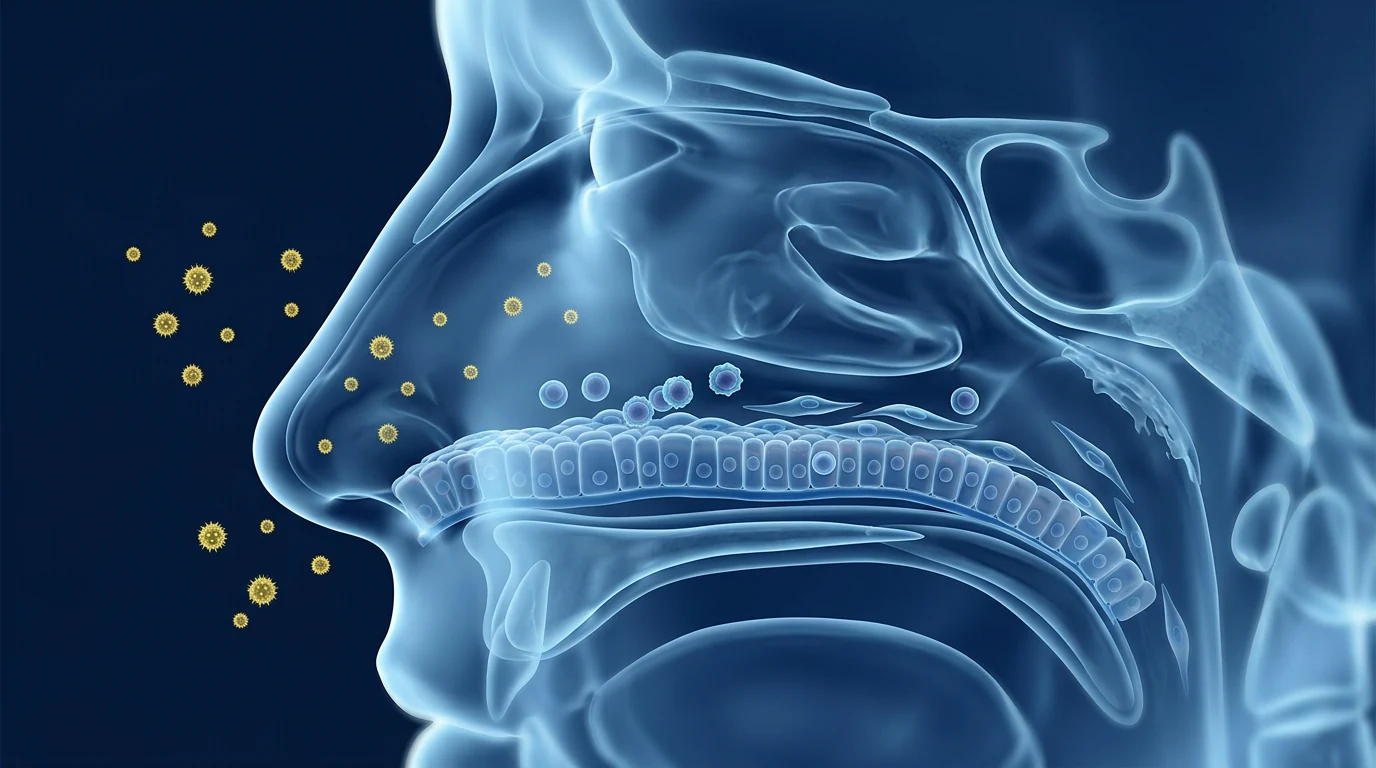
Stem Cell Therapy for Allergic Rhinitis: MSC Treatment for Hay Fever
How MSCs target the type 2 inflammatory drivers of allergic rhinitis — immune modulation, mucosal barrier repair, and eosinophil control — an evidence-based review from preclinical research to clinical translation.
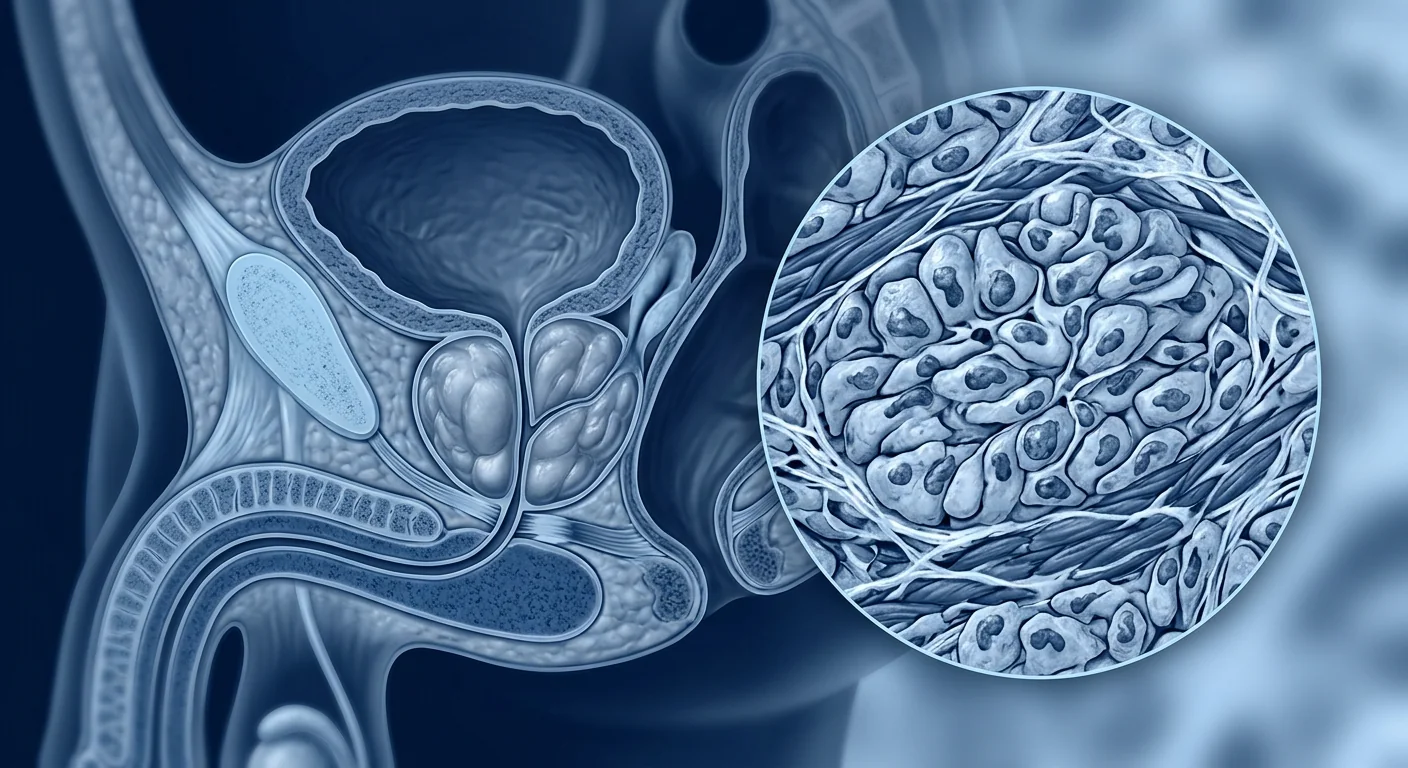
Stem Cell Therapy for Benign Prostatic Hyperplasia: MSC Treatment for BPH
How MSCs target prostate stromal hyperplasia, TGF-beta-driven fibrosis, and chronic prostatic inflammation — an evidence-based review of the mechanisms, early clinical data, and limitations.
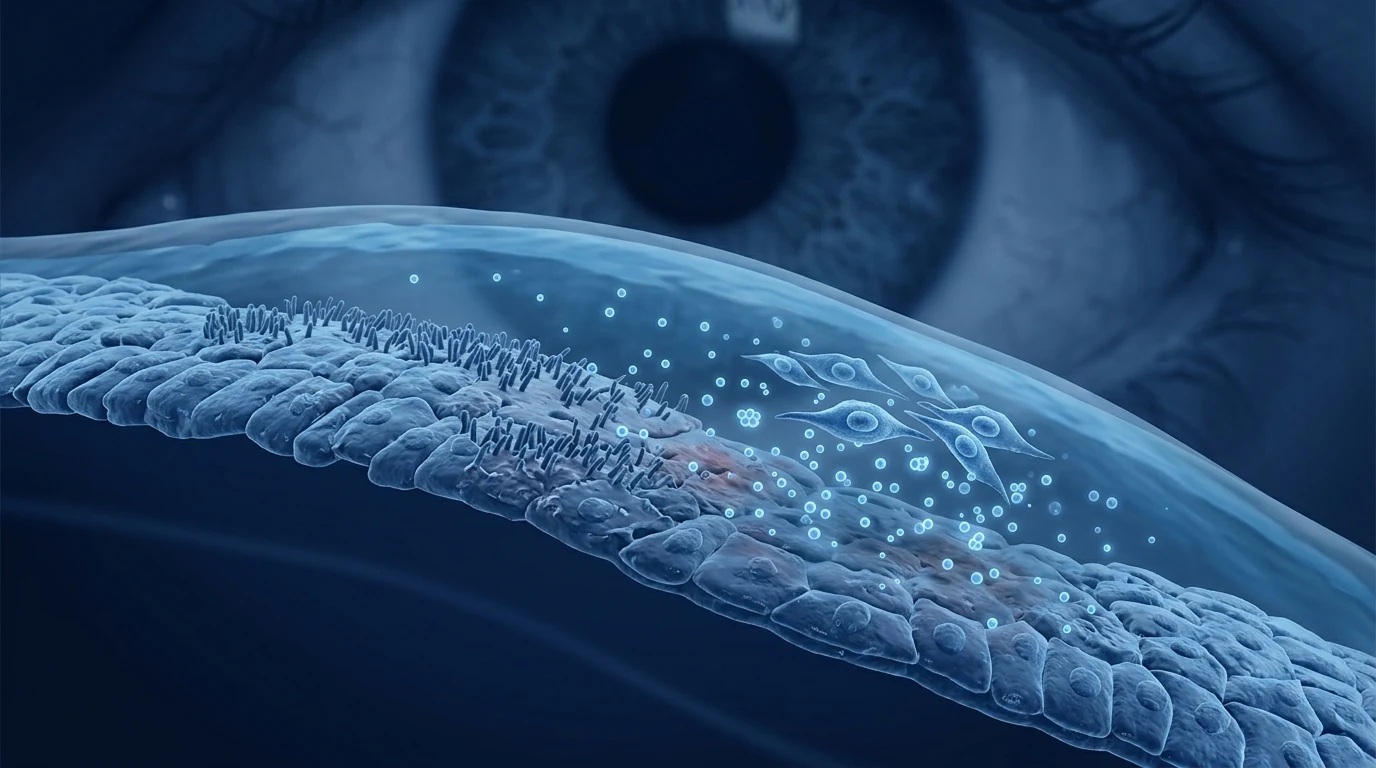
Stem Cell Therapy for Dry Eye Disease: MSC Ocular Surface Treatment
How MSCs restore ocular surface homeostasis — suppress inflammation, protect corneal epithelium, and support lacrimal gland function in dry eye disease.
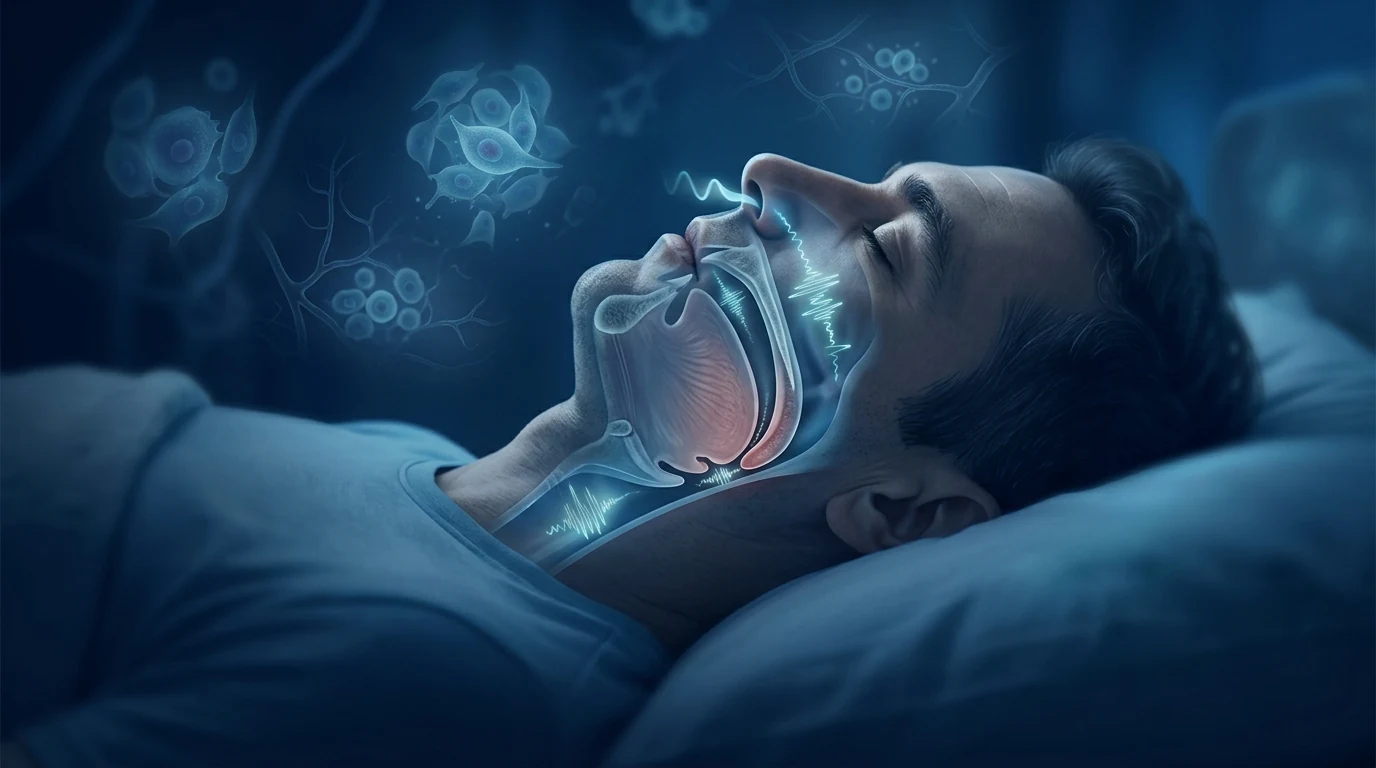
Stem Cell Therapy for Sleep Apnea
How MSCs target the inflammatory and oxidative injury cascade of obstructive sleep apnea — an evidence-based review of the preclinical evidence, mechanisms, and future directions.
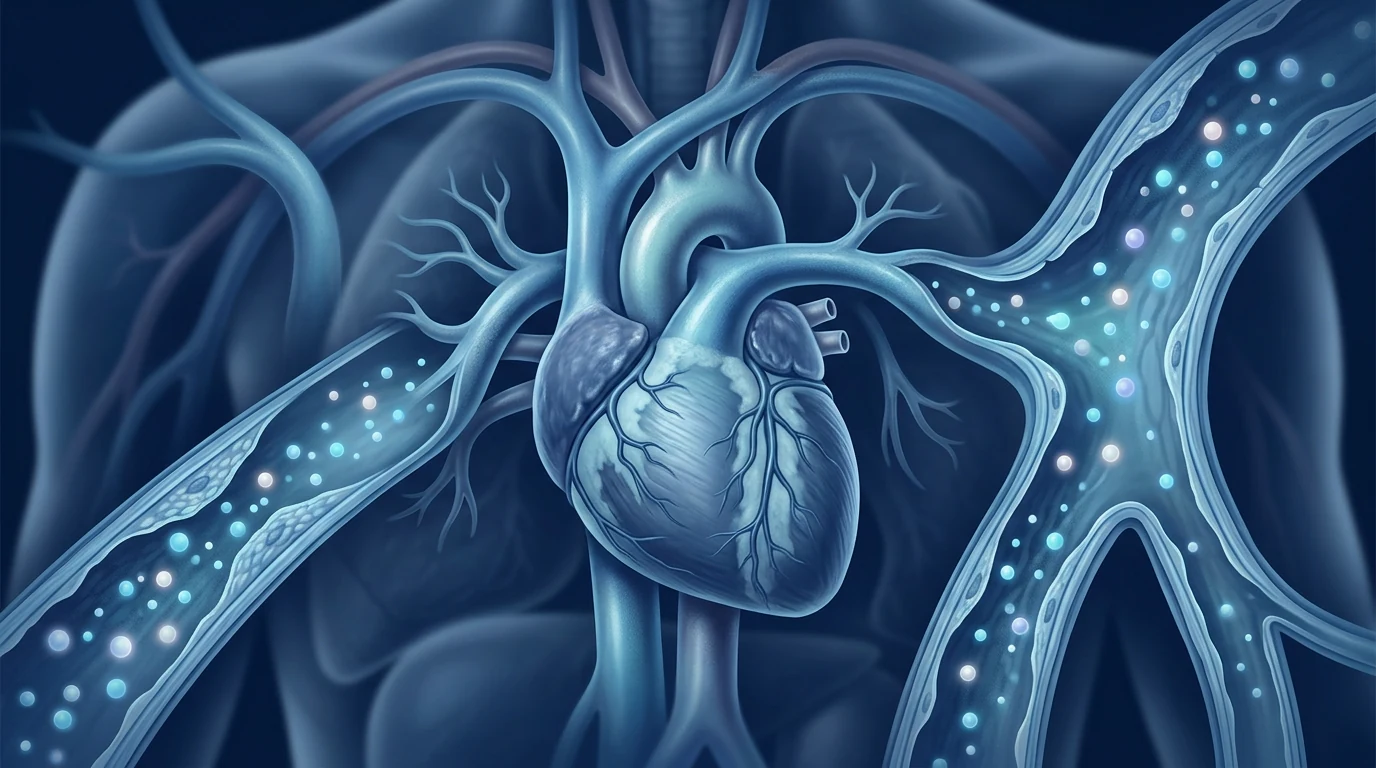
Stem Cell Therapy for Hypertension: MSC Treatment for Blood Pressure
How MSCs target endothelial dysfunction, vascular inflammation, and arterial stiffness at the root of high blood pressure.
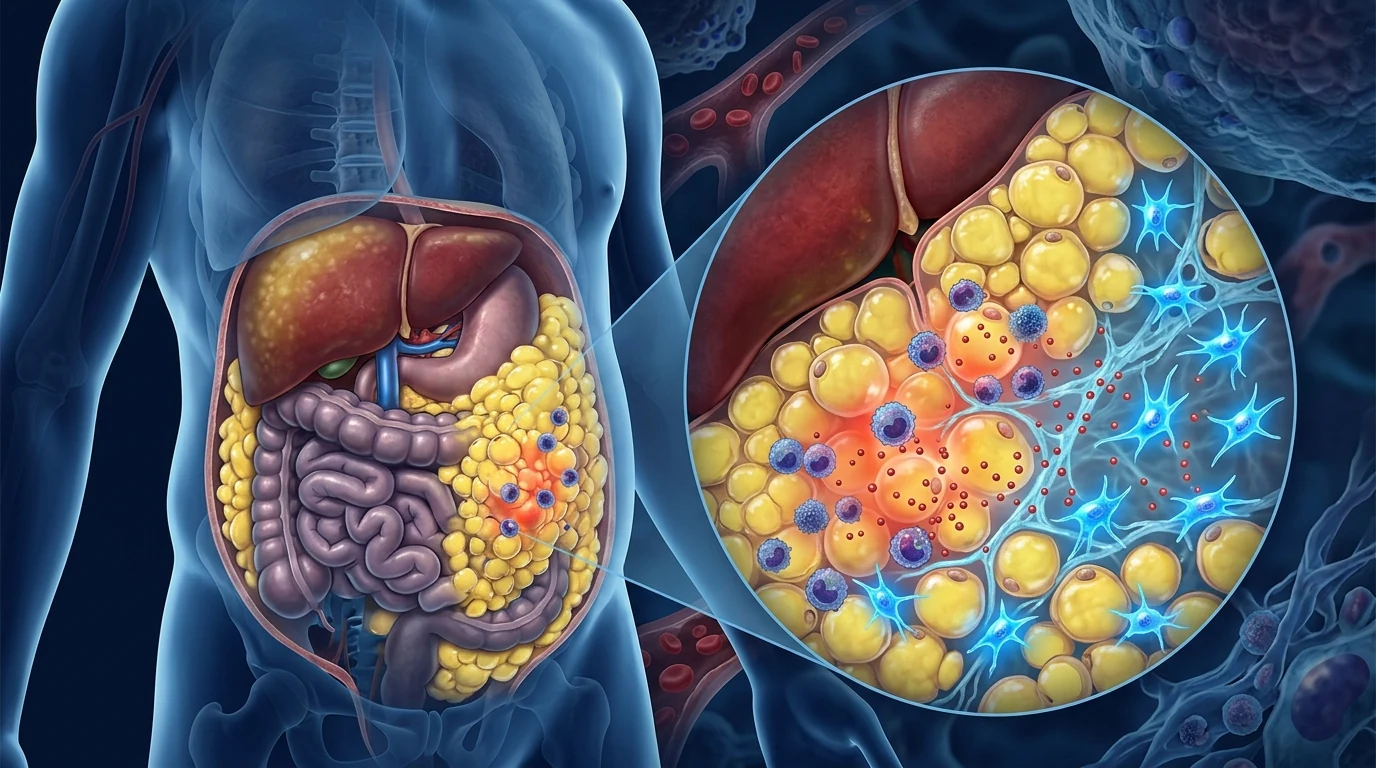
Stem Cell Therapy for Obesity
How MSCs target the adipose-driven chronic inflammation that makes obesity a metabolic disease — an evidence-based look at what regenerative therapy can realistically contribute.
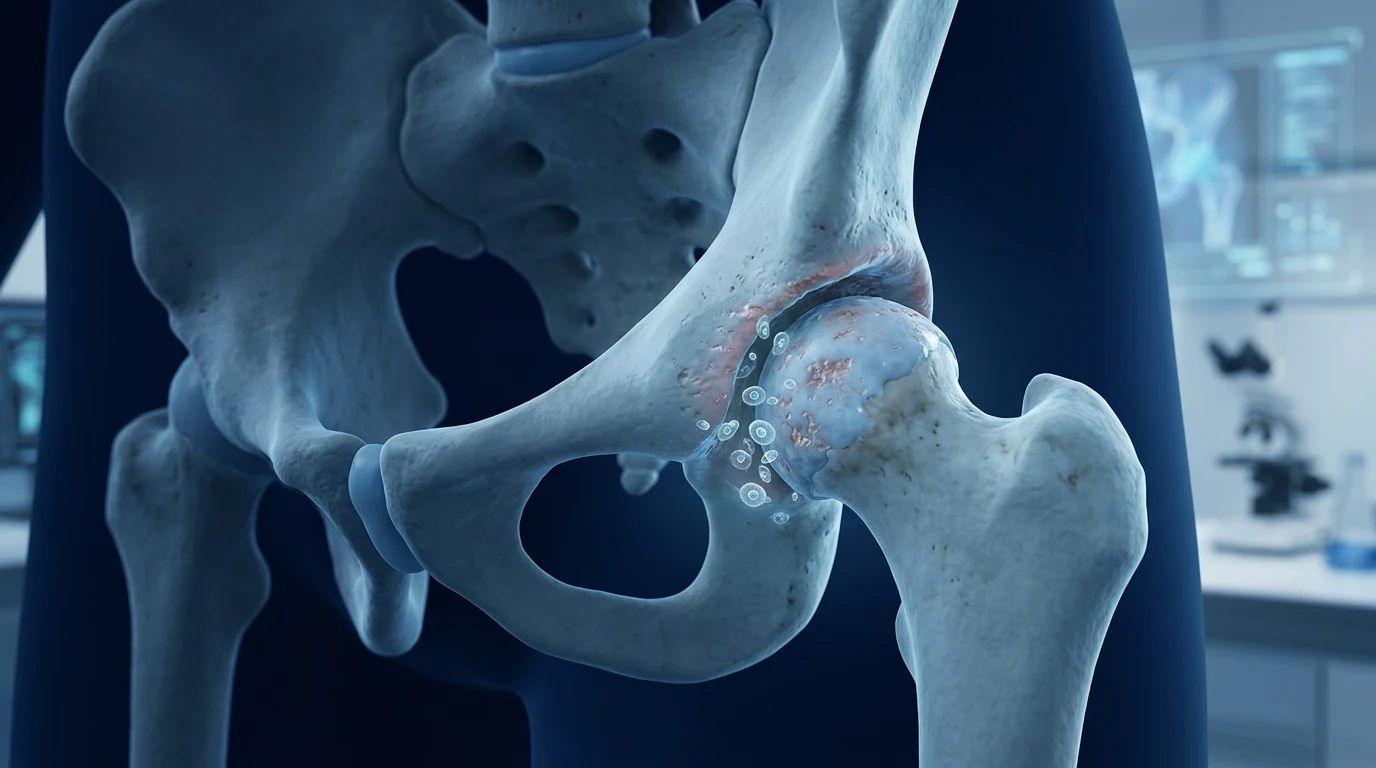
Stem Cell Therapy for Hip Osteoarthritis
How MSCs target hip OA—the unique evidence, imaging-guided delivery requirements, and what the smaller hip OA literature actually shows.
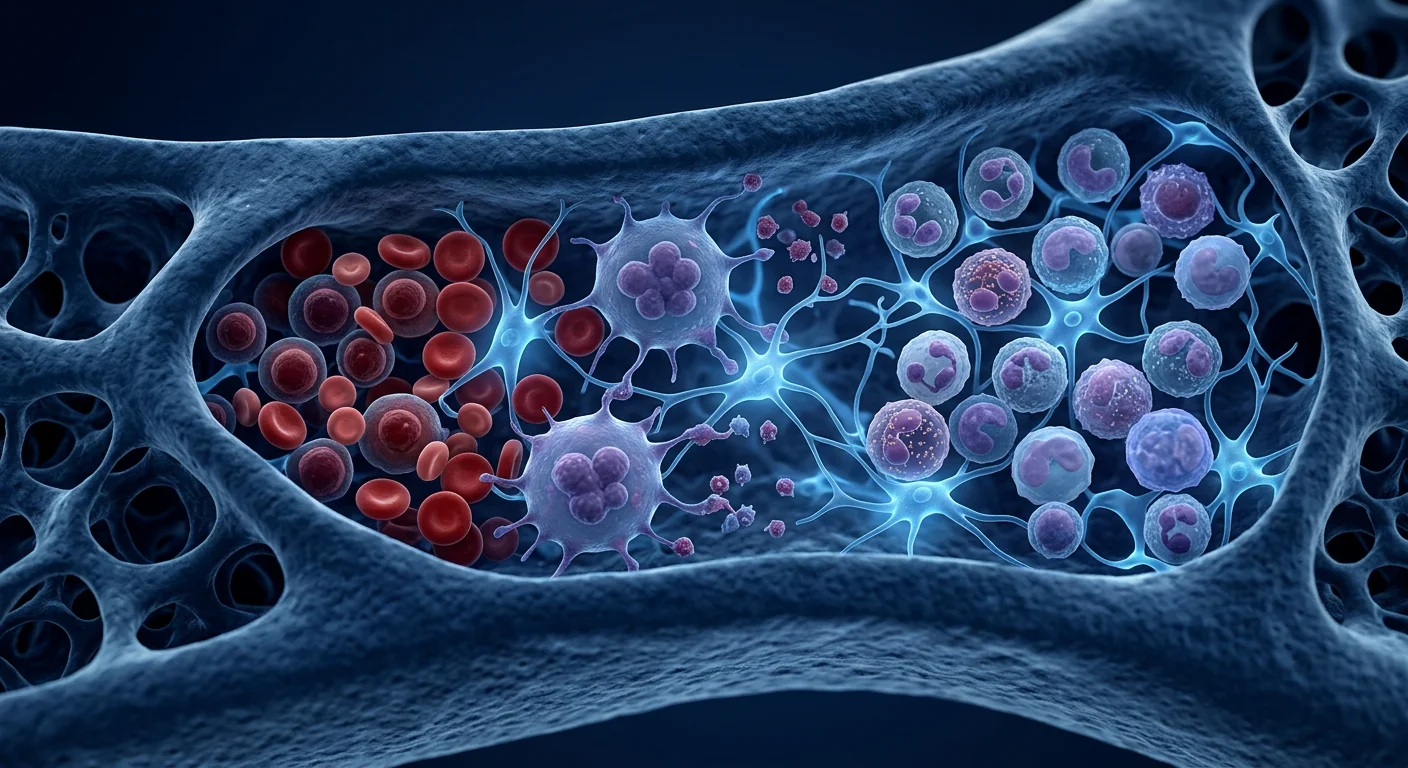
Stem Cell Therapy for Evans Syndrome: MSC Immunomodulation of Autoimmune Cytopenia & Hematologic Recovery
How mesenchymal stem cells are being studied to restore immune tolerance, suppress dual-lineage autoimmune attack, and support blood cell recovery in Evans Syndrome — an evidence-based look at an investigational adjunct.
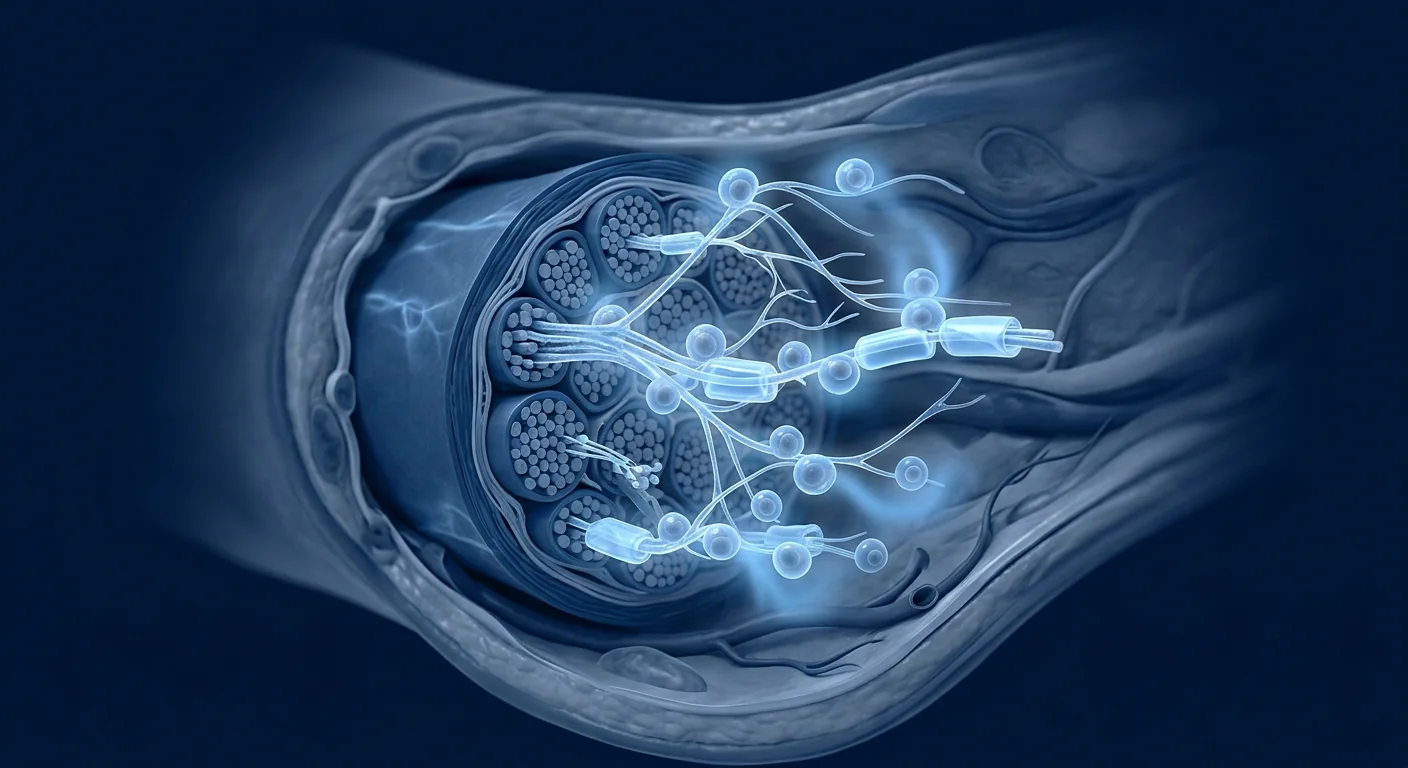
Stem Cell Therapy for Diabetic Neuropathy: MSC Neuroprotection, Microvascular Support & Nerve Repair
How mesenchymal stem cells are being studied to calm neuroinflammation, support the nerve's microvasculature, and promote axonal regeneration in diabetic peripheral neuropathy — an evidence-based look at an investigational adjunct.
Stem Cell Therapy for Psoriatic Arthritis: MSC Immunomodulation, Cartilage Protection & Joint Inflammation Control
How mesenchymal stem cells are being studied to calm the IL-23/IL-17 inflammatory cascade, protect cartilage, and support synovial repair in psoriatic arthritis — an evidence-based look at an investigational adjunct.
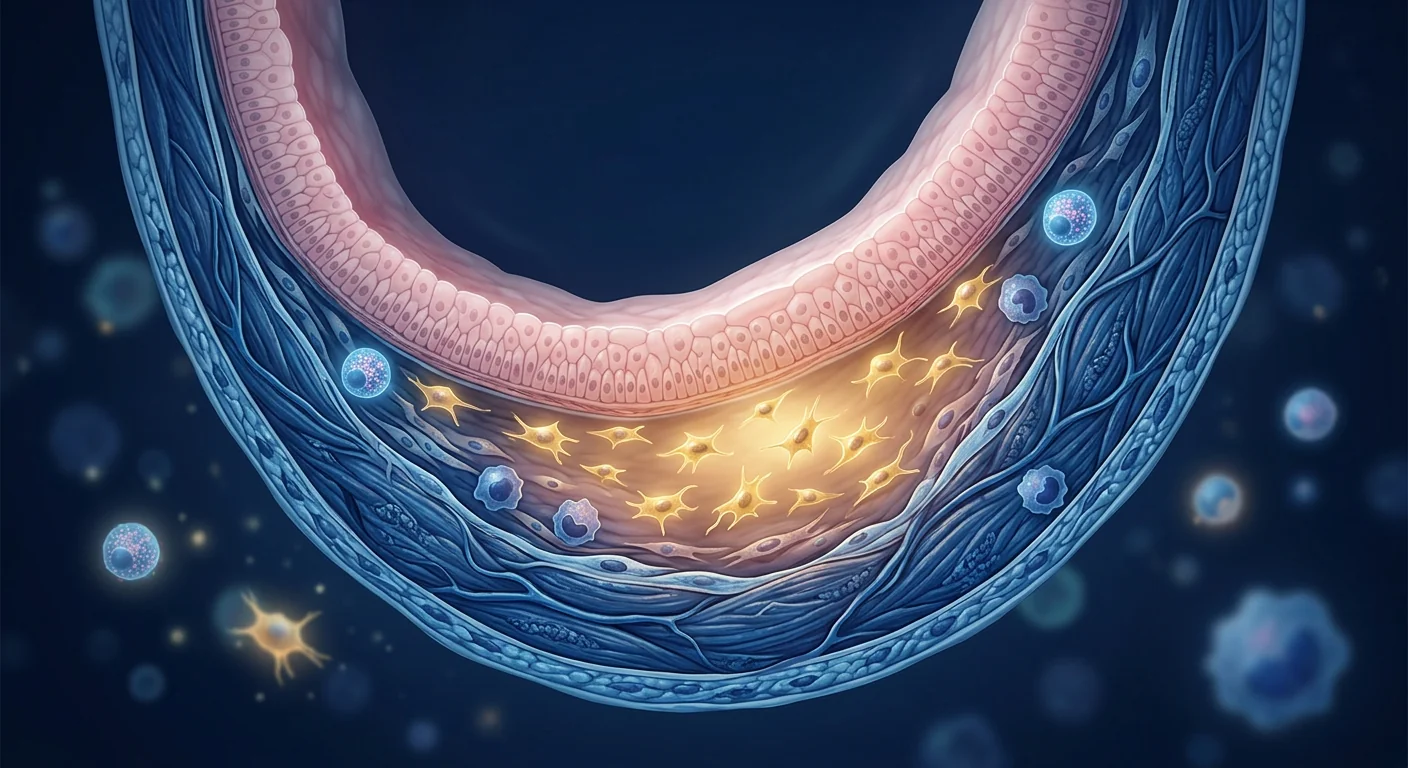
Stem Cell Therapy for Interstitial Cystitis
How MSCs repair the urothelial barrier, calm mast-cell-driven inflammation, and modulate the nerve sensitivity that drives chronic bladder pain — an evidence-based look at an investigational approach.
Stem Cell Therapy for Type 1 Diabetes
How MSC therapy is being studied to calm the autoimmune attack, protect remaining beta-cells, and reduce the daily strain of insulin-dependent diabetes.
Stem Cell Therapy for Fibromyalgia
How MSCs target the immune and nervous-system drivers of chronic widespread pain — and an honest look at what the early research shows.
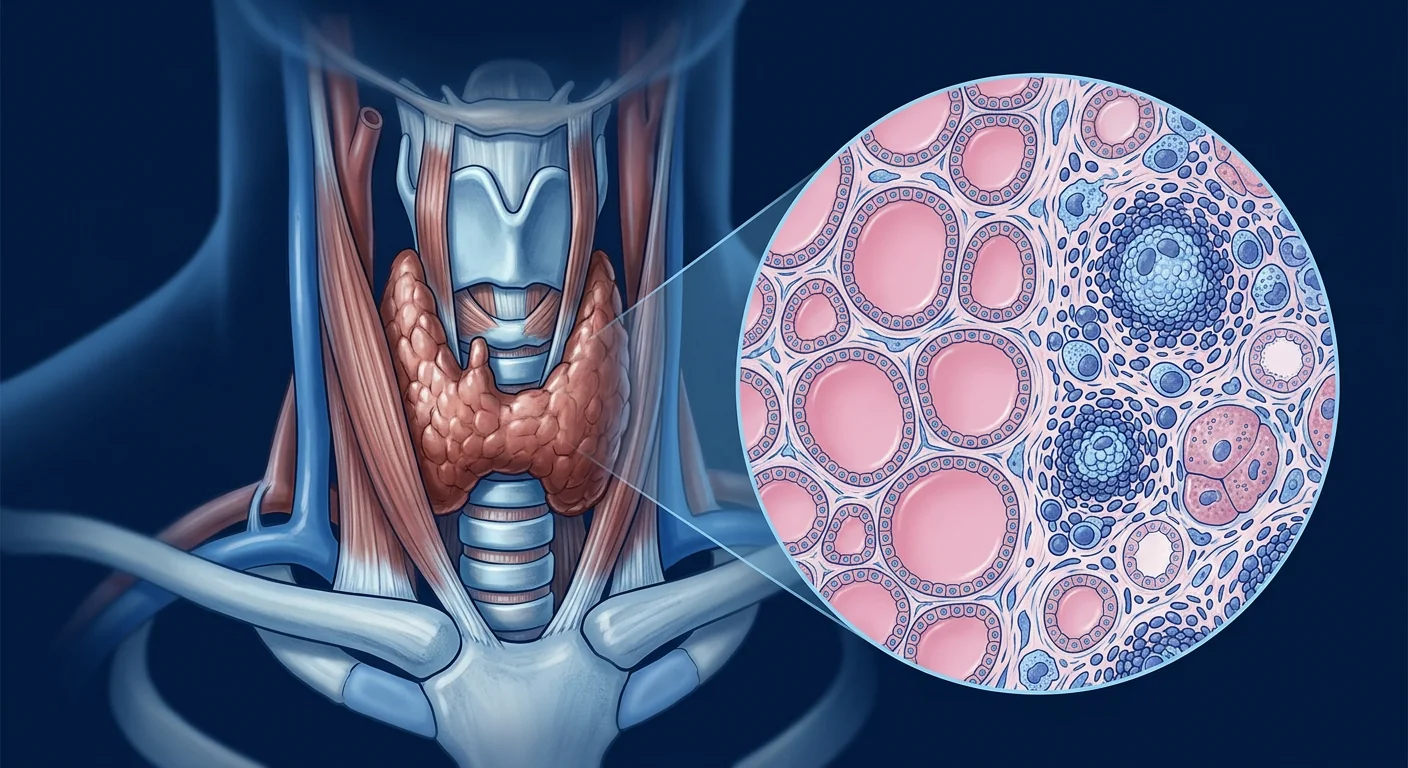
Stem Cell Therapy for Hypothyroidism
How MSCs may recalibrate the autoimmune attack on the thyroid — reducing anti-thyroid antibodies and calming chronic Hashimoto's inflammation.
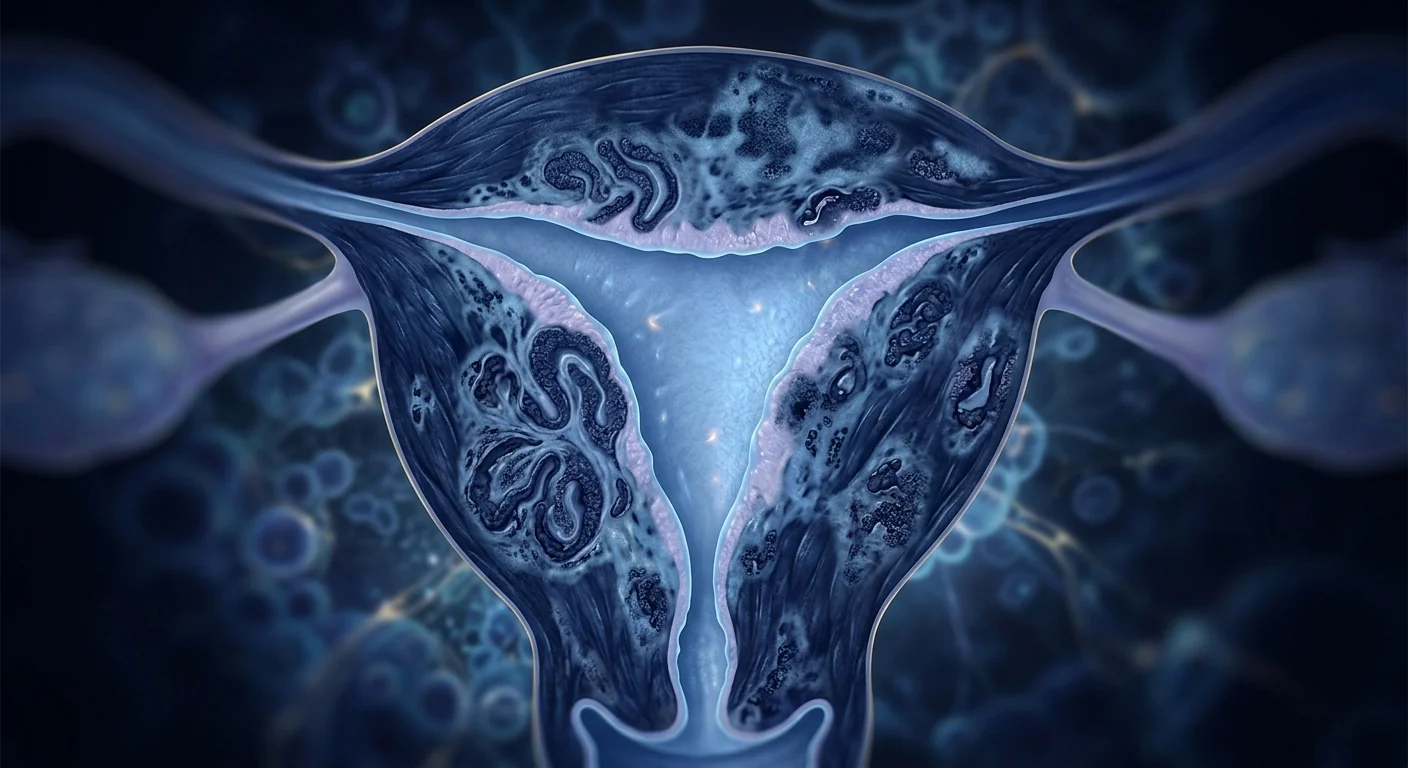
Stem Cell Therapy for Adenomyosis
MSC therapy for heavy periods, chronic pelvic pain, and uterine preservation: what the evidence does and does not yet support.
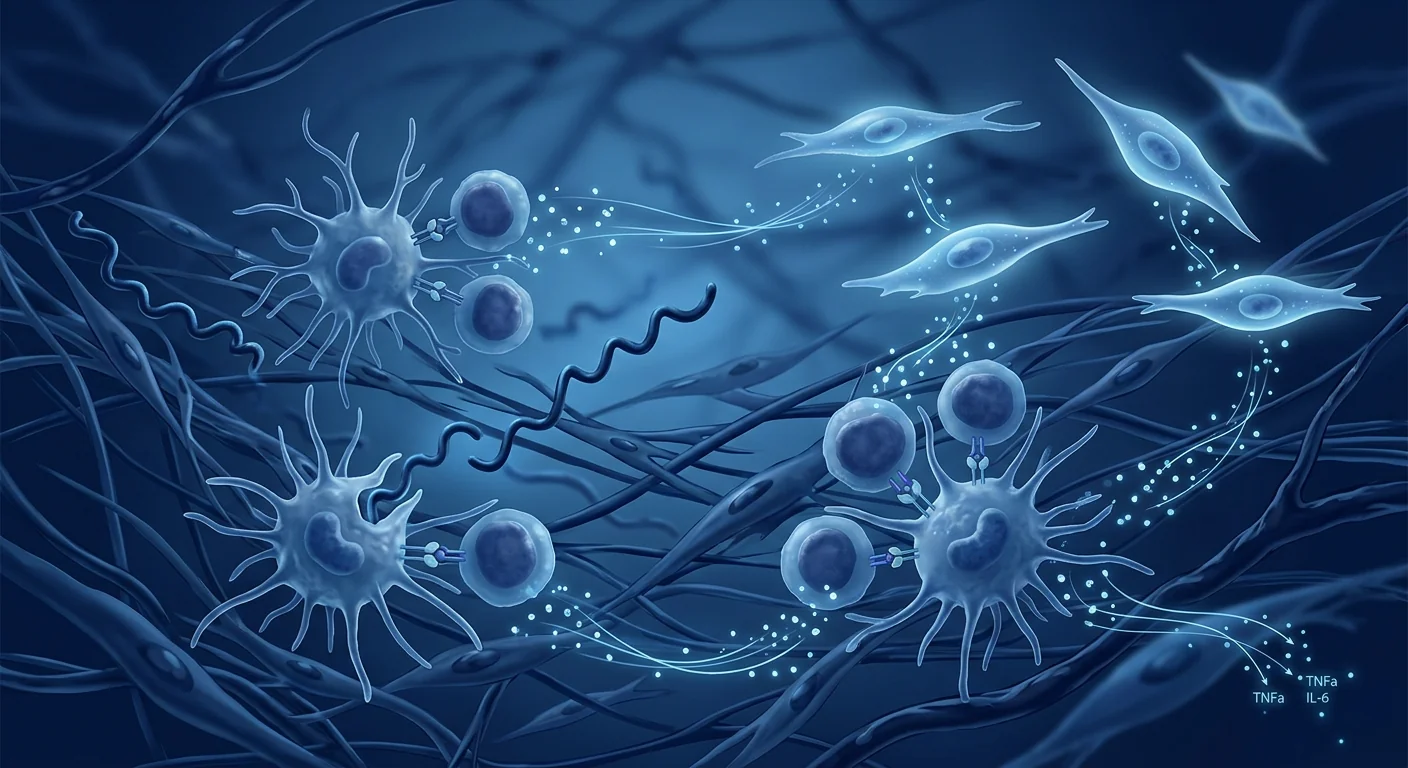
Stem Cell Therapy for Lyme Disease
An evidence-based look at MSCs for the persistent immune and neuroimmune inflammation of Lyme and post-Lyme symptoms — and what remains investigational.
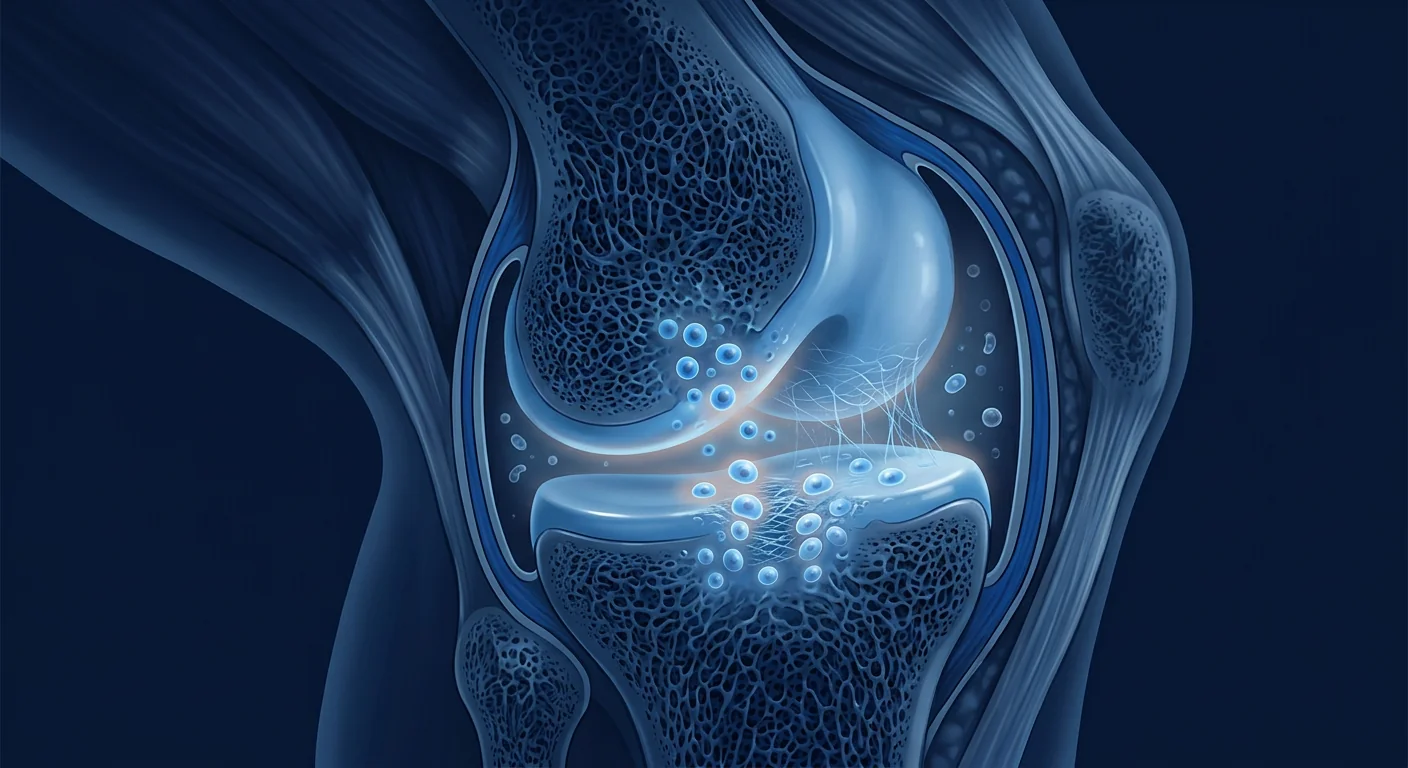
Stem Cell Therapy for Knee Osteoarthritis
What the randomised trials show on pain, function, and cartilage — and what the evidence does not yet support.
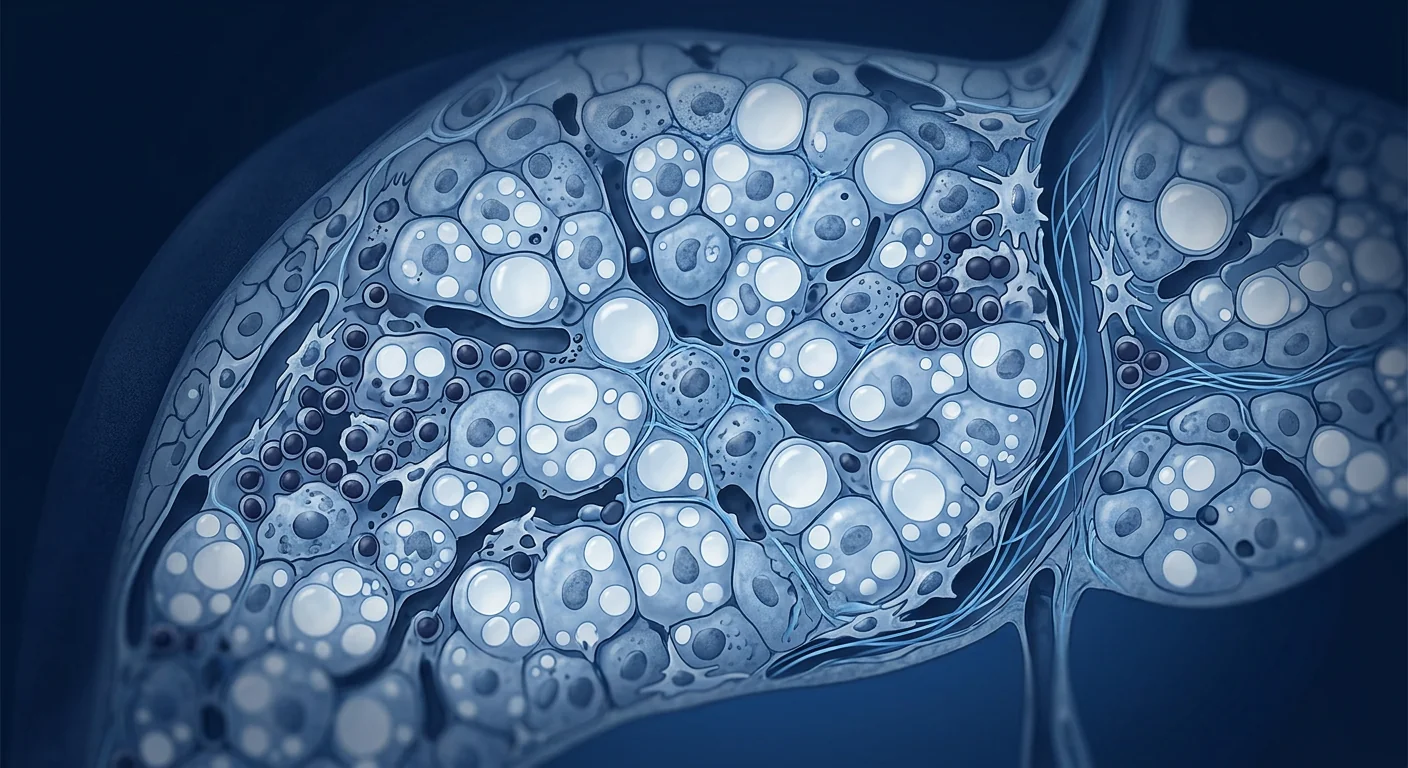
Stem Cell Therapy for NASH / MASH: An Evidence-Based Look
How MSCs target the steatosis-inflammation-fibrosis cycle, what clinical trials show, and an honest account of where the science stands today.
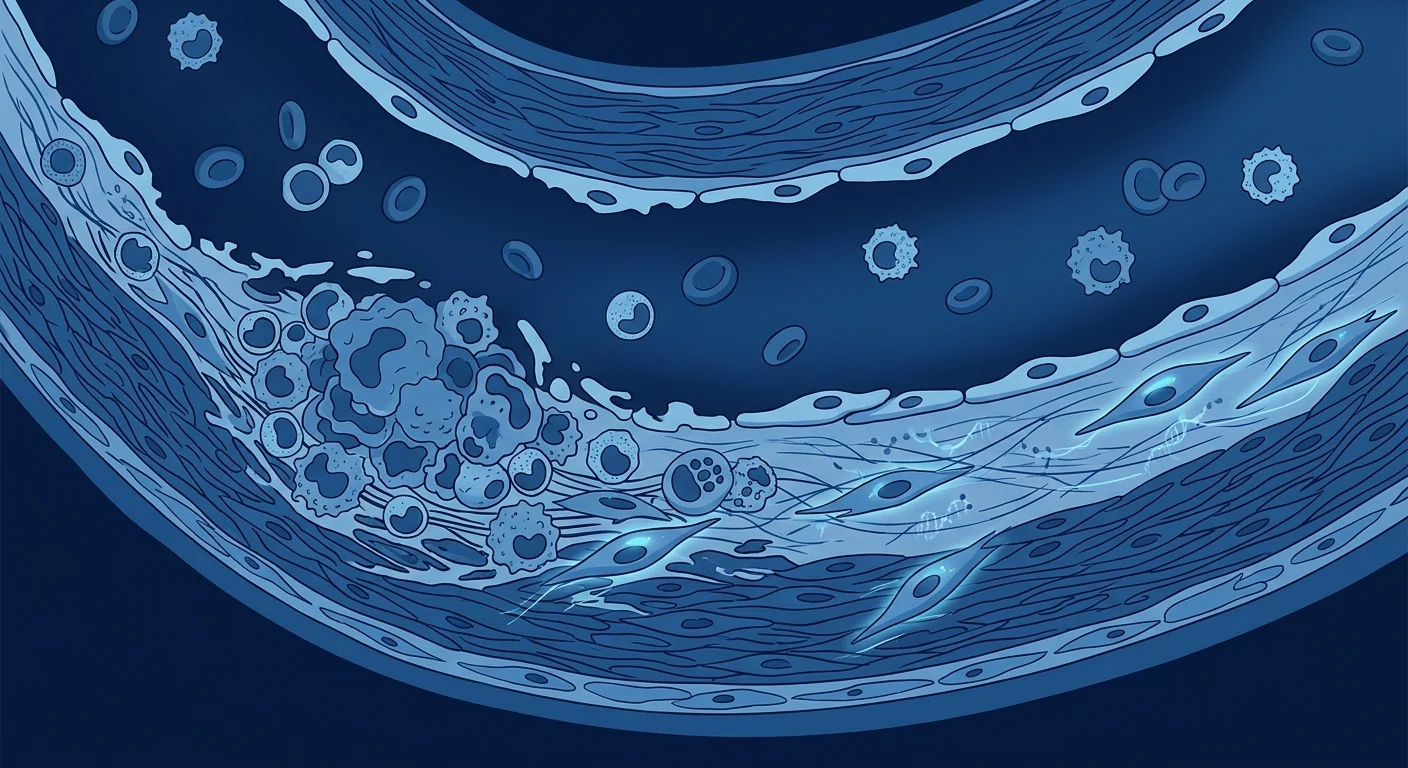
Stem Cell Therapy for Granulomatosis with Polyangiitis (GPA)
How MSCs suppress ANCA-driven vascular inflammation and promote tissue repair in this rare autoimmune vasculitis.
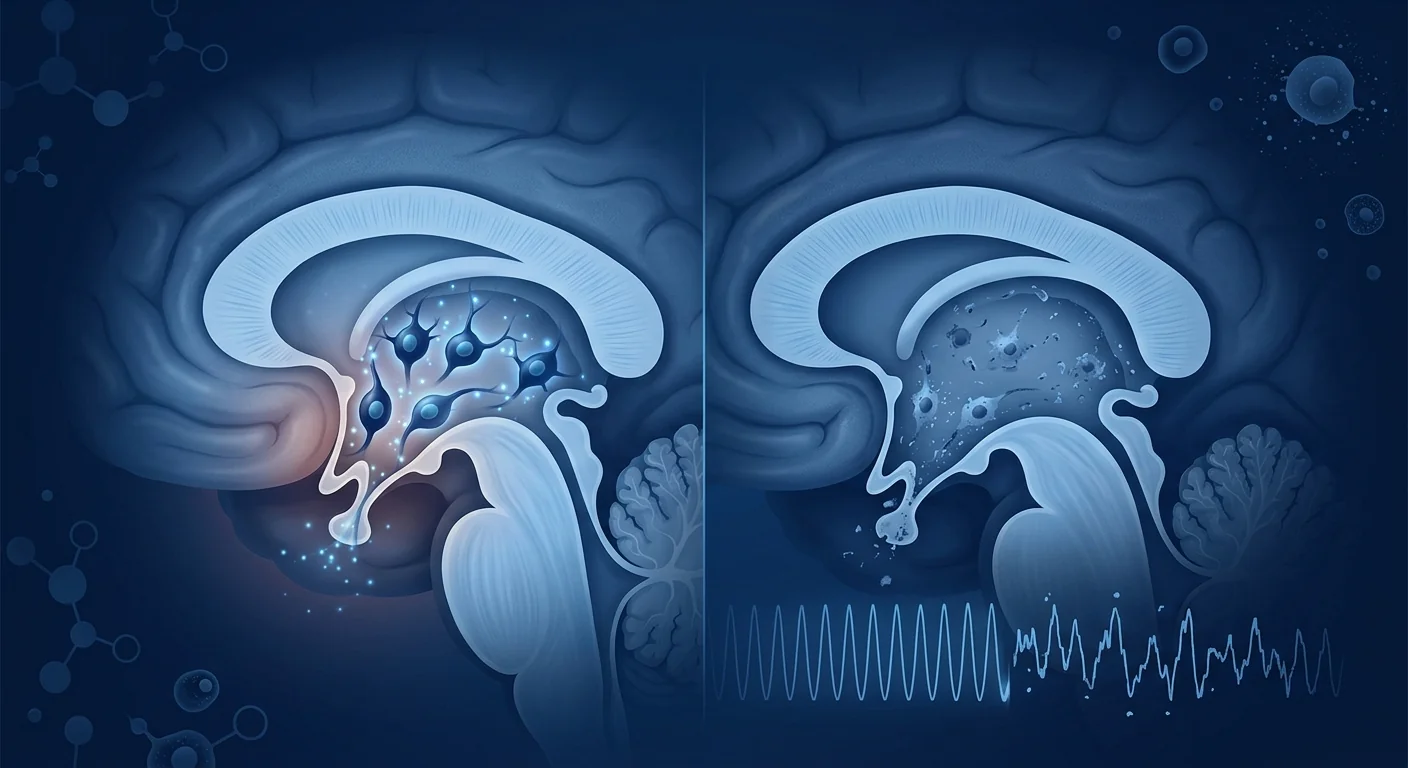
Stem Cell Therapy for Narcolepsy
How MSCs target the autoimmune basis of narcolepsy — protecting orexin neurons and restoring sleep-wake regulation.
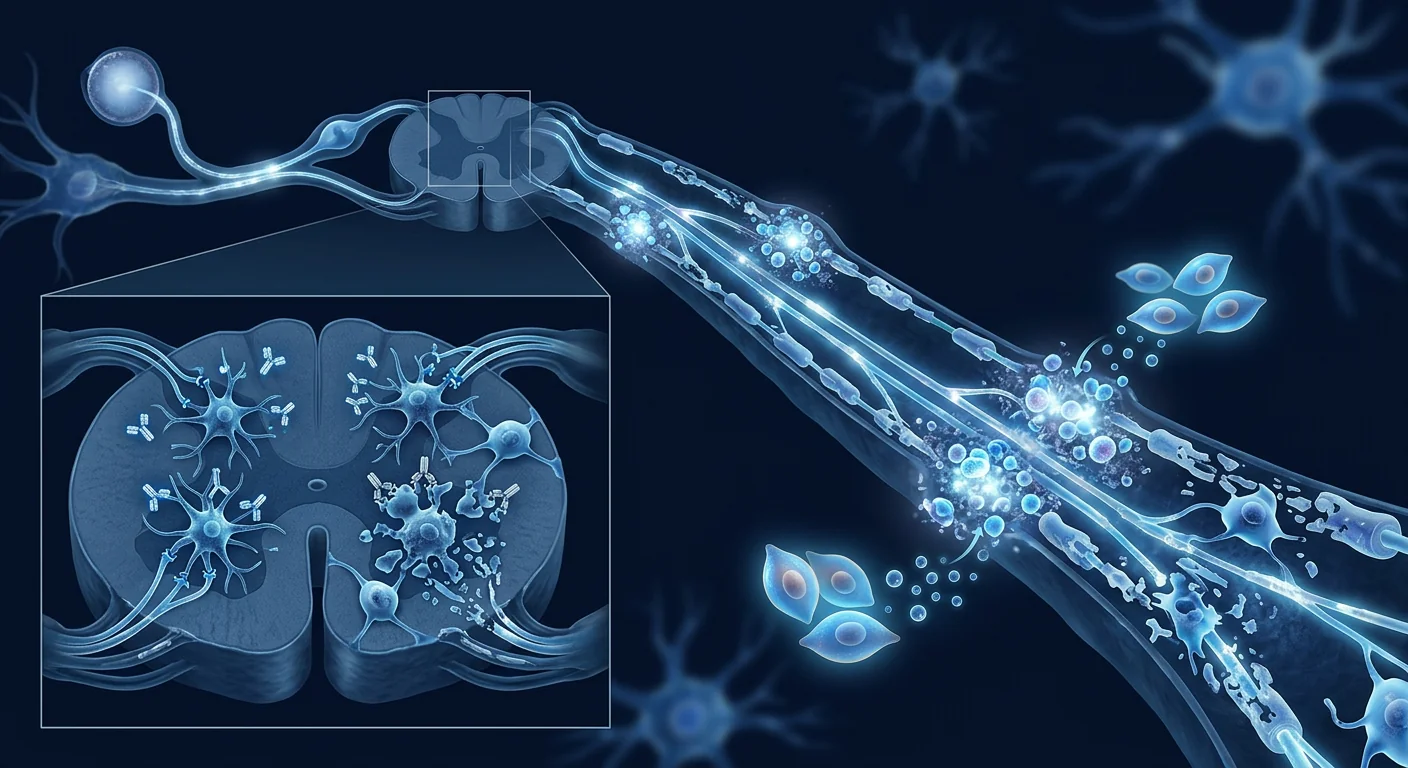
Stem Cell Therapy for Neuromyelitis Optica (NMOSD)
How MSCs target aquaporin-4 autoimmunity — complement inhibition, B-cell suppression, and astrocyte protection.
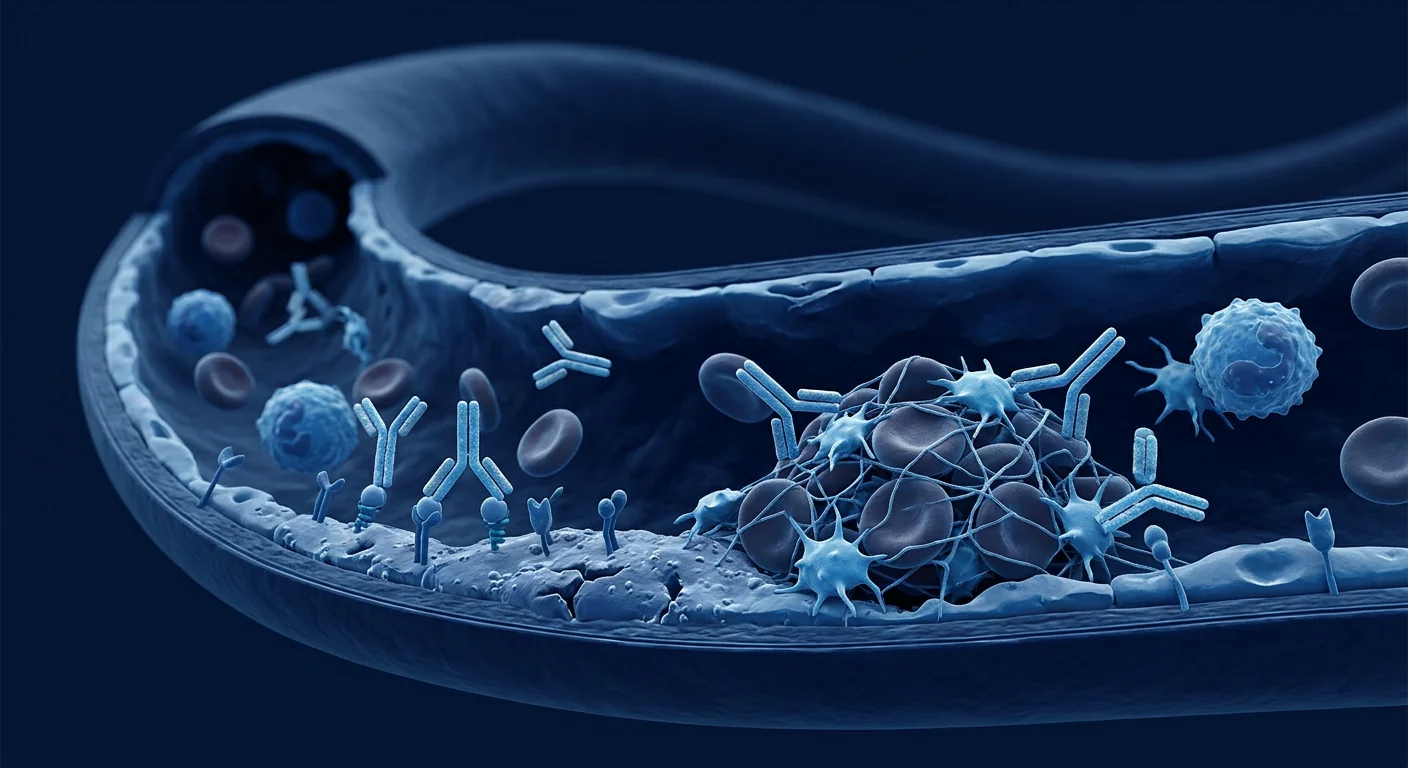
Stem Cell Therapy for Antiphospholipid Syndrome (APS)
How MSCs target the dual autoimmune-thrombotic pathology of APS — immunomodulation to reduce aPL antibodies, plus endothelial protection and anti-thrombotic paracrine signalling.
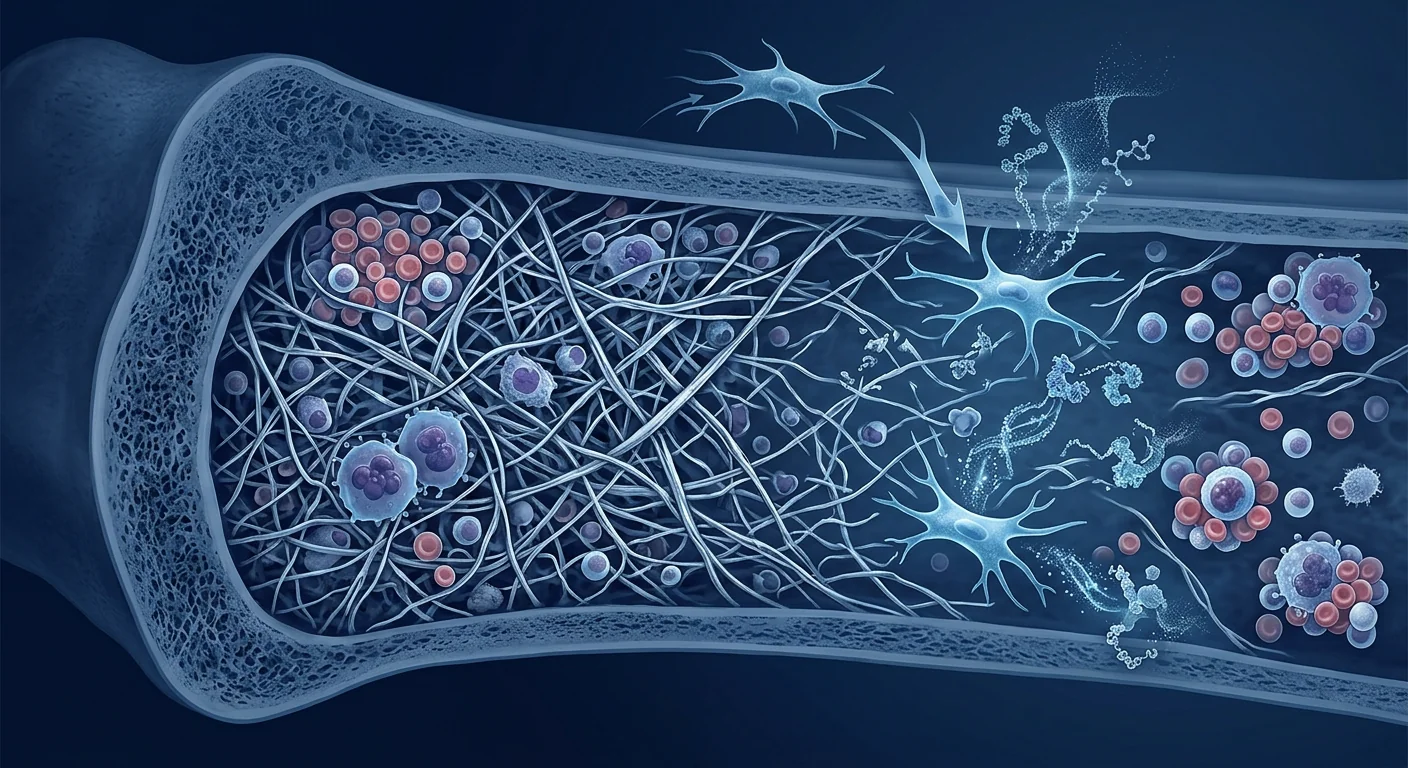
Stem Cell Therapy for Myelofibrosis: MSC Treatment for Bone Marrow Fibrosis
How MSCs degrade bone marrow fibrosis, suppress aberrant megakaryocyte cytokine signaling, and restore hematopoietic niche architecture.
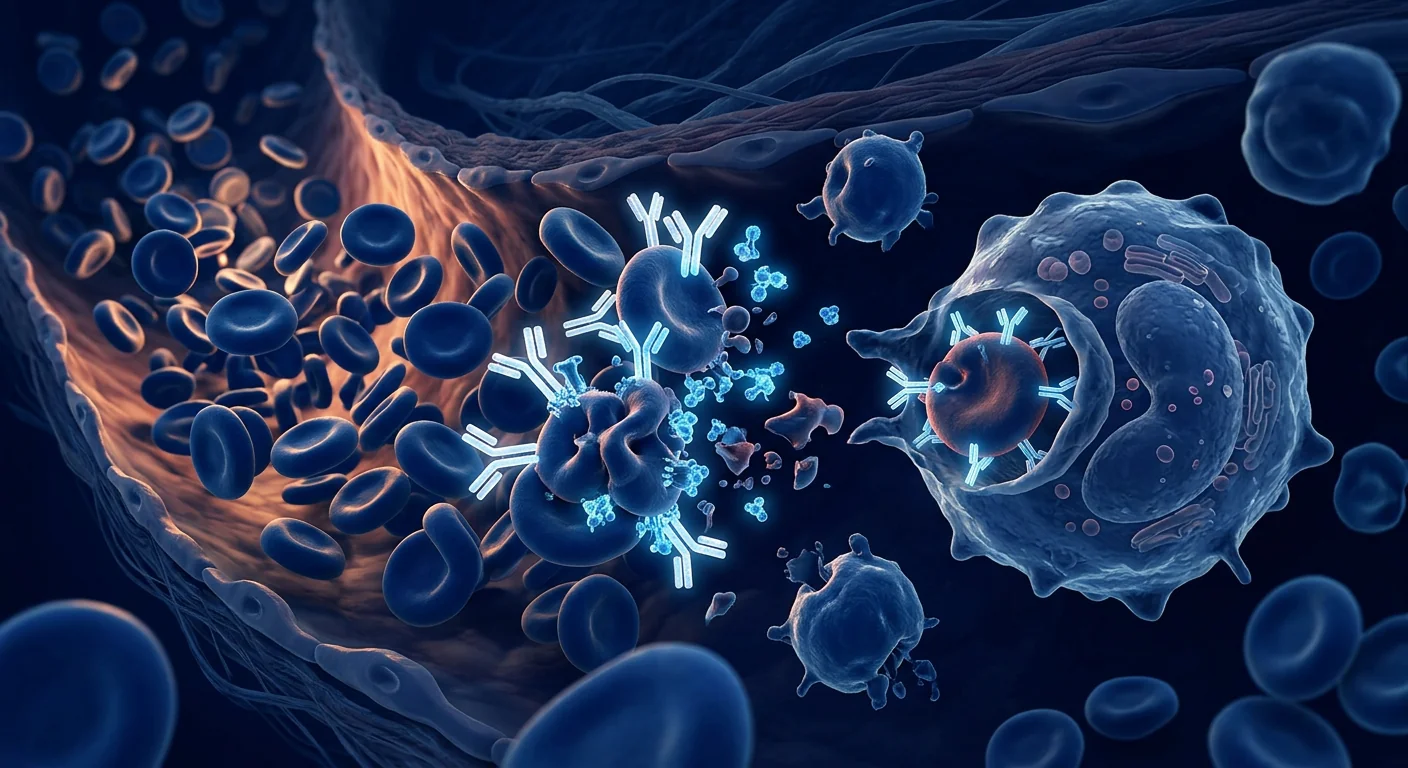
Stem Cell Therapy for AIHA: Autoimmune Hemolytic Anemia
How MSCs target anti-RBC autoantibodies, complement-mediated hemolysis, and impaired erythropoiesis for durable hematologic remission.
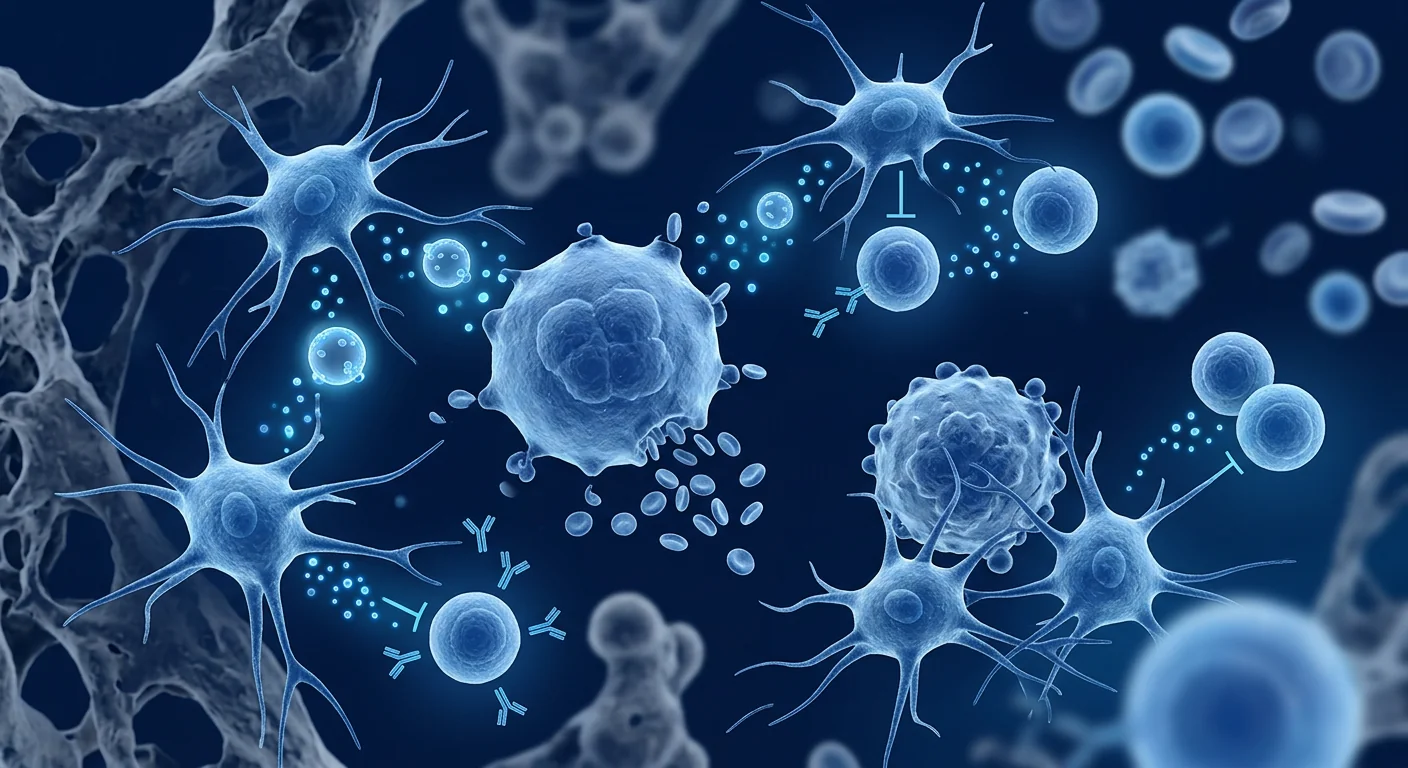
Stem Cell Therapy for ITP: Immune Thrombocytopenia
How MSCs restore platelet counts through multi-level immunomodulation, anti-platelet antibody suppression, and megakaryopoiesis support.
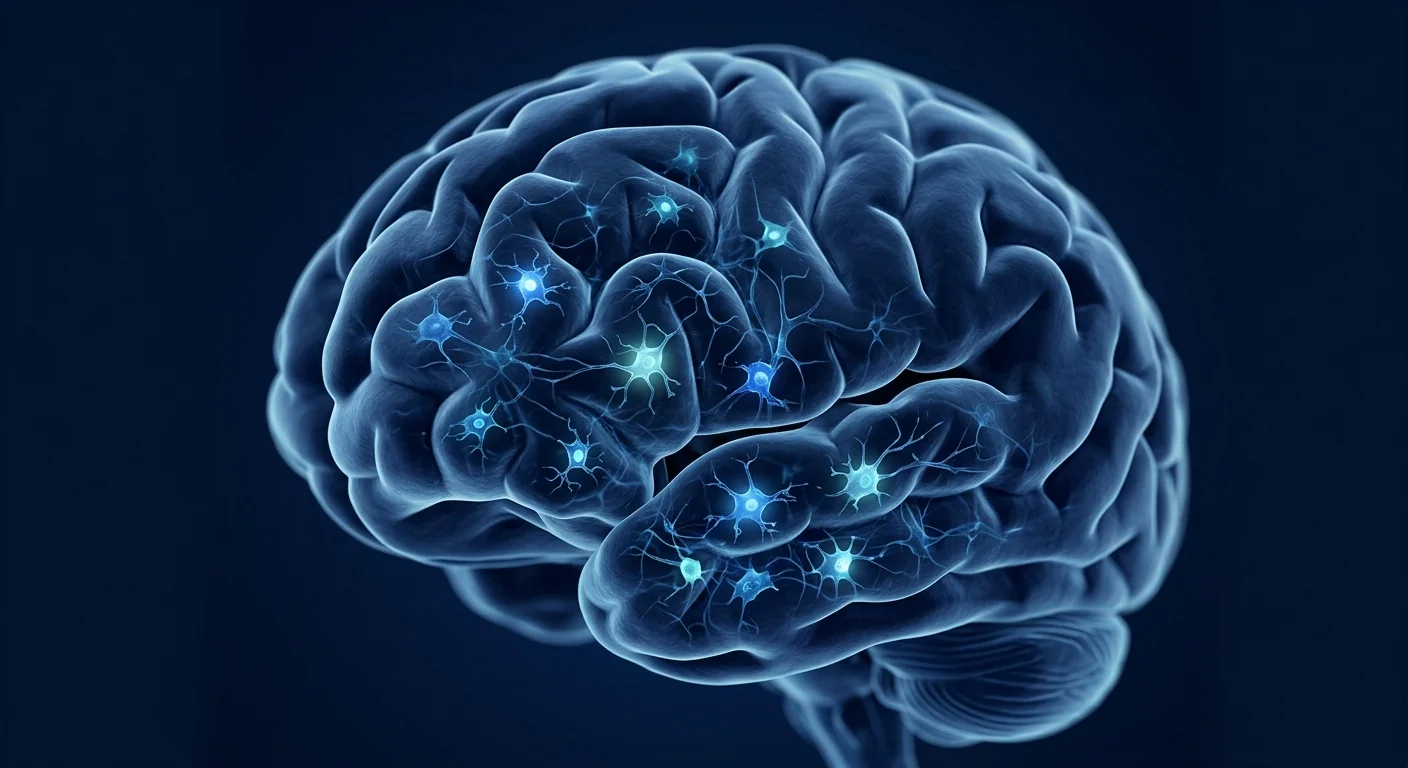
Stem Cell Therapy for Frontotemporal Dementia (FTD): MSC Treatment
How MSCs may target tau/TDP-43 pathology through immunomodulation and progranulin enhancement in FTD.
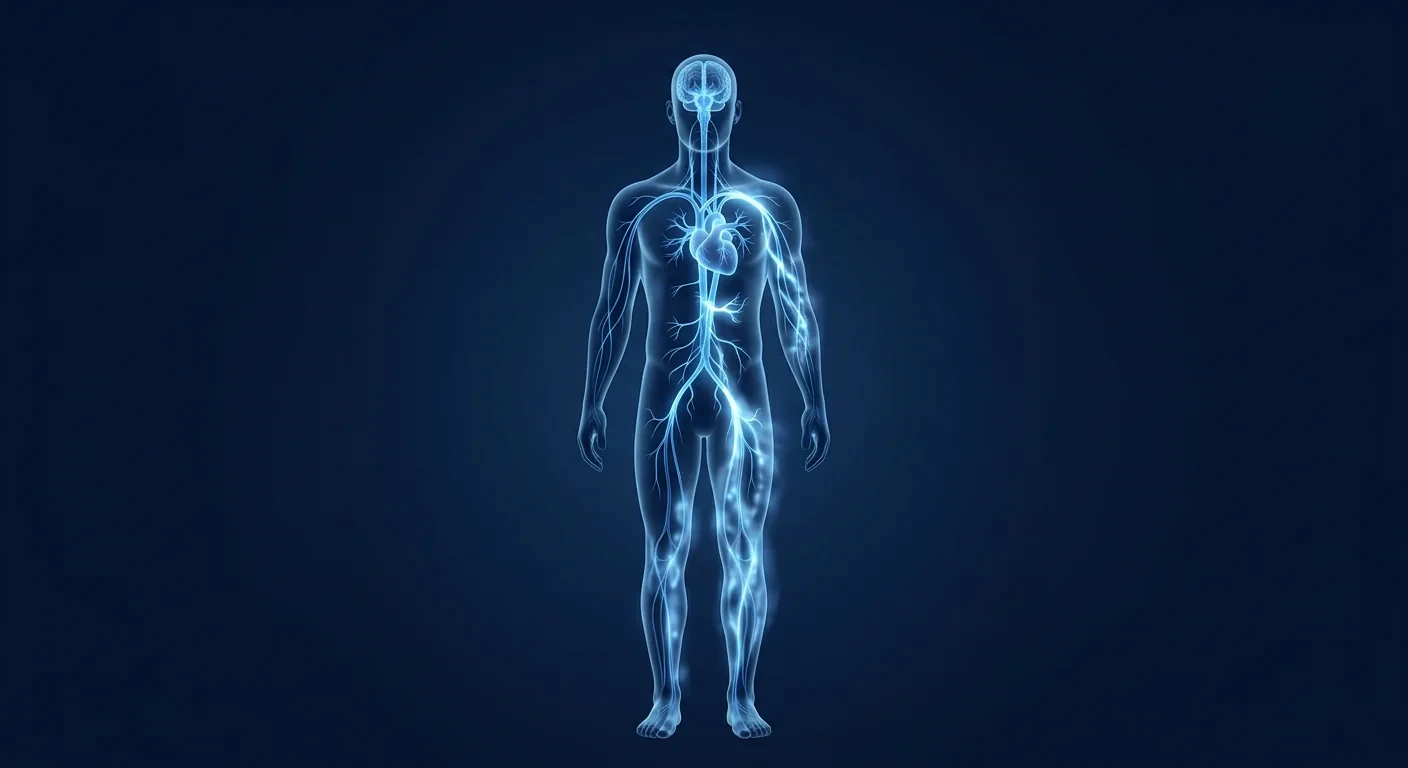
Stem Cell Therapy for POTS: MSC Autonomic Immunomodulation
How MSCs may target autoantibody-driven autonomic dysfunction in Postural Orthostatic Tachycardia Syndrome.
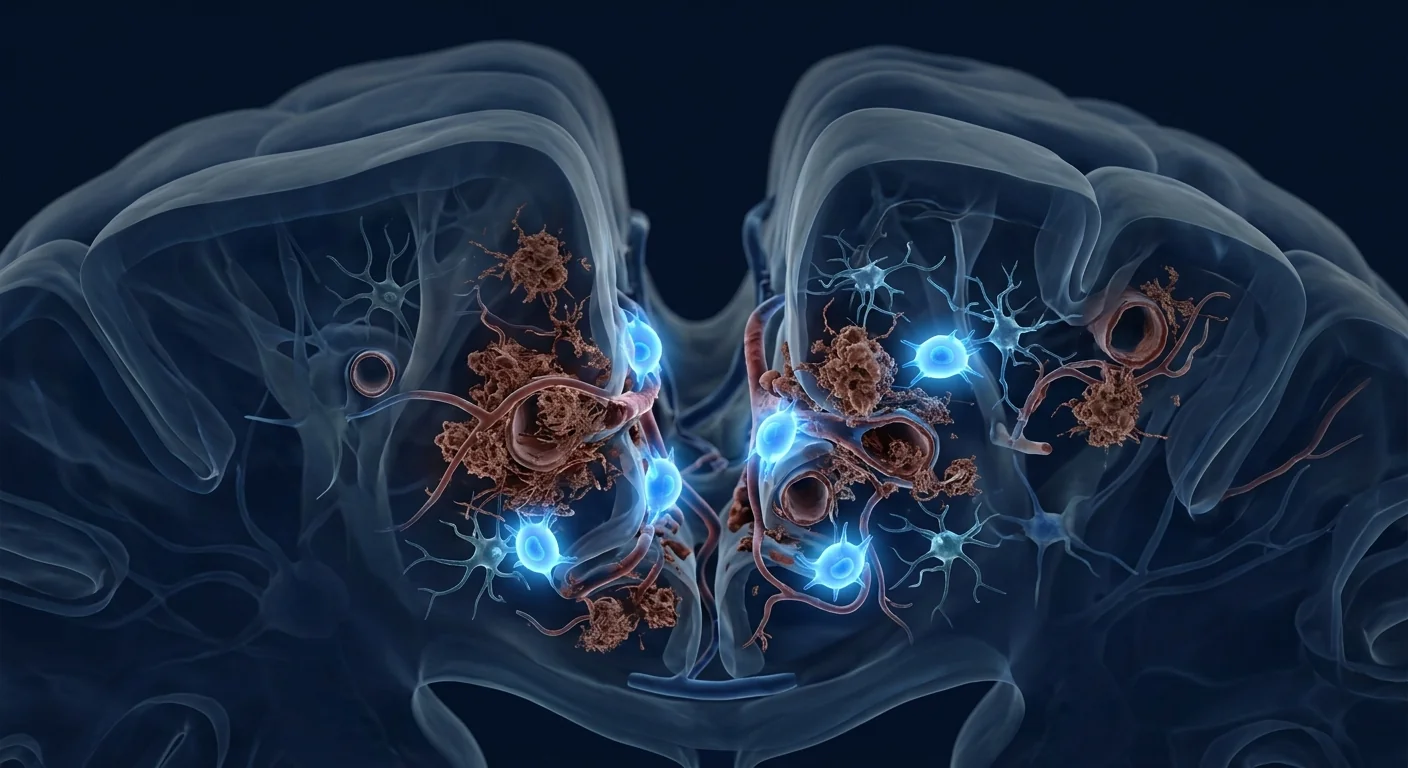
Stem Cell Therapy for Chronic Traumatic Encephalopathy: MSC Neuroprotection
How MSCs target tau pathology and chronic neuroinflammation in CTE — the progressive neurodegenerative disease linked to repetitive head impacts.
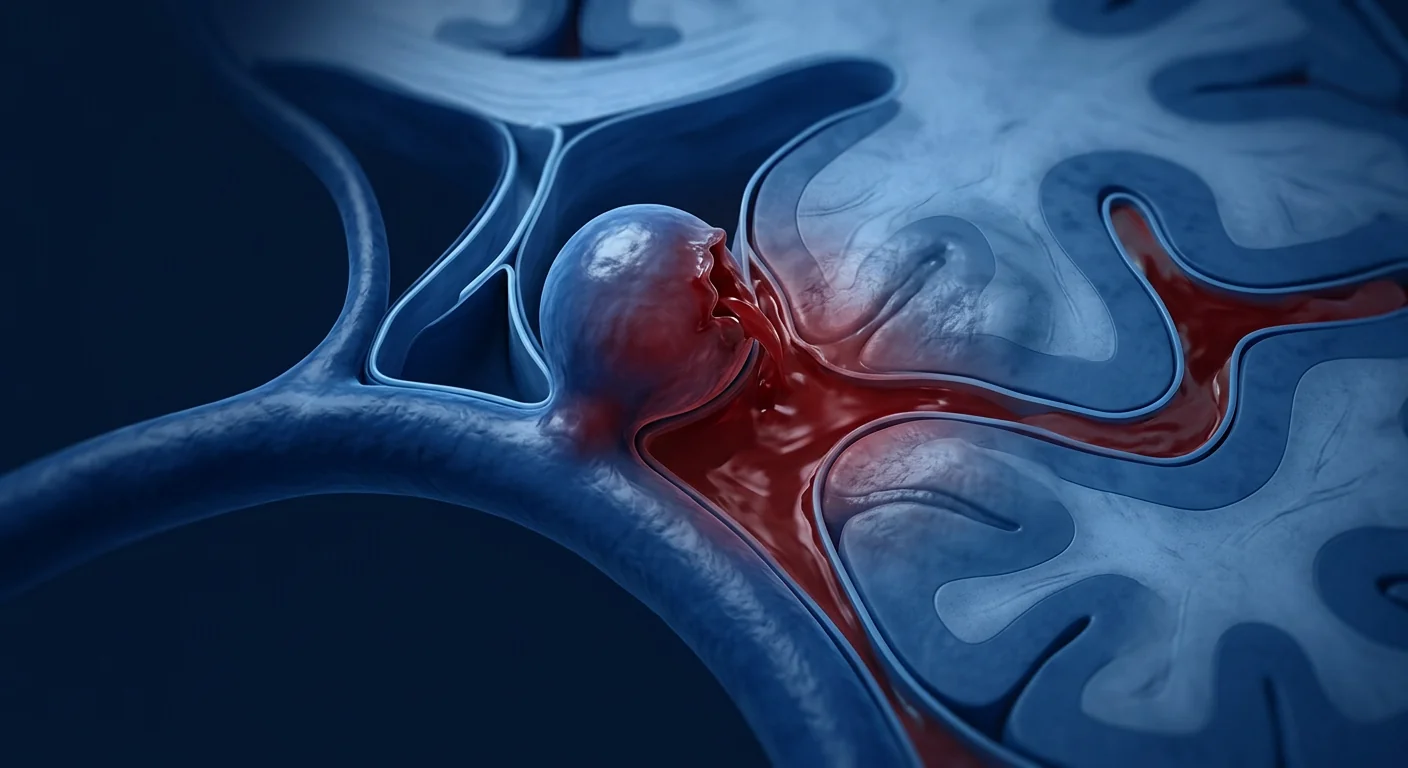
Stem Cell Therapy for Brain Aneurysm & Subarachnoid Hemorrhage
How MSCs target the secondary injury cascade after an aneurysm rupture — neuroinflammation, vasospasm, and honest limits.
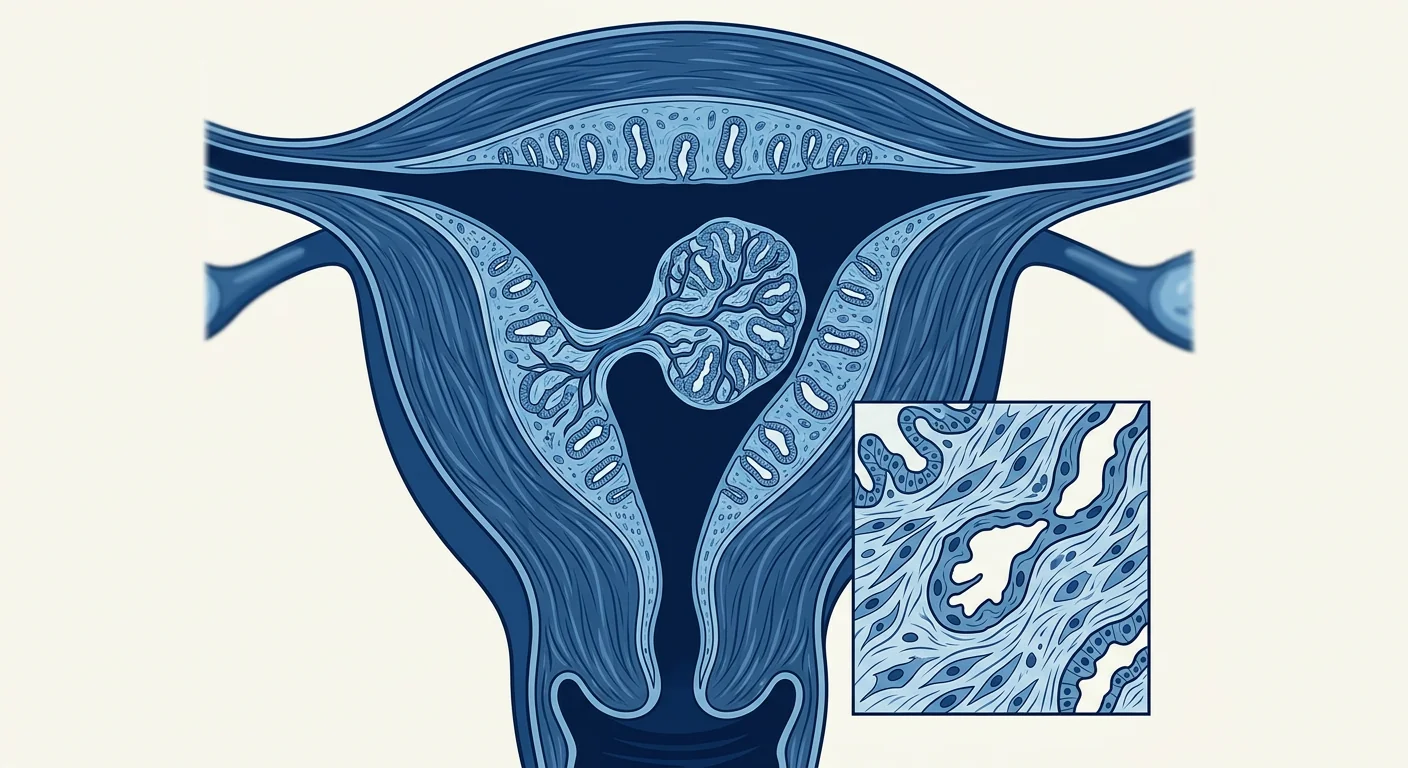
Stem Cell Therapy for Endometrial Polyps
How MSCs target the fibrotic, vascular, and inflammatory drivers of abnormal uterine bleeding — the honest evidence for an investigational approach.
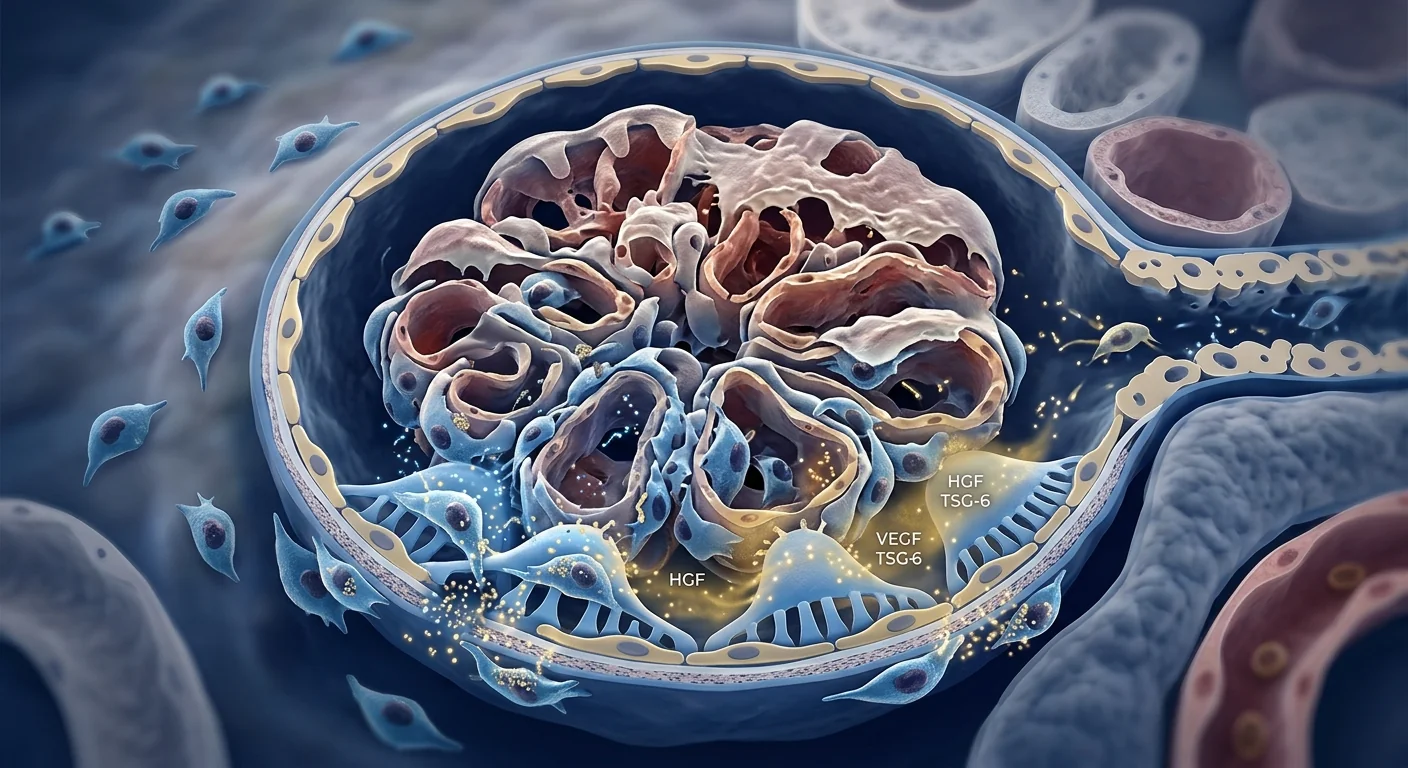
Stem Cell Therapy for Nephrotic Syndrome: MSC Podocyte Repair
How MSCs may protect kidney podocytes, reduce proteinuria, and restore glomerular filtration in FSGS, MCD, and membranous nephropathy.
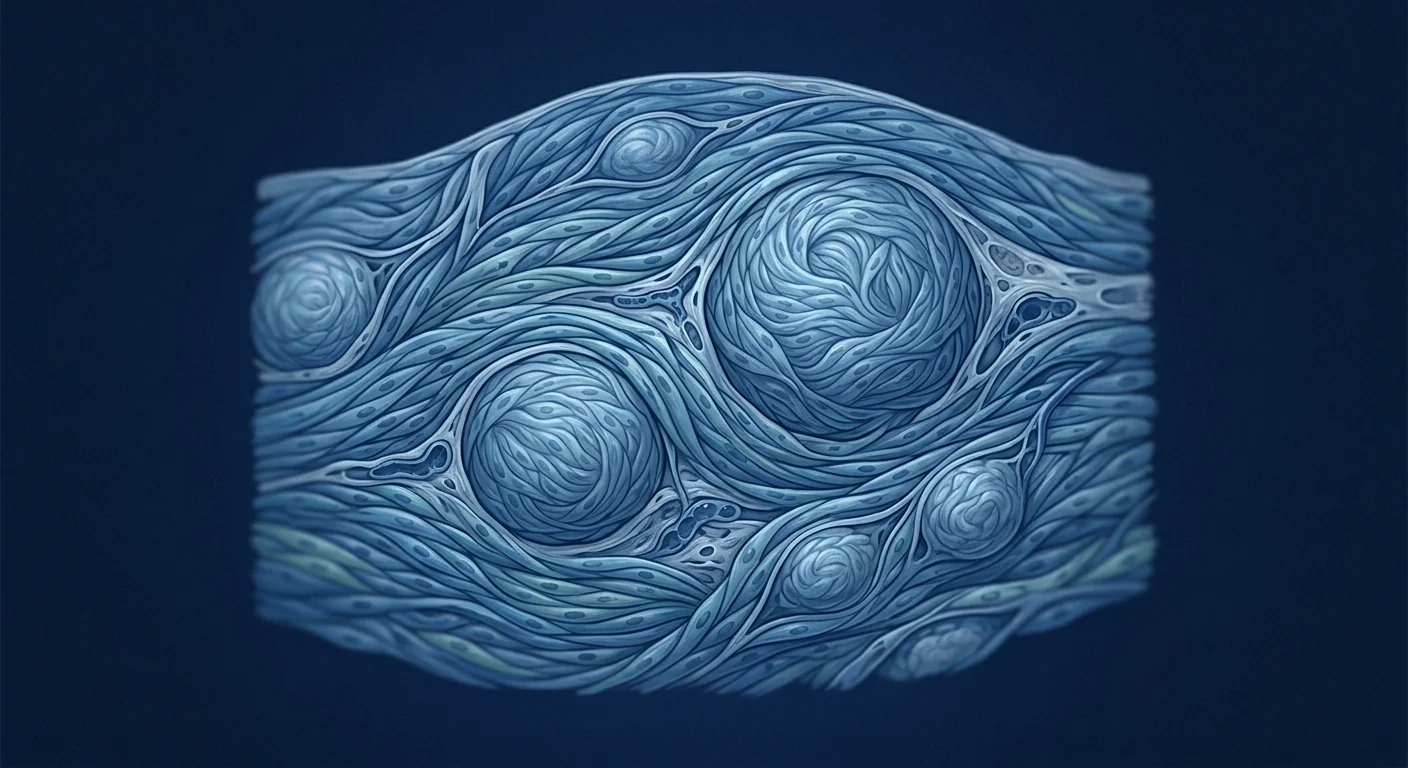
Stem Cell Therapy for Uterine Fibroids
How MSCs target fibrotic smooth muscle tumors through ECM remodeling and TGF-β antagonism.
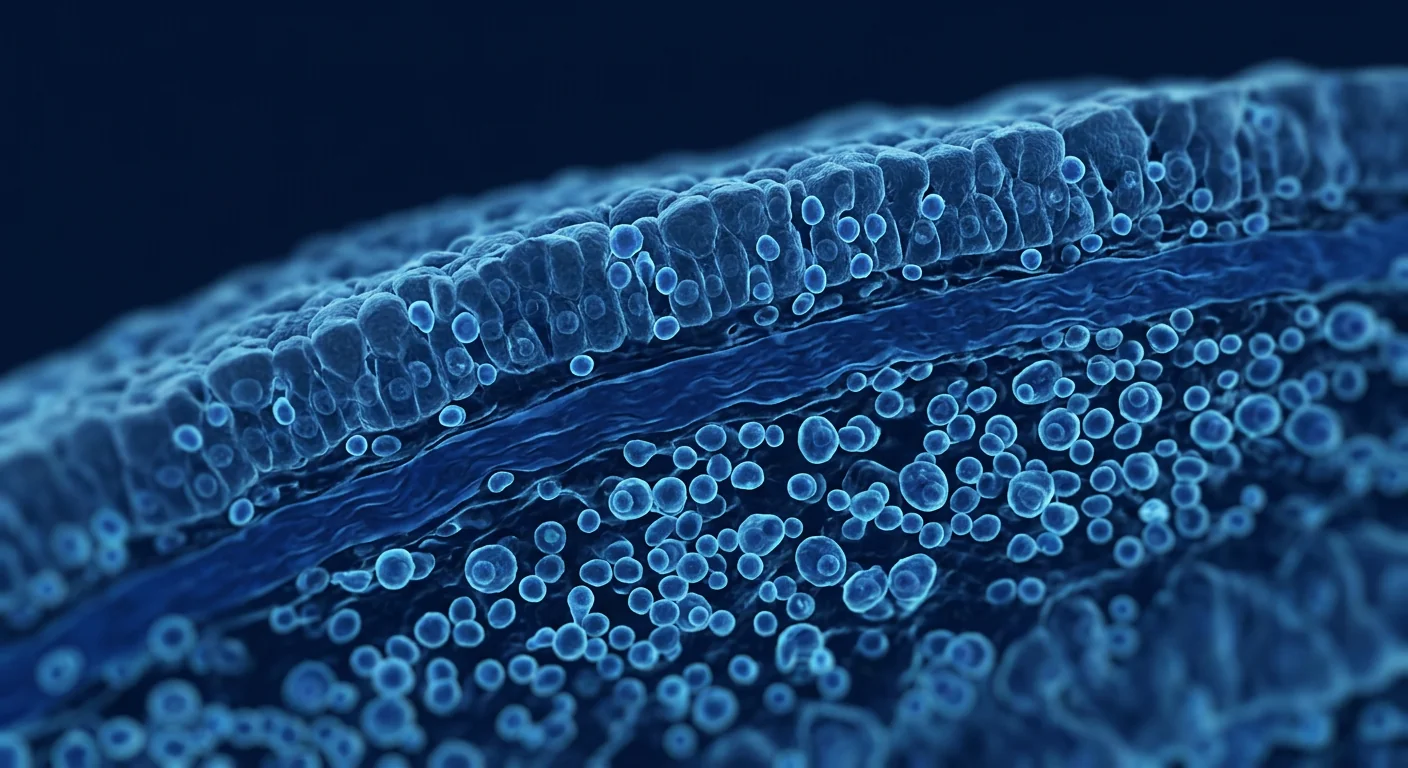
Stem Cell Therapy for Microscopic Colitis
How MSCs target chronic colonic mucosal inflammation in collagenous and lymphocytic colitis — mechanisms, evidence, and honest limits.
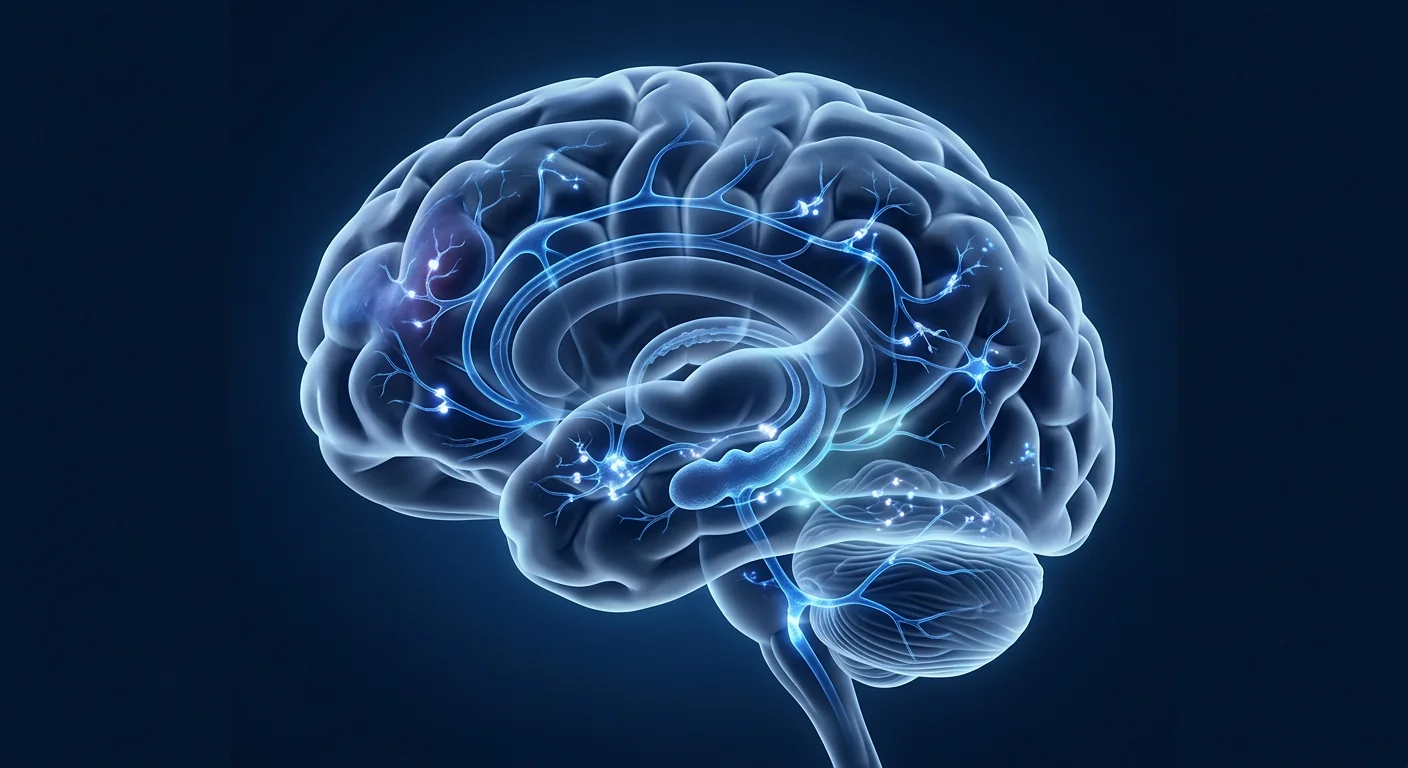
Stem Cell Therapy for Post-Concussion Syndrome: MSC Treatment for Persistent Symptoms
How MSCs target the chronic neuroinflammation behind persistent concussion symptoms — restoring cerebral blood flow, synaptic protection, and cognitive recovery.
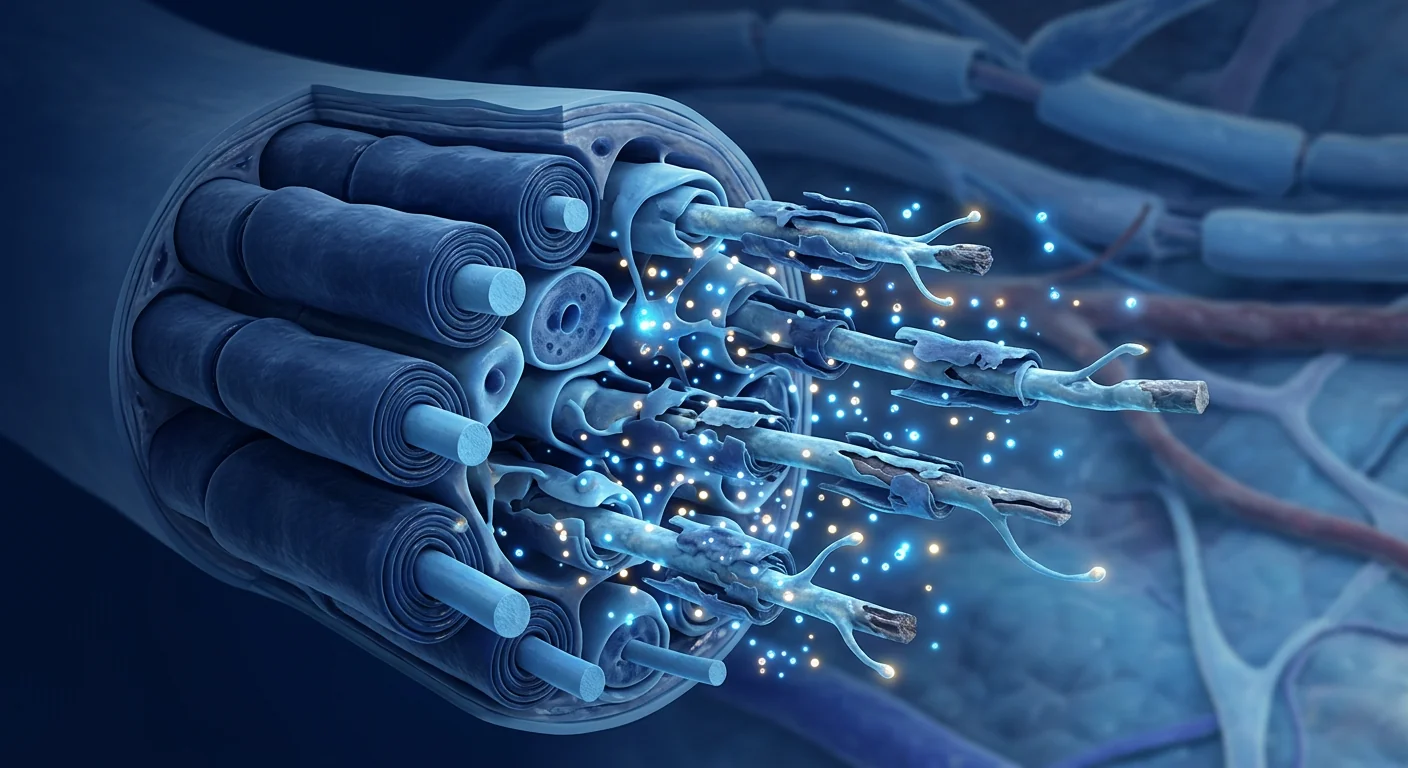
Stem Cell Therapy for Charcot-Marie-Tooth Disease
How MSCs deliver neurotrophic factors to degenerating peripheral nerves, supporting Schwann cell repair and potentially slowing axonal loss in the most common inherited neurological disorder.
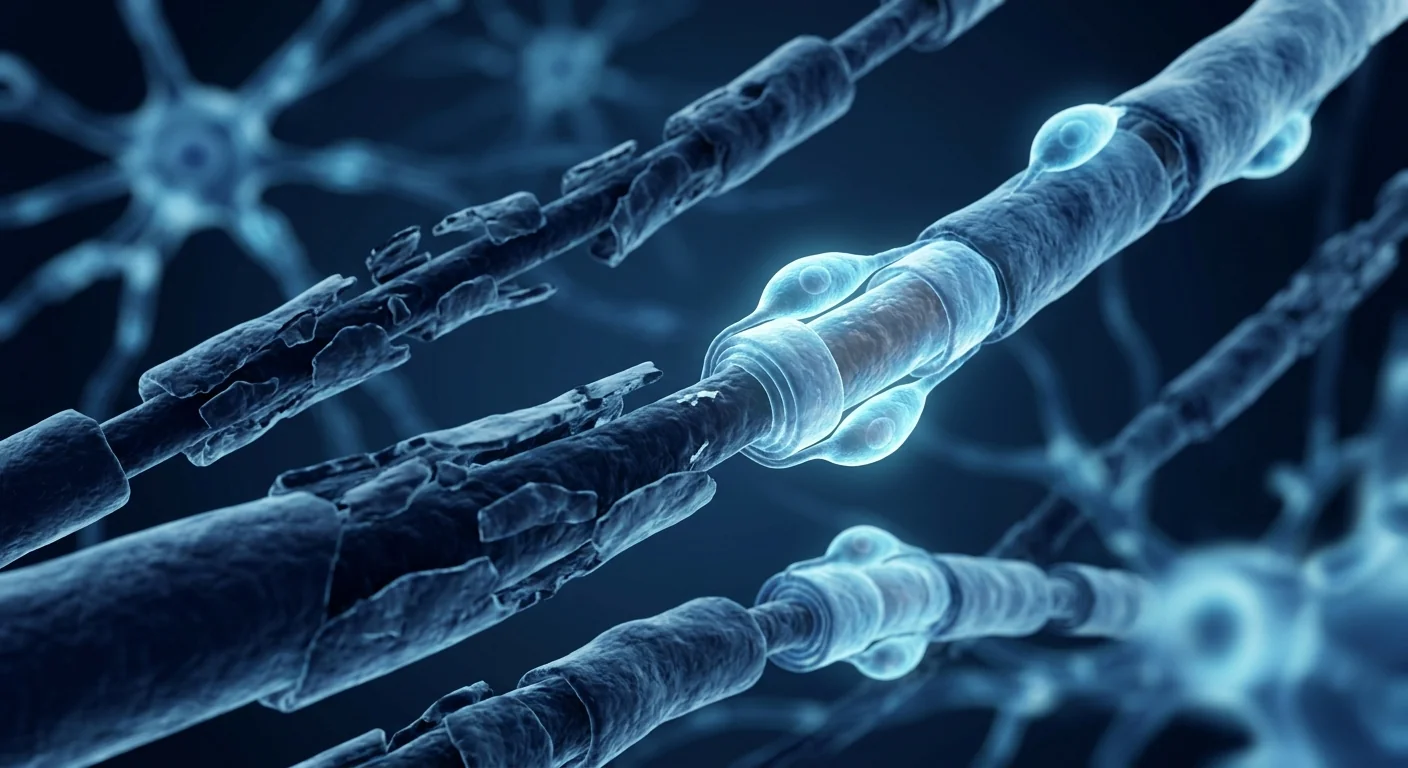
Stem Cell Therapy for CIDP: MSC Treatment for Chronic Inflammatory Demyelinating Polyneuropathy
How MSCs modulate the autoimmune attack on peripheral nerves, promote remyelination, and support long-term recovery in chronic inflammatory demyelinating polyneuropathy.
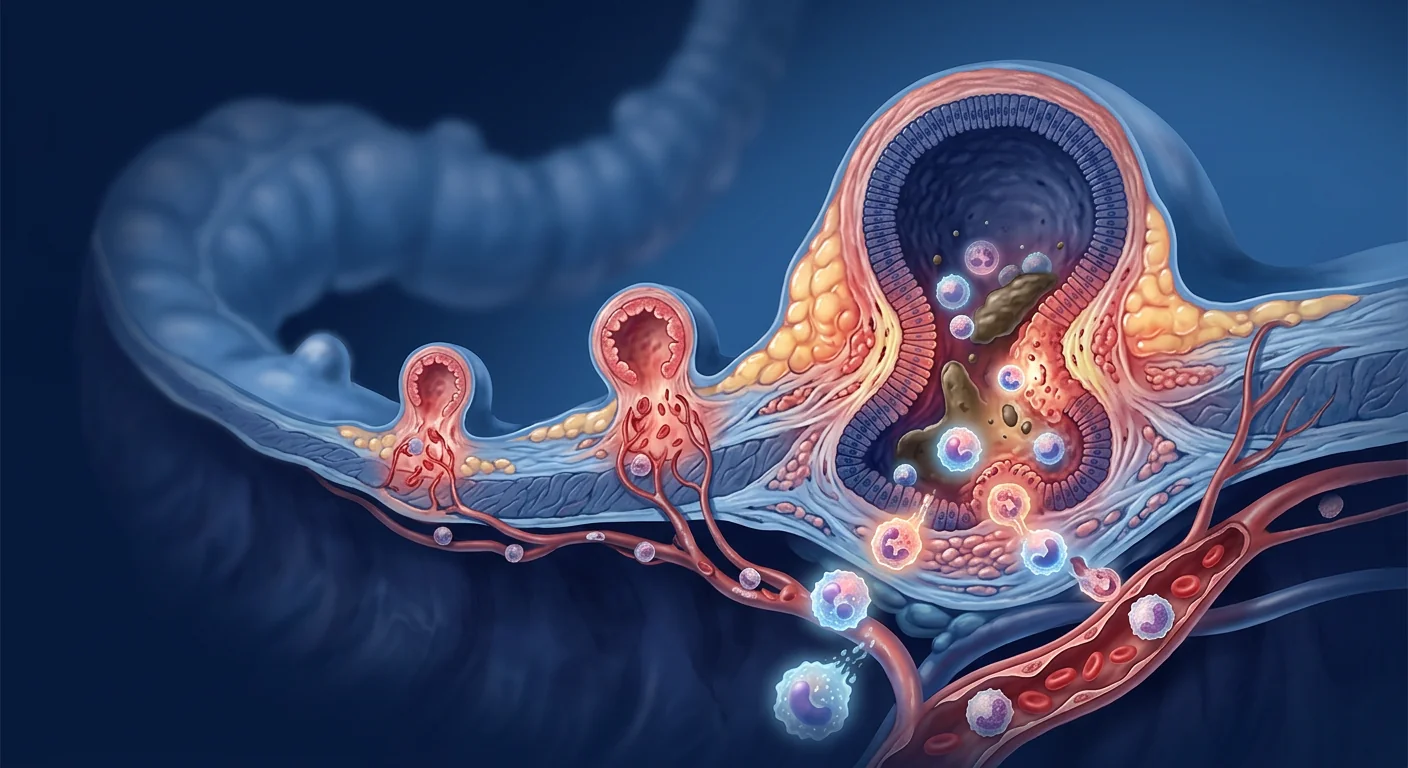
Stem Cell Therapy for Diverticulitis: Can MSCs Reduce Recurrence?
How MSCs target chronic colonic inflammation in diverticular disease — mechanisms, clinical evidence, and honest limitations for reducing flare frequency.
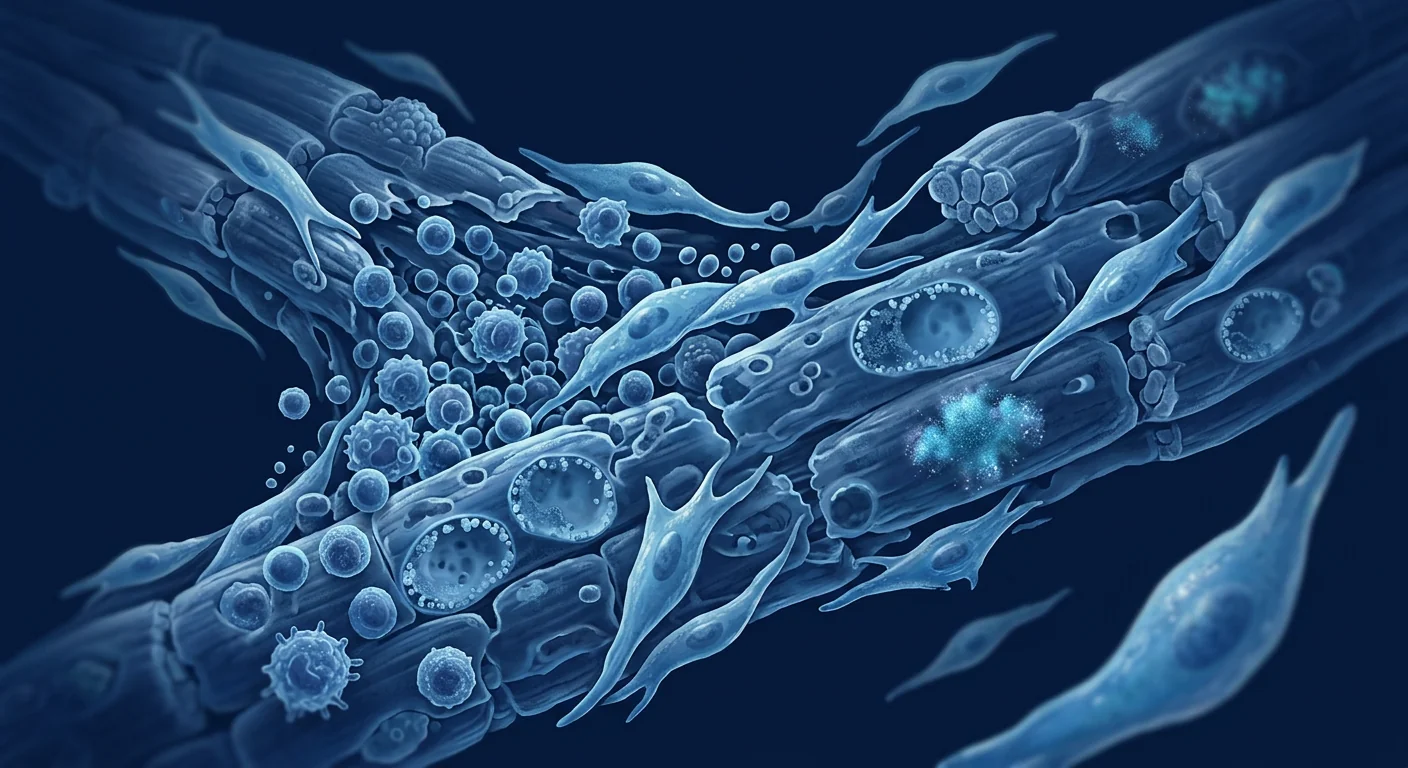
Stem Cell Therapy for Inclusion Body Myositis: MSC Immunomodulation
How MSCs may address the dual inflammatory-degenerative pathology of IBM, the most common acquired muscle disease in adults over 50.

Stem Cell Therapy for Radiation Proctitis: MSC Treatment for Pelvic Radiation Injury
How MSCs target the underlying tissue damage in chronic radiation proctopathy — anti-inflammatory, pro-angiogenic, and anti-fibrotic mechanisms for rectal bleeding after radiotherapy.
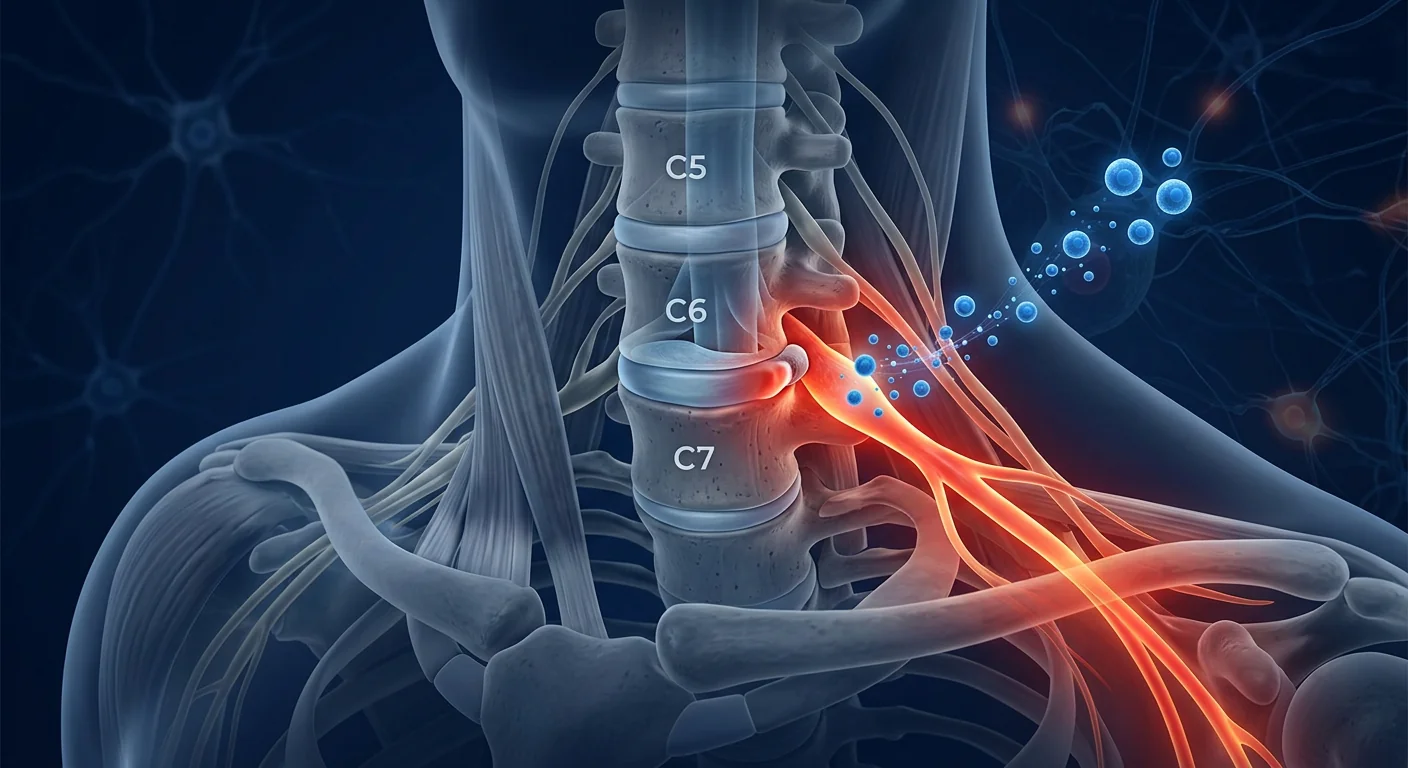
Stem Cell Therapy for Cervical Radiculopathy: MSC Nerve Root Regeneration & Pain Relief
How MSCs suppress nerve root inflammation, calm dorsal root ganglion hyperexcitability, and support axonal regeneration for the pinched nerve of the neck.
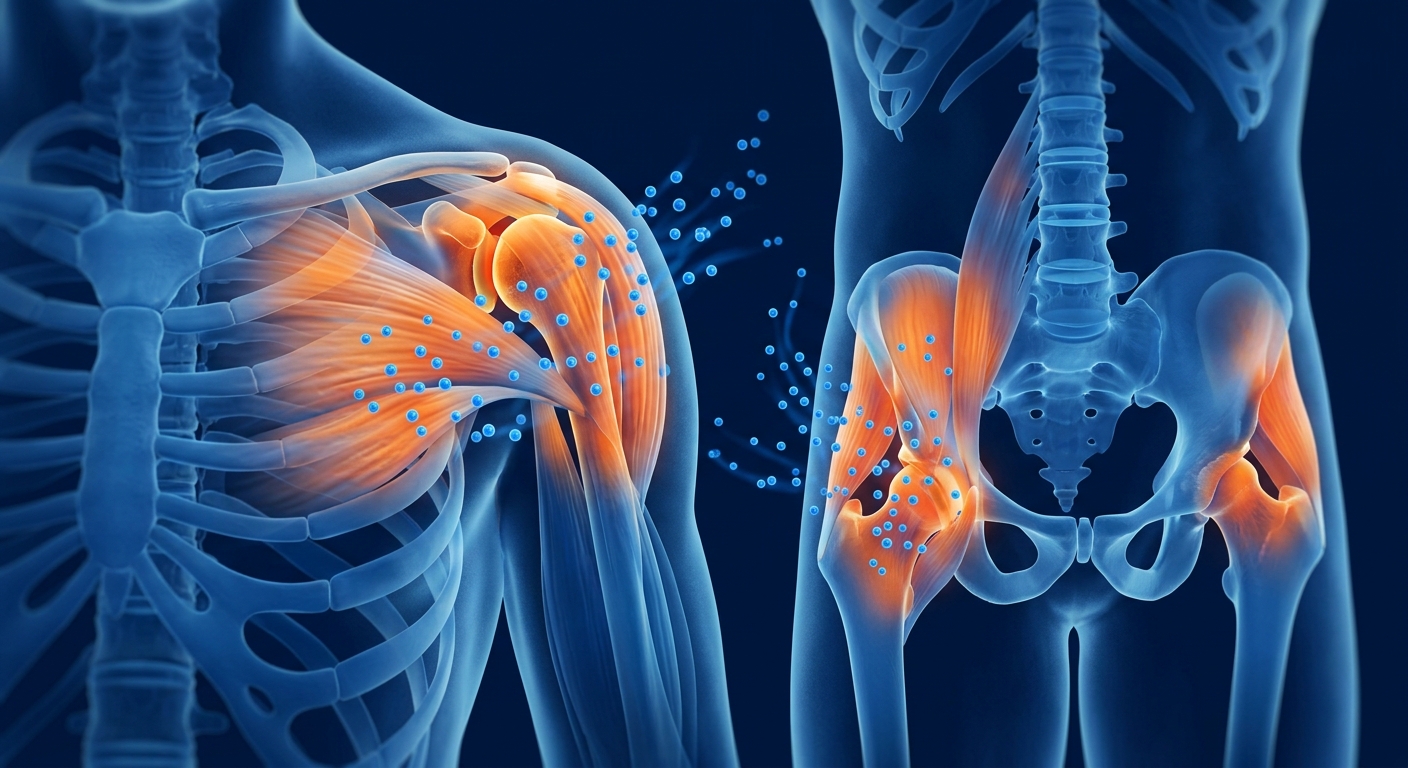
Stem Cell Therapy for Polymyalgia Rheumatica: MSC Treatment in Bangkok
How MSCs target IL-6-driven inflammation in PMR, with the potential to reduce corticosteroid dependence.
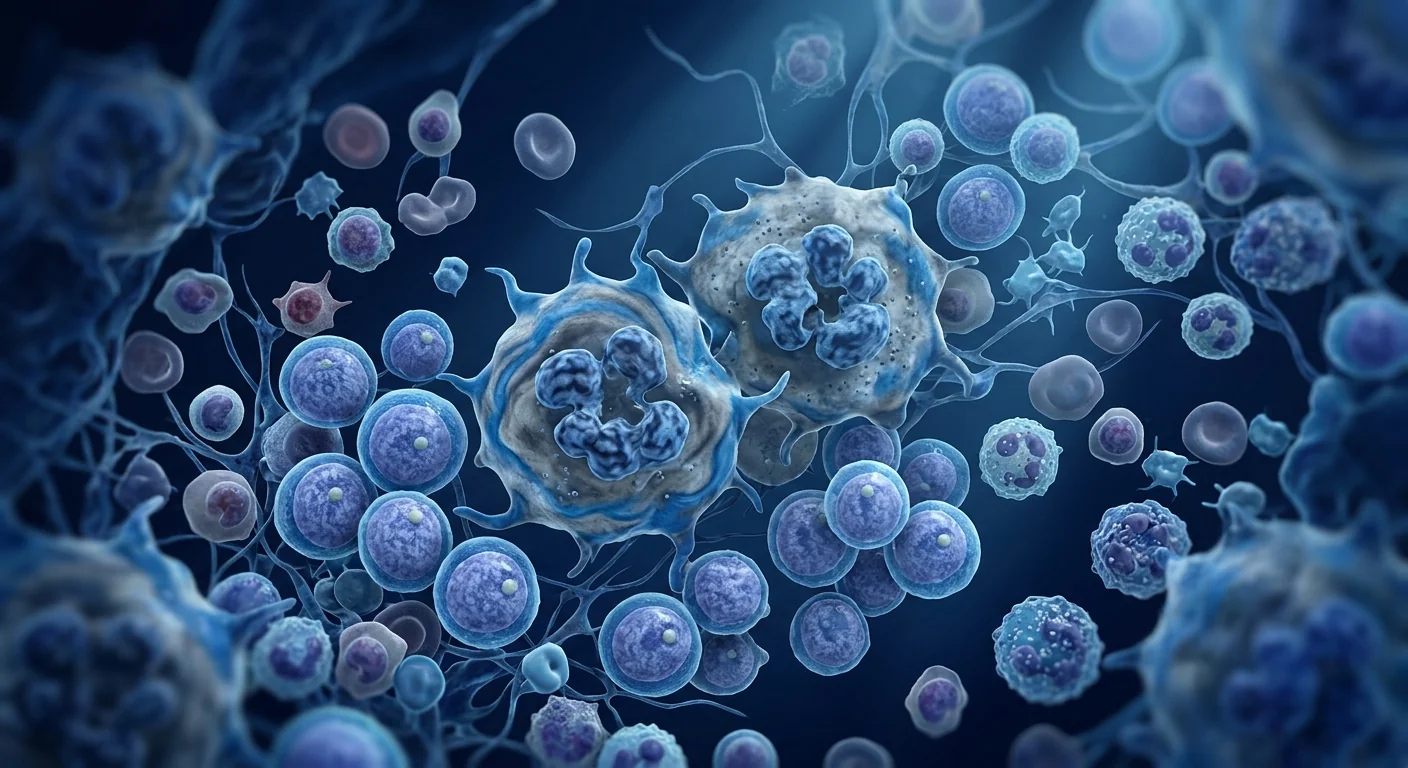
Stem Cell Therapy for Myelodysplastic Syndromes: MSC Treatment for MDS
How MSCs restore the bone marrow niche, suppress inflammatory cytokines, and re-establish effective hematopoiesis in MDS.
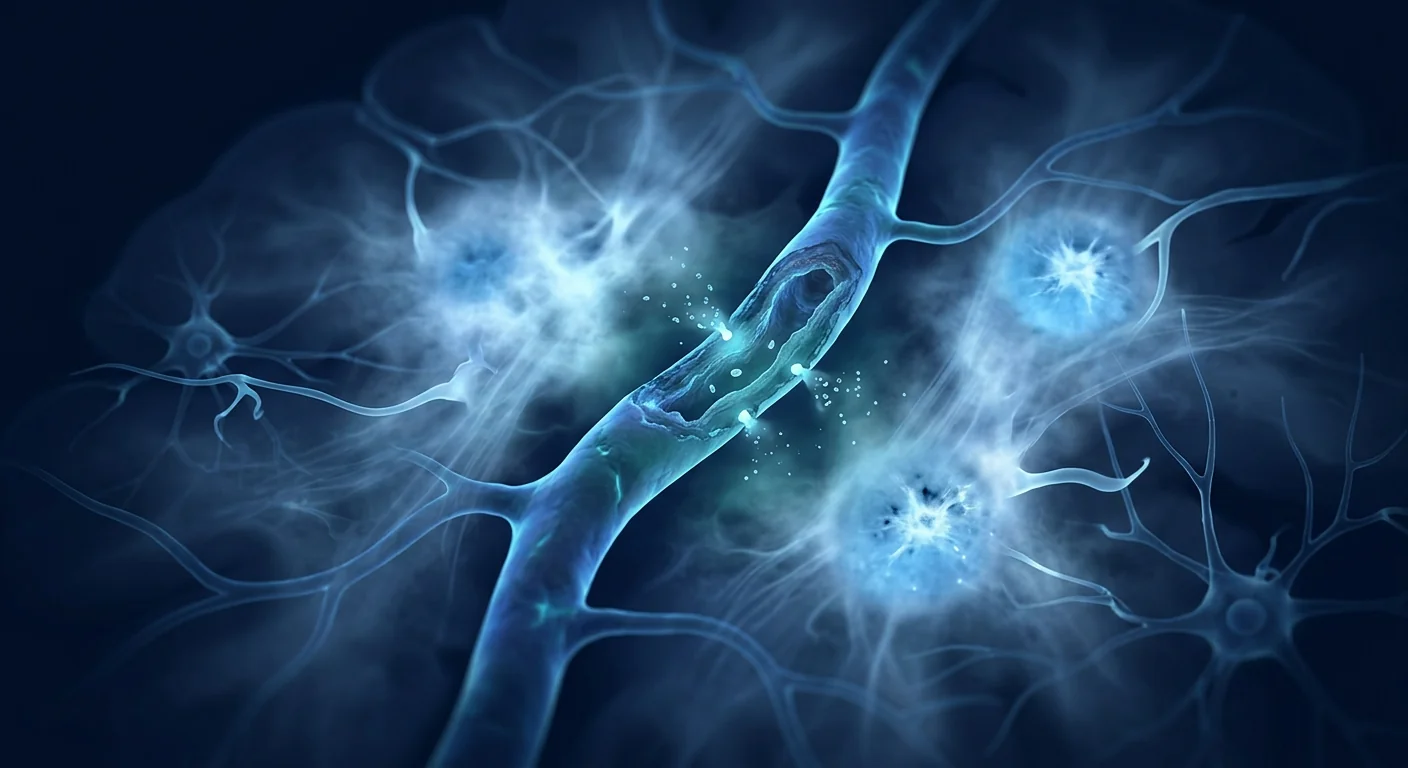
Stem Cell Therapy for Cerebral Small Vessel Disease
How MSCs target neurovascular pathology — pericyte replacement, BBB repair, and white-matter protection for CSVD.
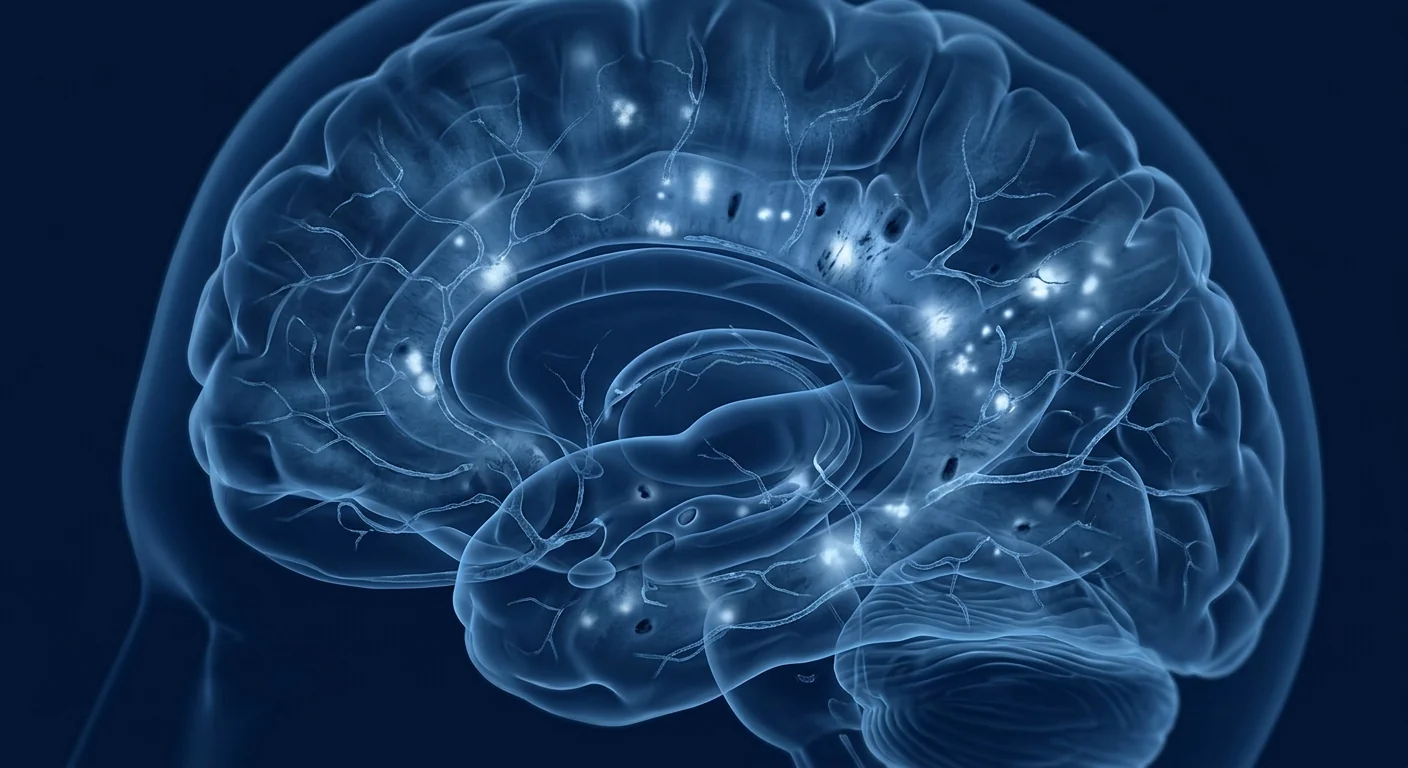
Stem Cell Therapy for Vascular Dementia: MSC Treatment in Bangkok
How MSCs support cerebral angiogenesis, neuroprotection, and microvascular repair in vascular cognitive impairment.
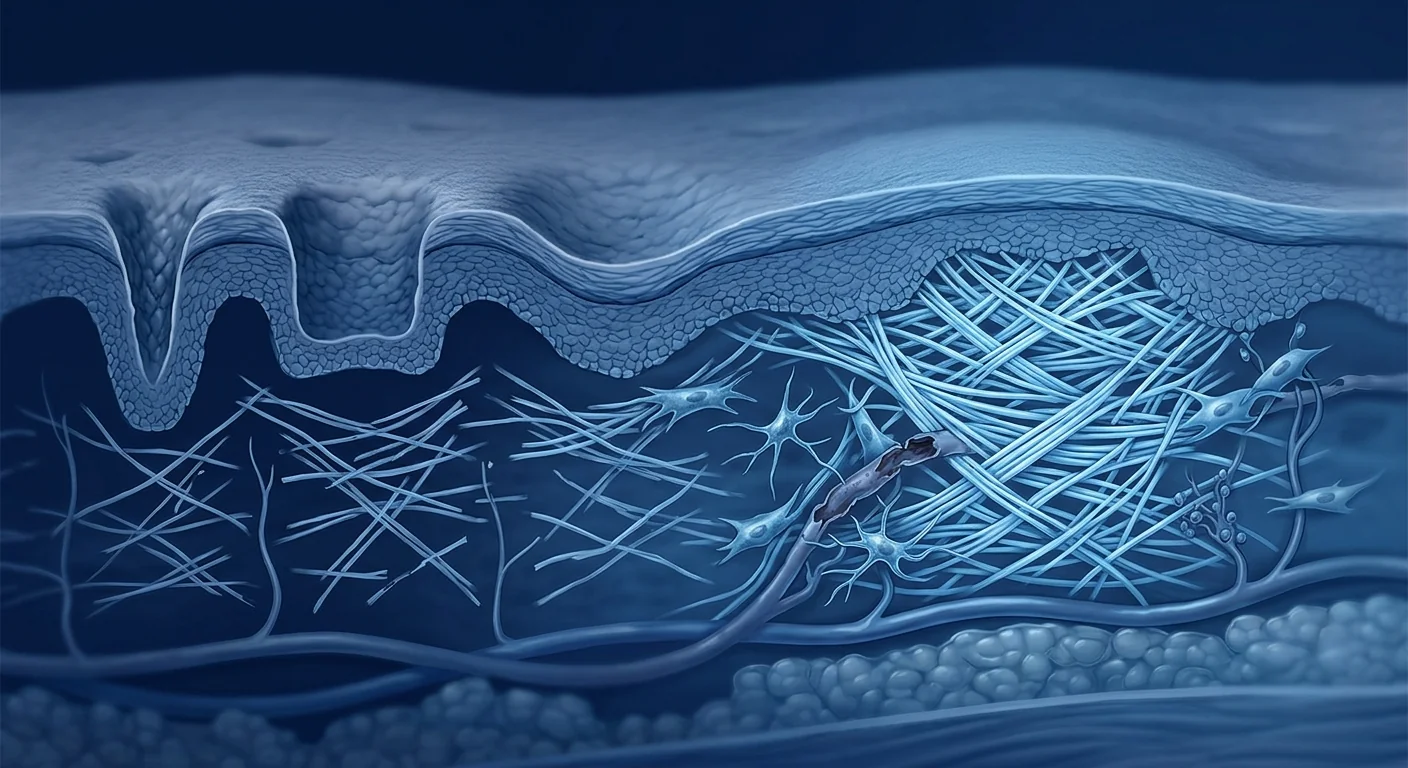
Stem Cell Therapy for Acne Scarring: MSC Treatment for Atrophic Scars
How MSCs remodel dermal collagen, restore MMP/TIMP balance, and rebuild skin architecture in atrophic acne scars.
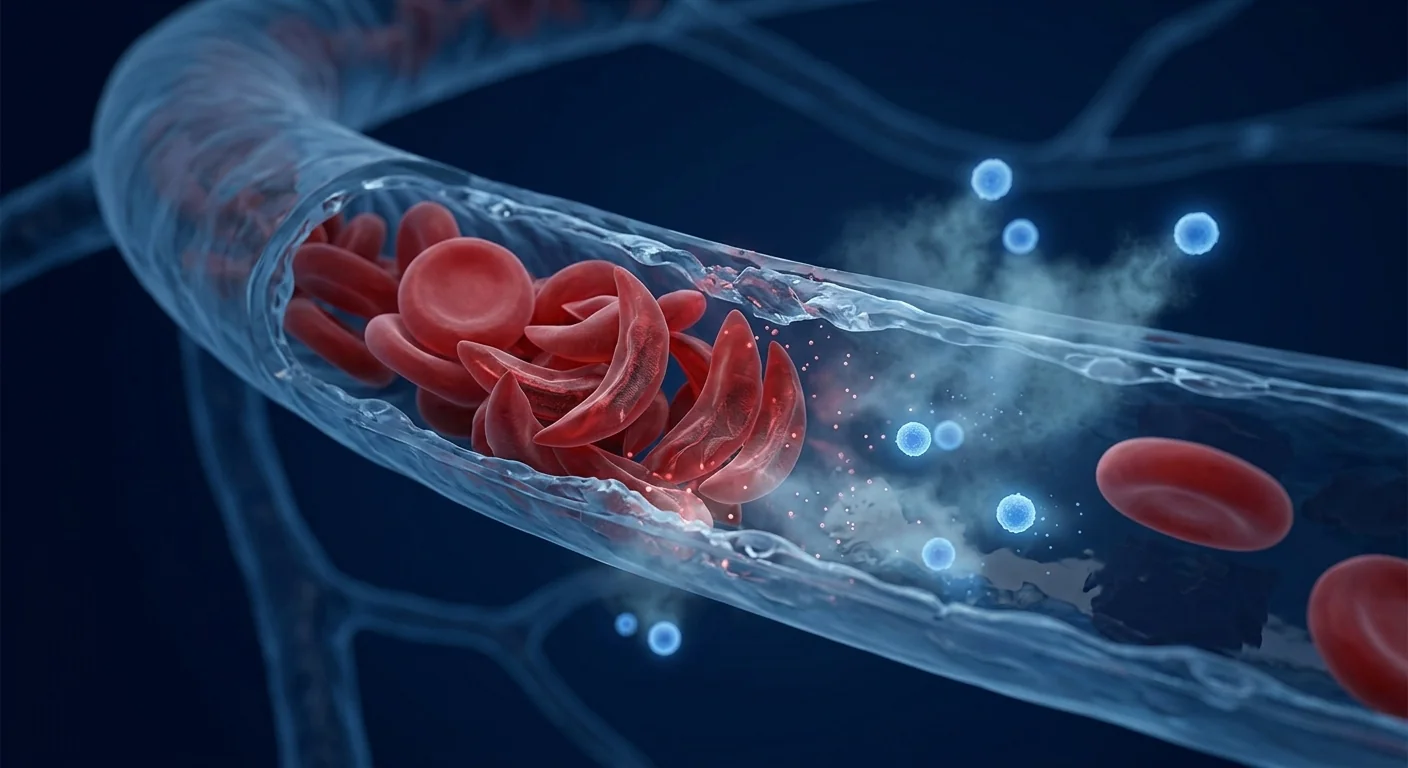
Stem Cell Therapy for Sickle Cell Disease: MSC Treatment for Hemoglobinopathies
How MSCs protect the endothelium, restore nitric oxide, and reduce vaso-occlusive crises in sickle cell disease.
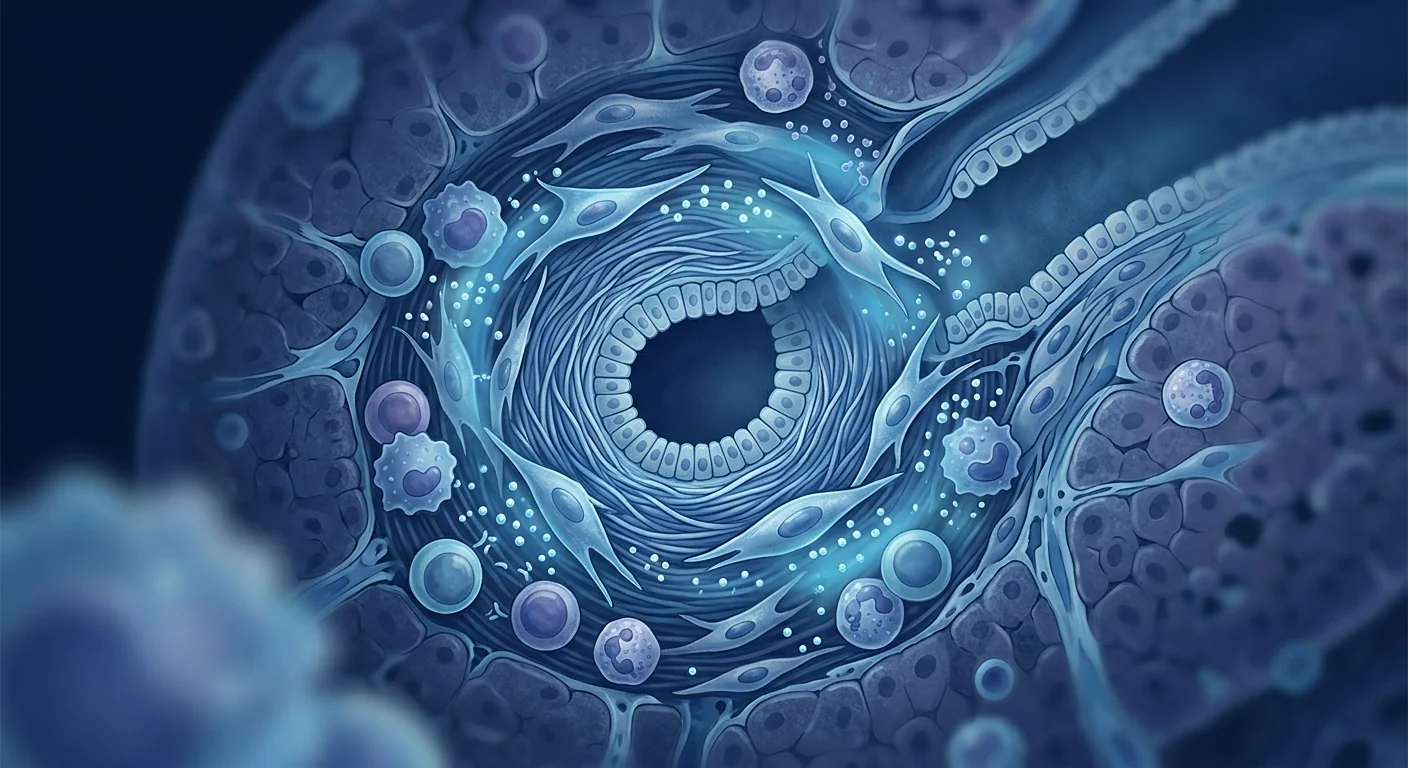
Stem Cell Therapy for Primary Sclerosing Cholangitis
How MSCs target the gut-liver immune axis, suppress periductal concentric fibrosis, and preserve bile duct architecture in PSC.
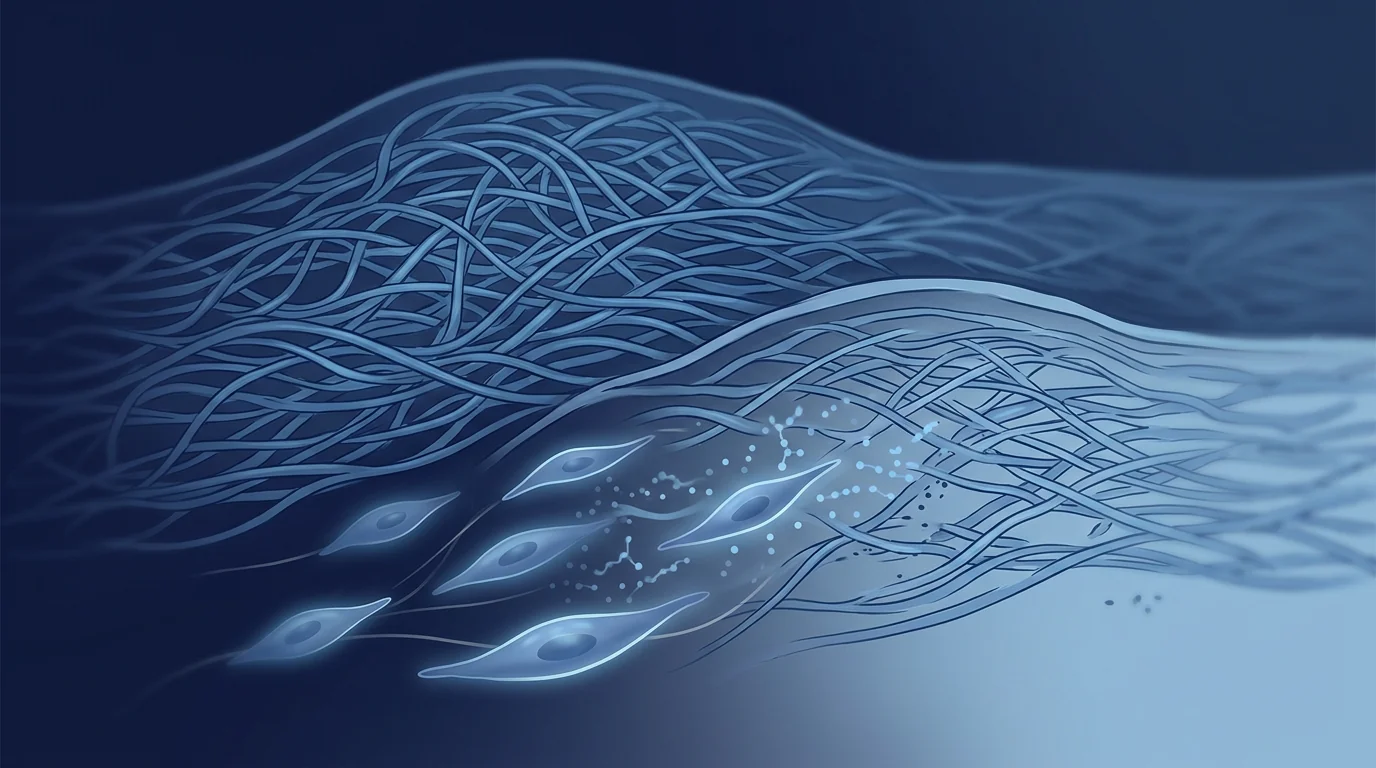
Stem Cell Therapy for Keloids & Hypertrophic Scarring
How MSCs target the TGF-β/Smad fibrotic cascade, suppress myofibroblast persistence, and promote scarless healing.
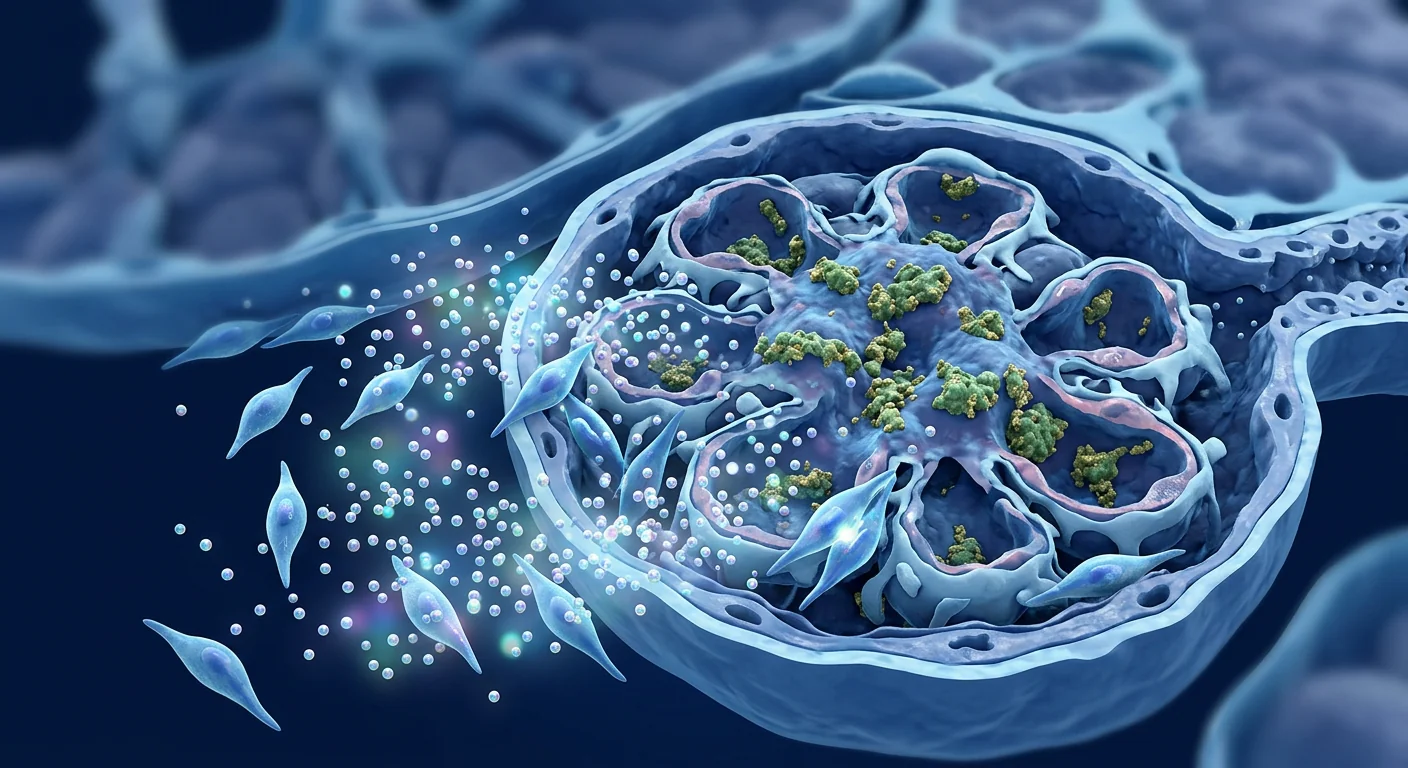
Stem Cell Therapy for IgA Nephropathy: MSC Treatment for Berger's Disease
How MSCs target the immune dysregulation driving IgA nephropathy — B-cell modulation, Treg restoration, complement inhibition, and podocyte protection.
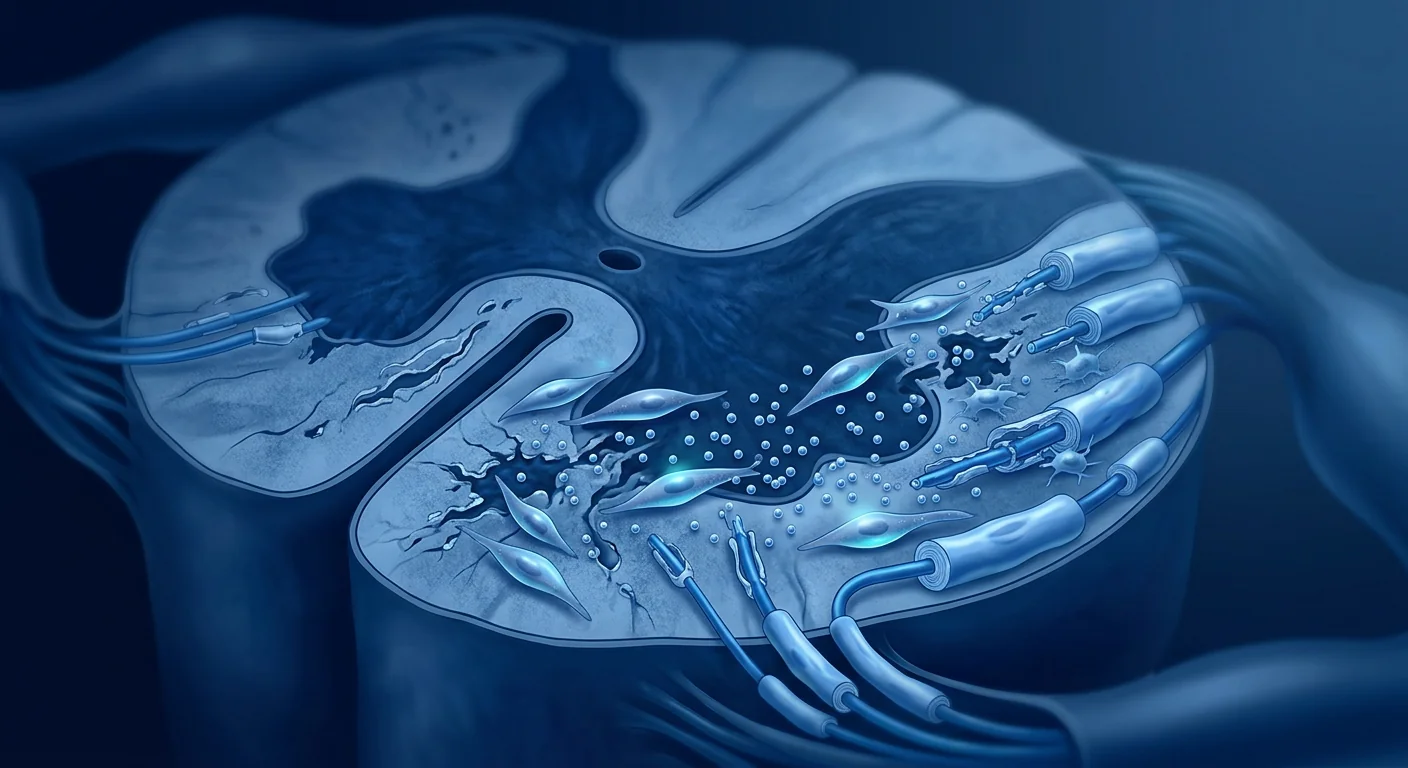
Stem Cell Therapy for Transverse Myelitis: Spinal Cord Inflammation
How MSCs target spinal cord inflammation, promote remyelination, and support recovery after an immune-mediated attack on the spinal cord.
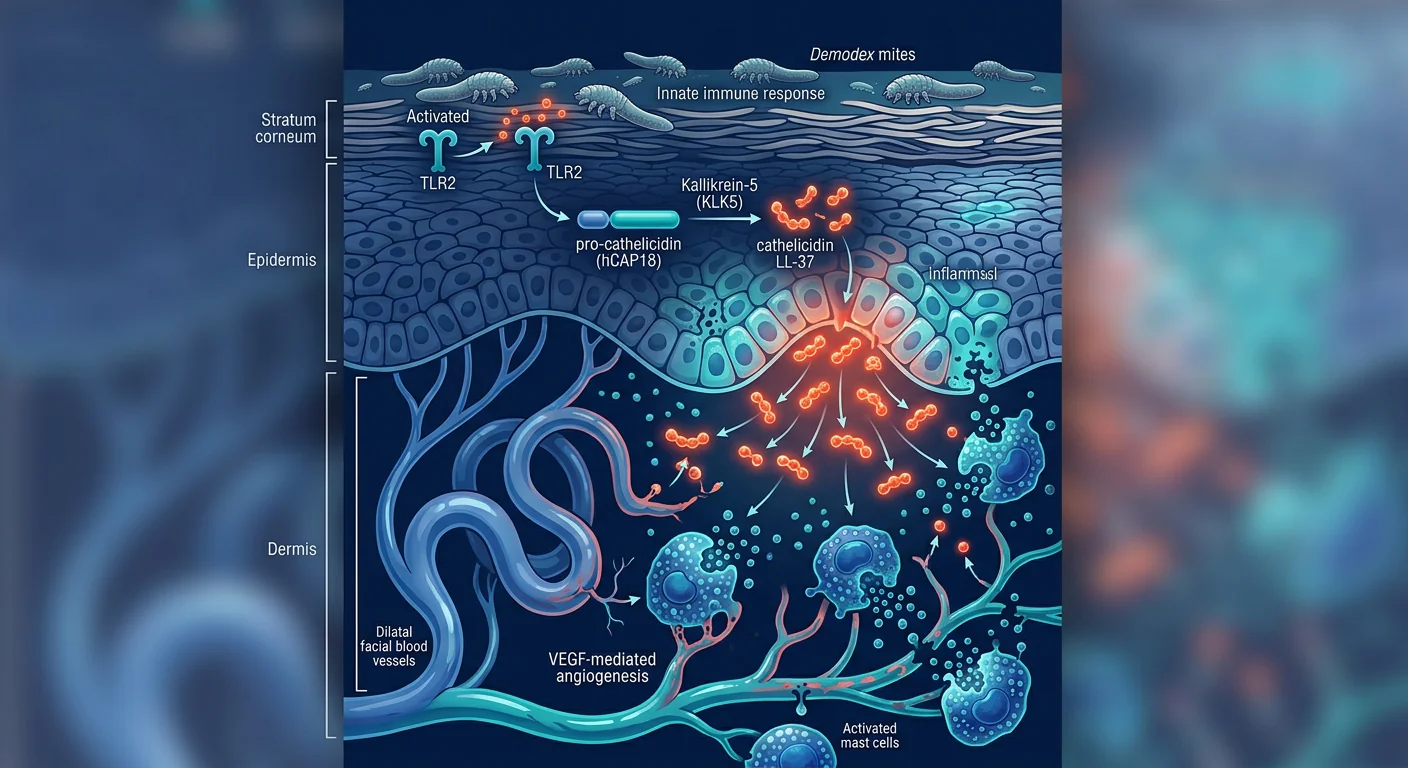
Stem Cell Therapy for Rosacea: MSC-Based TLR2 Immunomodulation & Vascular Regulation
How MSC therapy targets the innate immune drivers of rosacea — TLR2/cathelicidin signaling, angiogenesis dysregulation, and mast cell-mediated facial inflammation.
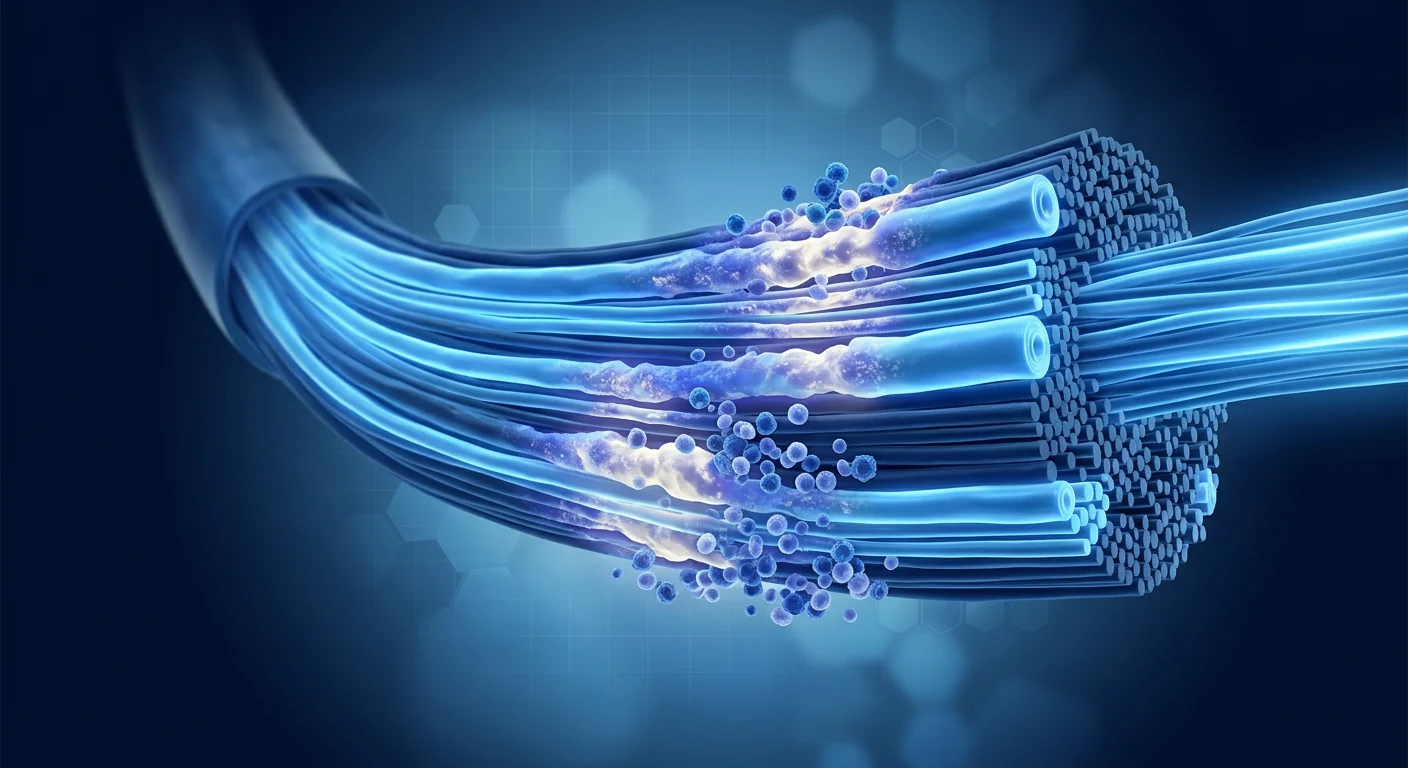
Stem Cell Therapy for Optic Neuritis: MSC-Based Neuroprotection & Remyelination
How MSC therapy targets the underlying pathology of optic neuritis — immunomodulation, neuroprotection, and remyelination support for the optic nerve.
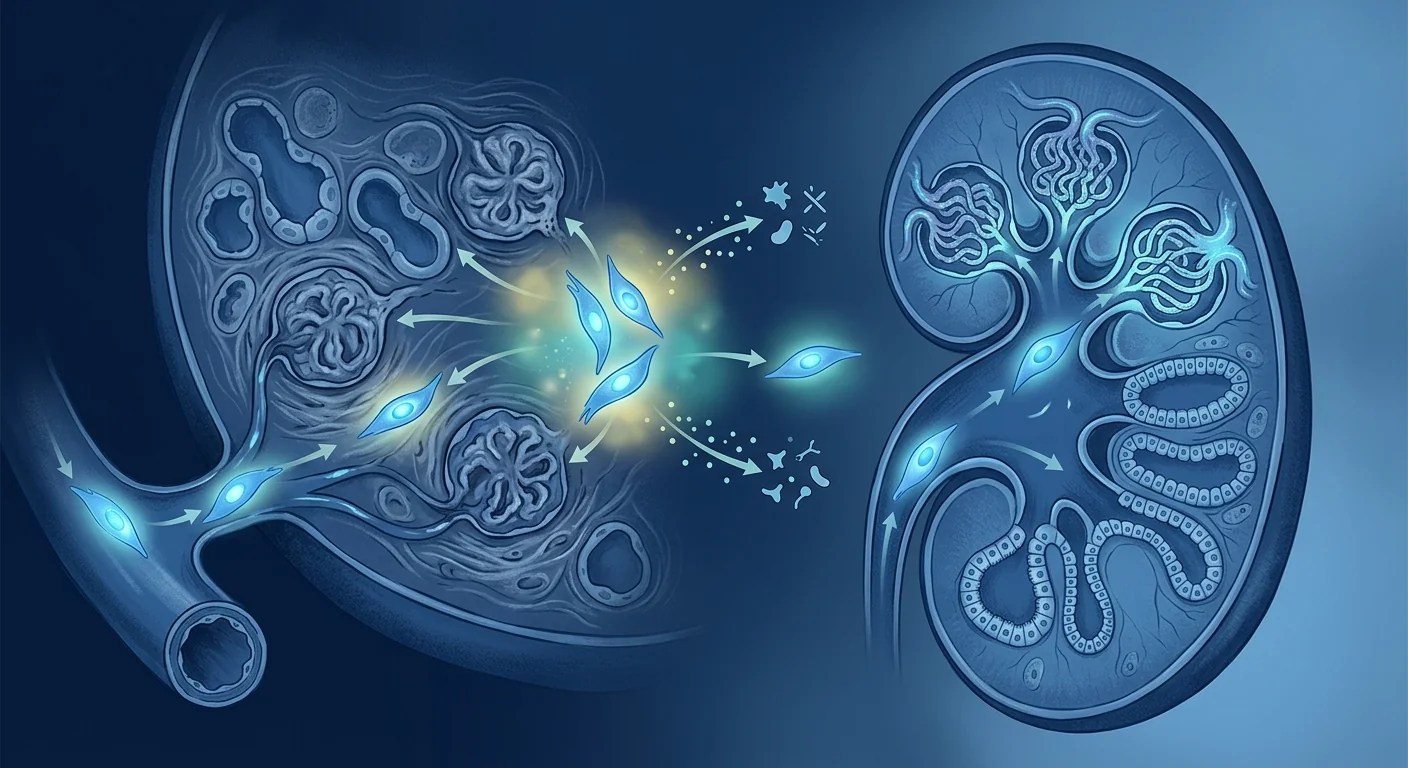
Stem Cell Therapy for Diabetic Nephropathy: MSC Treatment in Bangkok
How MSC therapy targets the root drivers of diabetic kidney disease — glomerular inflammation, podocyte injury, and tubulointerstitial fibrosis — and what early-phase trials reveal.
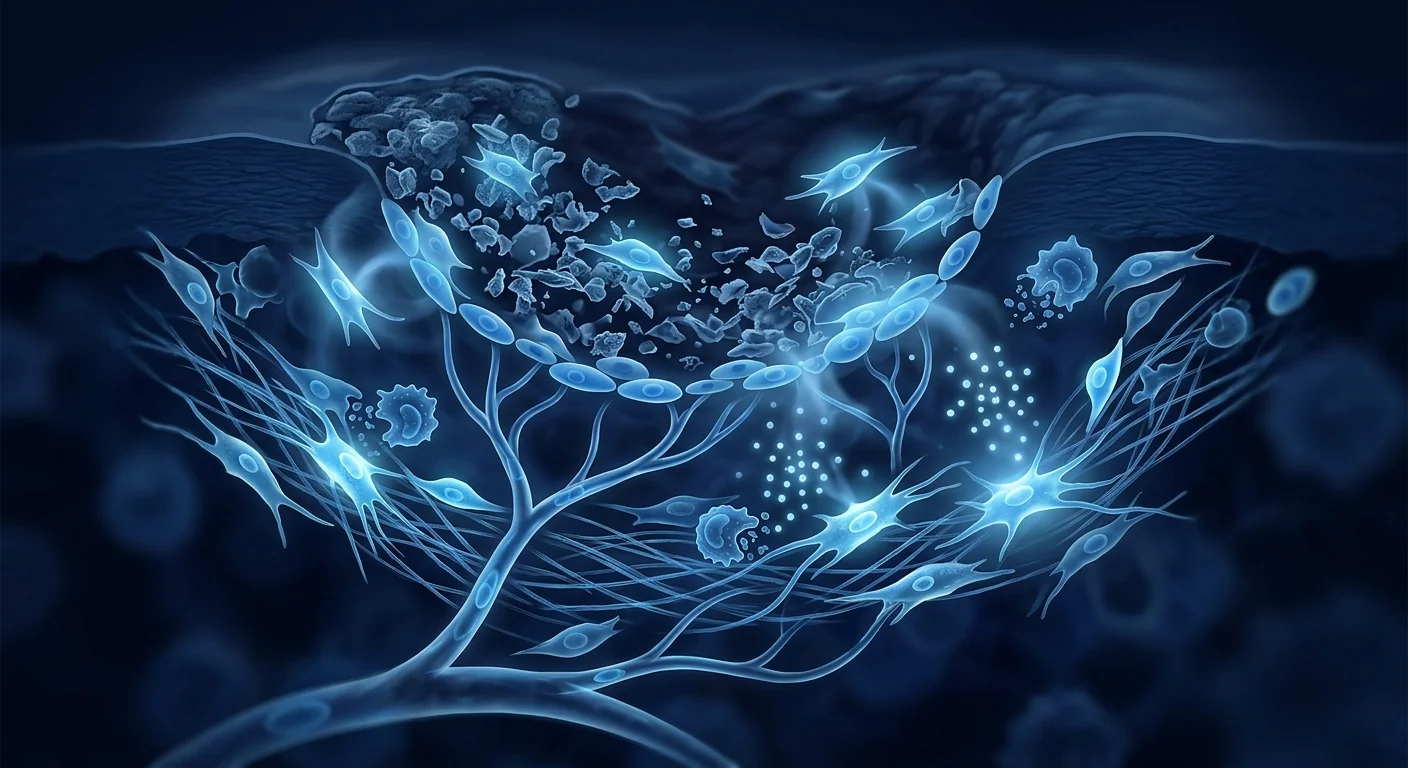
Stem Cell Therapy for Pressure Ulcers: MSC Wound Healing & Tissue Regeneration
How MSCs promote angiogenesis, reduce inflammation, and shift the wound microenvironment from chronic deterioration toward active regeneration.
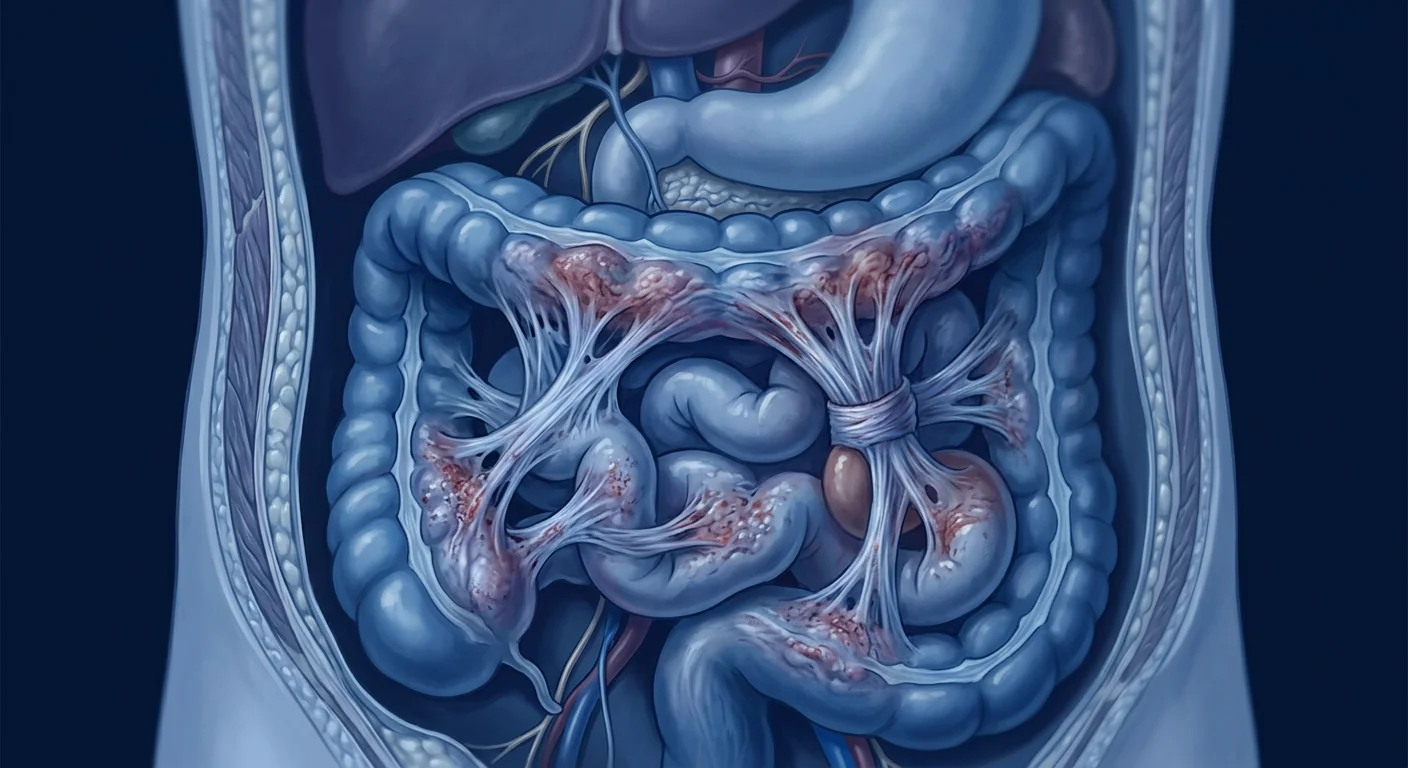
Stem Cell Therapy for Post-Surgical Adhesions: Can MSCs Reverse Internal Scarring?
How MSCs target peritoneal adhesions through fibrinolytic restoration and TGF-β suppression — breaking the cycle of surgery and scar formation.
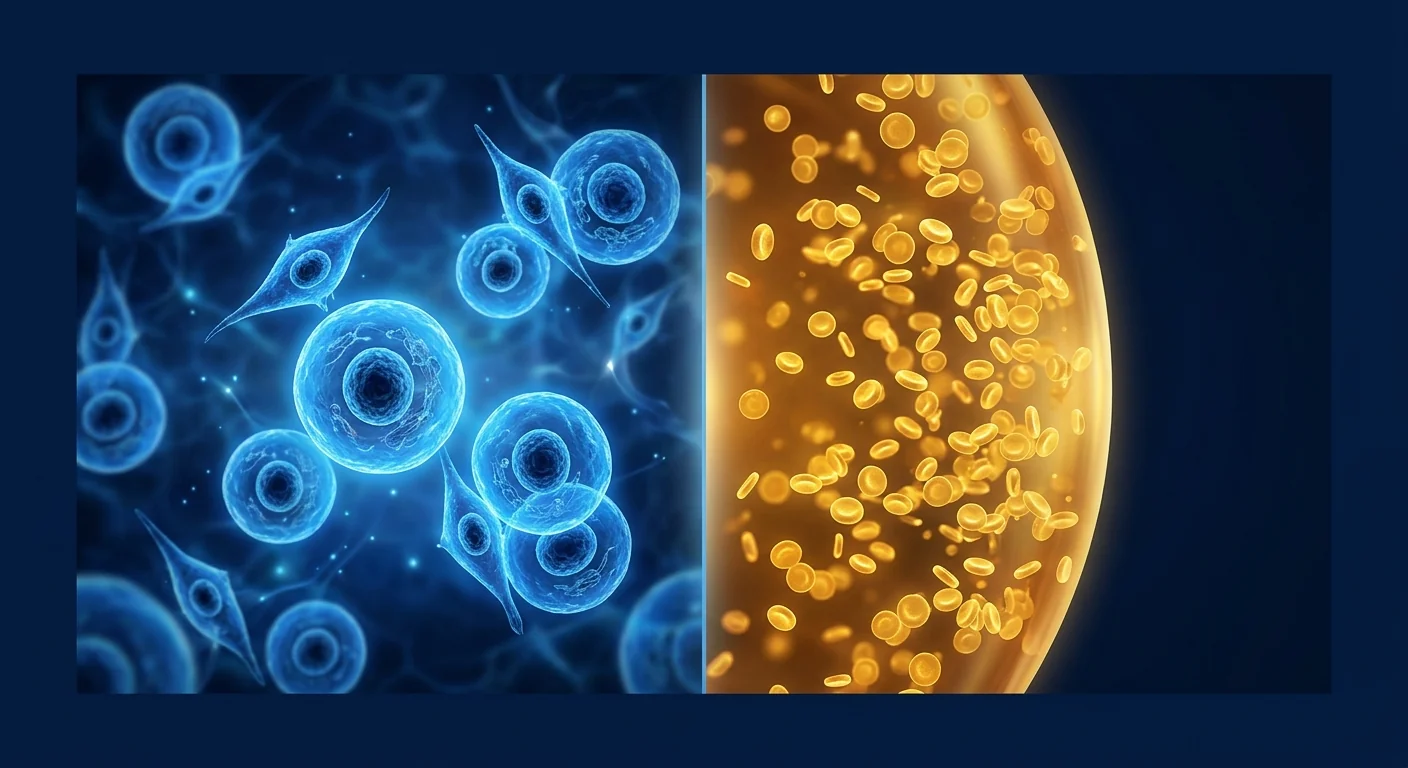
MSC vs PRP: Which Regenerative Therapy Is Right for You?
Mesenchymal stem cells and platelet-rich plasma side by side — mechanisms, evidence, cost, and how to decide which regenerative treatment fits your condition.
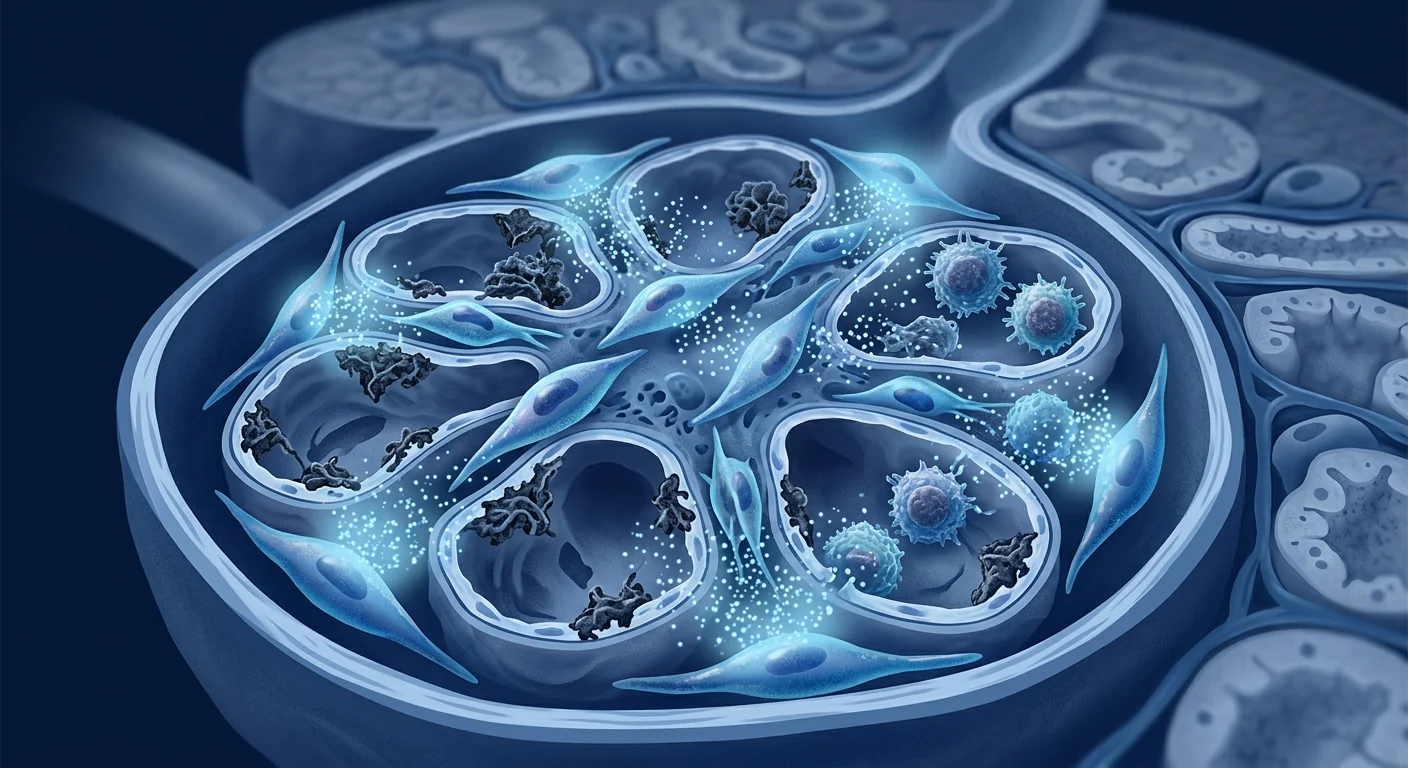
Stem Cell Therapy for Lupus Nephritis: MSC Treatment for SLE Kidney Disease
How MSCs recalibrate autoimmune kidney inflammation in lupus — immunomodulation, Treg expansion, and renal protection mechanisms.
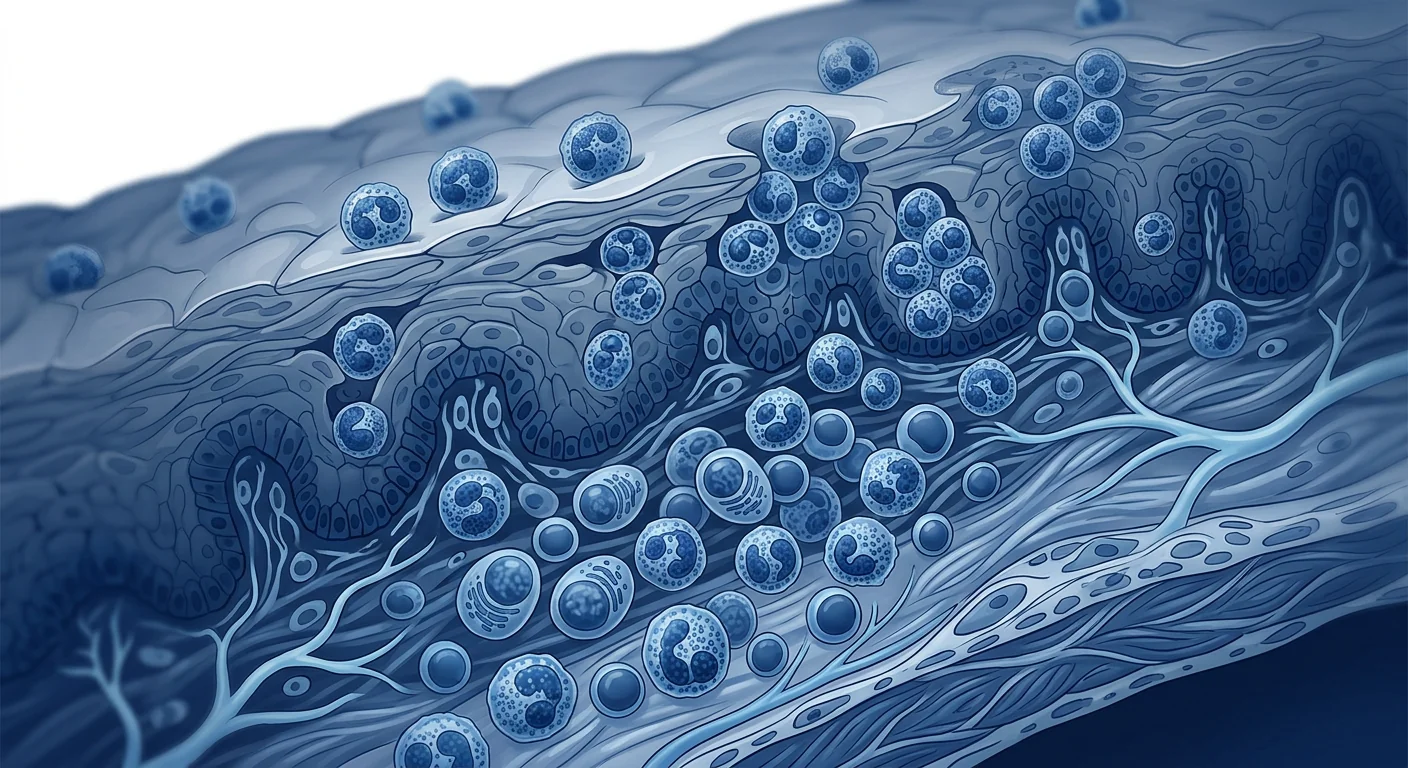
Stem Cell Therapy for Eosinophilic Esophagitis: MSC Immunomodulation & Esophageal Remodeling
How MSCs may calm the Th2 immune attack driving eosinophilic esophagitis and support anti-fibrotic esophageal healing.
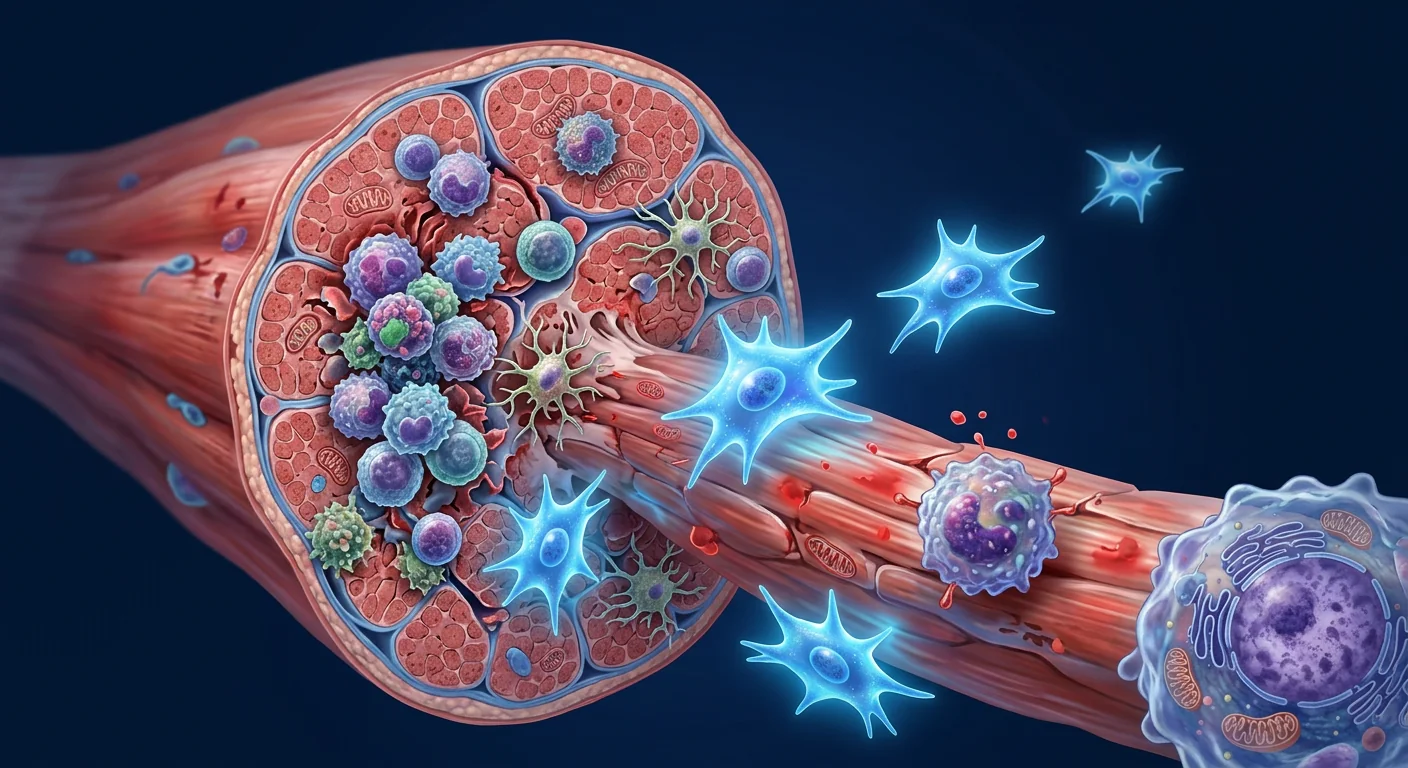
Stem Cell Therapy for Polymyositis & Dermatomyositis: MSC Immunomodulation
How MSCs may calm the autoimmune attack on muscle in inflammatory myopathy and support muscle-fiber repair.
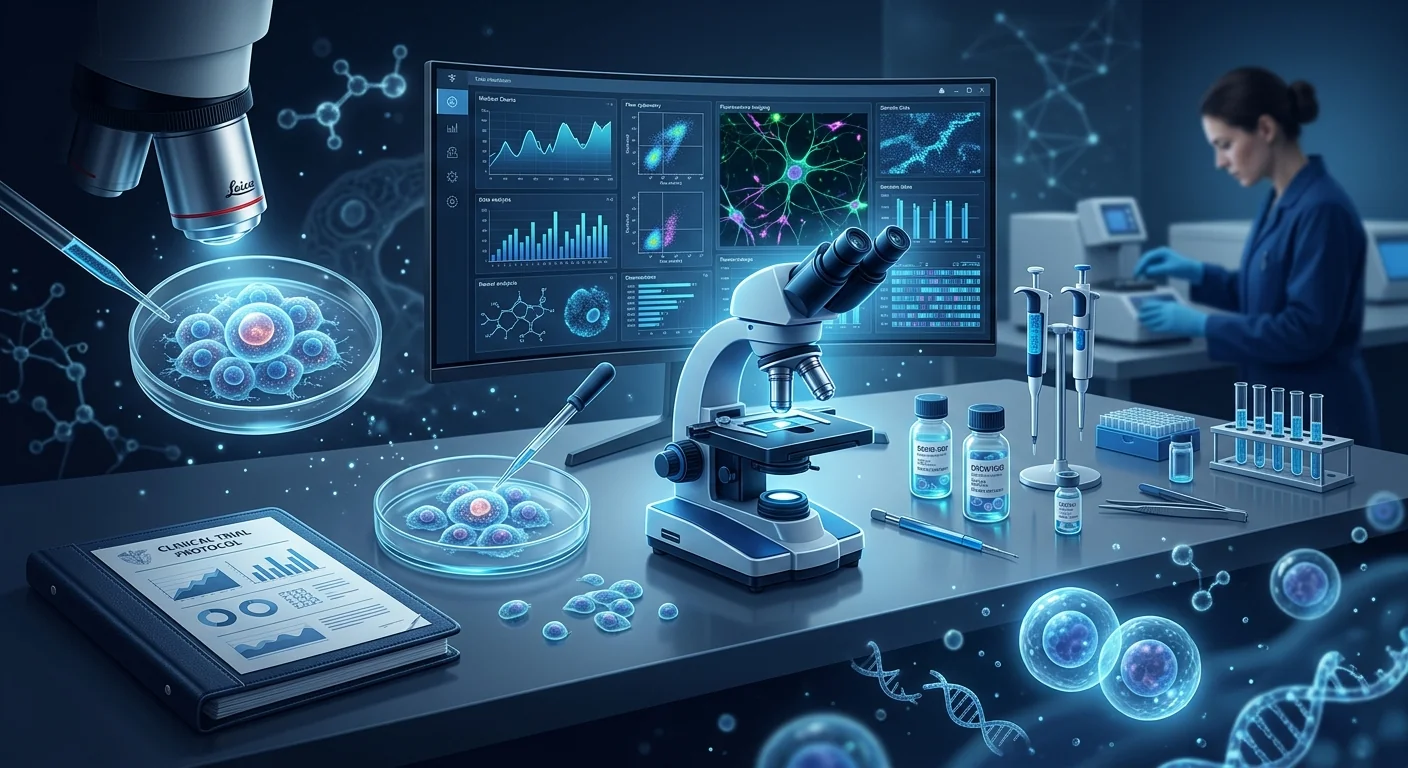
Clinical Trial Participation Guide: How to Find and Join MSC Studies
A complete guide to finding, evaluating, and enrolling in registered MSC clinical trials — eligibility, consent, costs, and red flags.
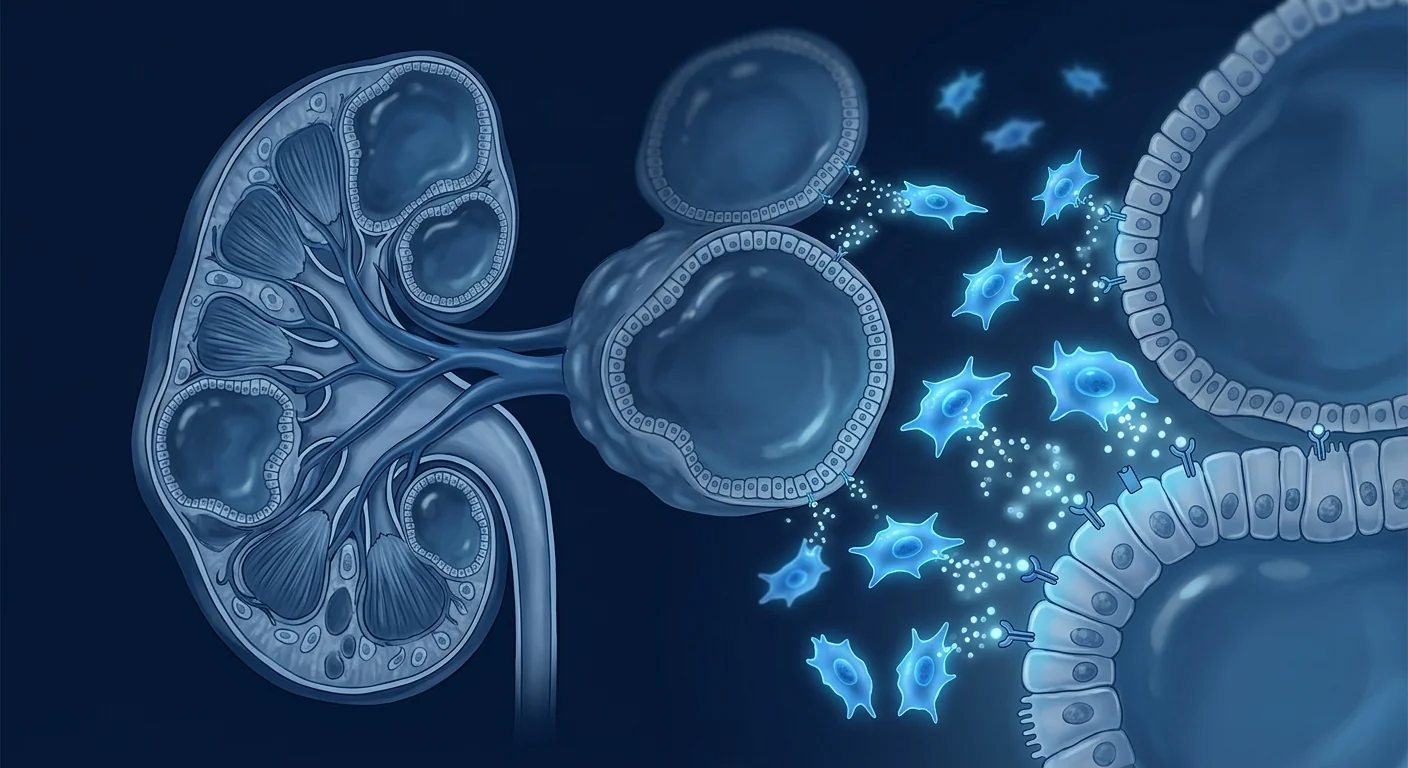
Stem Cell Therapy for Polycystic Kidney Disease: MSC Cyst Treatment
How MSCs target cyst epithelial proliferation and renal fibrosis in PKD — preclinical evidence, mechanisms, and honest limitations.
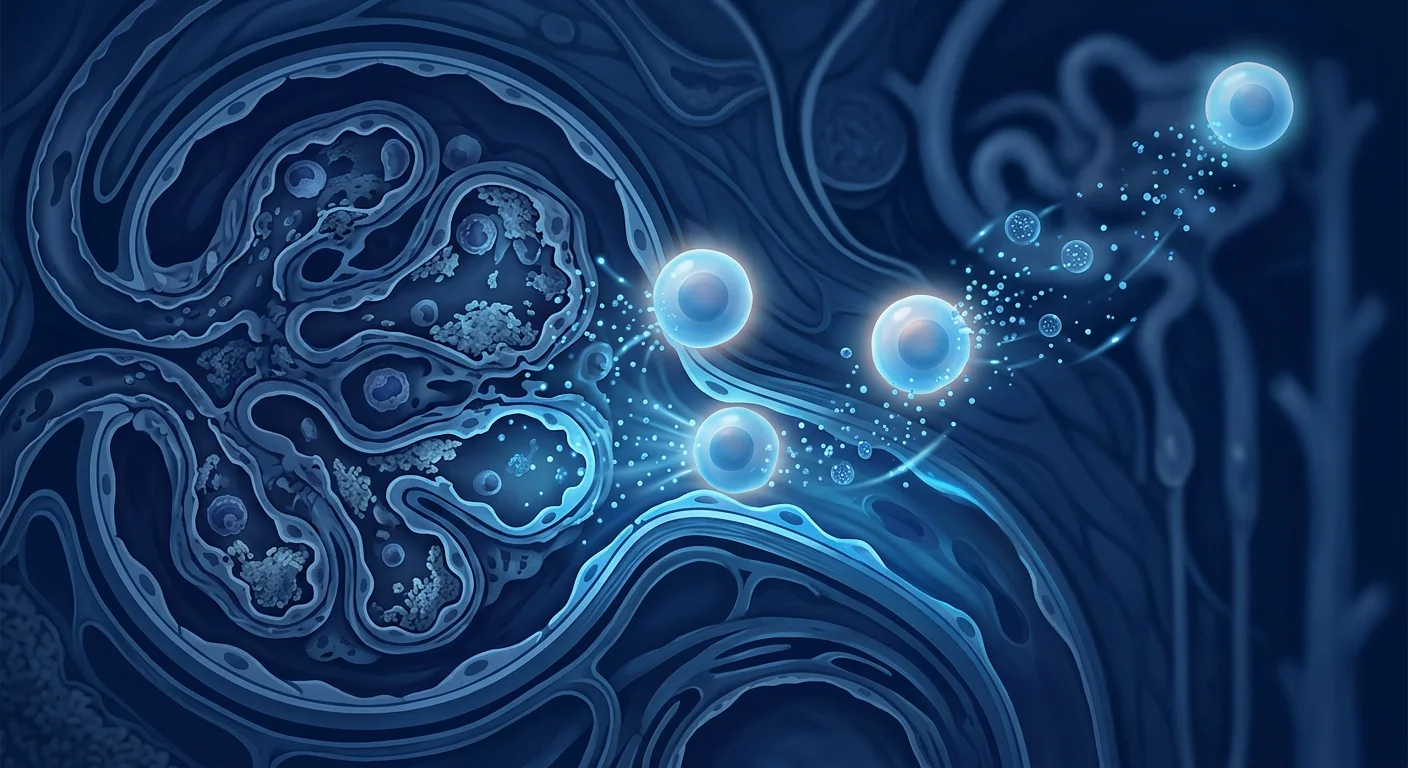
Stem Cell Therapy for Glomerulonephritis: MSC Kidney Treatment
How MSCs target immune dysregulation in glomerular disease — Treg induction, macrophage polarization, and proteinuria reduction.
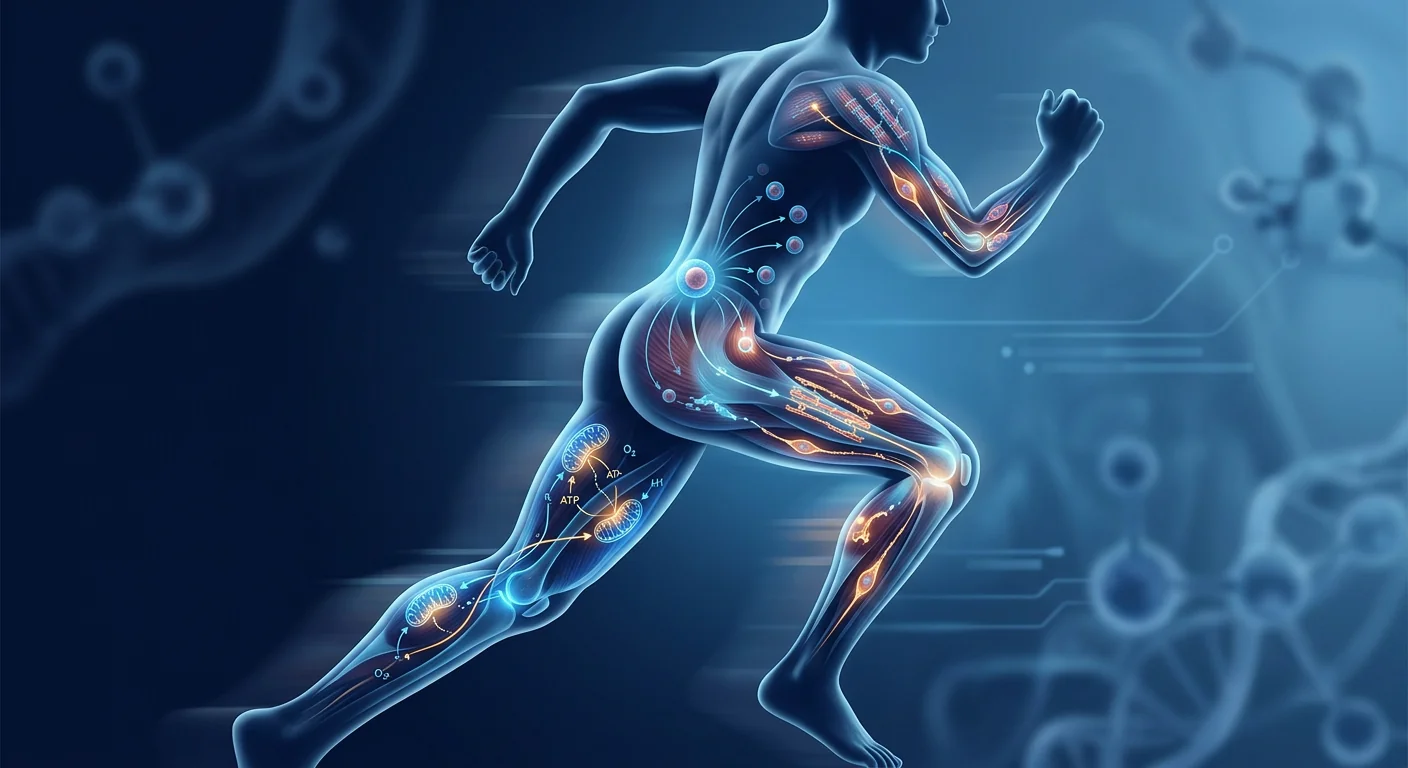
Athletic Performance Optimization: MSC Protocols for Peak Recovery
How MSC therapy enhances muscle repair, mitochondrial efficiency, and injury prevention — evidence-based protocols for elite athletic recovery.
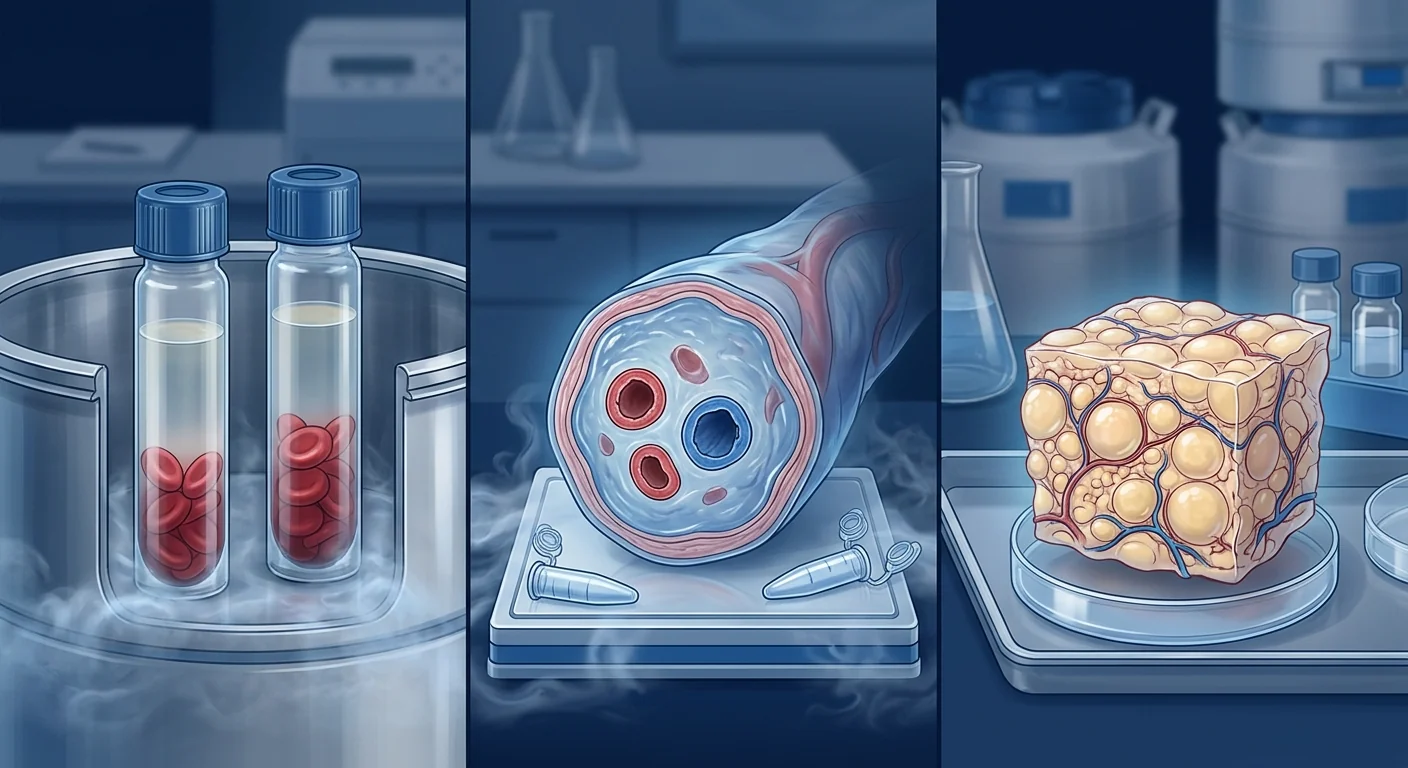
MSC Banking: Cord Blood vs Cord Tissue vs Adipose
Which MSC source to store — a data-driven comparison of viability, expansion potential, and clinical applications for cord blood, Wharton's jelly, and adipose banking.
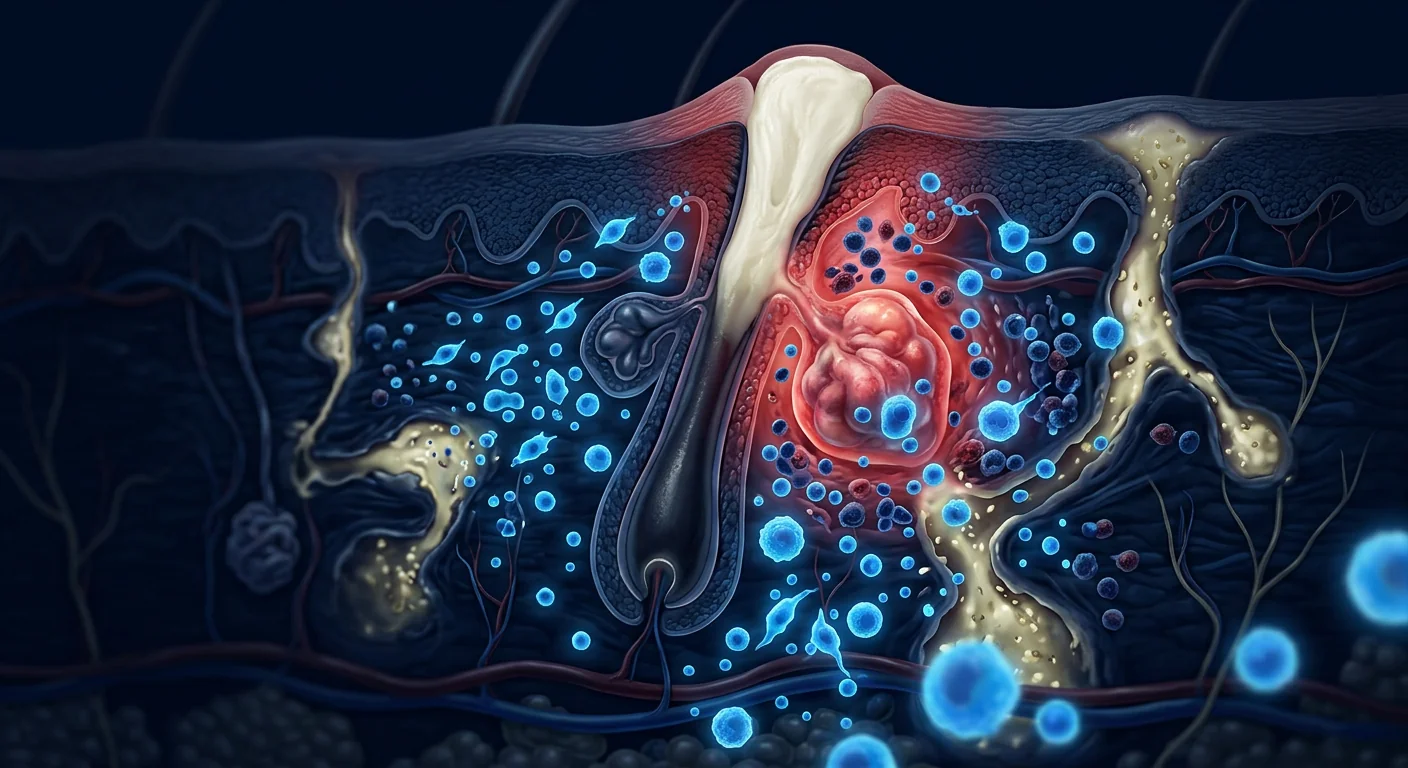
Stem Cell Therapy for Hidradenitis Suppurativa
How MSCs target the inflammatory drivers of HS — follicular occlusion, IL-1β, and tunneling disease.
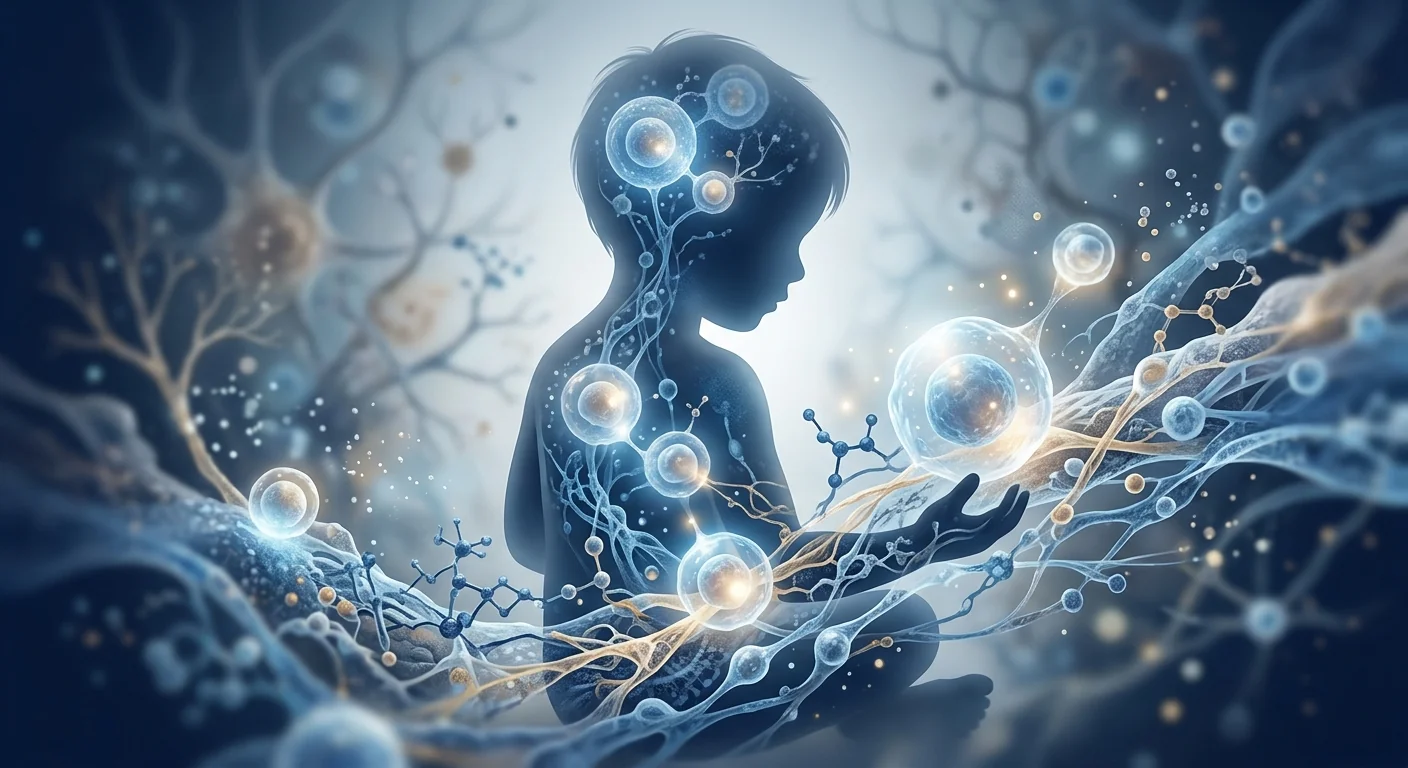
Pediatric Applications of MSC Therapy
How MSC therapy is being studied for cerebral palsy, autism, HIE, and other childhood conditions — neuroprotection, immunomodulation, and developmental repair.
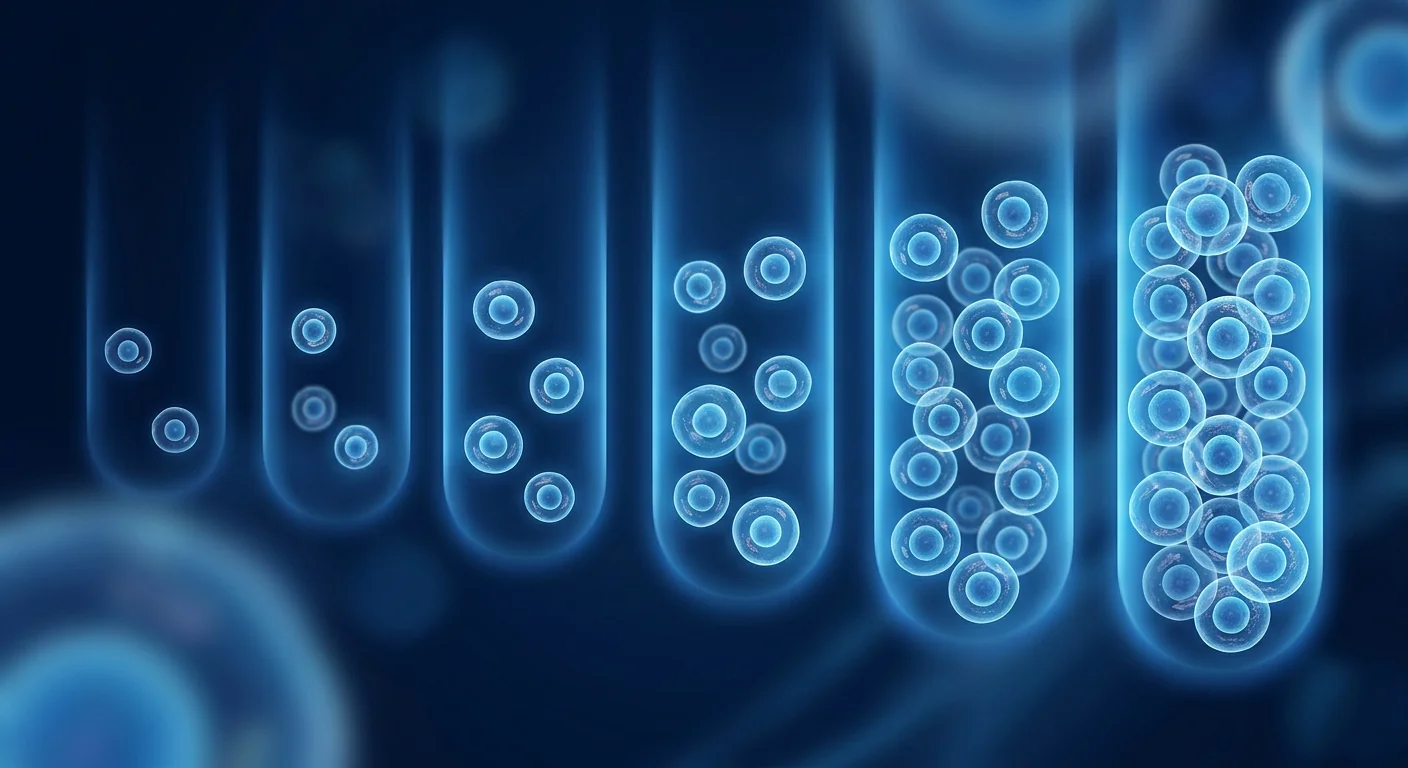
MSC Dosing Science: How Many Stem Cells Do You Need?
The evidence behind cell-count protocols — per-kg vs fixed-dose, route-specific dosing, safety ceilings, and how to evaluate dose claims critically.
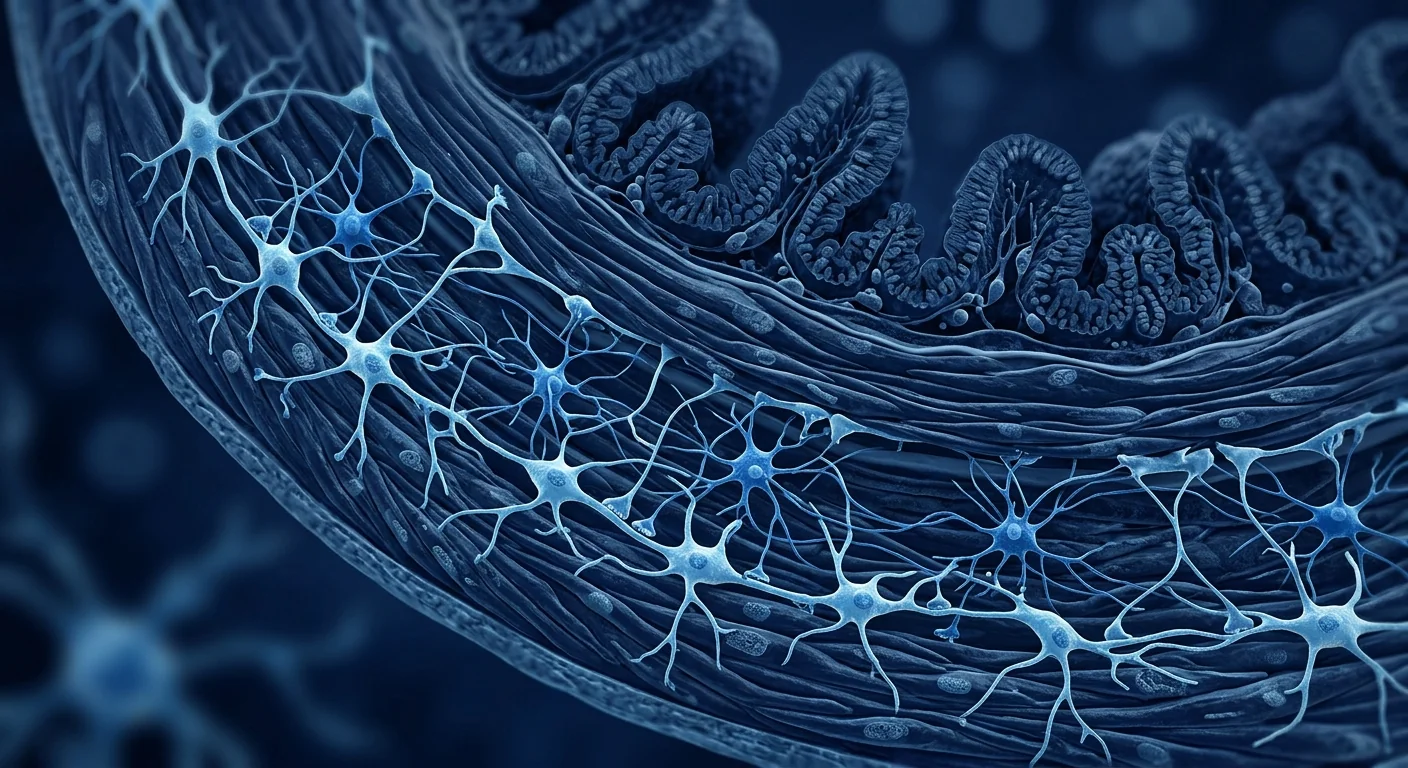
Stem Cell Therapy for Gastroparesis
How MSCs restore ICC networks, protect enteric neurons, and improve gastric emptying.

Red Flags When Choosing a Stem Cell Clinic
The documented warning signs — from fake credentials to high-pressure sales — that separate legitimate clinics from dangerous operators.
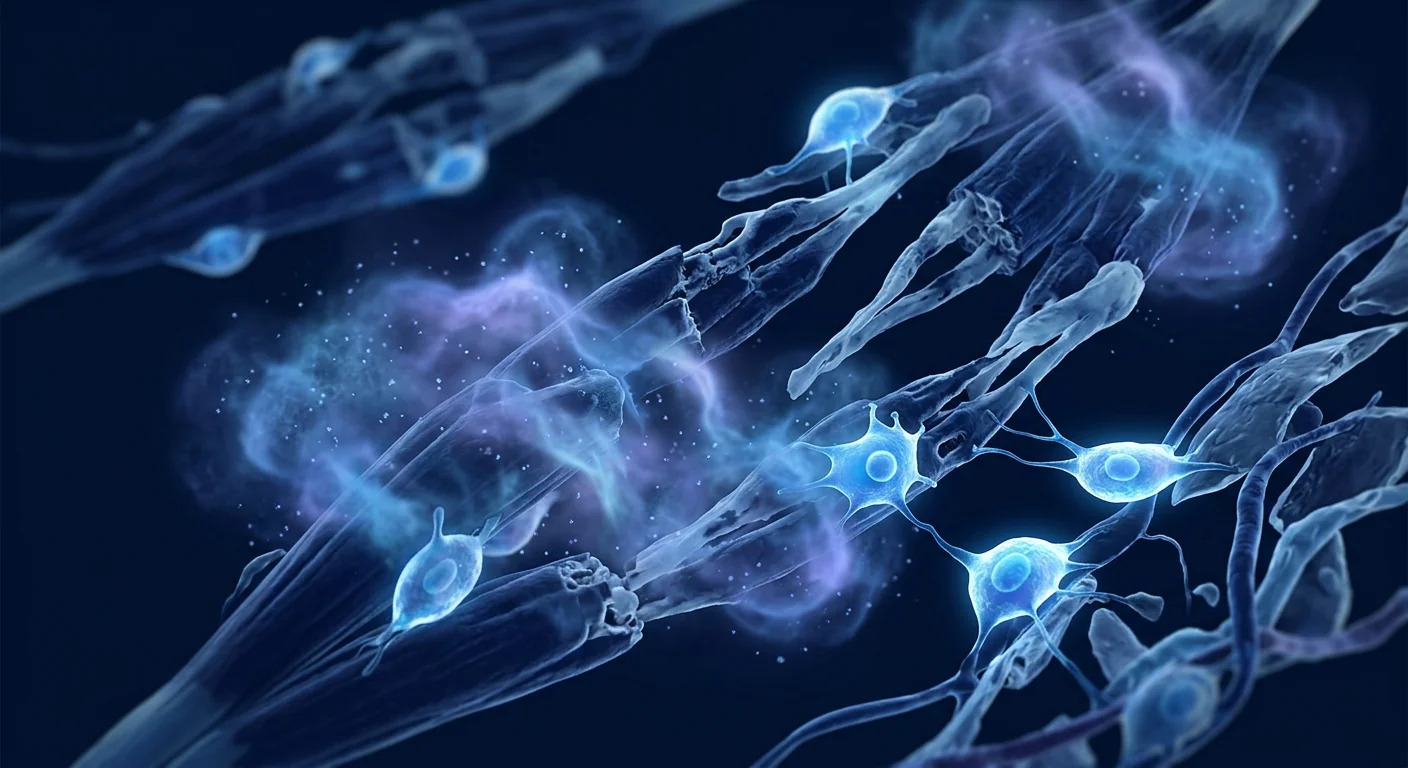
Stem Cell Therapy for Cancer Cachexia
How MSCs combat tumor-driven muscle wasting by suppressing inflammatory cytokines, protecting the Akt/mTOR pathway, and restoring mitochondrial function — an evidence-based review.
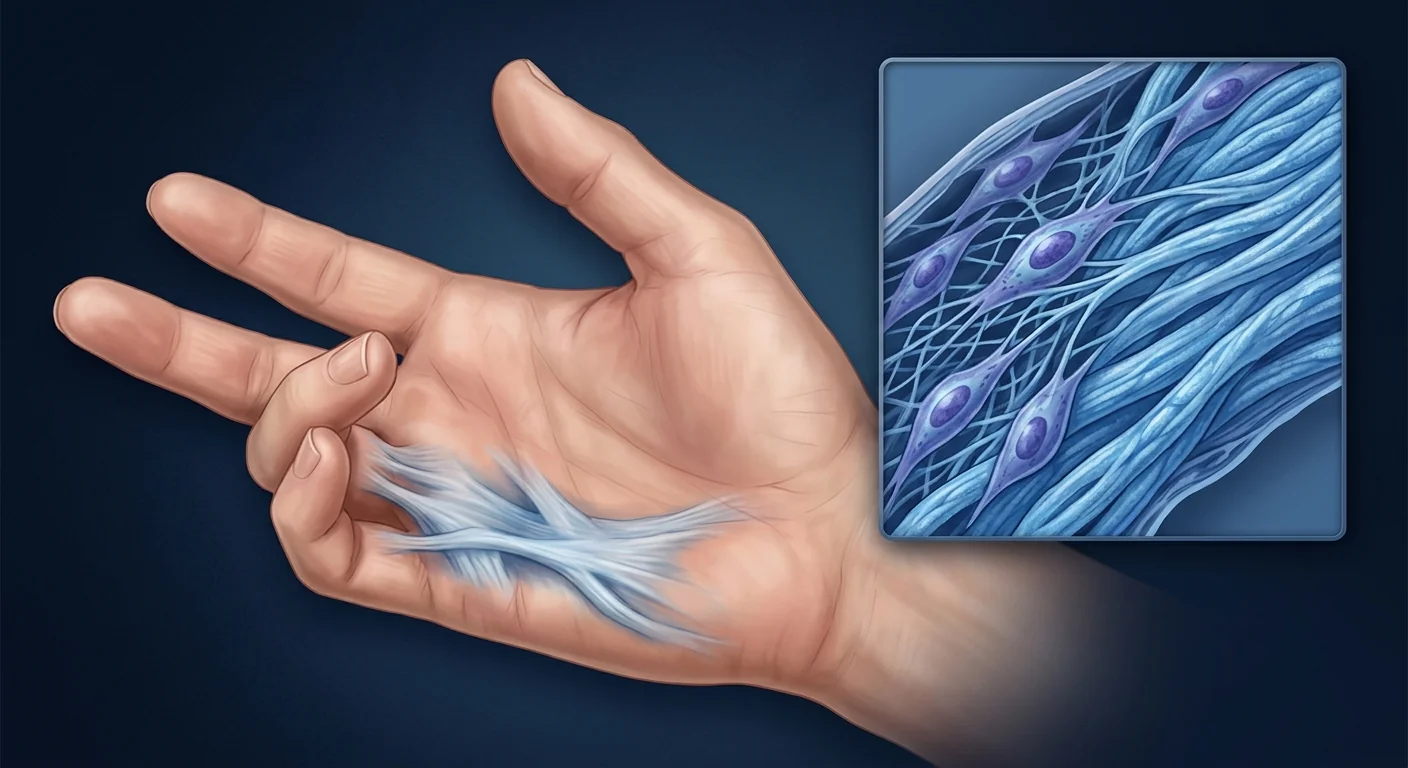
Stem Cell Therapy for Dupuytren's Contracture
How MSCs target myofibroblast-driven palmar fibrosis, suppress TGF-β signaling, and restore hand function in Dupuytren's disease — an evidence-based review.
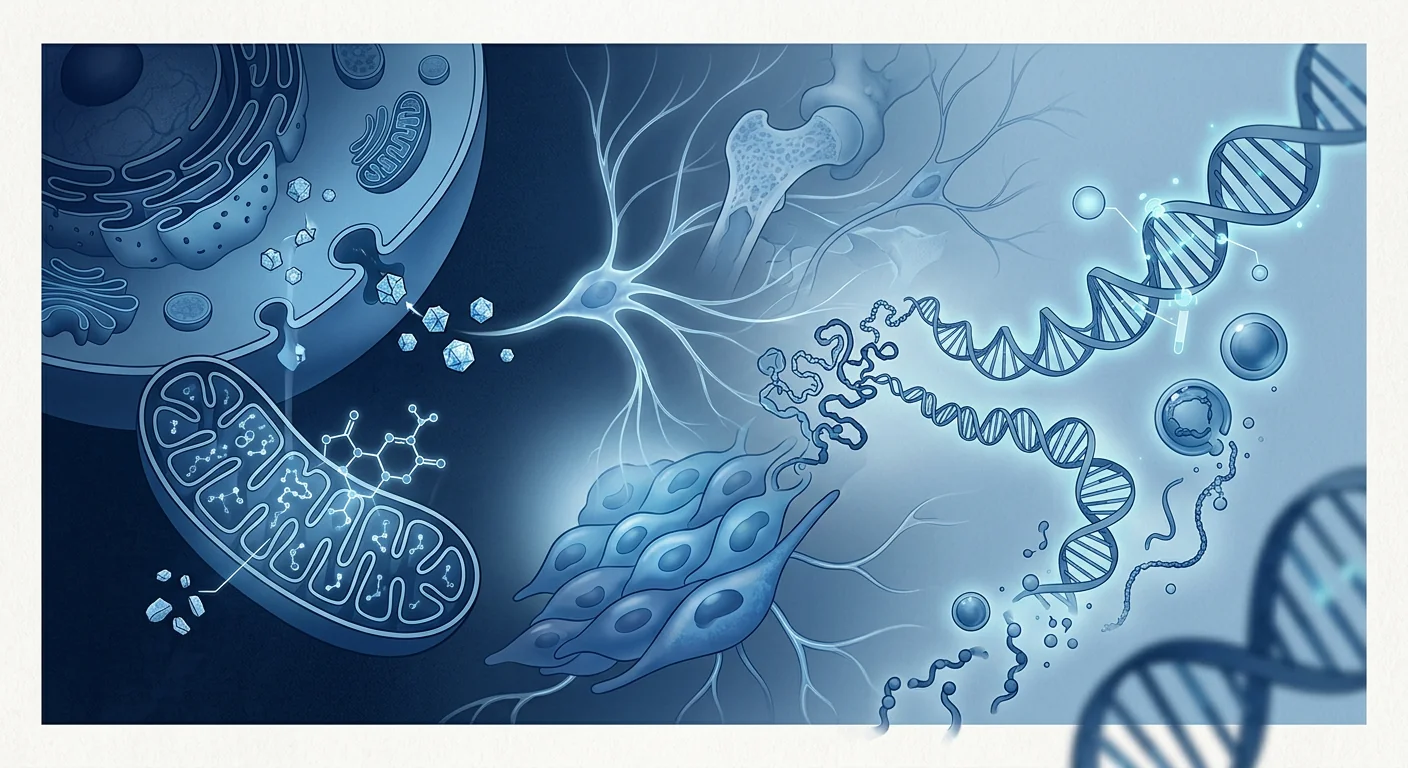
MSC Biohacking & Longevity Protocols
Evidence-based MSC protocols for healthspan optimization — targeting cellular aging, mitochondrial renewal, and biological age reversal through regenerative biohacking.
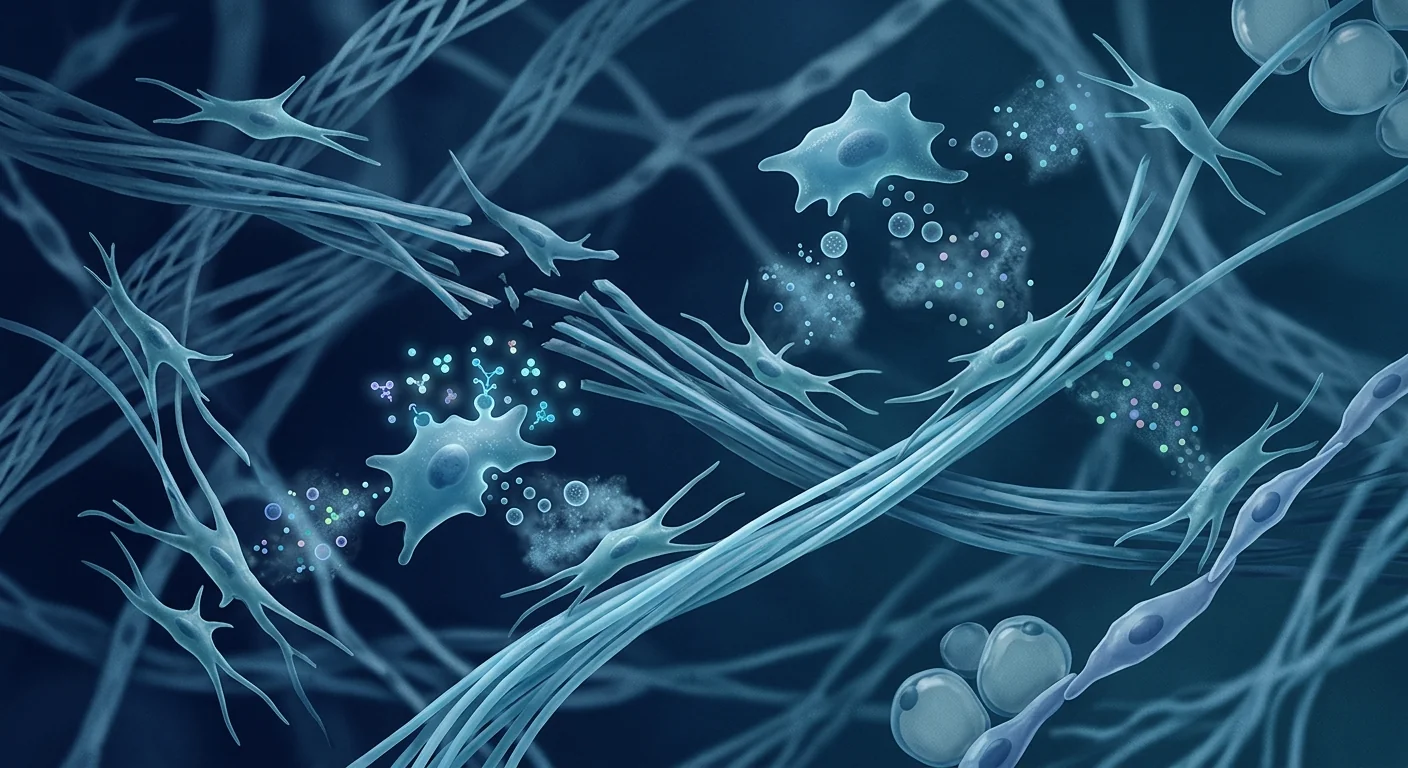
Stem Cell Therapy for Ehlers-Danlos Syndrome
How MSCs support extracellular matrix remodeling, reduce chronic pain, and strengthen connective tissue in EDS — an evidence-based review of mesenchymal stem cell therapy for genetic collagen disorders.
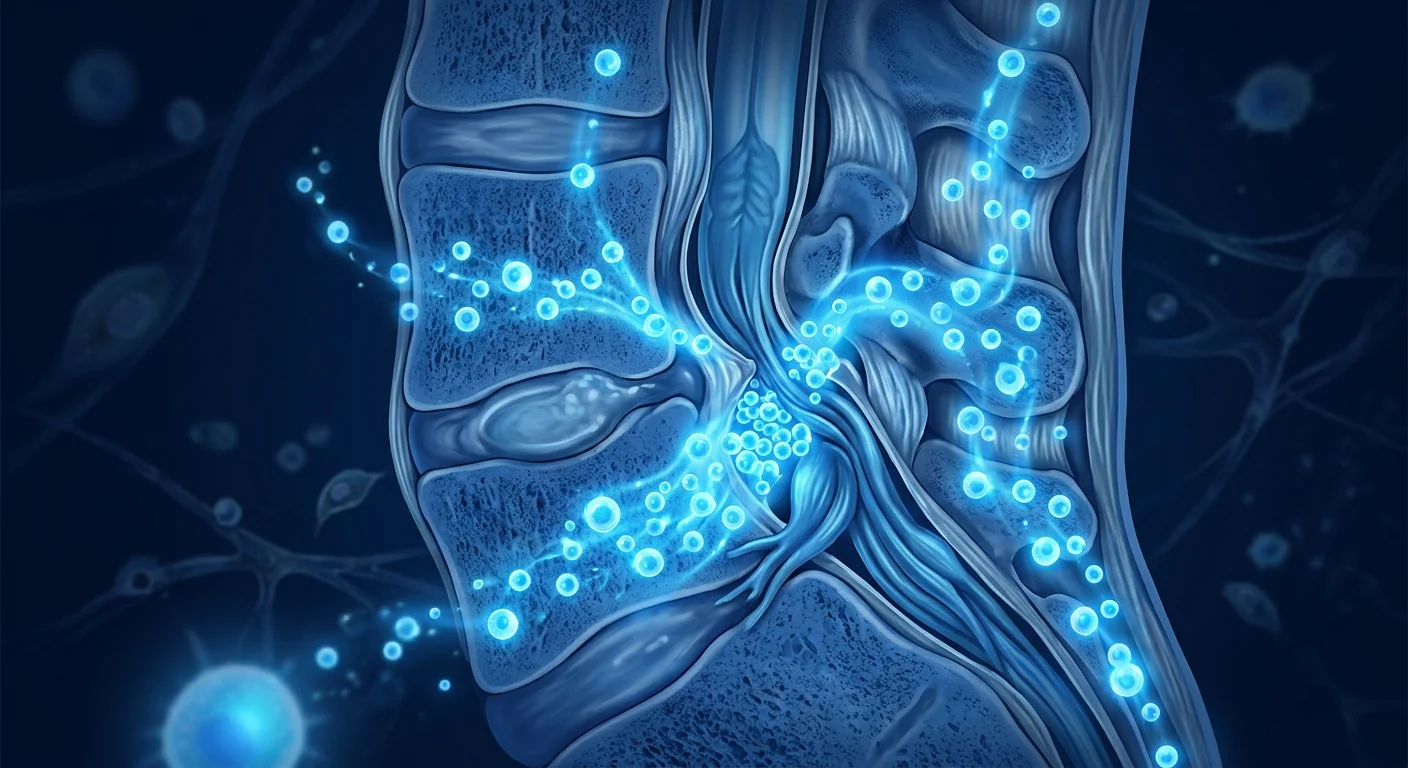
Stem Cell Therapy for Spinal Stenosis
How MSCs reduce neuroinflammation, protect neural elements, and address spinal canal narrowing — an evidence-based review.
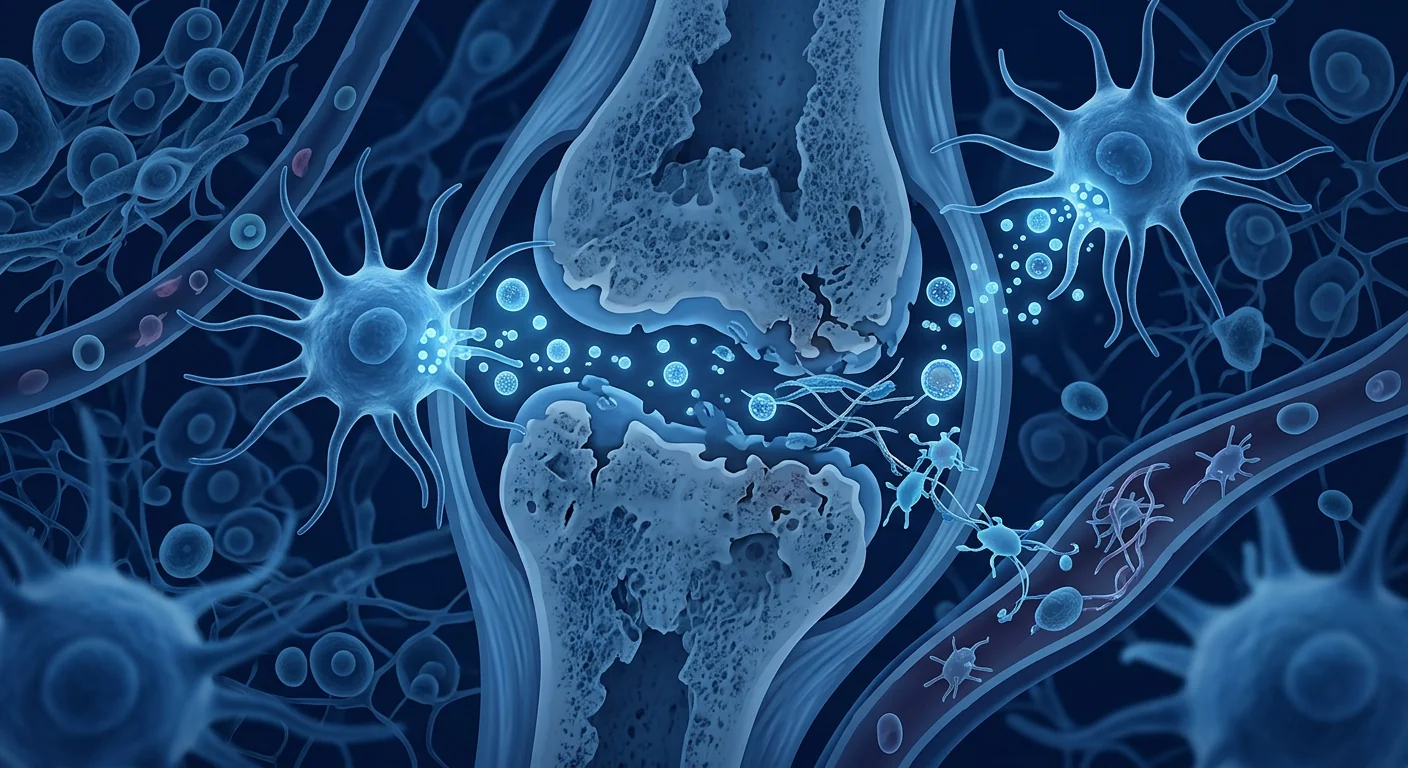
Stem Cell Therapy for Hemophilia
MSC-mediated clotting factor delivery, inhibitor prevention, and joint protection for hemophilia A and B complications.
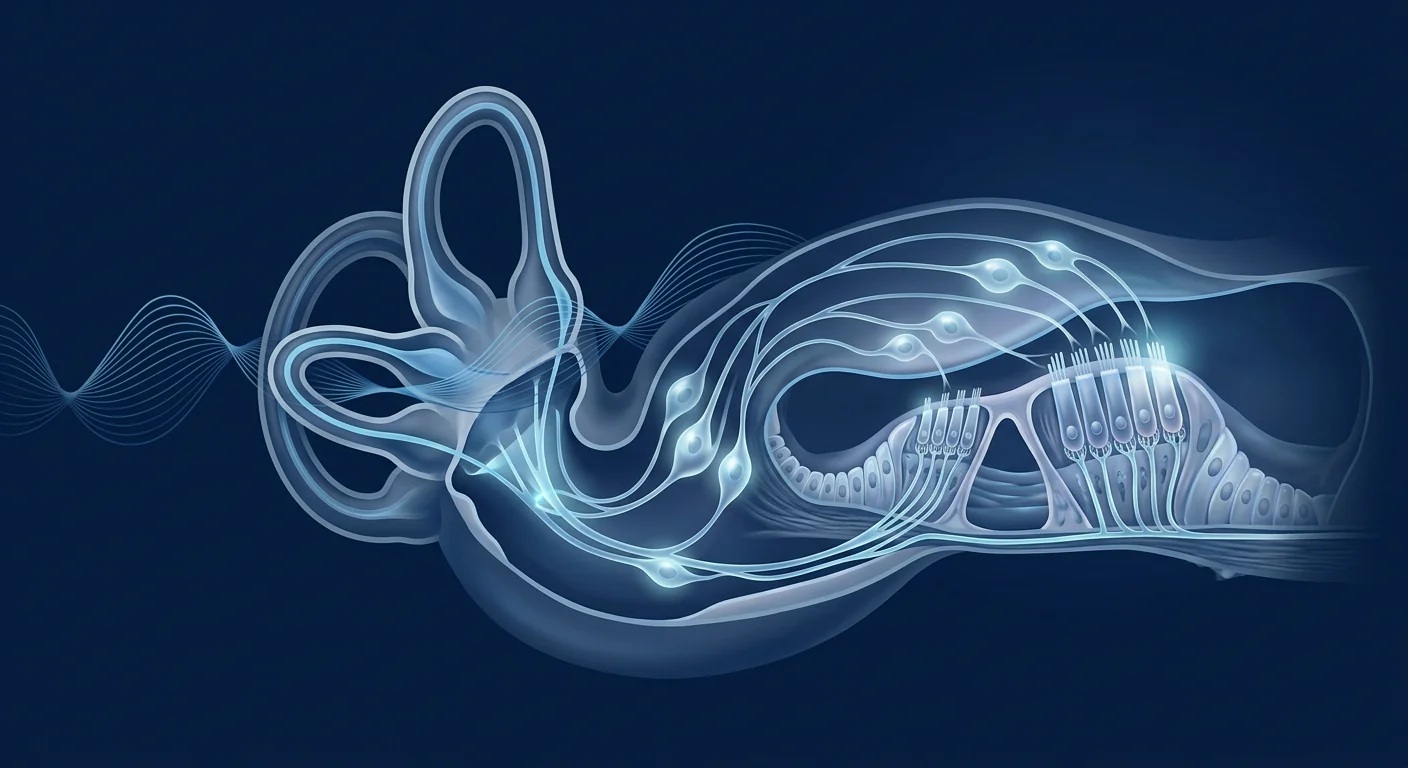
Stem Cell Therapy for Tinnitus
How MSCs target the neuroinflammatory roots of chronic tinnitus — an evidence-based review of cochlear and auditory pathway regeneration.
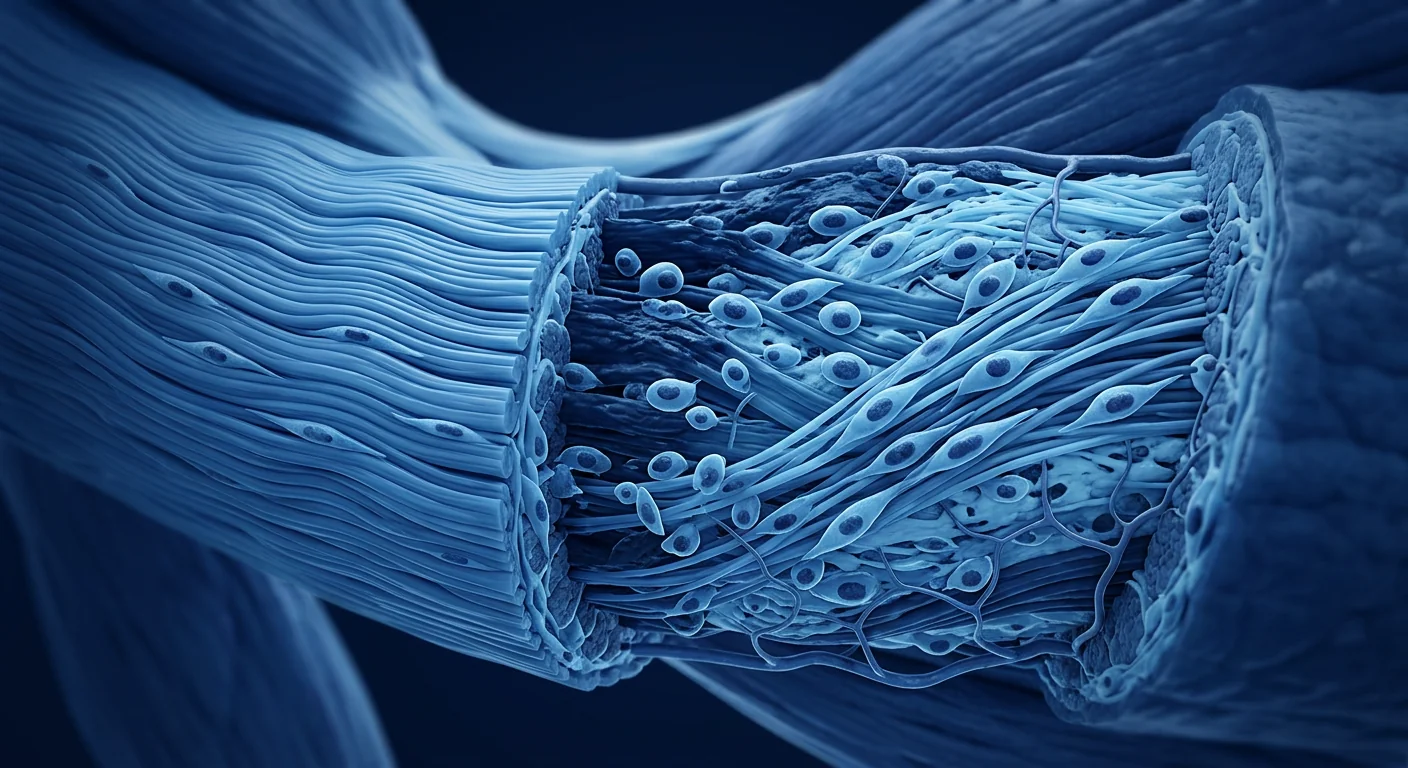
Stem Cell Therapy for Tendonitis & Tendon Injuries
How MSCs promote tendon repair, collagen regeneration, and inflammation resolution — an evidence-based look at regenerative treatment for chronic tendinopathy.
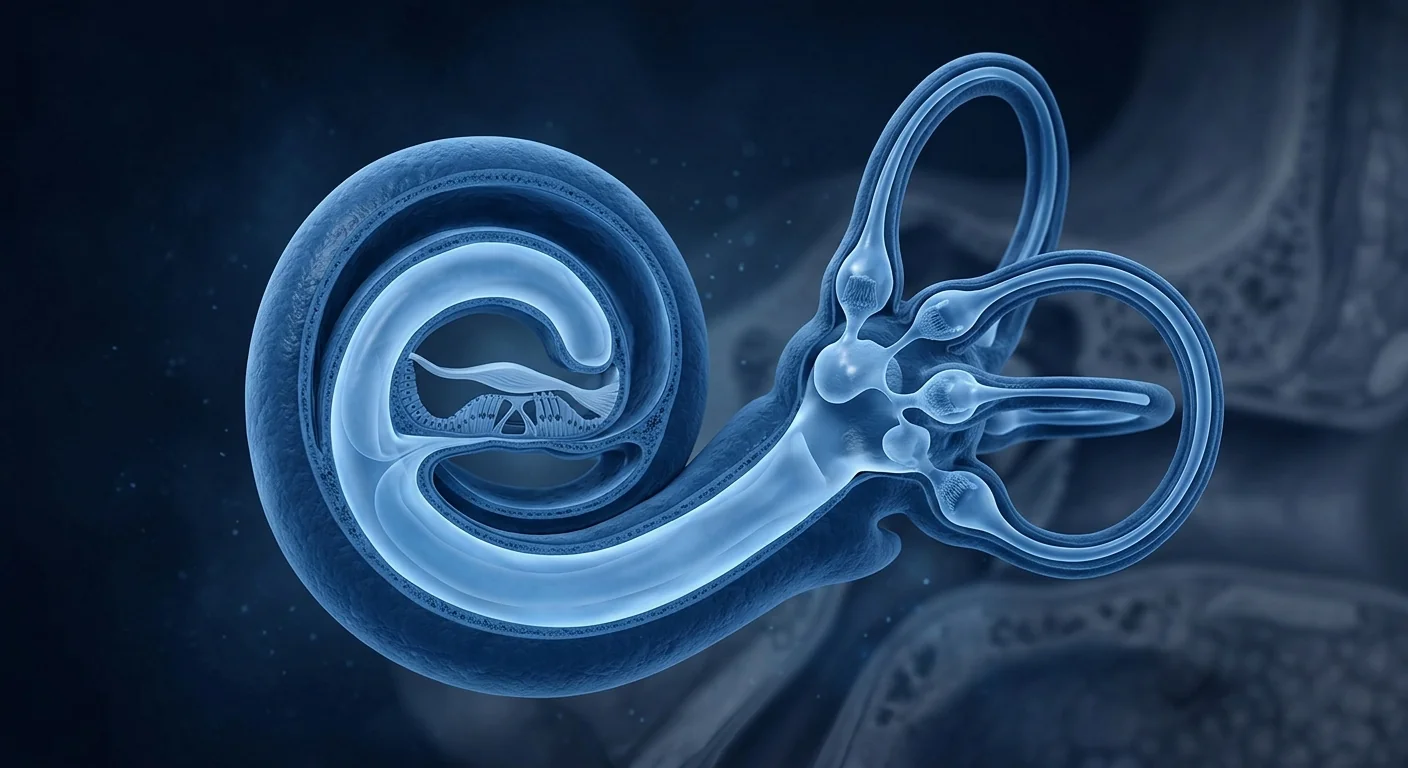
Stem Cell Therapy for Meniere's Disease
How MSCs may reduce vertigo attacks, protect cochlear hair cells, and support spiral ganglion neurons in Meniere's disease.
Stem Cell Therapy for Autoimmune Hepatitis
How MSCs may restore hepatic immune tolerance, expand regulatory T cells, and reduce hepatocyte destruction in autoimmune hepatitis.
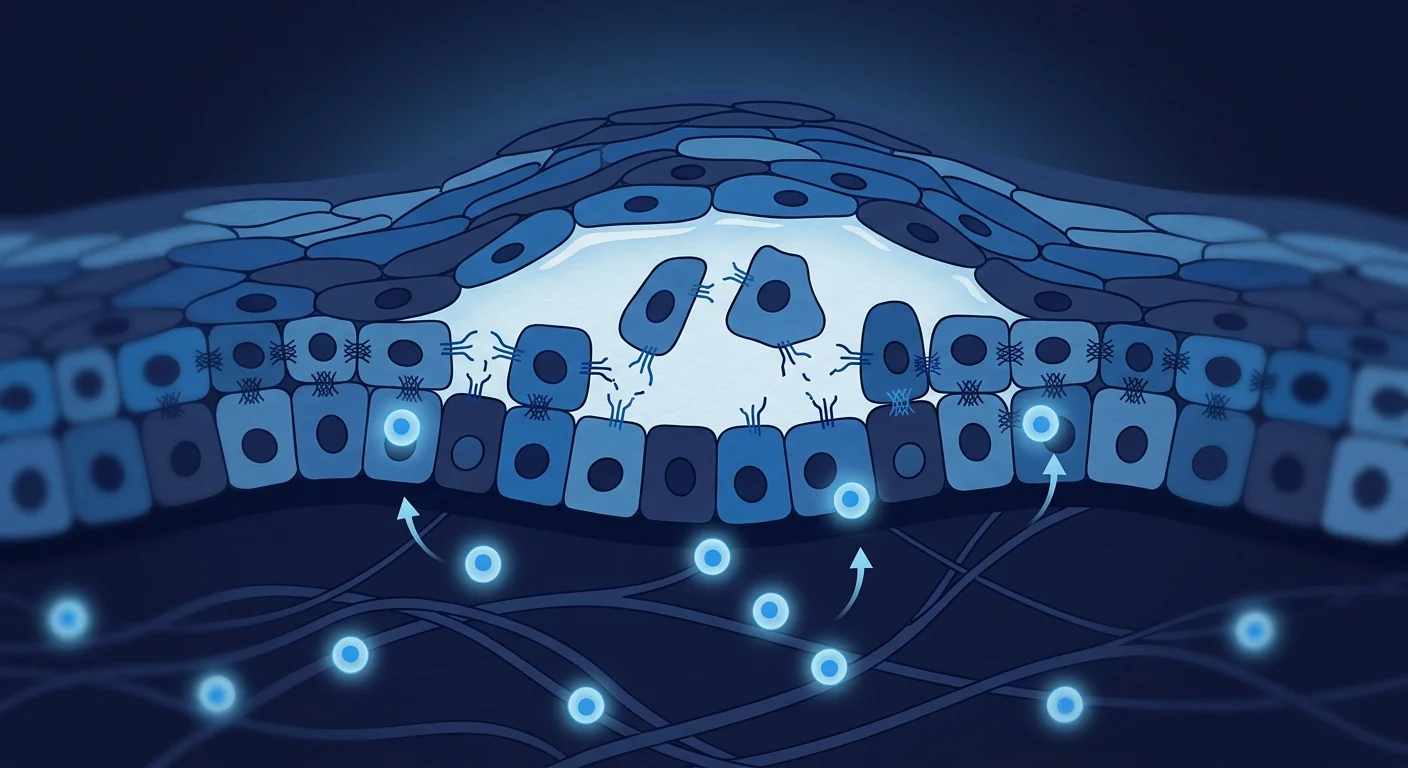
Stem Cell Therapy for Pemphigus Vulgaris
How MSCs may suppress desmoglein-specific B cells, restore Treg/Th17 balance, and promote re-epithelialization in autoimmune blistering disease.
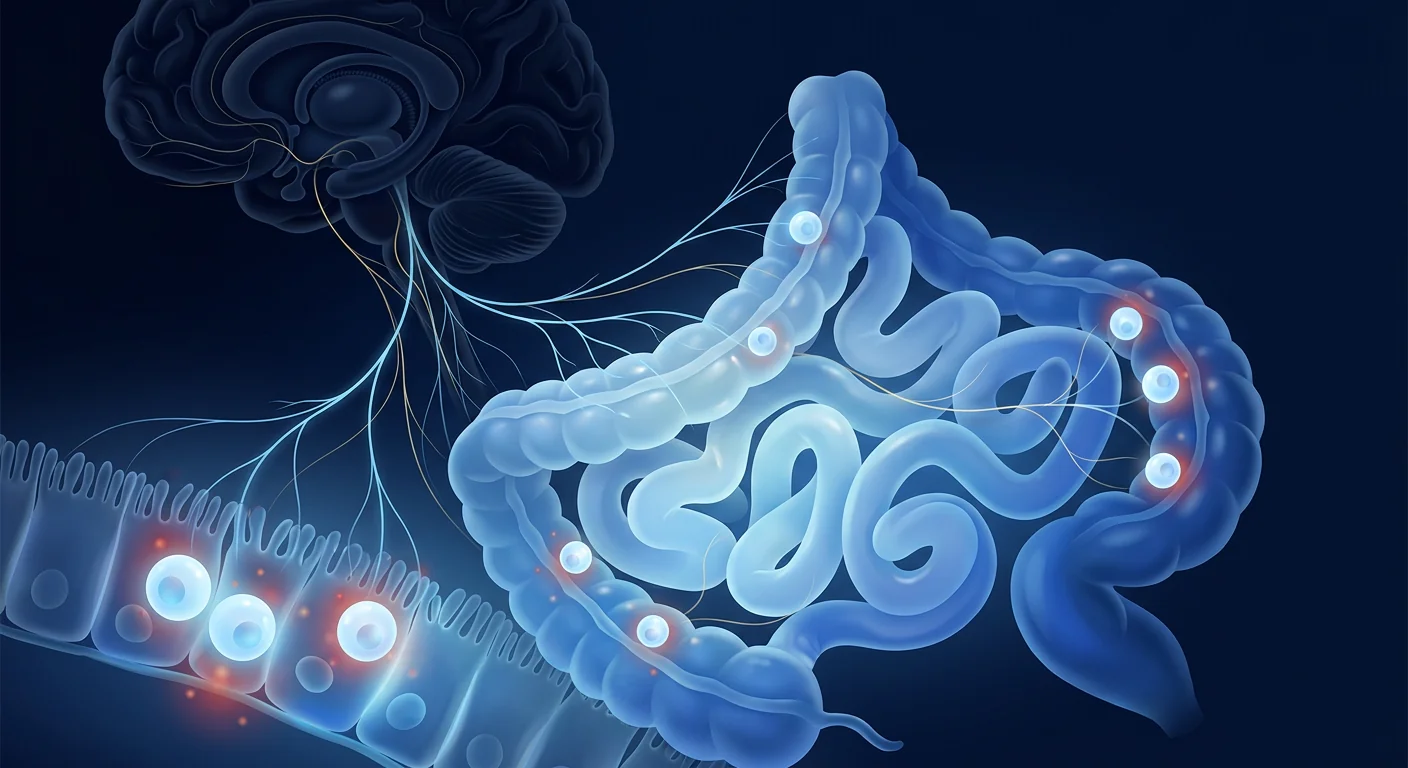
Stem Cell Therapy for Irritable Bowel Syndrome
Gut-brain axis, visceral hypersensitivity, and MSC-mediated intestinal barrier repair.
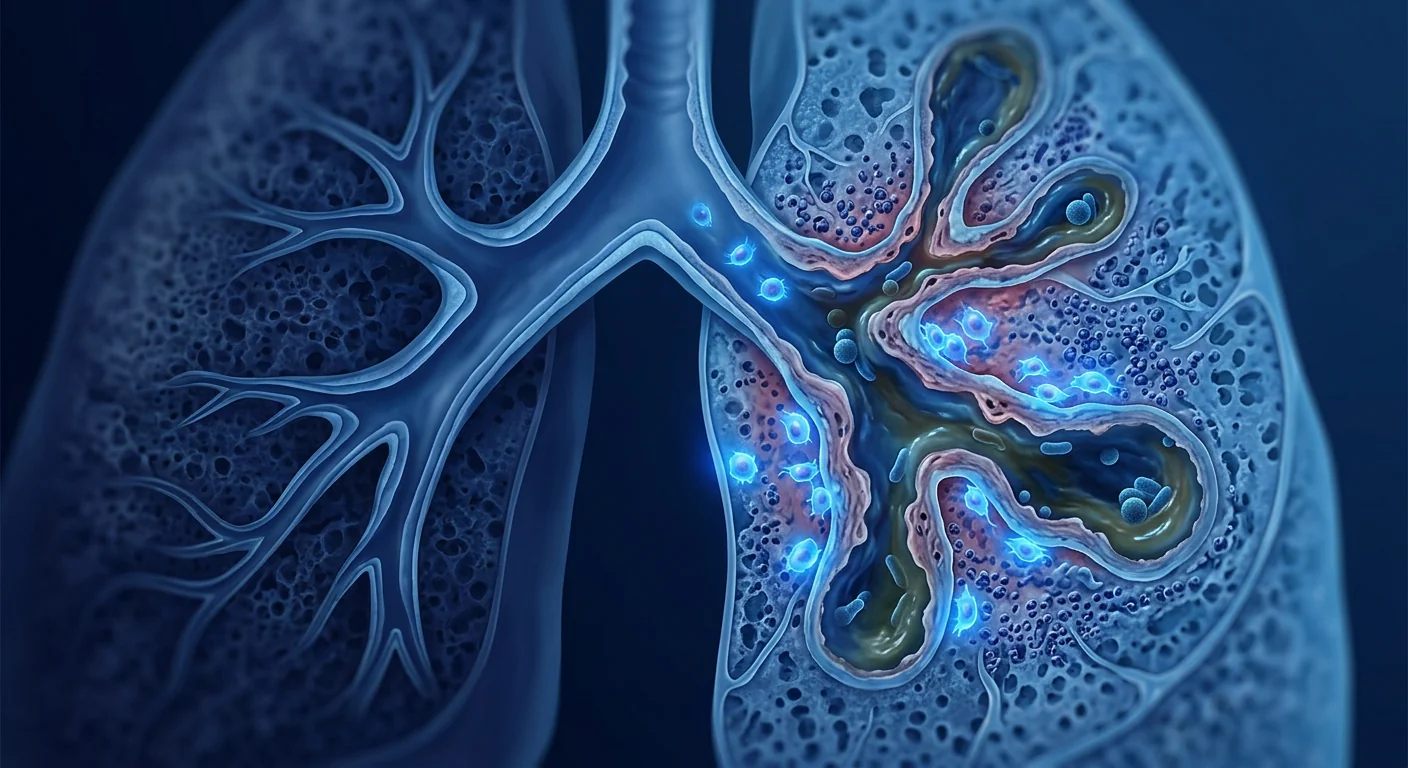
Stem Cell Therapy for Bronchiectasis
How MSCs target neutrophilic airway inflammation, biofilm disruption, and epithelial repair in chronic bronchiectasis — preclinical rationale and clinical status.
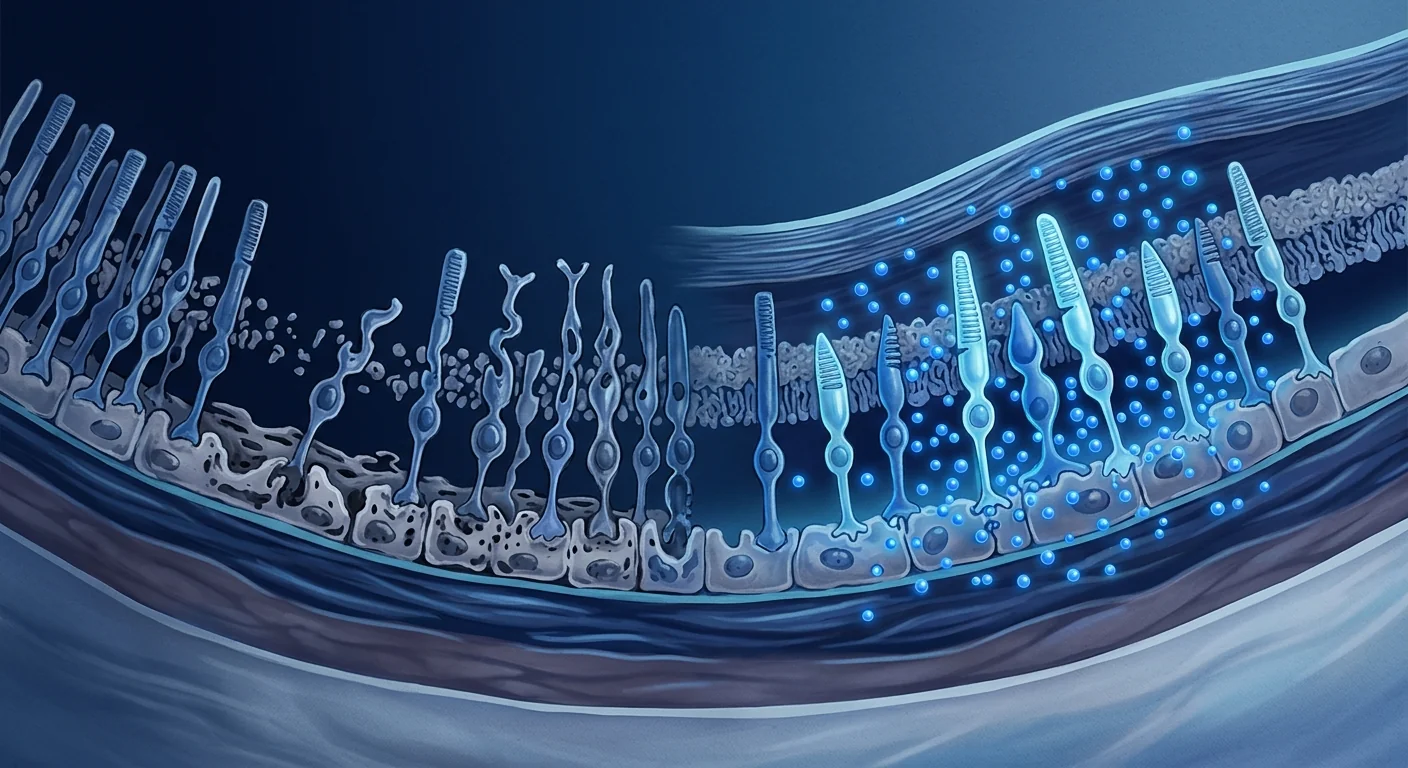
Stem Cell Therapy for Retinitis Pigmentosa
How MSCs deliver neurotrophic factors, reduce retinal inflammation, and preserve photoreceptors in inherited retinal degeneration — early evidence and honest expectations.
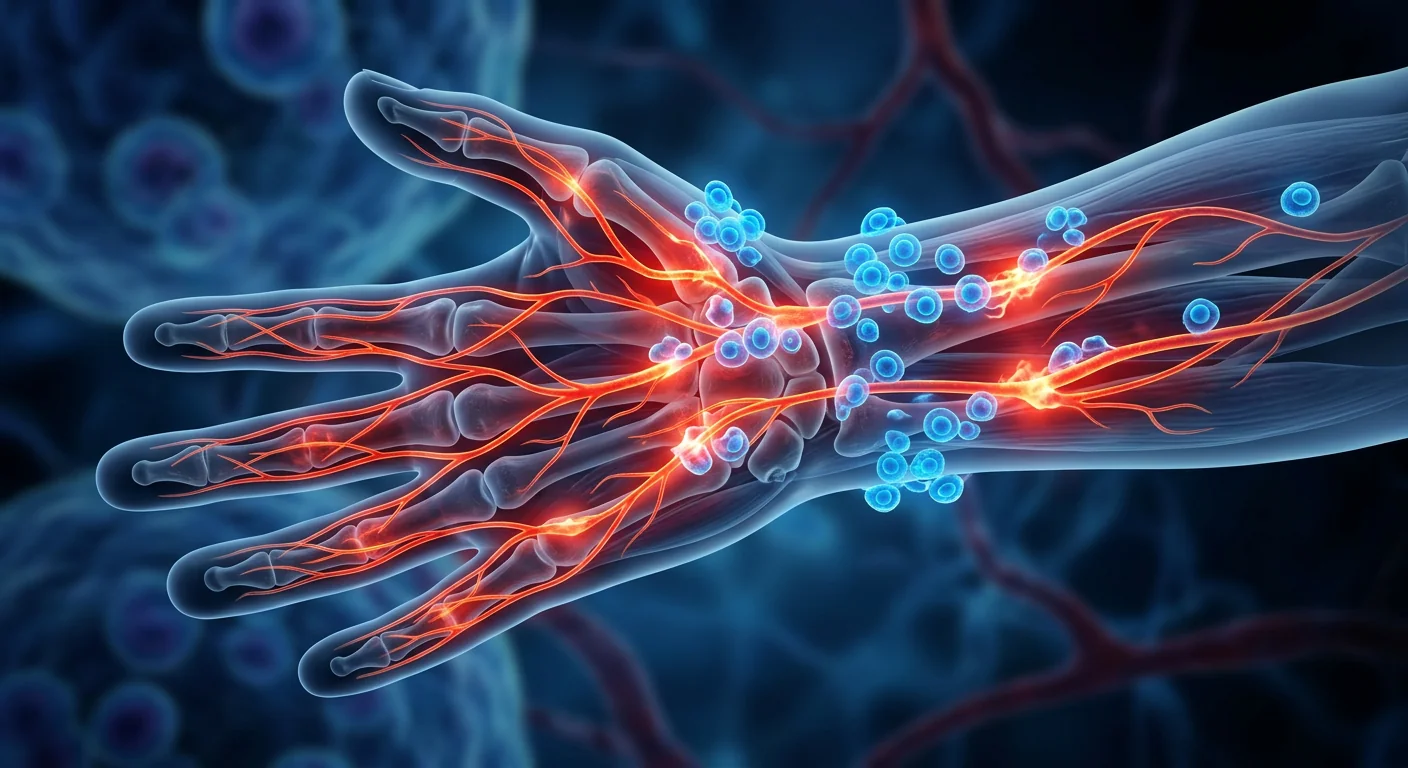
Stem Cell Therapy for Complex Regional Pain Syndrome
How MSCs target neuroinflammation, suppress glial activation, and promote neurotrophic repair in CRPS — early evidence and limitations.

How to Choose a Stem Cell Clinic: A Patient Guide
A comprehensive framework for evaluating stem cell clinics — from physician credentials and lab accreditation to cell sourcing, pricing transparency, and structured follow-up.
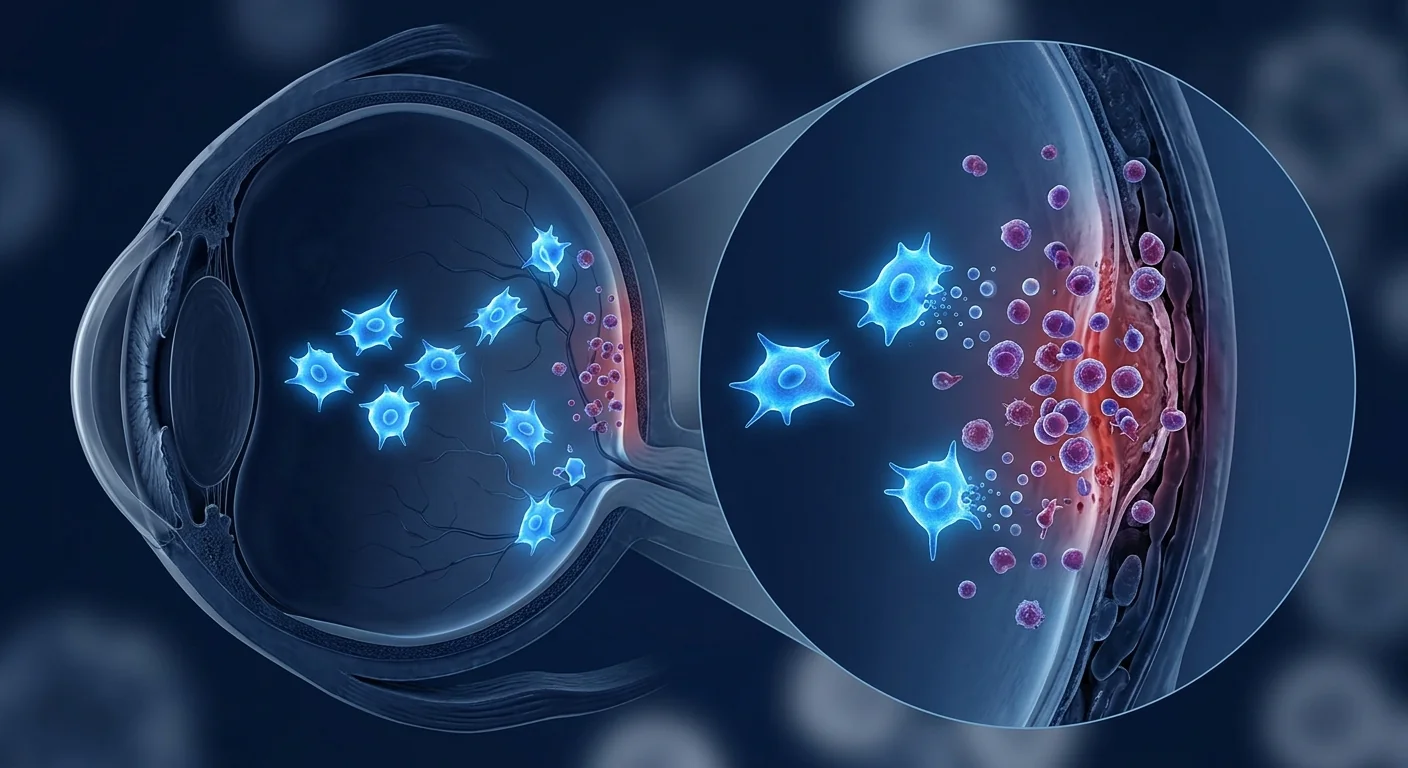
Stem Cell Therapy for Uveitis
How MSCs may recalibrate intraocular immune responses, protect retinal neurons, and promote Treg expansion — early evidence for refractory autoimmune eye disease.
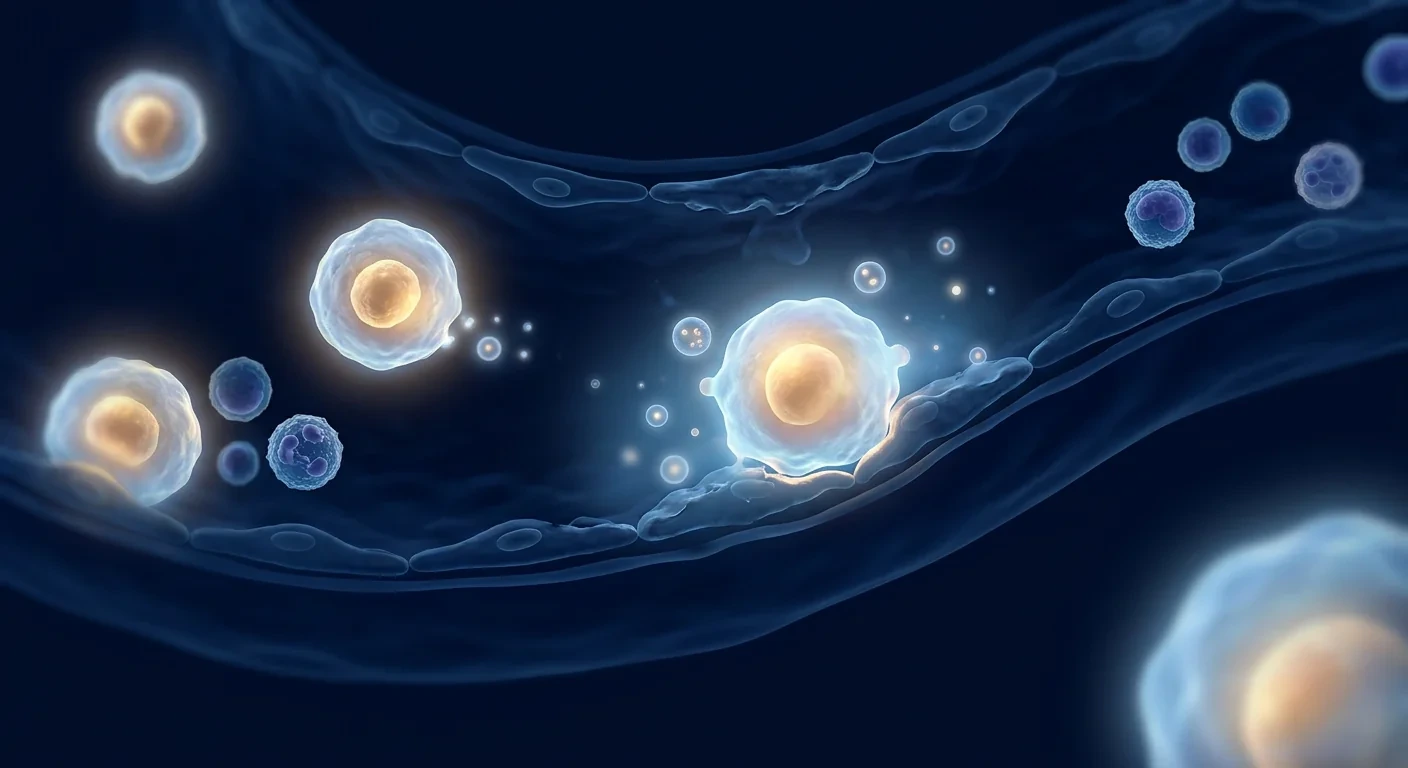
Stem Cell Therapy for Behçet's Disease
How MSCs may recalibrate the Th17/Treg imbalance driving systemic vasculitis, oral ulcers, and uveitis — early clinical evidence and honest limitations.
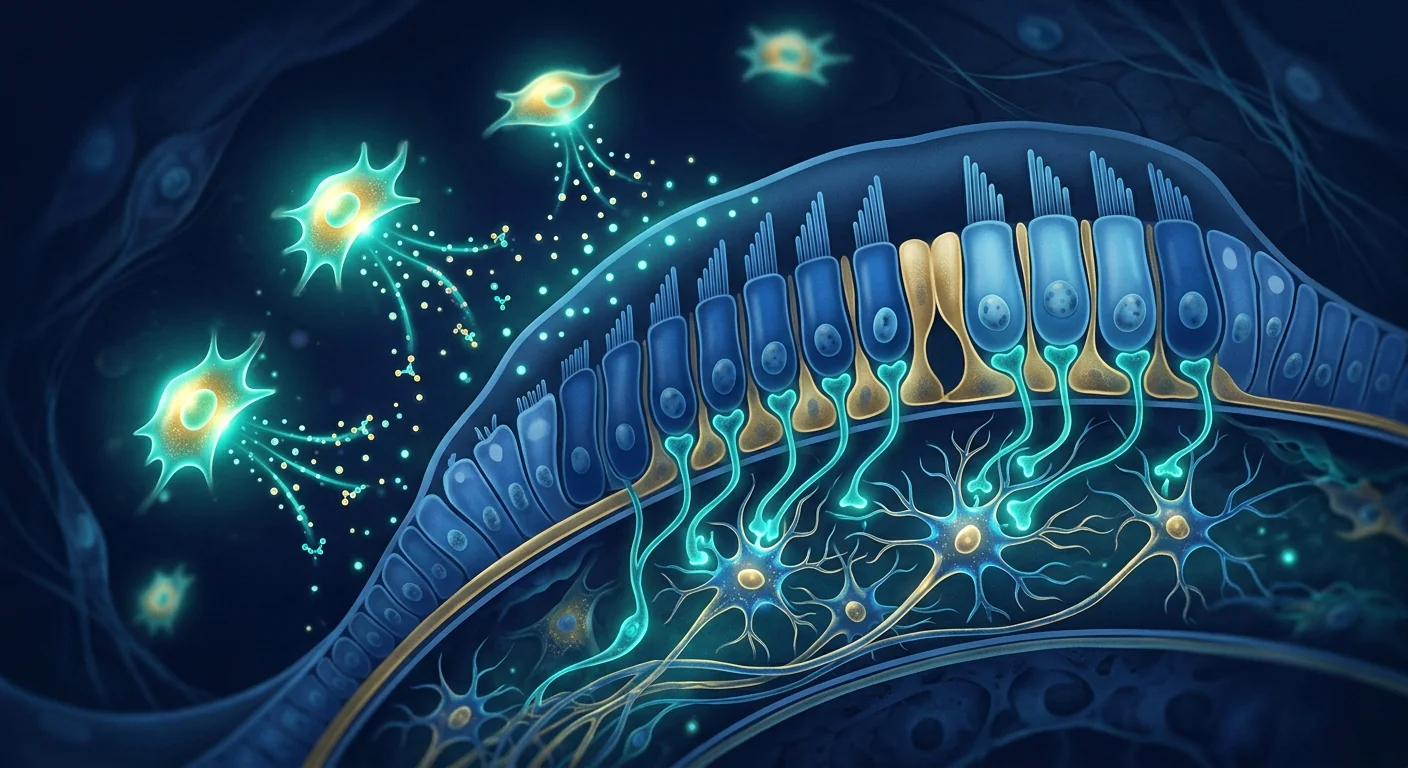
Stem Cell Therapy for Age-Related Hearing Loss
How MSCs may protect cochlear hair cells and support auditory neurons in presbycusis — from spiral ganglion preservation to realistic clinical expectations.
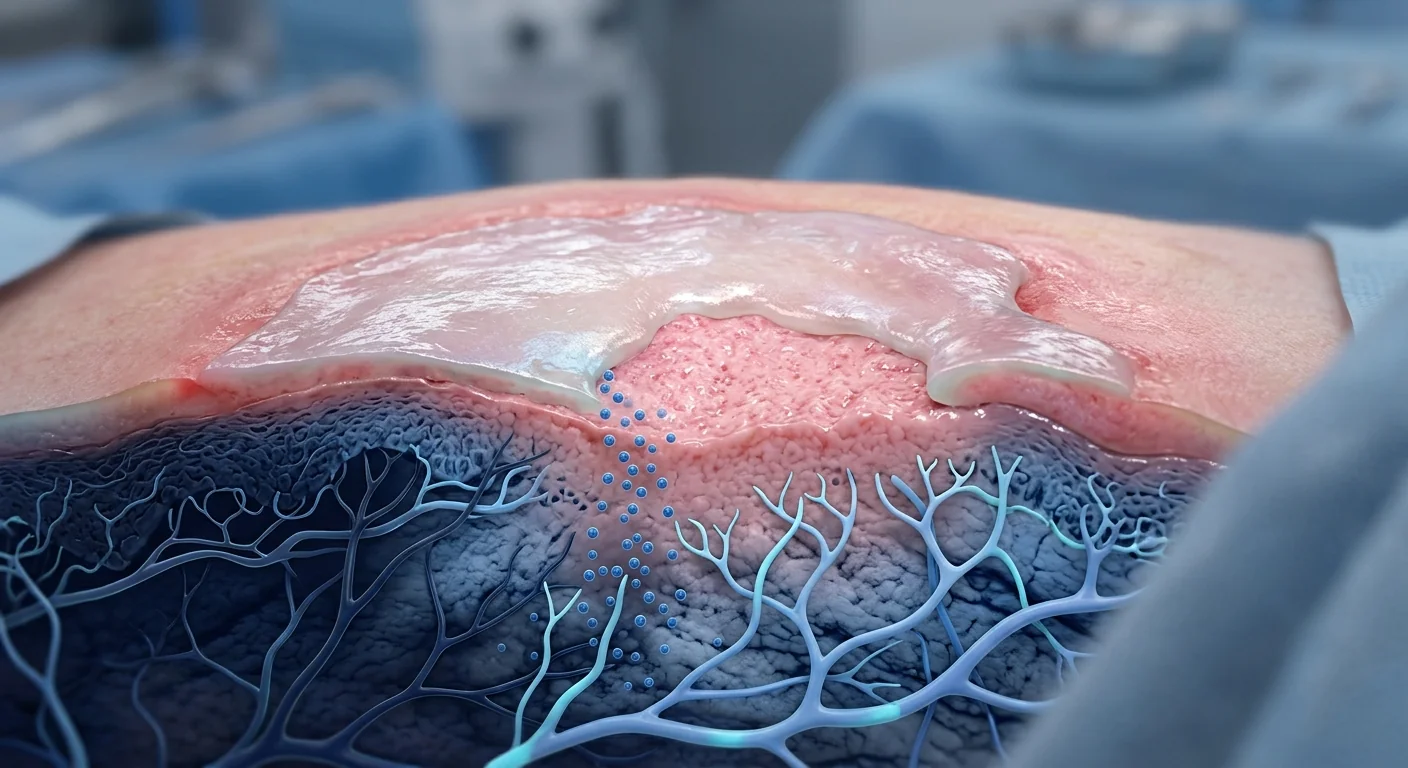
Stem Cell Therapy for Deep Partial-Thickness Burns
How MSC-sprayed wound beds accelerate re-epithelialization, reduce hypertrophic scarring, and regenerate functional skin after deep burn injury.
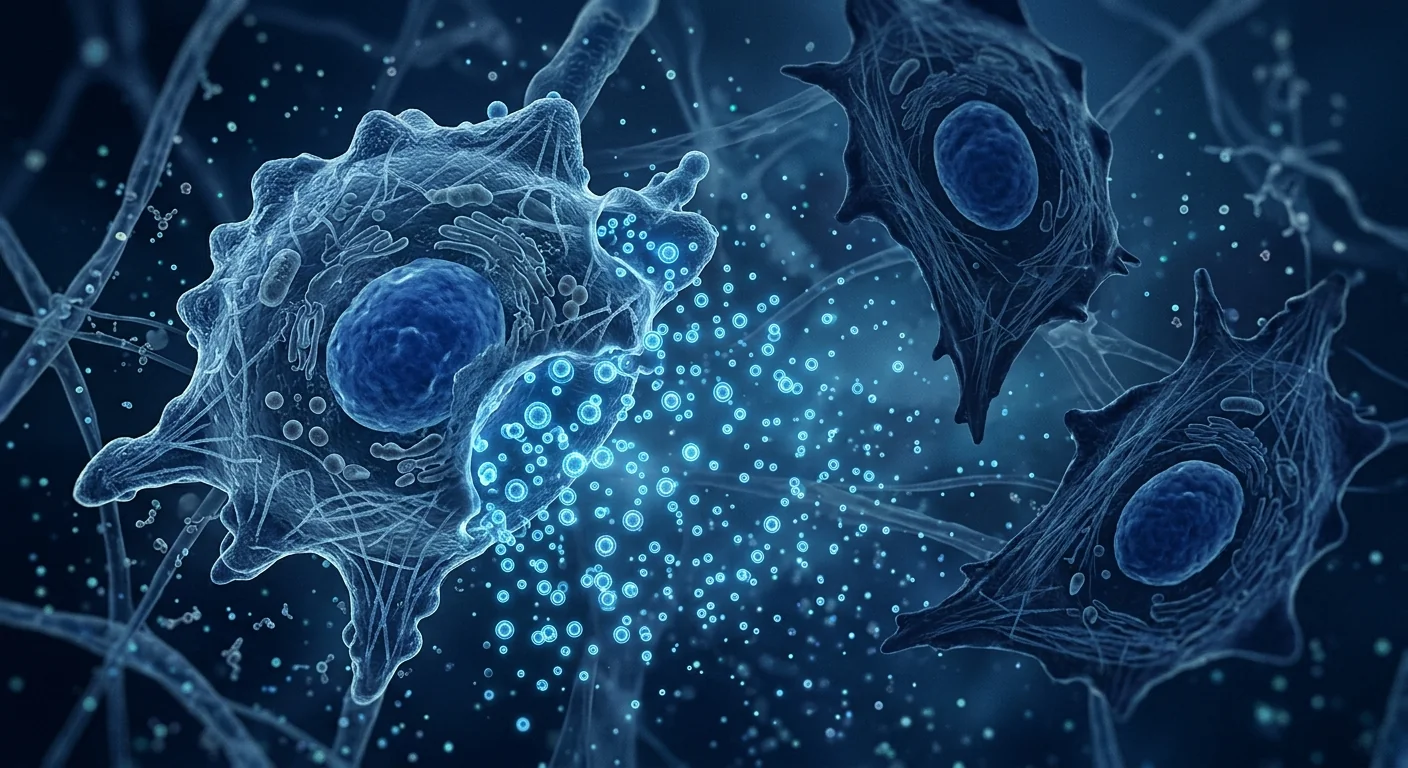
MSC-Derived Exosomes vs Whole MSCs: Which Is Right for You?
Nanoscale signaling vesicles or intact living cells — a balanced comparison of two MSC-based approaches, their mechanisms, and when each makes sense.
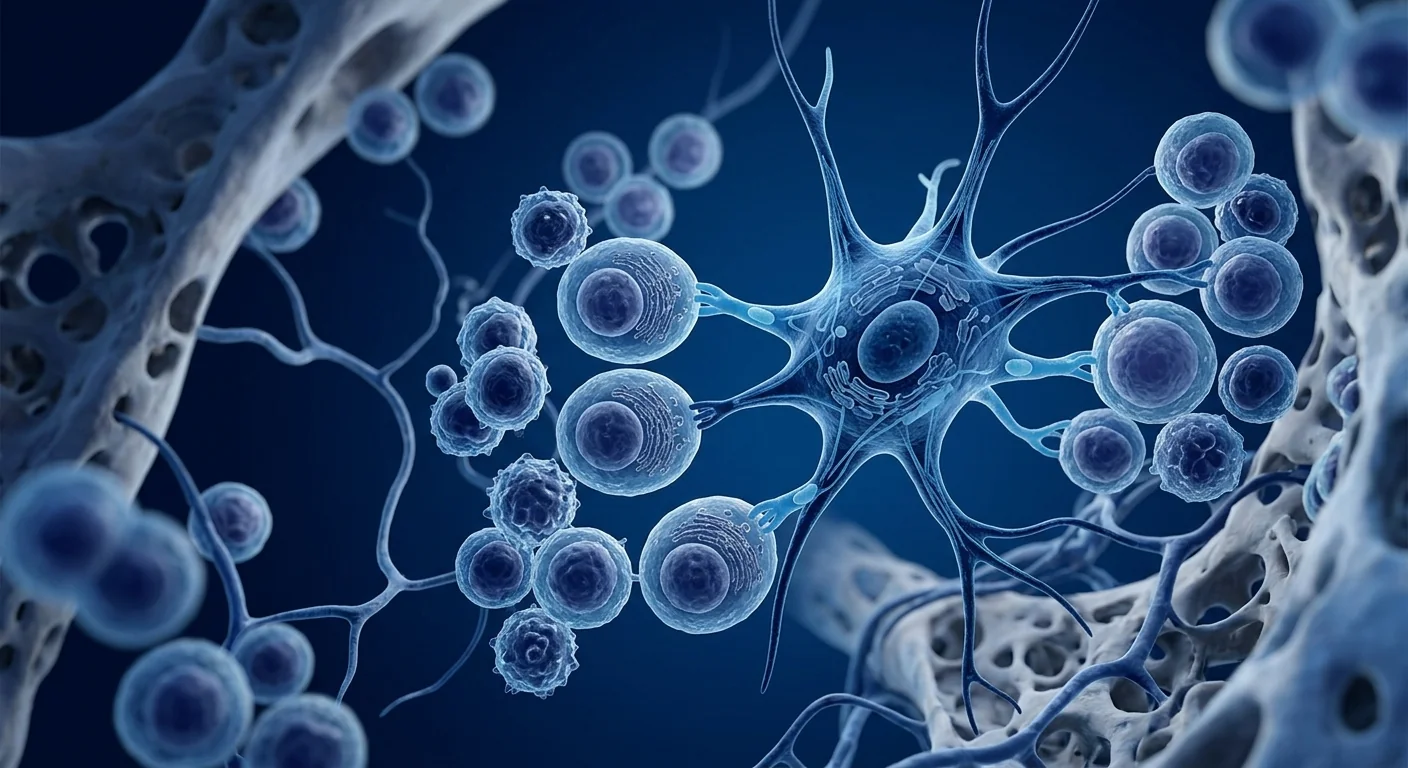
Stem Cell Therapy for Multiple Myeloma
How MSCs may rebalance the inflammatory marrow niche, restore the osteoblast/osteoclast balance, and support hematopoietic recovery — the honest evidence, still investigational.
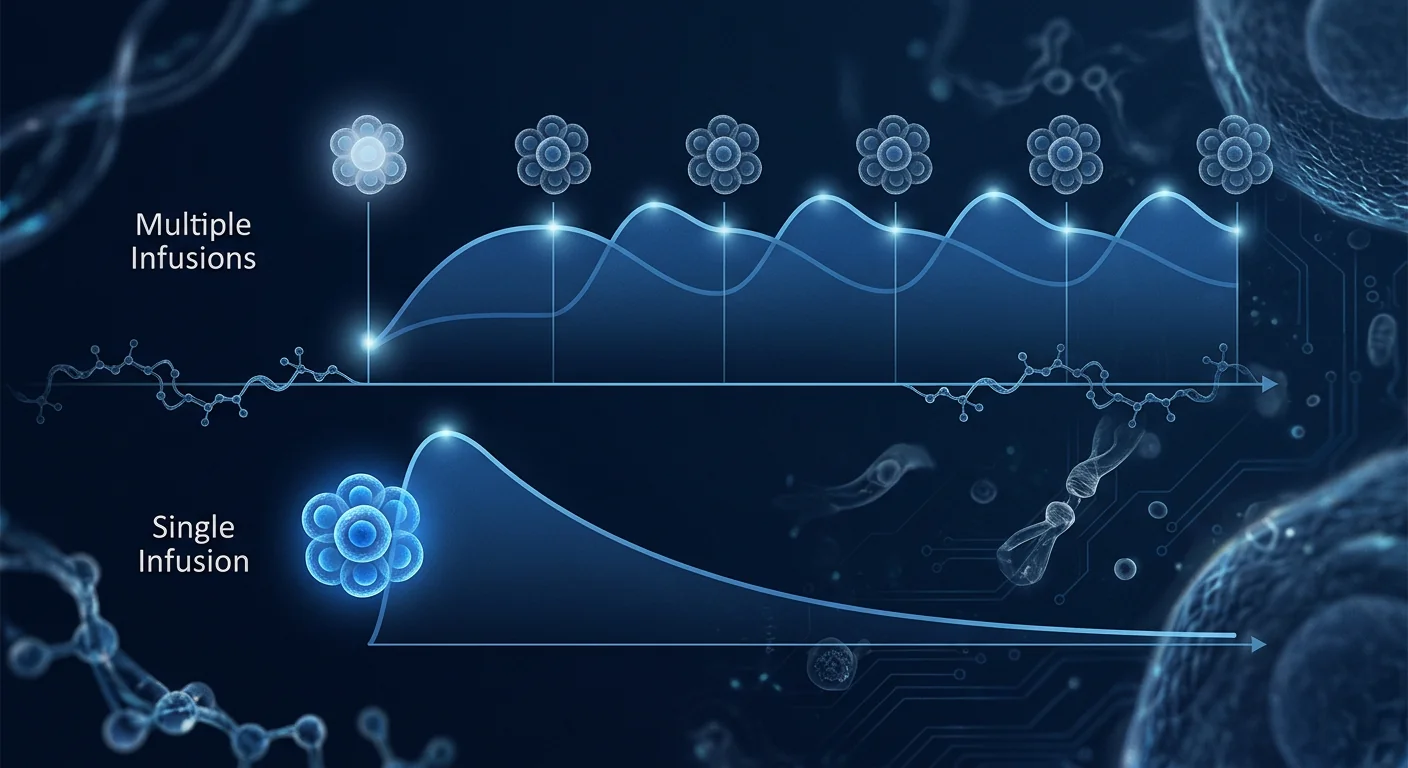
Repeat Dosing vs Single Infusion
When does a second MSC infusion add value? Half-life of effects, tachyphylaxis risk, and cost-benefit analysis for chronic vs acute conditions — an evidence-based treatment frequency guide.
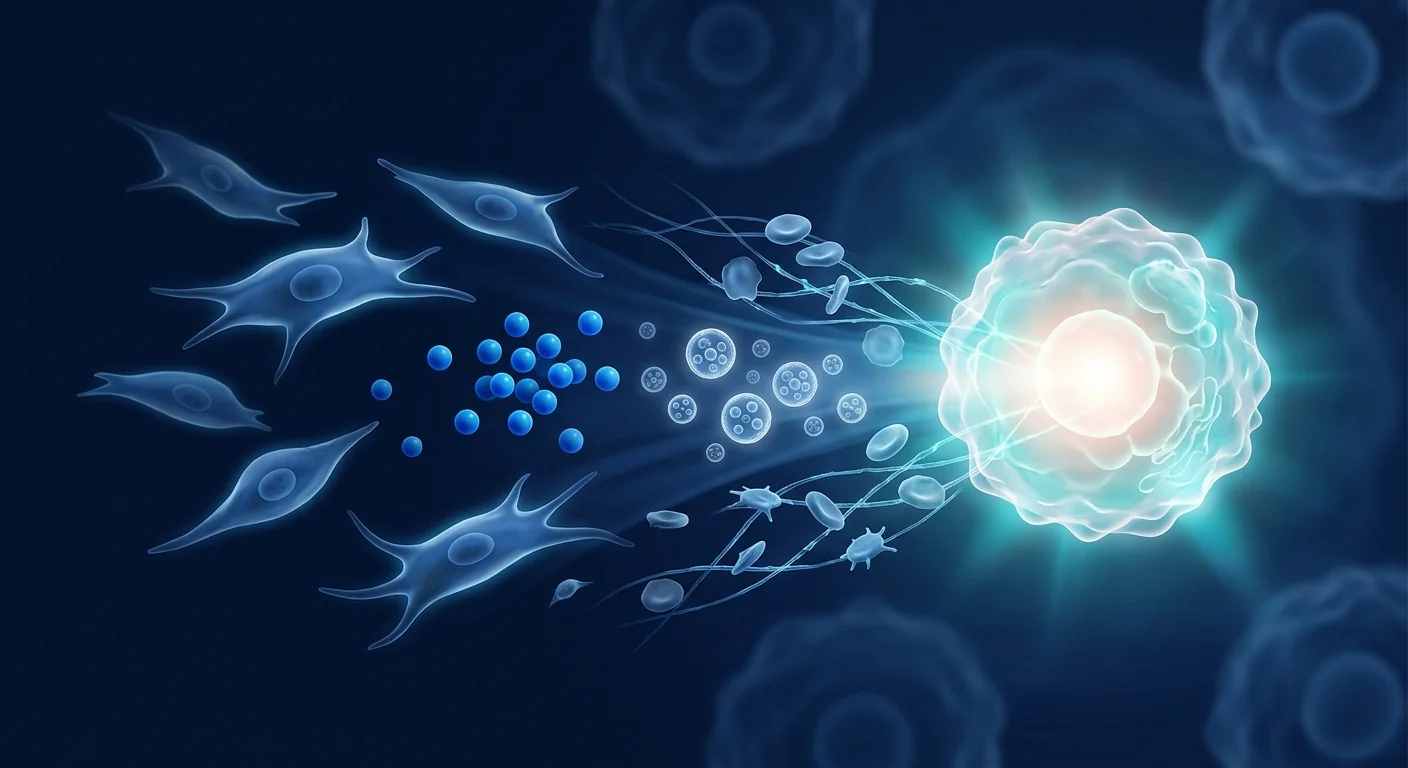
Combining MSC with Other Therapies
How MSC therapy works synergistically with PRP, exosomes, pharmaceuticals, and rehabilitation — evidence-based combination protocols for enhanced regenerative outcomes.
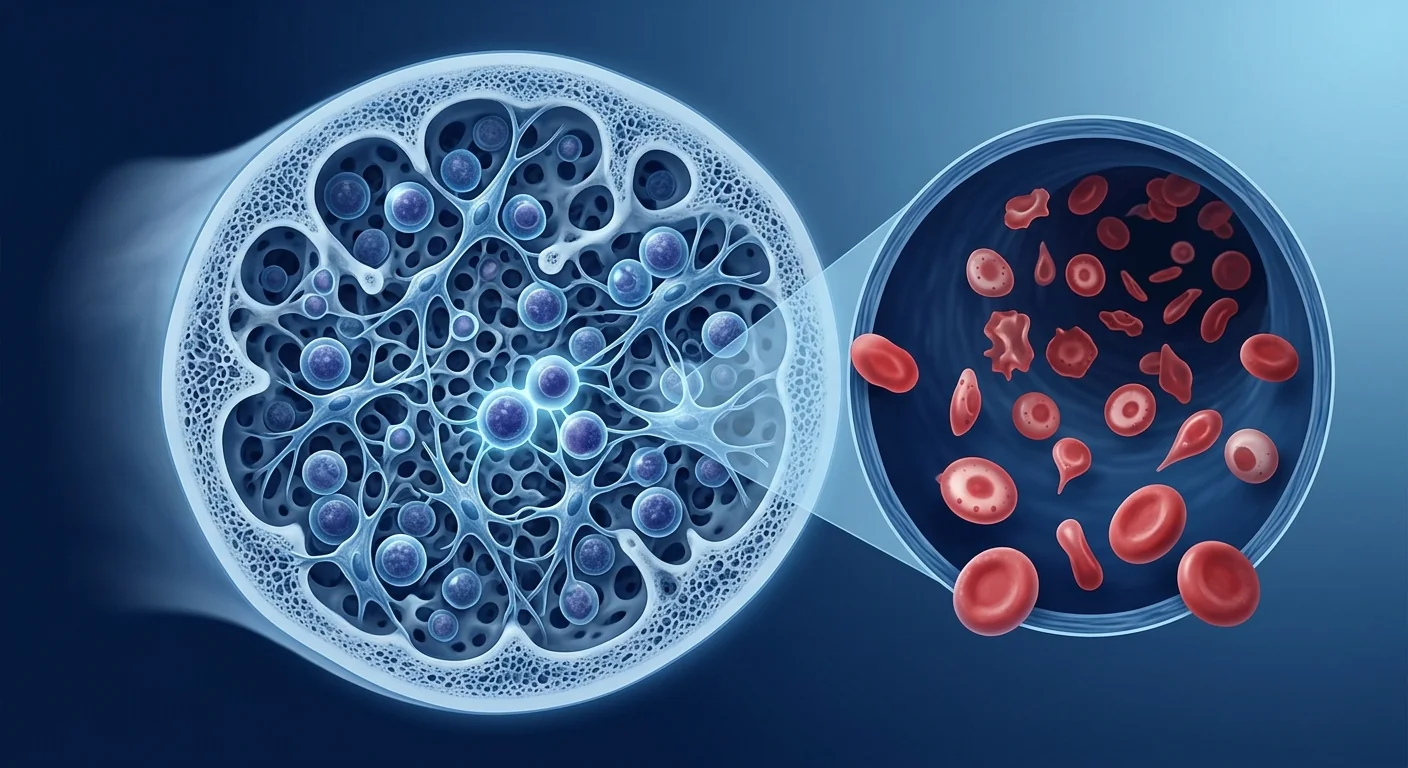
Stem Cell Therapy for Thalassemia
MSC hematopoietic support, iron overload mitigation, and HSCT engraftment enhancement for genetic hemoglobinopathy complications.
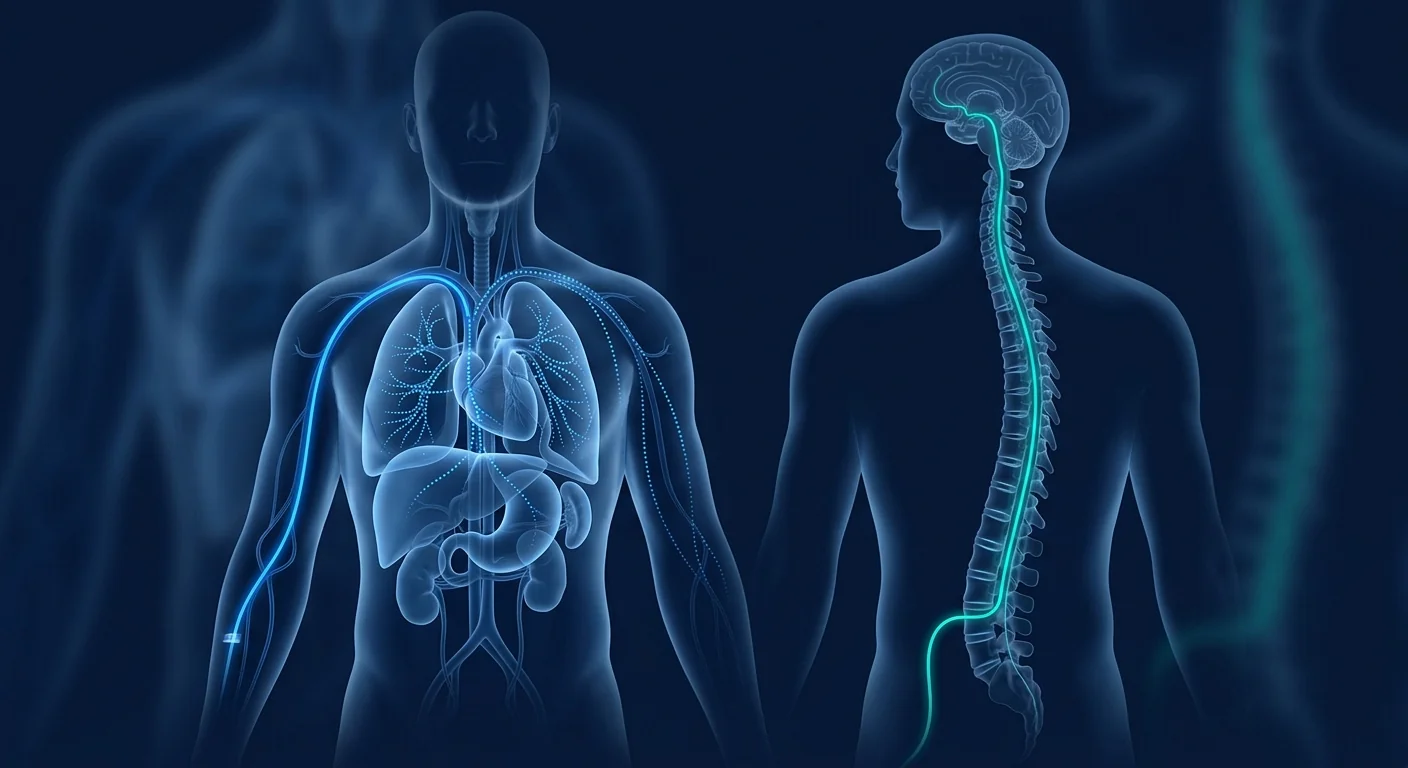
Intrathecal vs Intravenous MSC Delivery: Choosing the Right Route
When the blood-brain barrier matters — how CSF pharmacokinetics compare to first-pass lung trapping, and which route the evidence favors for neurological vs systemic conditions.
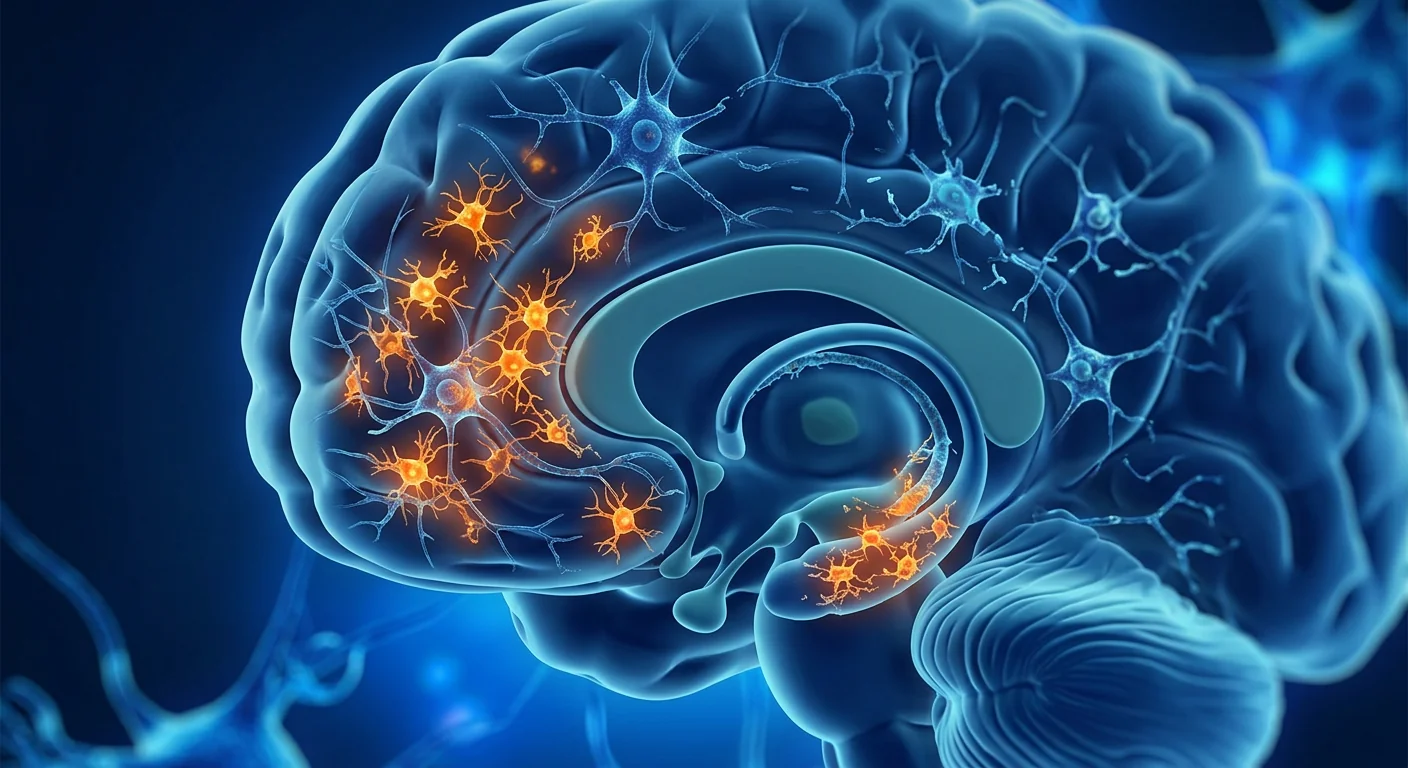
Stem Cell Therapy for Chemo Brain
How MSCs target neuroinflammation, restore hippocampal neurogenesis, and support cognitive recovery after chemotherapy — from preclinical models to emerging clinical evidence.
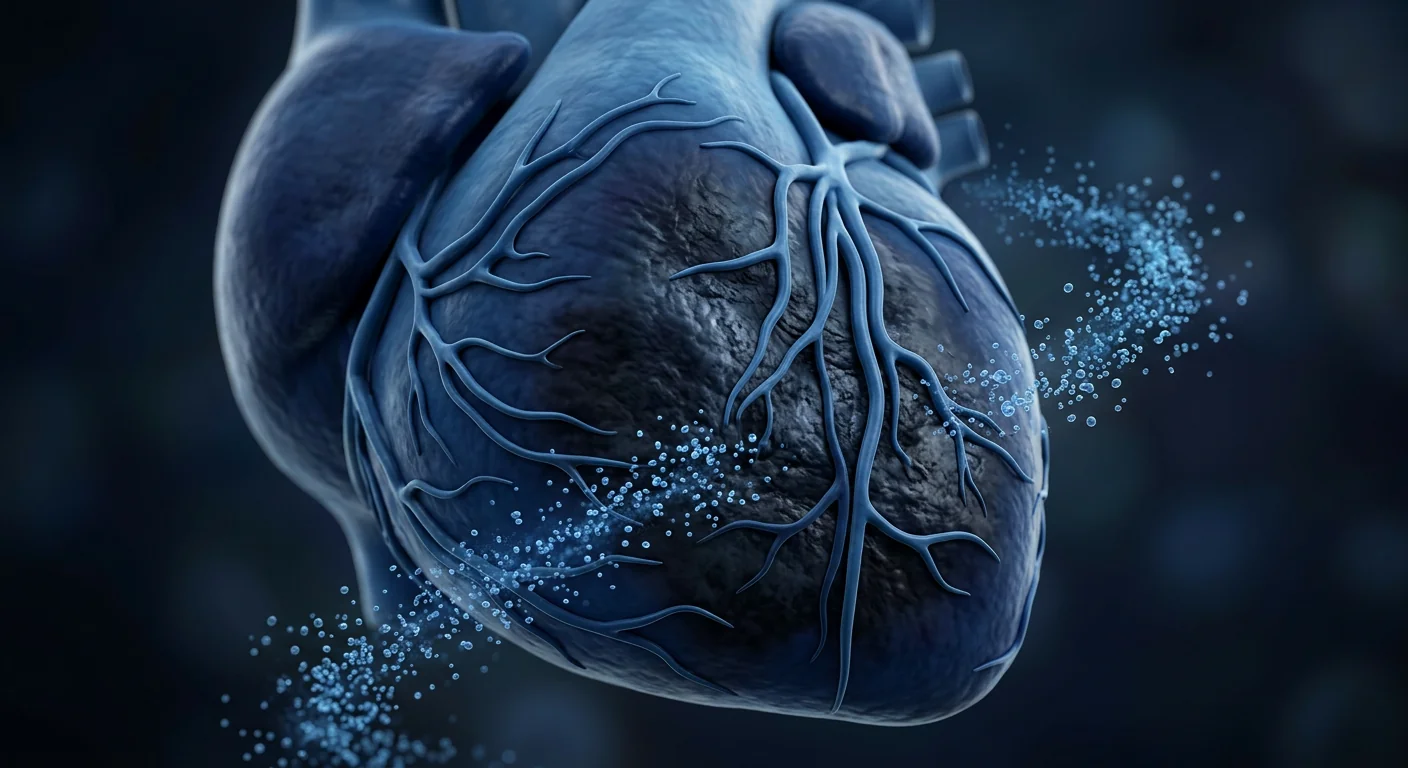
Stem Cell Therapy for Chronic Ischemic Cardiomyopathy
How MSCs target scar, angiogenesis, and LVEF in ischemic heart disease — what POSEIDON, DREAM-HF, and other trials show.
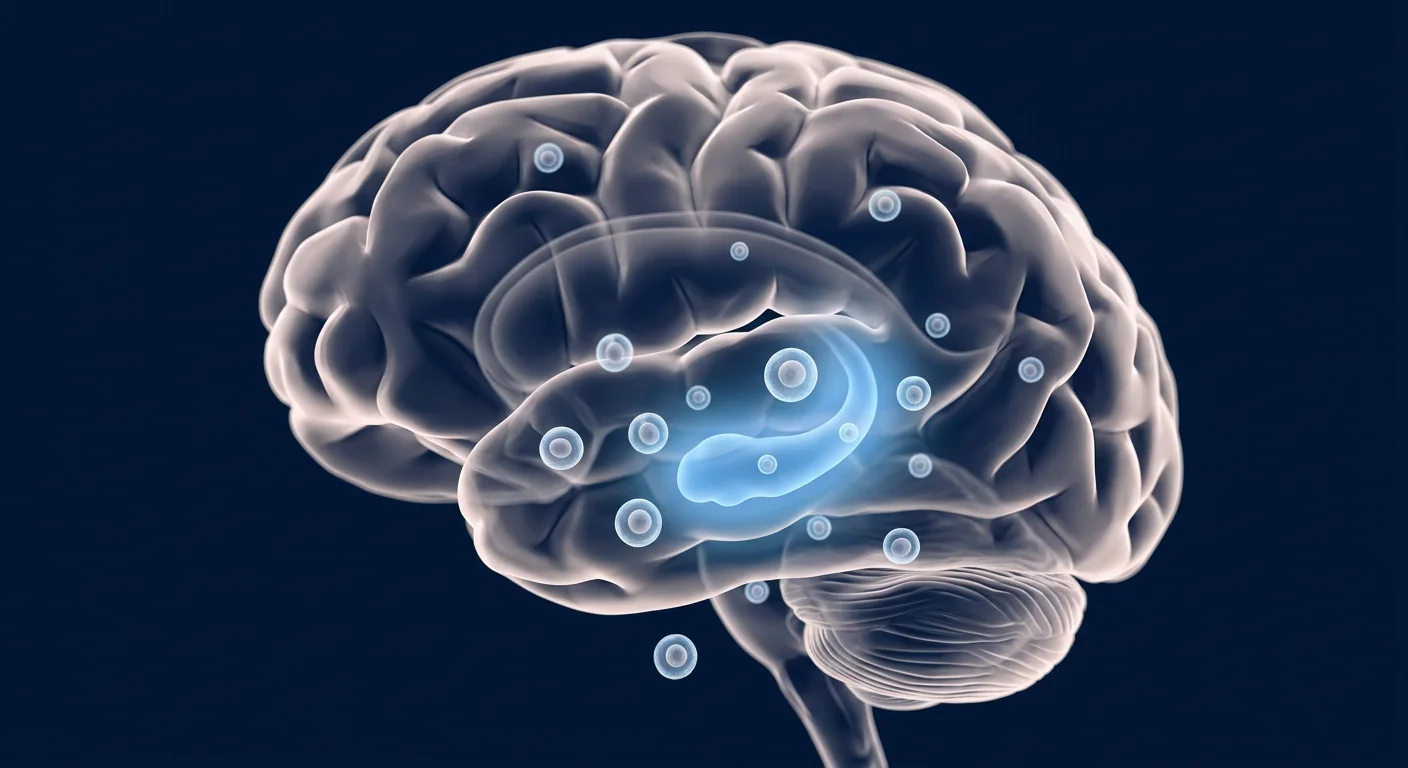
Stem Cell Therapy for Mesial Temporal Lobe Epilepsy
How MSCs target hippocampal sclerosis, preserve GABAergic interneurons, and reduce seizure frequency in drug-resistant MTLE — from preclinical models to early clinical evidence.
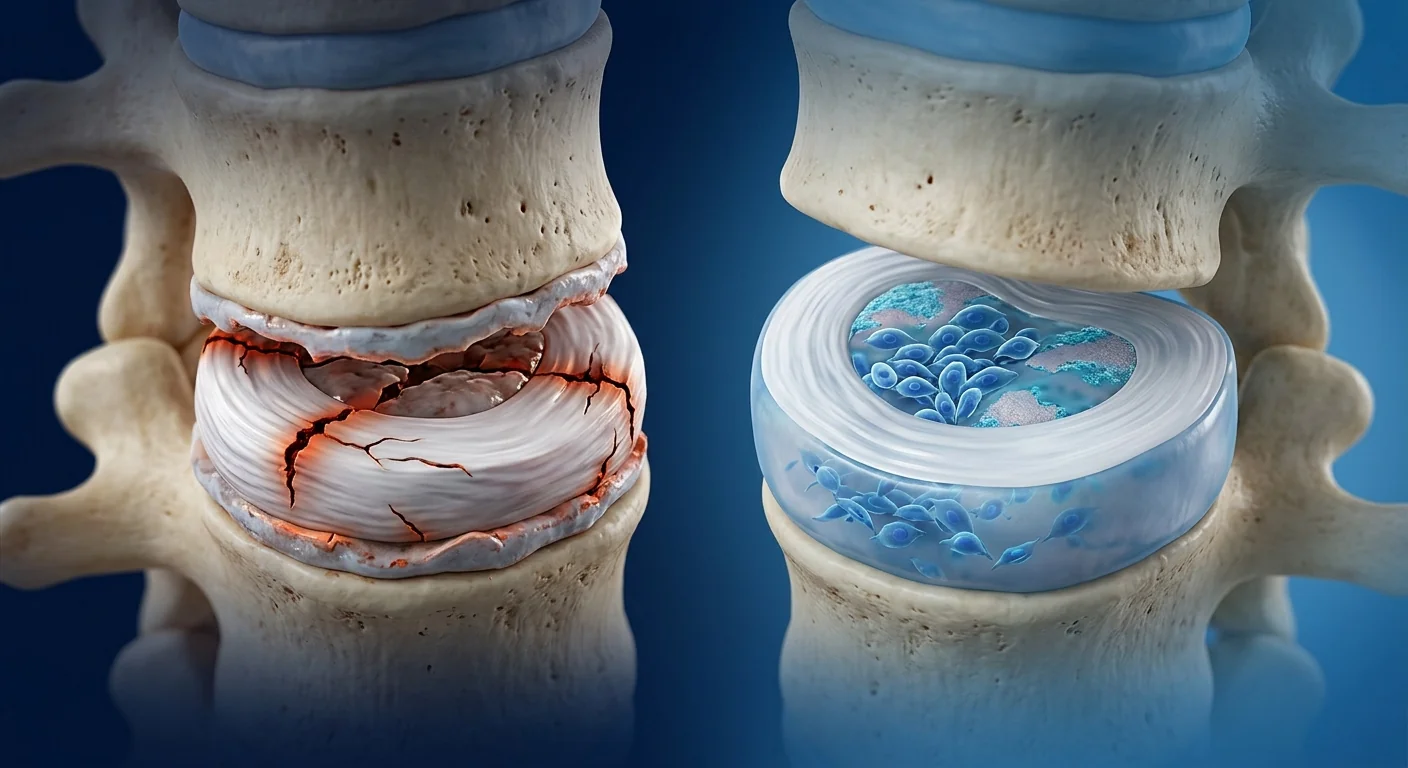
Stem Cell Therapy for Lumbar Disc Degeneration
How MSCs restore disc height, promote nucleus pulposus regeneration, and reduce chronic low back pain — from preclinical models to phase III clinical trial evidence.
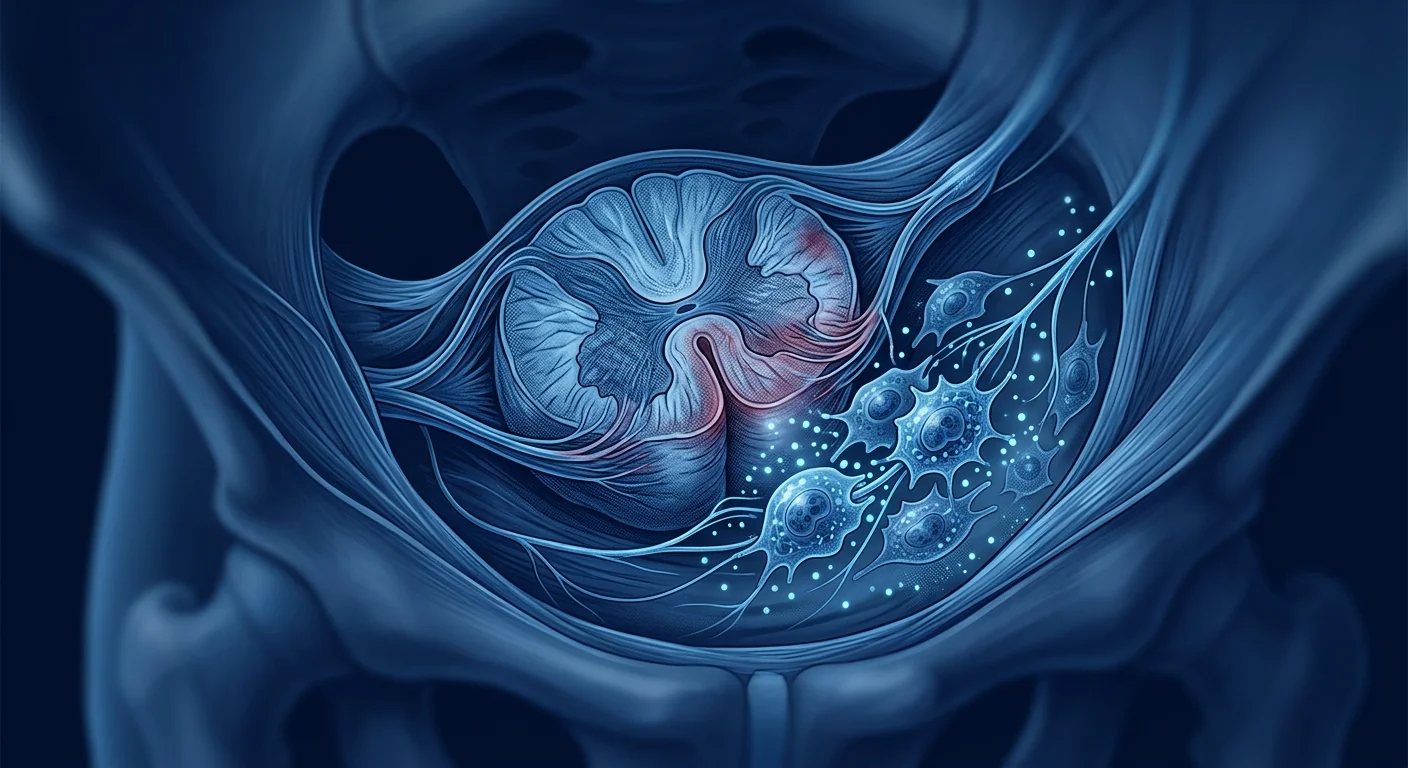
Stem Cell Therapy for Chronic Pelvic Pain Syndrome
How MSCs interrupt the neuroinflammatory pain cycle in CPPS — macrophage polarization, NGF suppression, and emerging clinical evidence for pelvic floor immunomodulation.
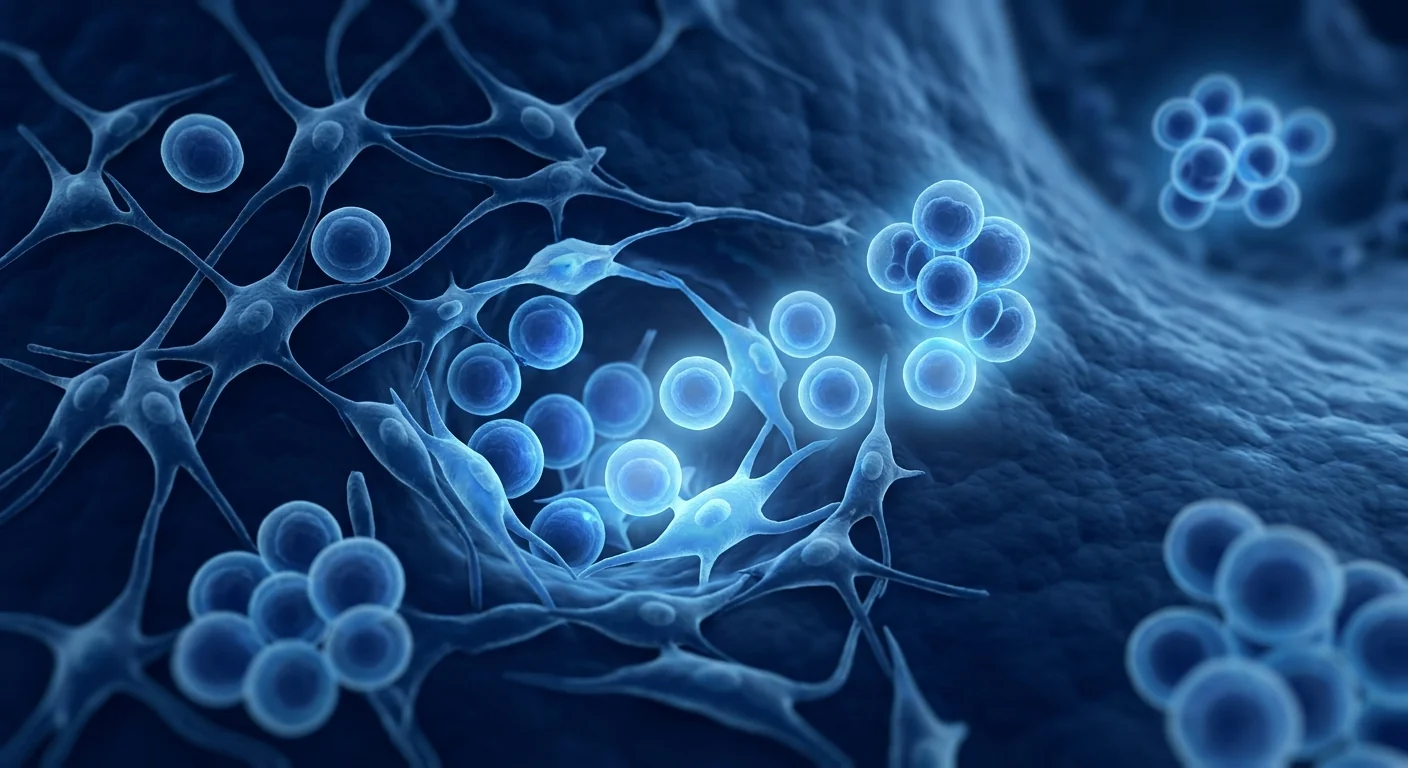
Stem Cell Therapy for Aplastic Anemia
How MSCs suppress autoreactive T-cell clones, reconstruct the hematopoietic niche, and restore bone marrow function through coordinated immunomodulation and paracrine support.
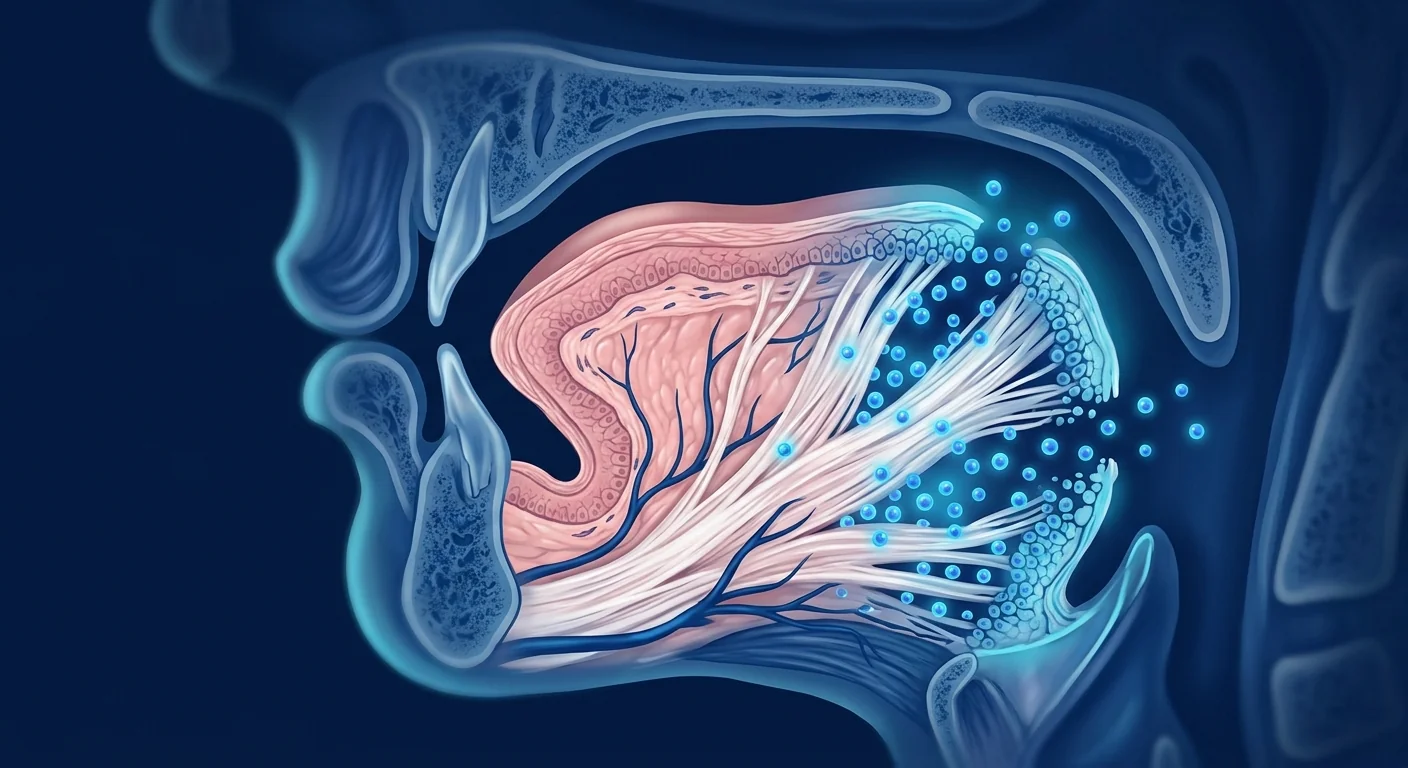
Stem Cell Therapy for Vocal Cord Scarring
How MSCs reverse laryngeal fibrosis through TGF-β antagonism, MMP-mediated collagen degradation, and hyaluronic acid restoration — restoring the mucosal wave for voice recovery.
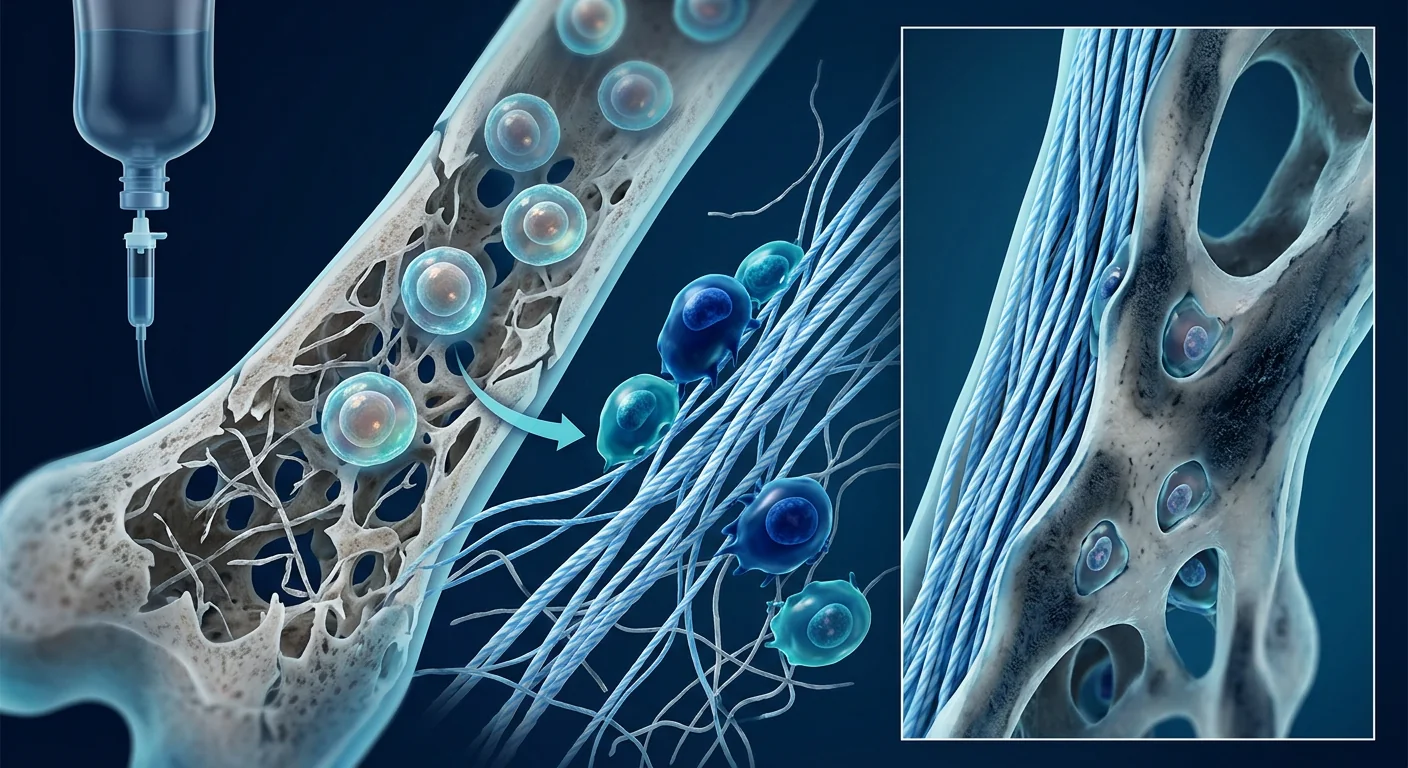
Stem Cell Therapy for Osteogenesis Imperfecta
How MSC engraftment introduces healthy, collagen-producing osteoblasts to improve bone density and reduce fracture frequency in brittle bone disease — from Horwitz to Le Blanc.
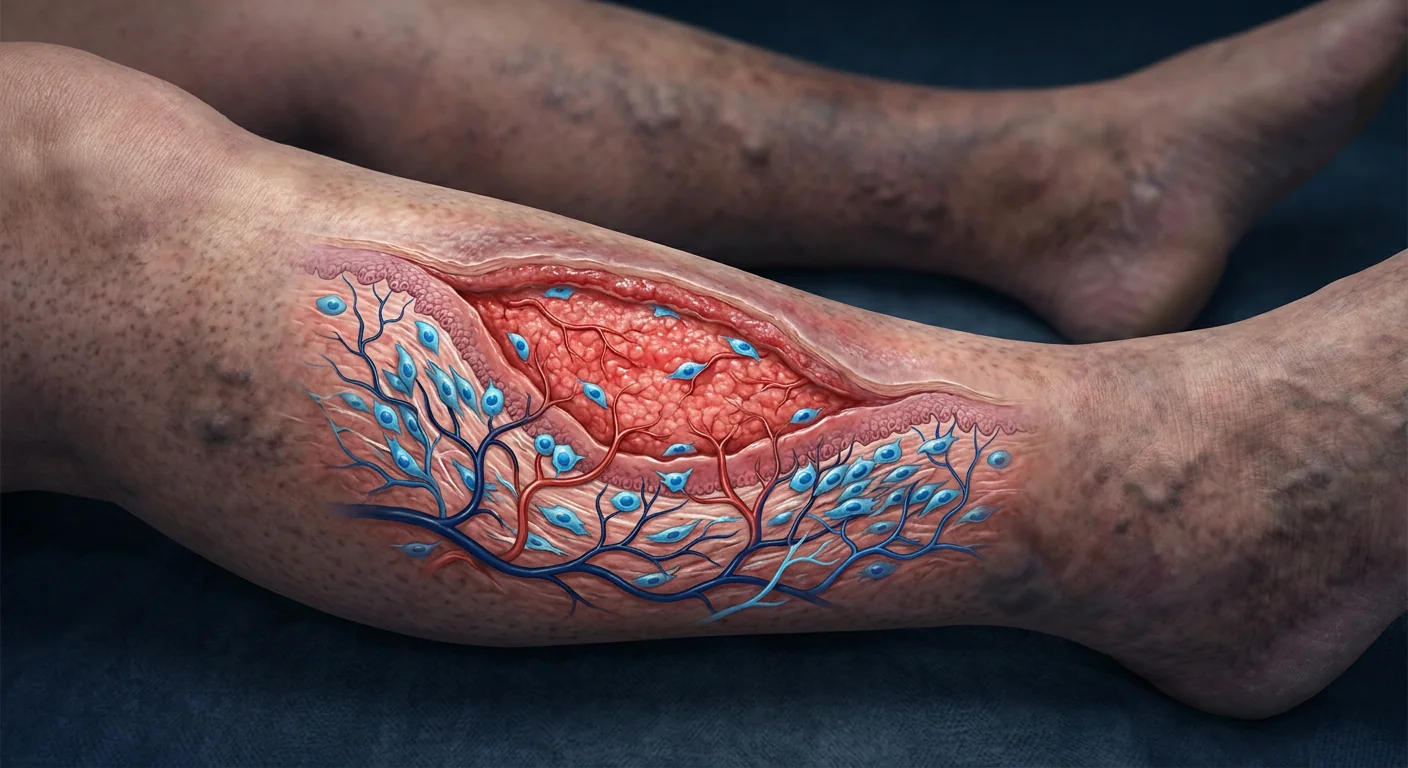
Stem Cell Therapy for Chronic Venous Leg Ulcers
How MSCs target the inflammatory and microvascular pathology of chronic venous wounds — macrophage polarization, angiogenesis, and ECM remodeling for durable closure.
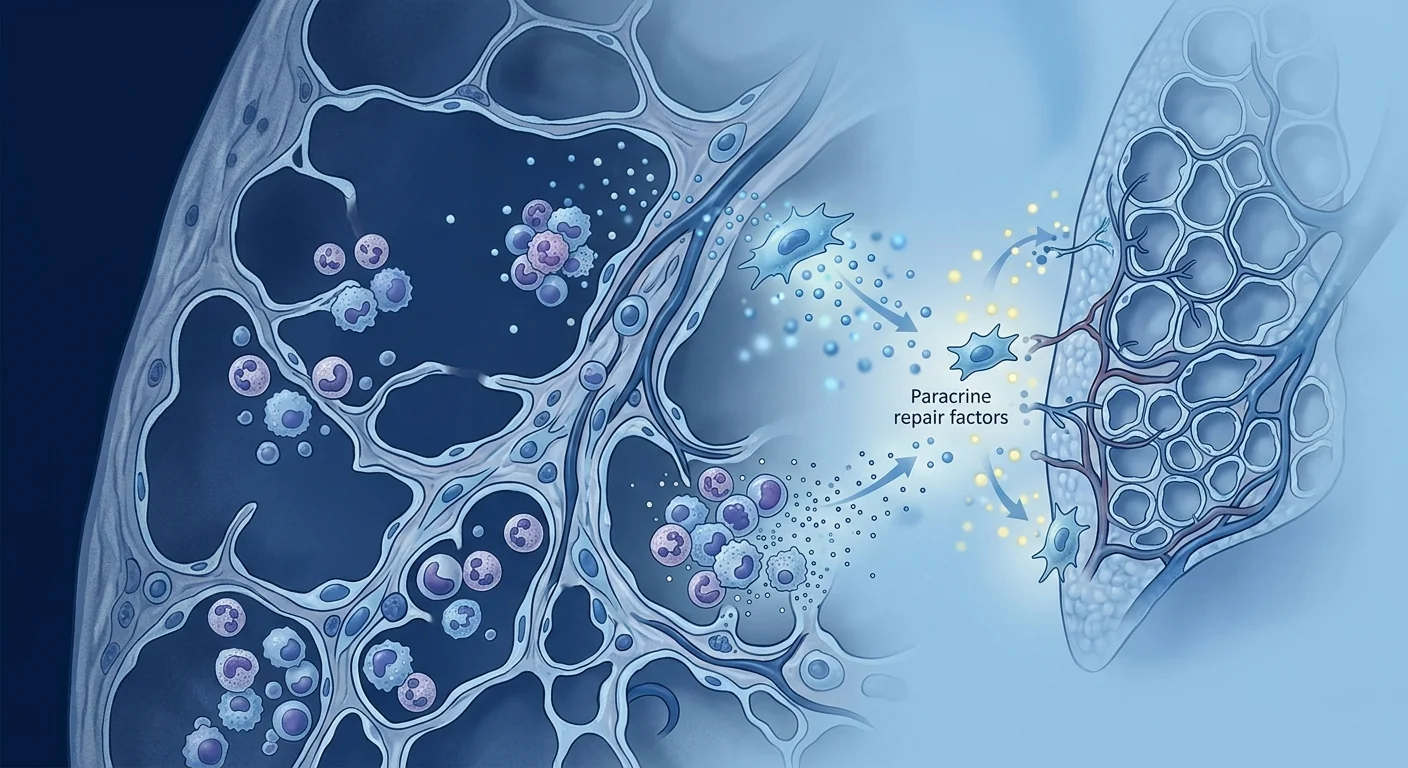
Stem Cell Therapy for BPD: MSC Lung Repair in Preterm Infants
How MSCs target arrested alveolar development in bronchopulmonary dysplasia — anti-inflammatory protection, VEGF-driven angiogenesis, and alveolar regeneration for improved respiratory outcomes.
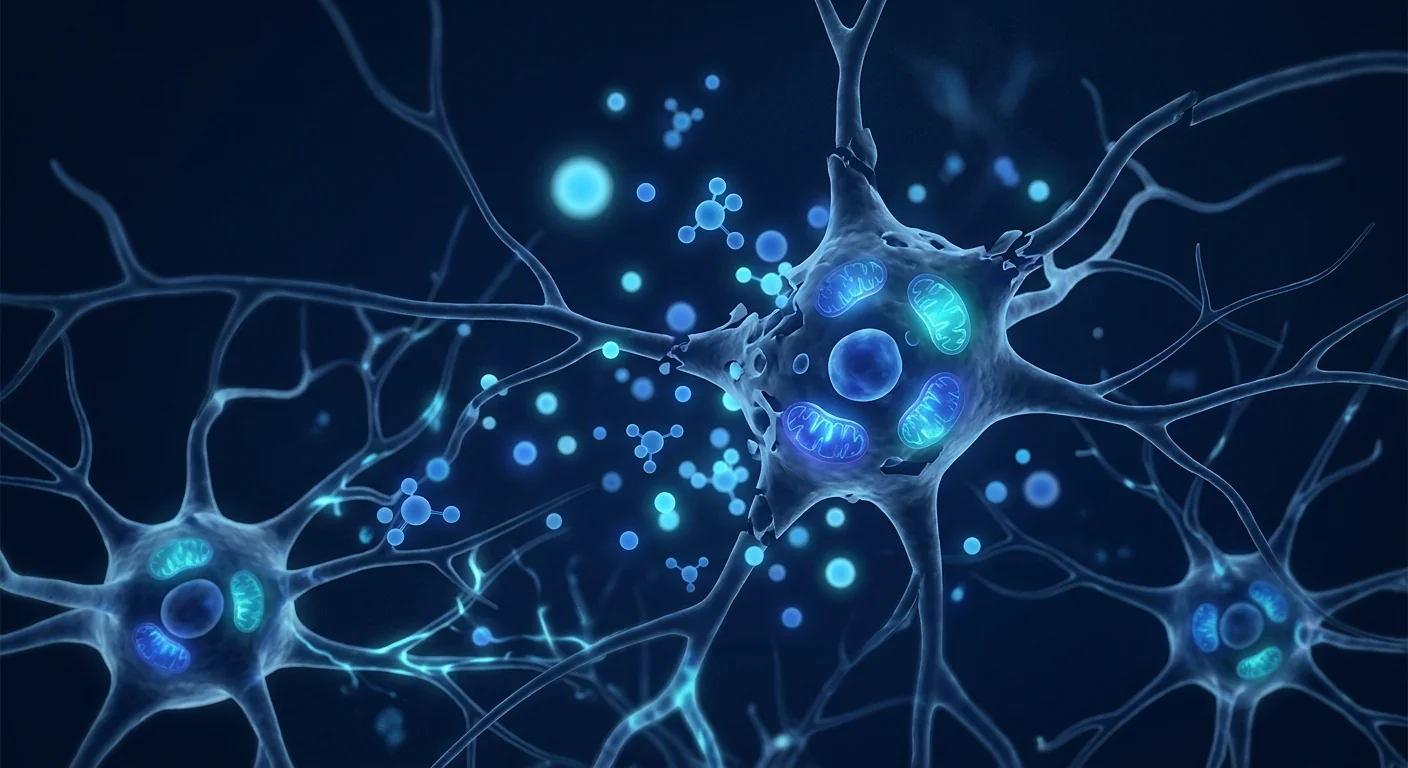
Stem Cell Therapy for HIE: MSC Neuroprotection in Neonatal Brain Injury
How MSCs target the secondary inflammatory cascade in hypoxic-ischemic encephalopathy — neuroprotection, mitochondrial rescue, and myelination support for improved neurodevelopmental outcomes.
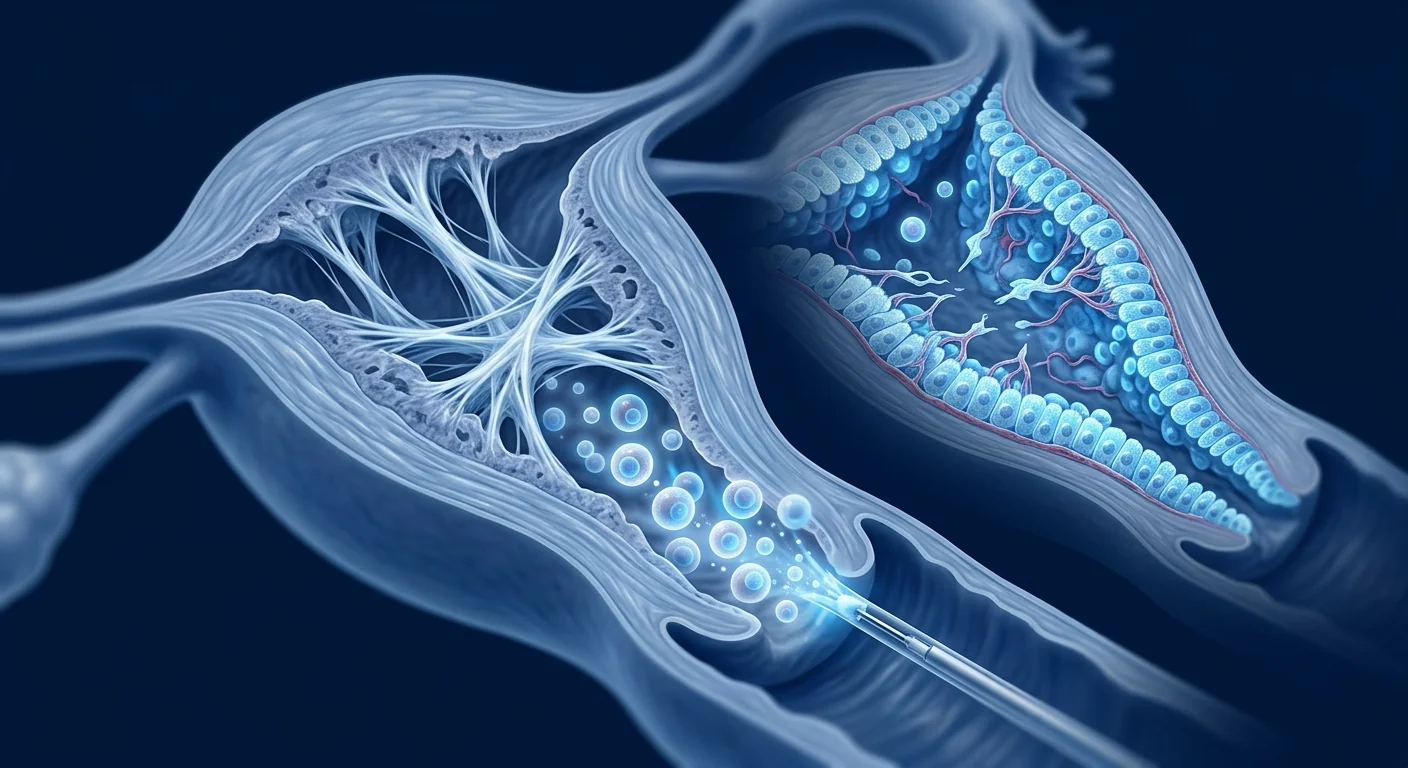
Stem Cell Therapy for Asherman's Syndrome: Endometrial Regeneration & Fertility Restoration
How MSCs rebuild the endometrium after intrauterine adhesions — progenitor cell replenishment, fibrosis reversal, and angiogenesis for restored fertility.
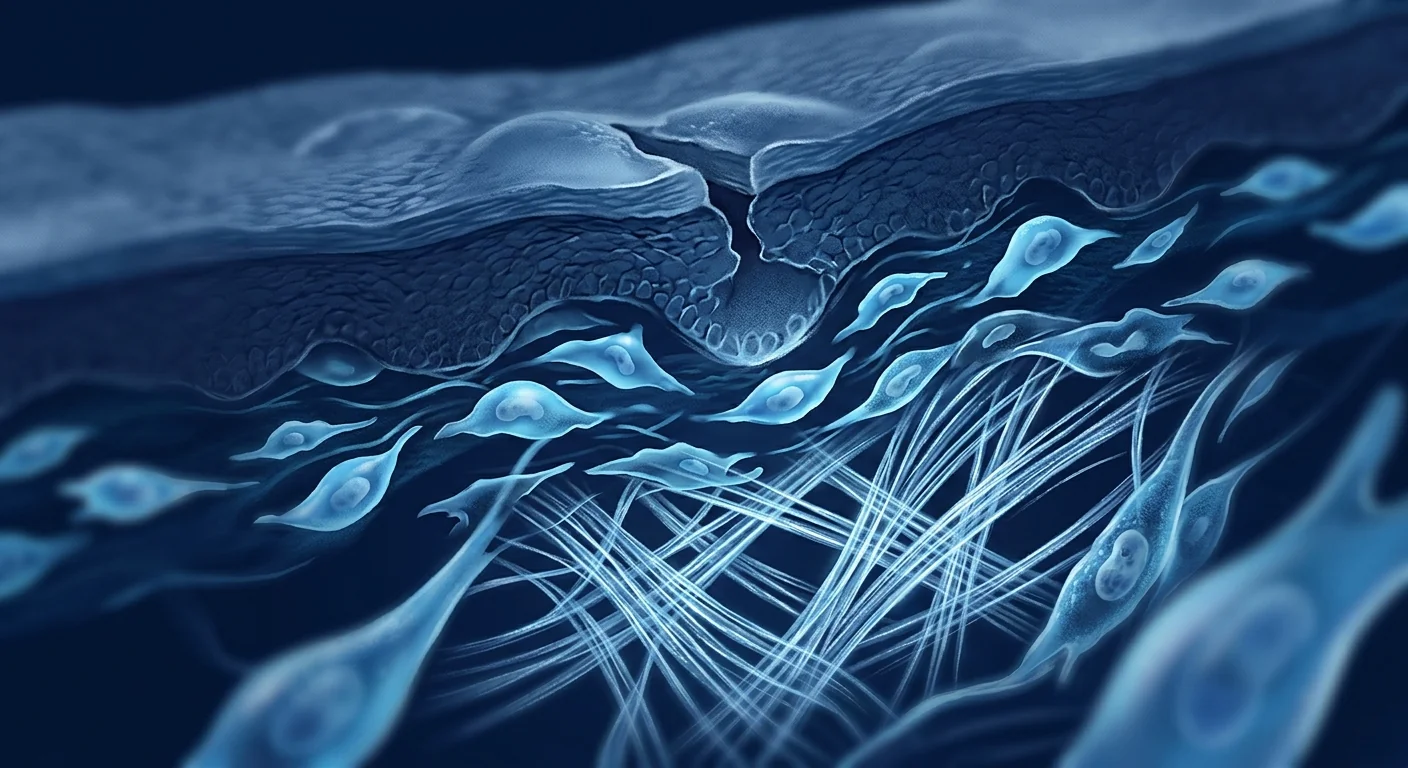
Stem Cell Therapy for Epidermolysis Bullosa: MSC Skin Regeneration & Wound Healing
How MSCs target the basement-membrane defect in EB — paracrine wound repair, collagen VII restoration, and inflammation control for fragile skin.
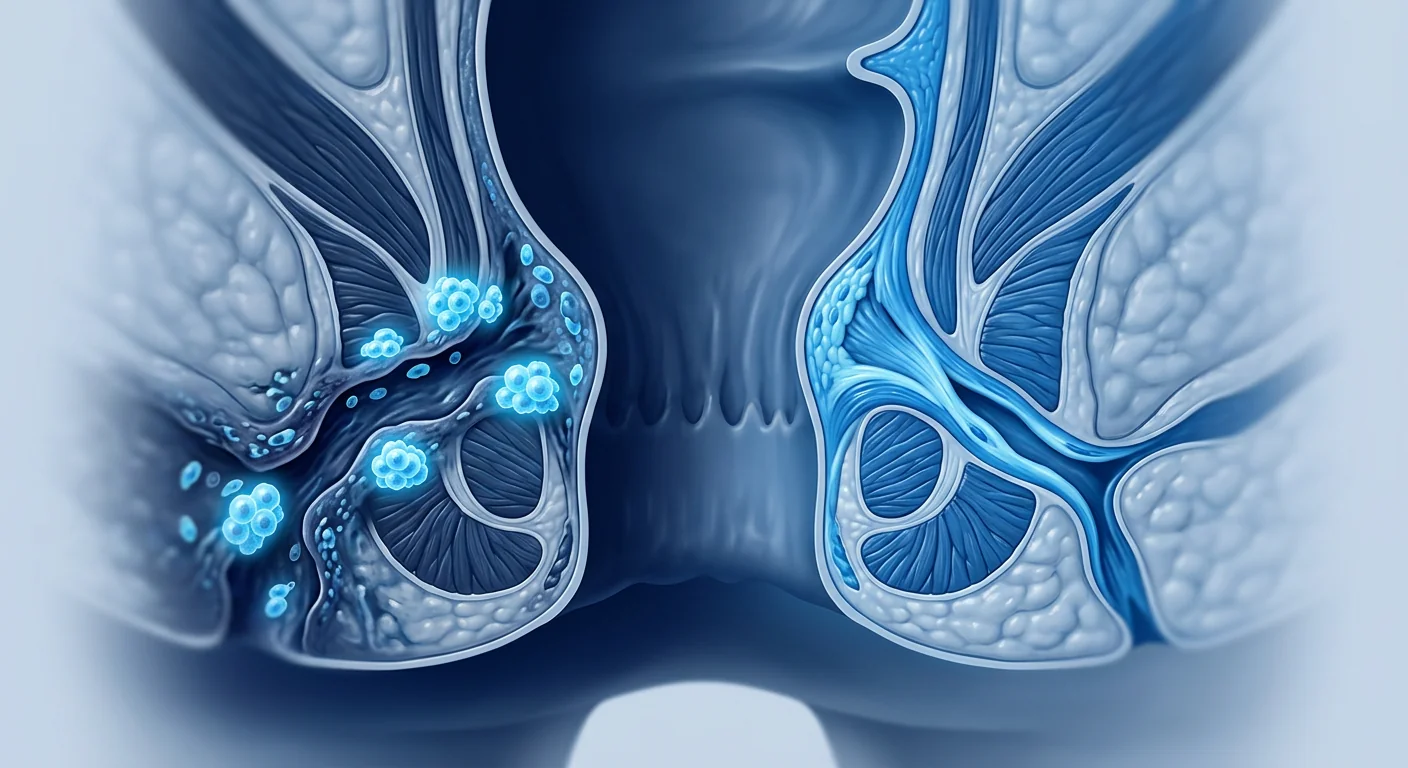
Stem Cell Therapy for Fistula & Fistulizing Disease
How locally injected MSCs close complex perianal fistulas — the evidence from ADMIRE-CD and EMA-approved darvadstrocel.
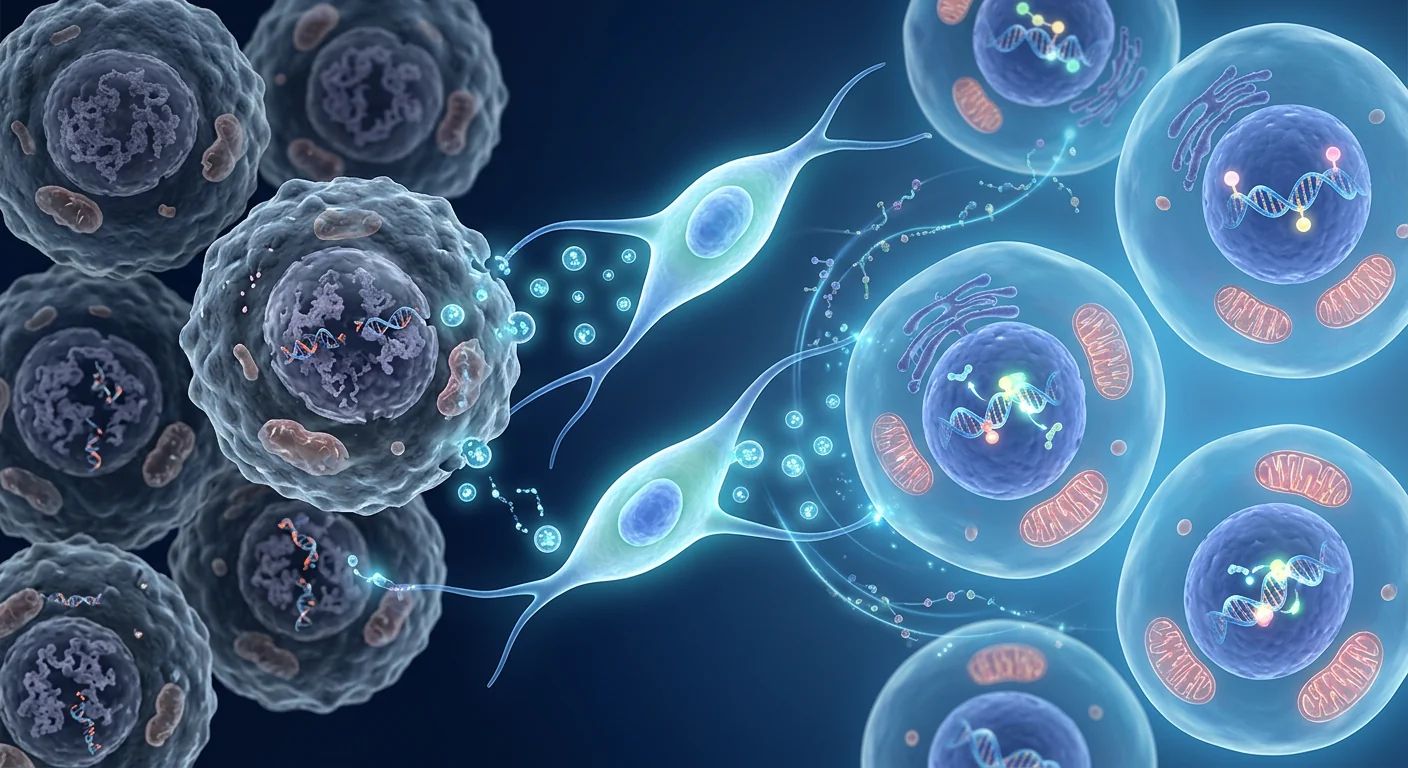
MSC Senescence and Longevity Protocols: Cellular Rejuvenation Science
How MSC therapy targets cellular senescence, SASP reduction, mitochondrial renewal, and epigenetic reprogramming for healthier aging.
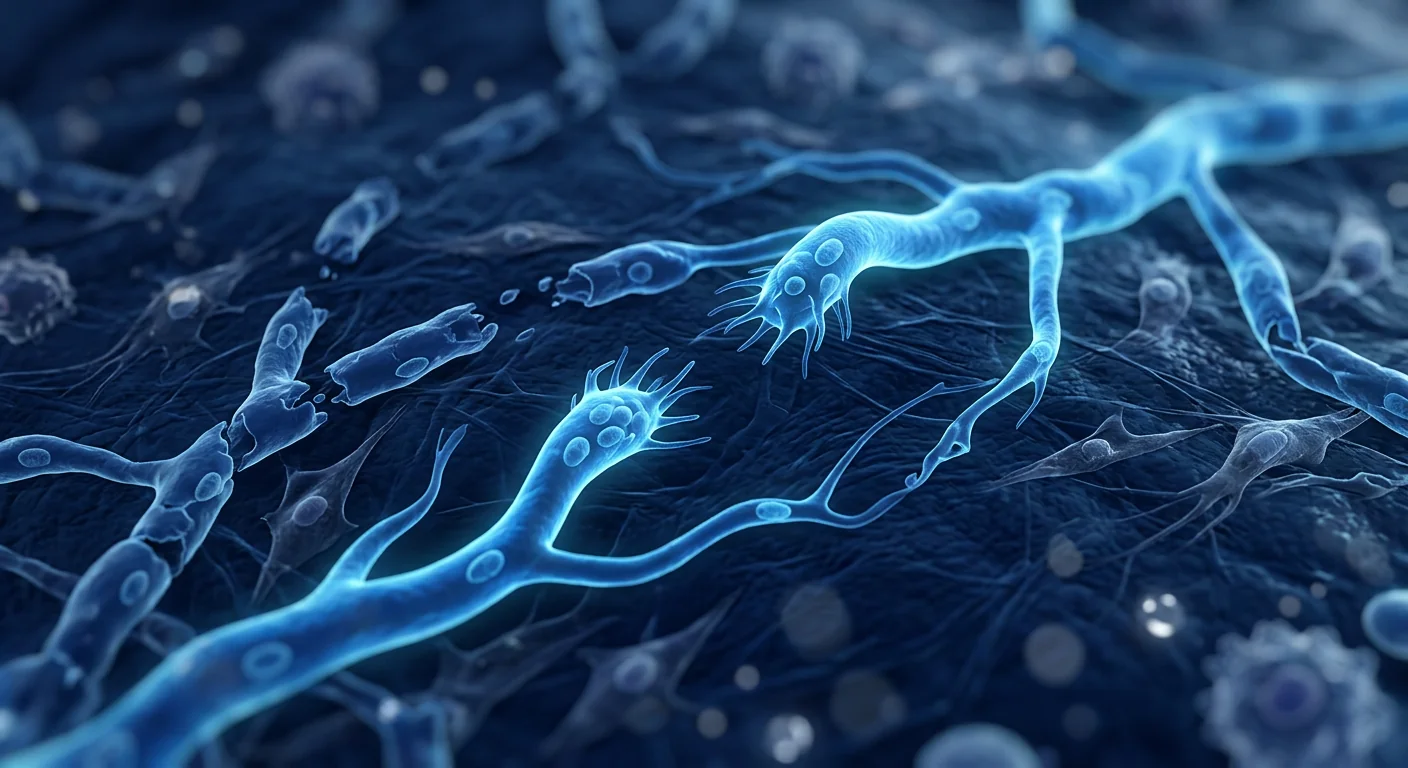
Stem Cell Therapy for Lymphedema: MSC Lymphatic Regeneration in Bangkok
How MSCs promote lymphangiogenesis through VEGF-C secretion, reduce chronic inflammation, and remodel fibrotic tissue — early clinical evidence, mechanisms, and honest limitations.
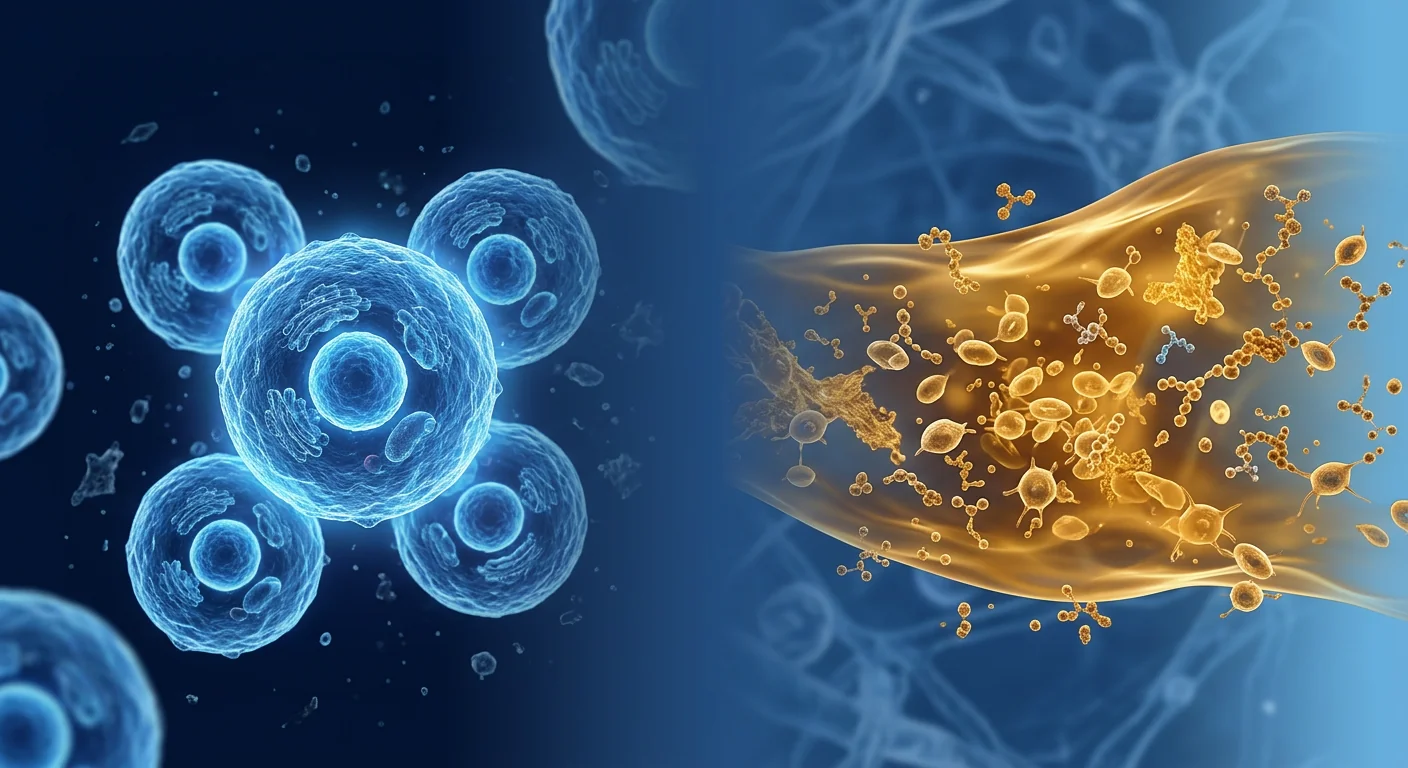
MSC vs PRP: When to Use Which
MSC therapy and PRP are not interchangeable — one rebuilds tissue, the other accelerates healing. An evidence-based comparison of when each approach makes clinical sense.
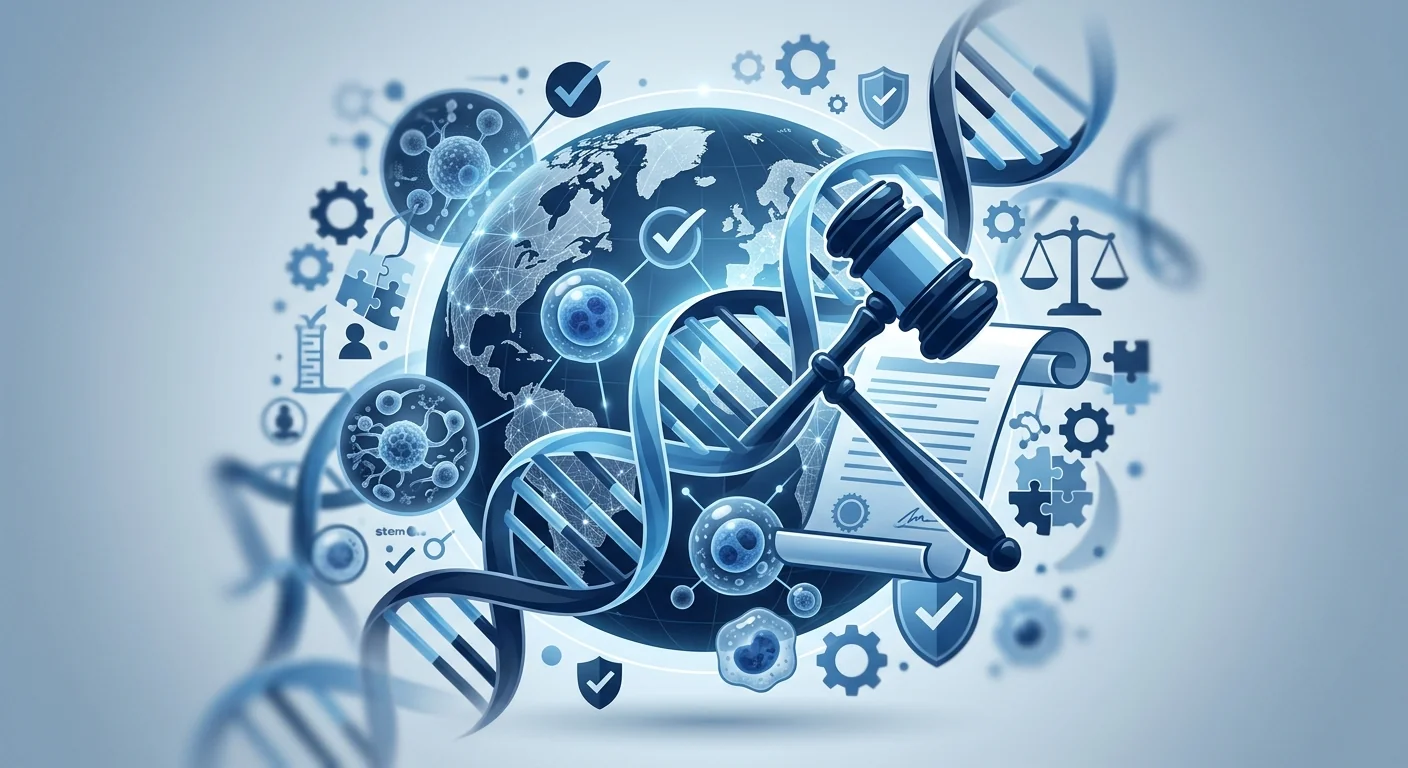
MSC Therapy Regulations Worldwide: Global Stem Cell Treatment Laws
A comprehensive guide to the global regulatory landscape for MSC therapy — FDA, EMA, PMDA, Thai FDA, and more.
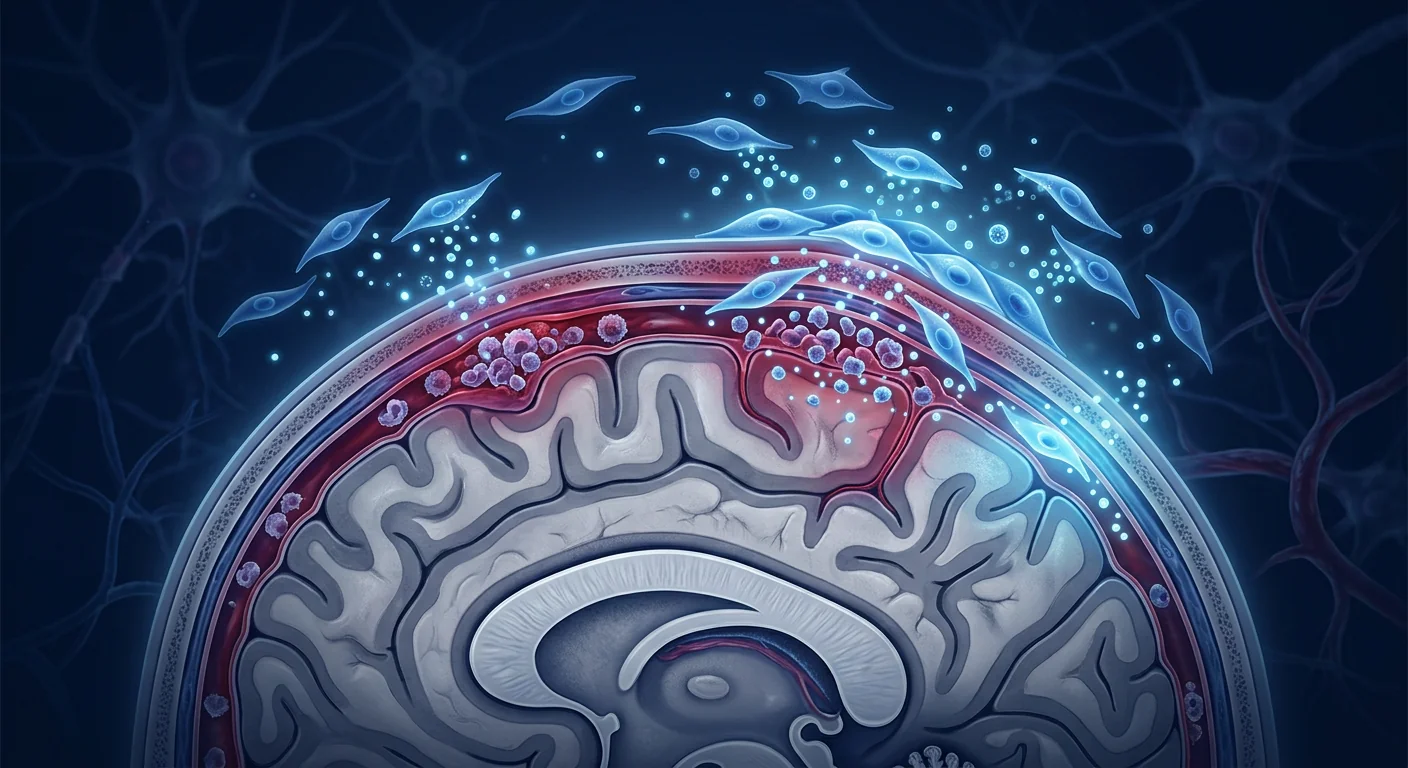
Stem Cell Therapy for Meningitis
How MSCs may quiet the residual neuroinflammation left by meningitis and support brain tissue recovery — the honest evidence from preclinical and early clinical research.
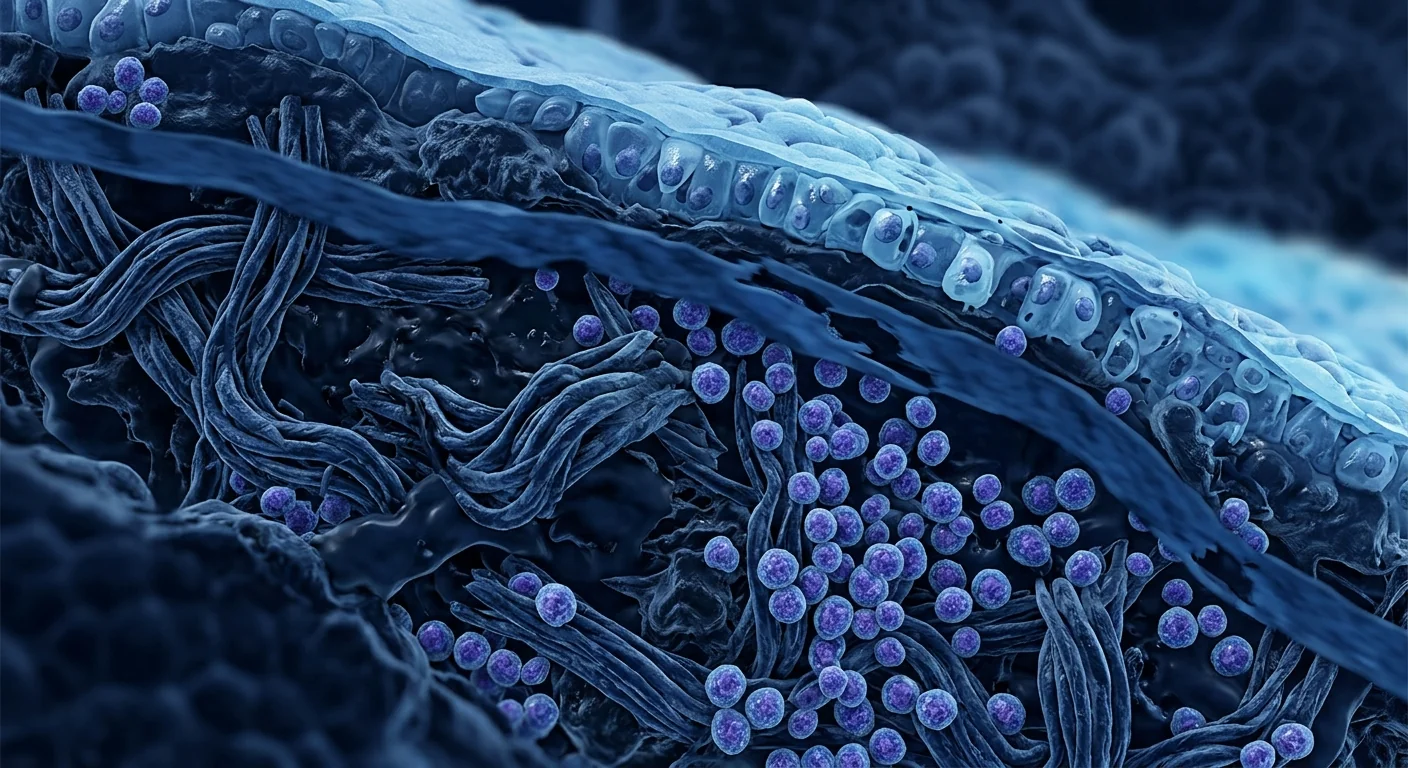
Stem Cell Therapy for Lichen Sclerosus
How MSCs interrupt the autoimmune-fibrotic loop — Th1/Th17 suppression, Treg expansion, and reversal of chronic fibrotic scarring.
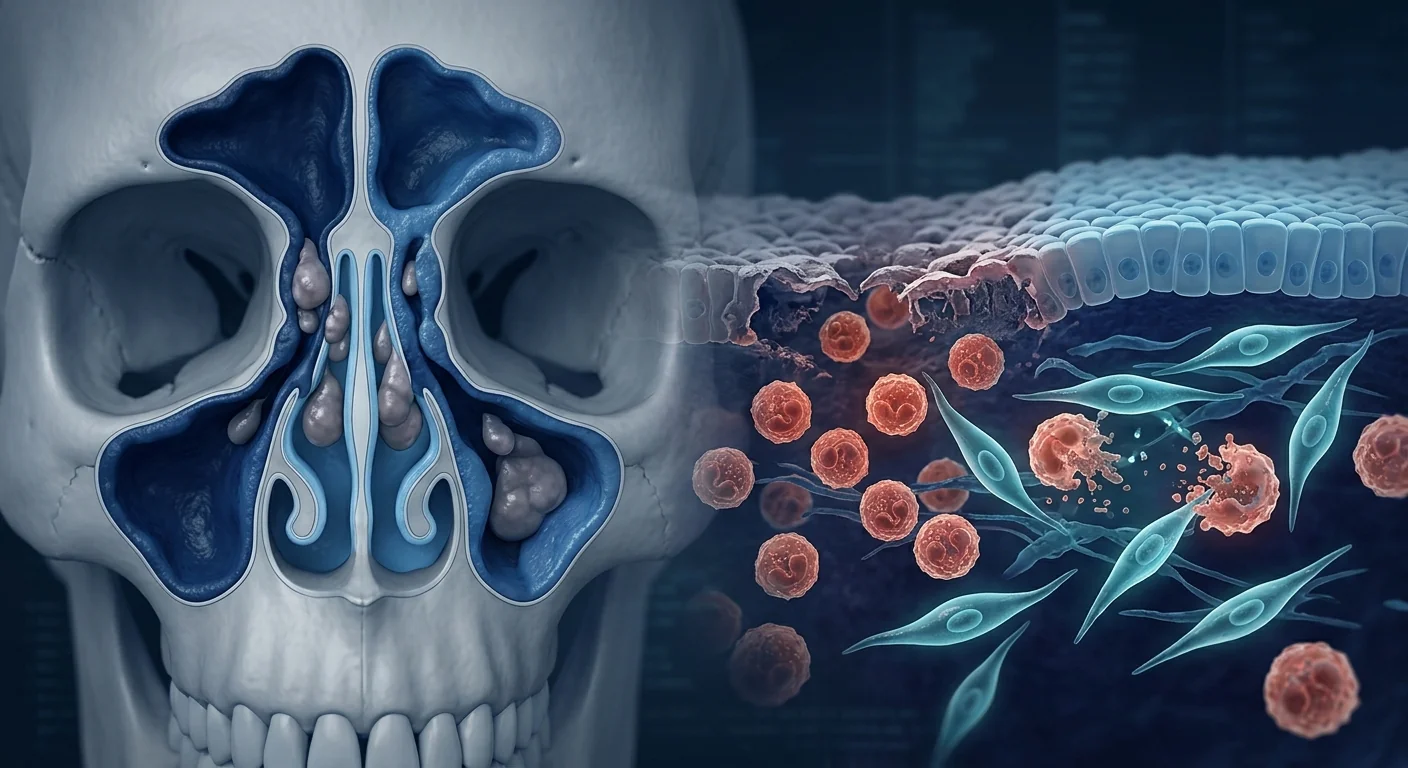
Stem Cell Therapy for Chronic Rhinosinusitis
How MSCs target type 2 inflammation, suppress nasal polyp recurrence, and restore sinonasal barrier function.
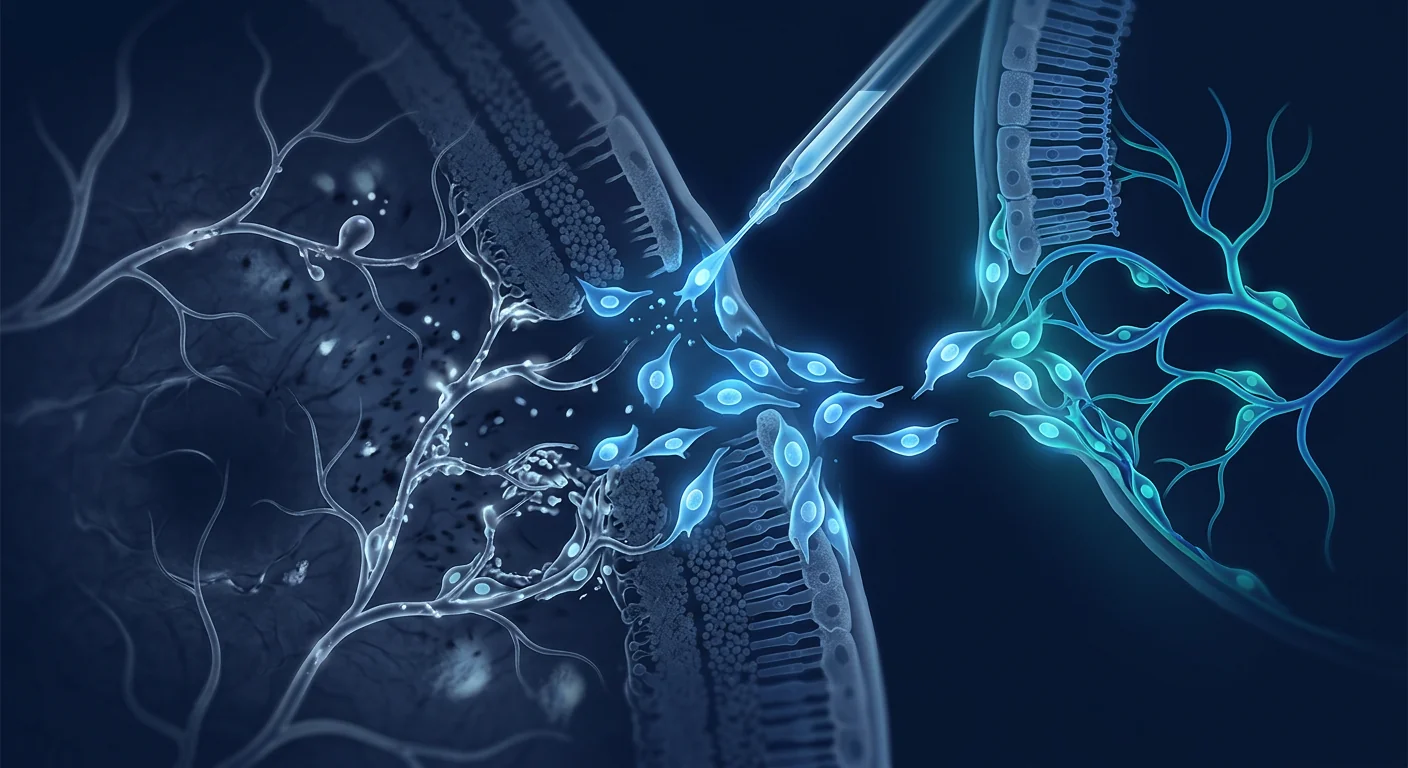
Stem Cell Therapy for Diabetic Retinopathy: Vision Preservation with MSC Treatment
How MSC therapy targets retinal microvascular damage and pericyte loss — a regenerative approach to preserving vision in diabetic eye disease.

Stem Cell Therapy for Peyronie's Disease
How MSCs target TGF-β-driven fibrotic plaques through collagen degradation, myofibroblast apoptosis, and tissue remodeling — a disease-modifying approach to penile curvature.
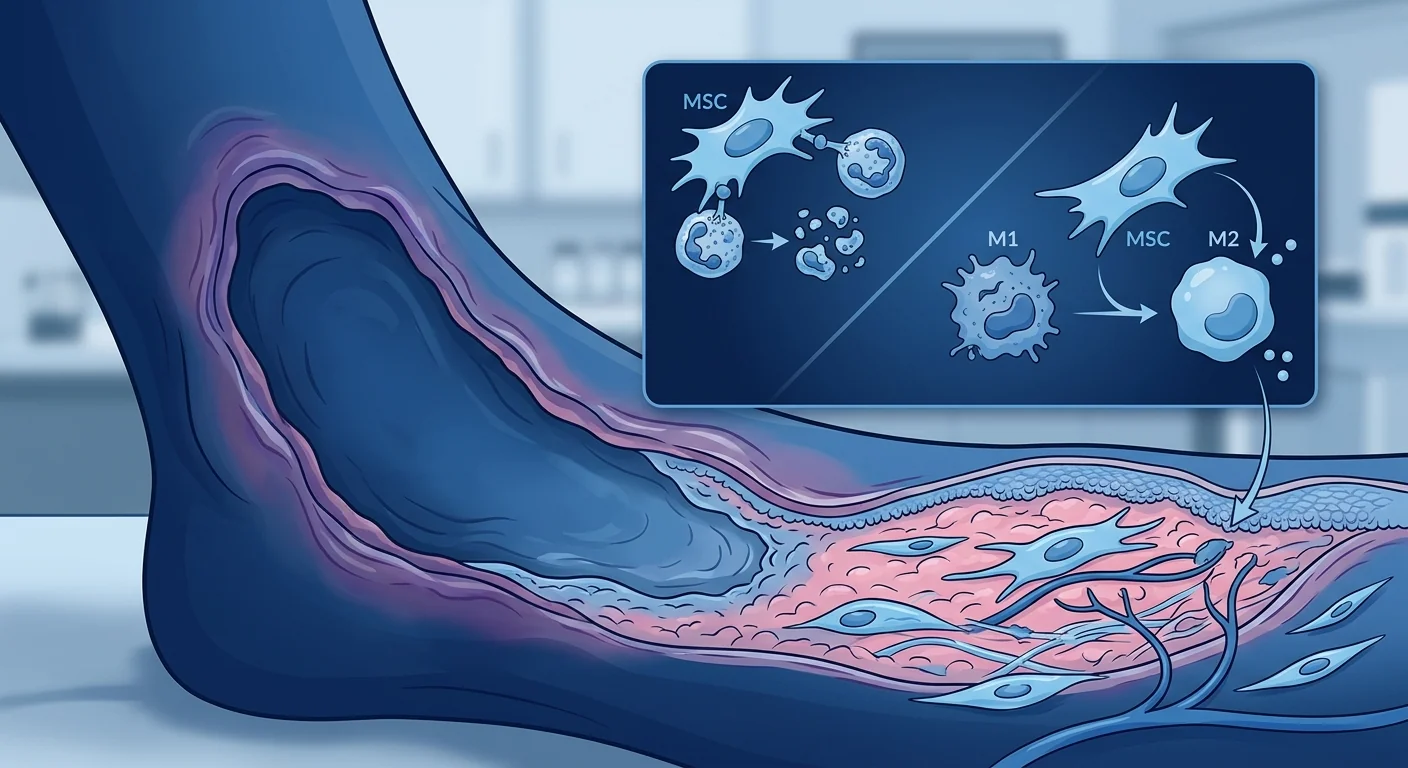
Stem Cell Therapy for Pyoderma Gangrenosum
How MSCs target neutrophilic inflammation, defective wound healing, and immune dysregulation in this rare ulcerative skin disease.
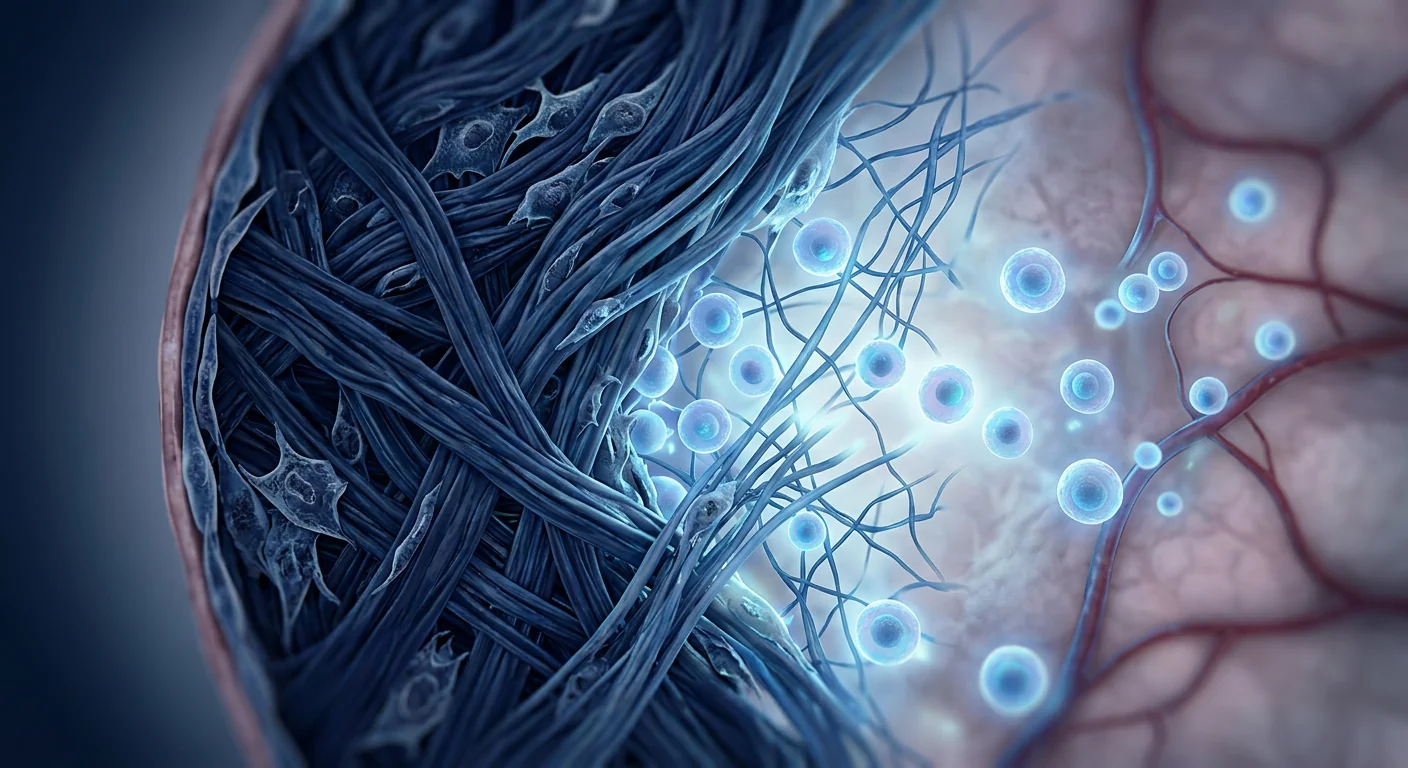
Stem Cell Therapy for Radiation Fibrosis
How MSCs target post-radiotherapy scarring through TGF-β suppression, decorin-mediated collagen remodeling, and microvascular restoration.
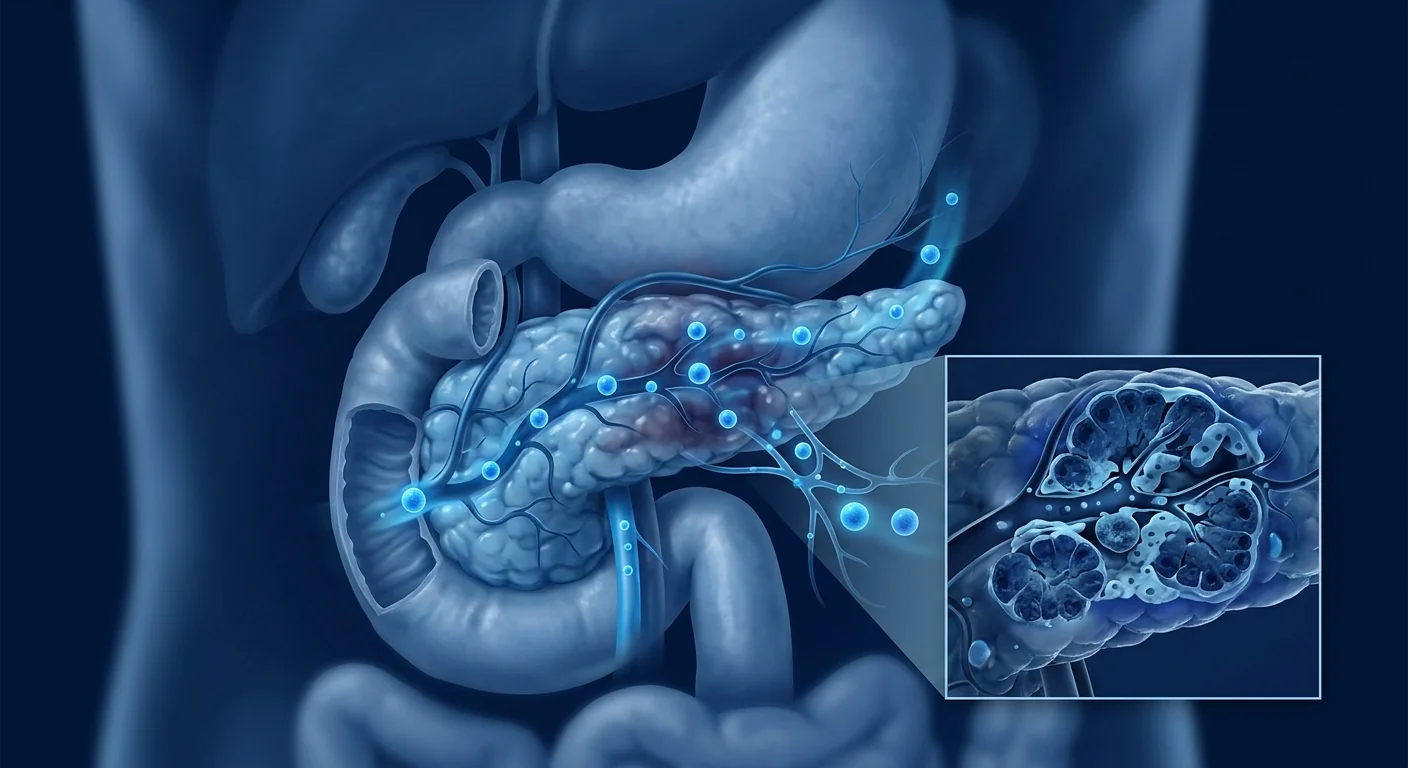
Stem Cell Therapy for Acute Pancreatitis
How MSCs suppress the pancreatic inflammatory cascade, reprogram macrophages, protect distant organs, and promote acinar regeneration — the emerging evidence.
Stem Cell Therapy for Glaucoma
How MSCs protect retinal ganglion cells, deliver neurotrophic factors, and modulate microglia — the neuroprotective paradigm studied for optic nerve preservation.
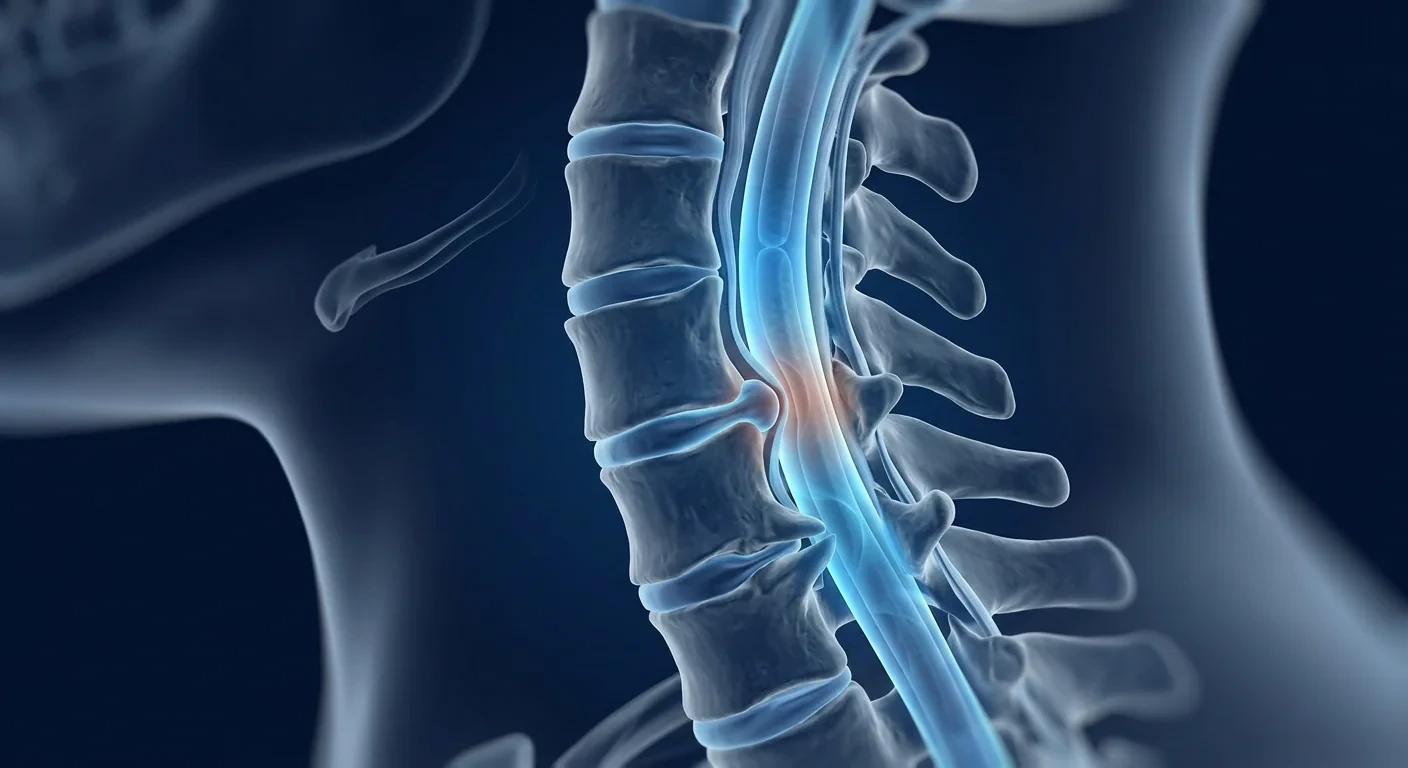
Stem Cell Therapy for Cervical Spondylotic Myelopathy: MSC Neuroprotection & Spinal Cord Repair in Bangkok
How MSCs suppress neuroinflammation, reprogram microglia from M1 to M2, promote remyelination, and preserve spinal cord function in cervical myelopathy — preclinical evidence, delivery strategies, and honest limitations.
Stem Cell Therapy for Osteomyelitis: MSC Antimicrobial & Bone Regeneration in Bangkok
How MSCs combat chronic bone infection — antimicrobial peptide secretion disrupts biofilms, immunomodulation resolves inflammation, and osteogenic differentiation rebuilds the bone defect — the evidence from preclinical and clinical research.
Stem Cell Therapy for Primary Biliary Cholangitis: MSC Hepatic Immunomodulation in Bangkok
How MSCs may restore immune tolerance in PBC, preserve bile duct architecture, and inhibit hepatic fibrosis — early clinical evidence, mechanisms, and honest limitations.
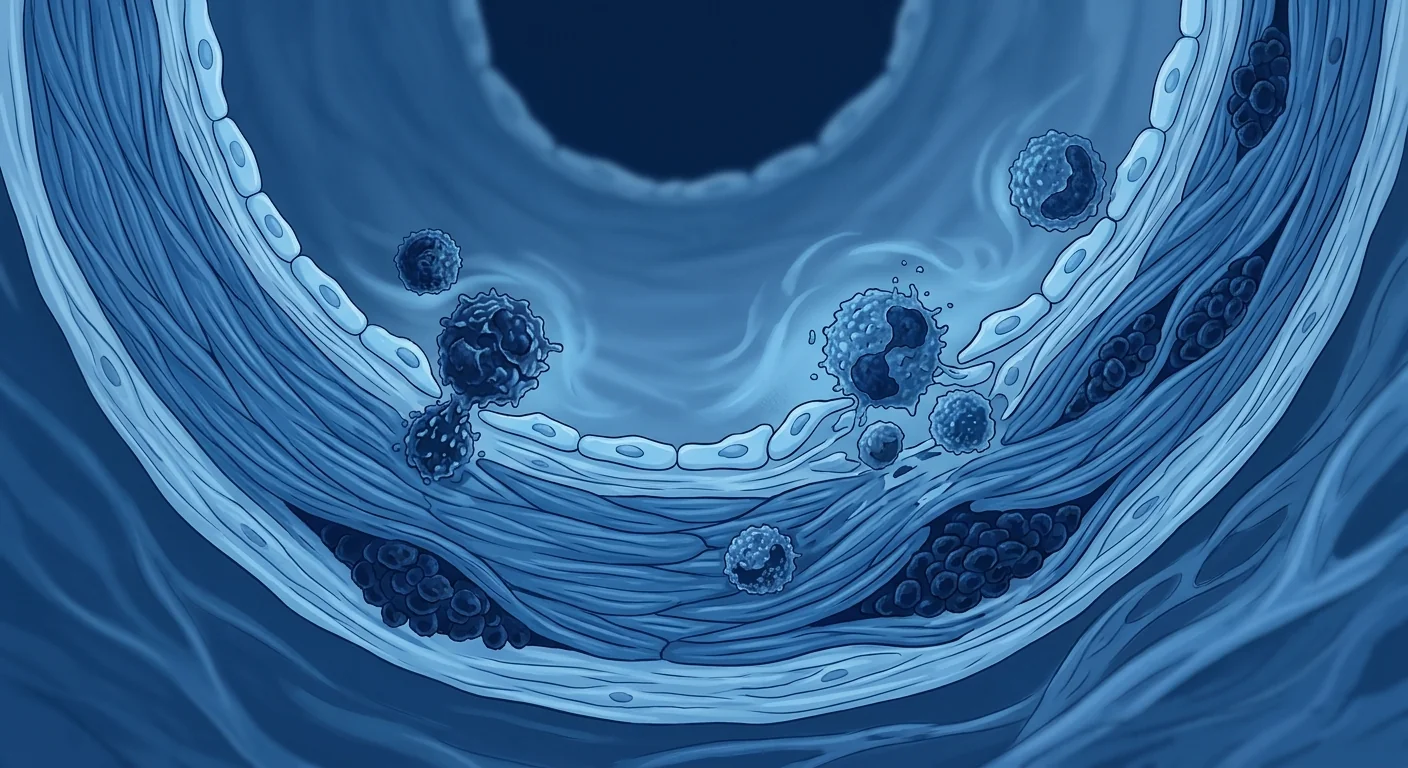
Stem Cell Therapy for Vasculitis: MSC Treatment for Vascular Inflammation
How MSCs suppress the immune attack on blood vessel walls — Treg expansion, M1→M2 macrophage polarization, endothelial repair, and the emerging clinical evidence in ANCA-associated vasculitis.
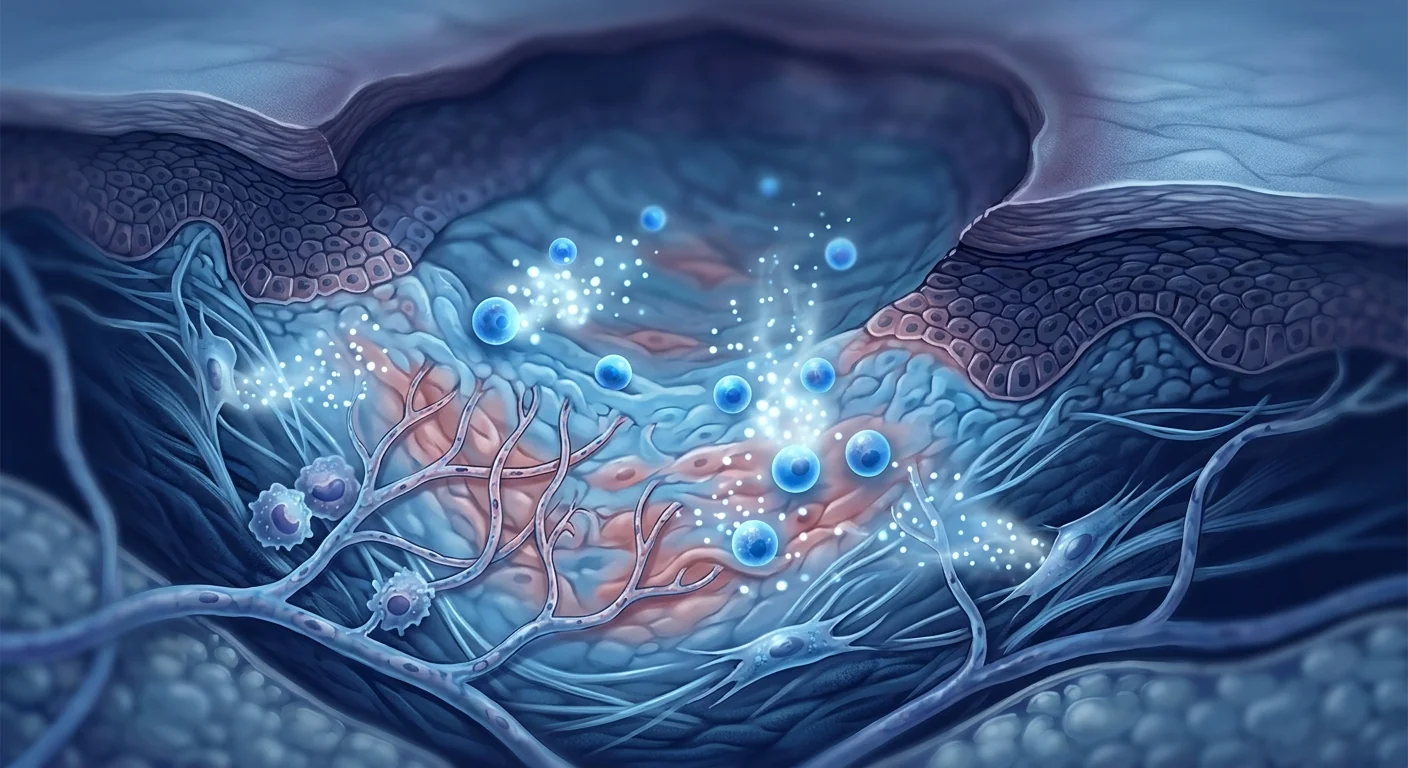
Stem Cell Therapy for Diabetic Foot Ulcer: MSC Wound Healing & Limb Salvage
How MSCs restart stalled wound healing in chronic diabetic ulcers — angiogenesis, M1-to-M2 macrophage polarization, re-epithelialization, and clinical evidence for non-healing DFUs.
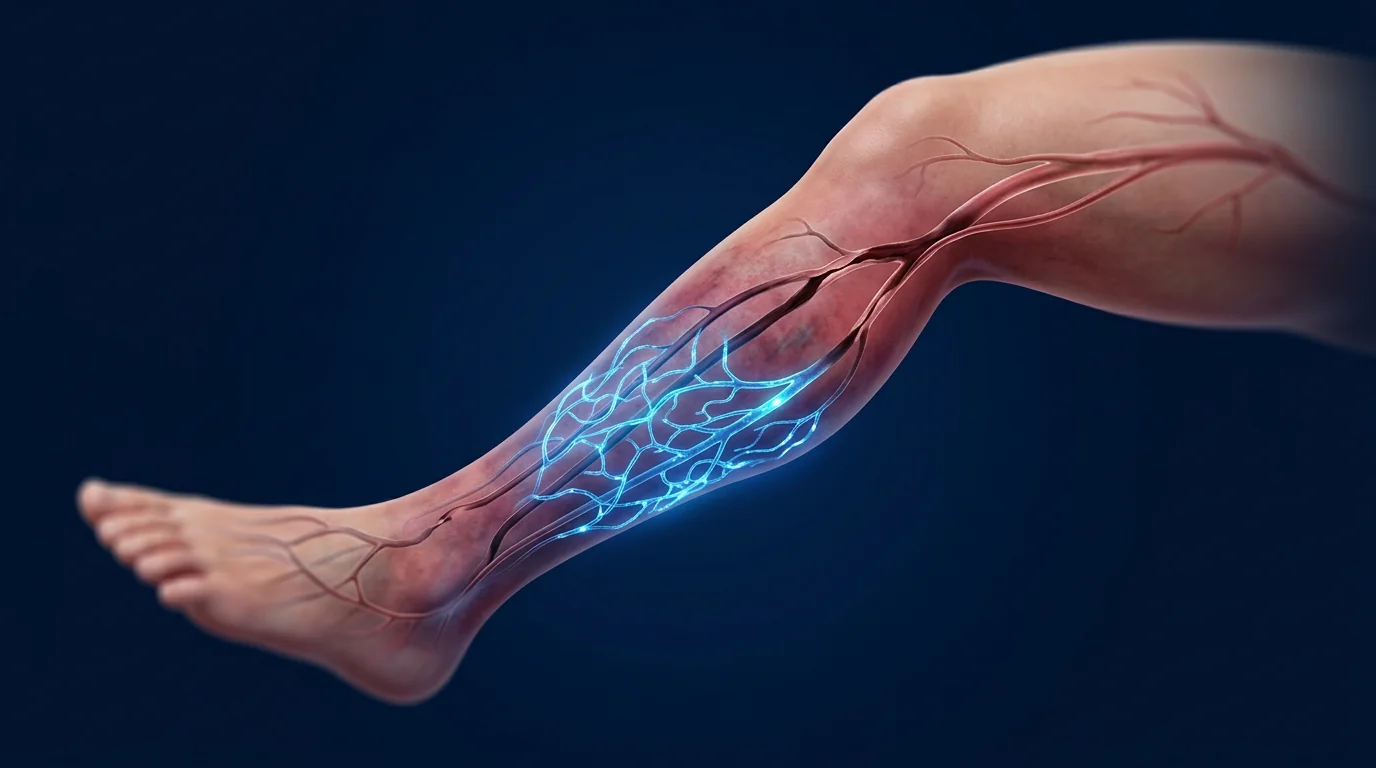
Stem Cell Therapy for Critical Limb Ischemia: MSC Angiogenesis & Limb Salvage
How MSCs promote new blood vessel growth in no-option CLI — the science, clinical evidence, and honest limitations of angiogenic cell therapy for limb salvage.
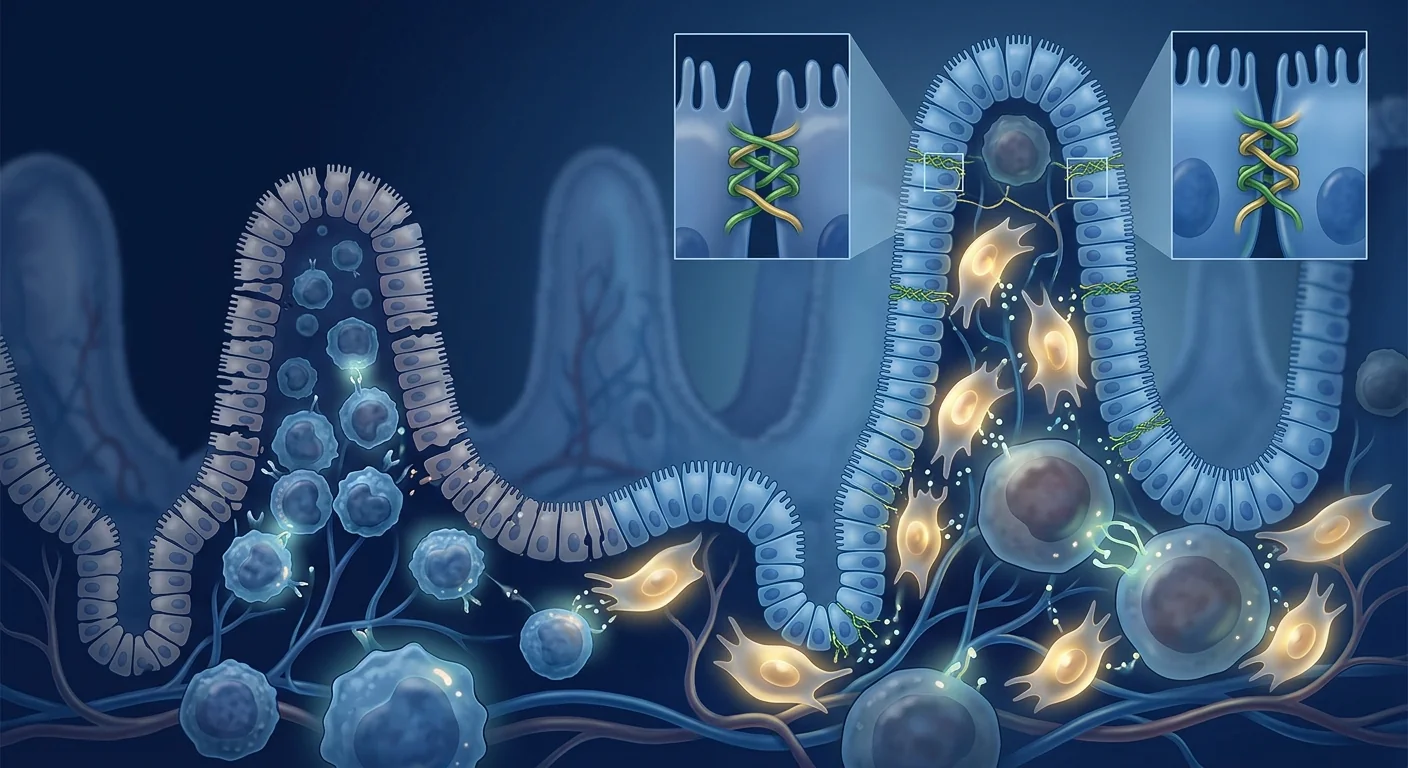
Stem Cell Therapy for Celiac Disease: MSC Immune Tolerance & Gut Barrier Repair
How MSCs may restore gluten tolerance, repair the intestinal epithelium, and suppress gliadin-reactive T cells — the preclinical rationale and early evidence.
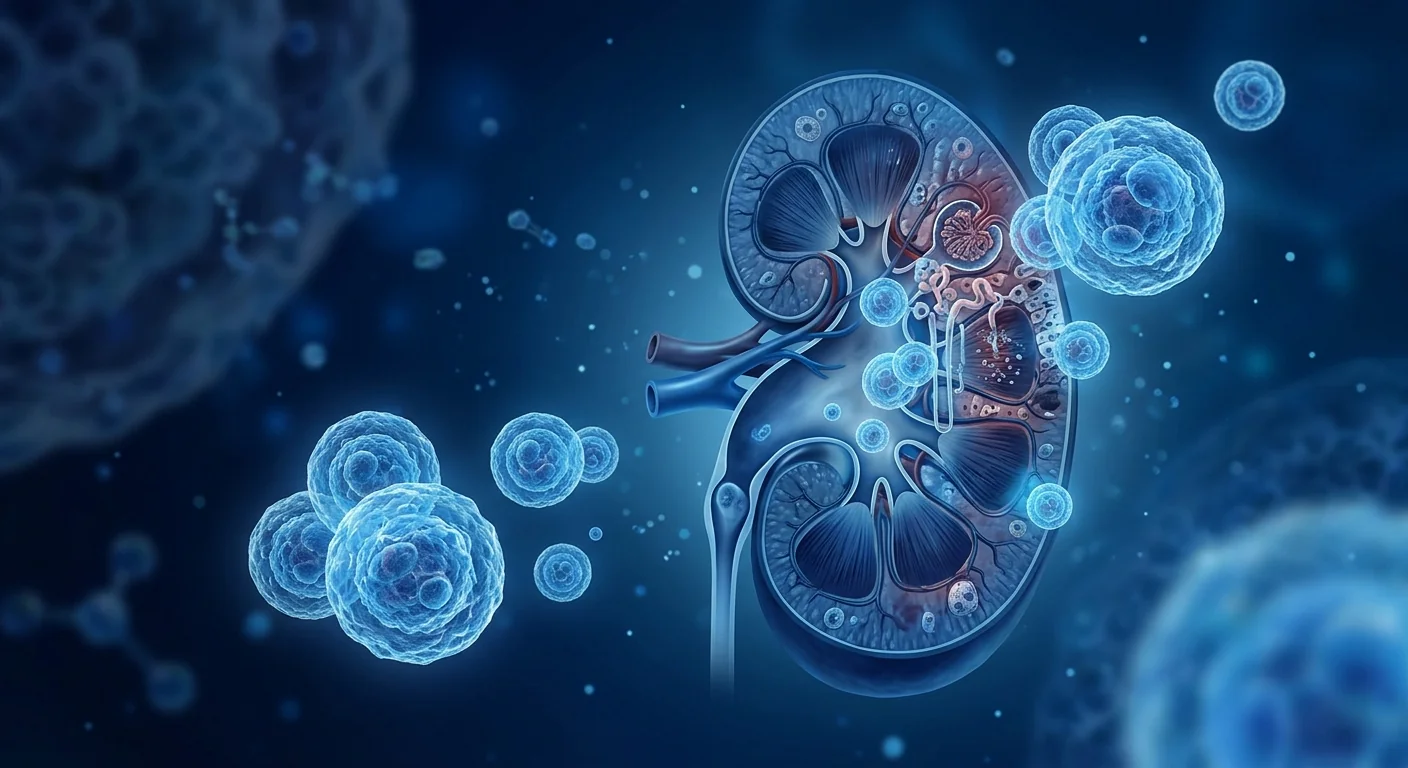
Stem Cell Therapy for Acute Kidney Injury: MSC Renoprotection & Tubular Regeneration
How MSCs suppress tubular apoptosis, polarize macrophages, transfer mitochondria, and attenuate the AKI-to-CKD transition — the evidence from preclinical and early clinical research.
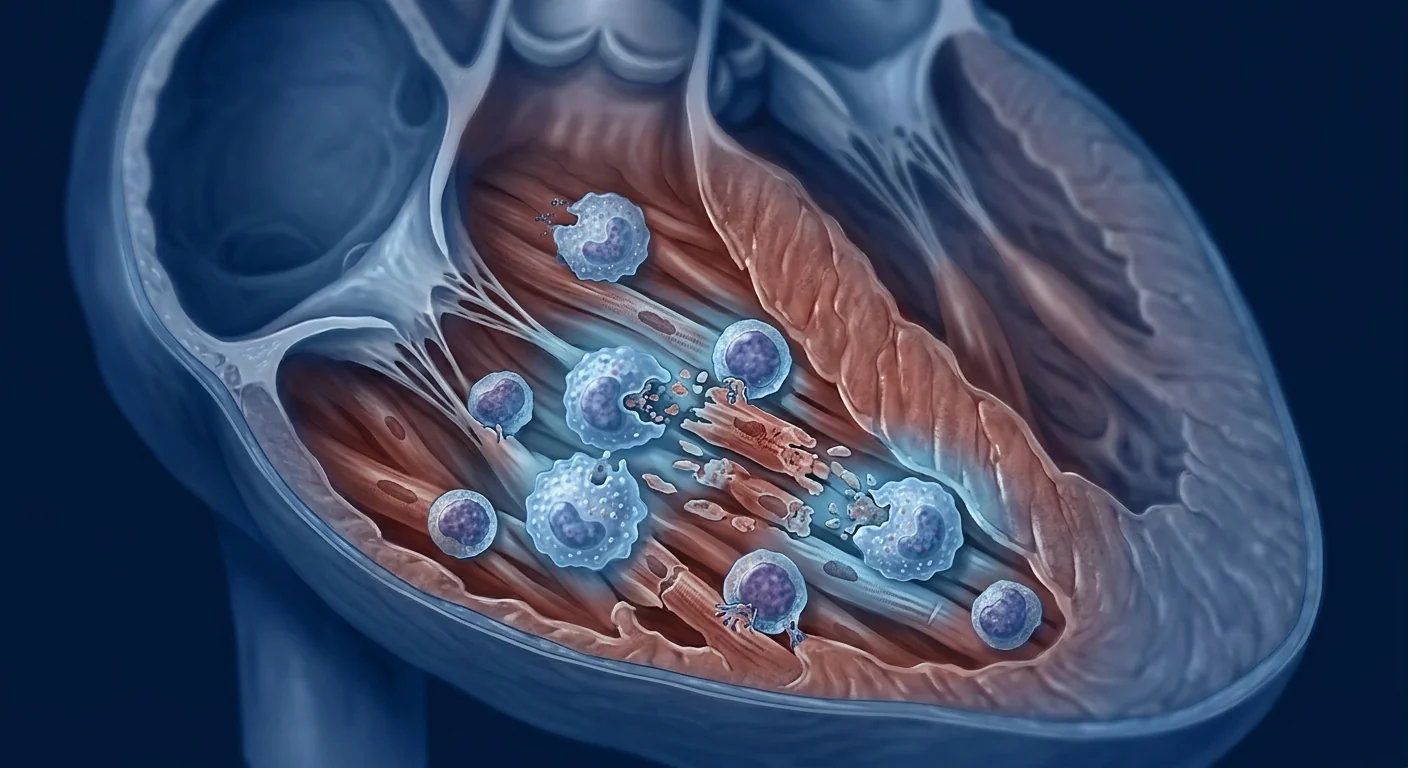
Stem Cell Therapy for Myocarditis: MSC Immunomodulation & Cardiac Repair
How MSCs suppress cardiac inflammation, reduce myocardial fibrosis, promote angiogenesis, and preserve ejection fraction — the evidence from preclinical and early clinical research.
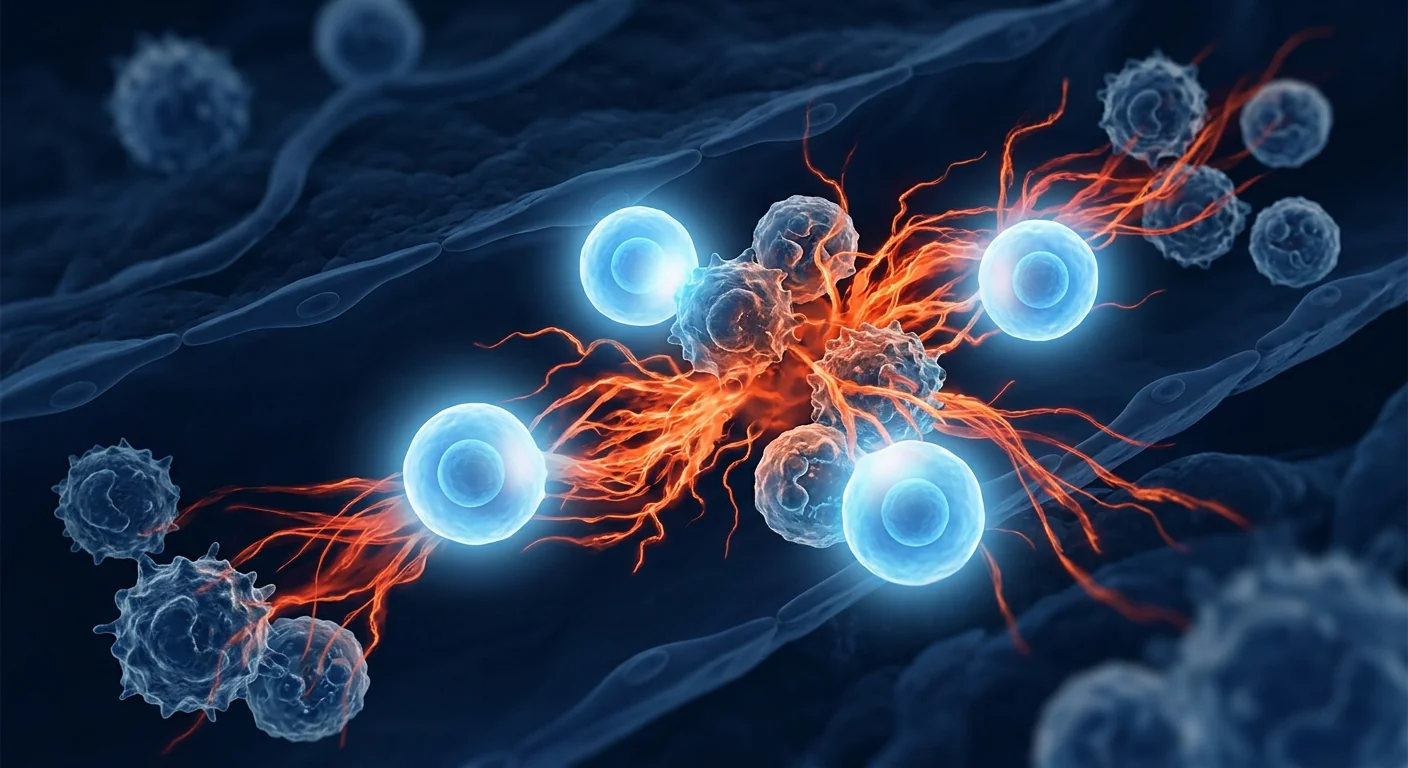
Stem Cell Therapy for Sepsis: MSC Immunomodulation & Organ Protection
How MSCs modulate the cytokine storm, protect the endothelium, reprogram macrophages, and enhance bacterial clearance — the evidence from preclinical and early clinical research.

Stem Cell Therapy for Premature Ovarian Insufficiency: Ovarian Function Restoration
How MSCs restore ovarian function through immunomodulation, anti-apoptosis, angiogenesis, and paracrine signaling — the evidence from preclinical and early clinical research.
Stem Cell Therapy for NAFLD / Fatty Liver Disease: MSC Treatment in Bangkok
How MSCs target hepatic steatosis, inflammation, and early fibrosis — a multi-pathway approach to the world's most common chronic liver disease.
Stem Cell Banking & Future Planning: Preserve Your MSCs for Tomorrow
How cryopreservation stores your youngest MSCs for the therapies of tomorrow — science, standards, and what to know before banking.
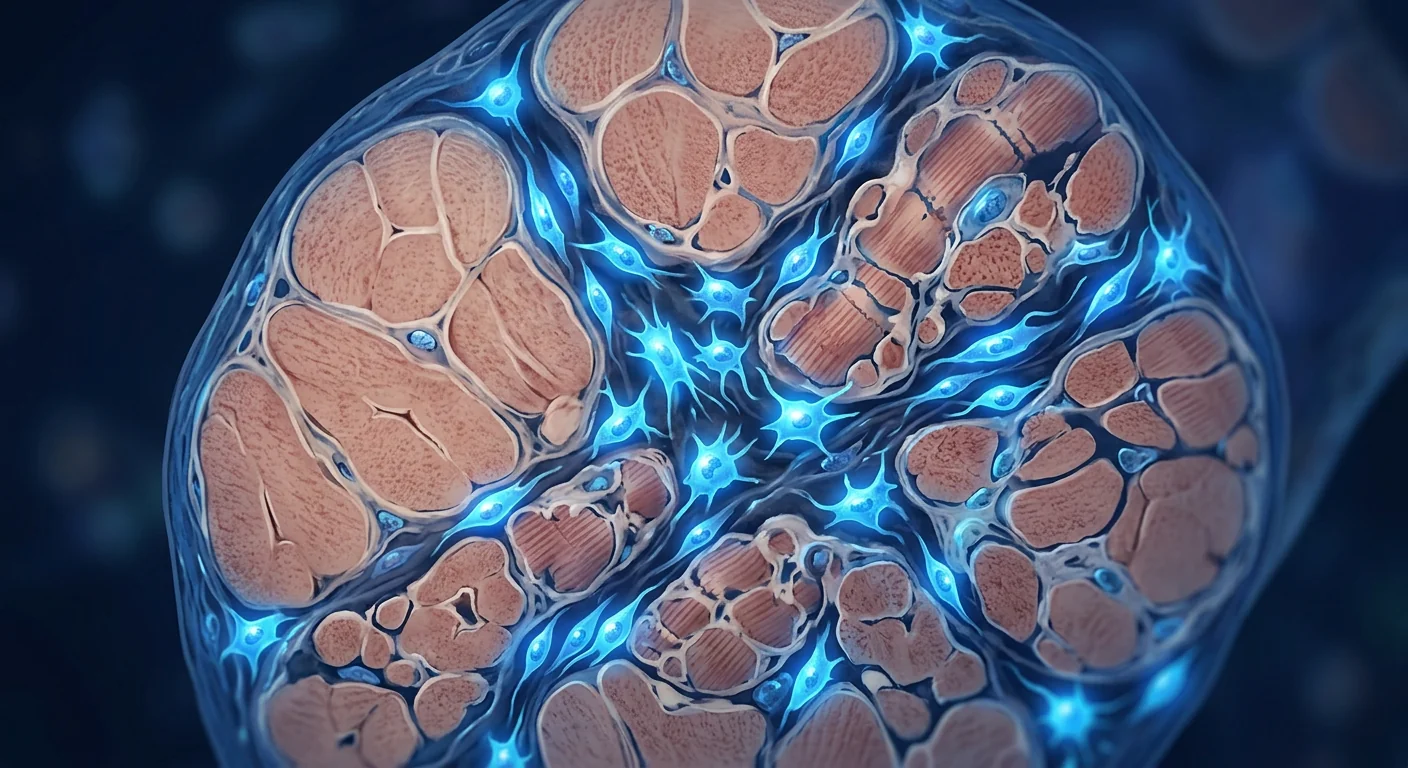
Stem Cell Therapy for Sarcopenia: MSC Treatment for Age-Related Muscle Loss
How MSCs combat age-related muscle loss through myogenesis, inflammation reduction, and mitochondrial repair.
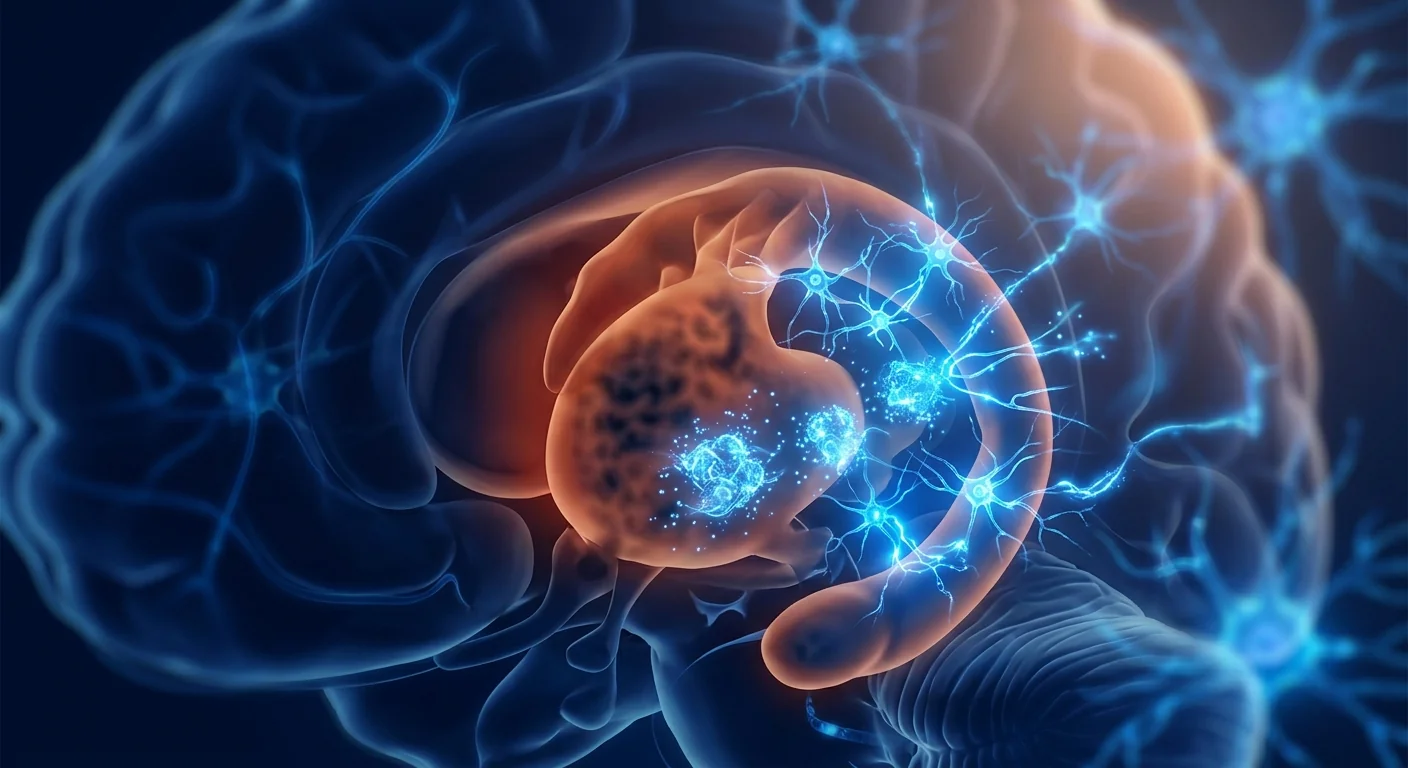
Stem Cell Therapy for Huntington's Disease: MSC Treatment for Neurodegeneration
How MSCs deliver BDNF, reduce striatal neuroinflammation, and protect medium spiny neurons — the preclinical evidence.
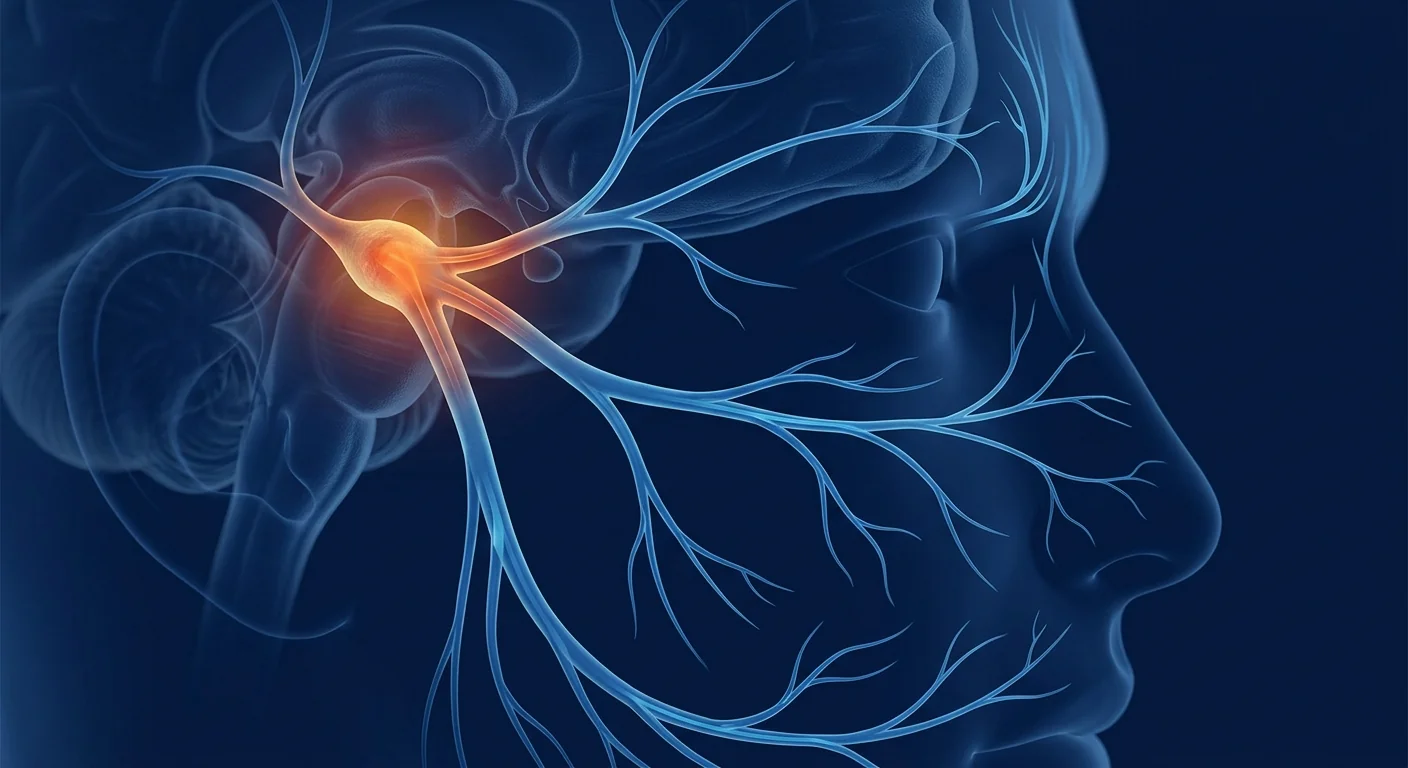
Stem Cell Therapy for Trigeminal Neuralgia: MSC Treatment for Facial Pain
How MSCs reduce neuroinflammation, promote myelin repair, and modulate pain signaling in the trigeminal nerve — the honest evidence.
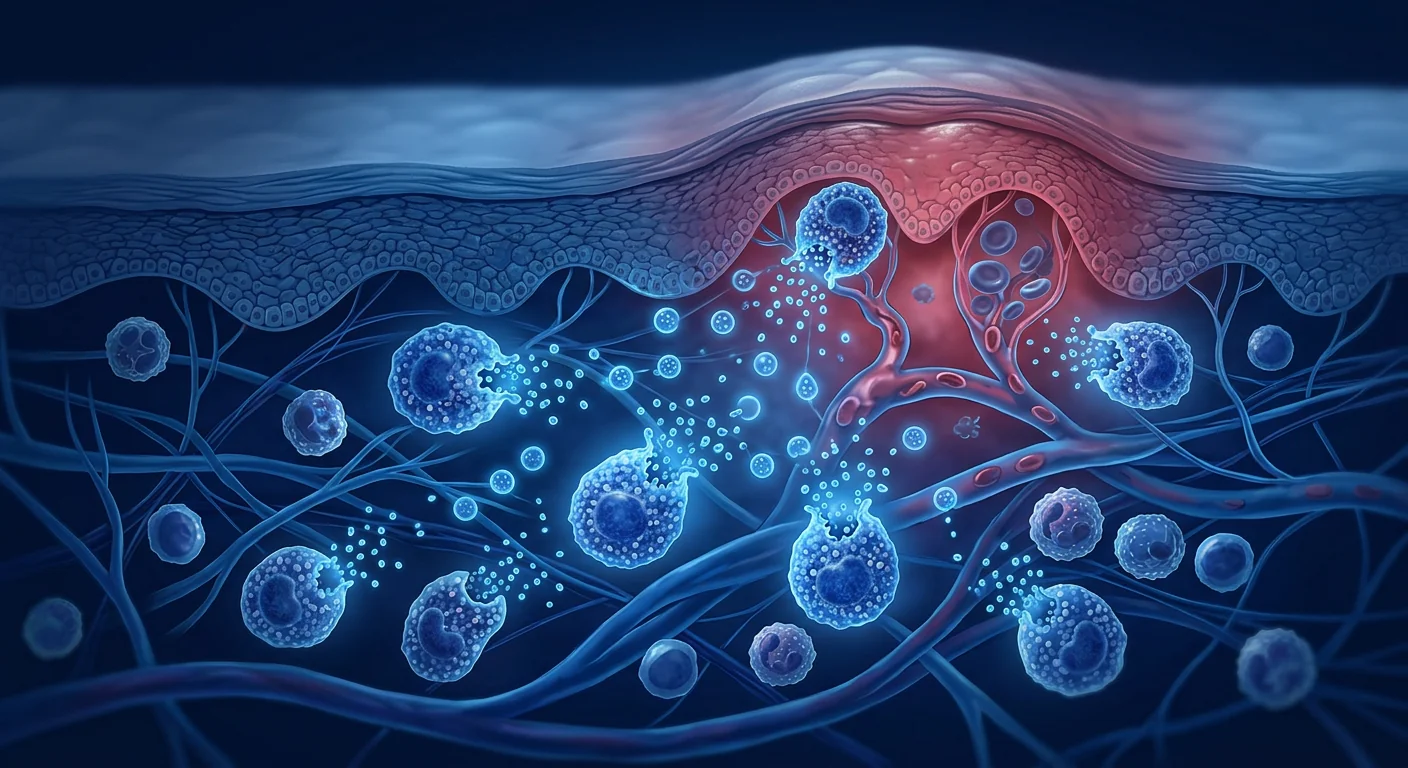
Stem Cell Therapy for Chronic Urticaria: MSC Treatment for Refractory Hives
How MSCs stabilize mast cells, expand Tregs, and restore immune tolerance in antihistamine-resistant chronic urticaria.
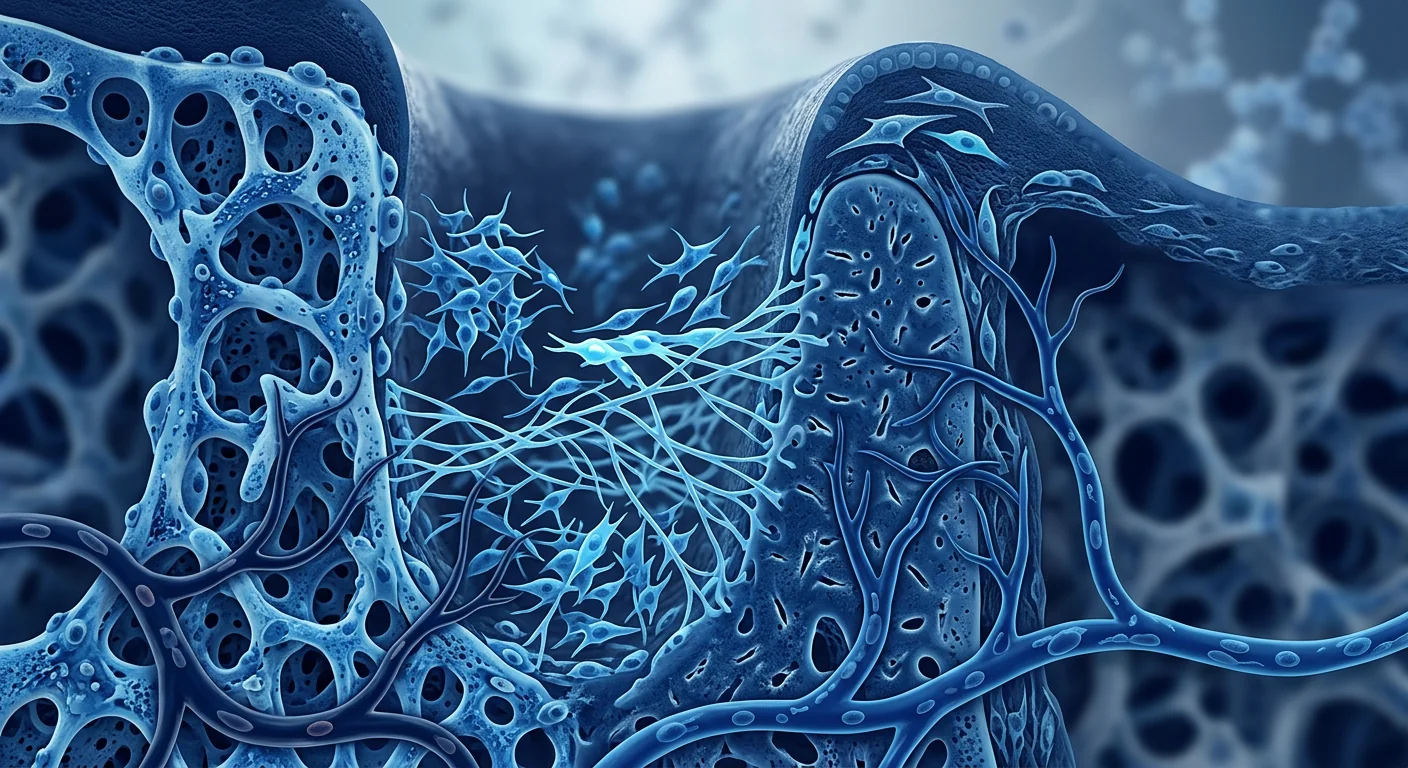
Stem Cell Therapy for Dental & Periodontal Regeneration
How MSCs promote alveolar bone repair, periodontal ligament regeneration, and cementum formation — a regenerative approach to gum disease and tooth-supporting tissue loss.
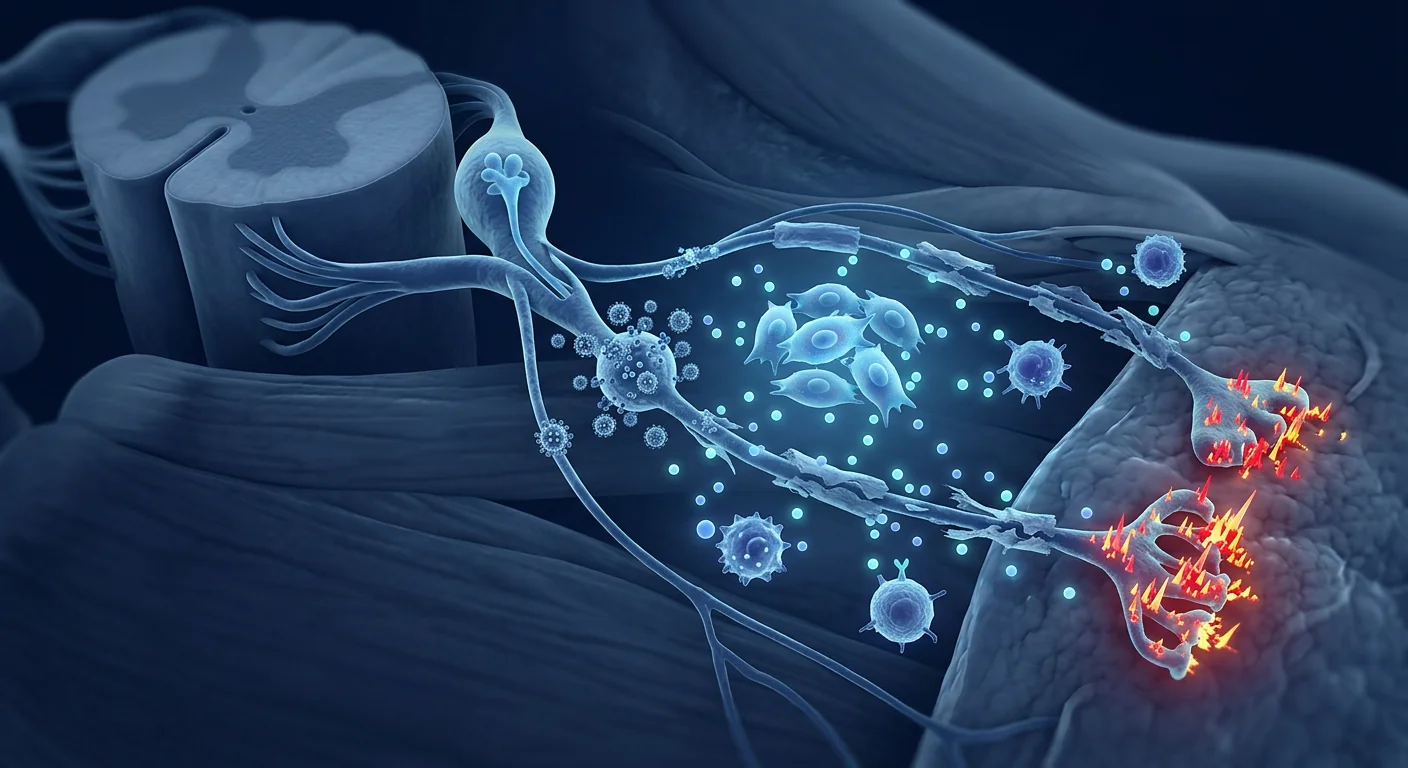
Stem Cell Therapy for Post-Herpetic Neuralgia: MSC Pain Relief & Nerve Regeneration
How MSCs may relieve post-shingles nerve pain through paracrine immunomodulation, neurotrophic factor secretion, and neural repair — the preclinical rationale and emerging clinical evidence.
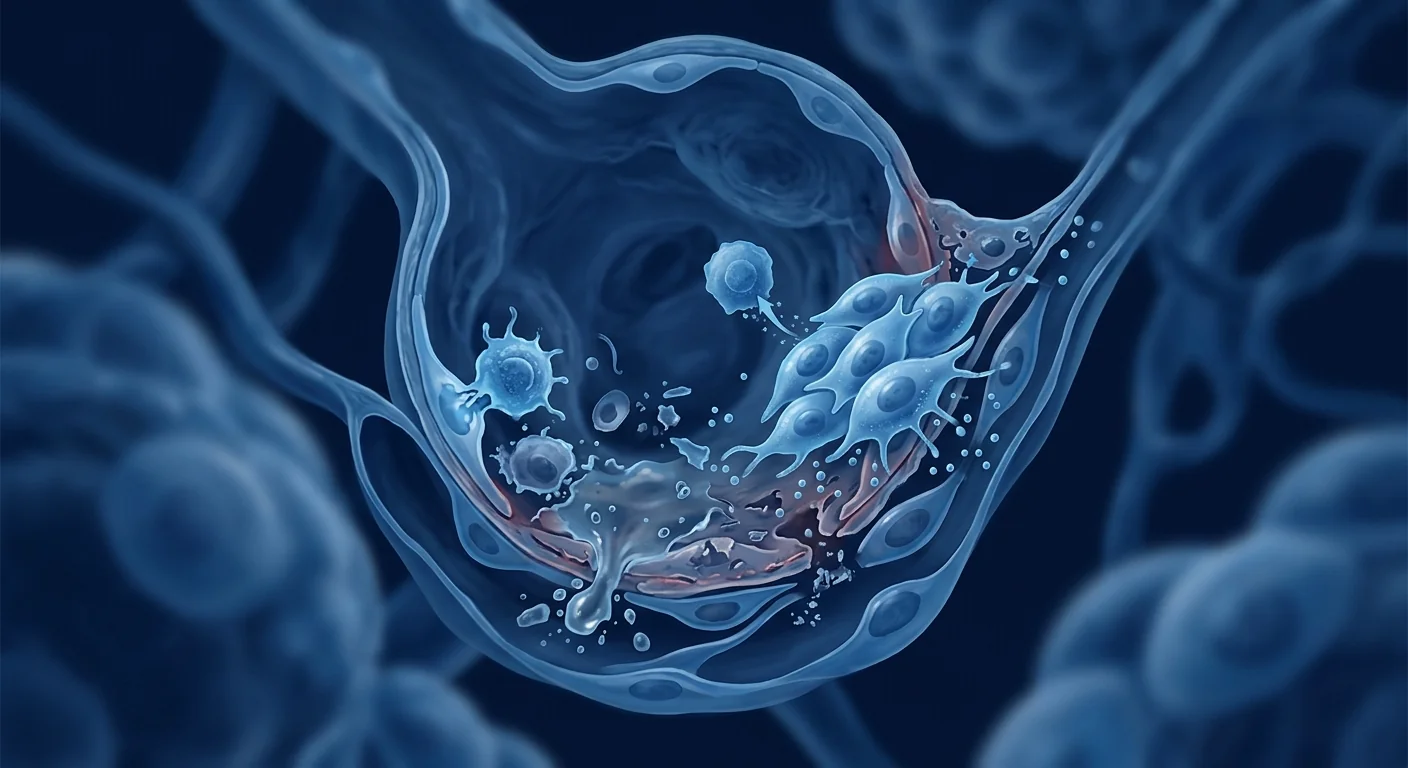
Stem Cell Therapy for ARDS: MSC Treatment for Acute Respiratory Distress Syndrome
How MSCs modulate cytokine storm, restore alveolar-capillary barrier integrity, and promote lung repair — the evidence from preclinical models and clinical trials.
Stem Cell Therapy for Graft-versus-Host Disease: MSC Treatment in Bangkok
How MSCs suppress donor T-cell attack in GvHD — the only MSC indication with regulatory approval across 3 continents.
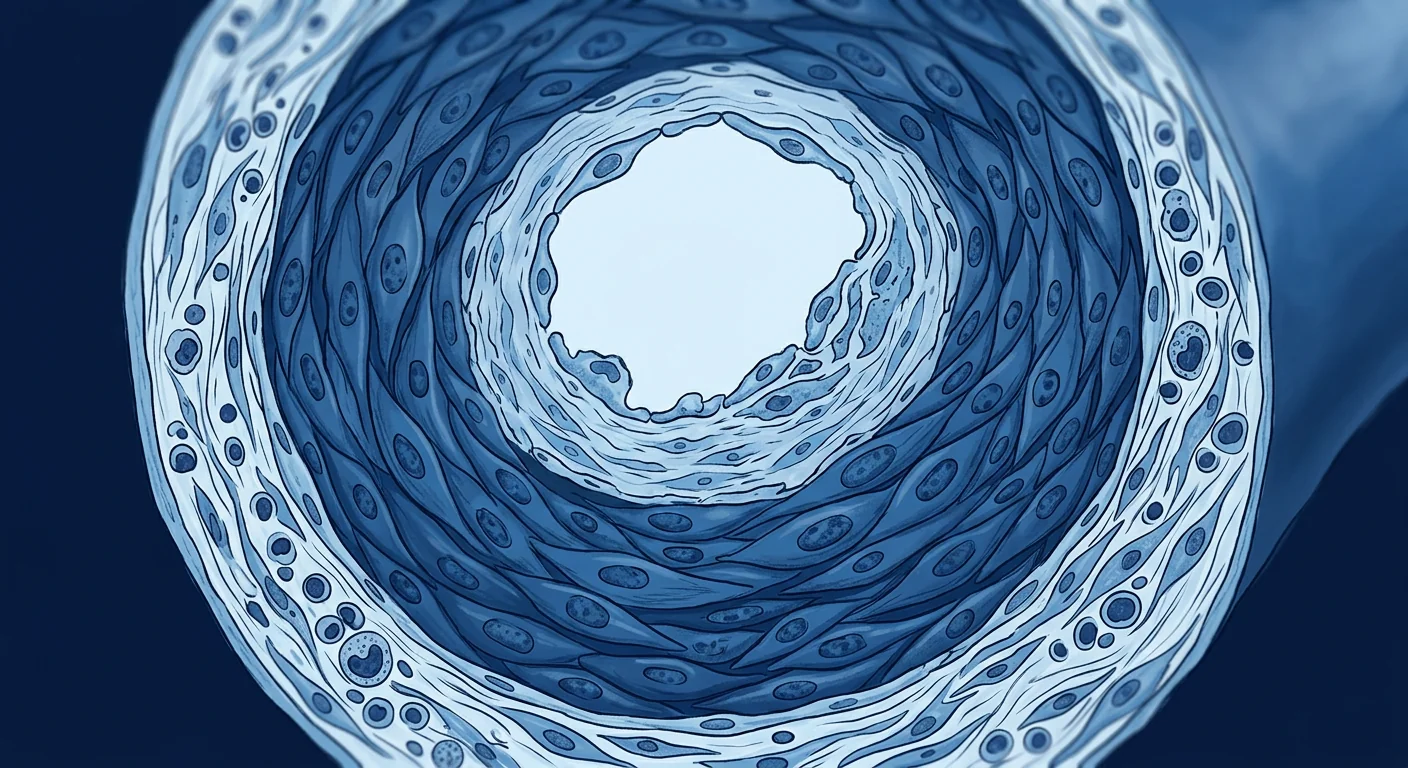
Stem Cell Therapy for Pulmonary Hypertension: MSC Treatment in Bangkok
How MSCs target the vascular inflammation, endothelial dysfunction, and smooth muscle proliferation driving PAH.
Stem Cell Therapy for Sarcoidosis: MSC Treatment for Granulomatous Inflammation
How MSCs suppress granuloma formation, modulate the Th1/Th17 response, and reduce pulmonary inflammation in sarcoidosis through paracrine immunomodulation.
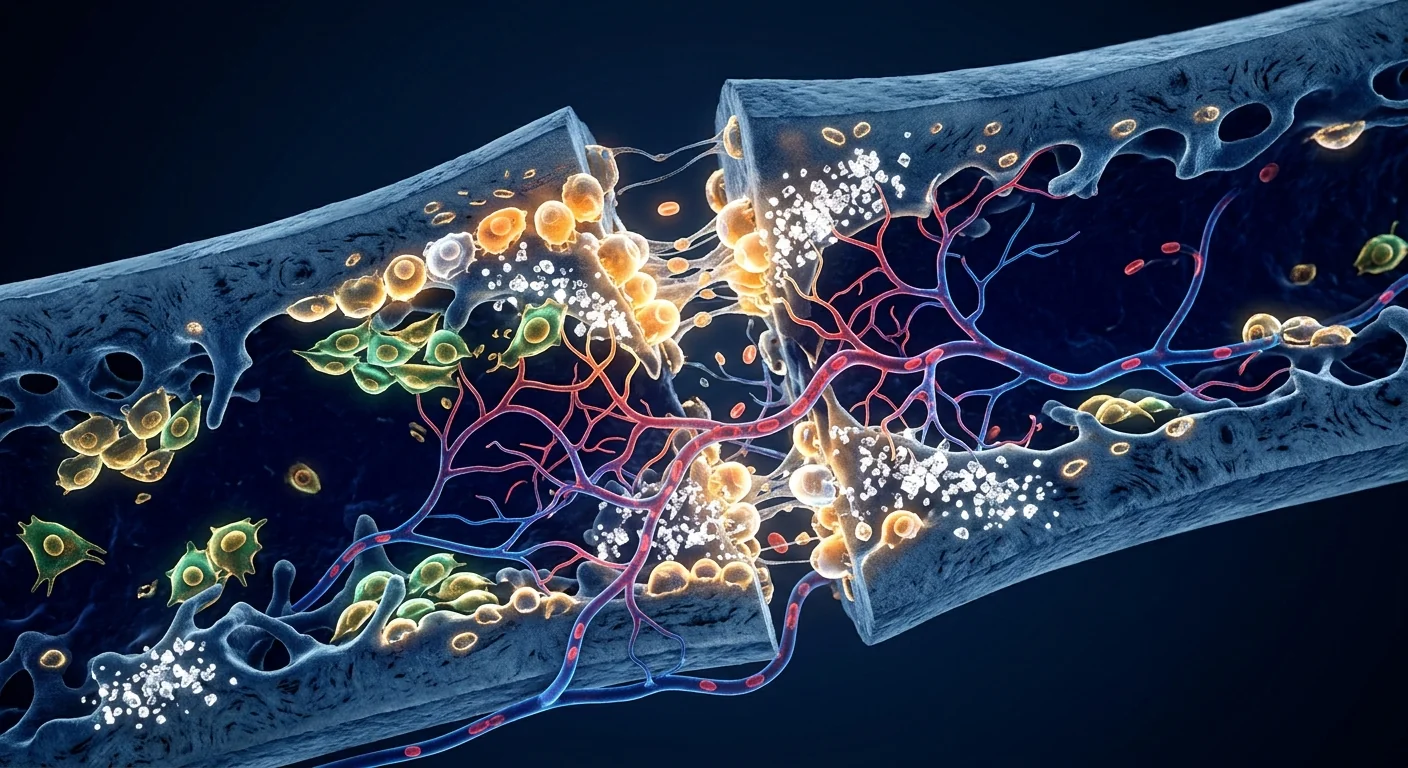
Stem Cell Therapy for Bone Fracture Healing: MSC Treatment for Non-Union Fractures
The cellular biology of fracture repair and how MSCs promote callus formation, osteogenic differentiation, and bone regeneration in non-union fractures.
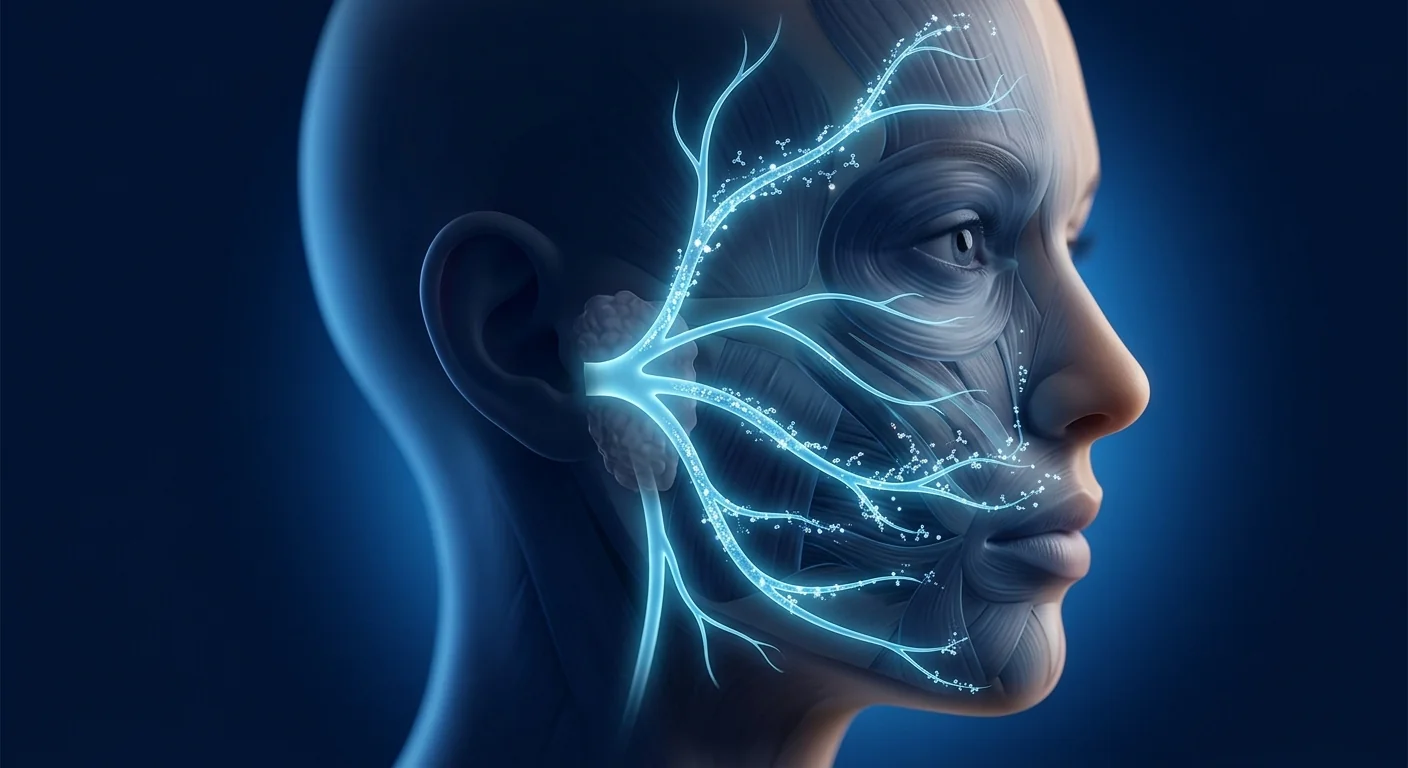
Stem Cell Therapy for Bell's Palsy: MSC Facial Nerve Regeneration
How MSCs promote facial nerve repair, remyelination, and functional recovery in Bell's palsy through neurotrophic factor secretion and immunomodulation.
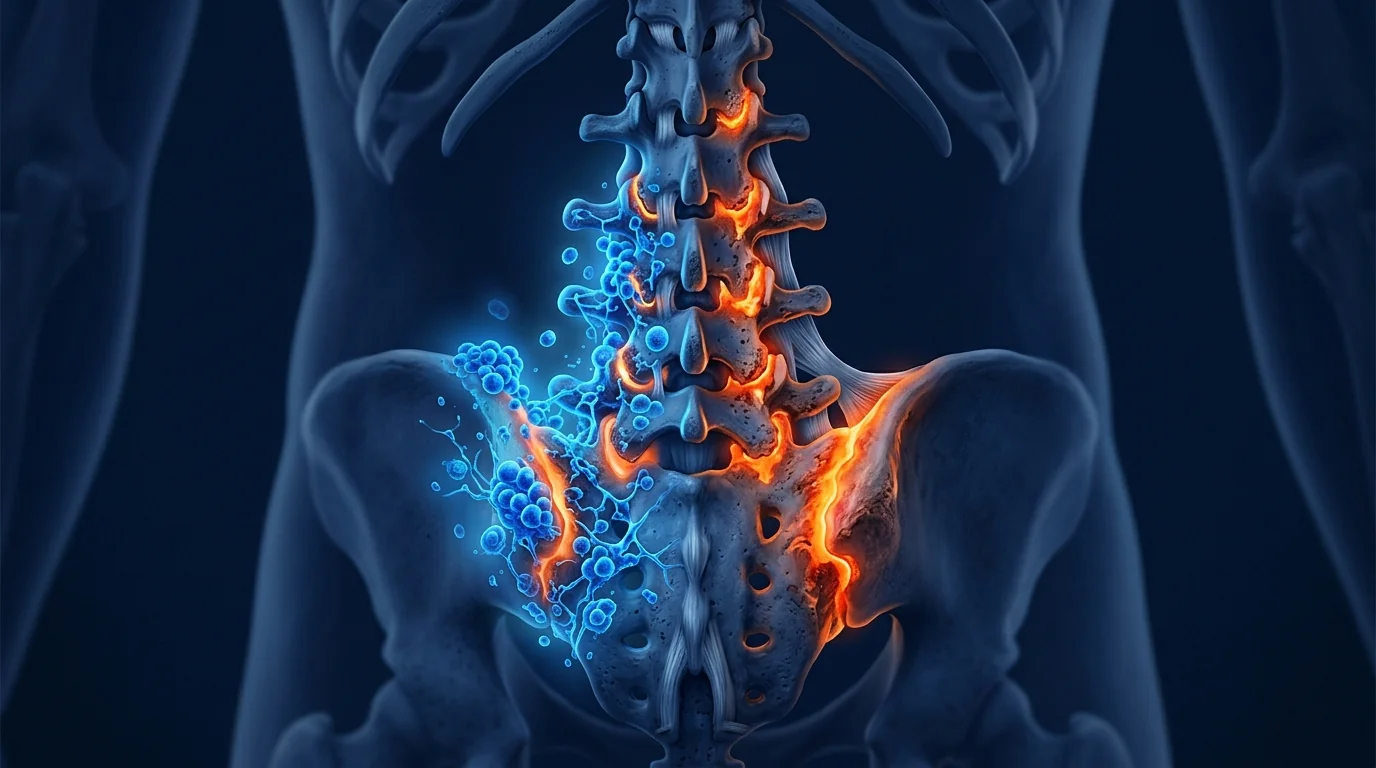
Stem Cell Therapy for Ankylosing Spondylitis: MSC Immunomodulation for Spinal Inflammation
How MSCs suppress the IL-23/IL-17 axis driving spinal inflammation, reduce disease activity, and may slow structural progression in AS.
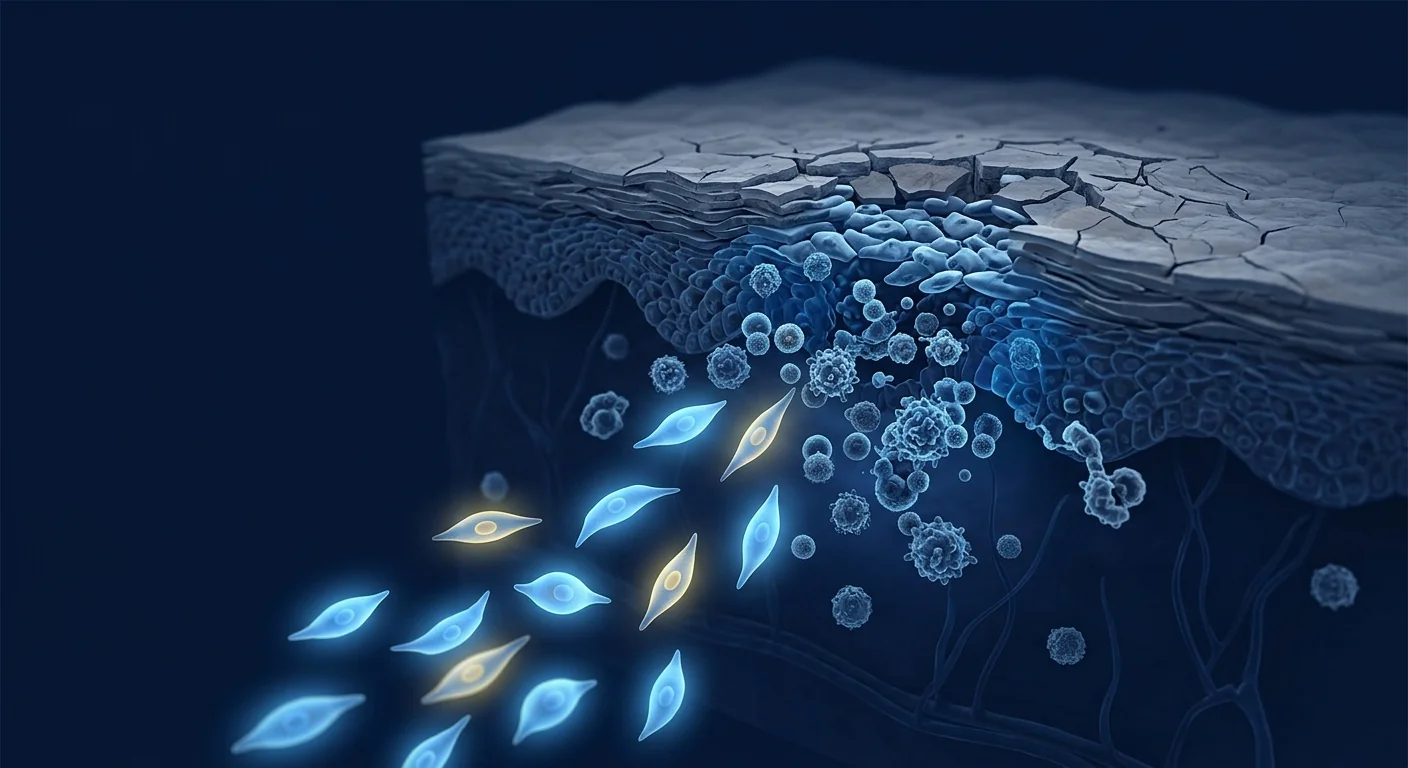
Stem Cell Therapy for Atopic Dermatitis (Eczema): MSC Immunomodulation & Barrier Repair
How MSCs target the Th2-driven inflammatory cascade, rebalance immune dysregulation, and promote epidermal barrier restoration for chronic eczema.
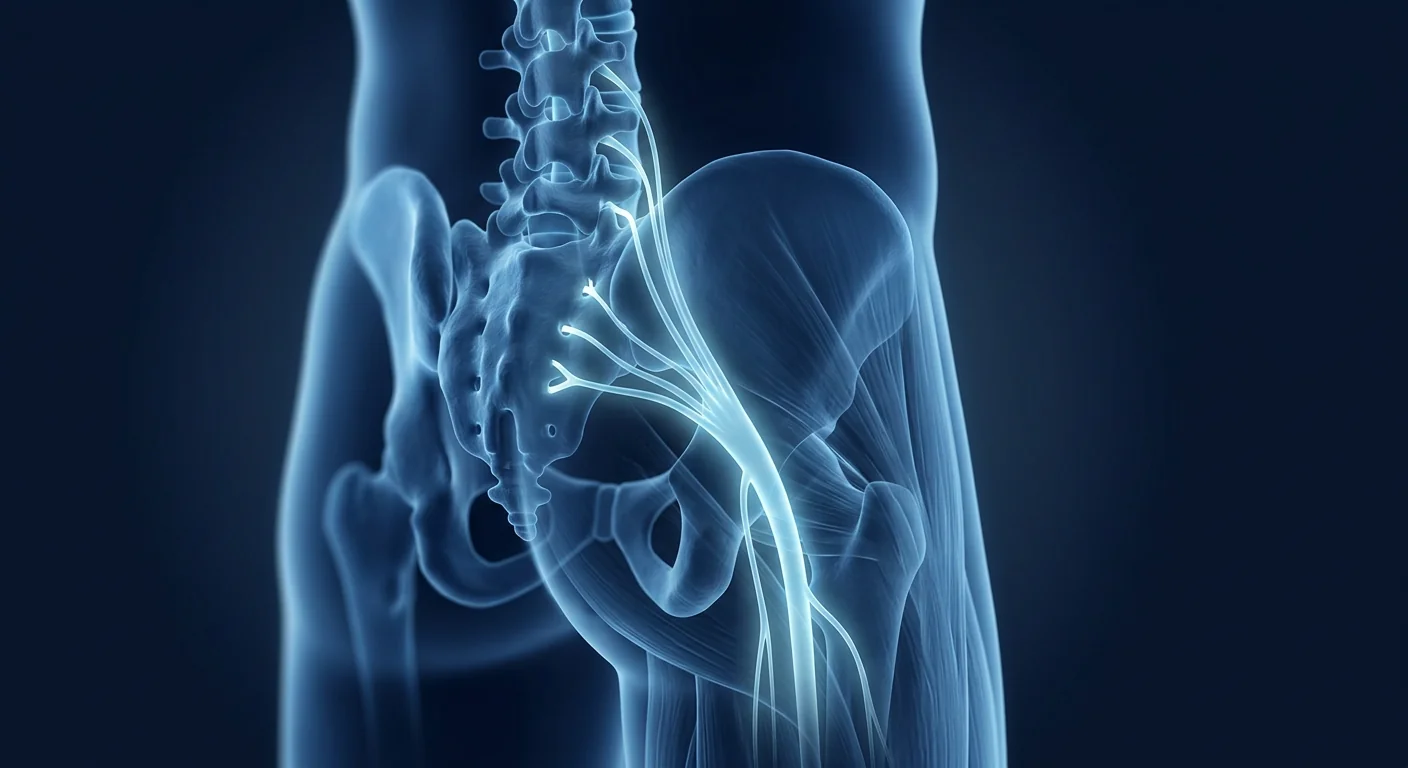
Stem Cell Therapy for Sciatica: MSC Treatment for Nerve Root Compression
How MSCs reduce neuroinflammation at compressed nerve roots — from chemical radiculitis to transforaminal epidural delivery and realistic recovery timelines.
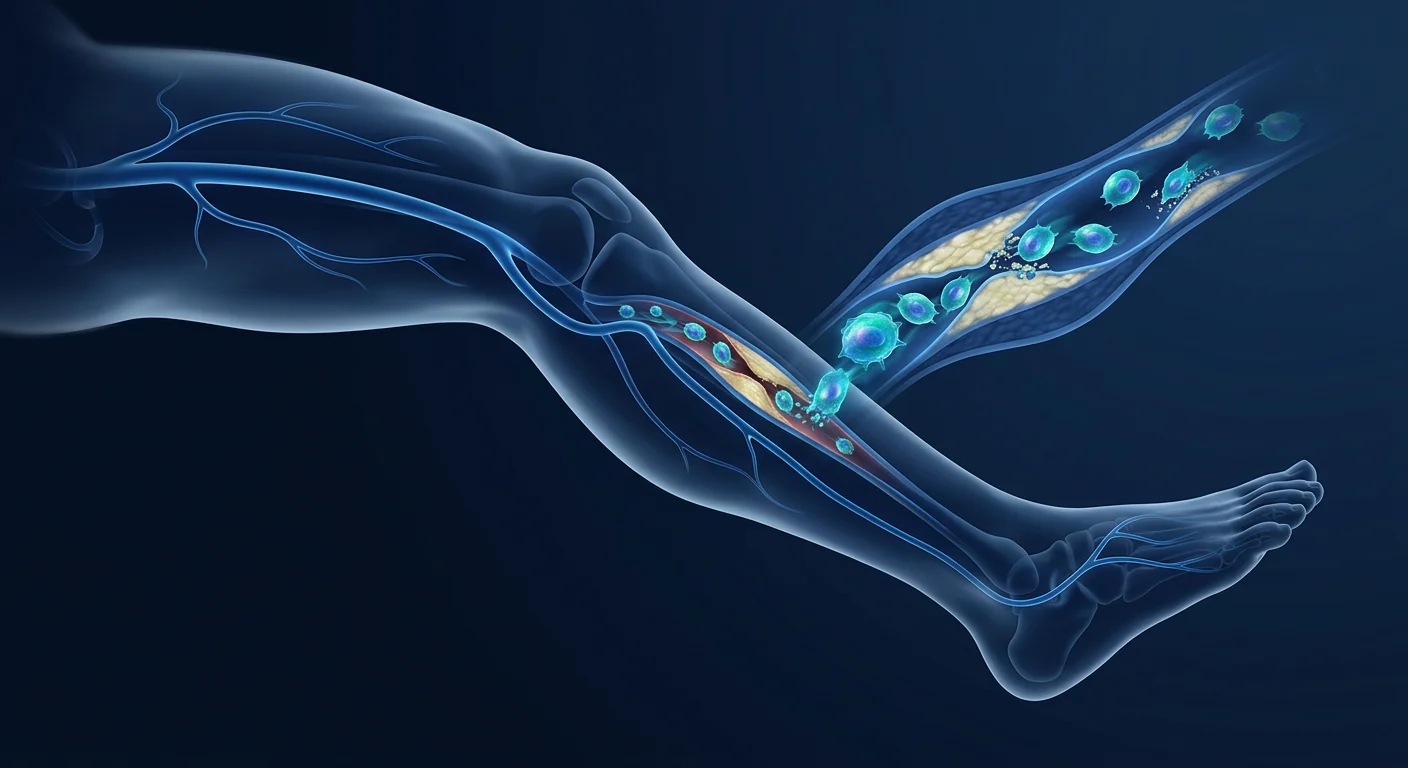
Stem Cell Therapy for Peripheral Artery Disease: MSC Angiogenesis & Vascular Repair
How MSCs stimulate angiogenesis and arteriogenesis in ischemic limbs — from preclinical limb salvage to clinical trials in no-option critical limb ischemia.
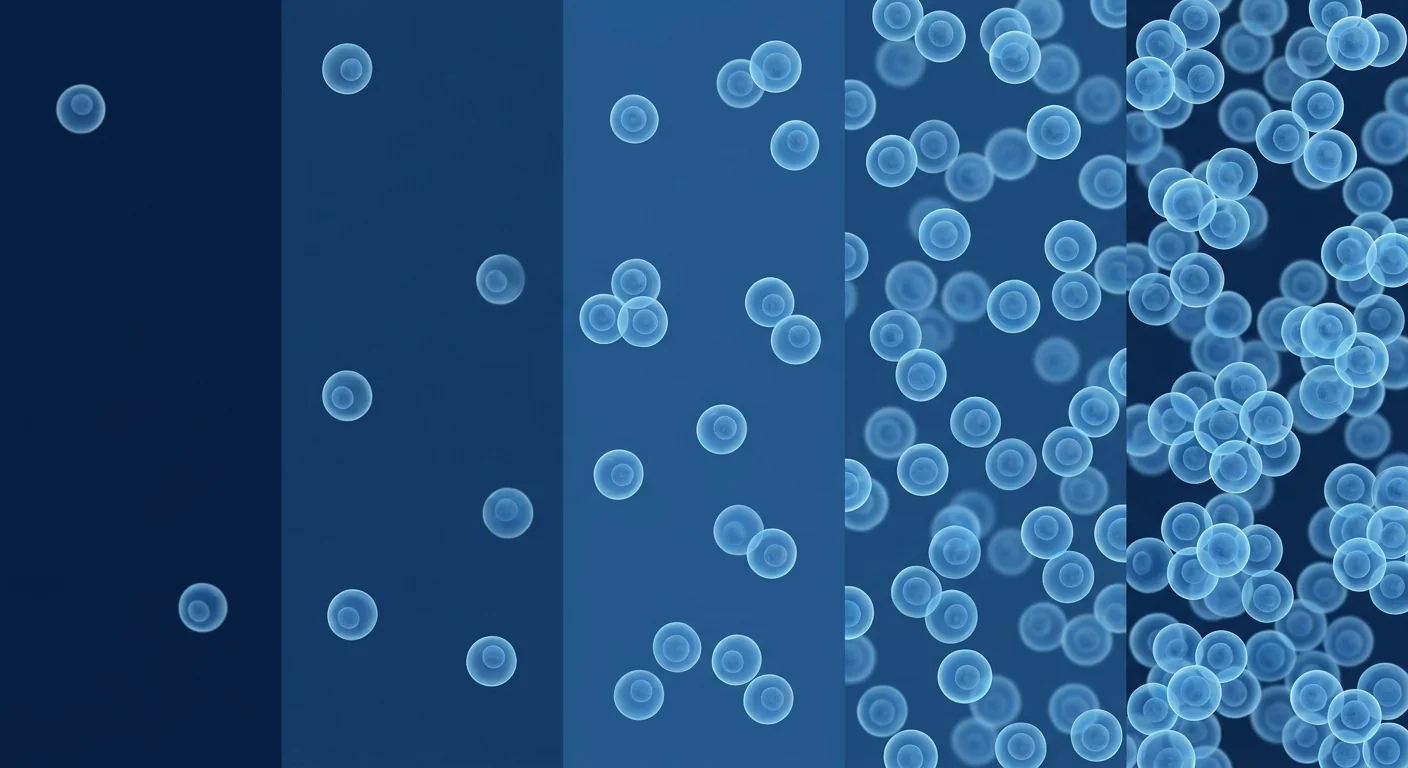
MSC Dosing Science: How Many Cells, Why It Matters
How many millions of cells per kilogram? What clinical evidence says about dose-response — and why the number matters more than patients realize.
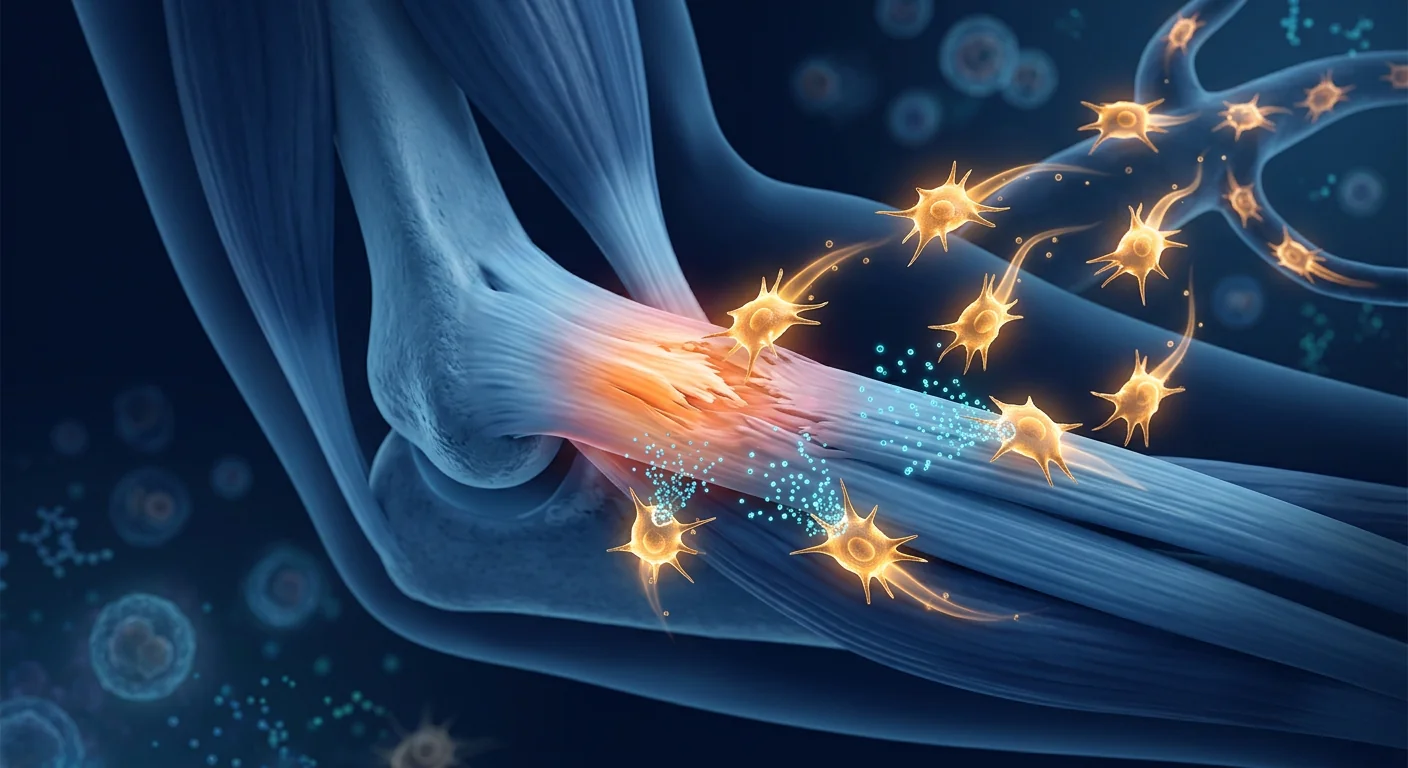
Stem Cell Therapy for Tennis Elbow: MSC Treatment for Lateral Epicondylitis
How MSCs promote tendon regeneration, collagen repair, and inflammation resolution in chronic lateral epicondylitis.
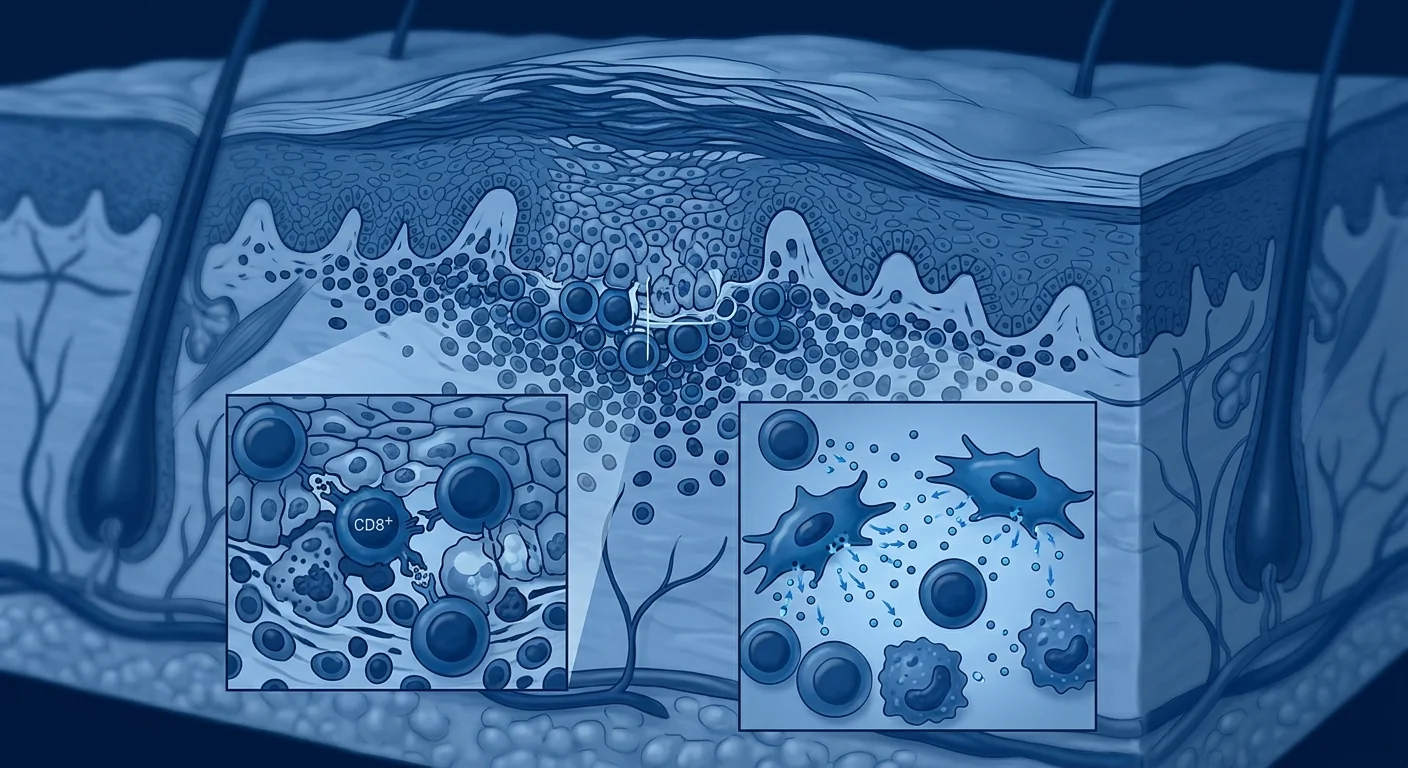
Stem Cell Therapy for Lichen Planus
How MSCs target the CD8+ T-cell attack on basal keratinocytes to restore immune tolerance at the dermal-epidermal junction.
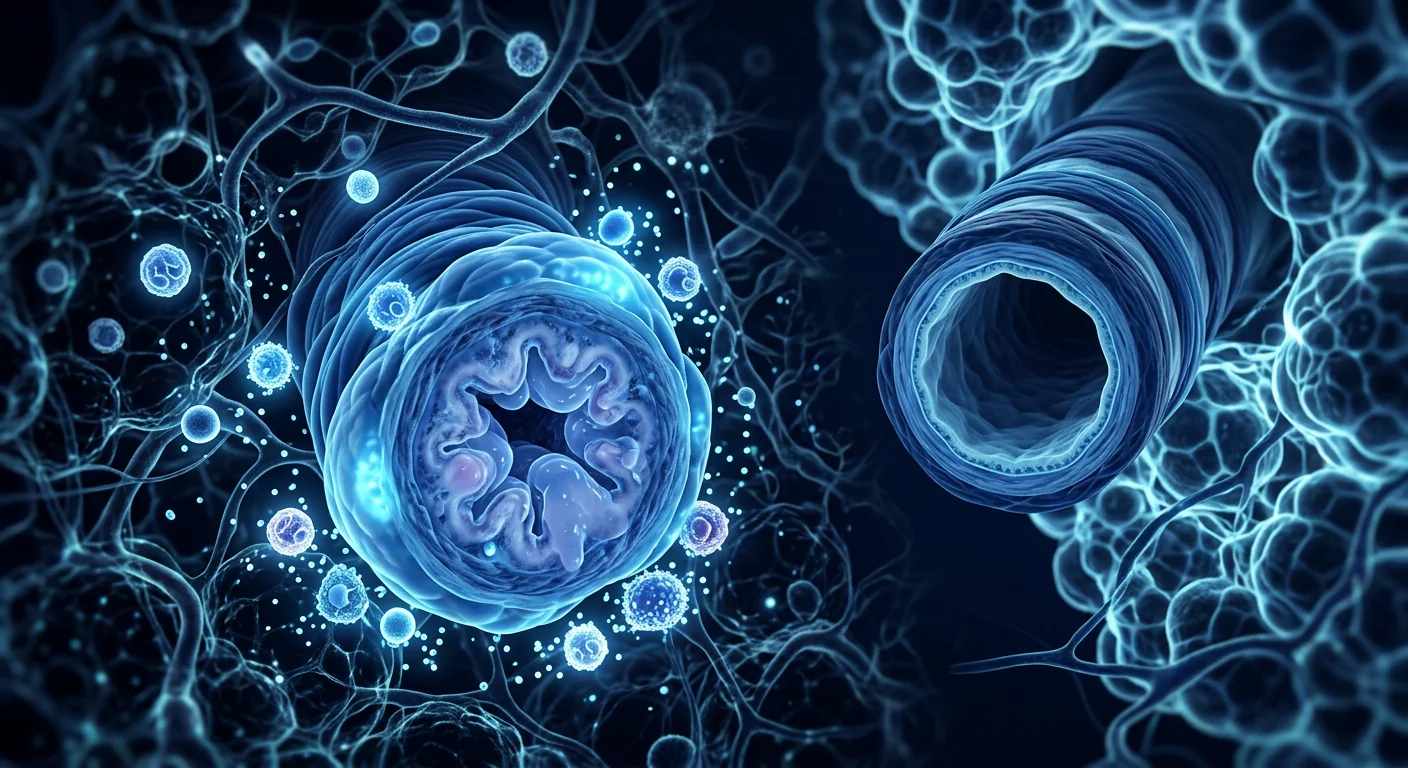
Stem Cell Therapy for Asthma: MSC Immunomodulation for Airway Disease
How MSCs target Th2-driven airway inflammation, expand regulatory T cells, and may offer disease-modifying potential for severe, treatment-resistant asthma.
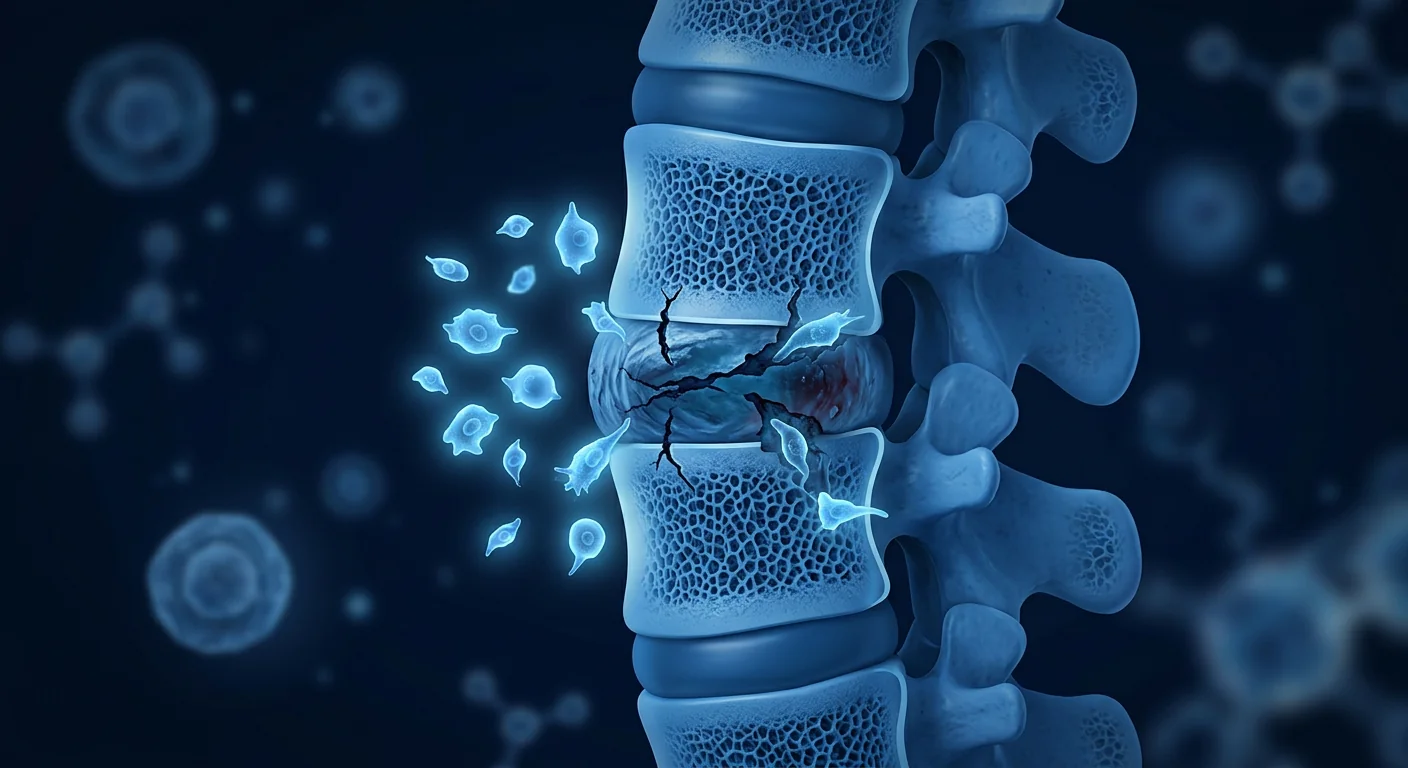
Stem Cell Therapy for Degenerative Disc Disease: MSC Treatment for Spinal Disc Regeneration
How MSCs target disc degeneration at the cellular level — reducing inflammation, stimulating matrix synthesis, and preserving disc height in chronic low back pain.
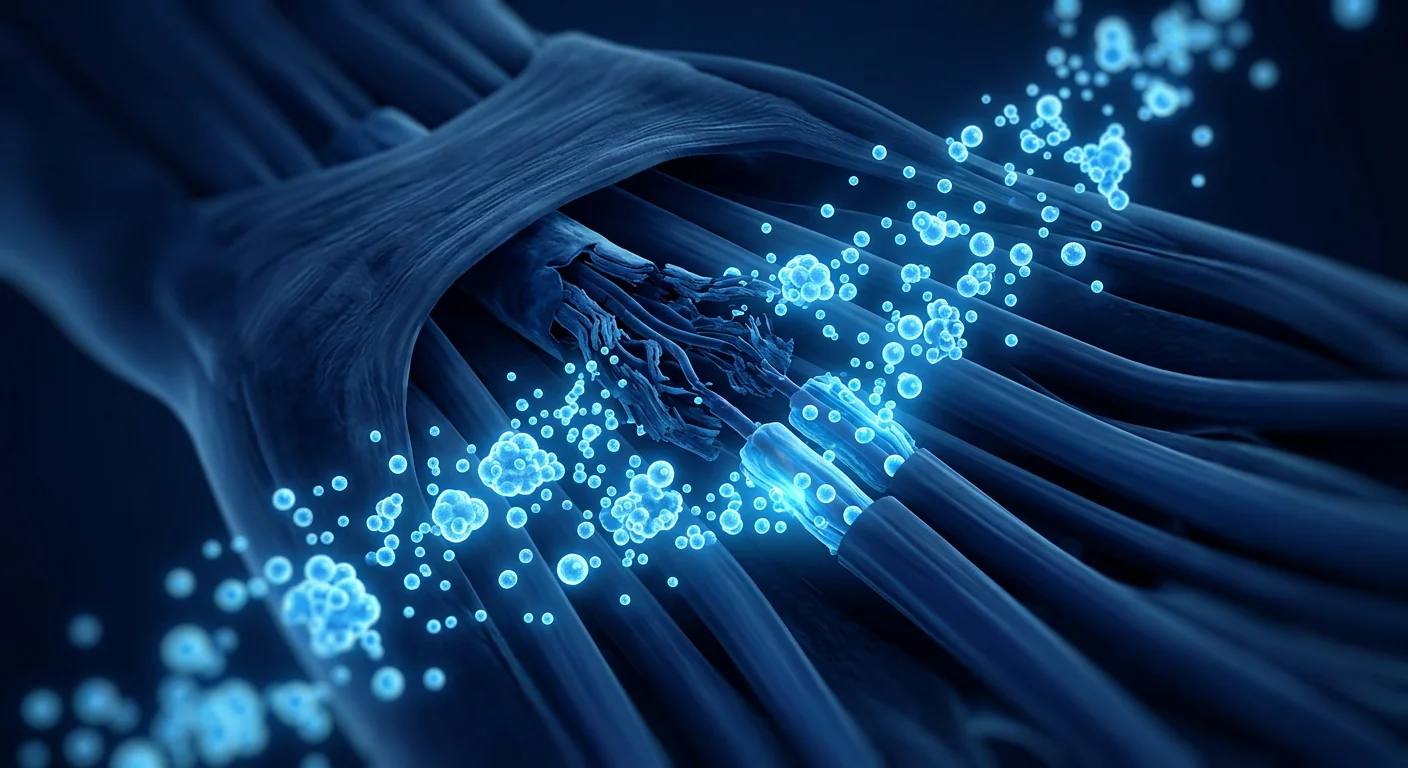
Stem Cell Therapy for Carpal Tunnel Syndrome: MSC Treatment for Median Nerve Entrapment
How MSCs promote median nerve repair, remyelination, and functional recovery in carpal tunnel syndrome — an evidence-based review.
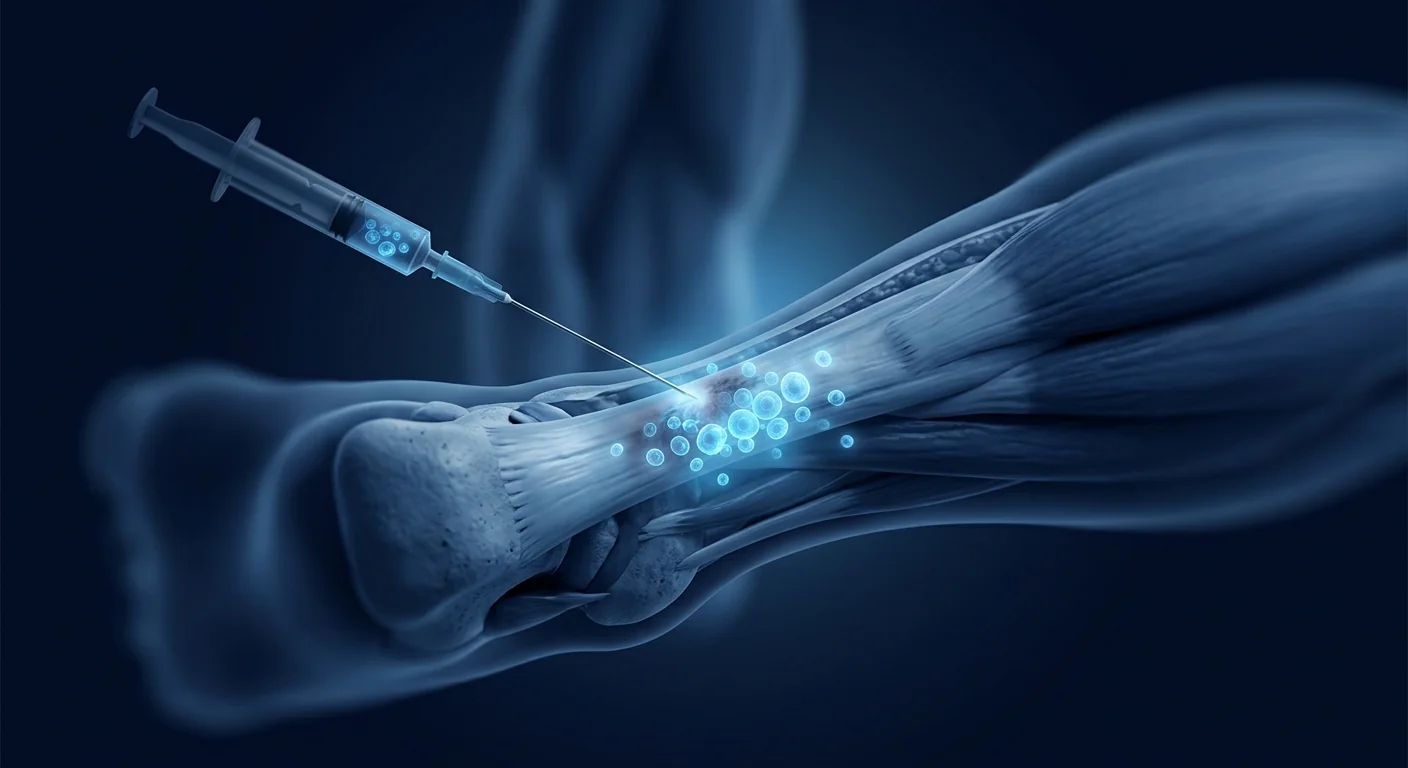
Stem Cell Therapy for Achilles Tendon Injury: MSC Treatment for Tendinopathy
How MSCs promote tendon repair, collagen regeneration, and functional recovery in chronic Achilles tendinopathy — an evidence-based review.
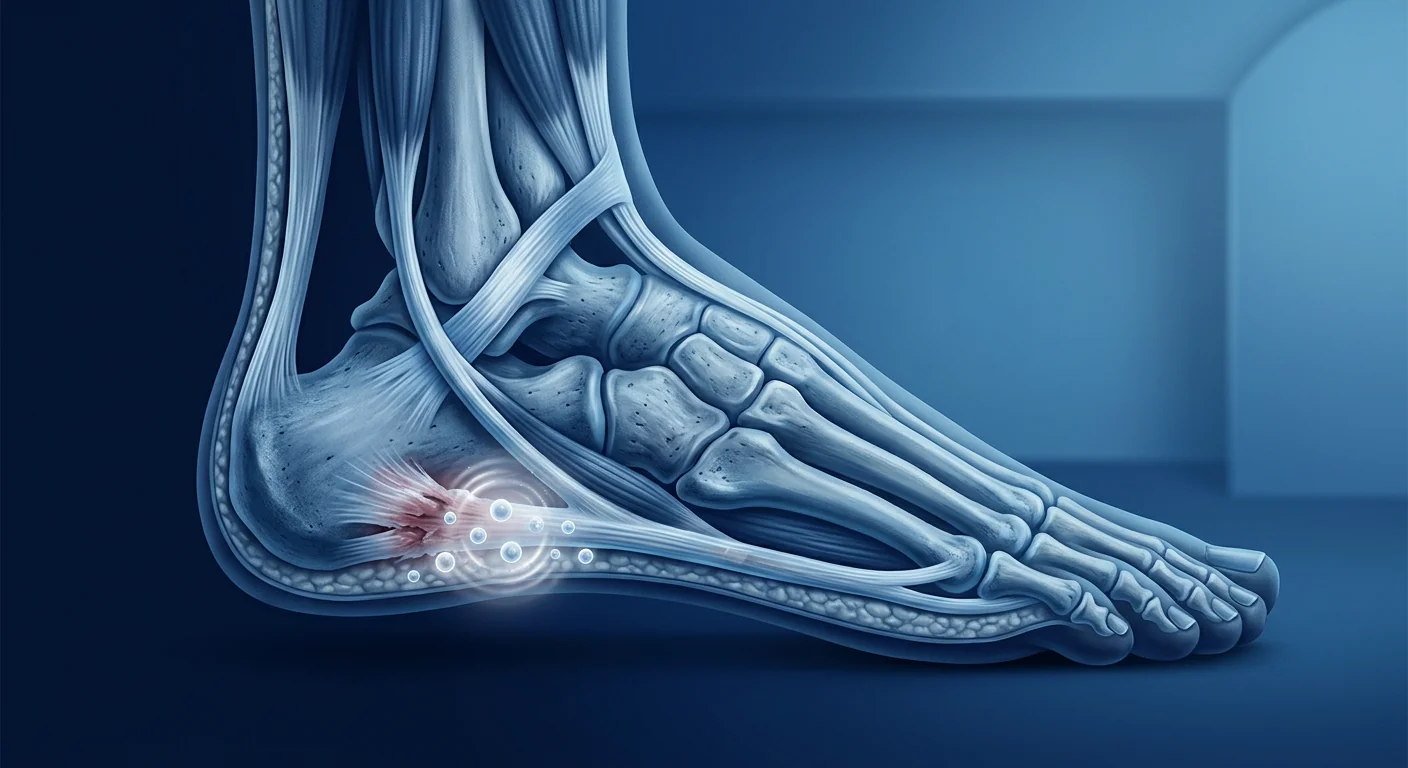
Stem Cell Therapy for Plantar Fasciitis: MSC Treatment for Heel Pain
How MSCs are being studied for fascia repair, collagen regeneration, and chronic heel pain relief — an evidence-based review of the clinical data.
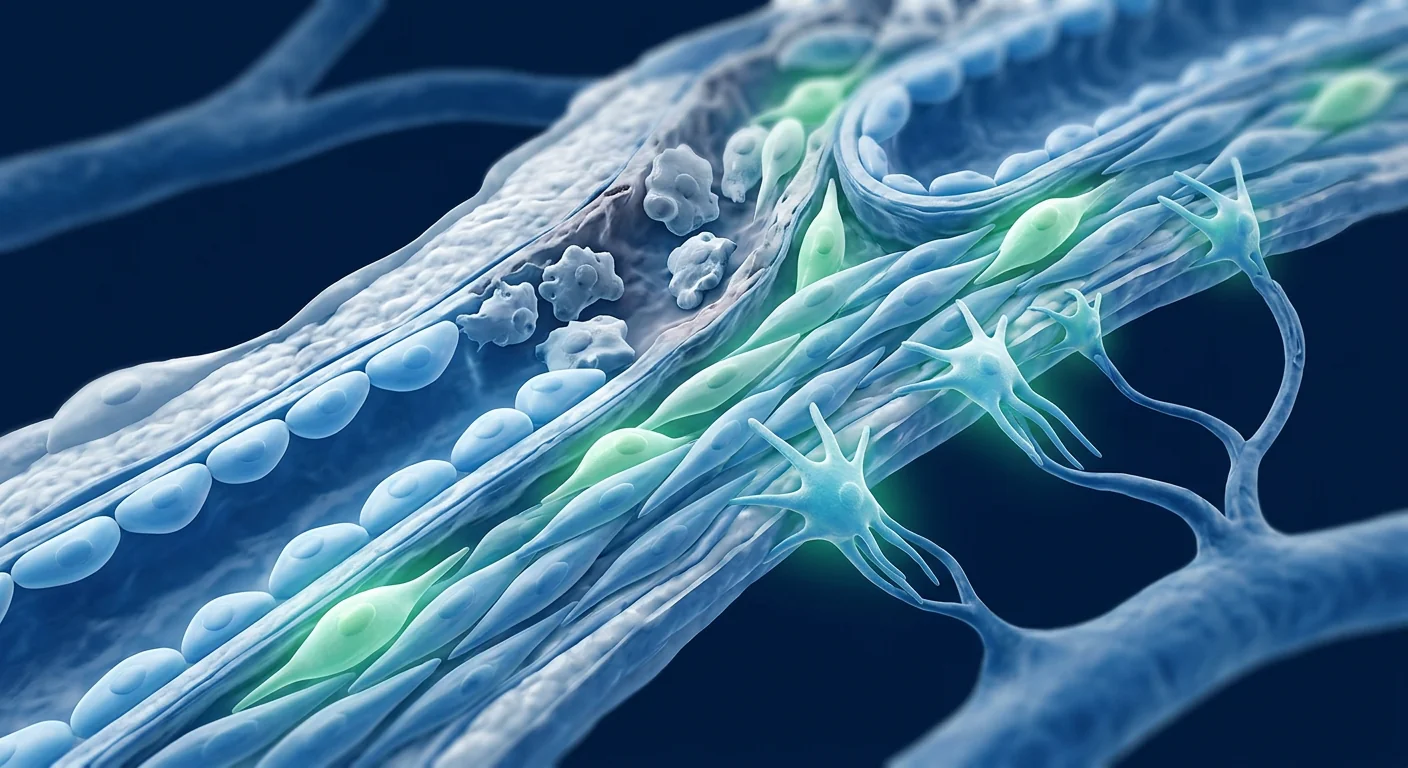
Stem Cell Therapy for Erectile Dysfunction: MSC Treatment for ED
How MSC therapy targets the vascular, neurogenic, and endothelial roots of erectile dysfunction — an evidence-based guide from preclinical research to early clinical data.
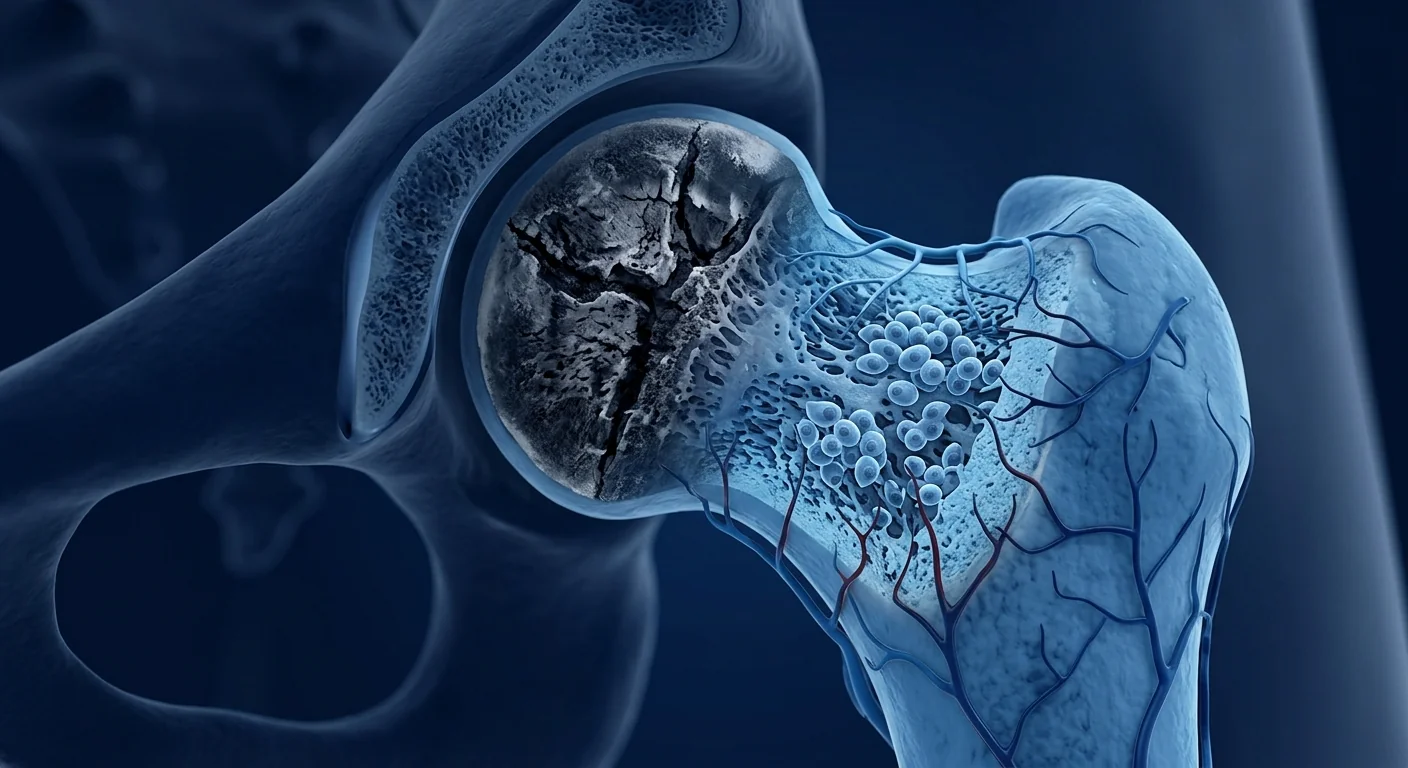
Stem Cell Therapy for Avascular Necrosis: MSC Treatment for Osteonecrosis
How MSC therapy restores blood supply and promotes bone regeneration in osteonecrotic joints — an evidence-based guide from early-stage intervention to hip preservation.
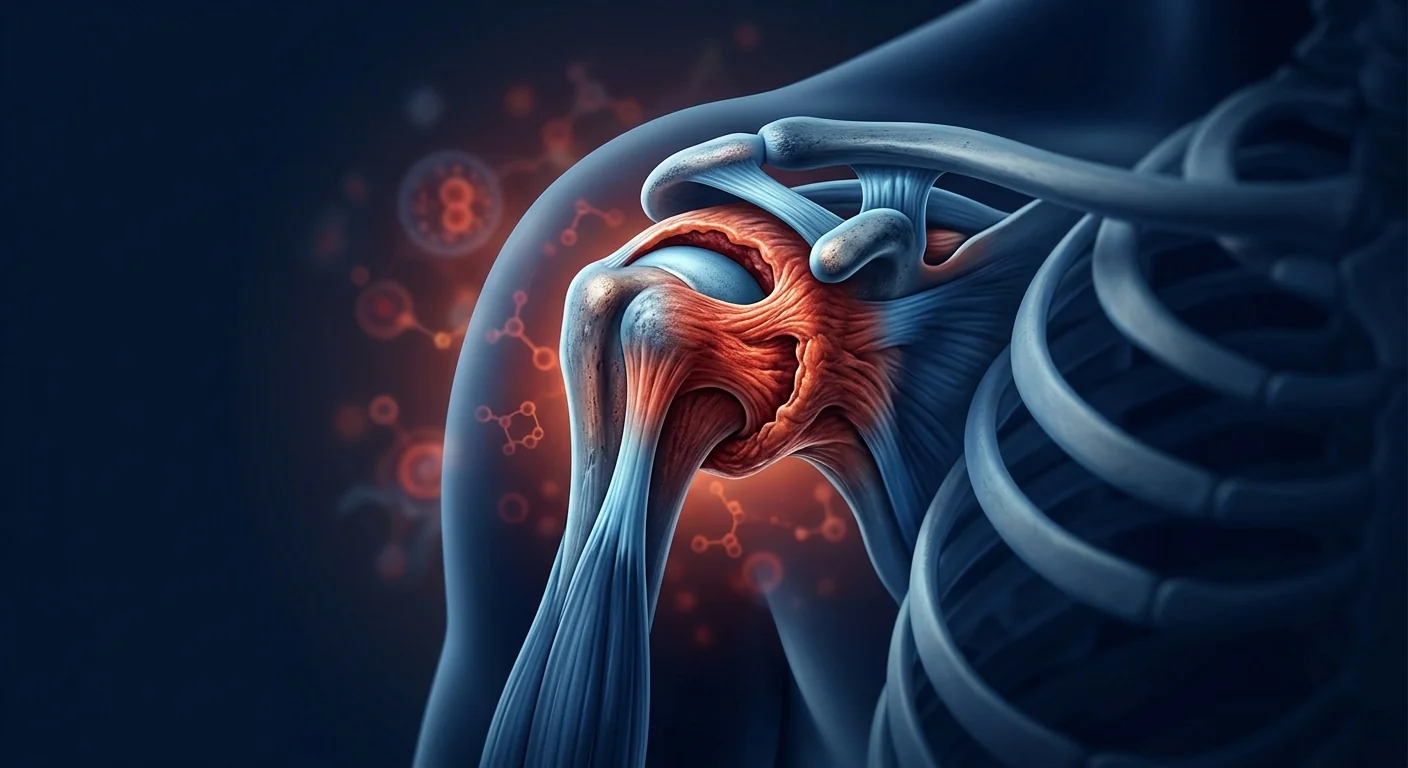
Stem Cell Therapy for Frozen Shoulder: MSC Treatment for Adhesive Capsulitis
How MSC therapy targets the inflammation and fibrosis driving frozen shoulder — an evidence-based guide to non-surgical treatment for adhesive capsulitis.
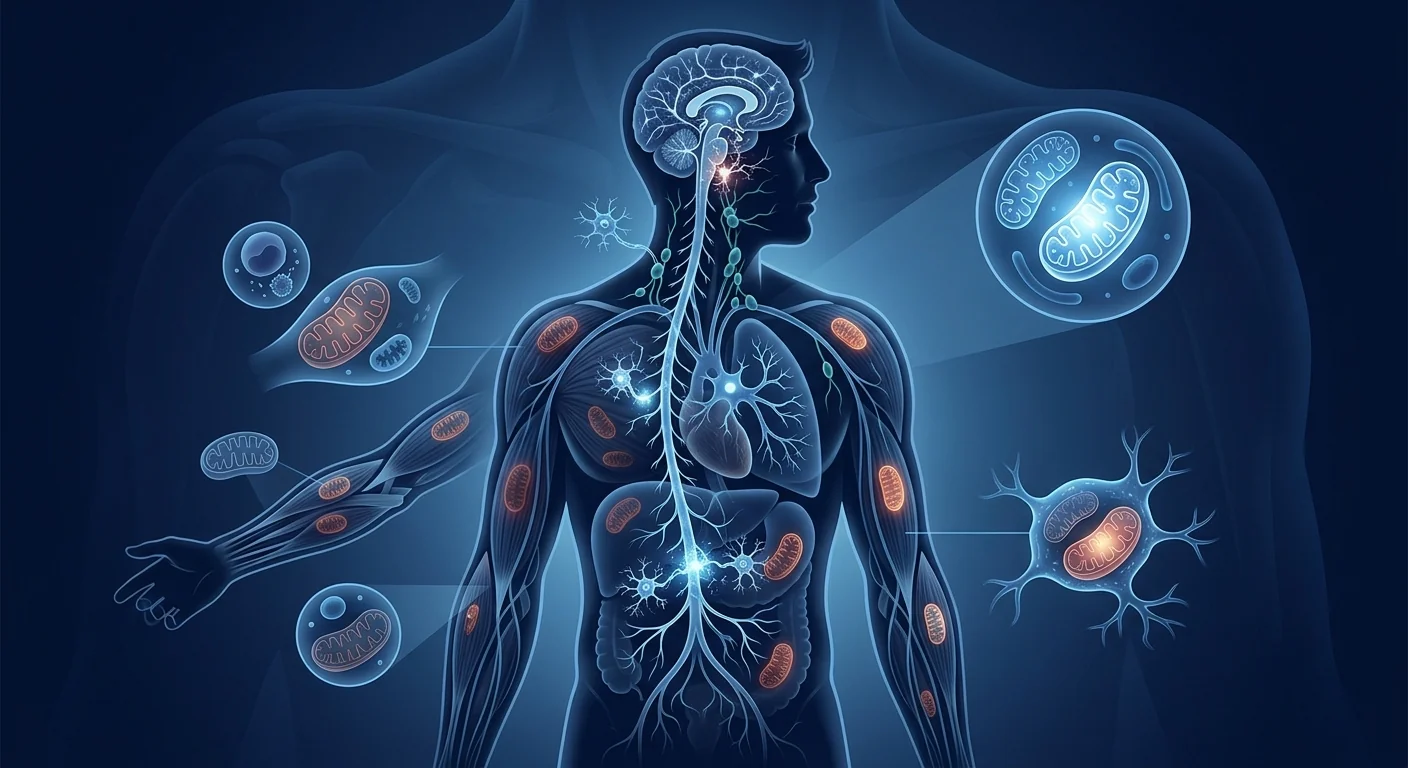
Stem Cell Therapy for Chronic Fatigue Syndrome (ME/CFS): Neuroimmune Dysfunction and MSC Immunomodulation
How MSCs target neuroinflammation, immune dysregulation, and mitochondrial failure — the honest evidence from preclinical and early clinical research.
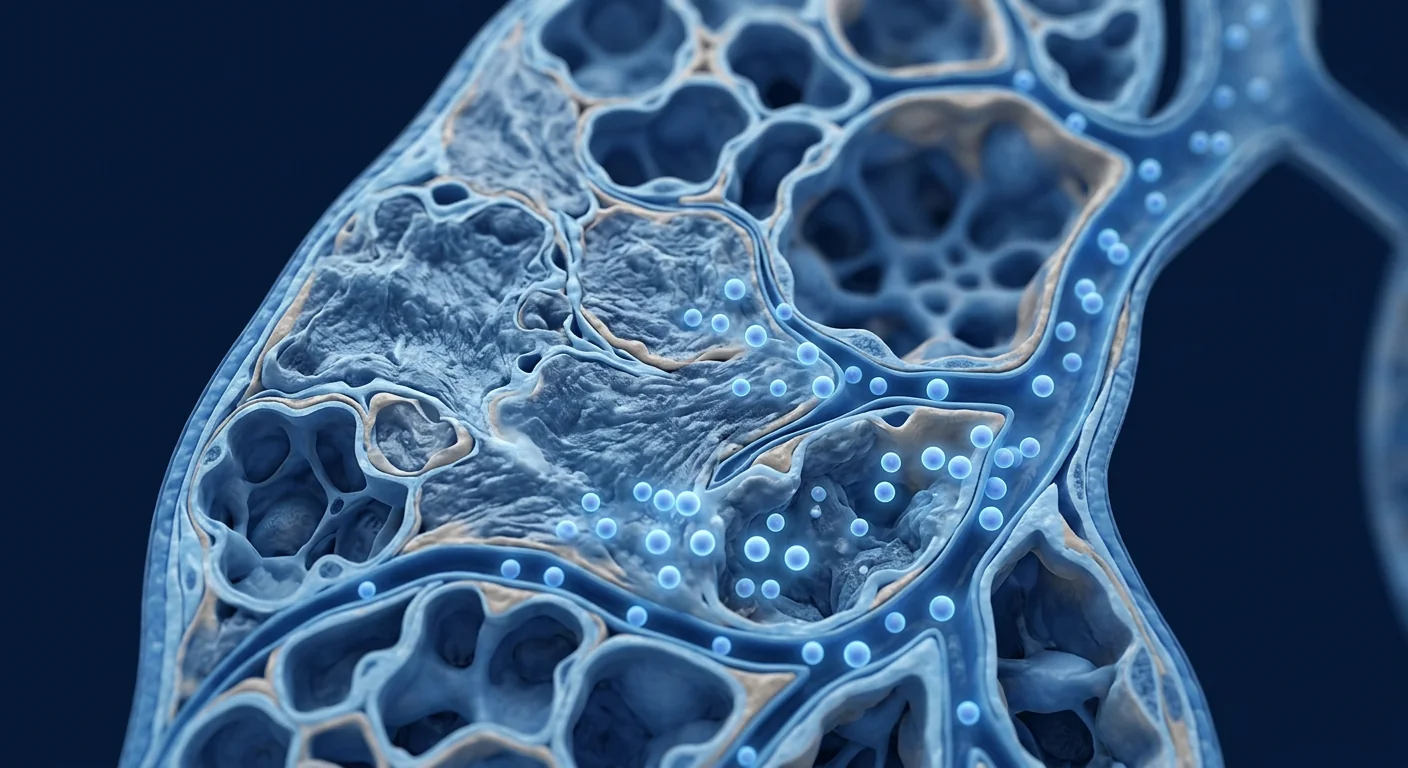
Stem Cell Therapy for Pulmonary Fibrosis: Can MSC Therapy Slow Lung Scarring?
How MSCs target the fibrotic cascade through HGF, KGF, and immunomodulation — early clinical evidence and honest limitations.
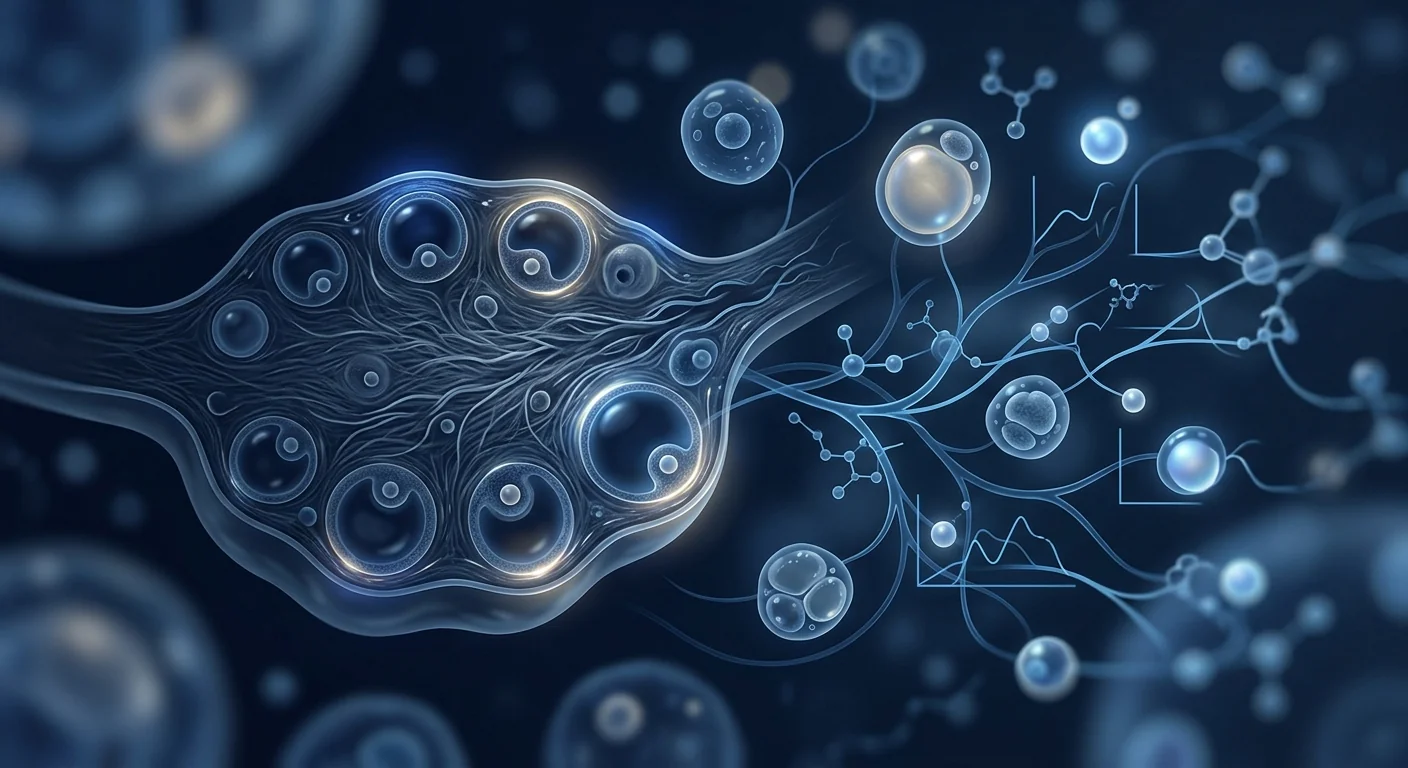
Stem Cell Therapy for PCOS: Ovarian Function, Hormonal Balance & Metabolic Health
How MSC therapy targets chronic inflammation, insulin resistance, and ovarian fibrosis in polycystic ovary syndrome — with 19 cited references.
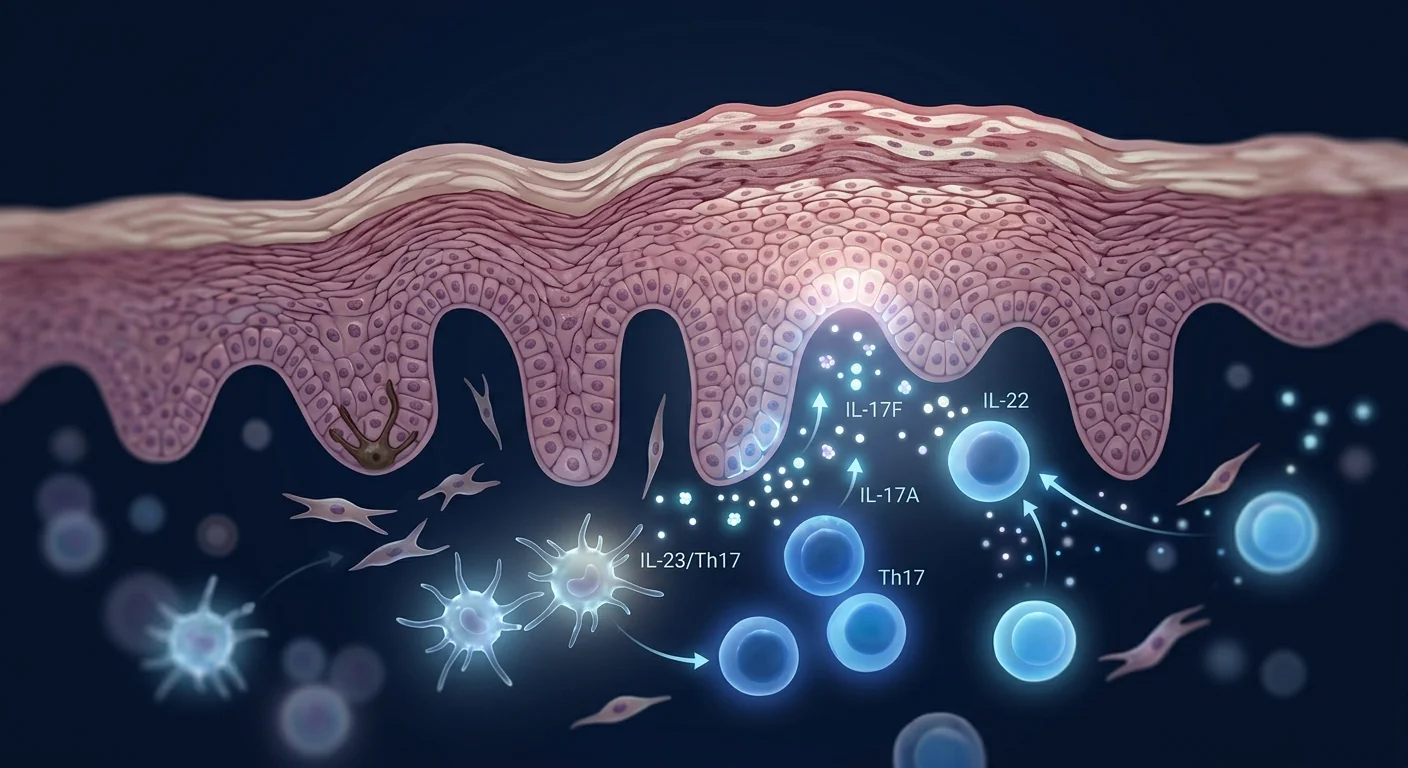
Stem Cell Therapy for Psoriasis: Immunomodulation, Skin Regeneration & Inflammation Control
How MSC therapy targets the IL-23/Th17 axis and calms keratinocyte hyperproliferation in psoriatic disease — with 19 cited references.
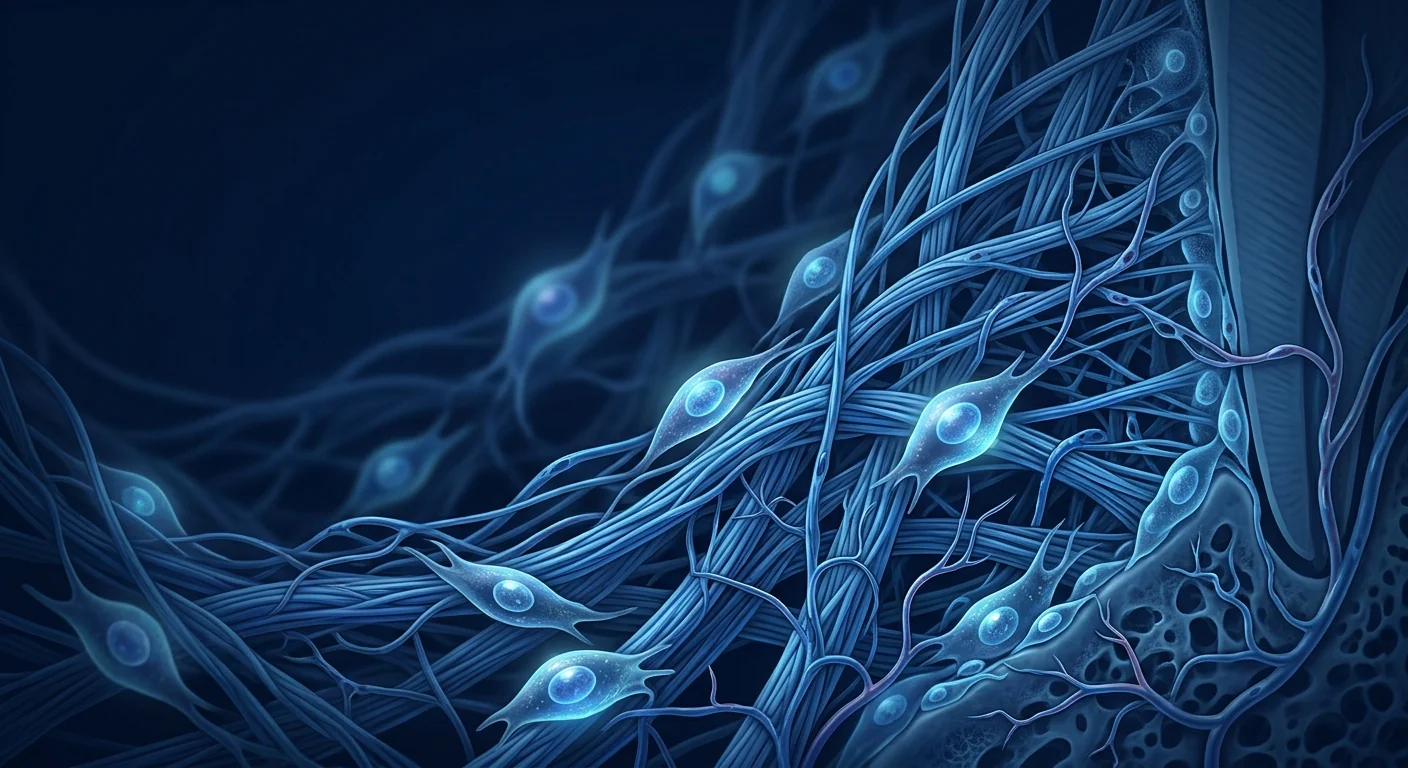
Stem Cell Therapy for Periodontal Regeneration: Gums, Bone, and Dental Tissue Repair
How MSCs support alveolar bone repair, gingival tissue regeneration, and periodontal ligament restoration — an evidence-based review with 15 cited references.
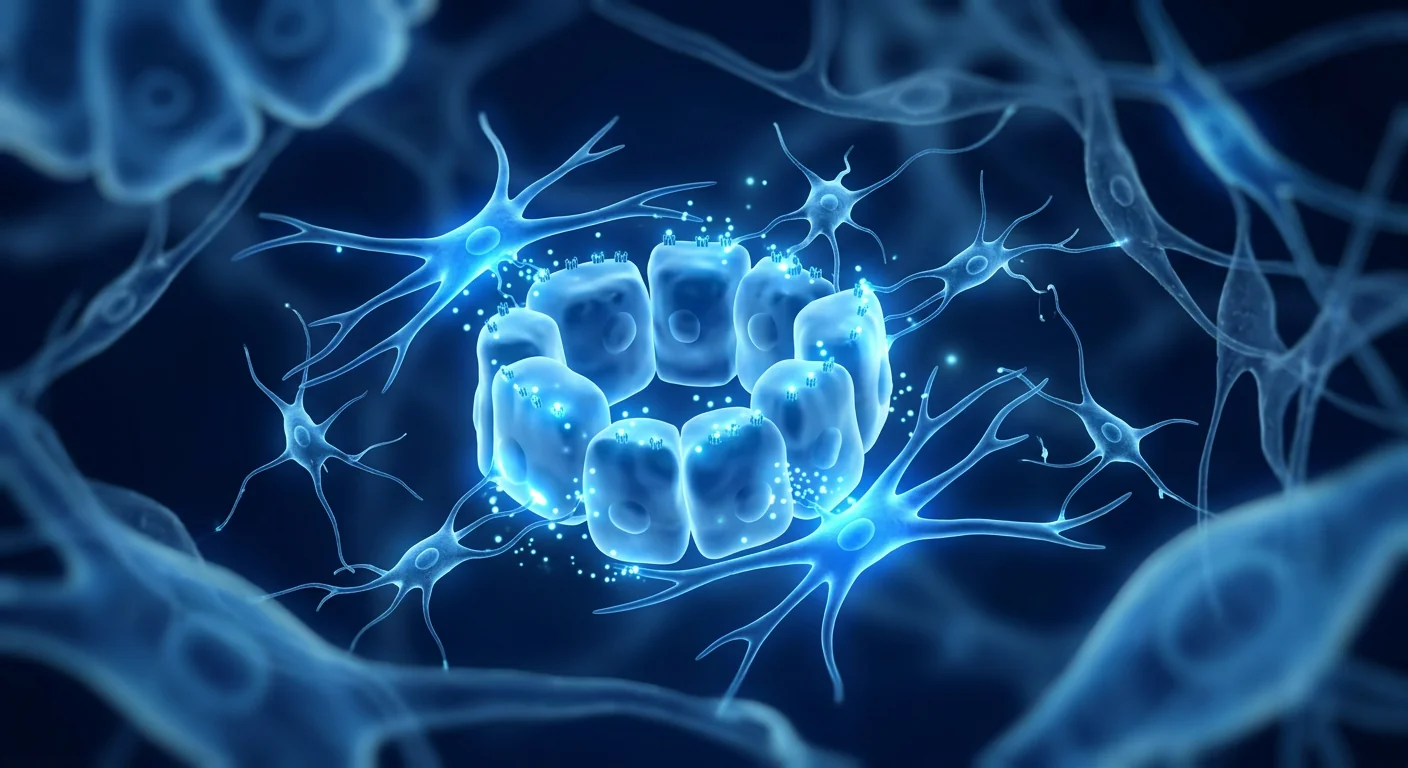
Stem Cell Therapy for Graves' Disease: MSC Treatment in Bangkok
How MSCs may reset immune tolerance in Graves' — calming thyroid overdrive and orbital inflammation at the autoimmune source.
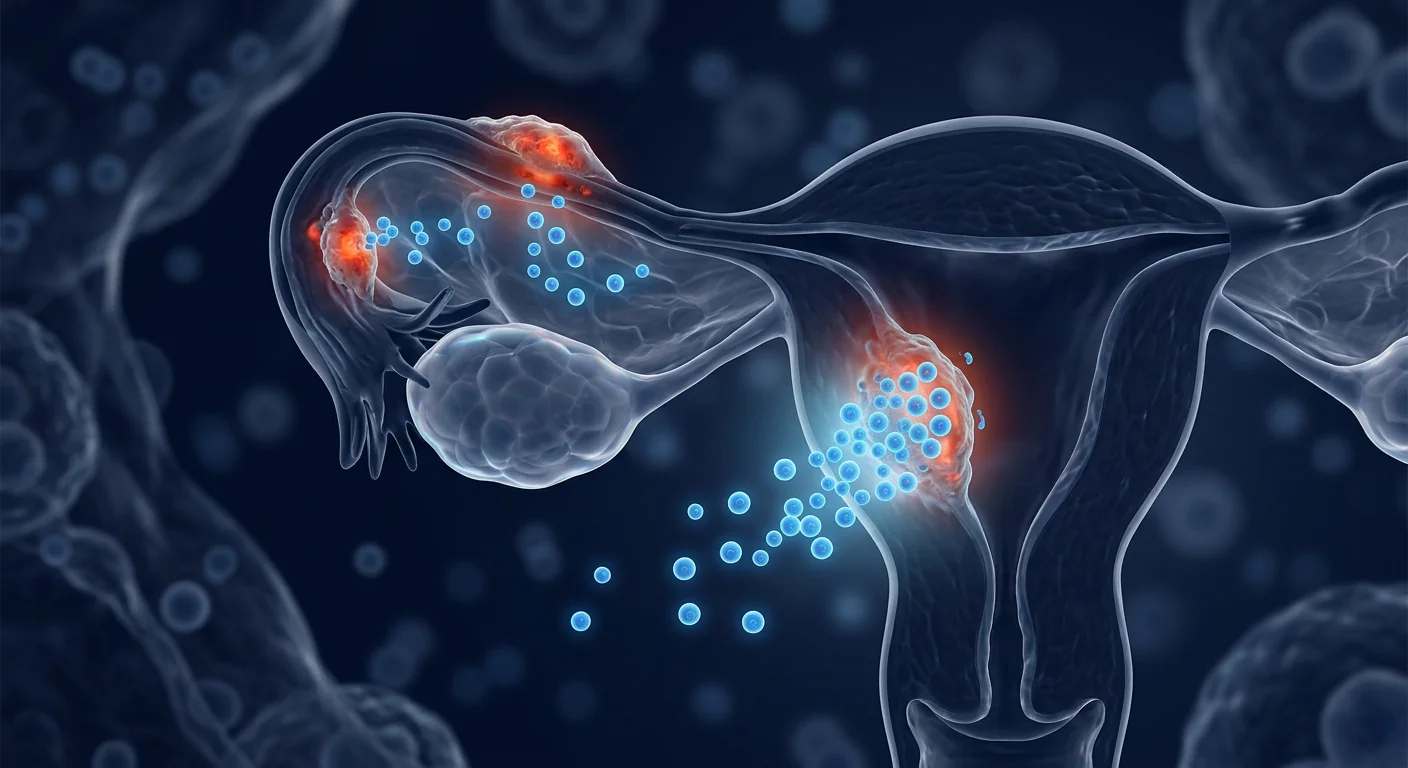
Stem Cell Therapy for Endometriosis
How MSCs target the chronic pelvic inflammation, scarring and immune dysregulation that drive endometriosis — the honest evidence for an investigational adjunct.
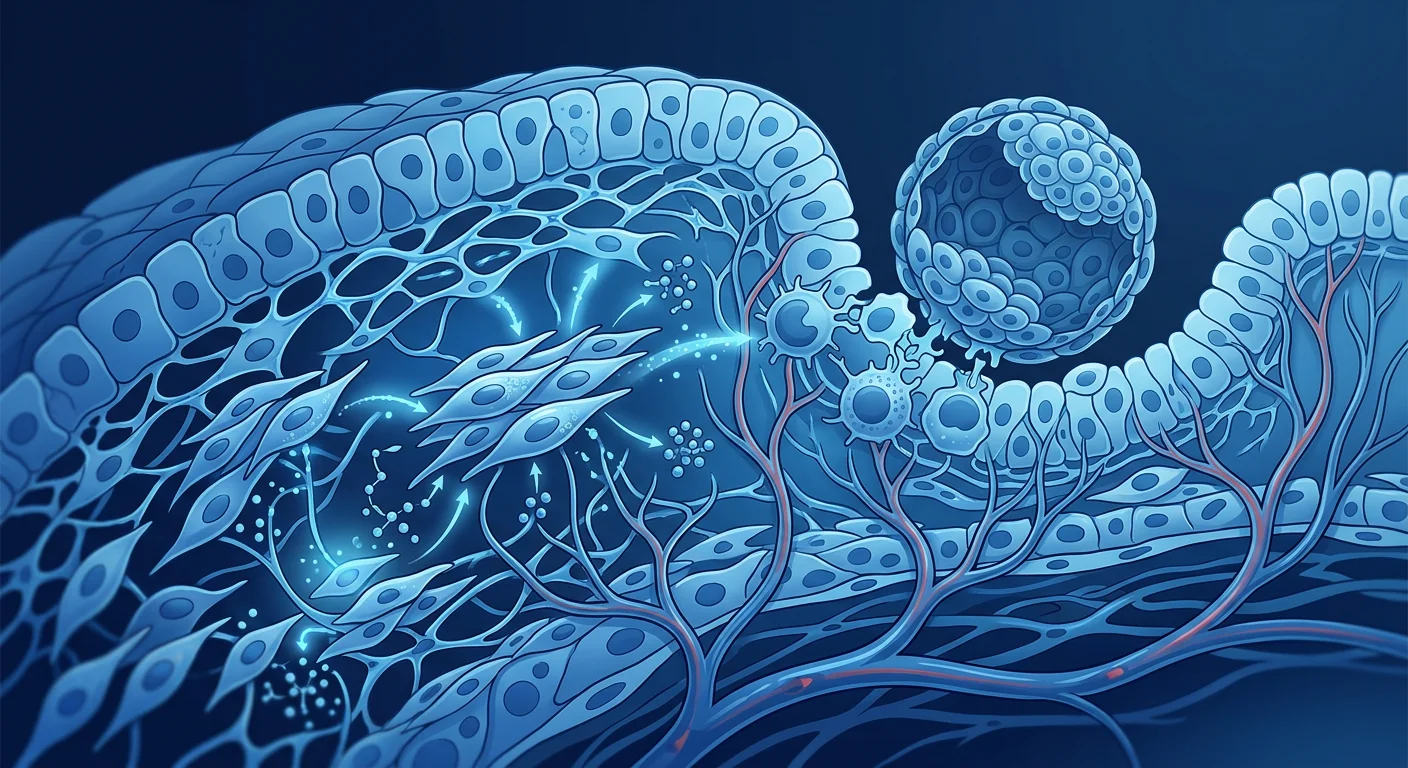
Stem Cell Therapy for Recurrent Pregnancy Loss (RPL)
How MSCs target endometrial receptivity, immune tolerance, and implantation failure.

Stem Cell Therapy for Athletic Performance Optimization
How MSC therapy supports mitochondrial efficiency, recovery, and inflammation control for elite athletes.
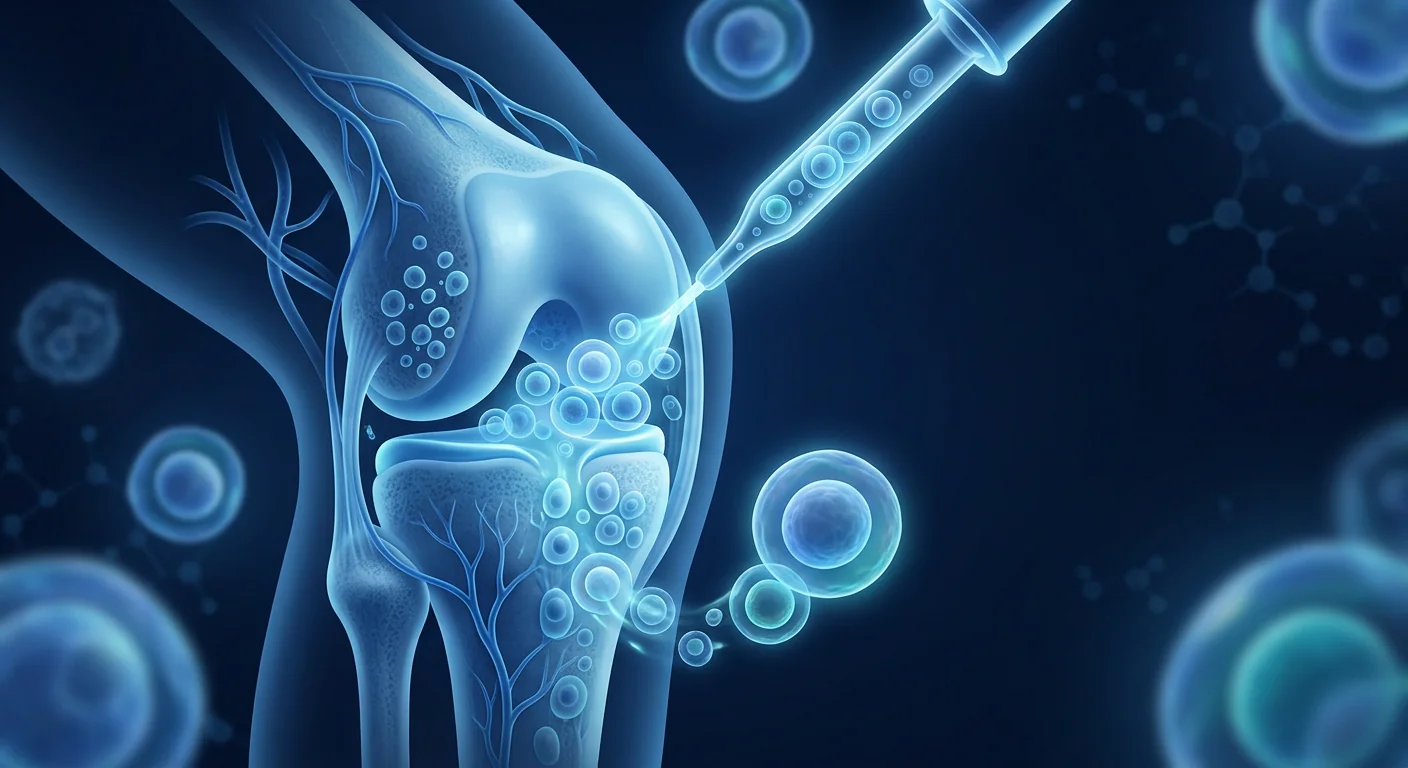
Stem Cell Therapy for Pediatric Conditions: MSC in Children's Medicine
How MSC therapy is being studied for cerebral palsy, autism, BPD, and genetic conditions — the evidence, safety considerations, and what families should know.
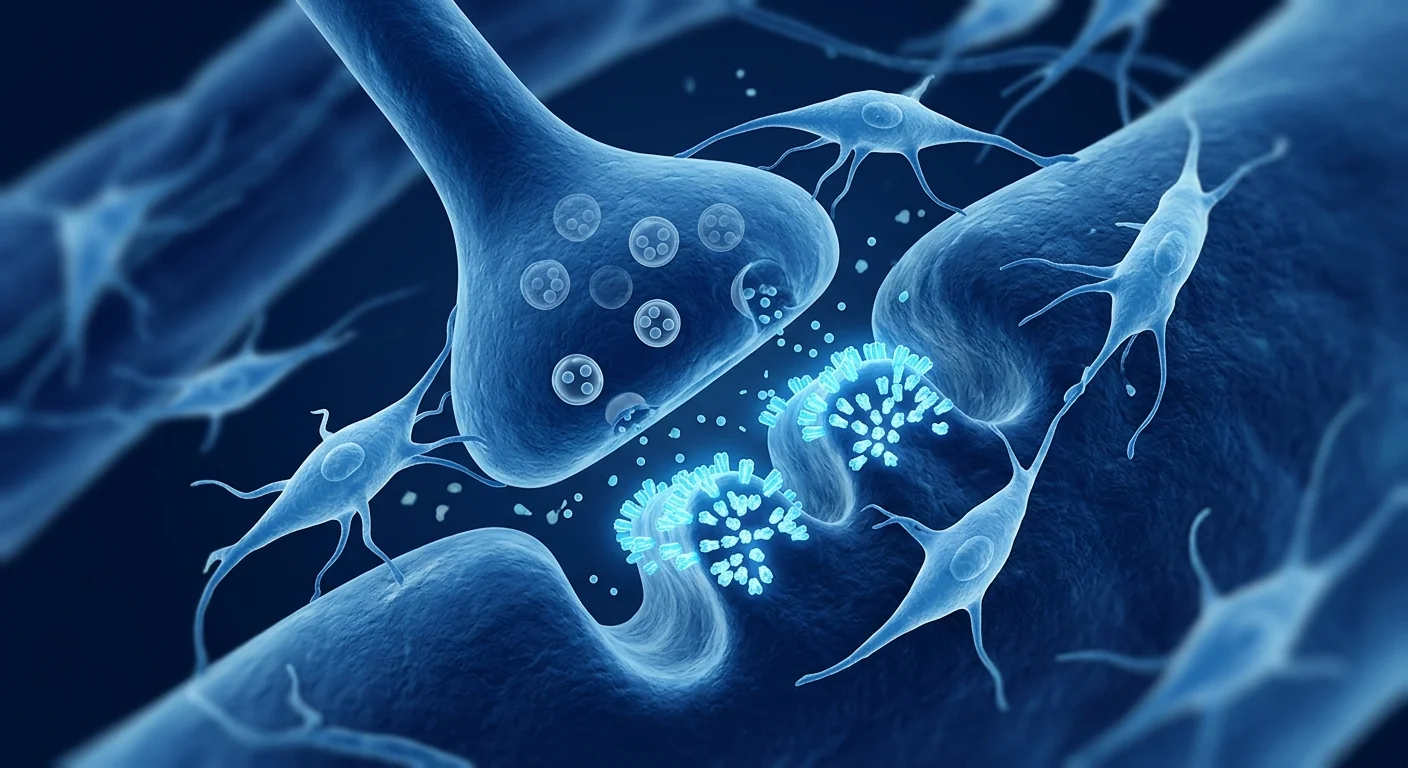
Stem Cell Therapy for Myasthenia Gravis: MSC Treatment in Bangkok
How MSCs may restore immune tolerance at the neuromuscular junction and reduce pathogenic autoantibodies.
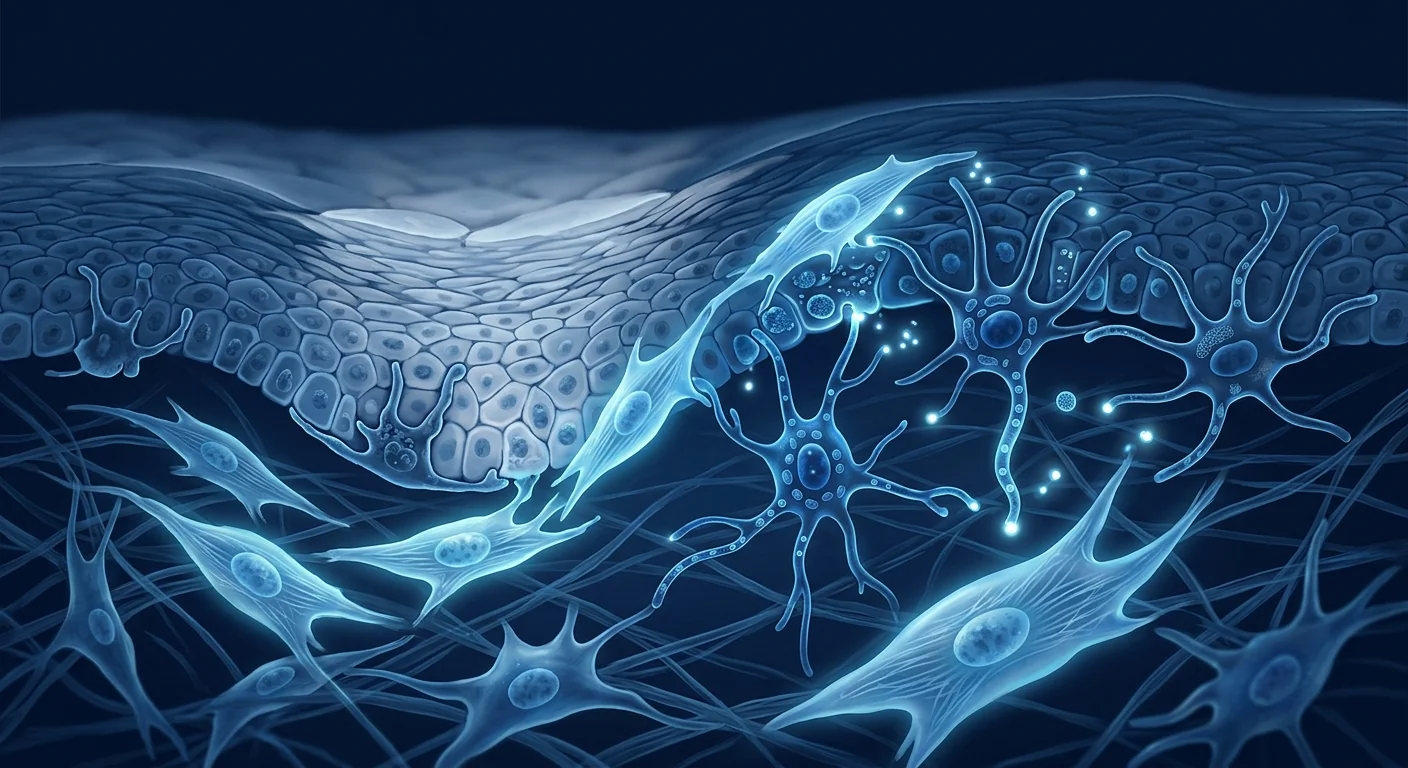
Stem Cell Therapy for Vitiligo: MSC Treatment in Bangkok
How MSCs may calm the autoimmune attack on melanocytes and restore skin pigmentation.
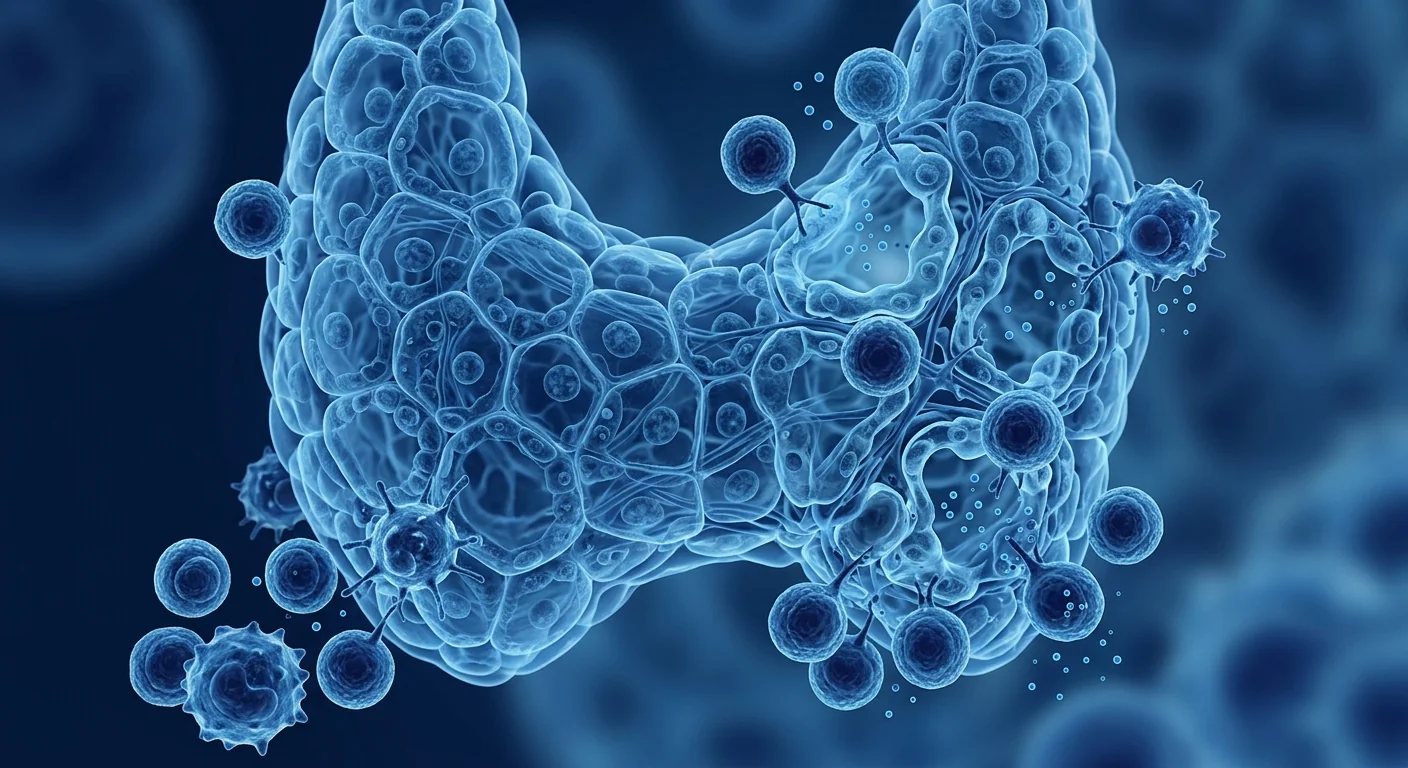
Stem Cell Therapy for Hashimoto's Thyroiditis: MSC Treatment in Bangkok
How MSCs may restore immune tolerance and preserve thyroid function in Hashimoto's — targeting the autoimmune process itself.
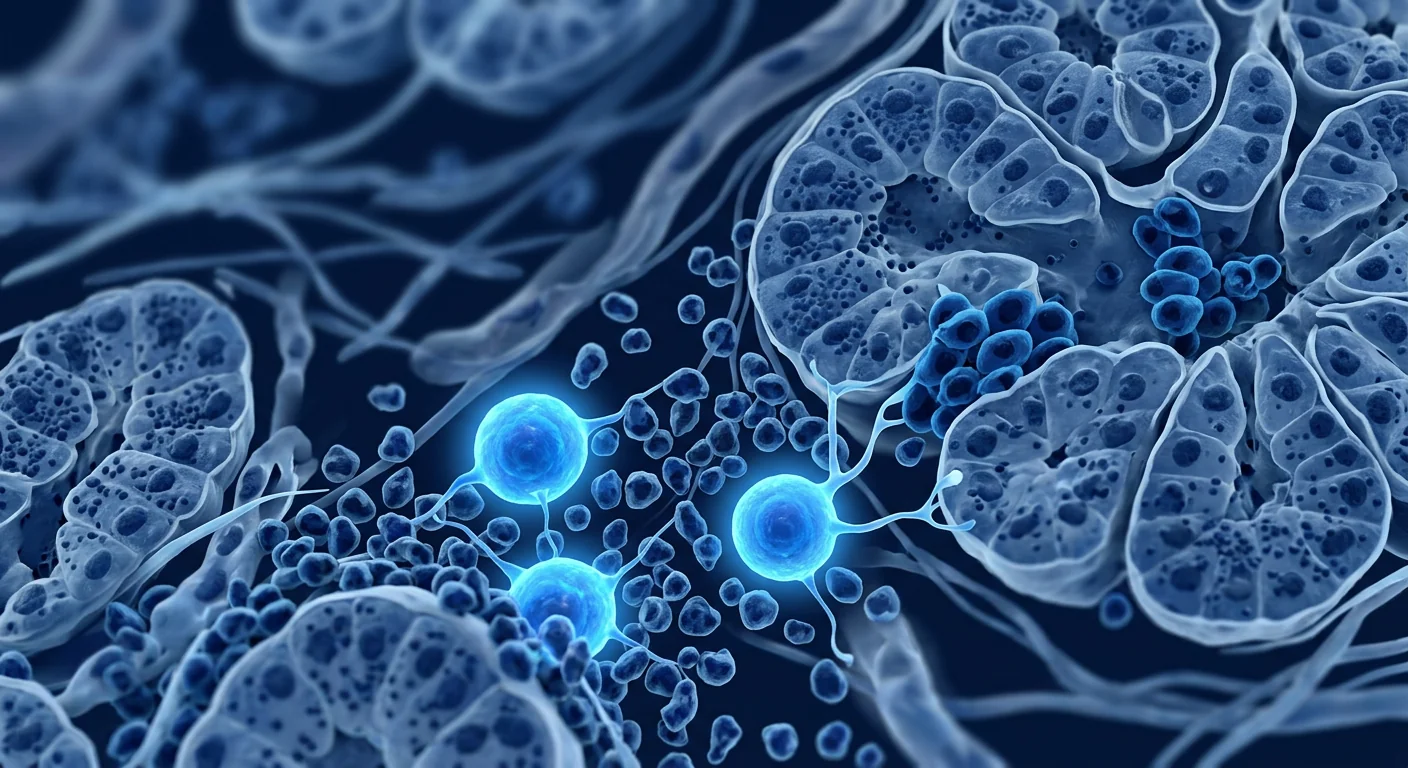
Stem Cell Therapy for Sjögren's Syndrome: MSC Treatment in Bangkok
How MSCs may quiet the autoimmune attack on salivary and lacrimal glands, restoring moisture at the tissue level.
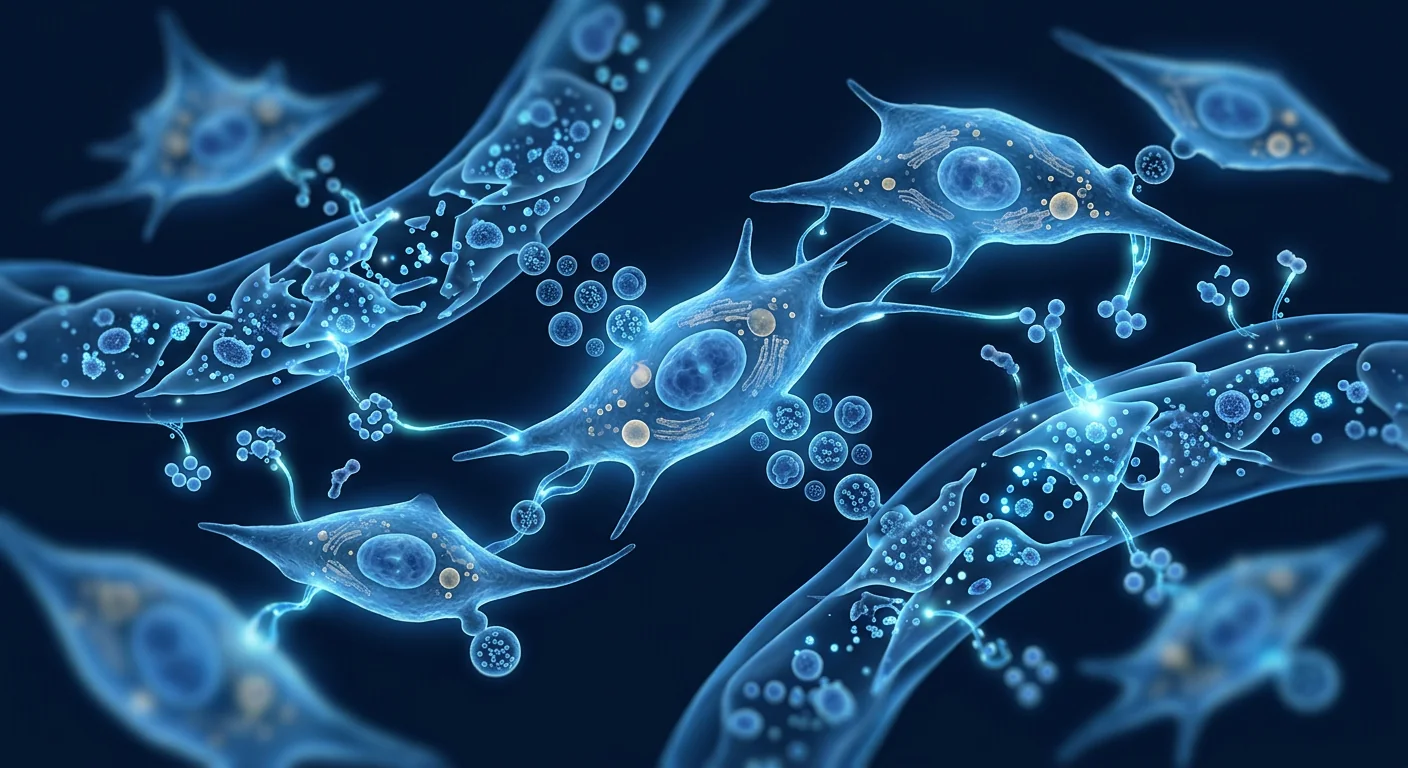
Combining MSC with Other Therapies
How MSCs work best as part of a coordinated strategy — with PRP, exosomes, peptides, NAD+, and evidence-based rehabilitation protocols.
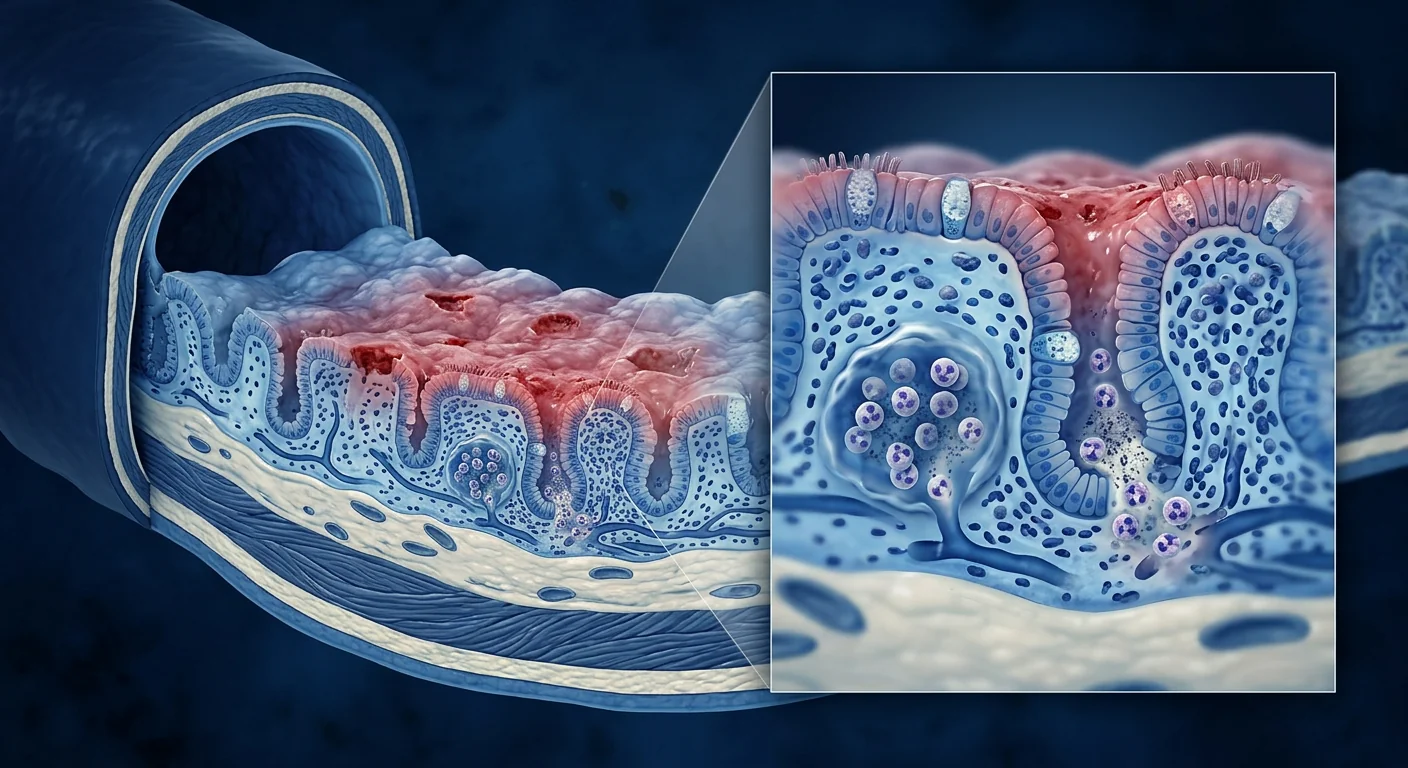
Stem Cell Therapy for Ulcerative Colitis: Immune Reset & Mucosal Healing
How MSCs target colonic inflammation at its source — modulating immunity and restoring the epithelial barrier.
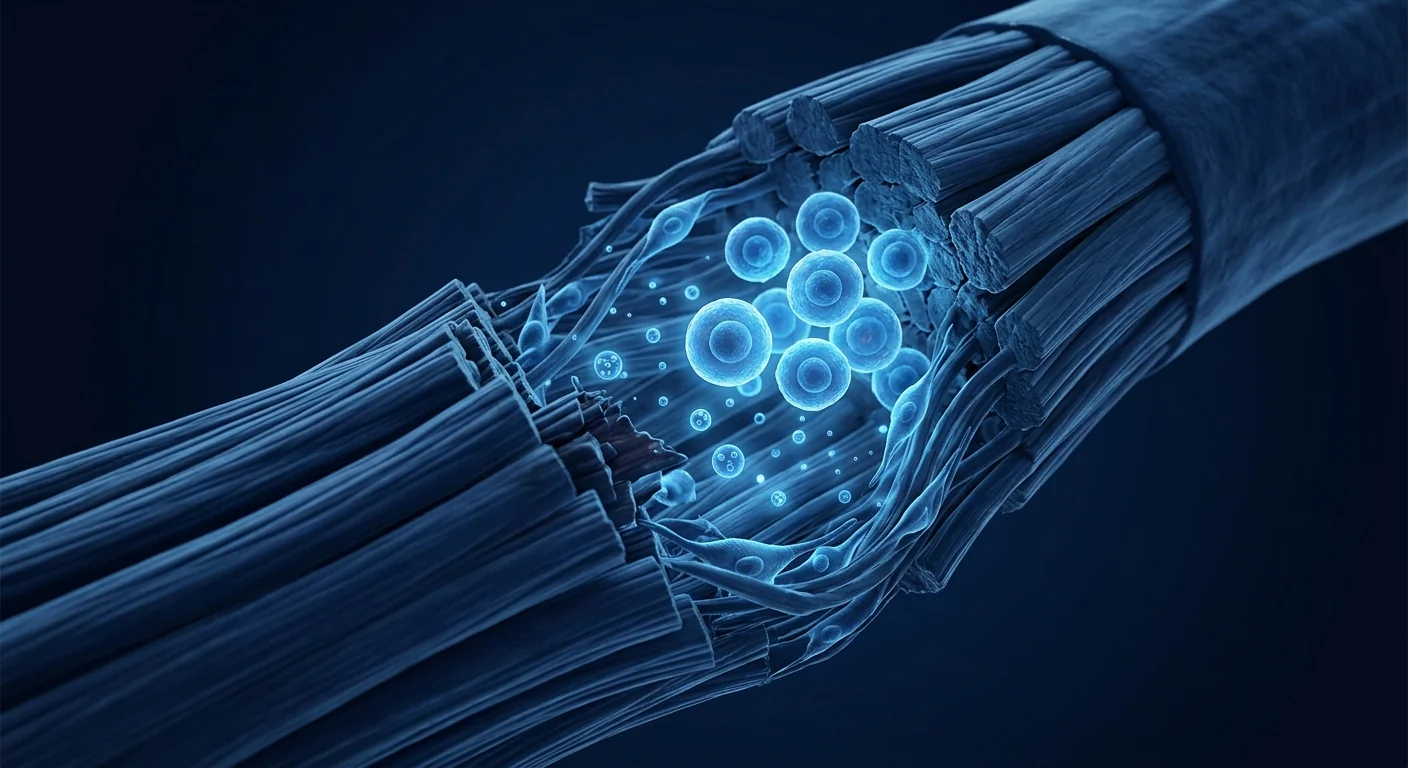
Stem Cell Therapy for Tendonitis & Tendon Injuries: Repair and Regeneration
How MSCs promote tendon repair, collagen regeneration, and functional recovery in chronic tendinopathy.
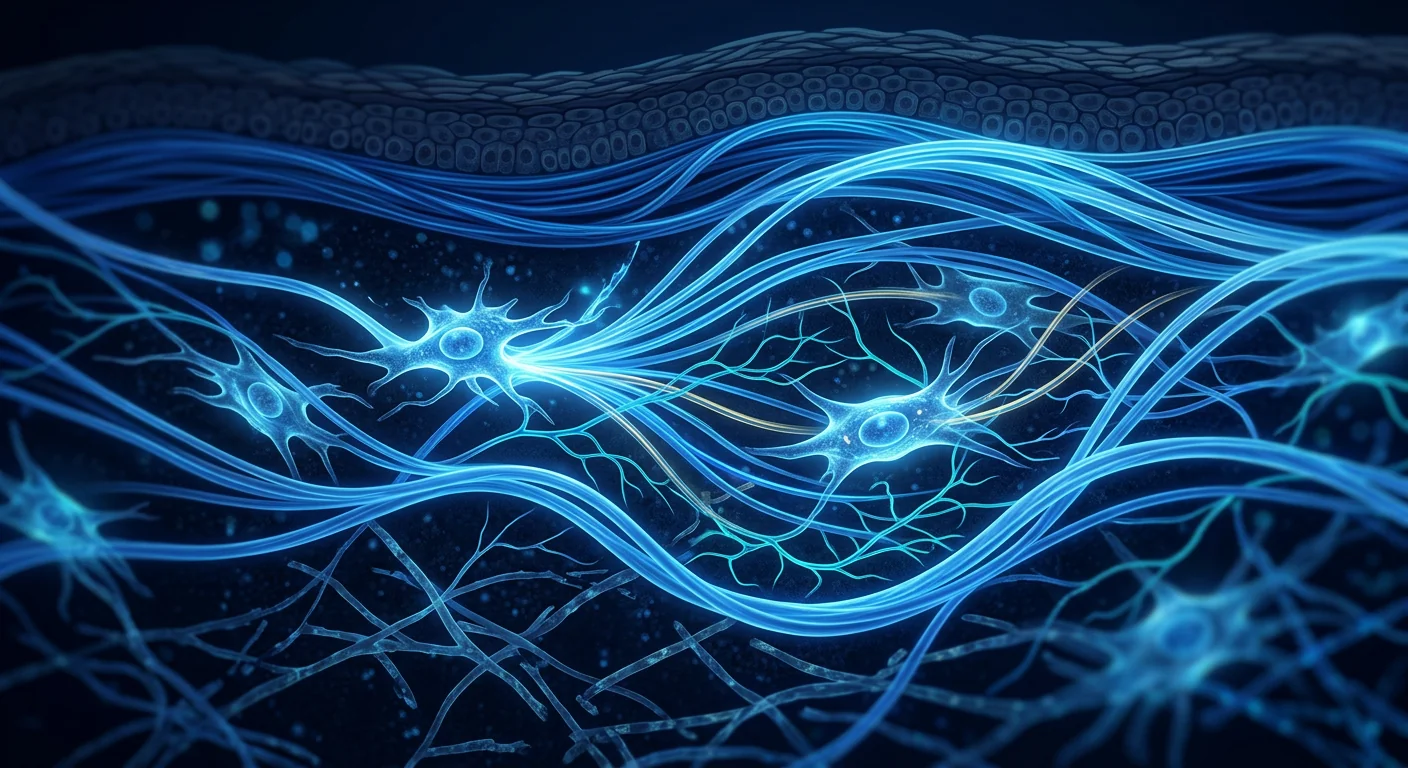
Stem Cell Therapy for Skin Rejuvenation: MSC Science in Dermal Regeneration
How MSC therapy supports collagen remodeling, fibroblast activation, and dermal regeneration — a clinical guide to regenerative aesthetics.
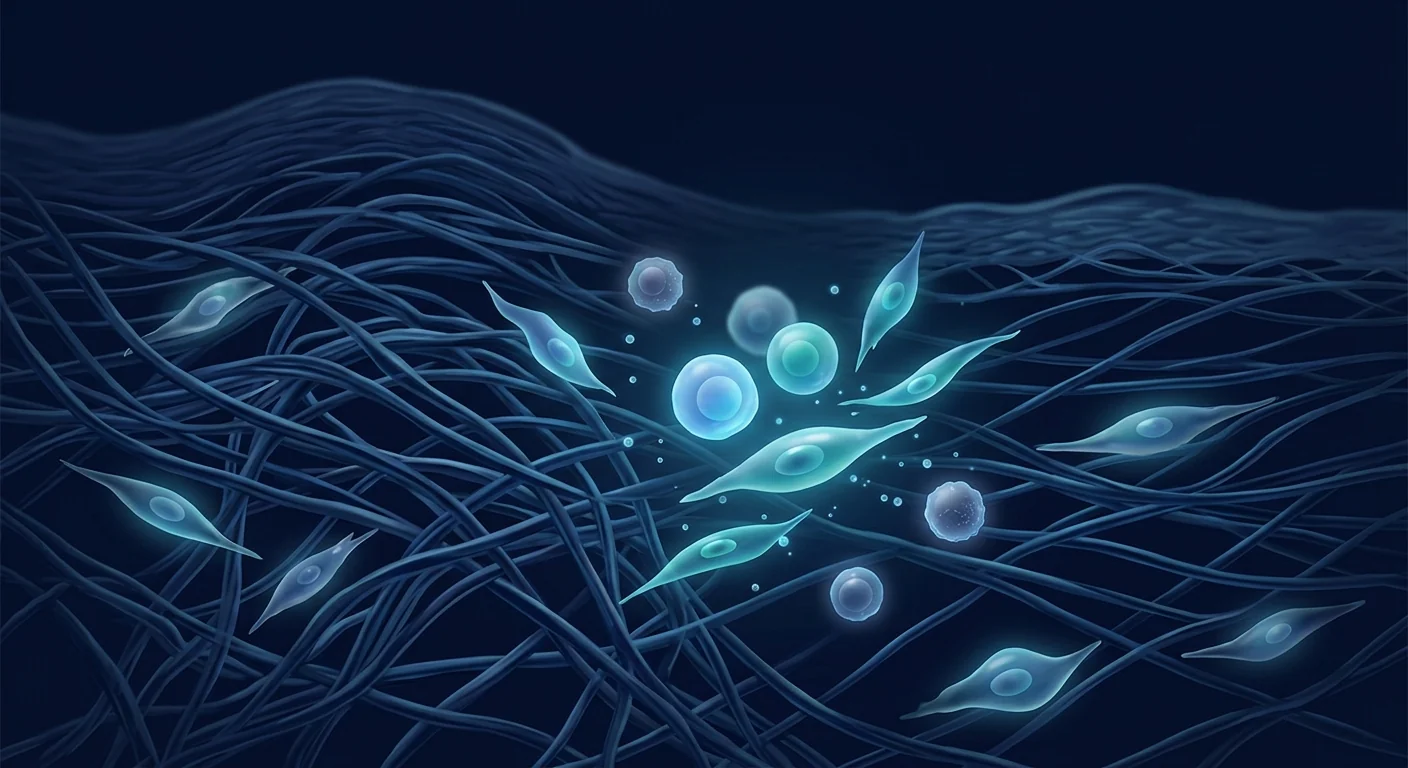
Stem Cell Therapy for Scleroderma: MSC Approaches to Systemic Sclerosis
How MSC therapy targets the autoimmune-driven fibrosis at the core of scleroderma — from skin thickening to organ involvement.
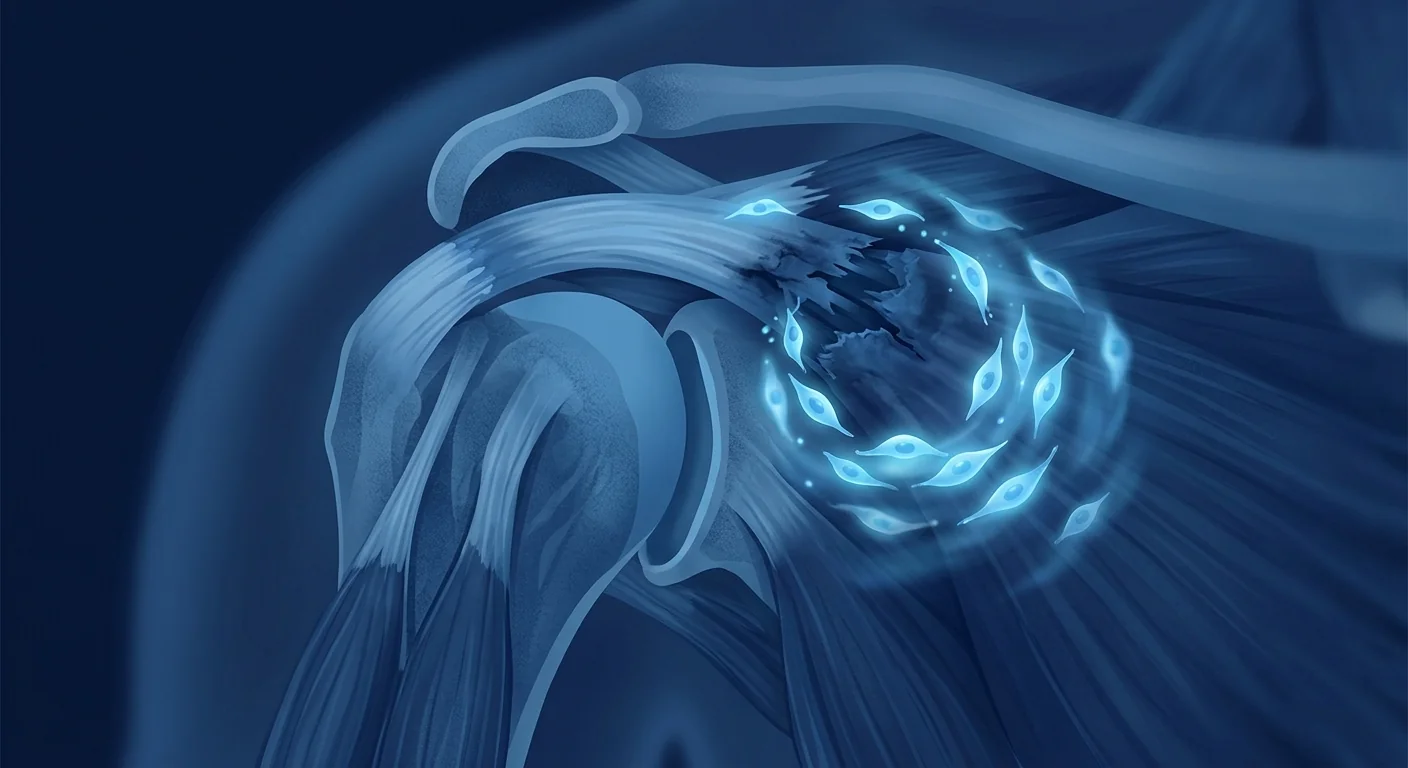
Stem Cell Therapy for Rotator Cuff Injury: Healing Without Surgery
How MSC therapy supports tendon-to-bone healing in partial and full-thickness rotator cuff tears — with 15 cited references.
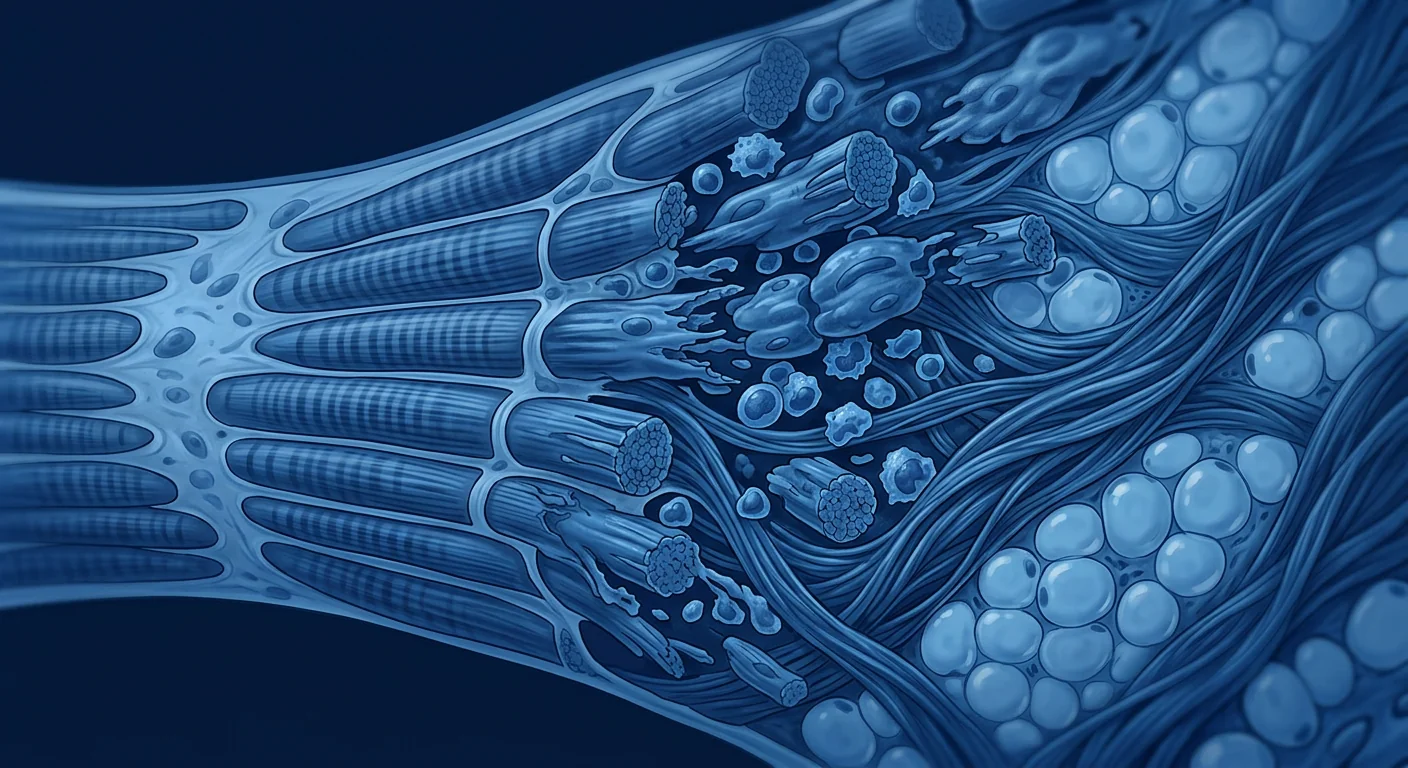
Stem Cell Therapy for Muscular Dystrophy: Inflammation, Fibrosis & MSC Disease Modification
How MSC therapy targets the inflammatory-fibrotic cascade in Duchenne, Becker, LGMD, and FSHD — with 18 cited references.
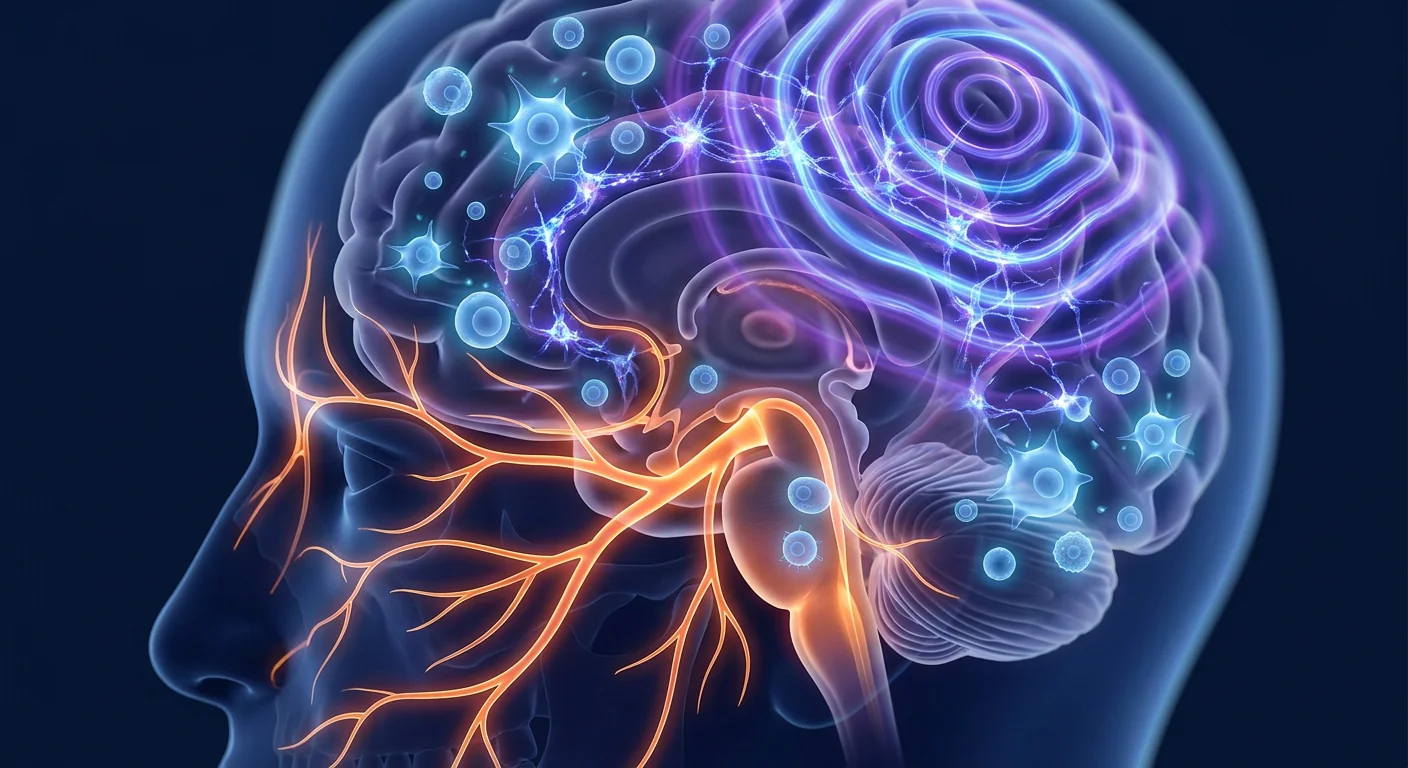
Stem Cell Therapy for Migraine & Chronic Headache: CGRP, Neuroinflammation & MSC Modulation
How MSC therapy targets neuroinflammation, blood-brain barrier integrity, and trigeminal pain pathways in migraine — with 18 cited references.
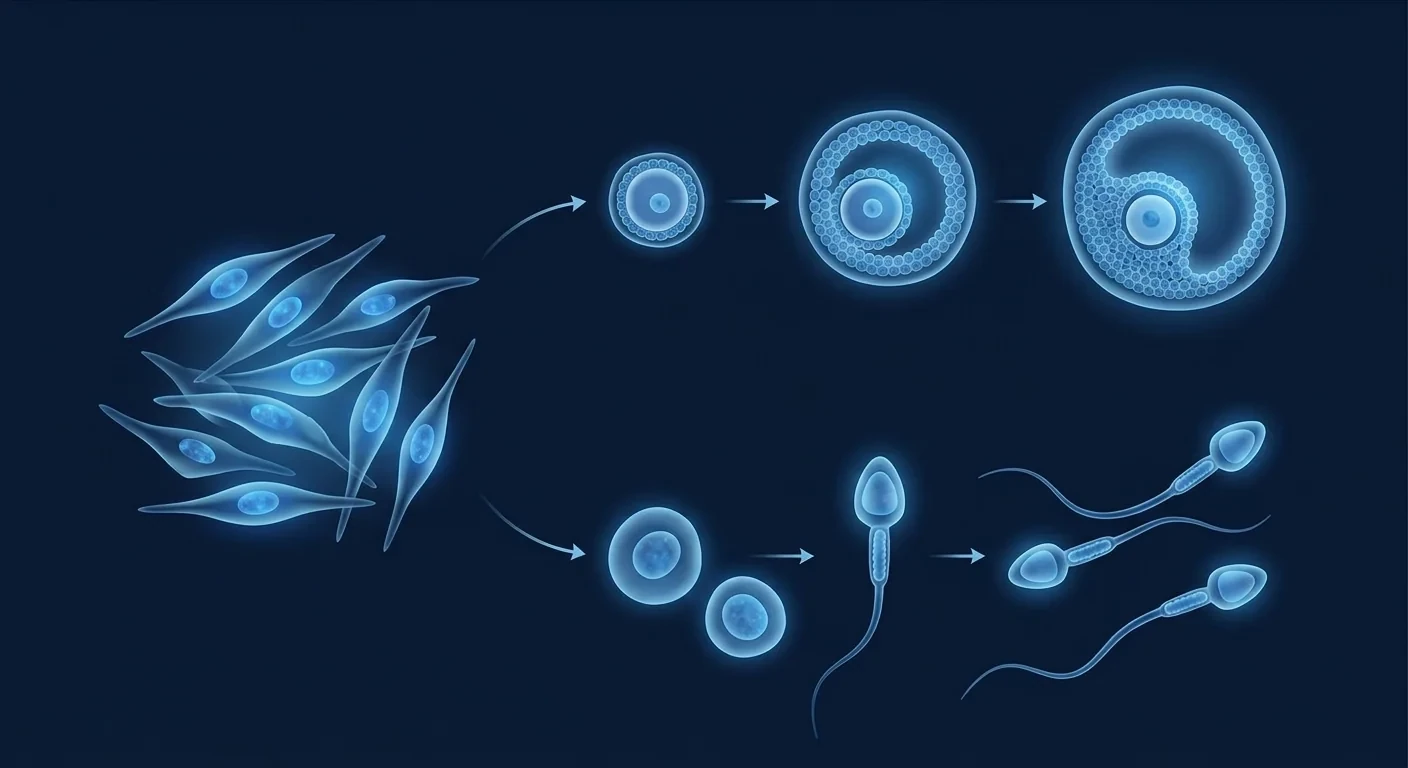
Stem Cell Therapy for Infertility: Restoring Reproductive Function
How MSC therapy supports ovarian follicle regeneration, spermatogenesis restoration, and endometrial repair — with 20 cited references.
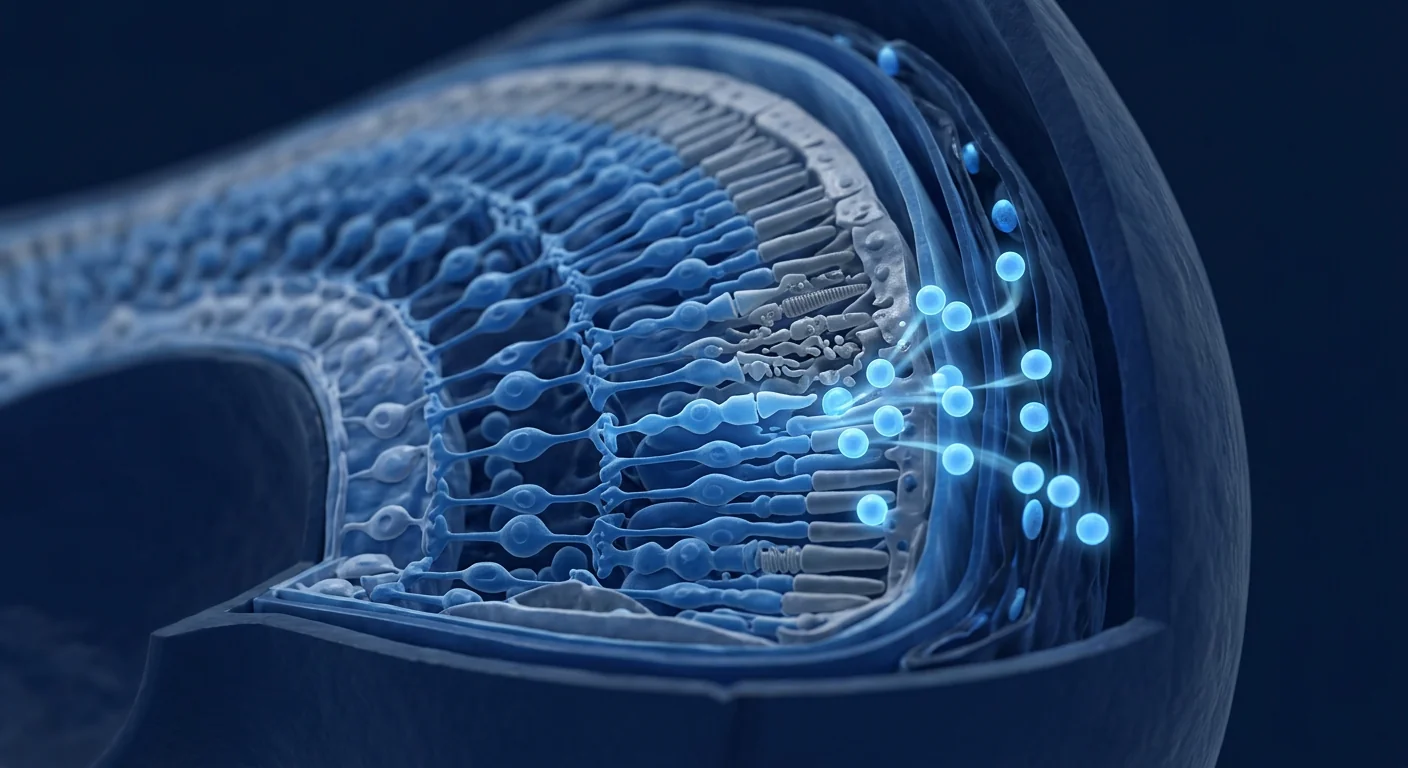
Stem Cell Therapy for Macular Degeneration: Retinal Regeneration & Vision Preservation
How MSC therapy supports retinal pigment epithelium survival and modulates neuroinflammation in age-related macular degeneration — with 15 cited references.
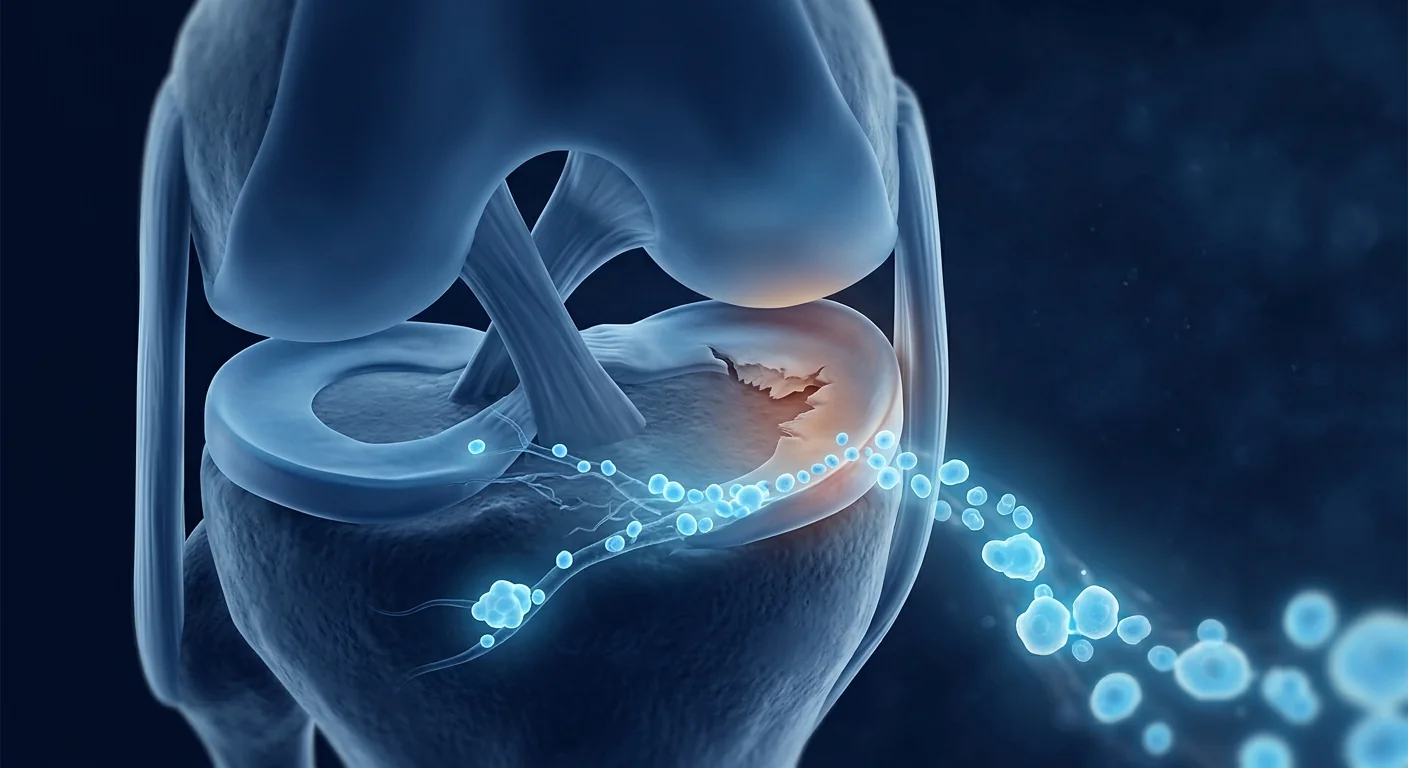
Stem Cell Therapy for Meniscus Tear & Cartilage Injury: Regeneration Without Surgery
How MSC therapy repairs meniscus tears and cartilage damage — a regenerative alternative to arthroscopic partial meniscectomy with 18 cited references.
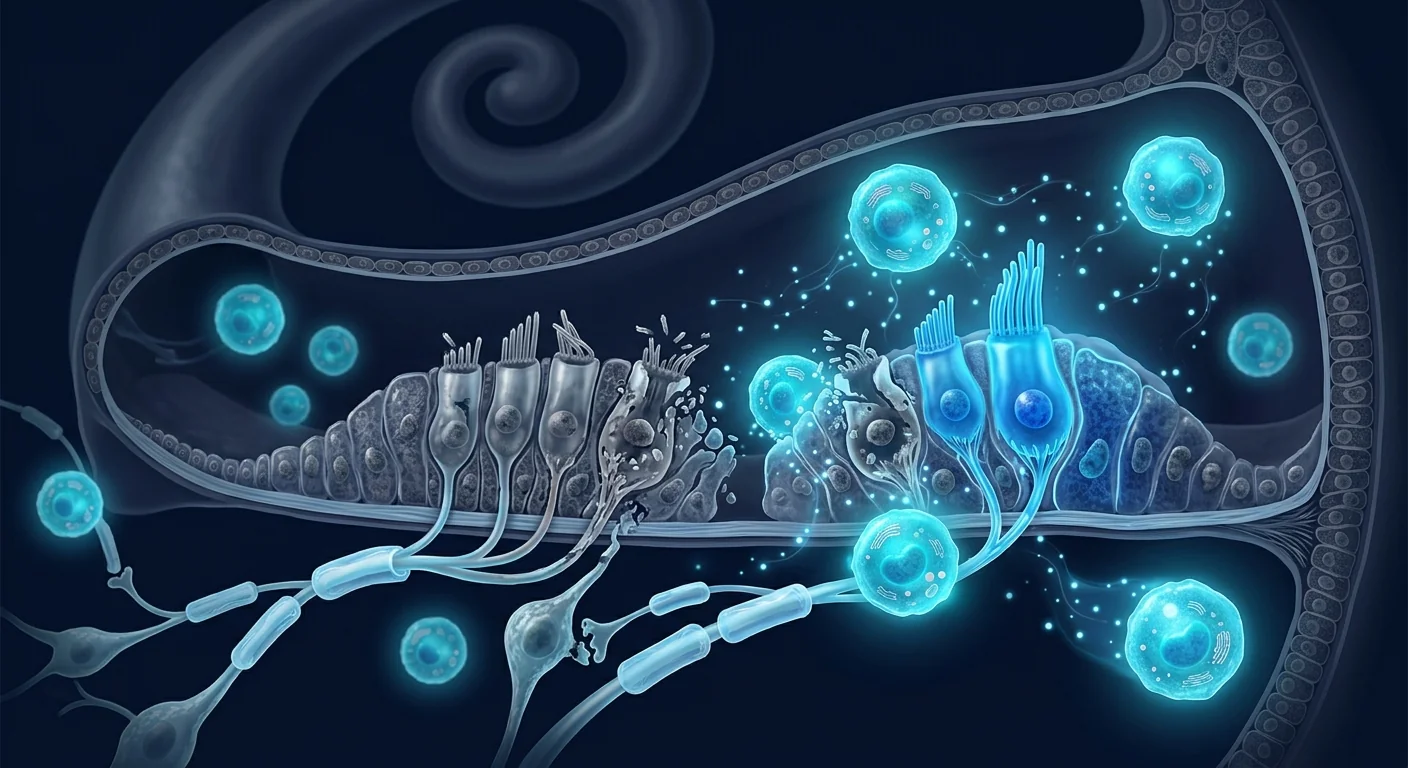
Stem Cell Therapy for Hearing Loss & Tinnitus: Cochlear Regeneration & Auditory Nerve Repair
How MSCs support hair cell survival, spiral ganglion neuron protection, and cochlear anti-inflammatory repair — an evidence-based review with 20 cited references.
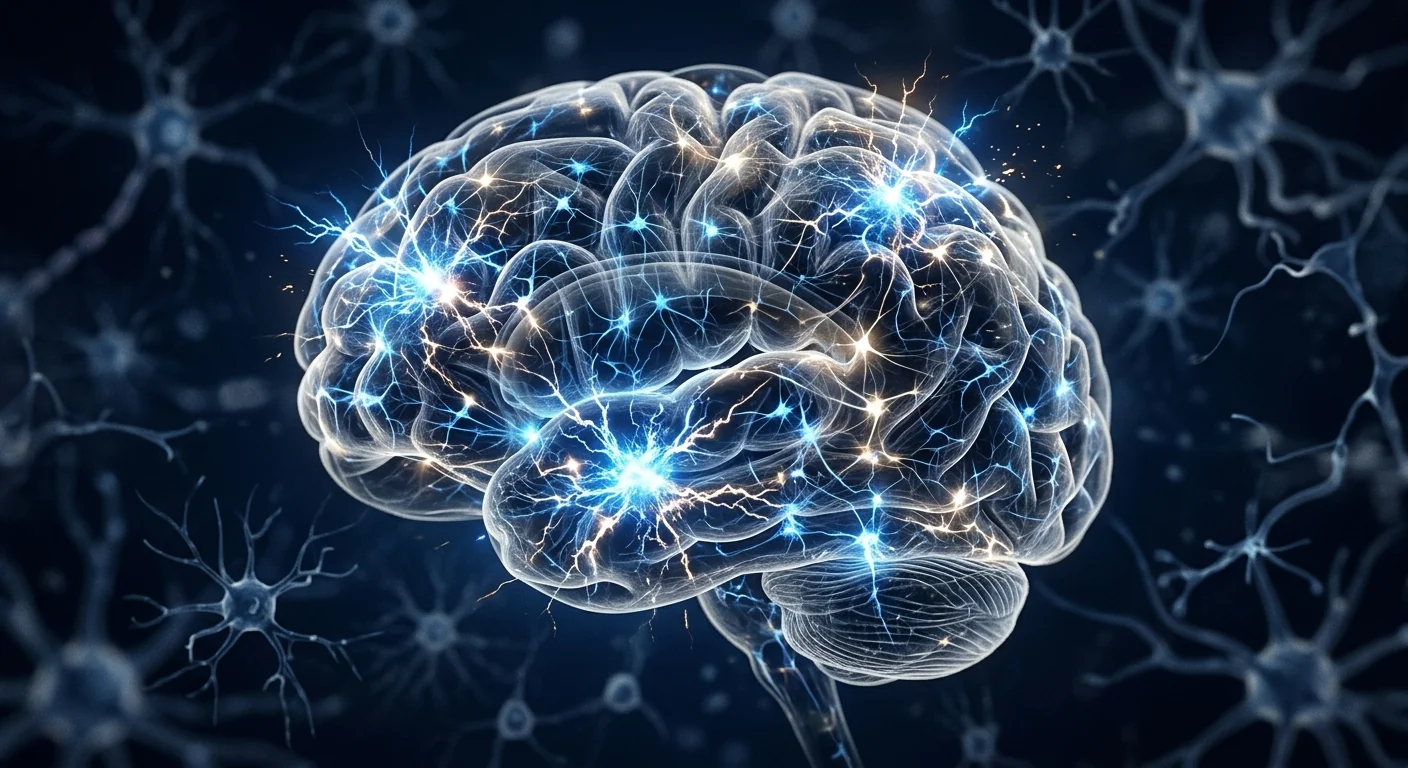
Stem Cell Therapy for Epilepsy: Seizure Control & Neural Repair
How MSCs target neuroinflammation, preserve GABAergic neurons, repair the blood-brain barrier, and reduce seizure frequency — an evidence-based review with 20 cited references.
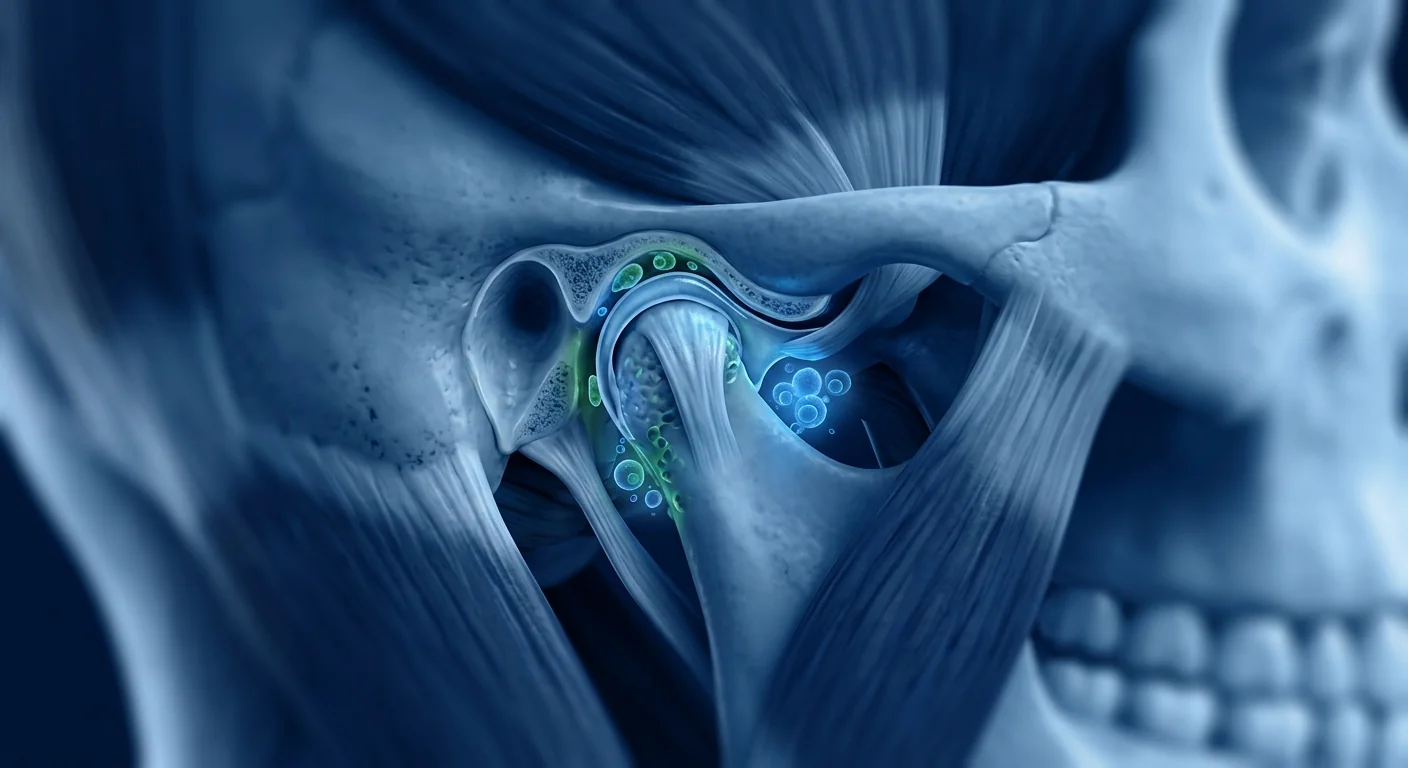
Stem Cell Therapy for TMJ Disorder: Jaw Pain & Dysfunction
How MSCs target inflammation, cartilage degradation, and disc pathology in the temporomandibular joint.
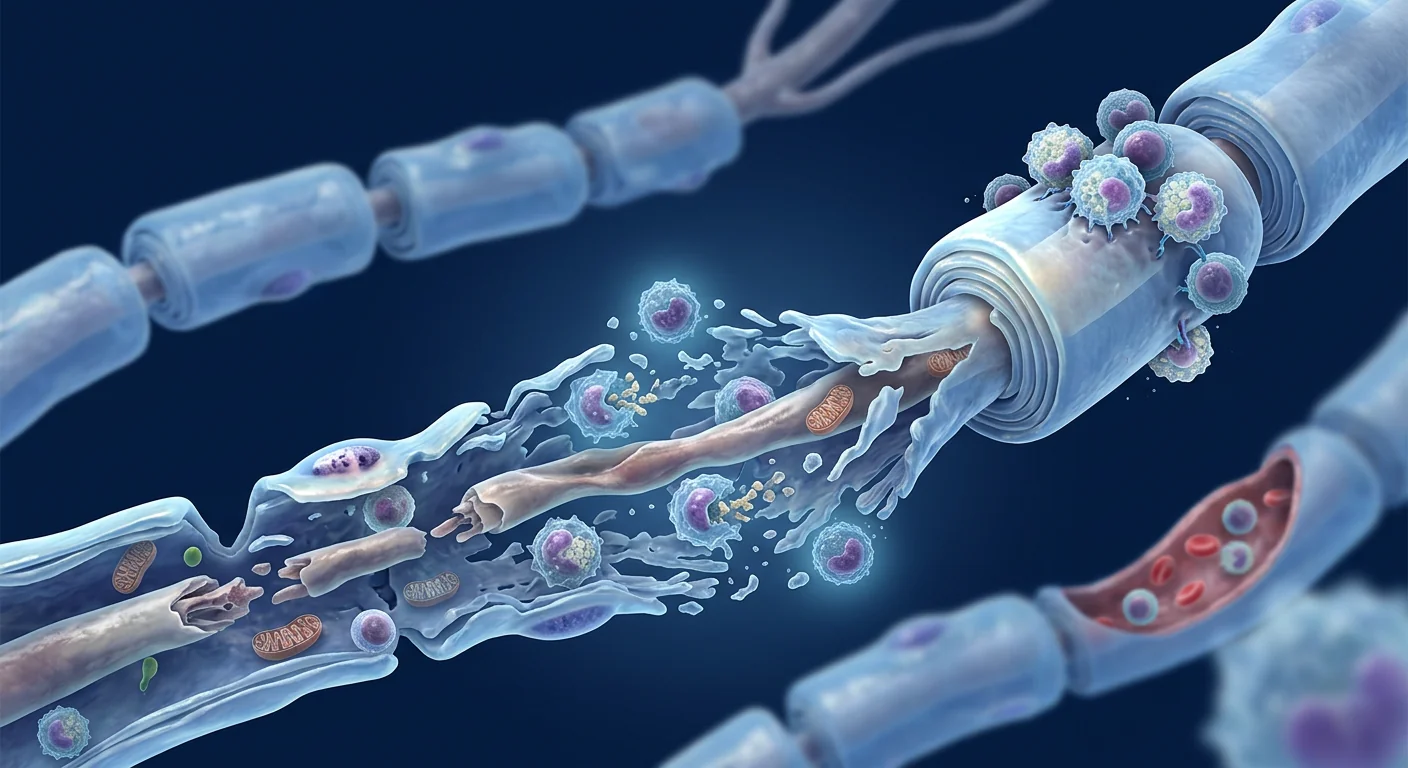
Stem Cell Therapy for Guillain-Barré Syndrome: MSC Treatment for Autoimmune Neuropathy
How MSCs modulate the immune attack on peripheral nerves, promote remyelination, and accelerate neurological recovery after GBS.
Stem Cell Therapy for Chronic Pancreatitis: Inflammation Control and Tissue Regeneration
How MSCs target pancreatic fibrosis, suppress stellate cell activation, and reduce chronic pain — an evidence-based review with 20 cited references.
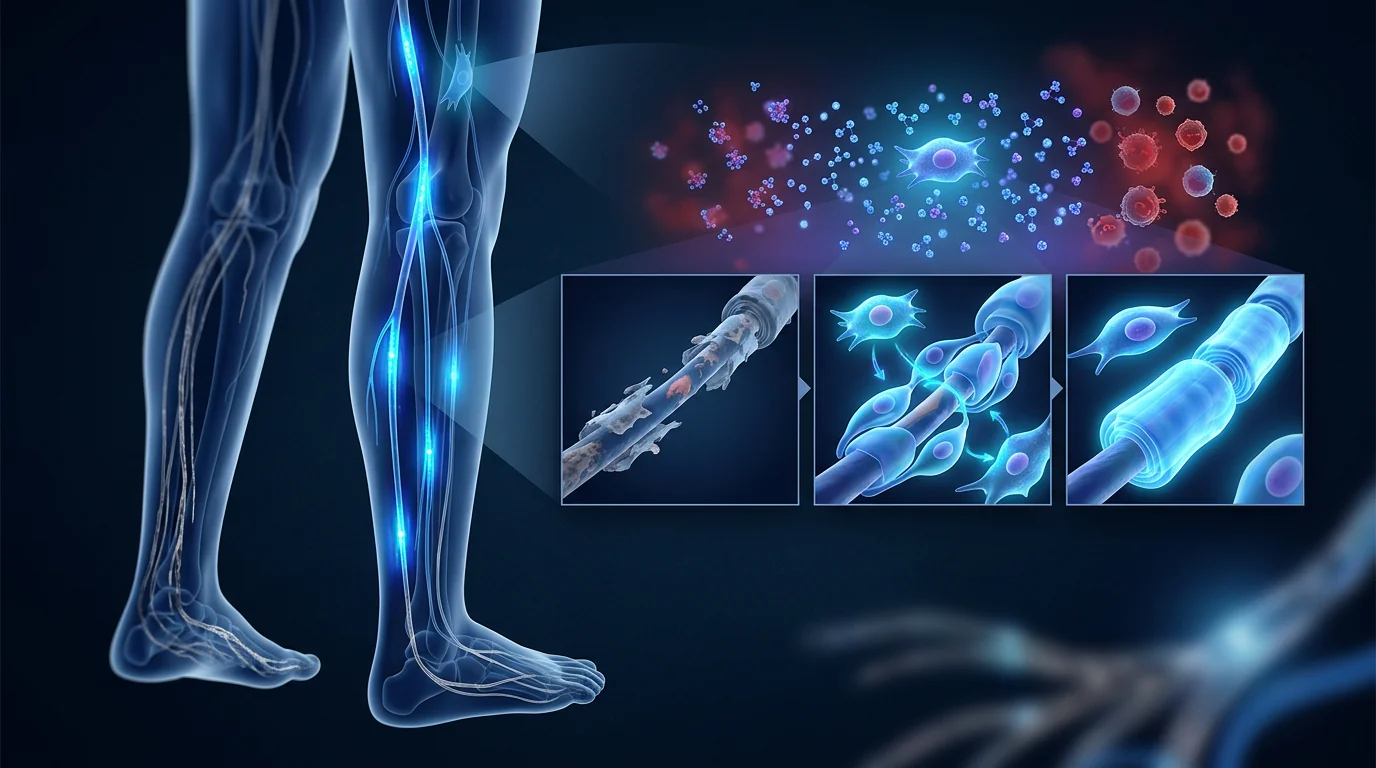
Stem Cell Therapy for Peripheral Neuropathy: Nerve Regeneration and Pain Reduction
How mesenchymal stem cells promote axonal regeneration, remyelination, and neuropathic pain reduction — an evidence-based review with 17 cited references.
Stem Cell Therapy for Cerebral Palsy
How MSC therapy targets neuroinflammation, supports neural repair, and improves motor function in children and adults with cerebral palsy.
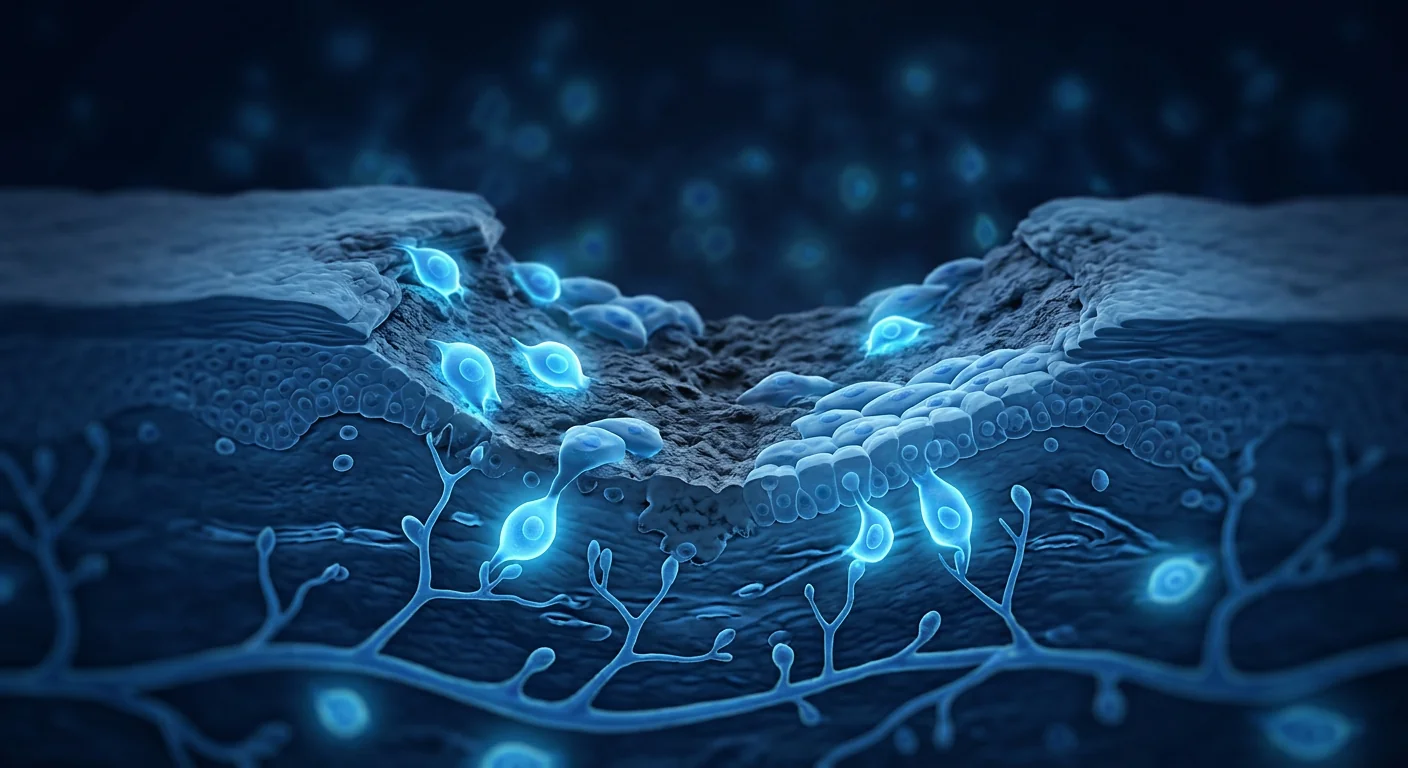
Stem Cell Therapy for Burn & Wound Healing: Skin Regeneration and Scar Reduction
How mesenchymal stem cells accelerate re-epithelialization, promote angiogenesis, reduce hypertrophic scarring, and modulate the wound microenvironment — 19 cited references on MSC therapy for burns and chronic wounds.
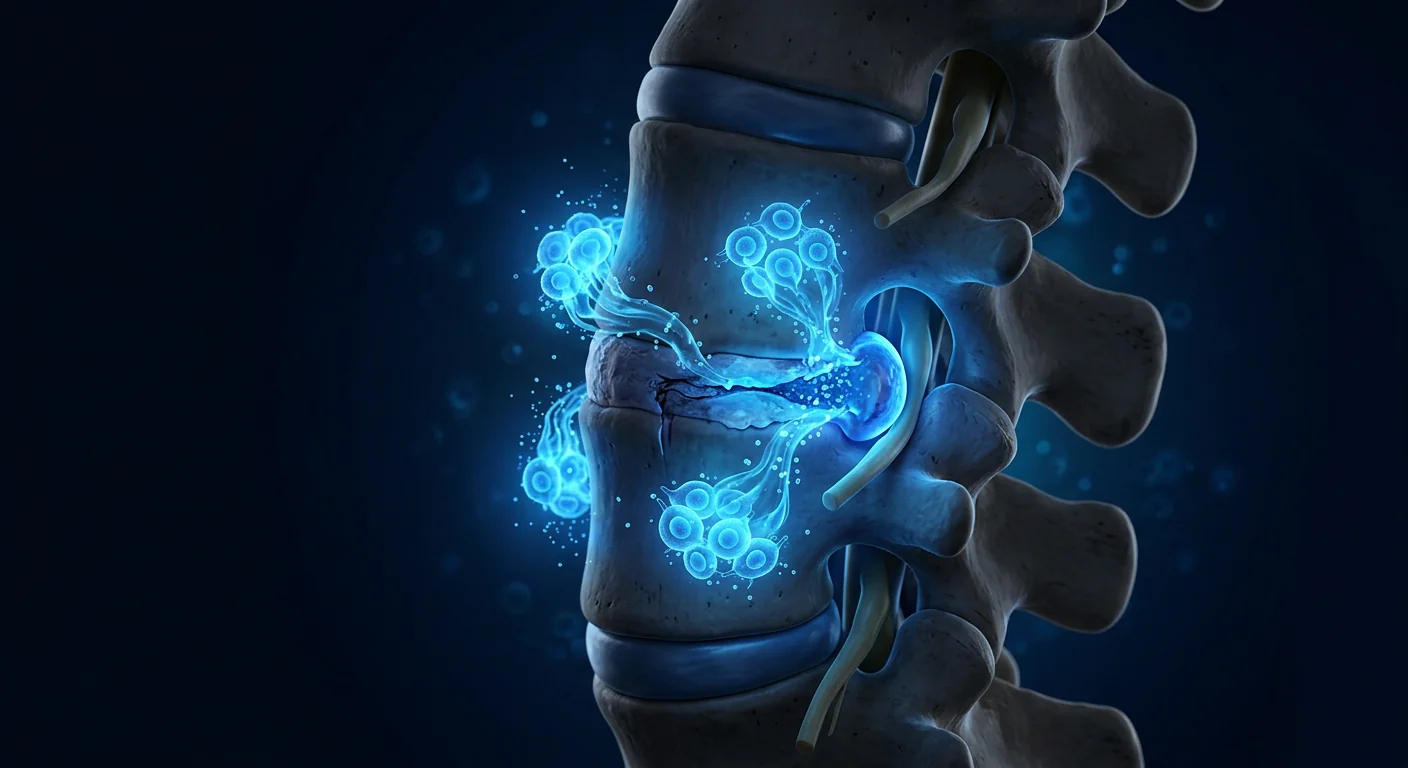
Stem Cell Therapy for Back Pain & Herniated Disc: A Patient's Guide
How MSC therapy may address disc degeneration, reduce spinal inflammation, and support nerve healing — 12 cited references, a science-based look at regenerative options for chronic back pain.
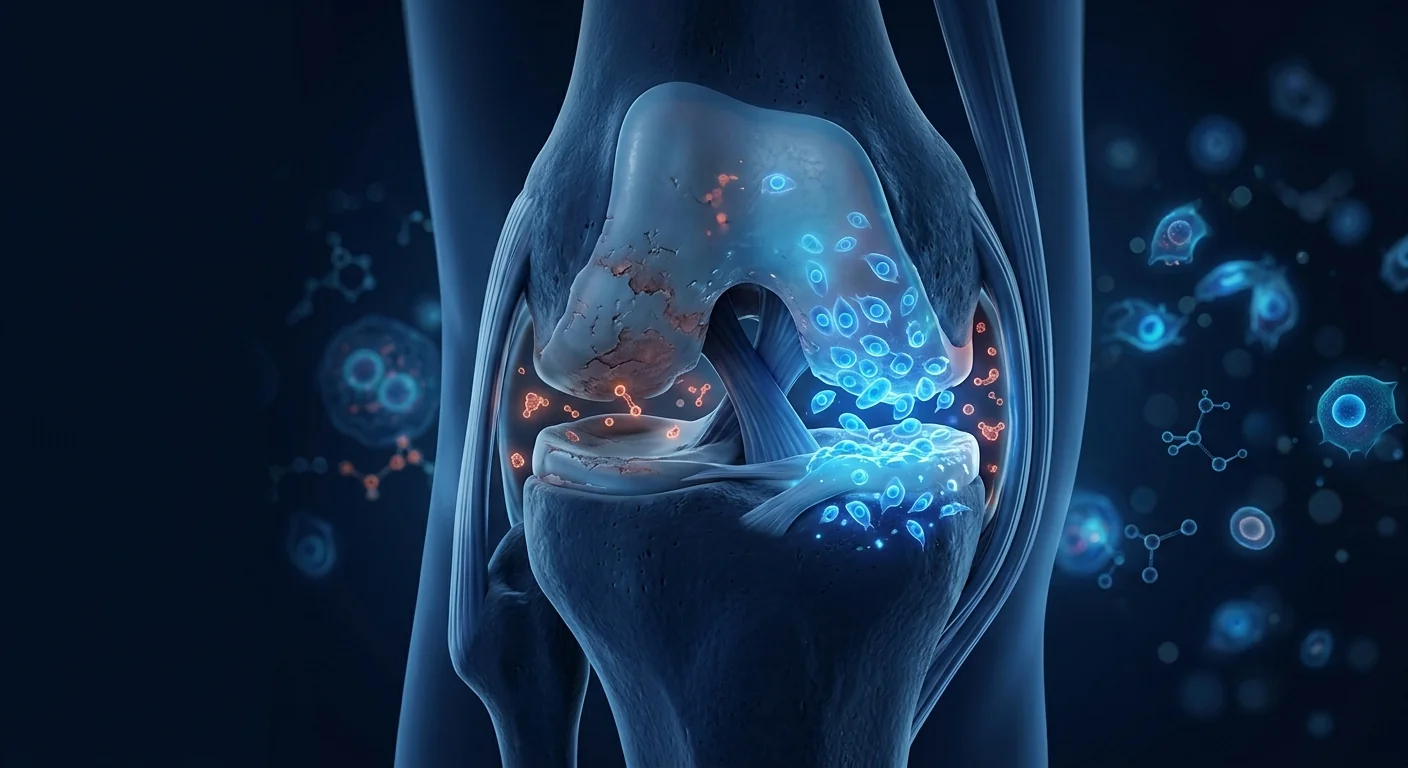
Stem Cell Therapy for Osteoarthritis: Cartilage, Inflammation, and Regeneration
How mesenchymal stem cells may support cartilage repair, reduce intra-articular inflammation, and modulate chondrocyte senescence — 45 cited references covering WOMAC, VAS, MRI outcomes and key RCTs (Vega, Matas, Lamo-Espinosa).
Stem Cell Therapy for Age-Related Sexual Decline & Regenerative Approaches
How MSC therapy may address endothelial aging, smooth muscle loss, hormonal decline, and tissue fibrosis — 14 cited references, a science-based look at andropause, menopause, and regenerative options.
Stem Cell Therapy for Long COVID & Post-Viral Fatigue: A Science-Based Guide
How MSC therapy may address the persistent inflammation, immune dysregulation, and endothelial damage behind Long COVID — 17 cited references, an honest look at the early evidence.
Stem Cell Therapy for Sexual Health & Wellness: A Science-Based Guide
A conservative, evidence-based look at how MSC therapy may support sexual health through tissue regeneration and vascular repair — what the early research shows and does not yet show.
Stem Cell Therapy for Sports Injuries & Recovery: An Athlete's Guide
How MSC therapy supports tendon, ligament, muscle and cartilage recovery — realistic timelines, candidacy, and what athletes can expect from regenerative treatment.
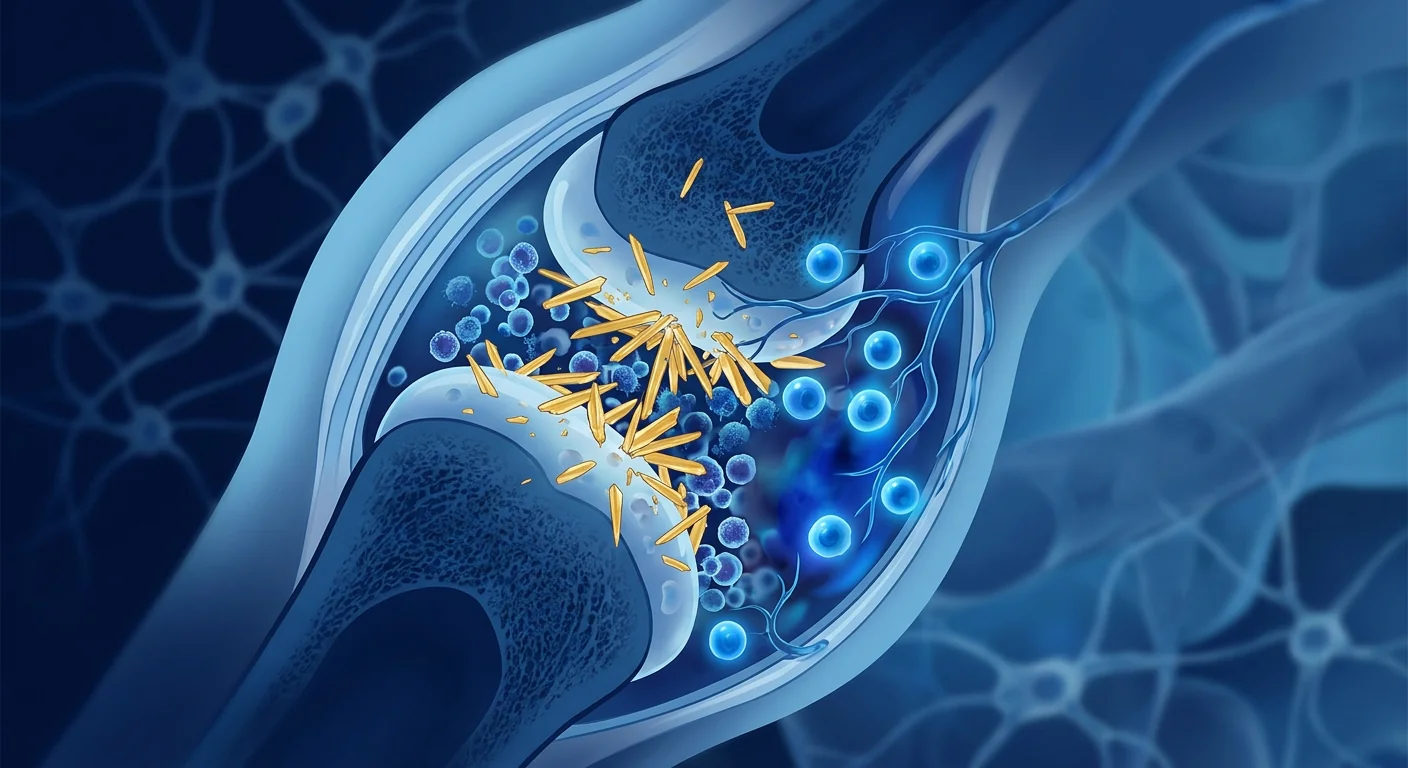
Stem Cell Therapy for Gout: Reducing Inflammation at the Source
How MSCs target the NLRP3 inflammasome and IL-1β cascade in MSU crystal-driven arthritis — from urate-lowering limitations to early clinical signals.
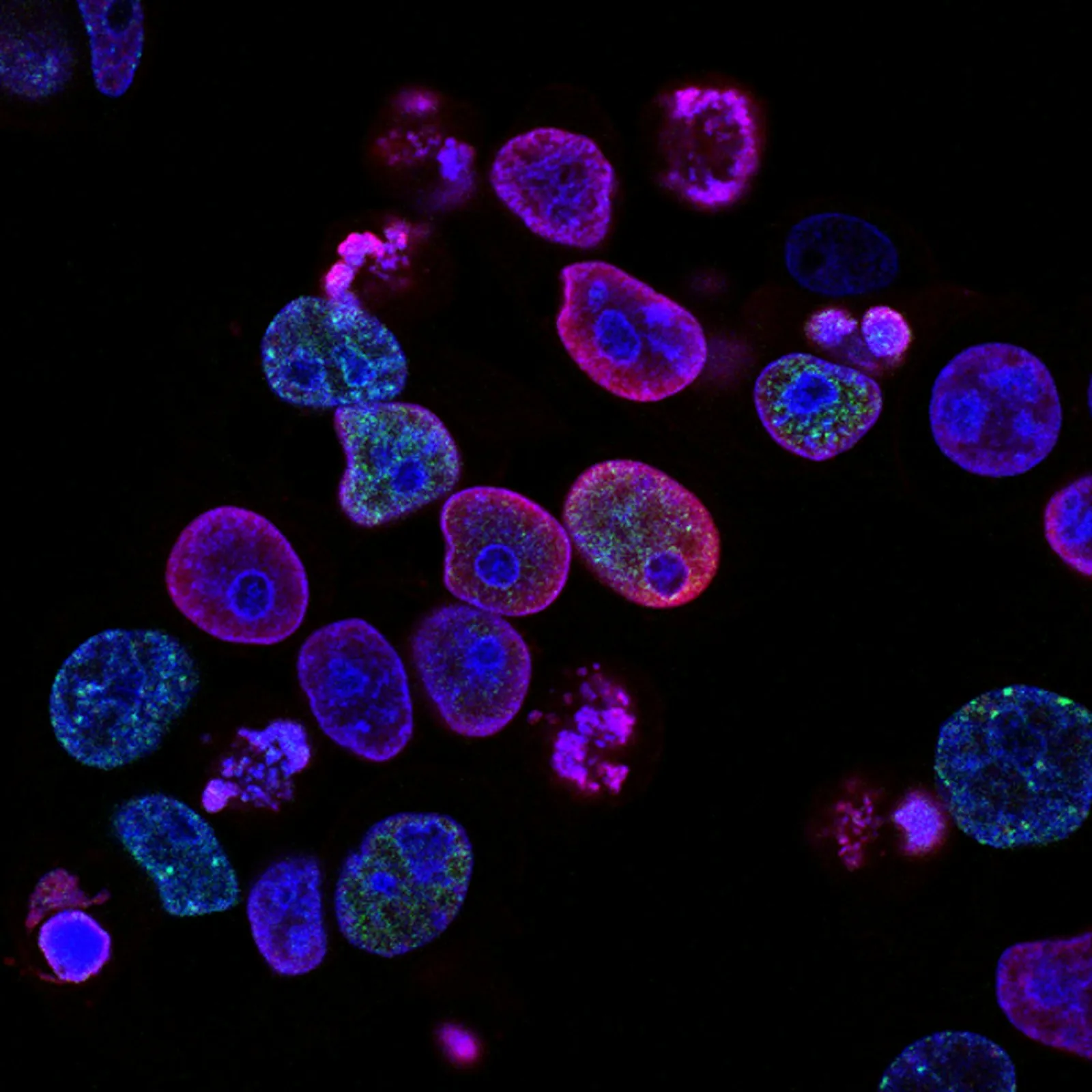
Stem Cell Therapy for Rheumatoid Arthritis: What the Evidence Shows
MSC immunomodulation, regulatory T-cell balance and TNF-α/IL-6/IL-17 — what the umbilical-cord MSC pilot trials and DAS28 data show for refractory rheumatoid arthritis, and the honest limitations.
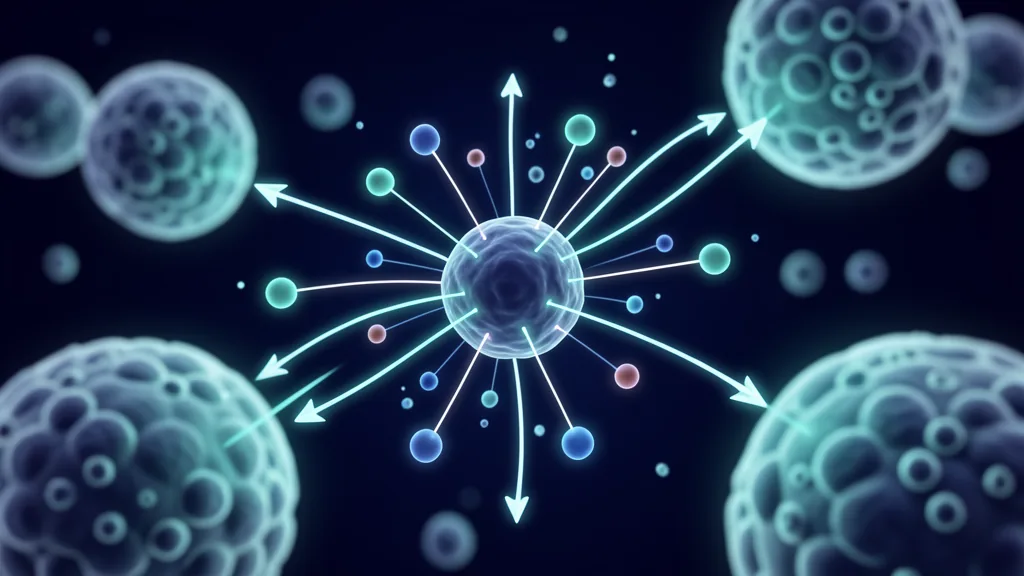
Stem Cell Therapy for Chronic Kidney Disease: Where the Science Stands
MSC anti-fibrotic and anti-inflammatory paracrine signalling, VEGF/HGF and the rexlemestrocel-L diabetic-kidney trials — eGFR outcomes and a clear-eyed look at what is still investigational.
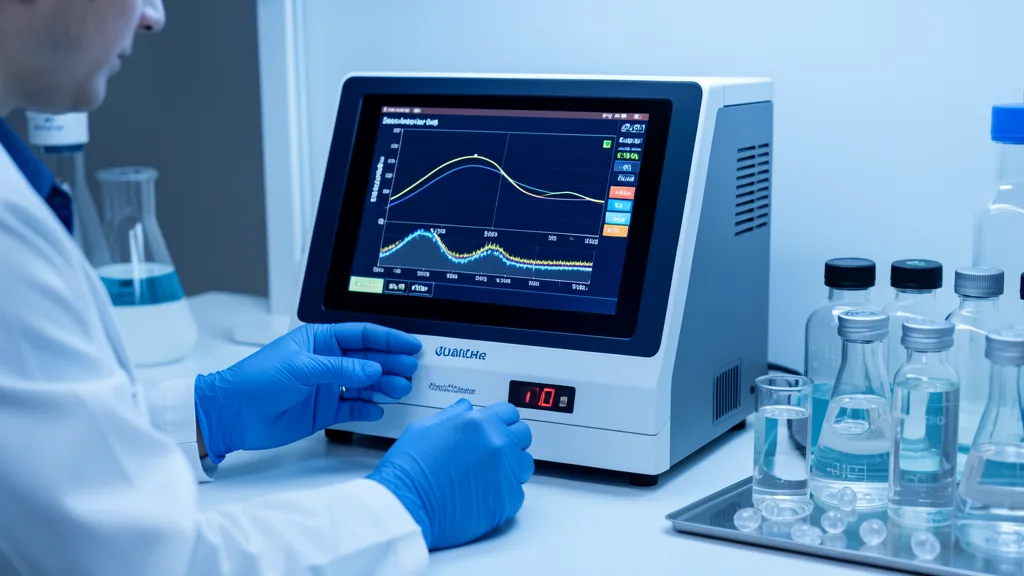
Stem Cell Therapy for Liver Cirrhosis: An Evidence-Based Look
MSC anti-fibrotic action on hepatic stellate cells and the decompensated-cirrhosis and ACLF trials — MELD/albumin signals, mixed durability, and an honest account of the limits.
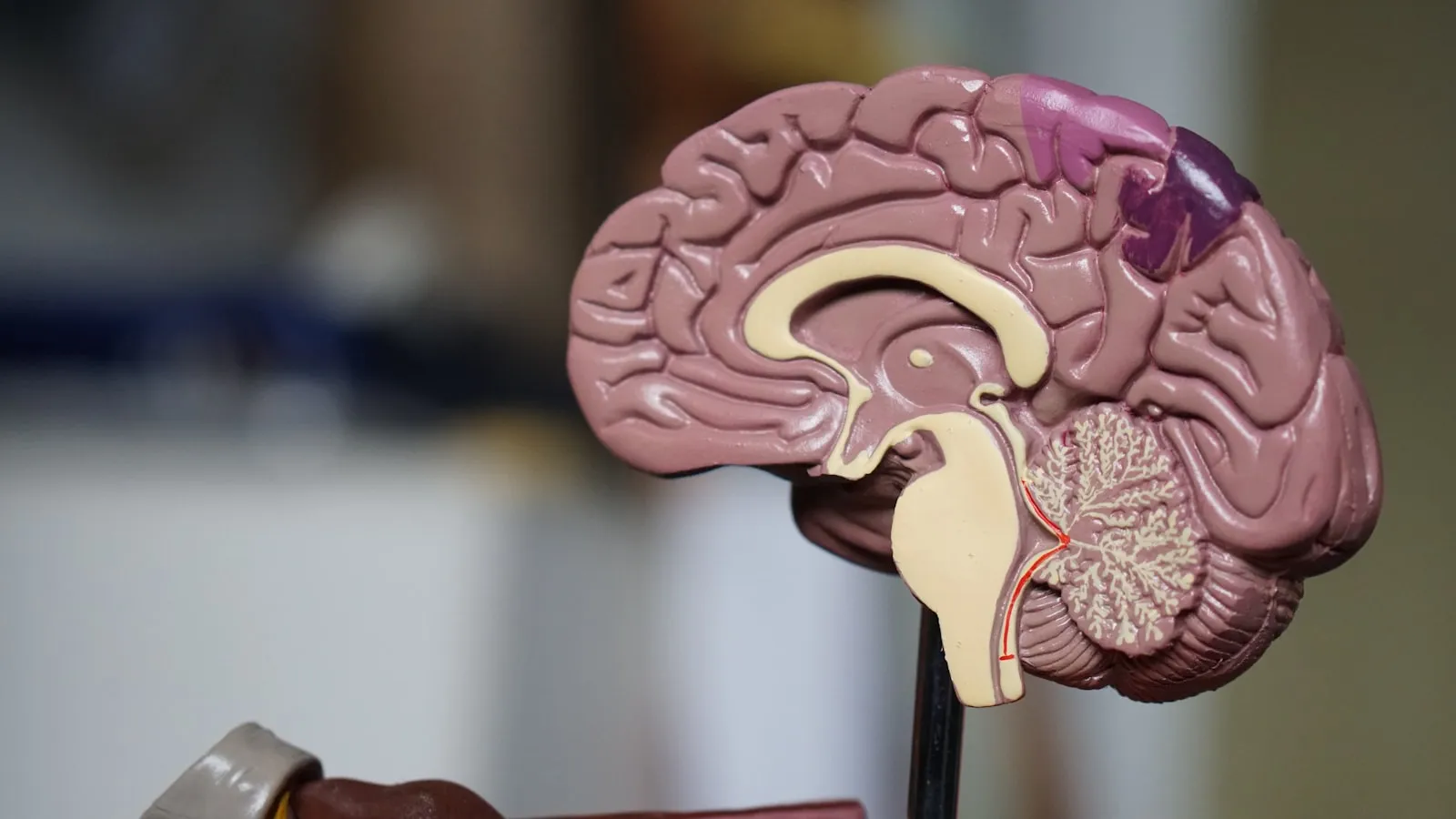
Stem Cell Therapy for Alzheimer's Disease: Separating Science from Hype
Neuroinflammation modulation, neurotrophic factors and the early Phase I safety studies — why no stem cell therapy is a proven treatment for dementia, and how to spot the hype.
Stem Cell Therapy for Autism Spectrum Disorder: An Honest Clinical Perspective
A careful, evidence-based review of where MSC therapy fits — and the responsible boundaries of family expectations.
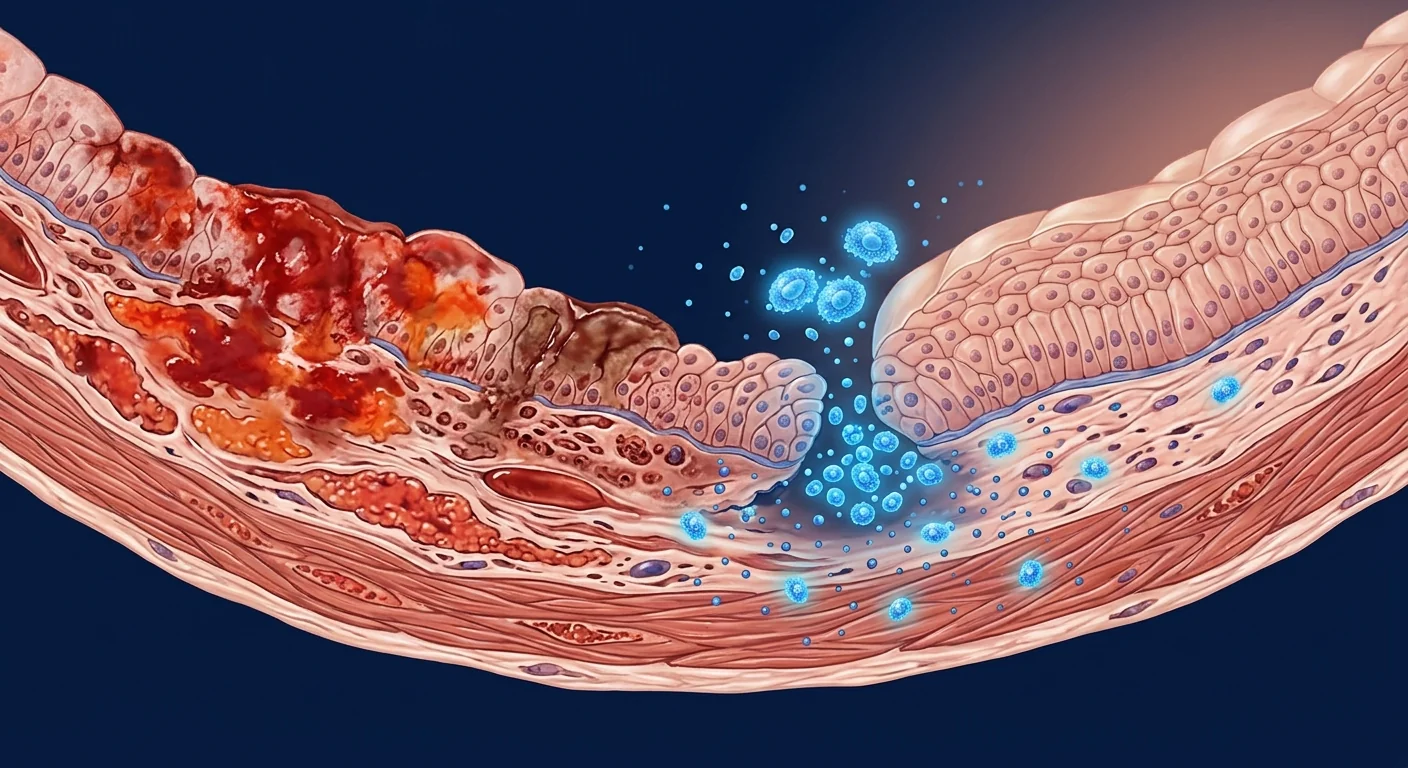
Stem Cell Therapy for Radiation Cystitis: MSC Treatment for Hemorrhagic Cystitis
How MSCs promote vascular regeneration and reverse radiation-induced bladder fibrosis after pelvic radiotherapy.
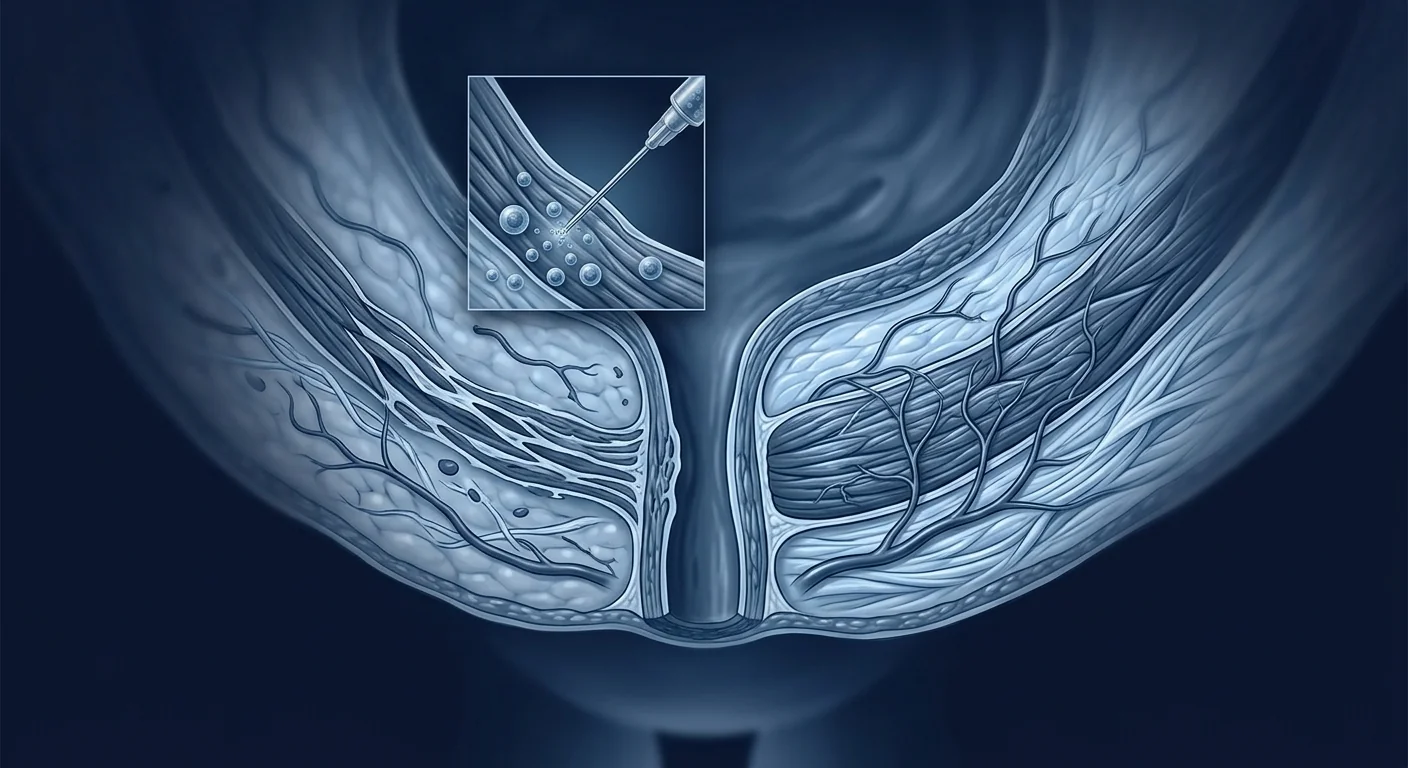
Stem Cell Therapy for Stress Urinary Incontinence
How periurethral MSC injection regenerates the urethral sphincter — myogenic differentiation, angiogenesis, and the clinical evidence.

Stem Cell Therapy for Crohn's Disease & IBD: What the Evidence Shows
The EU-approved darvadstrocel (Alofisel) for perianal fistulas versus investigational systemic therapy — the ADMIRE-CD evidence and the honest line between the two.
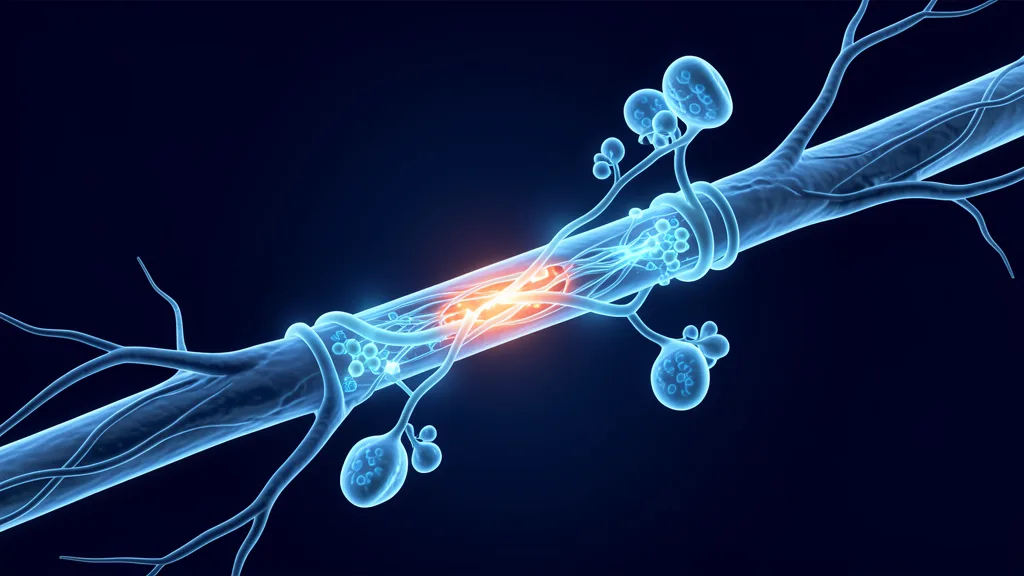
Stem Cell Therapy for Osteoporosis: Promise and Present Limits
MSCs are the natural precursors of bone-forming osteoblasts — the preclinical promise, the sparse human data, and why this is not yet an alternative to proven osteoporosis medicine.
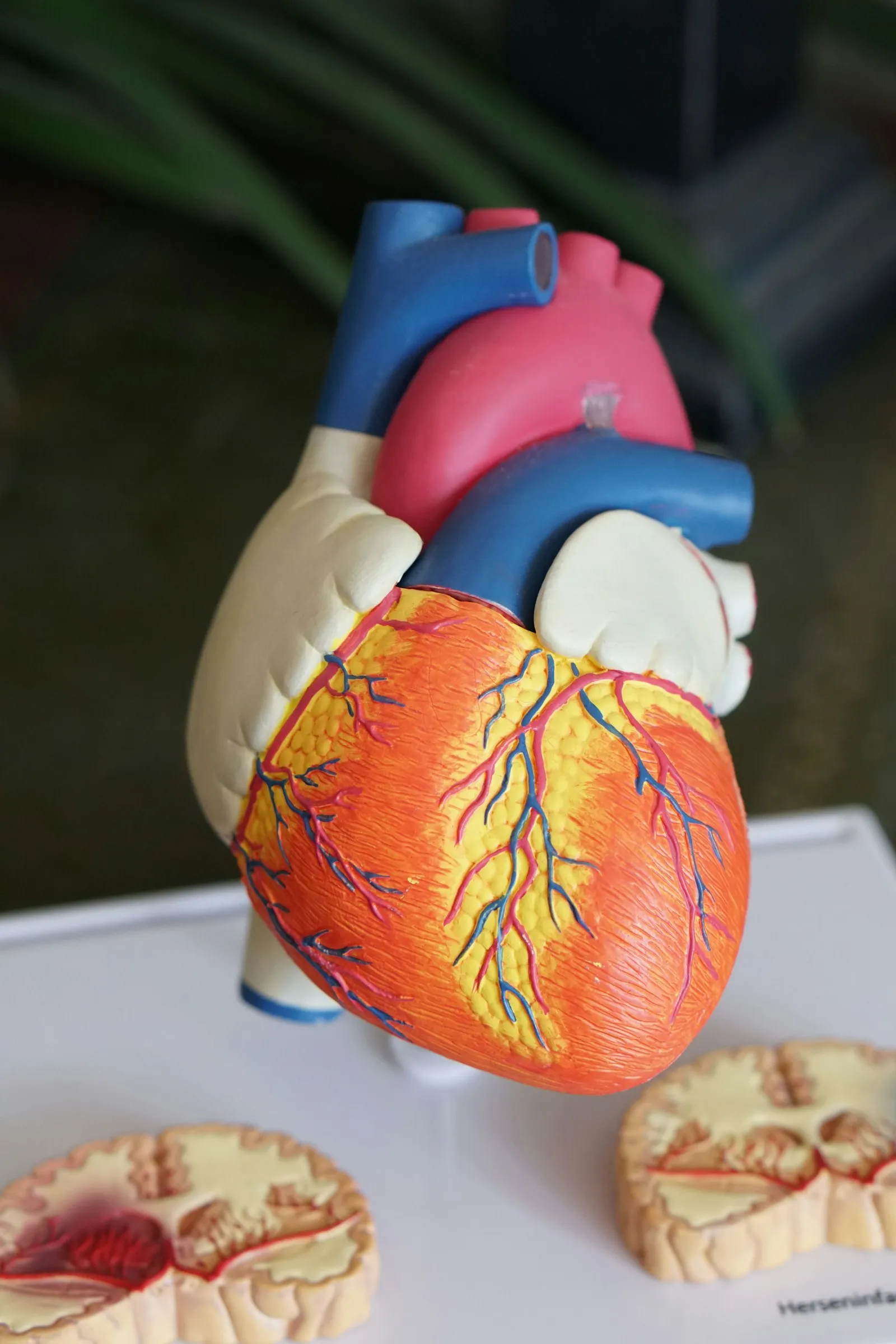
Stem Cell Therapy for Heart Failure: Where the Evidence Stands
Paracrine repair rather than new heart muscle — POSEIDON and DREAM-HF safety and the mixed endpoints, and an honest read on where MSC therapy for heart failure really stands.
Stem Cell Therapy for Hair Loss & Alopecia: A Clinical Perspective
How MSC therapy supports follicular regeneration in androgenetic alopecia, alopecia areata, and other forms of hair loss.
Is Stem Cell Therapy Safe? An Honest Guide to Risks and Side Effects
The common mild side effects, the serious risks that trace to unregulated clinics, and why cell type, source and GMP standards decide whether stem cell therapy is safe.
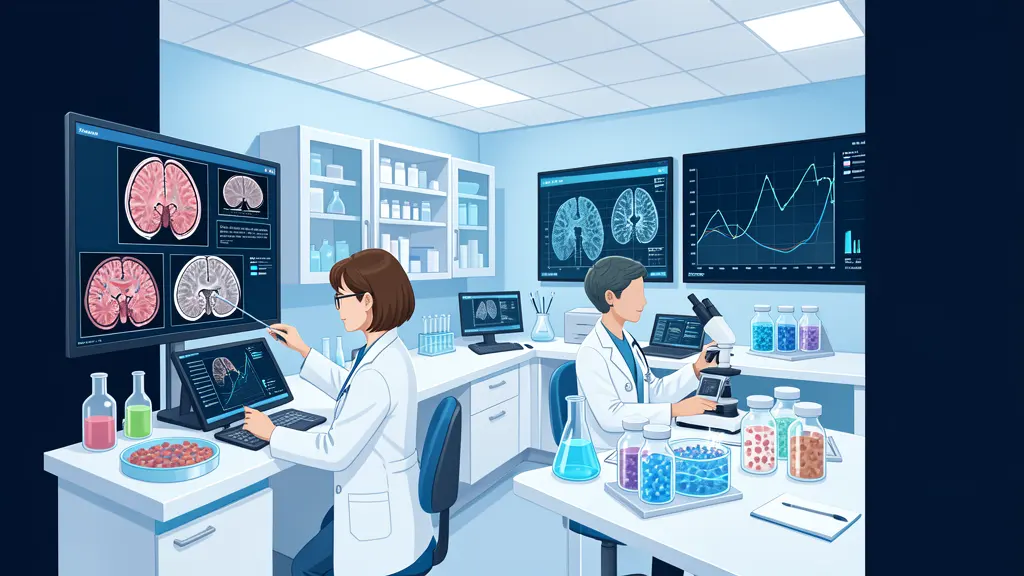
Autologous vs Allogeneic Stem Cells: Understanding the Difference
Your own cells versus donor cells — the trade-offs in potency, rejection risk and standardization, and why MSCs are low-immunogenic enough to rarely need HLA matching.

What to Expect: Your Stem Cell Treatment Journey Step by Step
From first consultation and baseline biomarkers to cell preparation, delivery and follow-up — a step-by-step, realistic walk through what a responsible MSC treatment journey involves.
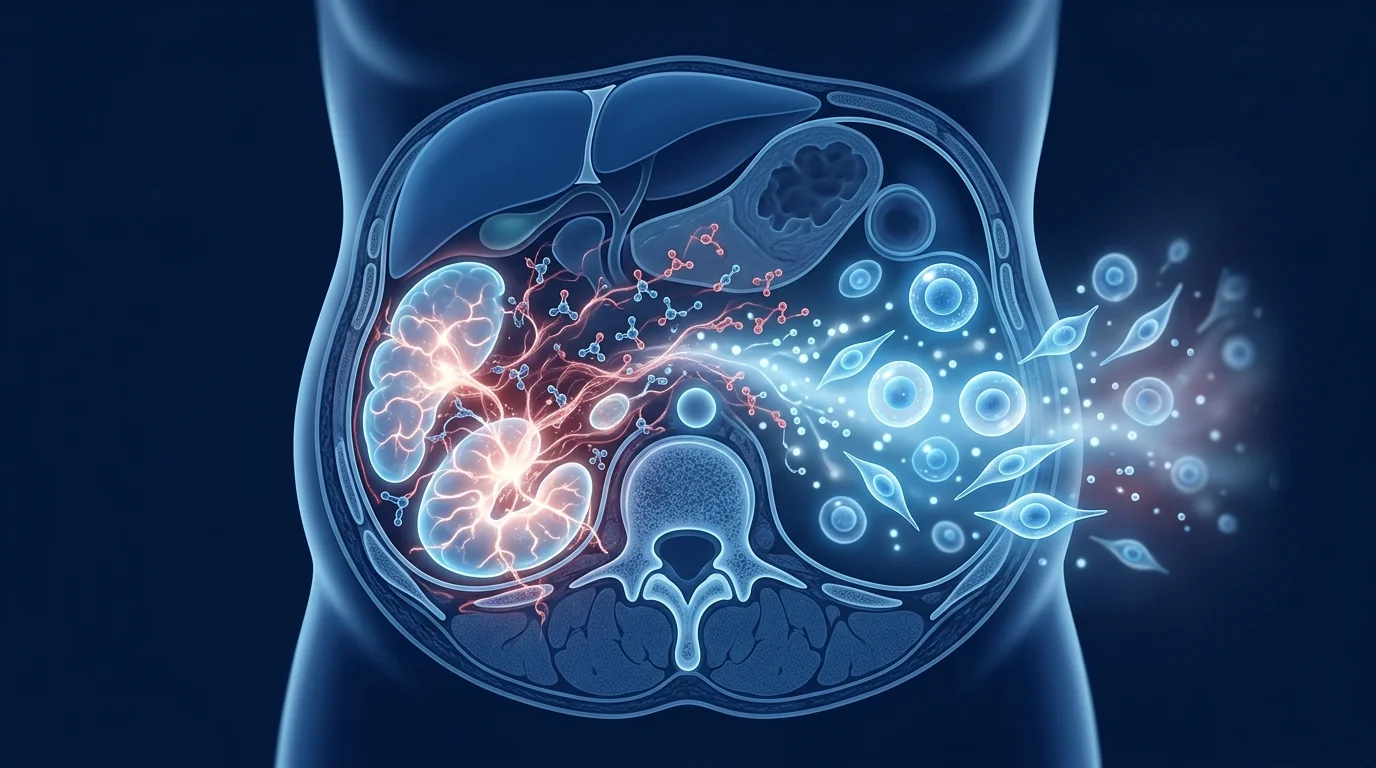
Stem Cell Therapy for Metabolic Syndrome
How MSCs target the chronic low-grade inflammation and insulin resistance that bind the metabolic-risk cluster together — with the honest evidence for an investigational adjunct.
Stem Cell Therapy for Type 2 Diabetes: A Clinical Perspective
Where MSC therapy realistically fits in diabetes management — alongside diet, exercise, and standard endocrine care.
Stem Cell Therapy for Tardive Dyskinesia
How MSCs are being studied to calm the neuroinflammation and D2-receptor hypersensitivity behind antipsychotic-induced involuntary movements — an evidence-based look at an investigational adjunct.
Stem Cell Therapy for Parkinson's Disease: A Clinical Perspective
MSCs in neurodegenerative care — neuroinflammation, mitochondrial support, alongside standard neurology.
Stem Cell Therapy for Interstitial Pulmonary Fibrosis (IPF)
How MSCs target fibrotic lung remodeling, reduce chronic inflammation, and improve lung function in idiopathic pulmonary fibrosis — an evidence-based review.
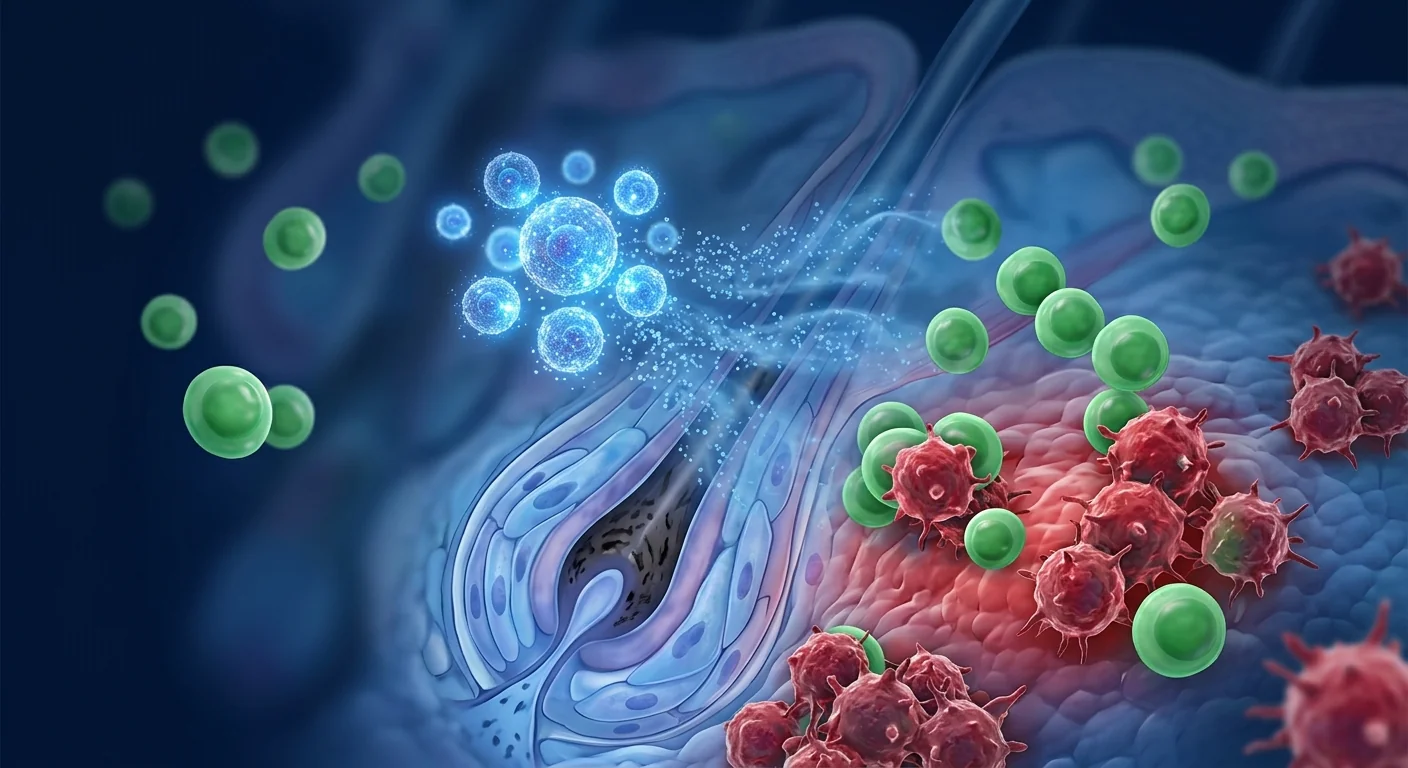
Stem Cell Therapy for Alopecia Areata
How MSCs suppress the perifollicular CD8+ NKG2D+ T-cell attack, expand regulatory T cells, and restore hair follicle immune privilege — early evidence for autoimmune hair loss.
Stem Cell Therapy for Cystic Fibrosis
How MSCs may calm airway inflammation, combat chronic infection, and support lung tissue repair in CF — an evidence-based clinical perspective with 18 references.
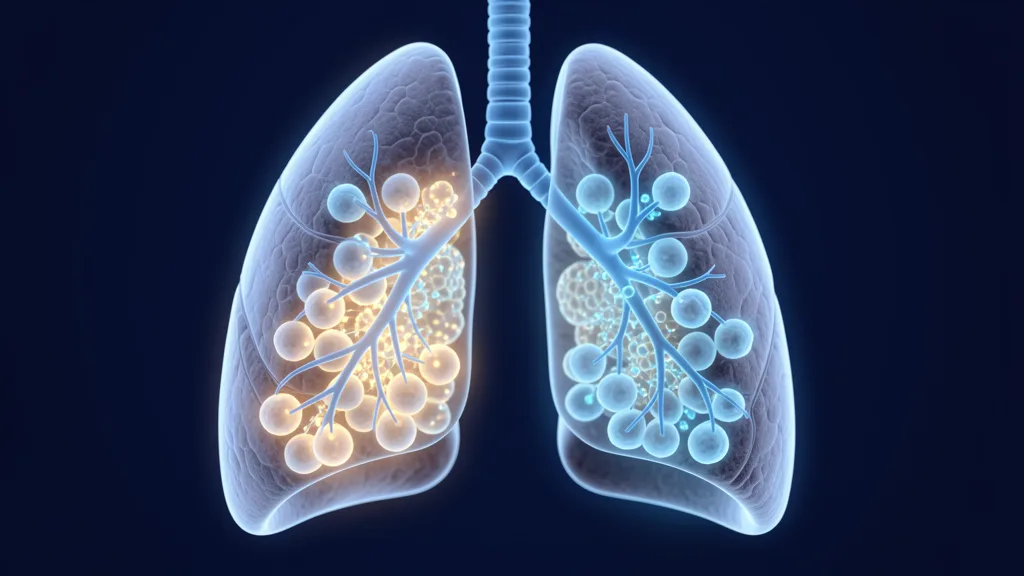
Stem Cell Therapy for COPD: Where the Science Really Stands
MSC anti-inflammatory action, paracrine lung-repair signaling and the Phase II remestemcel-L trial — the mechanisms, the FEV1/6MWT outcomes, and an honest look at what is still investigational.
Stem Cell Therapy for Lupus (SLE): What the Evidence Shows
Allogeneic umbilical-cord MSC immunomodulation, regulatory T-cell modulation and the Nanjing transplantation trials — lupus nephritis outcomes, SLEDAI scoring, and the honest limitations.
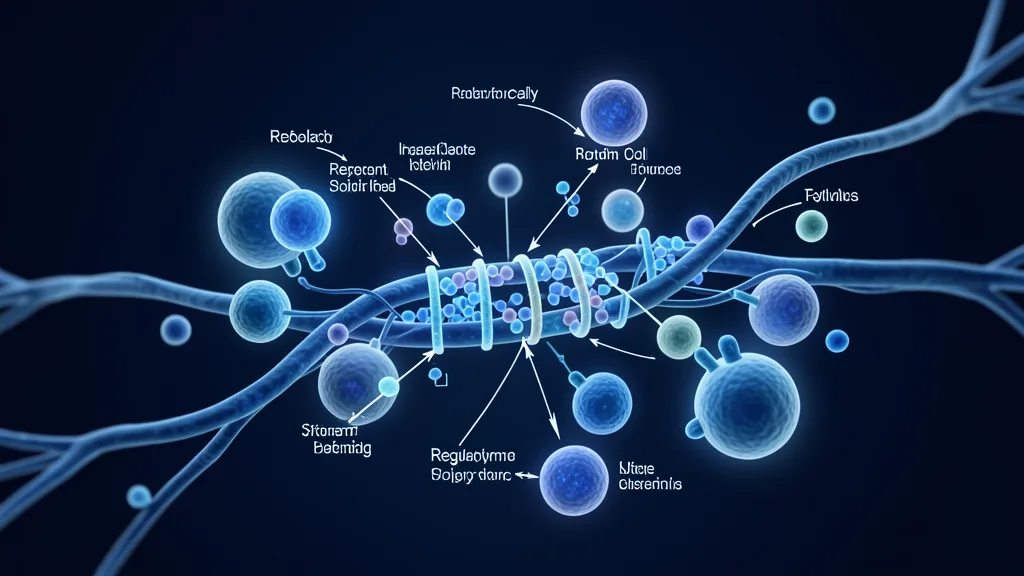
Stem Cell Therapy for Multiple Sclerosis (MS): Where the Evidence Stands
HSCT, MSC immunomodulation and the MIST trial — what the research actually shows for relapsing and progressive MS, and the honest limitations.
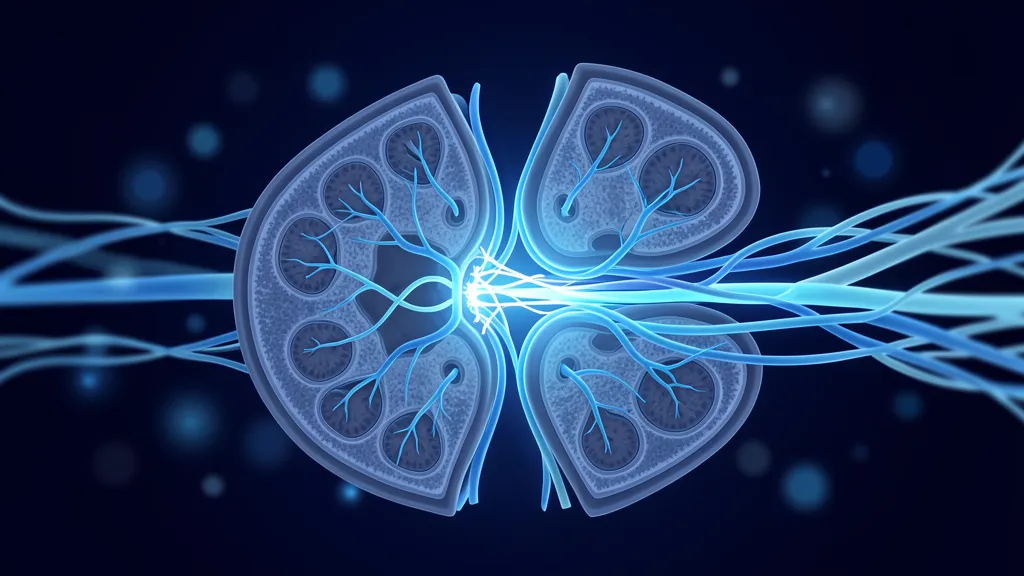
Stem Cell Therapy for Spinal Cord Injury: Where the Science Really Stands
Neural stem cells, OPCs and the SCiStar trial — the mechanisms, the ASIA-scale outcomes, and a responsible look at what is still investigational.
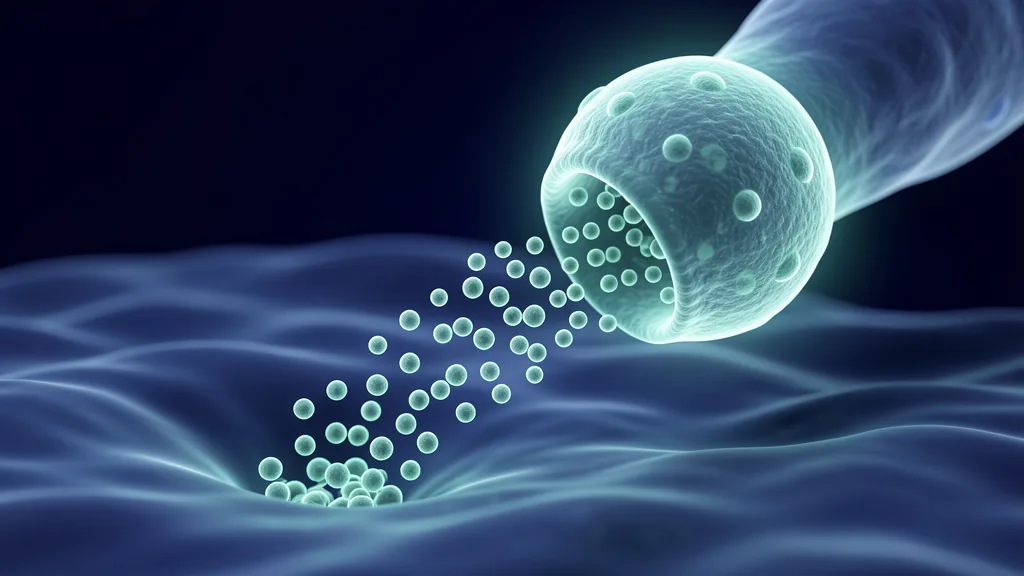
MSC-Derived Exosomes: The Next Frontier in Cell-Free Regenerative Therapy
How MSC exosomes carry the regenerative signal of stem cells without the cells themselves — the science, the research status, and the honest limitations.
Stem Cell Therapy for ALS: An Honest Clinical Perspective
What MSC therapy can — and cannot — do for motor neuron disease. A patient-focused clinical review.
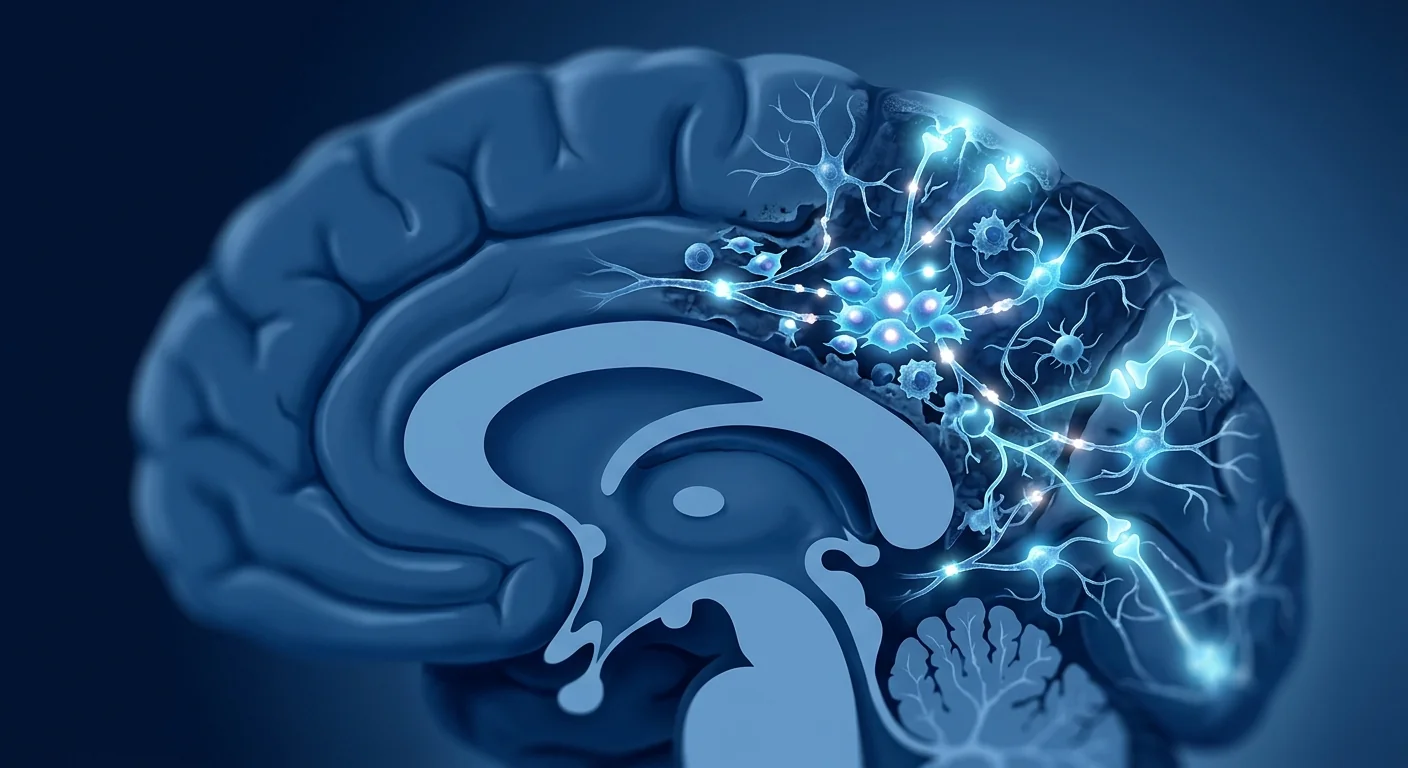
Stem Cell Therapy for Traumatic Brain Injury: MSC Treatment for Neural Regeneration
How MSC therapy targets neuroinflammation, protects neurons, and supports neural repair after traumatic brain injury — an evidence-based review of preclinical research through early clinical data.
Stem Cell Therapy for Stroke Recovery: How MSCs Support Brain Repair
How MSC therapy may support stroke recovery — calming neuroinflammation, protecting at-risk neurons, supporting repair pathways.

Stem Cell Therapy in Thailand: Cost, Standards & How to Choose a Clinic
What shapes price, the certifications that matter, and the questions every international patient should ask before booking regenerative medicine.
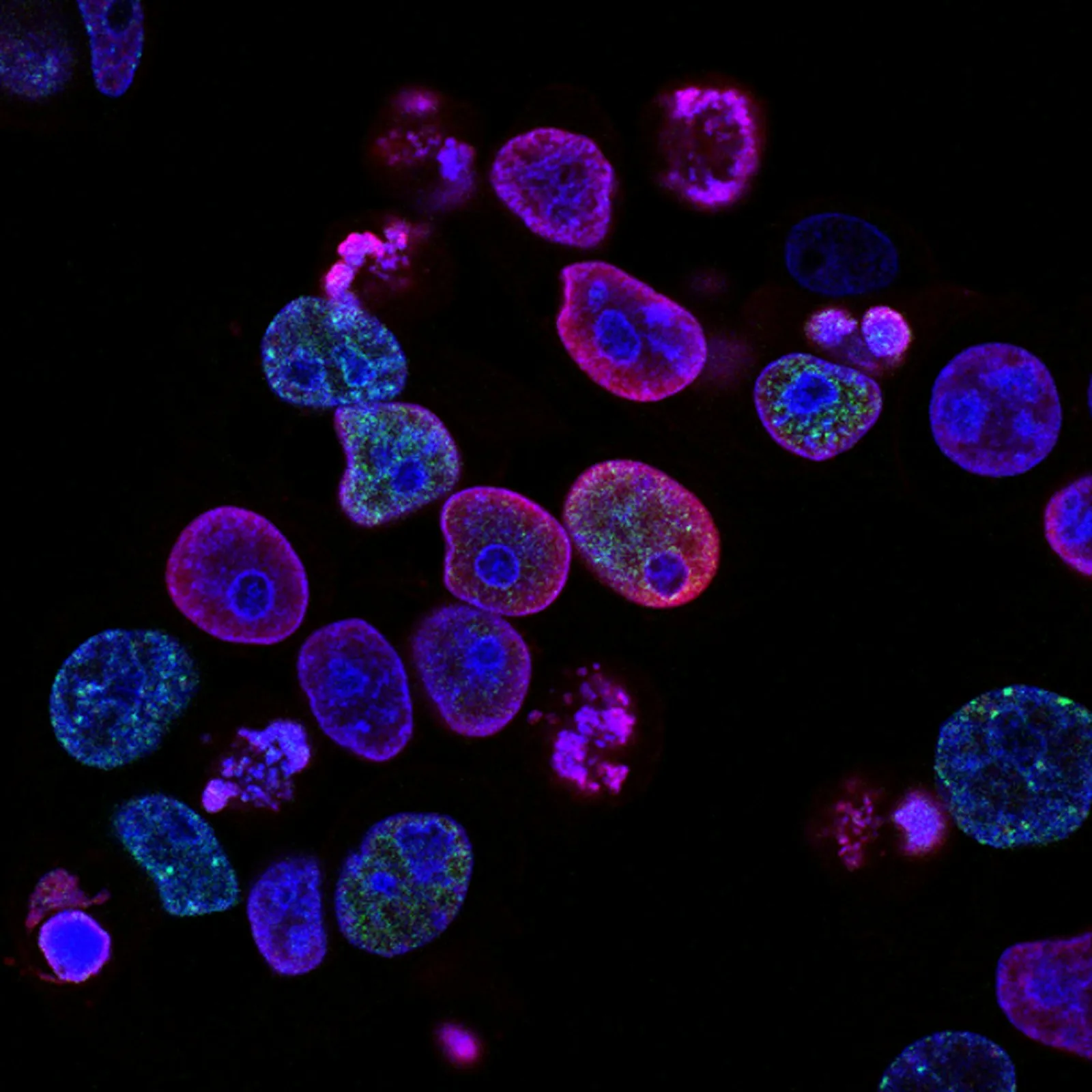
Stem Cell Therapy for Autoimmune Conditions: Restoring Immune Balance
How MSC therapy modulates the immune system in rheumatoid arthritis, lupus, multiple sclerosis, and other autoimmune disease — without broad immunosuppression.
Anti-Aging Stem Cell Therapy: The Science of Slowing Biological Age
How MSC therapy targets cellular senescence, mitochondrial decline, and chronic inflammation to influence the underlying drivers of how we age.

Stem Cell Therapy for Joint Pain & Osteoarthritis: A Patient's Guide
How MSC therapy supports cartilage regeneration, reduces joint inflammation, and helps patients regain mobility — with realistic timelines and what to expect.

Inside a GMP Stem Cell Laboratory: The Quality You Can See
From ethically sourced Wharton's jelly to Certificate of Analysis release — walk through every stage of how clinical-grade Mesenchymal Stem Cells are cultivated, verified, and prepared for therapy.

Wharton's Jelly Stem Cells: Why Source Matters in Regenerative Medicine
Compare bone marrow, adipose, and umbilical cord MSC sources — and discover why Wharton's jelly has become the gold standard for clinical-grade therapy.

What is Mesenchymal Stem Cell (MSC) Therapy? A Complete 2026 Guide
An evidence-based introduction to MSC therapy — what it is, how it works, who it helps, and what the latest clinical research shows.