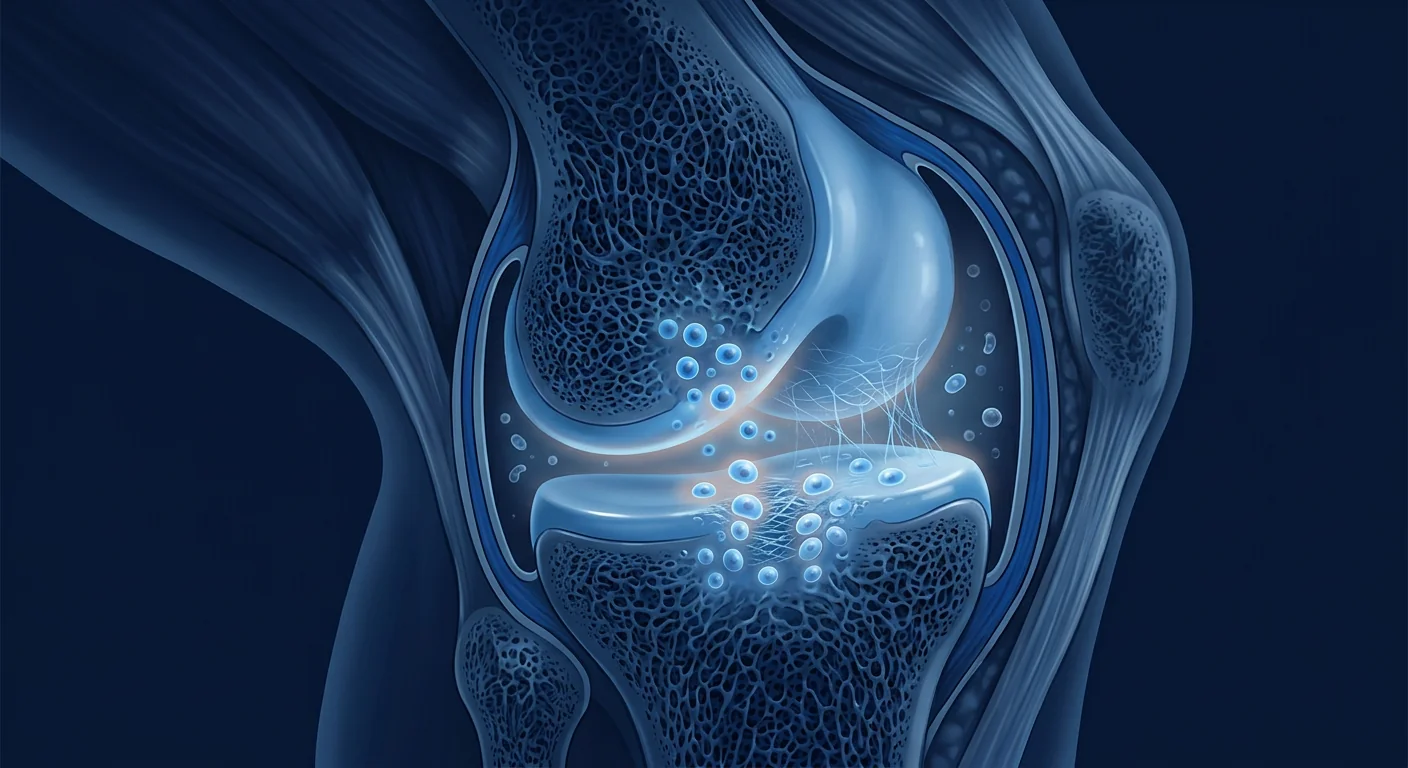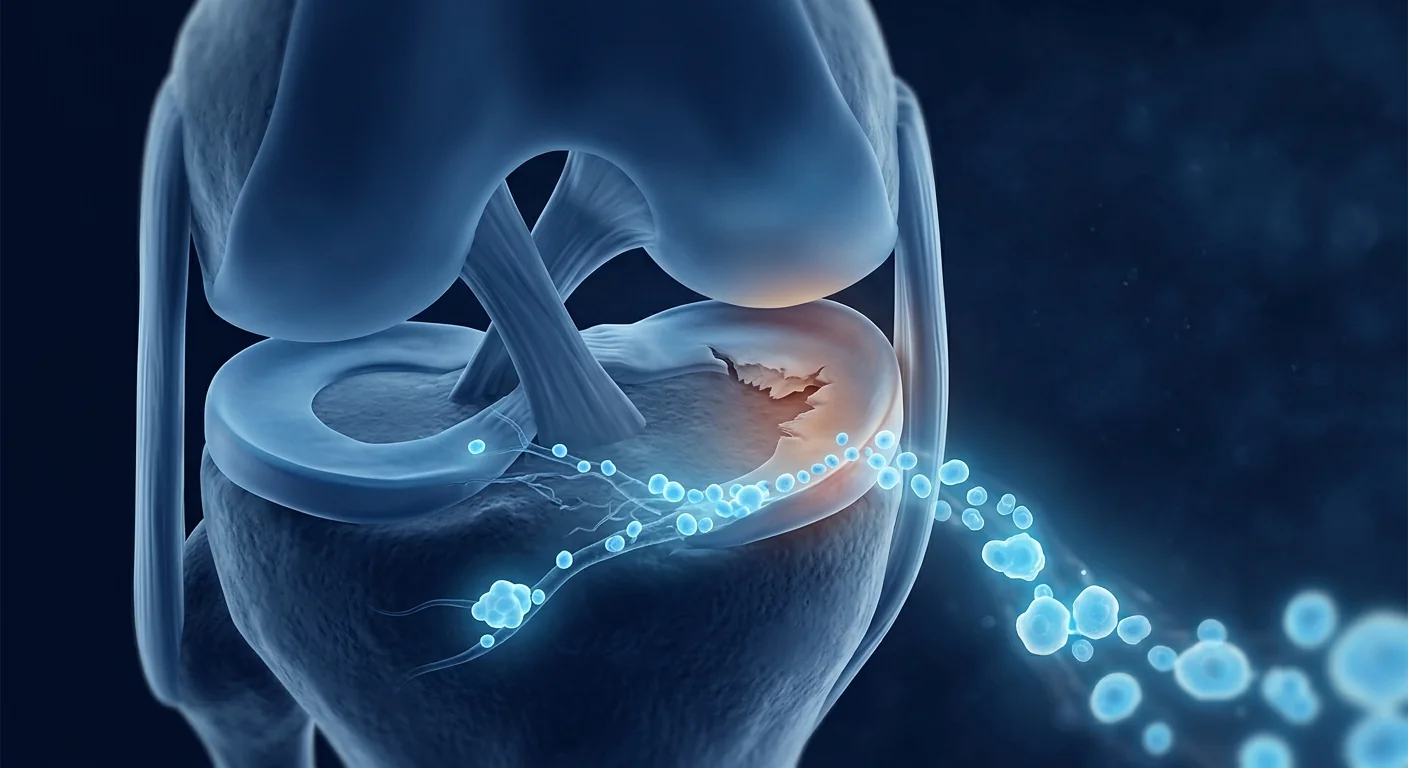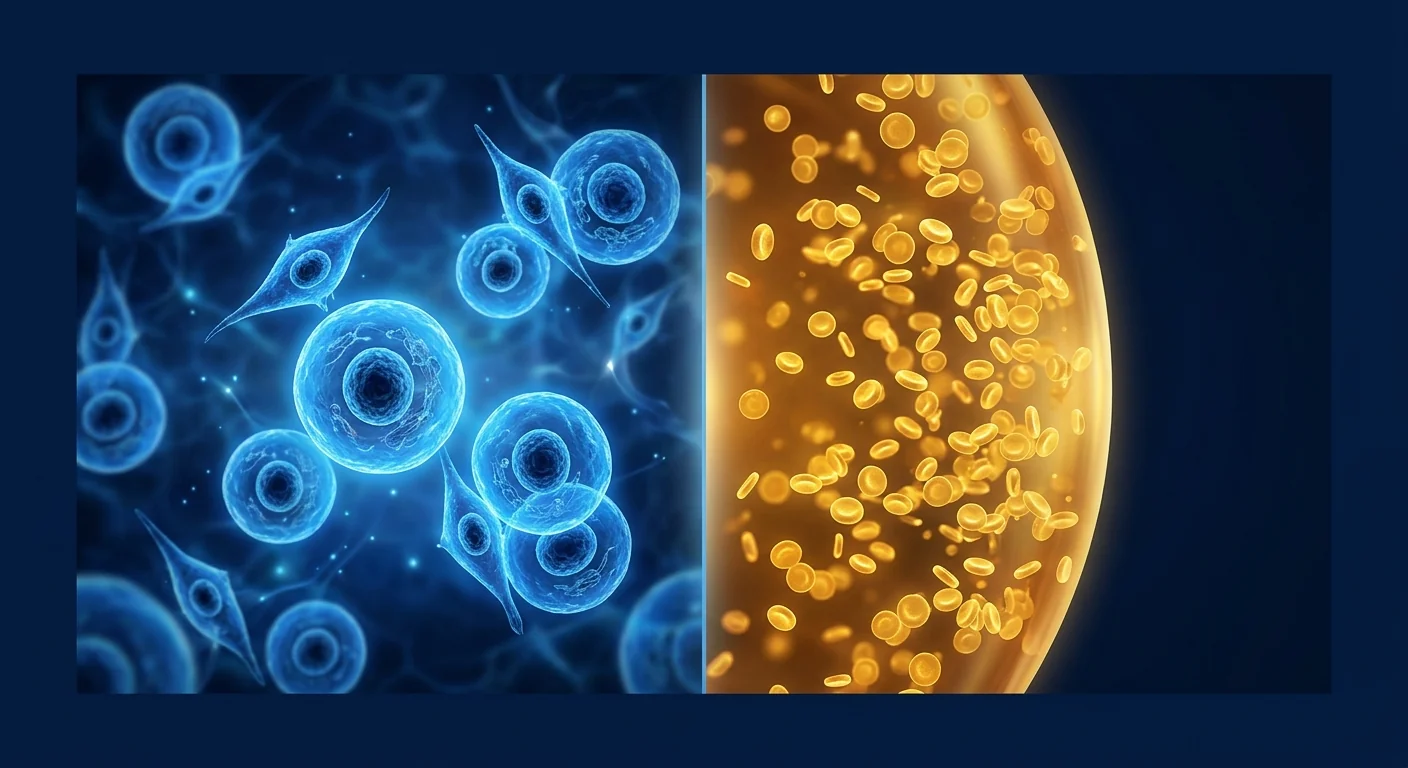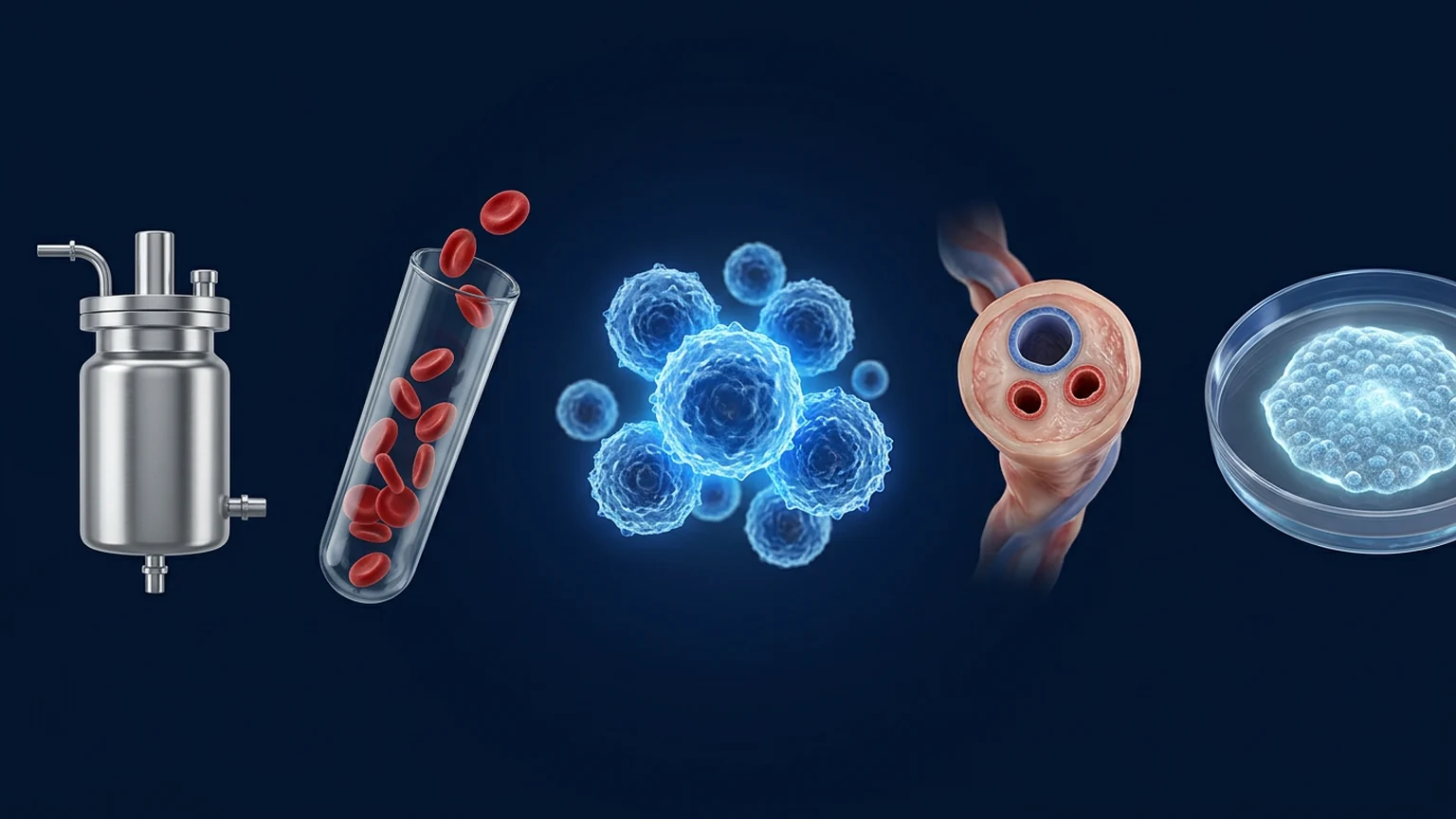
“NK-cell therapy” is not one interchangeable product. Natural killer cells may come from the patient, a healthy adult donor, banked umbilical-cord blood, the NK-92 cell line, or an induced pluripotent stem-cell (iPSC) master bank. Source affects speed, biological variability, engineering, storage, repeat dosing, and safety controls. It does not, by itself, prove that a treatment will work.
Most platforms discussed here remain investigational and are being evaluated mainly in oncology trials. No source is universally superior. A mature peripheral-blood cell may offer strong immediate function; a clonal platform may offer reproducibility; cord blood may offer bankability and progenitors; an autologous product may avoid donor rejection. Those advantages come with different trade-offs [1].
What does “source” mean in NK-cell therapy?
The source is the biological starting material, not the complete medicine. Manufacturing then adds selection, activation, expansion, genetic engineering in some programs, washing, formulation, storage, thawing, and release testing. Two products beginning with donor blood can differ substantially after different culture systems. Conversely, products from different sources can be designed toward a similar clinical goal.
NK cells recognize stressed or malignant cells through the balance of activating and inhibitory receptors, release perforin and granzymes, produce cytokines, and can mediate antibody-dependent cellular cytotoxicity (ADCC) through CD16. Source, donor history, maturation state, culture, and cryopreservation can change each of these functions [2].
| Platform | Main strength | Main constraint | Development status |
|---|---|---|---|
| Autologous PB-NK | Patient-matched; no allogeneic rejection | Variable yield and possible self-tolerance or disease-related dysfunction | Experimental clinical platform |
| Healthy-donor PB-NK | Mature cells with established collection workflows | Donor variability and finite starting material | Experimental clinical platform |
| Cord-blood NK / progenitor NK | Banked units; expansion and engineering potential | Immature phenotype and low starting numbers | Experimental clinical platform |
| NK-92 | Clonal, expandable, engineerable | Tumor-derived line; clinical doses require irradiation | Experimental clinical platform |
| iPSC-derived NK | Renewable clonal bank and multiplex engineering | Complex differentiation, maturation, and genomic safety control | Experimental/early clinical platform |
Autologous peripheral-blood NK cells
Autologous NK cells are collected from the same patient who will receive them. Leukapheresis or peripheral-blood collection supplies mononuclear cells, after which NK cells are enriched and activated. The theoretical attraction is immunologic compatibility: donor rejection and graft-versus-host disease are not expected from the patient’s own cells.
The limitation is that the starting material may reflect the patient’s age, cancer, infections, previous chemotherapy, corticosteroids, malnutrition, or systemic inflammation. The collected NK population may be small, exhausted, or difficult to expand. Autologous NK cells are also educated to tolerate the patient’s own HLA, which can reduce activity against a tumor that retains inhibitory self-signals. Engineering or antibodies may partly redirect recognition, but they do not erase every biological constraint.
Autologous manufacture is a one-patient-one-batch process. Scheduling, collection, contamination control, chain of identity, and release all occur for one recipient. If the culture fails or disease progresses during production, there may be no banked alternative. For that reason, autologous NK has value in selected protocols but is not automatically the simplest approach.
Healthy-donor allogeneic peripheral-blood NK cells
Allogeneic PB-NK cells come from another person, usually a screened healthy donor. They can provide mature CD56dim CD16-positive cells with direct cytotoxic and ADCC capacity. Early haploidentical studies established that donor NK cells could be transferred and expand under selected conditioning and cytokine regimens [3].
Donor selection can consider infectious screening, HLA/KIR relationships, NK-cell number, expansion yield, phenotype, and functional assays. Yet there is no single universally validated “best donor” algorithm. KIR-ligand mismatch may be useful in some hematologic settings, but its relevance depends on disease, transplant context, conditioning, product composition, and study design.
A healthy donor can supply a cleaner and often fitter starting population than a heavily pretreated patient. A single collection may support several doses, and cryobanking can move manufacture toward off-the-shelf use. The trade-off is lot-to-lot and donor-to-donor variability. Host immunity can also reject the infused cells, limiting persistence. Allogeneic does not mean immune-invisible.
Cord-blood NK cells and cord-blood progenitors
Umbilical-cord blood can provide existing NK cells as well as hematopoietic progenitors that are differentiated into NK cells. Banked units can be screened, selected, and allocated without recalling an adult donor. Cord-blood NK cells tend to be less mature than adult PB-NK cells, with differences in KIR, CD16, adhesion molecules, and signaling; activation and expansion can strengthen function [4][5].
Starting cell numbers are limited, so manufacturing usually relies on substantial expansion or progenitor differentiation. Closed or semi-closed processes using cytokines, stromal support, or engineered feeder cells have generated clinical-scale products [6]. Each method changes phenotype and creates its own raw-material and safety requirements.
A landmark early trial used cord-blood-derived anti-CD19 CAR-NK cells engineered with IL-15 and an inducible caspase-9 safety switch. The small study supported feasibility in selected blood cancers, but it should not be generalized to unmodified cord-blood NK cells, other targets, solid tumors, or commercial products [7]. The result belongs to that defined construct and process.
NK-92: a cell line, not ordinary donor NK cells
NK-92 is an immortalized, lymphoma-derived cell line. It grows reproducibly, can be cloned, and is comparatively easy to engineer, making it useful for research and standardized manufacturing. Its receptor profile differs from primary NK cells; parental NK-92 notably lacks meaningful native CD16, so unmodified cells do not provide conventional ADCC in the same way as mature PB-NK cells [8].
Critical safety distinction
Clinical NK-92 products are irradiated before infusion because NK-92 is a continuously proliferating, tumor-derived line. Irradiation prevents continued division but also restricts persistence and can reduce later cytotoxic capacity. “Off-the-shelf” does not remove this requirement, and non-irradiated laboratory results cannot be assumed to predict an irradiated clinical product.
Published phase I experience has evaluated irradiated NK-92, not unrestricted proliferating cells [9]. Irradiation creates a deliberate safety-versus-persistence trade-off: the dose is more controllable, but repeated infusions may be needed, and activity declines. Experimental alternatives such as suicide switches or other proliferation controls require their own validation; they are not interchangeable with the established irradiation safeguard [10].
iPSC-derived NK cells
iPSC-derived NK cells begin with a renewable pluripotent cell clone that is differentiated through hematopoietic stages into NK cells. One master cell bank can theoretically support many standardized lots. Genetic edits can be introduced and characterized at the clonal iPSC stage before differentiation, which makes the platform attractive for CARs, high-affinity CD16, cytokine support, checkpoint modification, or safety switches.
Clinical-scale differentiation has been demonstrated, and preclinical studies have shown functional NK production and CAR engineering [11][12][13]. However, “renewable” does not mean simple. Differentiation can take weeks and may produce cells with immature or platform-specific KIR/CD16 profiles. Manufacturing must control the pluripotent bank, editing, differentiation efficiency, residual undifferentiated cells, genomic stability, identity, potency, and adventitious agents.
iPSC-NK products are experimental platforms, with early clinical programs evaluating specific engineered candidates. Results from one clone or construct cannot validate all iPSC-derived NK cells. A clonal starting point reduces some donor variability but concentrates dependence on the quality and genetic integrity of that clone.
Expansion changes the product
Expansion is not merely making more of the same cells. Cytokines such as IL-2 and IL-15, combinations including IL-12/15/18, or feeder systems expressing 4-1BBL and membrane-bound IL-15 or IL-21 can change proliferation, activation, metabolism, receptor expression, cytokine dependence, and exhaustion. Expansion duration and stimulation intensity influence both yield and function.
Feeder-free systems reduce exposure to another cell line but may achieve different yields or phenotypes. Feeder-based systems can be powerful, yet feeder cells must be irradiated, controlled, and removed or limited in the final product. Residual feeder testing, sterility strategy, and qualification of cytokines and media belong in the product specification.
Fold expansion alone is a poor quality claim. A large count is unhelpful if cells have low viability, weak serial killing, excessive cytokine release, contamination, or a phenotype inconsistent with the intended mechanism. Potency testing should reflect the proposed use and be linked to manufacturing consistency.
Cryopreservation: convenience with a functional cost
Cryopreservation enables inventory, transport, repeat dosing, and centralized release, but thawed NK cells may not behave like fresh culture. Post-thaw recovery, cytotoxicity, cytokine production, migration, proliferation, and persistence can all change. The effect depends on source, activation state, freezing medium, cooling rate, storage, thawing, washing, and post-thaw rest [14].
Some optimized products retain substantial function after freezing, showing that cryoinjury is not inevitable or identical across platforms [15]. Nevertheless, a pre-freeze count cannot substitute for post-thaw viable-cell recovery and potency. A product labeled “90% viable” can still have impaired function, and a fresh product is not automatically potent. Release should measure attributes at the clinically relevant time point.
What standardization should include
- Identity and purity: CD45-positive, CD3-negative, CD56 and/or CD16 profile, with limits for T cells and other contaminants.
- Safety: sterility, mycoplasma, endotoxin, adventitious-agent testing, donor eligibility, and replication-competent virus testing where vectors are used.
- Viability and dose: viable cells at release and, for frozen products, after thaw and preparation.
- Potency: a justified cytotoxicity, degranulation, cytokine, ADCC, or target-specific assay tied to mechanism.
- Genetic quality: vector copy number, edit identity, off-target strategy, karyotype/genomic stability, and transgene expression when relevant.
- Process consistency: passage, culture duration, feeder residuals, cryoprotectant residuals, shipping temperature, chain of identity, and comparability after process changes.
Specifications cannot be copied blindly from one source to another. CD16 expectations for PB-NK may be inappropriate for an intentionally engineered iPSC-NK product; irradiation is essential for NK-92 but not a routine requirement for primary donor NK. Standardization means defining critical quality attributes for the actual platform and showing that the manufacturing process controls them [16].
Safety is source-specific and protocol-specific
Potential risks include infusion reactions, fever, cytopenias from lymphodepleting chemotherapy, infection, cytokine-related toxicity, on-target/off-tumor effects from engineered receptors, and immune rejection. Primary allogeneic NK cells generally have a lower intrinsic graft-versus-host risk than conventional allogeneic T cells, but contaminating T cells, conditioning, cytokines, combination drugs, and the disease context still matter.
Engineering adds risks from the construct and manufacturing method. Cytokine-support genes may improve persistence but require control; CAR specificity can injure healthy antigen-expressing tissue; genome editing needs genomic assessment; iPSC products require exclusion of residual pluripotent cells; NK-92 requires validated irradiation and confirmation of loss of proliferative capacity. Long-term follow-up may be required for genetically modified products.
How should patients interpret source claims?
Ask for the exact platform, not simply “NK cells.” A credible protocol should disclose whether cells are autologous or allogeneic, primary or cell-line derived, expanded or minimally manipulated, genetically modified or not, fresh or cryopreserved, and investigational or authorized for the stated use. It should explain the trial identifier or regulatory basis, release tests, dosing rationale, preparative chemotherapy, supportive cytokines, and emergency plan.
Marketing phrases such as “young cells,” “universal,” “natural,” “GMP,” or “billions of cells” do not establish clinical benefit. GMP describes manufacturing control, not proven efficacy. A platform’s scalability also does not show that it reaches a solid tumor, persists long enough, or improves survival. Comparative claims require head-to-head evidence, which remains limited.
Frequently asked questions
Are autologous NK cells safer because they are my own?
They avoid allogeneic mismatch, but safety and quality still depend on collection, culture, contamination control, dose, co-treatments, and the patient’s condition. Autologous origin does not guarantee potency.
Are donor NK cells truly off the shelf?
They can be banked as multi-dose lots, but availability depends on validated freezing, post-thaw function, inventory, compatibility strategy, and regulatory release. Some programs still manufacture fresh donor-specific batches.
Is cord blood the same as iPSC-derived NK?
No. Cord blood is donated neonatal blood containing NK cells and progenitors. iPSC-NK begins from a reprogrammed pluripotent clone and uses a controlled differentiation process.
Why must NK-92 be irradiated?
NK-92 is a continuously growing tumor-derived line. Irradiation prevents proliferation after infusion; it also limits persistence and may reduce function over time.
Which NK source is best?
No source is best for every target and protocol. The appropriate comparison includes biological function, manufacturing reliability, clinical evidence for the exact product, safety controls, timing, and patient context.
Limitations and medical disclaimer
This article compares manufacturing platforms, not commercial products, and does not recommend one treatment. Most NK-cell products described are investigational, and evidence is concentrated in early-phase oncology studies. Product composition and outcomes can change substantially with source, construct, expansion, freezing, conditioning, disease, and combinations.
This information is educational and is not medical advice. Patients should discuss established alternatives and clinical-trial eligibility with an oncologist or relevant specialist. Never delay standard cancer treatment for an unverified cell product.
References
- Myers JA, Miller JS. Exploring the NK cell platform for cancer immunotherapy. Nature Reviews Clinical Oncology. 2021;18:85–100. doi:10.1038/s41571-020-0426-7
- Shimasaki N, Jain A, Campana D. NK cells for cancer immunotherapy. Nature Reviews Drug Discovery. 2020;19:200–218. doi:10.1038/s41573-019-0052-1
- Miller JS, Soignier Y, Panoskaltsis-Mortari A, et al. Successful adoptive transfer and in vivo expansion of human haploidentical NK cells in patients with cancer. Blood. 2005;105:3051–3057. doi:10.1182/blood-2004-07-2974
- Verneris MR, Miller JS. The phenotypic and functional characteristics of umbilical cord blood and peripheral blood natural killer cells. British Journal of Haematology. 2009;147:185–191. doi:10.1111/j.1365-2141.2009.07768.x
- Sarvaria A, Jawdat D, Madrigal JA, Saudemont A. Umbilical cord blood natural killer cells, their characteristics, and potential clinical applications. Frontiers in Immunology. 2017;8:329. doi:10.3389/fimmu.2017.00329
- Spanholtz J, Preijers F, Tordoir M, et al. Clinical-grade generation of active NK cells from cord blood hematopoietic progenitor cells using a closed-system culture process. PLoS ONE. 2011;6:e20740. doi:10.1371/journal.pone.0020740
- Liu E, Marin D, Banerjee P, et al. Use of CAR-transduced natural killer cells in CD19-positive lymphoid tumors. New England Journal of Medicine. 2020;382:545–553. doi:10.1056/NEJMoa1910607
- Klingemann H, Boissel L, Toneguzzo F. Natural killer cells for immunotherapy—advantages of the NK-92 cell line over blood NK cells. Frontiers in Immunology. 2016;7:91. doi:10.3389/fimmu.2016.00091
- Tonn T, Schwabe D, Klingemann HG, et al. Treatment of patients with advanced cancer with the natural killer cell line NK-92. Cytotherapy. 2013;15:1563–1570. doi:10.1016/j.jcyt.2013.06.017
- Navarrete-Galvan L, Guglielmo M, Cruz Amaya J, et al. Optimizing NK-92 serial killers: gamma irradiation, CD95/Fas-ligation, and NK or LAK attack limit cytotoxic efficacy. Journal of Translational Medicine. 2022;20:151. doi:10.1186/s12967-022-03350-6
- Knorr DA, Ni Z, Hermanson D, et al. Clinical-scale derivation of natural killer cells from human pluripotent stem cells for cancer therapy. Stem Cells Translational Medicine. 2013;2:274–283. doi:10.5966/sctm.2012-0084
- Zeng J, Tang SY, Toh LL, Wang S. Generation of “off-the-shelf” natural killer cells from peripheral blood cell-derived induced pluripotent stem cells. Stem Cell Reports. 2017;9:1796–1812. doi:10.1016/j.stemcr.2017.10.020
- Li Y, Hermanson DL, Moriarity BS, Kaufman DS. Human iPSC-derived natural killer cells engineered with chimeric antigen receptors enhance anti-tumor activity. Cell Stem Cell. 2018;23:181–192.e5. doi:10.1016/j.stem.2018.06.002
- Saultz JN, Otegbeye F. Optimizing cryopreservation and post-thaw recovery of natural killer cells is critical for off-the-shelf platforms. Frontiers in Immunology. 2023;14:1304689. doi:10.3389/fimmu.2023.1304689
- Oyer JL, Croom-Perez TJ, Dieffenthaller TA, et al. Cryopreserved PM21-particle-expanded natural killer cells maintain cytotoxicity and effector functions in vitro and in vivo. Frontiers in Immunology. 2022;13:861681. doi:10.3389/fimmu.2022.861681
- Goldenson BH, Hor P, Kaufman DS. iPSC-derived natural killer cell therapies—expansion and targeting. Frontiers in Immunology. 2022;13:841107. doi:10.3389/fimmu.2022.841107
“NK 细胞治疗”并不是一种可互换的产品。自然杀伤细胞可以来自患者本人、健康成人供者、脐带血库、NK-92 细胞系或诱导多能干细胞(iPSC)主细胞库。来源会影响制备速度、生物差异、工程改造、储存、重复给药及安全控制,但来源本身不能证明疗效。
本文所述平台大多仍处于研究阶段,主要在肿瘤学试验中评估。不存在适用于所有情境的“最佳来源”;成熟外周血细胞、克隆化平台、脐带血和自体产品各有优势与代价 [1]。
“来源”究竟指什么?
来源只是生物起始材料,不是完整药物。随后还要经过分选、激活、扩增、可能的基因工程、洗涤、配制、储存、复苏和放行检测。即使同为供者血液,不同培养系统也会产生不同产品。NK 细胞通过激活与抑制受体的平衡识别异常细胞,释放穿孔素和颗粒酶,并可通过 CD16 介导抗体依赖性细胞毒作用;来源、成熟度、培养和冻存都会改变这些功能 [2]。
| 平台 | 主要优势 | 主要限制 | 阶段 |
|---|---|---|---|
| 自体 PB-NK | 患者匹配 | 产量和功能差异,可能存在自身耐受 | 实验性临床平台 |
| 健康供者 PB-NK | 成熟、采集流程成熟 | 供者差异、材料有限 | 实验性临床平台 |
| 脐带血 NK | 可储存、可扩增 | 较幼稚、起始数量少 | 实验性临床平台 |
| NK-92 | 克隆化、易扩增和改造 | 肿瘤来源,临床使用前必须照射 | 实验性临床平台 |
| iPSC-NK | 可再生克隆库、多重编辑 | 分化复杂及基因组安全要求 | 实验性/早期临床 |
自体外周血 NK
自体 NK 来自接受治疗的患者。优势是不会发生供者免疫排斥或移植物抗宿主病;但起始材料会受到年龄、癌症、感染、既往化疗、激素和全身炎症影响。细胞数量可能少、功能衰竭或难以扩增,而且其对患者自身 HLA 的耐受可能削弱对保留抑制信号肿瘤的作用。
这是“一位患者一个批次”的流程,需要严密的身份链、采集、培养和放行管理。如果扩增失败或疾病在等待期进展,可能没有备用批次。因此,自体来源在特定方案中有价值,却不一定最简单。
健康供者异体外周血 NK
异体 PB-NK 来自筛查合格的健康供者,可提供成熟 CD56dim、CD16 阳性细胞。早期单倍体相合研究证明,在特定预处理和细胞因子方案下,供者 NK 可被输注并在体内扩增 [3]。
供者筛选可考虑感染筛查、HLA/KIR 关系、细胞数量、扩增产量、表型和功能,但目前没有普遍验证的“最佳供者”算法。健康供者通常比重度预治疗患者具有更好的起始材料,一个采集批次也可能支持多次给药;代价是供者间差异和宿主对细胞的排斥。异体并不意味着免疫隐形。
脐带血 NK 与祖细胞来源 NK
脐带血既含现成 NK,也含可分化为 NK 的造血祖细胞。脐带血库无需再次联系成人供者,但细胞通常较外周血 NK 幼稚,KIR、CD16、黏附分子和信号特征不同;激活和扩增可增强功能 [4][5]。
单个单位起始数量有限,因此通常需要显著扩增或祖细胞分化。使用细胞因子、基质支持或工程化饲养细胞的封闭流程已能达到临床规模 [6],但每种方法都有独立的原料与安全控制。脐血抗 CD19 CAR-NK 的早期小型研究证明了特定构建体在部分血液肿瘤中的可行性,不能外推到未改造 NK、其他靶点、实体瘤或所有产品 [7]。
NK-92:细胞系,而非普通供者 NK
NK-92 是源自淋巴瘤的永生化细胞系。它可重复生长、克隆和基因改造,适合标准化研究与生产。其受体谱不同于原代 NK;亲本 NK-92 缺乏有意义的天然 CD16,因此未改造细胞不能像成熟 PB-NK 那样完成常规 ADCC [8]。
关键安全区别
临床 NK-92 在输注前必须照射,因为它是持续增殖的肿瘤来源细胞系。照射阻止继续分裂,却也限制体内持续时间,并可能削弱后续细胞毒性。未照射的实验室结果不能直接代表照射后的临床产品。
已发表的一期经验评估的是照射后 NK-92 [9]。这是一项安全性与持续性的权衡,可能需要重复输注。自杀开关等替代增殖控制仍需独立验证,不能随意替代既有照射保护 [10]。
iPSC 衍生 NK
iPSC-NK 从可再生的多能细胞克隆开始,经造血阶段分化成 NK。一个主细胞库理论上可支持许多标准化批次,并可在克隆阶段引入和表征 CAR、高亲和力 CD16、细胞因子支持、检查点修饰或安全开关。
临床规模分化和 CAR 工程已在研究中实现 [11][12][13]。但“可再生”不等于简单:流程耗时,表型可能较幼稚;必须控制多能细胞库、编辑、分化效率、残留未分化细胞、基因组稳定性、身份、效力和外源因子。一个克隆减少部分供者差异,同时也把风险集中在该克隆的质量与遗传完整性上。
扩增会改变产品
扩增不是单纯复制同样细胞。IL-2、IL-15、IL-12/15/18,或表达 4-1BBL 与膜结合 IL-15/IL-21 的饲养系统,均可改变增殖、代谢、受体、依赖性和衰竭。无饲养系统减少另一细胞系的暴露,却可能产生不同产量和表型;饲养细胞必须经照射、控制,并对残留进行检测。
扩增倍数不是充分的质量指标。若活力、连续杀伤、纯度或预期效力不足,高细胞数也没有意义。效力检测应与拟定机制和临床用途相关。
冻存:便利伴随功能代价
冻存有利于库存、运输和重复给药,但复苏后 NK 未必与新鲜培养细胞相同。回收率、细胞毒性、细胞因子、迁移、增殖和持续性均可能变化,且受到来源、培养、冻存液、降温、储存、复苏和复苏后休整影响 [14]。优化产品可以保留较强功能 [15],但冻存前计数不能代替复苏后的活细胞计数和效力检测;“活率高”也不等于功能完整。
标准化应包含什么?
- 身份与纯度:CD45、CD3 阴性、CD56/CD16 以及 T 细胞污染限度。
- 安全:无菌、支原体、内毒素、外源因子和供者筛查。
- 剂量:放行及复苏后的活细胞数。
- 效力:与机制相符的杀伤、脱颗粒、细胞因子或 ADCC 检测。
- 遗传质量:载体拷贝、编辑、脱靶策略和基因组稳定性。
- 工艺一致性:培养时间、饲养细胞残留、冻存保护剂、运输与可比性。
不同来源不能机械套用同一标准。PB-NK 的 CD16 要求未必适用于特定工程 iPSC-NK;照射是 NK-92 的核心控制,却不是原代供者 NK 的常规要求 [16]。
安全取决于来源与完整方案
风险可能包括输注反应、发热、预处理化疗导致的血细胞减少与感染、细胞因子相关毒性、工程受体的靶向正常组织效应,以及免疫排斥。异体 NK 的移植物抗宿主风险通常低于常规异体 T 细胞,但 T 细胞污染、预处理、联合药物与疾病背景仍很重要。
工程化还带来构建体风险:细胞因子支持需要控制,CAR 特异性必须评估正常组织,基因编辑需要基因组评估,iPSC 产品必须排除残留多能细胞,NK-92 必须验证照射并证实失去增殖能力。
患者如何判断来源宣传?
应询问确切平台:自体或异体、原代或细胞系、是否扩增、是否基因改造、新鲜或冻存、是否仅限临床试验。可靠方案会说明试验编号或监管依据、放行检测、给药逻辑、预处理与应急计划。“年轻细胞”“通用”“天然”“GMP”或“数十亿细胞”都不能证明临床获益;GMP 说明生产控制,不等于疗效已证实。
常见问题
自体 NK 因为来自自己就更安全吗?
它避免异体不匹配,但安全和质量仍取决于采集、培养、污染控制、剂量、合并治疗及患者情况,且自体来源不保证效力。
供者 NK 真正是现货产品吗?
可建立多剂量细胞库,但仍取决于冻存、复苏功能、库存和监管放行;部分项目仍按患者生产新鲜批次。
脐带血与 iPSC-NK 相同吗?
不同。脐带血是捐献的新生儿血液;iPSC-NK 来自重编程多能克隆并经分化制备。
为何 NK-92 必须照射?
它是持续生长的肿瘤来源细胞系。照射防止输注后增殖,但会限制持续性。
哪种来源最好?
没有普遍最佳来源。应比较确切产品的功能、生产可靠性、临床证据、安全控制、时间和患者情况。
局限与医疗免责声明
本文比较制造平台而非商业产品,不推荐某一疗法。多数产品仍属实验性,证据主要来自早期肿瘤试验。结果会随来源、构建体、扩增、冻存、预处理、疾病和联合方案而改变。
本文仅供教育,不构成医疗建议。患者应与肿瘤科或相关专科医生讨论标准治疗与临床试验资格,切勿因未经验证的细胞产品延误规范治疗。
参考文献
- Myers JA, Miller JS. Exploring the NK cell platform for cancer immunotherapy. Nature Reviews Clinical Oncology. 2021;18:85–100. doi:10.1038/s41571-020-0426-7
- Shimasaki N, Jain A, Campana D. NK cells for cancer immunotherapy. Nature Reviews Drug Discovery. 2020;19:200–218. doi:10.1038/s41573-019-0052-1
- Miller JS, Soignier Y, Panoskaltsis-Mortari A, et al. Successful adoptive transfer and in vivo expansion of human haploidentical NK cells in patients with cancer. Blood. 2005;105:3051–3057. doi:10.1182/blood-2004-07-2974
- Verneris MR, Miller JS. The phenotypic and functional characteristics of umbilical cord blood and peripheral blood natural killer cells. British Journal of Haematology. 2009;147:185–191. doi:10.1111/j.1365-2141.2009.07768.x
- Sarvaria A, Jawdat D, Madrigal JA, Saudemont A. Umbilical cord blood natural killer cells, their characteristics, and potential clinical applications. Frontiers in Immunology. 2017;8:329. doi:10.3389/fimmu.2017.00329
- Spanholtz J, Preijers F, Tordoir M, et al. Clinical-grade generation of active NK cells from cord blood hematopoietic progenitor cells using a closed-system culture process. PLoS ONE. 2011;6:e20740. doi:10.1371/journal.pone.0020740
- Liu E, Marin D, Banerjee P, et al. Use of CAR-transduced natural killer cells in CD19-positive lymphoid tumors. New England Journal of Medicine. 2020;382:545–553. doi:10.1056/NEJMoa1910607
- Klingemann H, Boissel L, Toneguzzo F. Natural killer cells for immunotherapy—advantages of the NK-92 cell line over blood NK cells. Frontiers in Immunology. 2016;7:91. doi:10.3389/fimmu.2016.00091
- Tonn T, Schwabe D, Klingemann HG, et al. Treatment of patients with advanced cancer with the natural killer cell line NK-92. Cytotherapy. 2013;15:1563–1570. doi:10.1016/j.jcyt.2013.06.017
- Navarrete-Galvan L, Guglielmo M, Cruz Amaya J, et al. Optimizing NK-92 serial killers: gamma irradiation, CD95/Fas-ligation, and NK or LAK attack limit cytotoxic efficacy. Journal of Translational Medicine. 2022;20:151. doi:10.1186/s12967-022-03350-6
- Knorr DA, Ni Z, Hermanson D, et al. Clinical-scale derivation of natural killer cells from human pluripotent stem cells for cancer therapy. Stem Cells Translational Medicine. 2013;2:274–283. doi:10.5966/sctm.2012-0084
- Zeng J, Tang SY, Toh LL, Wang S. Generation of “off-the-shelf” natural killer cells from peripheral blood cell-derived induced pluripotent stem cells. Stem Cell Reports. 2017;9:1796–1812. doi:10.1016/j.stemcr.2017.10.020
- Li Y, Hermanson DL, Moriarity BS, Kaufman DS. Human iPSC-derived natural killer cells engineered with chimeric antigen receptors enhance anti-tumor activity. Cell Stem Cell. 2018;23:181–192.e5. doi:10.1016/j.stem.2018.06.002
- Saultz JN, Otegbeye F. Optimizing cryopreservation and post-thaw recovery of natural killer cells is critical for off-the-shelf platforms. Frontiers in Immunology. 2023;14:1304689. doi:10.3389/fimmu.2023.1304689
- Oyer JL, Croom-Perez TJ, Dieffenthaller TA, et al. Cryopreserved PM21-particle-expanded natural killer cells maintain cytotoxicity and effector functions in vitro and in vivo. Frontiers in Immunology. 2022;13:861681. doi:10.3389/fimmu.2022.861681
- Goldenson BH, Hor P, Kaufman DS. iPSC-derived natural killer cell therapies—expansion and targeting. Frontiers in Immunology. 2022;13:841107. doi:10.3389/fimmu.2022.841107
«علاج الخلايا القاتلة الطبيعية» ليس منتجاً واحداً قابلاً للاستبدال. قد تأتي الخلايا من المريض، أو متبرع بالغ سليم، أو دم الحبل السري المحفوظ، أو خط NK-92، أو بنك خلايا جذعية مستحثة متعددة القدرات (iPSC). يغيّر المصدر سرعة التصنيع والتباين البيولوجي والهندسة والتخزين وتكرار الجرعات وضوابط السلامة، لكنه لا يثبت الفعالية بذاته.
معظم المنصات المذكورة تجريبية وتُدرس أساساً في تجارب الأورام. لا يوجد مصدر أفضل لكل الحالات؛ لكل من خلايا الدم الناضجة والمنصات النسيلية ودم الحبل السري والمنتج الذاتي مزايا ومقايضات [1].
ماذا يعني «مصدر» خلايا NK؟
المصدر هو المادة البيولوجية الأولية لا الدواء الكامل. ثم تأتي خطوات الفصل والتنشيط والتوسيع والهندسة أحياناً والغسل والصياغة والحفظ والإذابة واختبارات الإفراج. وقد يختلف منتجان بدآ من دم متبرع اختلافاً كبيراً بسبب نظام الزراعة.
تتعرف خلايا NK إلى الخلايا المجهدة أو الخبيثة عبر توازن مستقبلات التنشيط والتثبيط، وتطلق البيرفورين والغرانزيمات، ويمكنها تنفيذ السمية المعتمدة على الأجسام المضادة عبر CD16. المصدر والنضج والزراعة والحفظ بالتبريد تغير هذه الوظائف [2].
| المنصة | القوة الرئيسية | القيد الرئيسي | المرحلة |
|---|---|---|---|
| PB-NK ذاتية | مطابقة للمريض | تفاوت المحصول واحتمال ضعف وظيفي | منصة سريرية تجريبية |
| PB-NK من متبرع | خلايا ناضجة ومسار جمع معروف | تفاوت المتبرعين ومادة محدودة | منصة سريرية تجريبية |
| NK من دم الحبل | وحدات مخزنة وقابلية للتوسع | نمط أقل نضجاً وعدد أولي قليل | منصة سريرية تجريبية |
| NK-92 | نسيلية وقابلة للتوسع والهندسة | أصل ورمي؛ يلزم التشعيع | منصة سريرية تجريبية |
| NK مشتقة من iPSC | بنك متجدد وتحرير متعدد | تمايز معقد وضبط جينومي | تجريبية/سريرية مبكرة |
خلايا NK الذاتية من الدم المحيطي
تُجمع من الشخص نفسه. توافقها المناعي يعني أن رفض المتبرع ومرض الطعم ضد المضيف غير متوقعين، لكن المادة الأولية قد تعكس العمر والسرطان والعدوى والعلاج الكيميائي السابق والستيرويدات والالتهاب. قد تكون الخلايا قليلة أو منهكة أو صعبة التوسيع، وقد يحد تحملها لإشارات HLA الذاتية من مهاجمة ورم يحافظ على الإشارات المثبطة.
التصنيع هنا مخصص لمريض واحد، ويتطلب سلسلة هوية دقيقة. إذا فشلت الزراعة أو تقدم المرض أثناء الانتظار، فقد لا تتوفر دفعة بديلة. لذلك قد يكون مفيداً في بروتوكولات مختارة من دون أن يكون الأبسط.
خلايا NK الخيفية من دم متبرع سليم
توفر خلايا ناضجة CD56dim وCD16 إيجابية ذات قتل مباشر وقدرة ADCC. أظهرت الدراسات المبكرة إمكانية نقل خلايا NK نصف المتطابقة وتوسعها ضمن نظم تهيئة وسيتوكينات محددة [3].
يمكن اختيار المتبرع وفق فحص العدوى وعلاقة HLA/KIR والعدد والمحصول والنمط والوظيفة، لكن لا توجد خوارزمية عالمية مثبتة لـ«أفضل متبرع». قد تمنح عينة متبرع سليم مادة أولية أفضل وتدعم جرعات متعددة، بينما يبقى تفاوت المتبرعين ورفض المضيف عوامل مهمة. «خيفي» لا يعني غير مرئي للمناعة.
خلايا دم الحبل السري وأسلافها
يوفر دم الحبل خلايا NK موجودة وأسلافاً دموية يمكن تفريقها إلى NK. الوحدات البنكية متاحة من دون استدعاء متبرع بالغ، لكن الخلايا غالباً أقل نضجاً وتختلف في KIR وCD16 وجزيئات الالتصاق؛ ويمكن للتنشيط والتوسيع تقوية الوظيفة [4][5].
الأعداد الأولية محدودة، لذلك يعتمد التصنيع عادة على توسع كبير أو تفريق الأسلاف. حققت عمليات مغلقة تستخدم السيتوكينات أو الدعم اللحمي أو خلايا مغذية مهندسة نطاقاً سريرياً [6]، ولكل طريقة متطلبات سلامة خاصة. دعمت تجربة صغيرة مبكرة لخلايا CAR-NK المضادة لـCD19 والمشتقة من الحبل إمكانية منصة محددة في سرطانات دم مختارة؛ ولا يجوز تعميمها على خلايا غير معدلة أو أهداف وأورام ومنتجات أخرى [7].
NK-92: خط خلوي وليس خلايا متبرع عادية
NK-92 خط خلوي خالد مشتق من لمفوما. ينمو بصورة قابلة للتكرار ويسهل استنساخه وهندسته، لكن ملف مستقبلاته يختلف عن NK الأولية؛ فالخط الأبوي يفتقر عملياً إلى CD16 الطبيعي، فلا يؤدي ADCC التقليدي مثل PB-NK الناضجة [8].
تمييز سلامة حاسم
يجب تشعيع NK-92 السريري قبل التسريب لأنه خط ورمي متكاثر باستمرار. يمنع التشعيع الانقسام، لكنه يحد البقاء وقد يقلل القدرة القاتلة لاحقاً. ولا تمثل نتائج المختبر للخلايا غير المشععة المنتج السريري المشعع.
قيّمت خبرة المرحلة الأولى المنشورة NK-92 المشععة [9]. إنها مقايضة مقصودة بين الأمان والاستمرار وقد تستلزم جرعات متكررة. بدائل مثل مفاتيح الانتحار ما تزال تحتاج تحققاً مستقلاً ولا تستبدل ضمان التشعيع تلقائياً [10].
خلايا NK المشتقة من iPSC
تبدأ من نسخة خلوية متعددة القدرات قابلة للتجدد، ثم تُفَرَّق عبر مراحل دموية. يمكن لبنك رئيسي واحد دعم دفعات موحدة كثيرة، ويمكن إدخال CAR أو CD16 عالي الألفة أو دعم سيتوكيني أو مفاتيح أمان على مستوى النسخة وفحصها قبل التفريق.
أُثبت التفريق بالحجم السريري والهندسة قبل سريرياً [11][12][13]، لكن التجدد لا يعني البساطة: يستغرق التفريق وقتاً وقد ينتج نمطاً غير ناضج. يجب ضبط بنك iPSC والتحرير وكفاءة التفريق وبقايا الخلايا متعددة القدرات والاستقرار الجينومي والهوية والفعالية والعوامل الدخيلة. يقلل الأصل النسيلي بعض تفاوت المتبرعين لكنه يركز الاعتماد على سلامة تلك النسخة.
التوسيع يغير المنتج
ليس التوسيع مجرد إنتاج نسخ أكثر. IL-2 وIL-15 ومزيج IL-12/15/18 أو الخلايا المغذية التي تعرض 4-1BBL وIL-15/IL-21 غشائياً يمكن أن تغير التكاثر والاستقلاب والمستقبلات والاعتماد والإرهاق. تقلل الأنظمة الخالية من المغذيات التعرض لخط آخر لكنها قد تعطي محصولاً ونمطاً مختلفين؛ أما الخلايا المغذية فيجب تشعيعها وضبطها واختبار بقاياها.
رقم «أضعاف التوسع» وحده ليس دليلاً على الجودة. لا تفيد الأعداد الكبيرة إذا كانت الحيوية أو القتل المتسلسل أو النقاوة أو الفعالية ضعيفة. ينبغي ربط اختبار الفعالية بآلية الاستخدام المقترحة.
الحفظ بالتبريد: سهولة لها كلفة وظيفية
يتيح التخزين والنقل والجرعات المتكررة، لكن الخلايا بعد الإذابة قد لا تتصرف كالثقافة الطازجة. قد تتغير الاستعادة والسمية والسيتوكينات والهجرة والتكاثر والاستمرار بحسب المصدر والتنشيط ووسط التجميد ومعدل التبريد والتخزين والإذابة والراحة بعدها [14]. تستطيع منتجات محسنة الاحتفاظ بوظيفة معتبرة [15]، لكن عدّ ما قبل التجميد لا يغني عن الخلايا الحية والفعالية بعد الإذابة؛ والحيوية العالية لا تضمن وظيفة سليمة.
ماذا تشمل المعايرة؟
- الهوية والنقاوة: CD45 وغياب CD3 وملف CD56/CD16 وحدود تلوث الخلايا التائية.
- السلامة: التعقيم والميكوبلازما والسموم الداخلية والعوامل الدخيلة وأهلية المتبرع.
- الجرعة: الخلايا الحية عند الإفراج وبعد الإذابة.
- الفعالية: قتل أو إزالة حبيبات أو سيتوكينات أو ADCC مرتبطة بالآلية.
- الجودة الوراثية: نسخة الناقل والتحرير وخطة الآثار خارج الهدف والاستقرار الجينومي.
- ثبات العملية: مدة الزراعة وبقايا المغذيات والواقي البارد والنقل وقابلية المقارنة.
لا يجوز نسخ المواصفات بين المصادر. توقعات CD16 في PB-NK قد لا تناسب iPSC-NK مصممة لغرض محدد؛ والتشعيع أساسي لـNK-92 وليس إجراء روتينياً للخلايا الأولية [16].
السلامة مرتبطة بالمصدر والبروتوكول
تشمل المخاطر الممكنة تفاعلات التسريب والحمى ونقص الدم والعدوى بسبب التهيئة والسمية السيتوكينية وتأثير المستقبل المهندس في نسيج سليم ورفض الخلايا. خطر الطعم ضد المضيف في NK الخيفية أقل عموماً من الخلايا التائية الخيفية التقليدية، لكن تلوث الخلايا التائية والتهيئة والأدوية والسياق المرضي مهمة.
تضيف الهندسة مخاطر البنية: يلزم ضبط دعم السيتوكينات وتقييم تعبير الهدف في النسيج السليم، وفحص التحرير الجينومي. تتطلب iPSC استبعاد الخلايا متعددة القدرات المتبقية، ويتطلب NK-92 تشعيعاً موثقاً وإثبات فقدان التكاثر.
كيف يقيّم المريض ادعاءات المصدر؟
اسأل عن المنصة الدقيقة: ذاتية أم خيفية، أولية أم خط خلوي، موسعة أم لا، معدلة وراثياً أم لا، طازجة أم مجمدة، وتجريبية أم مرخصة للاستعمال المذكور. يوضح البروتوكول الموثوق رقم التجربة أو الأساس التنظيمي واختبارات الإفراج ومنطق الجرعة والتهيئة وخطة الطوارئ. كلمات مثل «فتية» و«عالمية» و«طبيعية» وGMP أو «مليارات الخلايا» لا تثبت الفائدة؛ GMP يصف ضبط التصنيع لا فعالية سريرية.
أسئلة شائعة
هل الخلايا الذاتية أكثر أماناً لأنها مني؟
تتجنب عدم التطابق، لكن السلامة والجودة تعتمدان على الجمع والزراعة ومنع التلوث والجرعة والعلاجات المصاحبة وحالة المريض، ولا يضمن المصدر الذاتي الفعالية.
هل خلايا المتبرع جاهزة فعلاً؟
يمكن إنشاء دفعات متعددة الجرعات، لكن ذلك يعتمد على تجميد موثق ووظيفة بعد الإذابة والمخزون والإفراج التنظيمي؛ وبعض البرامج ما تزال تنتج دفعة طازجة.
هل دم الحبل هو نفسه iPSC-NK؟
لا. دم الحبل دم وليد متبرع به؛ أما iPSC-NK فتبدأ من نسخة معاد برمجتها وتتبع عملية تفريق مضبوطة.
لماذا يُشعع NK-92؟
لأنه خط ورمي مستمر النمو. يمنع التشعيع التكاثر بعد التسريب لكنه يحد الاستمرار.
ما أفضل مصدر؟
لا يوجد أفضل مصدر للجميع. المقارنة الصحيحة تشمل وظيفة المنتج المحدد وموثوقية تصنيعه ودليله السريري وضوابطه وسرعته وسياق المريض.
القيود وإخلاء المسؤولية الطبية
تقارن المقالة منصات تصنيع لا منتجات تجارية، ولا توصي بعلاج. معظم المنتجات تجريبية والأدلة متركزة في دراسات أورام مبكرة؛ وتتغير النتائج باختلاف المصدر والبنية والتوسيع والتجميد والتهيئة والمرض والعلاجات المشتركة.
هذه معلومات تعليمية وليست نصيحة طبية. ينبغي مناقشة البدائل المثبتة وأهلية التجارب مع اختصاصي الأورام أو الاختصاص المناسب، وعدم تأخير العلاج القياسي لصالح منتج خلوي غير متحقق.
المراجع
- Myers JA, Miller JS. Exploring the NK cell platform for cancer immunotherapy. Nature Reviews Clinical Oncology. 2021;18:85–100. doi:10.1038/s41571-020-0426-7
- Shimasaki N, Jain A, Campana D. NK cells for cancer immunotherapy. Nature Reviews Drug Discovery. 2020;19:200–218. doi:10.1038/s41573-019-0052-1
- Miller JS, Soignier Y, Panoskaltsis-Mortari A, et al. Successful adoptive transfer and in vivo expansion of human haploidentical NK cells in patients with cancer. Blood. 2005;105:3051–3057. doi:10.1182/blood-2004-07-2974
- Verneris MR, Miller JS. The phenotypic and functional characteristics of umbilical cord blood and peripheral blood natural killer cells. British Journal of Haematology. 2009;147:185–191. doi:10.1111/j.1365-2141.2009.07768.x
- Sarvaria A, Jawdat D, Madrigal JA, Saudemont A. Umbilical cord blood natural killer cells, their characteristics, and potential clinical applications. Frontiers in Immunology. 2017;8:329. doi:10.3389/fimmu.2017.00329
- Spanholtz J, Preijers F, Tordoir M, et al. Clinical-grade generation of active NK cells from cord blood hematopoietic progenitor cells using a closed-system culture process. PLoS ONE. 2011;6:e20740. doi:10.1371/journal.pone.0020740
- Liu E, Marin D, Banerjee P, et al. Use of CAR-transduced natural killer cells in CD19-positive lymphoid tumors. New England Journal of Medicine. 2020;382:545–553. doi:10.1056/NEJMoa1910607
- Klingemann H, Boissel L, Toneguzzo F. Natural killer cells for immunotherapy—advantages of the NK-92 cell line over blood NK cells. Frontiers in Immunology. 2016;7:91. doi:10.3389/fimmu.2016.00091
- Tonn T, Schwabe D, Klingemann HG, et al. Treatment of patients with advanced cancer with the natural killer cell line NK-92. Cytotherapy. 2013;15:1563–1570. doi:10.1016/j.jcyt.2013.06.017
- Navarrete-Galvan L, Guglielmo M, Cruz Amaya J, et al. Optimizing NK-92 serial killers: gamma irradiation, CD95/Fas-ligation, and NK or LAK attack limit cytotoxic efficacy. Journal of Translational Medicine. 2022;20:151. doi:10.1186/s12967-022-03350-6
- Knorr DA, Ni Z, Hermanson D, et al. Clinical-scale derivation of natural killer cells from human pluripotent stem cells for cancer therapy. Stem Cells Translational Medicine. 2013;2:274–283. doi:10.5966/sctm.2012-0084
- Zeng J, Tang SY, Toh LL, Wang S. Generation of “off-the-shelf” natural killer cells from peripheral blood cell-derived induced pluripotent stem cells. Stem Cell Reports. 2017;9:1796–1812. doi:10.1016/j.stemcr.2017.10.020
- Li Y, Hermanson DL, Moriarity BS, Kaufman DS. Human iPSC-derived natural killer cells engineered with chimeric antigen receptors enhance anti-tumor activity. Cell Stem Cell. 2018;23:181–192.e5. doi:10.1016/j.stem.2018.06.002
- Saultz JN, Otegbeye F. Optimizing cryopreservation and post-thaw recovery of natural killer cells is critical for off-the-shelf platforms. Frontiers in Immunology. 2023;14:1304689. doi:10.3389/fimmu.2023.1304689
- Oyer JL, Croom-Perez TJ, Dieffenthaller TA, et al. Cryopreserved PM21-particle-expanded natural killer cells maintain cytotoxicity and effector functions in vitro and in vivo. Frontiers in Immunology. 2022;13:861681. doi:10.3389/fimmu.2022.861681
- Goldenson BH, Hor P, Kaufman DS. iPSC-derived natural killer cell therapies—expansion and targeting. Frontiers in Immunology. 2022;13:841107. doi:10.3389/fimmu.2022.841107