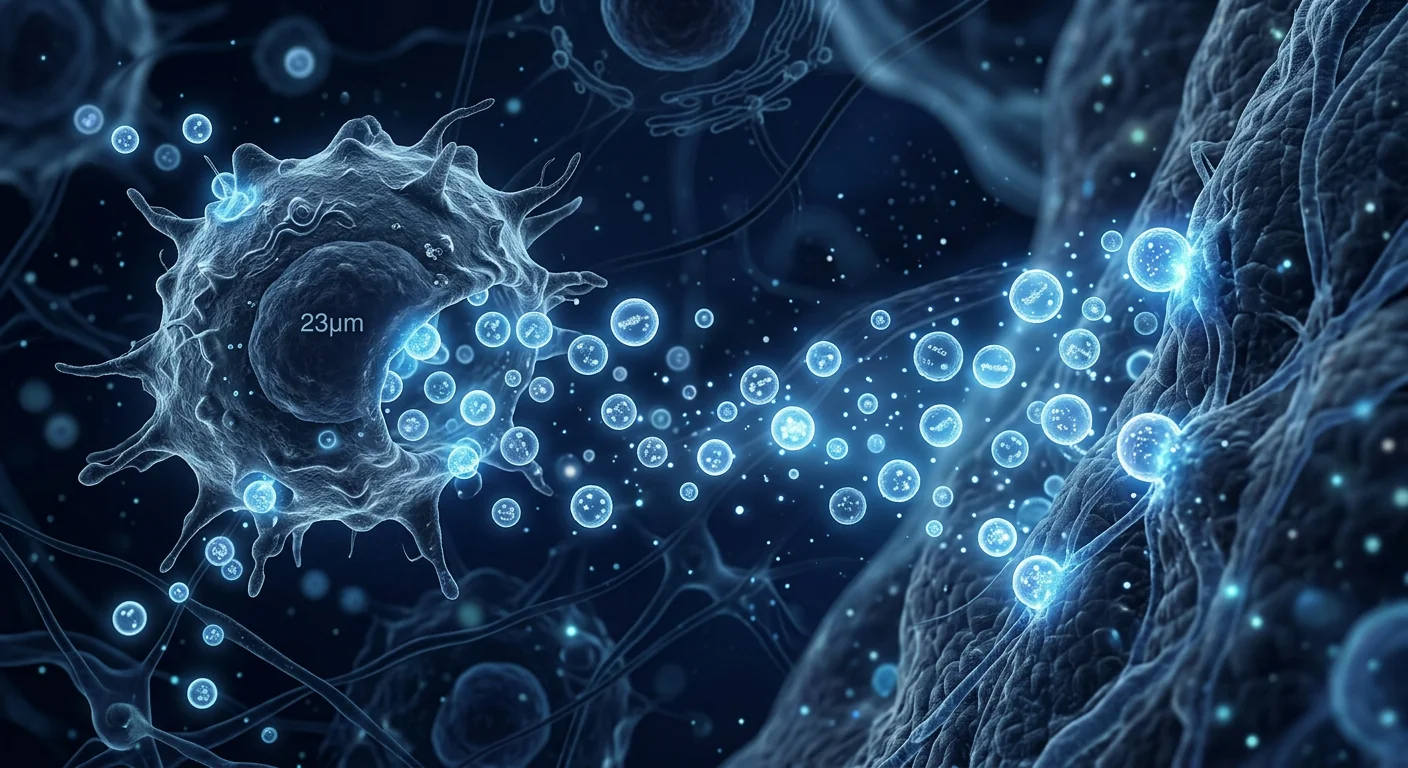
For most of the last two decades, regenerative medicine has been built around a single idea: deliver living stem cells to damaged tissue and let them do the repair work. But a growing body of research points to a surprising refinement of that idea. Much of the benefit attributed to Mesenchymal Stem Cells (MSCs) may not come from the cells engrafting and becoming new tissue at all — it comes from the chemical messages they secrete. The most important of those messengers are tiny membrane-bound packages called exosomes, and learning to use them on their own has opened a field known as cell-free regenerative therapy.
What exactly is an exosome?
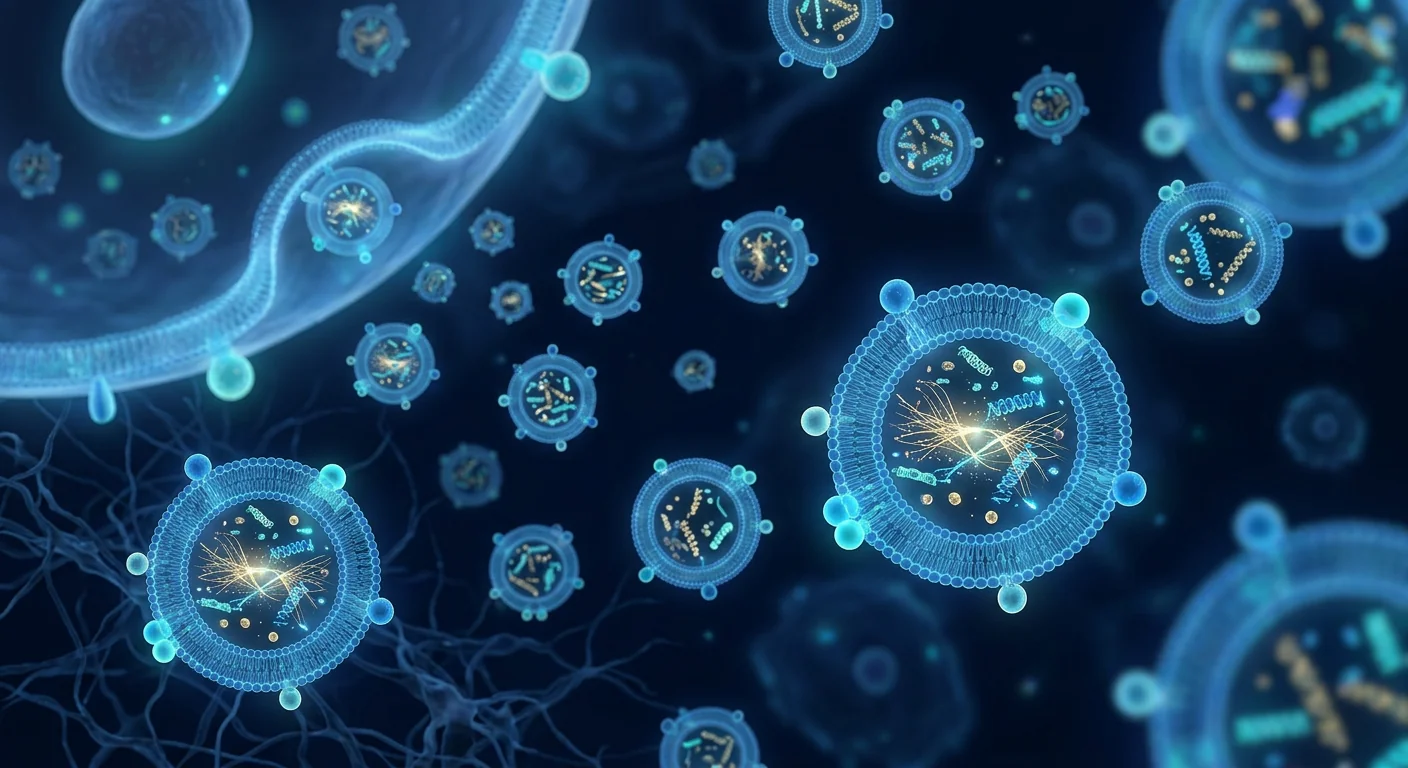
Exosomes are a type of extracellular vesicle — nanoscale spheres, typically 30 to 150 nanometres across, released by almost every cell in the body. Think of them as sealed biological envelopes. Inside, a cell packs a curated cargo of proteins, lipids, growth factors, messenger RNA and microRNA. That envelope then travels through the bloodstream or local tissue fluid and delivers its cargo to recipient cells, changing their behaviour. In other words, exosomes are one of the ways cells talk to each other.[1][2][3][4]
When MSCs are the source, the cargo is biased toward repair: anti-inflammatory signals, pro-regenerative growth factors, and regulatory microRNAs that influence how recipient cells grow, calm inflammation, and rebuild tissue. This is the same toolkit MSCs use when injected as whole cells — but exosomes deliver the message without the cell.
The paracrine shift: rethinking how stem cells heal
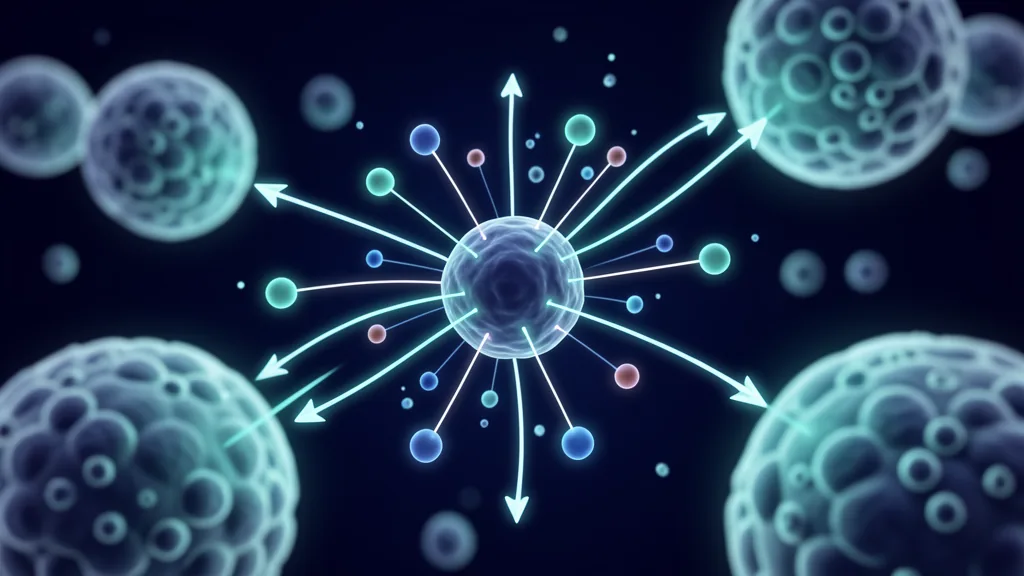
Early stem cell science assumed that injected MSCs would migrate to injured tissue, embed themselves, and differentiate into replacement cells. Decades of careful study complicated that picture. Researchers repeatedly observed meaningful tissue improvement even when very few injected cells survived or remained at the site for long. The explanation that best fits the evidence is the paracrine hypothesis: MSCs act primarily as temporary signalling hubs, secreting a rich mix of factors — packaged largely in exosomes — that instruct the body's own cells to repair themselves.
If the signal is doing most of the work, then isolating and delivering that signal directly becomes a logical next step. That is the core rationale behind exosome-based, cell-free approaches now under investigation in laboratories and clinical trials worldwide.
Why “cell-free” is scientifically interesting
Delivering exosomes instead of whole cells carries several theoretical advantages that researchers are actively testing:
1. No engraftment, no differentiation risk
Because exosomes are not living cells, they cannot proliferate, form unwanted tissue, or persist unpredictably. This removes an entire category of theoretical safety concerns associated with live-cell products.
2. Lower immunogenicity
Exosomes carry fewer of the surface markers that trigger immune recognition, which in early research is associated with a lower likelihood of immune rejection compared with some cell-based products.
3. Stability and storage
Acellular vesicle preparations are generally more robust to handling and storage than living cells, which must be kept viable. This has practical implications for standardisation and quality control.
4. Defined, measurable dosing
Because the active material is molecular rather than a population of living cells, there is a clearer path toward characterising potency and delivering a consistent, measurable dose — a key requirement for any future regulated therapy.
An important caveat up front
These are advantages observed in laboratory and early clinical research — not settled clinical facts. Exosome therapy remains largely investigational. It is not an approved replacement for established stem cell therapy or standard medical care, and any responsible discussion of it has to start from that position.
Where the research is focused
MSC-exosome research spans several areas where MSC paracrine signalling is already understood to be relevant:
Orthopedic and joint health
Because the regenerative signals carried by MSC exosomes overlap with the anti-inflammatory and chondroprotective factors MSCs release in joints, cartilage and tendon repair is one of the most studied targets. Pre-clinical work has explored whether exosomes can help modulate joint inflammation and support cartilage maintenance, though robust human data is still maturing.
Immunomodulation
MSCs are well known for influencing immune behaviour — shifting macrophages toward a regenerative profile and tempering excessive inflammation. Exosomes appear to carry much of this immunomodulatory cargo, making inflammatory and autoimmune-related research a natural area of interest.
Anti-aging and tissue vitality
In the longevity space, interest centres on whether MSC exosomes can support cellular communication and tissue maintenance that tends to decline with age. This is among the most hyped and least proven applications — an area where marketing has frequently run far ahead of evidence, and where conservative interpretation matters most.
The honest limitations
Enthusiasm in this field has consistently outpaced evidence, so a clear-eyed view of the limitations is essential:
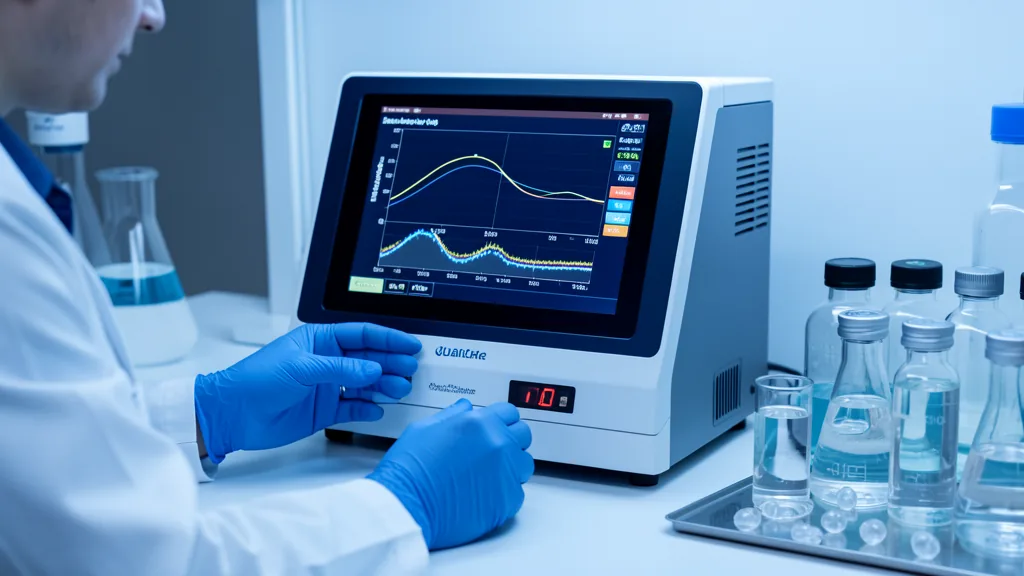
- Standardisation is unsolved. Exosome preparations vary by cell source, culture conditions, and isolation method. Two products labelled “exosomes” may differ enormously in content and activity.
- Potency is hard to define. Unlike a drug with a single active molecule, an exosome carries a complex cargo. Measuring and guaranteeing a consistent biological effect is an open scientific problem.
- Human evidence is still early. Much of the most encouraging data comes from laboratory and animal studies. Large, well-controlled human trials are the standard that matters — and the field is not yet there for most indications.
- Regulatory status is unsettled. In most jurisdictions, exosome products are not approved therapies. Claims of proven cures or guaranteed outcomes are a red flag, not a selling point.
Cell-free regenerative therapy is one of the most promising directions in the field — precisely because it is being studied carefully rather than oversold. The right posture is curiosity grounded in honesty.
— VELAR Clinical Team
How to evaluate exosome therapy responsibly
If you encounter exosome therapy being offered, the same diligence that applies to any regenerative treatment applies here — with extra scrutiny given the investigational status. Ask about the source and characterisation of the product, the quality controls behind it, the specific evidence for your indication, and — crucially — whether the provider is honest about what remains unproven. A trustworthy clinic will frame exosome work as emerging science, not as a guaranteed solution, and will never position it as a replacement for established care.
The VELAR perspective
At VELAR Center, our focus remains on clinically grounded regenerative protocols delivered with rigorous quality standards. We follow the cell-free and exosome research closely because the underlying paracrine science is genuinely important to understanding how regenerative medicine works. We also believe the responsible way to discuss it is plainly: it is a promising, fast-moving research frontier that is still investigational for most uses. As the human evidence matures, our commitment is to let that evidence — not enthusiasm — guide what we offer and how we describe it.
If you want to understand how today's established MSC therapies work and where the science is genuinely settled versus still emerging, an honest consultation is the best starting point.
References
- Uccelli A, Moretta L, Pistoia V. Mesenchymal stem cells in health and disease. Nature Reviews Immunology. 2008;8(9):726-736. doi:10.1038/nri2395 ↩
- Shi Y, Wang Y, Li Q, et al. Immunoregulatory mechanisms of mesenchymal stem and stromal cells in inflammatory diseases. Nature Reviews Nephrology. 2018;14(8):493-507. doi:10.1038/s41581-018-0023-5 ↩
- Spees JL, Lee RH, Gregory CA. Mechanisms of mesenchymal stem/stromal cell function. Stem Cell Research & Therapy. 2016;7(1):125. doi:10.1186/s13287-016-0363-7 ↩
- Galipeau J, Sensébé L. Mesenchymal stromal cells: clinical challenges and therapeutic opportunities. Cell Stem Cell. 2018;22(6):824-833. doi:10.1016/j.stem.2018.05.004 ↩
- Pittenger MF, Discher DE, Péault BM, Phinney DG, Hare JM, Caplan AI. Mesenchymal stem cell perspective: cell biology to clinical progress. NPJ Regenerative Medicine. 2019;4:22. doi:10.1038/s41536-019-0083-6 ↩
- Caplan AI. Mesenchymal stem cells: time to change the name! Stem Cells Translational Medicine. 2017;6(6):1445-1451. doi:10.1002/sctm.17-0051 ↩
- Dominici M, Le Blanc K, Mueller I, et al. Minimal criteria for defining multipotent mesenchymal stromal cells. Cytotherapy. 2006;8(4):315-317. doi:10.1080/14653240600855905 ↩
- Lalu MM, McIntyre L, Pugliese C, et al. Safety of cell therapy with mesenchymal stromal cells (SafeCell). PLoS One. 2012;7(10):e47559. doi:10.1371/journal.pone.0047559 ↩
- Naji A, Eitoku M, Favier B, Deschaseaux F, Rouas-Freiss N, Suganuma N. Biological functions of mesenchymal stem cells. Cellular and Molecular Life Sciences. 2019;76(17):3323-3348. doi:10.1007/s00018-019-03125-1 ↩
- Bronckaers A, Hilkens P, Martens W, et al. Mesenchymal stem/stromal cells as a pharmacological approach to accelerate angiogenesis. Pharmacology & Therapeutics. 2014;143(2):181-196. doi:10.1016/j.pharmthera.2014.02.013 ↩
- Wang Y, Chen X, Cao W, Shi Y. Plasticity of mesenchymal stem cells in immunomodulation. Nature Immunology. 2014;15(11):1009-1016. doi:10.1038/ni.3002 ↩
- Weiss DJ, Bertoncello I, Borok Z, et al. Stem cells and cell therapies in lung biology and lung diseases. Proceedings of the American Thoracic Society. 2011;8(3):223-272. doi:10.1513/pats.201012-071DW ↩
参考文献
- Uccelli A, Moretta L, Pistoia V. Mesenchymal stem cells in health and disease. Nature Reviews Immunology. 2008;8(9):726-736. doi:10.1038/nri2395 ↩
- Shi Y, Wang Y, Li Q, et al. Immunoregulatory mechanisms of mesenchymal stem and stromal cells in inflammatory diseases. Nature Reviews Nephrology. 2018;14(8):493-507. doi:10.1038/s41581-018-0023-5 ↩
- Spees JL, Lee RH, Gregory CA. Mechanisms of mesenchymal stem/stromal cell function. Stem Cell Research & Therapy. 2016;7(1):125. doi:10.1186/s13287-016-0363-7 ↩
- Galipeau J, Sensébé L. Mesenchymal stromal cells: clinical challenges and therapeutic opportunities. Cell Stem Cell. 2018;22(6):824-833. doi:10.1016/j.stem.2018.05.004 ↩
- Pittenger MF, Discher DE, Péault BM, Phinney DG, Hare JM, Caplan AI. Mesenchymal stem cell perspective: cell biology to clinical progress. NPJ Regenerative Medicine. 2019;4:22. doi:10.1038/s41536-019-0083-6 ↩
- Caplan AI. Mesenchymal stem cells: time to change the name! Stem Cells Translational Medicine. 2017;6(6):1445-1451. doi:10.1002/sctm.17-0051 ↩
- Dominici M, Le Blanc K, Mueller I, et al. Minimal criteria for defining multipotent mesenchymal stromal cells. Cytotherapy. 2006;8(4):315-317. doi:10.1080/14653240600855905 ↩
- Lalu MM, McIntyre L, Pugliese C, et al. Safety of cell therapy with mesenchymal stromal cells (SafeCell). PLoS One. 2012;7(10):e47559. doi:10.1371/journal.pone.0047559 ↩
- Naji A, Eitoku M, Favier B, Deschaseaux F, Rouas-Freiss N, Suganuma N. Biological functions of mesenchymal stem cells. Cellular and Molecular Life Sciences. 2019;76(17):3323-3348. doi:10.1007/s00018-019-03125-1 ↩
- Bronckaers A, Hilkens P, Martens W, et al. Mesenchymal stem/stromal cells as a pharmacological approach to accelerate angiogenesis. Pharmacology & Therapeutics. 2014;143(2):181-196. doi:10.1016/j.pharmthera.2014.02.013 ↩
- Wang Y, Chen X, Cao W, Shi Y. Plasticity of mesenchymal stem cells in immunomodulation. Nature Immunology. 2014;15(11):1009-1016. doi:10.1038/ni.3002 ↩
- Weiss DJ, Bertoncello I, Borok Z, et al. Stem cells and cell therapies in lung biology and lung diseases. Proceedings of the American Thoracic Society. 2011;8(3):223-272. doi:10.1513/pats.201012-071DW ↩
在过去近二十年的大部分时间里,再生医学都建立在一个核心理念之上:将活的干细胞递送到受损组织,让它们完成修复工作。但越来越多的研究指向了这一理念的一个出人意料的修正。归功于间充质干细胞(MSC)的许多益处,可能根本不是来自细胞植入并变成新组织——而是来自它们分泌的化学信息。这些信使中最重要的是被称为外泌体的微小膜包裹颗粒,而学会单独使用它们,开辟了一个被称为“无细胞再生疗法”的领域。
外泌体究竟是什么?
外泌体是一种细胞外囊泡——纳米级球体,通常直径为 30 到 150 纳米,几乎由体内每个细胞释放。可以把它们想象成密封的生物信封。在内部,细胞打包了精心挑选的货物:蛋白质、脂质、生长因子、信使 RNA 和微小 RNA。这个信封随后通过血流或局部组织液传播,并将其货物递送给受体细胞,改变它们的行为。换句话说,外泌体是细胞彼此交流的方式之一。
当来源是 MSC 时,货物偏向于修复:抗炎信号、促再生生长因子,以及影响受体细胞如何生长、平息炎症与重建组织的调节性微小 RNA。这与 MSC 作为完整细胞注射时使用的工具包相同——但外泌体在没有细胞的情况下传递信息。
旁分泌转变:重新思考干细胞如何愈合
早期干细胞科学假设注射的 MSC 会迁移到受伤组织、嵌入其中并分化为替代细胞。数十年的仔细研究使这一图景变得复杂。研究人员反复观察到,即使很少有注射的细胞存活或长时间留在原位,组织仍有显著改善。最符合证据的解释是旁分泌假说:MSC 主要作为临时信号中枢,分泌丰富的因子混合物——主要包装在外泌体中——指示身体自身的细胞进行自我修复。
如果信号在完成大部分工作,那么分离并直接递送该信号就成为合乎逻辑的下一步。这就是目前全球实验室与临床试验中研究的基于外泌体的无细胞方法的核心理论依据。
为什么“无细胞”在科学上引人关注
递送外泌体而非完整细胞带来了研究人员正在积极测试的若干理论优势:
1. 无植入、无分化风险
由于外泌体不是活细胞,它们无法增殖、形成不需要的组织或不可预测地持续存在。这消除了与活细胞产品相关的整类理论安全问题。
2. 较低的免疫原性
外泌体携带较少触发免疫识别的表面标志物,在早期研究中,这与相较于某些细胞产品更低的免疫排斥可能性相关。
3. 稳定性与储存
无细胞囊泡制剂通常比必须保持存活的活细胞对处理与储存更稳健。这对标准化与质量控制具有实际意义。
4. 明确、可测量的剂量
由于活性物质是分子而非活细胞群体,在表征效力与递送一致、可测量剂量方面有更清晰的路径——这是任何未来受监管疗法的关键要求。
需要先说明的重要警示
这些是在实验室与早期临床研究中观察到的优势——而非已确立的临床事实。外泌体疗法仍主要处于研究阶段。它不是已获批准的、可替代既定干细胞疗法或标准医疗的方案,任何负责任的讨论都必须从这一立场出发。
研究聚焦于何处
MSC 外泌体研究涵盖了若干已知 MSC 旁分泌信号传导相关的领域:
骨科与关节健康
由于 MSC 外泌体携带的再生信号与 MSC 在关节中释放的抗炎及软骨保护因子重叠,软骨与肌腱修复是研究最多的目标之一。临床前工作探索了外泌体是否能帮助调节关节炎症并支持软骨维护,尽管可靠的人体数据仍在成熟中。
免疫调节
MSC 以影响免疫行为而闻名——将巨噬细胞转向再生特征并缓和过度炎症。外泌体似乎携带了大部分这种免疫调节货物,使炎症与自身免疫相关研究成为自然的关注领域。
抗衰老与组织活力
在长寿领域,关注点集中在 MSC 外泌体是否能支持随年龄倾向于下降的细胞通讯与组织维护。这是被炒作最多、被证明最少的应用之一——一个营销常常远超证据的领域,也是保守解读最为重要的领域。
诚实的局限
该领域的热情始终超过证据,因此清醒看待其局限至关重要:
- 标准化尚未解决。外泌体制剂因细胞来源、培养条件与分离方法而异。两个标注为“外泌体”的产品在内容与活性上可能差异巨大。
- 效力难以界定。与具有单一活性分子的药物不同,外泌体携带复杂货物。测量并保证一致的生物学效应是一个开放的科学问题。
- 人体证据仍处于早期。大部分最令人鼓舞的数据来自实验室与动物研究。大型、良好对照的人体试验才是关键标准——而该领域在大多数适应症上尚未达到。
- 监管状态未定。在大多数司法管辖区,外泌体产品并非获批疗法。声称已证实的治愈或保证的结果是危险信号,而非卖点。
无细胞再生疗法是该领域最有前景的方向之一——正是因为它在被仔细研究而非过度兜售。正确的姿态是以诚实为根基的好奇。
— VELAR 临床团队
如何负责任地评估外泌体疗法
如果您遇到提供外泌体疗法的情况,适用于任何再生治疗的同样审慎在此同样适用——鉴于其研究阶段状态需额外审查。询问产品的来源与表征、背后的质量控制、针对您适应症的具体证据,以及——关键的——提供者是否诚实说明哪些仍未被证明。值得信赖的诊所会将外泌体工作定位为新兴科学,而非保证的解决方案,且绝不会将其定位为既定护理的替代品。
VELAR 的观点
在 VELAR 中心,我们的重点仍然是以严格质量标准递送、有临床依据的再生方案。我们密切关注无细胞与外泌体研究,因为其背后的旁分泌科学对于理解再生医学的运作方式确实重要。我们也相信,负责任的讨论方式是直白的:这是一个有前景、快速发展的研究前沿,对大多数用途仍处于研究阶段。随着人体证据的成熟,我们的承诺是让证据——而非热情——指导我们提供什么以及如何描述它。
如果您想了解当今既定的 MSC 疗法如何运作,以及科学在哪些方面确实已确立、哪些仍在新兴中,一次诚实的咨询是最好的起点。
المراجع
- Uccelli A, Moretta L, Pistoia V. Mesenchymal stem cells in health and disease. Nature Reviews Immunology. 2008;8(9):726-736. doi:10.1038/nri2395 ↩
- Shi Y, Wang Y, Li Q, et al. Immunoregulatory mechanisms of mesenchymal stem and stromal cells in inflammatory diseases. Nature Reviews Nephrology. 2018;14(8):493-507. doi:10.1038/s41581-018-0023-5 ↩
- Spees JL, Lee RH, Gregory CA. Mechanisms of mesenchymal stem/stromal cell function. Stem Cell Research & Therapy. 2016;7(1):125. doi:10.1186/s13287-016-0363-7 ↩
- Galipeau J, Sensébé L. Mesenchymal stromal cells: clinical challenges and therapeutic opportunities. Cell Stem Cell. 2018;22(6):824-833. doi:10.1016/j.stem.2018.05.004 ↩
- Pittenger MF, Discher DE, Péault BM, Phinney DG, Hare JM, Caplan AI. Mesenchymal stem cell perspective: cell biology to clinical progress. NPJ Regenerative Medicine. 2019;4:22. doi:10.1038/s41536-019-0083-6 ↩
- Caplan AI. Mesenchymal stem cells: time to change the name! Stem Cells Translational Medicine. 2017;6(6):1445-1451. doi:10.1002/sctm.17-0051 ↩
- Dominici M, Le Blanc K, Mueller I, et al. Minimal criteria for defining multipotent mesenchymal stromal cells. Cytotherapy. 2006;8(4):315-317. doi:10.1080/14653240600855905 ↩
- Lalu MM, McIntyre L, Pugliese C, et al. Safety of cell therapy with mesenchymal stromal cells (SafeCell). PLoS One. 2012;7(10):e47559. doi:10.1371/journal.pone.0047559 ↩
- Naji A, Eitoku M, Favier B, Deschaseaux F, Rouas-Freiss N, Suganuma N. Biological functions of mesenchymal stem cells. Cellular and Molecular Life Sciences. 2019;76(17):3323-3348. doi:10.1007/s00018-019-03125-1 ↩
- Bronckaers A, Hilkens P, Martens W, et al. Mesenchymal stem/stromal cells as a pharmacological approach to accelerate angiogenesis. Pharmacology & Therapeutics. 2014;143(2):181-196. doi:10.1016/j.pharmthera.2014.02.013 ↩
- Wang Y, Chen X, Cao W, Shi Y. Plasticity of mesenchymal stem cells in immunomodulation. Nature Immunology. 2014;15(11):1009-1016. doi:10.1038/ni.3002 ↩
- Weiss DJ, Bertoncello I, Borok Z, et al. Stem cells and cell therapies in lung biology and lung diseases. Proceedings of the American Thoracic Society. 2011;8(3):223-272. doi:10.1513/pats.201012-071DW ↩
على مدى معظم العقدين الماضيين، بُني الطب التجديدي حول فكرة واحدة: إيصال الخلايا الجذعية الحية إلى الأنسجة التالفة وتركها تقوم بعمل الإصلاح. لكن مجموعة متنامية من الأبحاث تشير إلى تنقيح مفاجئ لهذه الفكرة. فالكثير من الفائدة المنسوبة إلى الخلايا الجذعية الوسيطة (MSCs) قد لا يأتي من اندماج الخلايا وتحولها إلى نسيج جديد على الإطلاق — بل يأتي من الرسائل الكيميائية التي تفرزها. وأهم تلك الرسائل هي حزم صغيرة محاطة بغشاء تُسمى الإكسوسومات، وتعلُّم استخدامها بمفردها فتح مجالاً يُعرف بالعلاج التجديدي الخالي من الخلايا.
ما هو الإكسوسوم بالضبط؟
الإكسوسومات نوع من الحويصلات خارج الخلوية — كرات بحجم النانومتر، يتراوح قطرها عادةً بين 30 و150 نانومتراً، تُطلقها كل خلية في الجسم تقريباً. تخيّلها كمظاريف بيولوجية محكمة الإغلاق. في الداخل، تحزم الخلية حمولة منتقاة من البروتينات والدهون وعوامل النمو والحمض النووي الريبي الرسول والحمض النووي الريبي الصغير. ثم ينتقل هذا المظروف عبر مجرى الدم أو سائل الأنسجة الموضعي ويوصل حمولته إلى الخلايا المستقبِلة، فيغيّر سلوكها. بعبارة أخرى، الإكسوسومات هي إحدى الطرق التي تتحدث بها الخلايا فيما بينها.
عندما تكون الخلايا الجذعية الوسيطة هي المصدر، تميل الحمولة نحو الإصلاح: إشارات مضادة للالتهاب، وعوامل نمو محفِّزة للتجديد، وأحماض نووية ريبية صغيرة تنظيمية تؤثر في كيفية نمو الخلايا المستقبِلة وتهدئة الالتهاب وإعادة بناء النسيج. هذه هي مجموعة الأدوات نفسها التي تستخدمها الخلايا الجذعية الوسيطة عند حقنها كخلايا كاملة — لكن الإكسوسومات توصل الرسالة من دون الخلية.
التحول شبه الصمّاوي: إعادة التفكير في كيفية شفاء الخلايا الجذعية
افترض العلم المبكر للخلايا الجذعية أن الخلايا المحقونة ستهاجر إلى النسيج المصاب وتترسخ فيه وتتمايز إلى خلايا بديلة. لكن عقوداً من الدراسة الدقيقة عقّدت هذه الصورة. فقد لاحظ الباحثون مراراً تحسناً ملموساً في الأنسجة حتى عندما بقي عدد قليل جداً من الخلايا المحقونة على قيد الحياة أو في الموقع لفترة طويلة. والتفسير الأكثر توافقاً مع الأدلة هو الفرضية شبه الصمّاوية: تعمل الخلايا الجذعية الوسيطة أساساً كمراكز إشارة مؤقتة، تفرز مزيجاً غنياً من العوامل — مُعبّأة إلى حد كبير في الإكسوسومات — توجّه خلايا الجسم نفسها لإصلاح ذاتها.
إذا كانت الإشارة تقوم بمعظم العمل، فإن عزل تلك الإشارة وإيصالها مباشرة يصبح الخطوة المنطقية التالية. هذا هو الأساس المنطقي الجوهري للمناهج الخالية من الخلايا القائمة على الإكسوسومات والتي تخضع للبحث الآن في المختبرات والتجارب السريرية حول العالم.
لماذا يثير « الخالي من الخلايا » الاهتمام علمياً
يحمل إيصال الإكسوسومات بدلاً من الخلايا الكاملة عدة مزايا نظرية يختبرها الباحثون بنشاط:
1. لا اندماج ولا خطر تمايز
لأن الإكسوسومات ليست خلايا حية، فلا يمكنها التكاثر أو تكوين نسيج غير مرغوب فيه أو الاستمرار بشكل غير متوقع. وهذا يزيل فئة كاملة من المخاوف النظرية المتعلقة بالسلامة المرتبطة بمنتجات الخلايا الحية.
2. مناعية أقل
تحمل الإكسوسومات عدداً أقل من العلامات السطحية التي تُحفّز التعرف المناعي، وهو ما يرتبط في الأبحاث المبكرة باحتمال أقل للرفض المناعي مقارنةً ببعض المنتجات الخلوية.
3. الثبات والتخزين
عادةً ما تكون مستحضرات الحويصلات الخالية من الخلايا أكثر متانة في التعامل والتخزين من الخلايا الحية التي يجب إبقاؤها قابلة للحياة. ولهذا انعكاسات عملية على التوحيد القياسي وضبط الجودة.
4. جرعات محددة وقابلة للقياس
لأن المادة الفعّالة جزيئية وليست مجموعة من الخلايا الحية، هناك مسار أوضح نحو توصيف الفاعلية وإيصال جرعة متسقة وقابلة للقياس — وهو شرط أساسي لأي علاج منظَّم مستقبلاً.
تنبيه مهم في البداية
هذه مزايا مُلاحَظة في الأبحاث المختبرية والسريرية المبكرة — وليست حقائق سريرية راسخة. لا يزال علاج الإكسوسوم تجريبياً إلى حد كبير. وهو ليس بديلاً معتمداً عن علاج الخلايا الجذعية الراسخ أو الرعاية الطبية المعيارية، وأي نقاش مسؤول حوله يجب أن ينطلق من هذا الموقف.
أين يتركز البحث
تمتد أبحاث إكسوسومات الخلايا الجذعية الوسيطة عبر عدة مجالات يُعرف فيها بالفعل أن الإشارات شبه الصمّاوية ذات صلة:
صحة العظام والمفاصل
لأن إشارات التجديد التي تحملها إكسوسومات الخلايا الجذعية الوسيطة تتداخل مع العوامل المضادة للالتهاب والحامية للغضروف التي تفرزها هذه الخلايا في المفاصل، فإن إصلاح الغضروف والأوتار من أكثر الأهداف دراسة. وقد استكشف العمل قبل السريري ما إذا كانت الإكسوسومات تساعد في تنظيم التهاب المفاصل ودعم صيانة الغضروف، رغم أن البيانات البشرية الموثوقة لا تزال في طور النضج.
تعديل المناعة
تُعرف الخلايا الجذعية الوسيطة بتأثيرها في السلوك المناعي — إذ تحوّل البلاعم نحو نمط تجديدي وتلطّف الالتهاب المفرط. ويبدو أن الإكسوسومات تحمل جزءاً كبيراً من هذه الحمولة المعدِّلة للمناعة، ما يجعل الأبحاث المتعلقة بالالتهاب والمناعة الذاتية مجالاً طبيعياً للاهتمام.
مكافحة الشيخوخة وحيوية الأنسجة
في مجال طول العمر، يتركز الاهتمام على ما إذا كانت إكسوسومات الخلايا الجذعية الوسيطة تستطيع دعم التواصل الخلوي وصيانة الأنسجة التي تميل إلى التراجع مع التقدم في العمر. وهذا من أكثر التطبيقات تهويلاً وأقلها إثباتاً — مجال غالباً ما سبق فيه التسويق الأدلة بمسافة كبيرة، وحيث يكون التفسير المتحفظ هو الأهم.
القيود الصادقة
لطالما سبق الحماس في هذا المجال الأدلة، لذا فإن النظرة الواضحة للقيود ضرورية:
- التوحيد القياسي لم يُحل. تختلف مستحضرات الإكسوسوم باختلاف مصدر الخلايا وظروف الاستزراع وطريقة العزل. وقد يختلف منتجان موسومان بـ « الإكسوسومات » اختلافاً هائلاً في المحتوى والنشاط.
- يصعب تحديد الفاعلية. بخلاف دواء بجزيء فعّال واحد، يحمل الإكسوسوم حمولة معقدة. وقياس تأثير بيولوجي متسق وضمانه مسألة علمية مفتوحة.
- الأدلة البشرية لا تزال مبكرة. يأتي الكثير من أكثر البيانات تشجيعاً من دراسات مختبرية وحيوانية. والتجارب البشرية الكبيرة جيدة الضبط هي المعيار المهم — والمجال لم يبلغها بعد في معظم الاستطبابات.
- الوضع التنظيمي غير محسوم. في معظم الولايات القضائية، منتجات الإكسوسوم ليست علاجات معتمدة. وادعاءات الشفاء المثبت أو النتائج المضمونة علامة تحذير، لا نقطة بيع.
العلاج التجديدي الخالي من الخلايا أحد أكثر الاتجاهات الواعدة في المجال — تحديداً لأنه يُدرس بعناية بدلاً من المبالغة في تسويقه. والموقف الصحيح هو فضول مبني على الصدق.
— الفريق السريري في VELAR
كيف تقيّم علاج الإكسوسوم بمسؤولية
إذا صادفت عرضاً لعلاج بالإكسوسوم، فإن العناية نفسها التي تنطبق على أي علاج تجديدي تنطبق هنا — مع تدقيق إضافي نظراً لطبيعته التجريبية. اسأل عن مصدر المنتج وتوصيفه، وضوابط الجودة وراءه، والأدلة المحددة لحالتك، والأهم — ما إذا كان مقدّم الخدمة صادقاً بشأن ما لا يزال غير مثبت. العيادة الموثوقة ستضع عمل الإكسوسوم بوصفه علماً ناشئاً، لا حلاً مضموناً، ولن تقدّمه أبداً كبديل عن الرعاية الراسخة.
منظور VELAR
في مركز VELAR، يظل تركيزنا على بروتوكولات تجديدية ذات أساس سريري تُقدَّم بمعايير جودة صارمة. نتابع عن كثب أبحاث العلاج الخالي من الخلايا والإكسوسوم لأن العلم شبه الصمّاوي الكامن وراءها مهم حقاً لفهم كيفية عمل الطب التجديدي. ونؤمن أيضاً بأن الطريقة المسؤولة لمناقشته صريحة: إنه جبهة بحثية واعدة وسريعة التطور لا تزال تجريبية لمعظم الاستخدامات. ومع نضوج الأدلة البشرية، التزامنا هو أن ندع الأدلة — لا الحماس — توجّه ما نقدمه وكيف نصفه.
إذا أردت فهم كيفية عمل علاجات الخلايا الجذعية الوسيطة الراسخة اليوم، وأين استقر العلم فعلاً مقابل ما لا يزال ناشئاً، فإن استشارة صادقة هي أفضل نقطة انطلاق.