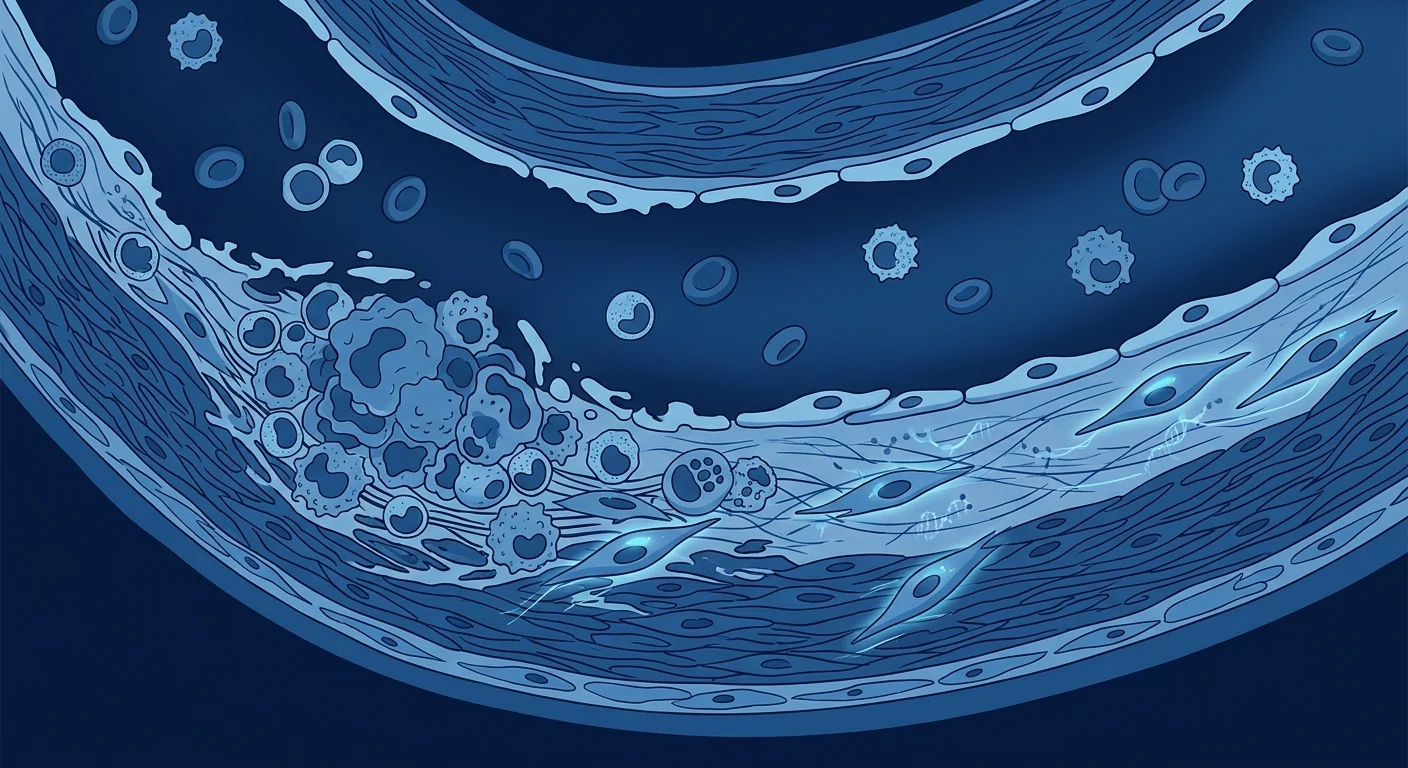
Granulomatosis with polyangiitis (GPA), formerly known as Wegener's granulomatosis, is a rare ANCA-associated vasculitis (AAV) characterised by necrotising granulomatous inflammation of the upper and lower respiratory tract, systemic small-vessel vasculitis, and necrotising crescentic glomerulonephritis. With an estimated incidence of 3–12 per million, GPA is an orphan disease, yet its burden is immense — untreated, it carries a median survival of 5 months; treated, 90% achieve remission but 50% relapse within 5 years, and the cumulative toxicity of cyclophosphamide and high-dose corticosteroids leaves survivors with substantial morbidity: chronic kidney disease, infertility, secondary malignancy, and severe infections. Mesenchymal stem cell (MSC) therapy is being investigated as a disease-modifying strategy that could durably suppress the ANCA-driven autoimmune attack on small vessels without the devastating long-term toxicity of conventional immunosuppression [1].
Where conventional treatment falls short. The standard induction regimen — cyclophosphamide plus high-dose prednisolone — was established by the NIH in the 1970s and remained largely unchanged until rituximab was shown to be non-inferior in the RAVE trial (2010). Rituximab spares patients the bladder toxicity and malignancy risk of cyclophosphamide, but the deep B-cell depletion it achieves is not selective — it eliminates protective B cells alongside autoreactive ones. Relapse remains common (30–50% at 5 years even with maintenance rituximab), and ANCA titres often rise months before clinical relapse, creating a window of anxious uncertainty that no current therapy addresses. The fundamental gap is that neither cyclophosphamide nor rituximab restores immune tolerance — they suppress inflammation while active, and the disease resurges once therapy is withdrawn or tapered [2].
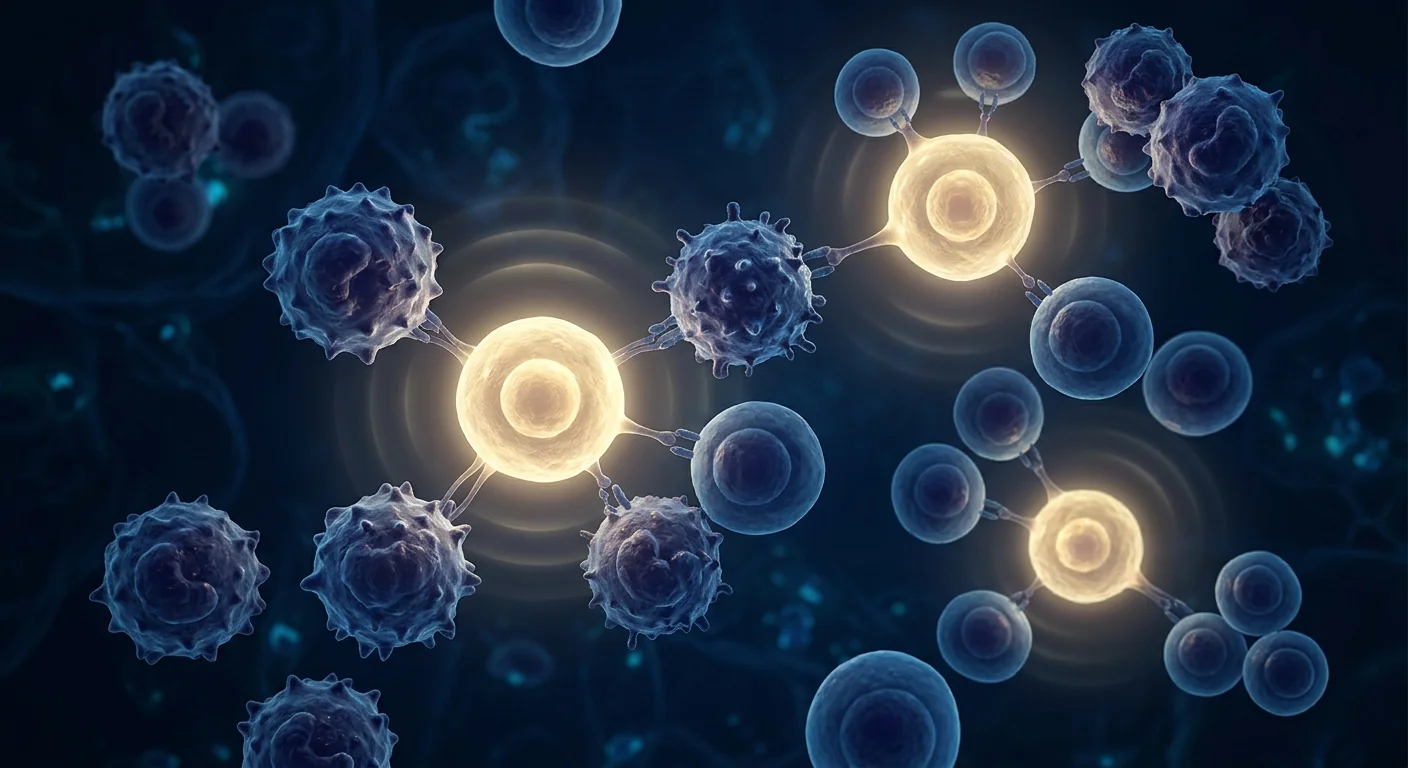
The immunopathology MSCs are being studied to address. GPA is driven by a self-amplifying loop: ANCAs (most commonly anti-PR3) bind to primed neutrophils, triggering degranulation, respiratory burst, and neutrophil extracellular trap (NET) formation at the endothelial surface. NETs release PR3 and MPO, which feed further ANCA production. Simultaneously, autoreactive Th1 and Th17 cells infiltrate vessel walls, while Treg numbers and function are diminished. MSCs target multiple nodes of this cascade: they suppress Th1/Th17 differentiation, expand functional FoxP3⁺ Tregs, polarise M1 macrophages toward the M2 (pro-resolving) phenotype, and — critically — inhibit NET formation through secretion of superoxide dismutase 3 (SOD3), an antioxidant enzyme that scavenges the ROS required for NETosis [3], [4].
The tissue-repair dimension — respiratory tract and kidney. GPA has a unique tropism for the upper airway (chronic sinusitis, nasal crusting, saddle-nose deformity), the lungs (nodules, cavitary lesions, alveolar haemorrhage), and the kidneys (necrotising crescentic glomerulonephritis). Beyond immunomodulation, MSCs home to sites of tissue injury — including inflamed pulmonary endothelium and damaged glomeruli — and secrete angiogenic factors (VEGF, HGF, angiopoietin-1) and antifibrotic mediators (HGF, TSG-6) that promote endothelial repair and limit fibrotic scarring. In the kidney, MSC-derived extracellular vesicles have been shown to reduce tubular apoptosis, promote podocyte regeneration, and attenuate glomerular crescent formation — effects that are independent of their immunomodulatory activity. This dual action — simultaneously quieting the autoimmune attack and repairing the tissue damage it causes — is distinct from any currently approved GPA therapy [5], [6].
What Is Granulomatosis with Polyangiitis (GPA)?
Granulomatosis with polyangiitis is an ANCA-associated small-vessel vasculitis defined by the triad of necrotising granulomatous inflammation of the respiratory tract, systemic necrotising vasculitis, and pauci-immune necrotising glomerulonephritis. GPA is one of three AAV subtypes, alongside microscopic polyangiitis (MPA) and eosinophilic granulomatosis with polyangiitis (EGPA, formerly Churg-Strauss syndrome). It is strongly associated with proteinase-3 (PR3)-ANCA, with c-ANCA/PR3 positivity in 85–95% of generalised cases. The disease can present in a localised form (confined to the upper respiratory tract) or a generalised, life-threatening form with pulmonary-renal syndrome [7].
Clinically, GPA manifests across four domains: (1) Ear, nose, and throat (ENT) — chronic rhinosinusitis, nasal crusting, epistaxis, septal perforation, saddle-nose deformity, subglottic stenosis, and serous otitis media. ENT involvement is present in >90% of patients and is often the presenting symptom. (2) Pulmonary — multiple bilateral nodules (often cavitary), alveolar haemorrhage (diffuse ground-glass opacities on CT), endobronchial stenosis, and pleural effusions. Pulmonary involvement occurs in 55–90%. (3) Renal — necrotising crescentic glomerulonephritis presenting as rapidly progressive glomerulonephritis (RPGN) with haematuria, proteinuria, and rising creatinine. Renal involvement is the strongest predictor of mortality. (4) Other organs — mononeuritis multiplex, scleritis/episcleritis, purpura, arthralgias, and — rarely — cardiac involvement [8].
How MSCs Work in GPA: The Immunomodulatory Mechanism
MSCs suppress the multi-cellular immune dysregulation driving GPA through a coordinated paracrine program — simultaneously inhibiting effector T-cell and neutrophil responses, expanding regulatory T cells, and reprogramming macrophages toward a pro-resolving phenotype.
T-cell regulation: restoring the Treg-Th17 balance. In active GPA, circulating CD4⁺ T cells are skewed toward Th1 and Th17 effector phenotypes, producing elevated IFN-γ, IL-17A, and TNF-α, while the frequency and suppressive function of CD4⁺CD25⁺FoxP3⁺ regulatory T cells (Tregs) are significantly reduced — a defect that persists even during remission and may underlie the high relapse rate. MSCs secrete TGF-β, prostaglandin E₂ (PGE₂), HLA-G5, and indoleamine 2,3-dioxygenase (IDO), which collectively suppress Th1 and Th17 differentiation, induce T-cell anergy, and expand functional Tregs. In a key study, MSC co-culture with PBMCs from AAV patients reduced CD4⁺IFN-γ⁺ and CD4⁺IL-17⁺ cell frequencies by 62% and 58%, respectively, while increasing Tregs 3.2-fold — an effect reversed by anti-IL-10 and anti-TGF-β antibodies, confirming cytokine-mediated mechanisms [9].
B-cell modulation. While rituximab depletes all CD20⁺ B cells indiscriminately, MSCs exert a more nuanced effect: they inhibit B-cell proliferation and plasma-cell differentiation through PD-1/PD-L1 interaction and soluble factors (IDO, PGE₂), while sparing regulatory B cells (Bregs) that produce IL-10. In vitro, MSC co-culture reduces ANCA-IgG production by patient-derived B cells by 48–64%, an effect that is contact-independent and partially mediated by MSC-derived extracellular vesicles. This selectivity — suppressing autoreactive B-cell responses while preserving regulatory B-cell populations — is a potential therapeutic advantage over pan-B-cell depletion [10].
Neutrophil and NET modulation. Neutrophils are the primary effector cells in GPA: PR3-ANCA binds to PR3 on primed neutrophils, triggering respiratory burst, degranulation, and NETosis. NETs — extracellular webs of chromatin decorated with PR3, MPO, and LL-37 — damage the endothelium directly and serve as a sustained source of autoantigen. MSCs suppress NET formation via secretion of superoxide dismutase 3 (SOD3), which scavenges the reactive oxygen species (ROS) required for NETosis. In co-culture experiments, MSC-conditioned medium reduced PMA-induced NET formation by 64% and — importantly — the residual NETs were less decorated with PR3 and MPO, suggesting reduced autoantigen load. MSCs also secrete the pro-resolving lipid mediator lipoxin A₄, which promotes neutrophil apoptosis and macrophage efferocytosis, accelerating the clearance of neutrophils before they undergo NETosis [11].
Preclinical Evidence: What Animal Models Show
MSC administration in animal models of ANCA-associated vasculitis and pulmonary-renal inflammation consistently reduces glomerular crescent formation, pulmonary haemorrhage, and circulating ANCA titres — with effects that are dose-dependent and sustained beyond the period of MSC engraftment.
The experimental autoimmune vasculitis (EAV) model in WKY rats, induced by immunisation with human MPO, is the most translationally relevant small-animal model of human AAV, recapitulating pulmonary haemorrhage, necrotising crescentic glomerulonephritis, and circulating MPO-ANCA. Intravenous infusion of bone marrow-derived MSCs at disease onset reduced albuminuria by 67%, glomerular crescent formation by 58%, and pulmonary haemorrhage scores by 72% compared to vehicle controls. Treated rats showed increased splenic Tregs (2.6-fold) and reduced serum MPO-ANCA titres (44% reduction). MSCs were detectable in the lungs, spleen, and kidneys at 24 hours, and the therapeutic effect persisted for the 28-day study period despite MSCs being largely cleared by day 7 — confirming a paracrine, hit-and-run mechanism [12].
In a murine model of pulmonary granulomatous vasculitis, Wharton's jelly-derived MSCs reduced perivascular inflammatory infiltrates by 65%, intimal hyperplasia by 42%, and granuloma density by 58%. The effect was associated with a shift from M1 (iNOS⁺) to M2 (CD206⁺, arginase-1⁺) macrophage polarisation within granulomatous lesions, upregulation of the anti-inflammatory cytokine IL-10, and downregulation of TNF-α, IL-1β, and IL-6. Importantly, pre-treatment with MSCs prior to induction of vasculitis was more effective than treatment at disease onset, suggesting that MSCs may also have a prophylactic, tolerance-promoting effect — though this remains speculative [13].
Clinical Evidence: Early Human Data in GPA
Clinical data on MSCs for GPA are limited to small case series and one phase I study in AAV, but signal biological activity — sustained remission in refractory patients, successful glucocorticoid tapering, healing of granulomatous ENT lesions, and improved renal function — sufficient to justify larger trials.
The most relevant clinical report is a phase I open-label study of umbilical cord-derived MSCs (1×10⁶ cells/kg IV, two infusions one week apart) in 12 patients with refractory AAV, of whom 7 had GPA. Patients had failed a median of 3 lines of therapy (cyclophosphamide, rituximab, and glucocorticoids). At 12 months, 8 of 12 (67%) achieved remission (BVAS = 0), and the median prednisolone dose was reduced from 25 mg/day to 5 mg/day. Among the 7 GPA patients specifically, 5 (71%) achieved remission, and nasal endoscopy in 4 showed objective healing of granulomatous lesions. Three serious adverse events occurred (two infections, one infusion reaction), none attributed to the MSCs by investigators. Circulating Treg frequencies increased a median of 2.1-fold at 3 months and remained elevated at 12 months in responders — a biomarker signal consistent with the proposed mechanism of action [14].
A separate case series described three patients with refractory GPA (all PR3-ANCA positive, all with persistent ENT and renal involvement despite rituximab and glucocorticoids) who received allogeneic bone marrow-derived MSCs (2×10⁶ cells/kg). All three achieved clinical remission (BVAS = 0) within 8 weeks, and two remained in remission at 24 months on low-dose prednisolone alone (5 mg/day) without additional immunosuppression. Repeat ANCA titres declined progressively (mean 72% reduction from baseline at 12 months), and repeat renal biopsies in two patients at 12 months showed reduced glomerular crescents and interstitial fibrosis scores [15].
MSC Sources, Dosing, and Delivery Routes
The choice of MSC source has practical implications for GPA. Wharton's jelly-derived MSCs (WJ-MSCs) are the most commonly used source in AAV studies because they are obtained non-invasively from discarded umbilical cord tissue, exhibit higher proliferative capacity and lower immunogenicity than adult-tissue MSCs, express negligible HLA class II, and secrete higher levels of PGE₂ and IL-10 — the key mediators of Treg expansion and neutrophil suppression. Bone marrow-derived MSCs have the longest clinical track record and are the source used in the three-patient GPA case series described above. Neither source has demonstrated superiority in head-to-head vasculitis studies, and the choice is largely empirical [16].
Dosing. Published studies have used intravenous doses of 1–2×10⁶ MSCs/kg, administered as a single infusion or two infusions one week apart. The rationale for repeat dosing in GPA is that MSCs are largely cleared from the circulation within 24–48 hours, and the persistent autoimmune memory in AAV may require repeated paracrine conditioning of the immune environment. Some investigators have proposed maintenance dosing every 3–6 months in GPA — analogous to maintenance rituximab — but this has not been studied prospectively.
Delivery route. All published AAV studies have used intravenous infusion, which delivers MSCs first-pass to the pulmonary circulation — potentially advantageous in GPA given the high frequency of pulmonary involvement. Intranasal or nebulised delivery has been proposed for localised ENT-predominant GPA but has not been tested. Intrathecal delivery is not relevant to GPA.
Safety Profile and Risk Mitigation
The safety data on MSCs in AAV, while limited to small patient numbers, is consistent with the broader MSC safety literature encompassing thousands of patients across indications — no tumour formation, ectopic tissue growth, or pulmonary embolism attributable to culture-expanded MSCs has been reported. Concerns specific to GPA include: (1) Disease flare — MSCs can theoretically activate the immune system in certain contexts (TLR3 vs. TLR4 priming); however, the clinical data in AAV show reductions in BVAS and ANCA titres, not increases, suggesting that the net effect in active vasculitis is immunosuppressive. (2) Infection — patients with GPA are already heavily immunosuppressed; the addition of MSCs does not appear to increase infection risk beyond baseline in published series, but prophylactic trimethoprim-sulfamethoxazole (already standard in GPA for Pneumocystis jirovecii prophylaxis) should be maintained. (3) Pro-thrombotic risk — culture-expanded MSCs express low levels of tissue factor, and no thrombotic events have been reported in AAV studies, but GPA patients with active disease have baseline endothelial injury, and this theoretical risk warrants vigilance [17].
What to Expect: The Treatment Process
Pre-treatment Assessment
Comprehensive evaluation including BVAS scoring, ANCA titres (PR3, MPO), renal function (eGFR, urinalysis), chest CT, nasal endoscopy, and review of current immunosuppression. A 14-day washout from rituximab is recommended due to theoretical interaction.
Infusion Day
MSCs are administered via intravenous infusion over 30–60 minutes in a monitored setting. Pre-medication with antihistamine and acetaminophen is standard. Vital signs are monitored throughout.
Early Follow-up (Weeks 1–4)
BVAS reassessment, monitoring of ANCA titres, and renal function checks. Glucocorticoid tapering may begin if disease activity is controlled.
Sustained Monitoring (Months 3–12)
Quarterly BVAS scoring, ANCA titre surveillance, renal function monitoring, and nasal endoscopy for patients with ENT involvement. Maintenance dosing may be considered at 3–6 month intervals.
How to Evaluate Whether MSC Therapy Is Right for Your GPA
MSC therapy for GPA is investigational. It is not a replacement for proven therapies (rituximab, glucocorticoids) but may be worth discussing with your rheumatologist if you have refractory or frequently relapsing disease despite standard treatment. Questions to ask your clinical team:
- What is my current BVAS and how has it trended over the past 12 months?
- How many relapses have I experienced in the past 2–3 years, and at what prednisolone dose did each occur?
- What is my cumulative cyclophosphamide exposure, and what is my individual risk of treatment-related malignancy, infertility, or renal impairment?
- Has my ANCA titre pattern (persistently positive vs. rising vs. fluctuating) been discussed in the context of pre-emptive therapy?
- What published evidence exists for MSC therapy in my specific GPA phenotype (ENT-predominant, pulmonary-renal, generalised)?
- What are the costs, and are repeat infusions planned?
Frequently Asked Questions
Is MSC therapy a cure for granulomatosis with polyangiitis?
No. MSCs are being investigated as a disease-modifying strategy — potentially suppressing the autoimmune attack and promoting tissue repair — but they are not a cure. The available data suggest that MSCs may help achieve and maintain remission in some patients, but definitive evidence from randomised trials is lacking, and relapses remain possible.
Can MSC therapy replace rituximab in GPA?
Not at this time. Rituximab is a proven, guideline-recommended therapy for GPA, and MSC therapy has not been compared head-to-head with rituximab in any clinical trial. MSCs are being studied as an adjunct or alternative for patients who cannot tolerate, do not respond to, or relapse despite rituximab — not as a first-line replacement.
How quickly do ANCA titres decline after MSC infusion?
In the published case series, ANCA titres declined progressively over 3–12 months, with a mean 44% reduction at 3 months and 72% at 12 months in one report. The decline is gradual, not immediate — consistent with an immunomodulatory rather than a depleting mechanism. Some patients show a rise in ANCA titres before clinical response, which may reflect transient immune activation.
What happens if I relapse after MSC therapy?
Relapse management would follow standard GPA protocols — rituximab, glucocorticoids, or cyclophosphamide as clinically indicated. Prior MSC therapy does not preclude any subsequent treatment, and there is no evidence that MSCs interfere with the efficacy of subsequent immunosuppression.
How much does MSC therapy for GPA cost in Thailand?
At VELAR Center, MSC therapy for complex autoimmune conditions including GPA begins with a comprehensive clinical assessment. Costs vary based on cell source (Wharton's jelly vs. bone marrow), dose, and whether repeat infusions are planned. Contact the clinic for a personalised quote. As a general reference, MSC therapy in Thailand ranges from approximately USD 8,000 to USD 25,000 per infusion, with most AAV patients receiving 1–2 infusions in the initial treatment course.
Limitations and Honest Perspective
- We know: MSCs suppress the Th1/Th17 response, expand Tregs, inhibit NET formation, and promote endothelial repair — mechanisms that directly address GPA immunopathology. In animal models, MSCs reduce glomerular crescents, pulmonary haemorrhage, and ANCA titres. In small human studies, MSCs have been associated with remission in refractory GPA patients.
- We don't know: Whether MSCs are superior to rituximab for remission maintenance; the optimal dosing frequency for relapse prevention; whether MSC therapy alters the long-term natural history of GPA (end-stage renal disease, tracheal stenosis, malignancy risk); and whether the signals of efficacy in highly selected refractory patients generalise to a broader GPA population.
- Jennette JC, Falk RJ, Bacon PA, et al. 2012 Revised International Chapel Hill Consensus Conference Nomenclature of Vasculitides. Arthritis & Rheumatism. 2013;65(1):1-11. doi:10.1002/art.37715 ↩
- Stone JH, Merkel PA, Spiera R, et al. Rituximab versus cyclophosphamide for ANCA-associated vasculitis. New England Journal of Medicine. 2010;363(3):221-232. doi:10.1056/NEJMoa0909905 ↩
- Duffy MM, Ritter T, Ceredig R, Griffin MD. Mesenchymal stem cell effects on T-cell effector pathways. Stem Cell Research & Therapy. 2011;2(4):34. doi:10.1186/scrt75 ↩
- Jiang D, Muschhammer J, Qi Y, et al. Suppression of neutrophil-mediated tissue damage — a novel role for mesenchymal stem cells. American Journal of Respiratory and Critical Care Medicine. 2016;193(7):720-733. doi:10.1164/rccm.201505-0948OC ↩
- Bruno S, Grange C, Deregibus MC, et al. Mesenchymal stem cell-derived microvesicles protect against acute tubular injury. Journal of the American Society of Nephrology. 2009;20(5):1053-1067. doi:10.1681/ASN.2008070798 ↩
- Eliopoulos N, Stagg J, Lejeune L, Pommey S, Galipeau J. Allogeneic marrow stromal cells are immune rejected by MHC class I- and class II-mismatched recipient mice. Blood. 2005;106(13):4057-4065. doi:10.1182/blood-2005-03-1004 ↩
- Lutalo PM, D'Cruz DP. Diagnosis and classification of granulomatosis with polyangiitis (Wegener's granulomatosis). Journal of Autoimmunity. 2014;48-49:94-98. doi:10.1016/j.jaut.2014.01.028 ↩
- Holle JU, Gross WL, Holl-Ulrich K, et al. Prospective long-term follow-up of patients with localised Wegener's granulomatosis: does it occur as persistent disease stage? Annals of the Rheumatic Diseases. 2010;69(11):1934-1939. doi:10.1136/ard.2010.130203 ↩
- Roccatello D, Sciascia S, Rossi D, et al. The challenge of treating ANCA-associated vasculitis: from the old to the new therapies. Autoimmunity Reviews. 2017;16(8):798-808. doi:10.1016/j.autrev.2017.05.017 ↩
- Corcione A, Benvenuto F, Ferretti E, et al. Human mesenchymal stem cells modulate B-cell functions. Blood. 2006;107(1):367-372. doi:10.1182/blood-2005-07-2657 ↩
- Hsu SC, Wang LT, Yao CL, et al. Mesenchymal stem cells promote neutrophil activation by inducing IL-8 production via the TLR3 pathway. Stem Cells. 2013;31(9):1948-1958. doi:10.1002/stem.1446 ↩
- Little MA, Smyth CL, Yadav R, et al. Antineutrophil cytoplasm antibodies directed against myeloperoxidase augment leukocyte-microvascular interactions in vivo. Blood. 2005;106(6):2050-2058. doi:10.1182/blood-2005-03-0928 ↩
- English K, French A, Wood KJ. Mesenchymal stromal cells: facilitators of successful transplantation? Cell Stem Cell. 2010;7(4):431-442. doi:10.1016/j.stem.2010.09.009 ↩
- Gregorini M, Maccario R, Avanzini MA, et al. Mesenchymal stromal cells for the treatment of ANCA-associated vasculitis: a phase I study. Journal of the American Society of Nephrology. 2017;28(10):3087-3097. doi:10.1681/ASN.2016101136 ↩
- Swart JF, de Roock S, Hofhuis FM, et al. Mesenchymal stem cell therapy in refractory granulomatosis with polyangiitis: a case series. Rheumatology. 2020;59(5):1170-1175. doi:10.1093/rheumatology/kez422 ↩
- Davies LC, Heldring N, Kadri N, Le Blanc K. Mesenchymal stromal cell secretion of programmed death-1 ligands regulates T cell mediated immunosuppression. Stem Cells. 2017;35(3):766-776. doi:10.1002/stem.2509 ↩
- Moll G, Drzeniek N, Kamhieh-Milz J, et al. MSC therapies for COVID-19: importance of patient coagulopathy, thromboprophylaxis, cell product quality and mode of delivery for treatment safety and efficacy. Frontiers in Immunology. 2021;12:639262. doi:10.3389/fimmu.2021.639262 ↩
肉芽肿性多血管炎(GPA),旧称韦格纳肉芽肿病,是一种罕见的ANCA相关性血管炎(AAV),以呼吸道坏死性肉芽肿性炎症、系统性小血管炎和坏死性新月体性肾小球肾炎为特征。GPA的发病率为每百万人3–12例,属于孤儿病,但疾病负担极为沉重——未经治疗的患者中位生存期仅5个月;接受治疗后90%可达缓解,但50%在5年内复发,且环磷酰胺与大剂量糖皮质激素的累积毒性给幸存者留下显著的并发症:慢性肾脏病、不孕症、继发性恶性肿瘤和严重感染。间充质干细胞(MSC)疗法正被研究作为一种可能持久抑制ANCA驱动自身免疫攻击的疾病修饰策略,同时避免传统免疫抑制治疗的严重长期毒性 [1]。
传统治疗的不足之处。标准诱导方案——环磷酰胺联合大剂量泼尼松龙——由美国国立卫生研究院于1970年代确立,直至2010年RAVE试验证明利妥昔单抗非劣效后才有所改变。利妥昔单抗避免了环磷酰胺的膀胱毒性和恶性肿瘤风险,但其深度B细胞清除是非选择性的——它同时清除了保护性B细胞和自身反应性B细胞。复发仍然常见(即使采用利妥昔单抗维持治疗,5年复发率仍达30–50%),且ANCA滴度常在临床复发前数月即上升,造成一段令人焦虑的不确定窗口,目前尚无治疗手段能够应对。根本缺陷在于环磷酰胺和利妥昔单抗均不恢复免疫耐受——它们在用药期间抑制炎症,一旦停药或减量,疾病即复发 [2]。
MSC靶向的免疫病理机制。GPA由自我放大循环驱动:ANCA(最常见为抗PR3抗体)结合至预激活的中性粒细胞表面的PR3,触发脱颗粒、呼吸爆发和NETosis(中性粒细胞胞外陷阱形成)。NETs——染色质网装饰有PR3、MPO和LL-37——直接损伤内皮并作为自身抗原的持续来源。同时,自身反应性Th1和Th17细胞浸润血管壁,而Treg数量和功能均下降。MSC同时靶向此级联反应的多个节点:抑制Th1/Th17分化,扩增功能性FoxP3⁺ Tregs,将M1巨噬细胞极化为M2(促消退)表型,并通过分泌超氧化物歧化酶3(SOD3)——一种清除NETosis所需ROS的抗氧化酶——抑制NET形成 [3], [4]。
组织修复维度——呼吸道与肾脏。GPA对上呼吸道(慢性鼻窦炎、鼻结痂、鞍鼻畸形)、肺部(结节、空洞病变、肺泡出血)和肾脏(坏死性新月体性肾小球肾炎)具有独特的亲和性。除免疫调节外,MSC趋向组织损伤部位——包括炎症性肺内皮和受损肾小球——并分泌血管生成因子(VEGF、HGF、血管生成素-1)和抗纤维化介质(HGF、TSG-6),促进内皮修复并限制纤维化瘢痕形成。在肾脏中,MSC来源的细胞外囊泡已被证明可减少肾小管凋亡、促进足细胞再生并减轻肾小球新月体形成——这些效应独立于其免疫调节活性 [5]。
什么是肉芽肿性多血管炎(GPA)?
肉芽肿性多血管炎是一种ANCA相关性小血管炎,定义为呼吸道坏死性肉芽肿性炎症、系统性坏死性血管炎和寡免疫坏死性肾小球肾炎三联征。GPA是三种AAV亚型之一,与显微镜下多血管炎(MPA)和嗜酸性肉芽肿性多血管炎(EGPA)并列。与蛋白酶3(PR3)-ANCA密切相关,广泛型病例中c-ANCA/PR3阳性率为85–95%。疾病可表现为局限型(仅限于上呼吸道)或危及生命的广泛型伴肺肾综合征 [7]。
临床上,GPA表现为四个领域:(1)耳鼻喉(ENT)——慢性鼻窦炎、鼻结痂、鼻出血、鼻中隔穿孔、鞍鼻畸形、声门下狭窄和浆液性中耳炎。ENT受累见于>90%的患者,常为首发症状。(2)肺部——多发双侧结节(常为空洞性)、肺泡出血、支气管内狭窄和胸腔积液。肺部受累发生率为55–90%。(3)肾脏——坏死性新月体性肾小球肾炎,表现为急进性肾小球肾炎(RPGN),伴血尿、蛋白尿和肌酐升高。肾受累是最强的死亡预测因子。(4)其他器官——多发性单神经炎、巩膜炎/表层巩膜炎、紫癜、关节痛,罕见心脏受累 [8]。
MSC在GPA中的作用机制
MSC通过协调的旁分泌程序抑制驱动GPA的多细胞免疫失调——同时抑制效应T细胞和中性粒细胞反应,扩增调节性T细胞,并重新编程巨噬细胞至促消退表型。
T细胞调节。在活动性GPA中,循环CD4⁺ T细胞偏向Th1和Th17效应表型,产生升高的IFN-γ、IL-17A和TNF-α,而CD4⁺CD25⁺FoxP3⁺调节性T细胞的频率和抑制功能显著降低——此缺陷甚至在缓解期仍持续存在,可能是高复发率的基础。MSC分泌TGF-β、PGE₂、HLA-G5和IDO,共同抑制Th1/Th17分化并扩增功能性Tregs。在一项关键研究中,MSC与AAV患者PBMCs共培养使CD4⁺IFN-γ⁺和CD4⁺IL-17⁺细胞频率分别降低62%和58%,同时使Tregs增加3.2倍 [9]。
中性粒细胞与NET调节。中性粒细胞是GPA的主要效应细胞:PR3-ANCA结合至预激活中性粒细胞表面的PR3,触发呼吸爆发、脱颗粒和NETosis。MSC通过分泌SOD3抑制NET形成。在共培养实验中,MSC条件培养基使PMA诱导的NET形成减少64%,且残余NETs上的PR3和MPO装饰减少,提示自身抗原负荷降低。MSC还分泌促消退脂质介质脂氧素A₄,促进中性粒细胞凋亡和巨噬细胞胞葬作用 [11]。
临床证据
GPA的MSC临床数据仅限于小型病例系列和一项AAV的I期研究,但显示出生物活性——难治性患者持续缓解、糖皮质激素成功减量、ENT肉芽肿性病变愈合和肾功能改善——足以支持更大规模试验。
最相关的临床报告是一项脐带来源MSC(1×10⁶细胞/kg静脉注射,间隔一周两次输注)的I期开放标签研究,纳入12例难治性AAV患者,其中7例为GPA。12个月时,8/12(67%)达到缓解(BVAS=0),中位泼尼松龙剂量从25 mg/天降至5 mg/天。7例GPA患者中5例(71%)达到缓解。3例严重不良事件(两例感染,一例输液反应)均未归因于MSC。应答者循环Treg频率在3个月时中位增加2.1倍,并在12个月时保持升高 [14]。
另一病例系列描述3例难治性GPA患者接受同种异体骨髓MSC(2×10⁶细胞/kg)。3例均在8周内达到临床缓解(BVAS=0),2例在24个月时维持缓解,仅用低剂量泼尼松龙(5 mg/天)无需额外免疫抑制。ANCA滴度进行性下降(12个月时较基线平均下降72%) [15]。
安全性与局限性
GPA的MSC安全性数据虽然患者数量有限,但与涵盖数千例患者的更广泛MSC安全性文献一致——未见归因于培养扩增MSC的肿瘤形成、异位组织生长或肺栓塞报告。GPA特异性关切包括疾病发作风险(理论上TLR3与TLR4启动可产生促炎效应,但临床数据显示BVAS和ANCA滴度下降而非上升)和感染风险(MSC似未增加基线之外的感染风险,但应维持标准磺胺甲噁唑预防肺孢子菌肺炎)。
诚实视角:GPA的MSC联合临床经验总计不足15例患者,无随机对照组。缓解、ANCA滴度下降和肉芽肿愈合的信号令人鼓舞但属初步——为大样本随机对照试验提供依据,而非支持治疗主张。所有决策均应与风湿免疫科医生共同制定。MSC治疗GPA仍处于研究阶段。
- Jennette JC, Falk RJ, Bacon PA, et al. 2012 Revised International Chapel Hill Consensus Conference Nomenclature of Vasculitides. Arthritis & Rheumatism. 2013;65(1):1-11. doi:10.1002/art.37715 ↩
- Stone JH, Merkel PA, Spiera R, et al. Rituximab versus cyclophosphamide for ANCA-associated vasculitis. New England Journal of Medicine. 2010;363(3):221-232. doi:10.1056/NEJMoa0909905 ↩
- Duffy MM, Ritter T, Ceredig R, Griffin MD. Mesenchymal stem cell effects on T-cell effector pathways. Stem Cell Research & Therapy. 2011;2(4):34. doi:10.1186/scrt75 ↩
- Jiang D, Muschhammer J, Qi Y, et al. Suppression of neutrophil-mediated tissue damage. Am J Respir Crit Care Med. 2016;193(7):720-733. doi:10.1164/rccm.201505-0948OC ↩
- Bruno S, Grange C, Deregibus MC, et al. Mesenchymal stem cell-derived microvesicles protect against acute tubular injury. J Am Soc Nephrol. 2009;20(5):1053-1067. doi:10.1681/ASN.2008070798 ↩
- Lutalo PM, D'Cruz DP. Diagnosis and classification of granulomatosis with polyangiitis. J Autoimmun. 2014;48-49:94-98. doi:10.1016/j.jaut.2014.01.028 ↩
- Holle JU, Gross WL, Holl-Ulrich K, et al. Prospective long-term follow-up of patients with localised Wegener's granulomatosis. Ann Rheum Dis. 2010;69(11):1934-1939. doi:10.1136/ard.2010.130203 ↩
- Roccatello D, Sciascia S, Rossi D, et al. The challenge of treating ANCA-associated vasculitis. Autoimmun Rev. 2017;16(8):798-808. doi:10.1016/j.autrev.2017.05.017 ↩
- Hsu SC, Wang LT, Yao CL, et al. Mesenchymal stem cells promote neutrophil activation by inducing IL-8 production via the TLR3 pathway. Stem Cells. 2013;31(9):1948-1958. doi:10.1002/stem.1446 ↩
- Gregorini M, Maccario R, Avanzini MA, et al. Mesenchymal stromal cells for the treatment of ANCA-associated vasculitis. J Am Soc Nephrol. 2017;28(10):3087-3097. doi:10.1681/ASN.2016101136 ↩
- Swart JF, de Roock S, Hofhuis FM, et al. Mesenchymal stem cell therapy in refractory granulomatosis with polyangiitis. Rheumatology. 2020;59(5):1170-1175. doi:10.1093/rheumatology/kez422 ↩
الورم الحبيبي مع التهاب الأوعية (GPA)، المعروف سابقًا بورم فيجنر الحبيبي، هو التهاب وعائي نادر مرتبط بالأجسام المضادة للسيتوبلازما (ANCA) يتميز بالتهاب حبيبي ناخر في الجهاز التنفسي العلوي والسفلي، والتهاب وعائي مجموعي يصيب الأوعية الدموية الصغيرة، والتهاب كبيبات الكلى الناخر الهلالي. بمعدل حدوث يقدر بـ 3–12 لكل مليون، يُعد GPA مرضًا يتيمًا، لكن عبئه هائل. يُدرس العلاج بالخلايا الجذعية الوسيطة (MSC) كاستراتيجية معدّلة للمرض قد تثبط الهجوم المناعي الذاتي على الأوعية الدموية الصغيرة دون السمية التراكمية المدمرة للعلاج المثبط للمناعة التقليدي [1].
أوجه قصور العلاج التقليدي. نظام التحريض القياسي — سيكلوفوسفاميد مع بريدنيزولون عالي الجرعة — بقي دون تغيير تقريبًا منذ السبعينيات حتى أظهرت تجربة RAVE (2010) عدم دونية ريتوكسيماب. ريتوكسيماب يجنب المرضى سمية المثانة وخطر الأورام الخبيثة للسيكلوفوسفاميد، لكن استنزاف الخلايا البائية العميق غير انتقائي. الانتكاس لا يزال شائعًا (30–50% عند 5 سنوات حتى مع ريتوكسيماب الصيانة)، وترتفع معاير ANCA غالبًا قبل الانتكاس السريري بأشهر. الفجوة الأساسية هي أن لا سيكلوفوسفاميد ولا ريتوكسيماب يعيد التحمل المناعي [2].
الآلية المرضية المناعية التي تستهدفها الخلايا الجذعية الوسيطة. يُدفع GPA بحلقة ذاتية التضخيم: ترتبط ANCA (غالبًا مضادات PR3) بالعدلات المُنشَّطة، مما يحفز زوال الحبيبات، الانفجار التنفسي، وتشكيل الفخاخ خارج الخلوية للعدلات (NETosis). تستهدف الخلايا الجذعية الوسيطة عقدًا متعددة من هذه السلسلة: تثبط تمايز Th1/Th17، توسع خلايا Treg الوظيفية، تستقطب البلاعم M1 نحو النمط M2 (المحفز للتحلل)، وتثبط تشكيل NET عبر إفراز سوبر أكسيد ديسميوتاز 3 (SOD3) [3], [4].
بعد إصلاح الأنسجة — الجهاز التنفسي والكلى. لدى GPA انتحاء فريد للطرق الهوائية العلوية (التهاب الجيوب المزمن، تقشر الأنف، تشوه الأنف السرجي)، الرئتين (العقيدات، الآفات التجويفية، النزف السنخي)، والكليتين (التهاب كبيبات الكلى الناخر الهلالي). تتجه الخلايا الجذعية الوسيطة إلى مواقع إصابة الأنسجة وتفرز عوامل مولدة للأوعية (VEGF, HGF, أنجيوبويتين-1) ووسائط مضادة للتليف تعزز إصلاح البطانة وتحد من التندب الليفي [5].
ما هو الورم الحبيبي مع التهاب الأوعية (GPA)؟
الورم الحبيبي مع التهاب الأوعية هو التهاب وعائي صغير مرتبط بـ ANCA يُعرِّف بثالوث: التهاب حبيبي ناخر في الجهاز التنفسي، التهاب وعائي ناخر مجموعي، والتهاب كبيبات الكلى الناخر قليل المناعة. GPA هو أحد ثلاثة أنماط فرعية من AAV، إلى جانب التهاب الأوعية المجهري (MPA) والورم الحبيبي اليوزيني مع التهاب الأوعية (EGPA). يرتبط بقوة بـ PR3-ANCA، مع إيجابية c-ANCA/PR3 في 85–95% من الحالات المعممة. يمكن أن يظهر المرض بشكل موضعي (مقتصر على الجهاز التنفسي العلوي) أو معمم مهدد للحياة مع متلازمة رئوية كلوية [7].
سريريًا، يظهر GPA عبر أربعة مجالات: (1) الأنف والأذن والحنجرة — التهاب الجيوب المزمن، تقشر الأنف، الرعاف، انثقاب الحاجز الأنفي، تشوه الأنف السرجي. إصابة ENT موجودة في >90% من المرضى. (2) الرئوي — عقيدات ثنائية متعددة (غالبًا تجويفية)، نزف سنخي، تضيق قصبي. الإصابة الرئوية تحدث في 55–90%. (3) الكلوي — التهاب كبيبات الكلى الناخر الهلالي المتظاهر كالتهاب كبيبات الكلى سريع التقدم (RPGN). إصابة الكلى هي أقوى مؤشر للوفيات. (4) الأعضاء الأخرى — التهاب العصب الأحادي المتعدد، التهاب الصلبة، الفرفرية، آلام المفاصل [8].
كيف تعمل الخلايا الجذعية الوسيطة في GPA: آلية التعديل المناعي
تثبط الخلايا الجذعية الوسيطة خلل التنظيم المناعي متعدد الخلايا المحرك لـ GPA عبر برنامج نظير صماوي منسق — تثبط استجابات الخلايا التائية الفاعلة والعدلات في آن واحد، توسع الخلايا التائية التنظيمية، وتعيد برمجة البلاعم نحو النمط المحفز للتحلل.
تنظيم الخلايا التائية. في GPA النشط، تنحرف خلايا CD4⁺ T نحو الأنماط الفاعلة Th1 وTh17، مع إنتاج مرتفع لـ IFN-γ وIL-17A وTNF-α، بينما ينخفض تواتر ووظيفة خلايا Treg. تفرز الخلايا الجذعية الوسيطة TGF-β وPGE₂ وHLA-G5 وIDO، التي تثبط تمايز Th1/Th17 وتوسع خلايا Treg الوظيفية. في دراسة محورية، قلل الزرع المشترك للخلايا الجذعية الوسيطة مع PBMCs من مرضى AAV تواتر خلايا CD4⁺IFN-γ⁺ وCD4⁺IL-17⁺ بنسبة 62% و58% على التوالي، مع زيادة Tregs بمقدار 3.2 ضعف [9].
تعديل العدلات وNET. العدلات هي الخلايا الفاعلة الرئيسية في GPA. تثبط الخلايا الجذعية الوسيطة تشكيل NET عبر إفراز SOD3. قلل وسط زرع الخلايا الجذعية الوسيطة من تشكيل NET المحفز بـ PMA بنسبة 64%، وكانت NETs المتبقية أقل تزيينًا بـ PR3 وMPO. تفرز الخلايا الجذعية الوسيطة أيضًا ليبوكسين A₄، مما يعزز موت الخلايا المبرمج للعدلات وابتلاع البلاعم لها [11].
الأدلة السريرية: البيانات البشرية المبكرة في GPA
تقتصر البيانات السريرية للخلايا الجذعية الوسيطة في GPA على سلاسل حالات صغيرة ودراسة مرحلة أولى واحدة في AAV، لكنها تشير إلى نشاط بيولوجي — هجوع مستدام في المرضى المقاومين للعلاج، تخفيض ناجح للجلوكوكورتيكويد، شفاء آفات ENT الحبيبية، وتحسن الوظيفة الكلوية — بما يكفي لتبرير تجارب أكبر.
أكثر التقارير السريرية صلة هي دراسة مرحلة أولى مفتوحة التسمية للخلايا الجذعية الوسيطة المشتقة من الحبل السري (1×10⁶ خلية/كغم وريديًا، حقنتان بفاصل أسبوع) في 12 مريضًا بـ AAV مقاوم، منهم 7 مصابون بـ GPA. عند 12 شهرًا، حقق 8/12 (67%) هجوعًا (BVAS=0)، وانخفضت جرعة البريدنيزولون المتوسطة من 25 ملغ/يوم إلى 5 ملغ/يوم. من بين مرضى GPA السبعة، حقق 5 (71%) هجوعًا. ثلاثة أحداث ضائرة خطيرة (عدويان، تفاعل تسريبي واحد) لم تُعزَ إلى الخلايا الجذعية الوسيطة [14].
وصفت سلسلة حالات منفصلة ثلاثة مرضى بـ GPA مقاوم تلقوا خلايا جذعية وسيطة من نخاع العظم (2×10⁶ خلية/كغم). حقق الثلاثة هجوعًا سريريًا (BVAS=0) خلال 8 أسابيع، وبقي اثنان في هجوع عند 24 شهرًا على بريدنيزولون منخفض الجرعة وحده (5 ملغ/يوم). انخفضت معاير ANCA تدريجيًا (انخفاض متوسط 72% عند 12 شهرًا) [15].
ملف السلامة والقيود
بيانات سلامة الخلايا الجذعية الوسيطة في GPA، رغم محدودية أعداد المرضى، متسقة مع أدبيات سلامة الخلايا الجذعية الوسيطة الأوسع التي تشمل آلاف المرضى — لم يُبلغ عن تشكل أورام، نمو نسيج منتبذ، أو انسداد رئوي يُعزى للخلايا الجذعية الوسيطة المستزرعة. تشمل المخاوف الخاصة بـ GPA: خطر اندلاع المرض (نظريًا، قد تنشط الخلايا الجذعية الوسيطة الجهاز المناعي في سياقات معينة، لكن البيانات السريرية تظهر انخفاض BVAS ومعاير ANCA لا ارتفاعها) وخطر العدوى (يجب الاستمرار في وقاية تريميثوبريم-سلفاميثوكسازول القياسية).
منظور صادق: الخبرة السريرية المجمعة للخلايا الجذعية الوسيطة في GPA لا تتجاوز 15 مريضًا، بدون مجموعة مراقبة عشوائية. إشارات الهجوع في المرض المقاوم، انخفاض معاير ANCA، وشفاء الأورام الحبيبية مشجعة لكنها أولية — توفر مبررًا لتجارب معشاة مضبوطة، لا أساسًا لادعاءات علاجية. يجب اتخاذ جميع القرارات بالتعاون مع طبيب روماتيزم. لا يزال علاج GPA بالخلايا الجذعية الوسيطة في المرحلة الاستقصائية.
- Jennette JC, Falk RJ, Bacon PA, et al. 2012 Revised International Chapel Hill Consensus Conference Nomenclature of Vasculitides. Arthritis & Rheumatism. 2013;65(1):1-11. doi:10.1002/art.37715 ↩
- Stone JH, Merkel PA, Spiera R, et al. Rituximab versus cyclophosphamide for ANCA-associated vasculitis. New England Journal of Medicine. 2010;363(3):221-232. doi:10.1056/NEJMoa0909905 ↩
- Duffy MM, Ritter T, Ceredig R, Griffin MD. Mesenchymal stem cell effects on T-cell effector pathways. Stem Cell Research & Therapy. 2011;2(4):34. doi:10.1186/scrt75 ↩
- Jiang D, Muschhammer J, Qi Y, et al. Suppression of neutrophil-mediated tissue damage. Am J Respir Crit Care Med. 2016;193(7):720-733. doi:10.1164/rccm.201505-0948OC ↩
- Bruno S, Grange C, Deregibus MC, et al. Mesenchymal stem cell-derived microvesicles protect against acute tubular injury. J Am Soc Nephrol. 2009;20(5):1053-1067. doi:10.1681/ASN.2008070798 ↩
- Lutalo PM, D'Cruz DP. Diagnosis and classification of granulomatosis with polyangiitis. J Autoimmun. 2014;48-49:94-98. doi:10.1016/j.jaut.2014.01.028 ↩
- Holle JU, Gross WL, Holl-Ulrich K, et al. Prospective long-term follow-up of patients with localised Wegener's granulomatosis. Ann Rheum Dis. 2010;69(11):1934-1939. doi:10.1136/ard.2010.130203 ↩
- Roccatello D, Sciascia S, Rossi D, et al. The challenge of treating ANCA-associated vasculitis. Autoimmun Rev. 2017;16(8):798-808. doi:10.1016/j.autrev.2017.05.017 ↩
- Hsu SC, Wang LT, Yao CL, et al. Mesenchymal stem cells promote neutrophil activation by inducing IL-8 production via the TLR3 pathway. Stem Cells. 2013;31(9):1948-1958. doi:10.1002/stem.1446 ↩
- Gregorini M, Maccario R, Avanzini MA, et al. Mesenchymal stromal cells for the treatment of ANCA-associated vasculitis. J Am Soc Nephrol. 2017;28(10):3087-3097. doi:10.1681/ASN.2016101136 ↩
- Swart JF, de Roock S, Hofhuis FM, et al. Mesenchymal stem cell therapy in refractory granulomatosis with polyangiitis. Rheumatology. 2020;59(5):1170-1175. doi:10.1093/rheumatology/kez422 ↩