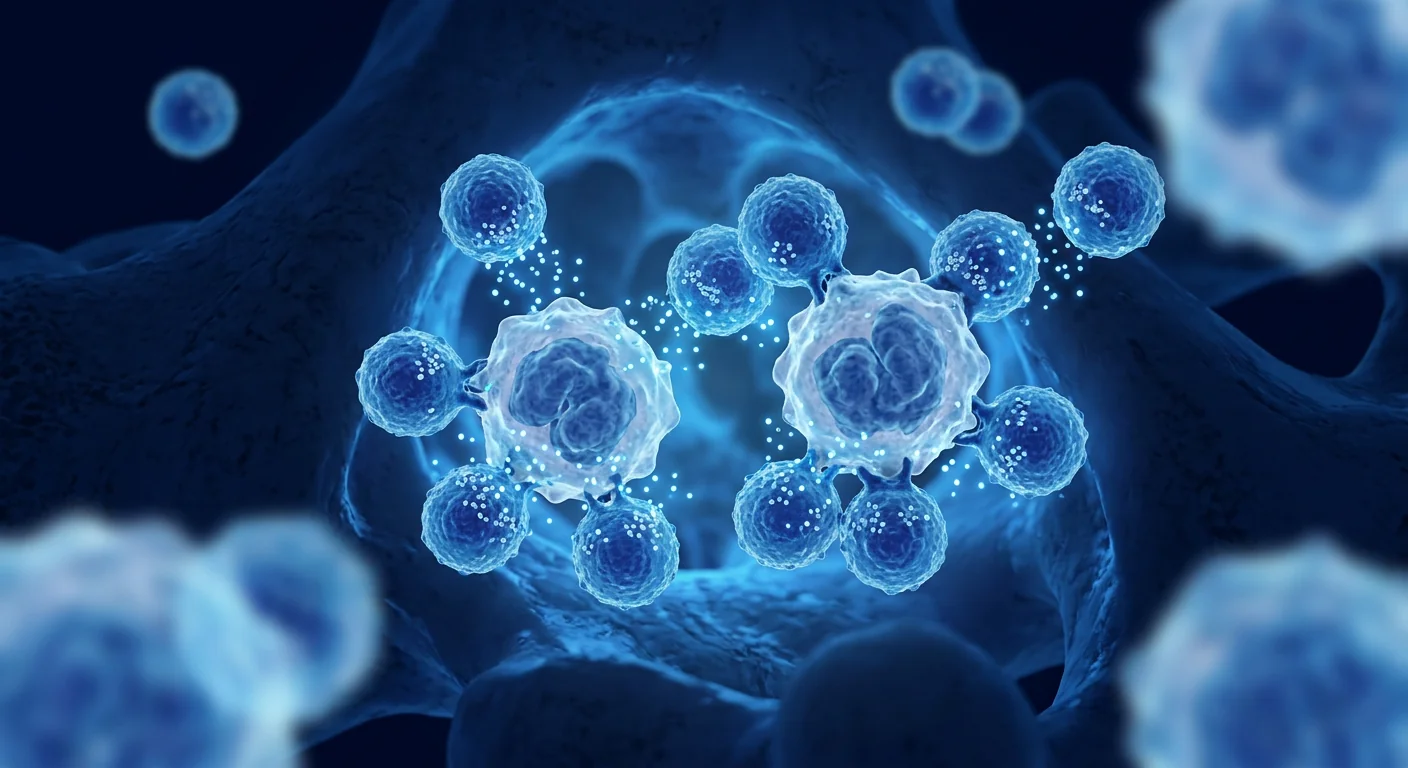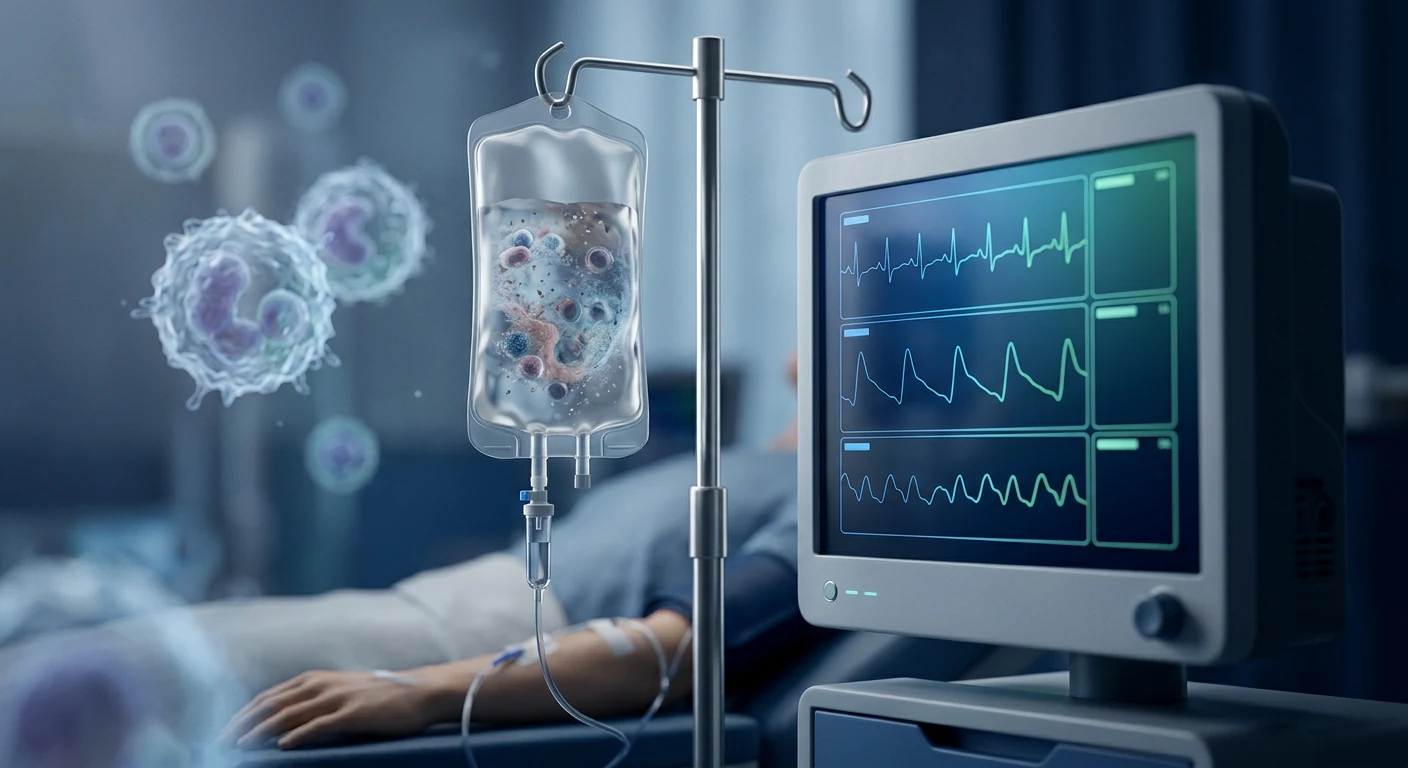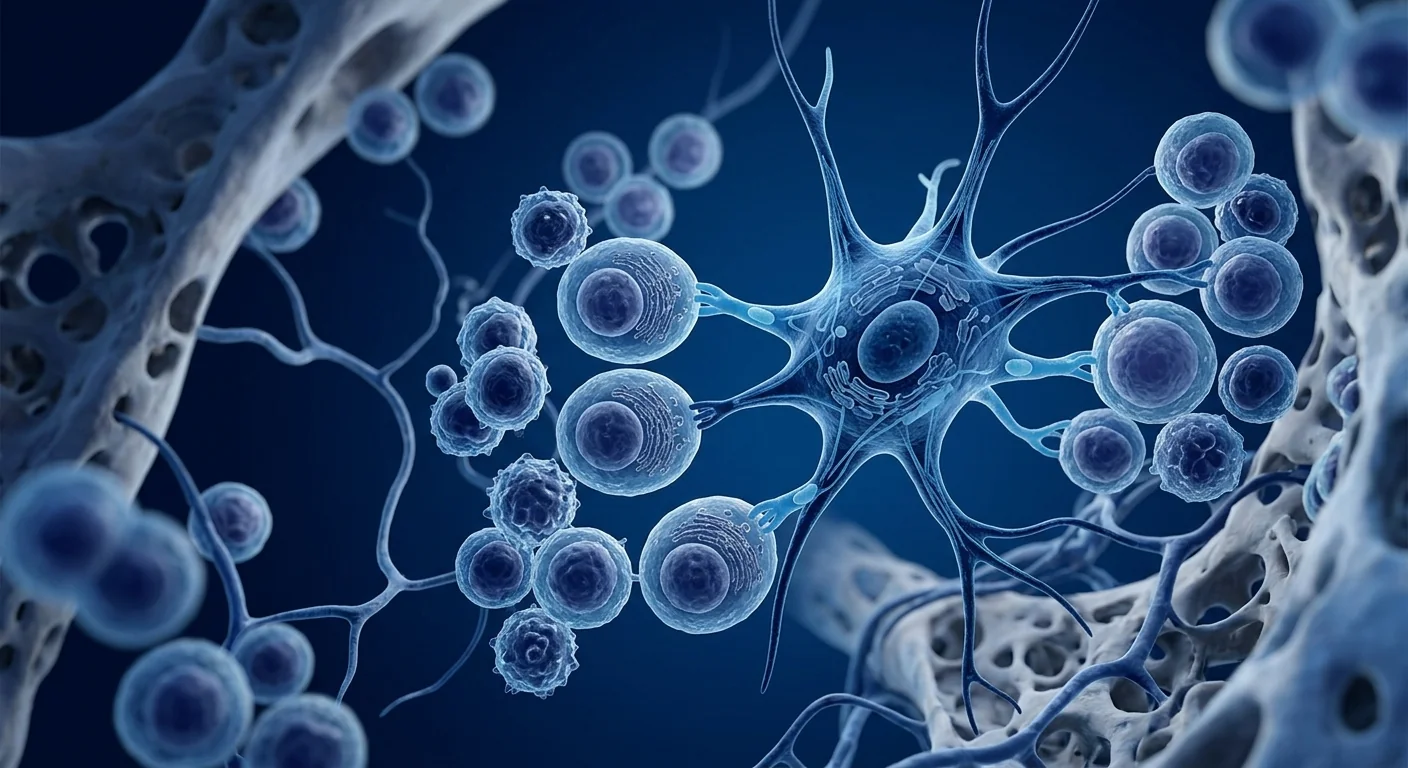
Natural killer (NK) cell therapy is an emerging form of cancer immunotherapy that gives a patient activated or engineered NK cells to attack malignant cells. NK cells are normal members of the innate immune system, but therapeutic products may be collected from the patient, a healthy donor, umbilical-cord blood, an established cell line, or induced pluripotent stem cells. They may be expanded, activated, combined with antibodies, or engineered with a chimeric antigen receptor (CAR) [1].
For patients, the most important fact is that “NK cell therapy” is not one standardized treatment. The source, manufacturing process, target, dose, conditioning chemotherapy, combination drugs, and cancer type can all change the likely benefit and risk. Most adoptive NK and CAR-NK products remain investigational. They should not replace proven surgery, radiotherapy, chemotherapy, targeted therapy, checkpoint inhibitors, stem-cell transplantation, or approved CAR-T therapy when those are indicated.
This guide explains how NK cells recognize cancer, the major product types, what early human studies show, practical eligibility questions, safety, and the limits patients should understand before considering a trial or a private clinic service.
What are natural killer cells?
NK cells are cytotoxic lymphocytes that can recognize stressed, infected, or transformed cells without first learning one unique antigen. They usually represent a minority of circulating lymphocytes and are commonly identified as CD3-negative and CD56-positive. Unlike conventional T cells, they balance signals from multiple activating and inhibitory receptors rather than depending on one antigen-specific T-cell receptor [2].
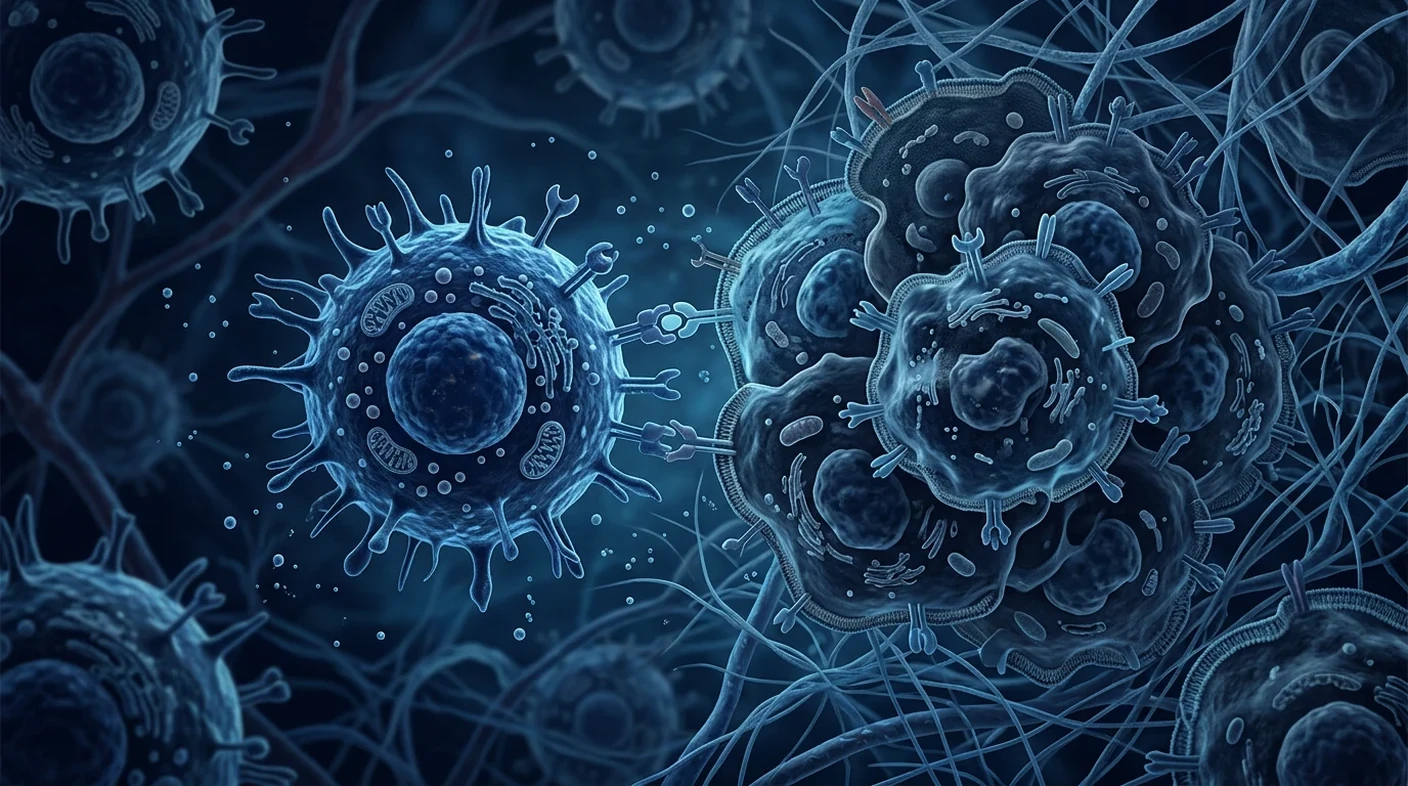
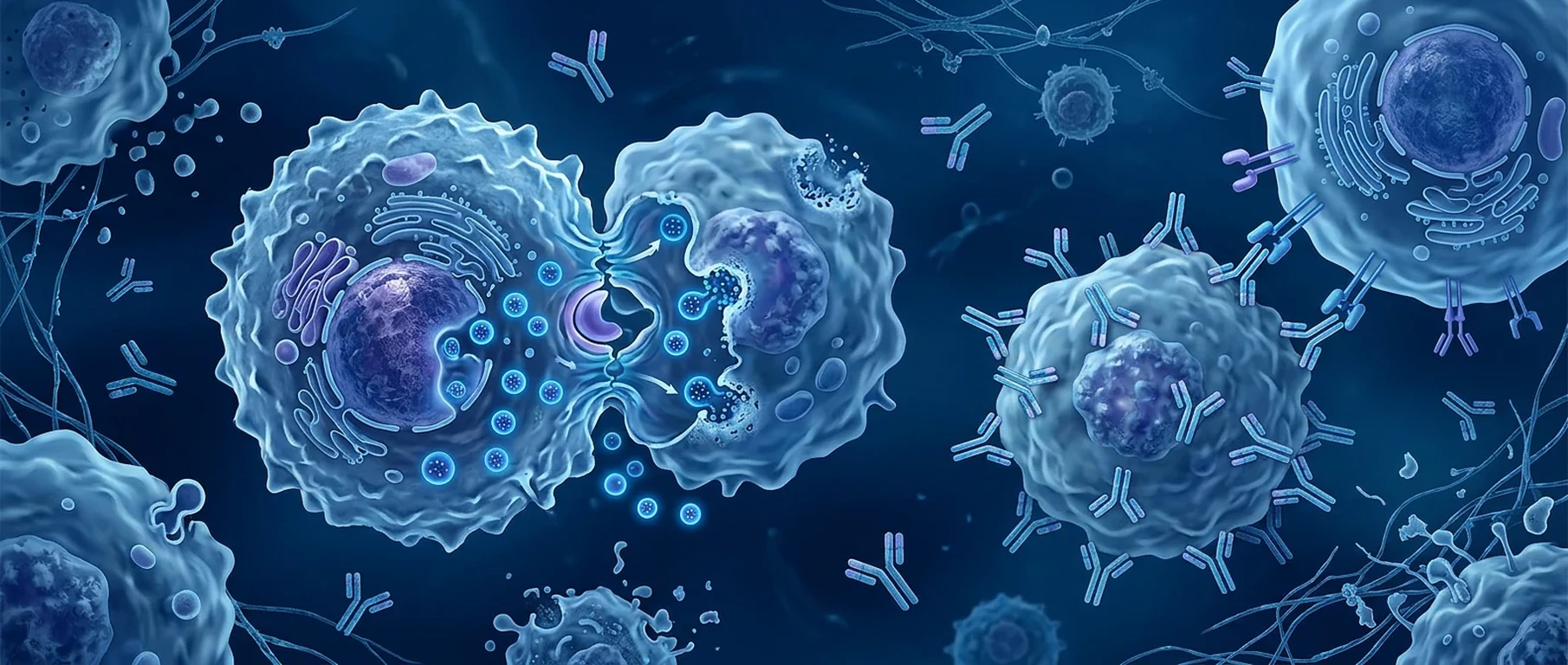
Healthy cells display human leukocyte antigen class I molecules that engage inhibitory NK receptors and function as a “do not kill” signal. Cancer cells may lose these molecules or express stress ligands. When activating signals outweigh inhibition, the NK cell forms an immune synapse with the target. It releases perforin, which helps create pores, and granzymes, which trigger programmed cell death. NK cells can also activate death-receptor pathways and secrete cytokines such as interferon-gamma.
NK cells also mediate antibody-dependent cellular cytotoxicity. Their CD16 receptor can bind the Fc portion of an antibody already attached to a tumor cell. This is one reason investigators combine NK products with monoclonal antibodies. However, tumors can suppress NK cells through TGF-beta, hypoxia, adenosine, checkpoint ligands, abnormal metabolism, and loss of activating ligands [3].
How is NK cell therapy made and given?
Adoptive NK therapy starts with a cellular source, followed by selection, expansion or activation, quality testing, and intravenous infusion. Autologous products come from the patient; allogeneic products come from another person or a standardized source. Laboratories may use cytokines such as IL-2, IL-15, IL-12, IL-18, or feeder-cell systems to expand and prime cells. Manufacturing choices alter phenotype, persistence, and potency, so a cell count alone does not describe the product.
- Clinical work-up: confirm diagnosis, stage, biomarker expression, prior therapies, organ function, infection status, and available standard options.
- Cell procurement: collect leukapheresis material from the patient or donor, select a cord-blood unit, or use a banked cell platform.
- Manufacturing: enrich NK cells, activate and expand them, and engineer them when the protocol includes a CAR or other modification.
- Release testing: verify identity, purity, viability, sterility, endotoxin, mycoplasma, potency, genetic attributes, and absence of unacceptable contaminating cells.
- Conditioning: many protocols give lymphodepleting chemotherapy before infusion to create immune “space”; this is not harmless preparation.
- Infusion and monitoring: cells may be given once or repeatedly, sometimes with cytokines, antibodies, checkpoint therapy, or transplantation.
Early haploidentical donor studies established that infused NK cells could expand in patients after lymphodepletion, but clinical activity varied and cytokine support produced toxicity [4]. Modern platforms aim to improve persistence without uncontrolled stimulation.
What types of NK cell therapy are being studied?
| Approach | Rationale | Key limitation |
|---|---|---|
| Autologous expanded NK | Uses the patient's own cells; avoids donor incompatibility | Cells may be weakened by cancer or prior treatment |
| Allogeneic donor NK | Healthy-donor function and possible off-the-shelf batches | Persistence, donor variability, and immune rejection |
| Cord-blood NK | Banked source suitable for expansion and engineering | Complex manufacturing and limited mature outcome data |
| CAR-NK | Adds a receptor targeting a tumor antigen such as CD19 | Target escape, persistence, and still-investigational products |
| Memory-like NK | Cytokine priming can produce enhanced recall-like function | Optimal schedule and durability remain under study |
| NK-92 cell line | Standardized, expandable platform | Usually irradiated before infusion, limiting persistence |
| iPSC-derived NK | Potentially uniform, engineered off-the-shelf supply | Early clinical development and manufacturing complexity |
CAR-NK is often compared with CAR-T, but the two should not be treated as interchangeable. CAR-NK cells can kill through both the engineered CAR and native NK receptors, and donor-derived products may be manufactured in advance. Early trials have reported low rates of severe cytokine-release syndrome, neurotoxicity, and graft-versus-host disease, but small cohorts cannot define rare harms or prove superiority.
What does the clinical evidence show?
The evidence is strongest as proof of feasibility and early activity, especially in blood cancers; it is not yet evidence of a broadly effective routine treatment. Studies differ in disease, source, conditioning, dose, cytokine support, combinations, and response definitions. Many are phase I or I/II studies designed primarily to assess dose and safety.
A landmark small study of cord-blood-derived anti-CD19 CAR-NK cells in relapsed or refractory CD19-positive lymphoma and chronic lymphocytic leukemia reported responses without the severe cytokine-release syndrome, neurotoxicity, or graft-versus-host disease associated with some other immune-effector therapies [5]. The result justified larger studies; it did not establish an approved substitute for CAR-T or transplantation.
Cytokine-induced memory-like NK cells have shown enhanced antileukemia activity and early responses in acute myeloid leukemia [6]. Donor NK approaches around hematopoietic stem-cell transplantation are also being studied to reduce relapse. Reviews emphasize that persistence, trafficking, and resistance within the tumor microenvironment remain central challenges [7].
Solid tumors are harder. NK cells must reach tumor deposits, survive hypoxia and nutrient restriction, resist suppressive signals, and distinguish tumor from essential normal tissue. Early studies in digestive, ovarian, lung, brain, and other cancers are heterogeneous. Stable disease or a response in a small uncontrolled cohort cannot show that NK cells caused longer survival than standard care [8].
How to read a response rate
A tumor response is not the same as cure, and a response in an early single-arm trial is not proof that the treatment is better than current care. Ask about the denominator, follow-up duration, complete versus partial responses, relapse, overall survival, missing patients, and whether results were peer reviewed.
Established care, clinical trials, and clinic services are different
Established cancer care consists of guideline-supported treatments with regulatory authorization or mature evidence for a defined disease and setting. These may include surgery, radiotherapy, chemotherapy, endocrine therapy, targeted drugs, monoclonal antibodies, checkpoint inhibitors, hematopoietic stem-cell transplantation, tumor-infiltrating lymphocyte therapy in a specific indication, and approved CAR-T products. An oncologist should explain which apply before any experimental therapy is considered.
A clinical trial follows a registered protocol with eligibility criteria, predefined dosing, safety reporting, oversight, and systematic follow-up. Participation can provide access to a promising product while generating evidence, but benefit is uncertain. Phase I trials primarily study safety and dose; later phases ask whether treatment improves meaningful outcomes.
An investigational clinic service may be offered outside a conventional trial under country-specific rules. Availability does not establish approval, efficacy, or equivalence to a published product. Patients should obtain the regulator pathway, protocol, ethics approval where applicable, manufacturing authorization, product specification, adverse-event plan, itemized cost, and policy for complications. A clinic should never imply that generic “activated NK cells” reproduce published CAR-NK results [9].
Who might be eligible?
Eligibility is product- and protocol-specific. A plausible candidate usually has a confirmed cancer subtype included in the protocol, measurable or otherwise assessable disease, adequate performance status and organ function, and no safer proven option likely to work better. Tumor-antigen expression may be required for CAR-NK therapy.
- What exact diagnosis, stage, molecular profile, and target antigen do I have?
- Which standard treatments remain, and what evidence supports using or deferring them?
- Is this a registered trial? What is its identifier, phase, sponsor, and primary endpoint?
- What cell source is used: my blood, donor blood, cord blood, NK-92, or iPSC?
- Is the product unmodified, memory-like, CAR-engineered, or combined with an antibody?
- Will I receive lymphodepleting chemotherapy, IL-2/IL-15, or other drugs?
- How will infection, low blood counts, infusion reactions, CRS, and neurologic symptoms be monitored?
- Who pays for hospitalization or treatment of a complication?
- How are response, relapse, and long-term safety recorded?
- Can I review the consent form and discuss it with an independent oncologist?
Active uncontrolled infection, pregnancy, severe organ dysfunction, poor performance status, uncontrolled autoimmune disease, recent transplantation, certain central nervous system disease, or medicines that suppress cell function may exclude participation. These are examples, not universal rules.
What are the risks?
NK therapy can cause significant harm even when the cell product itself appears tolerable. Fever, chills, fatigue, nausea, rash, headache, blood-pressure changes, and infusion reactions may occur. Cytokine-release syndrome and neurologic toxicity have generally appeared less frequent or severe in early NK studies than in some CAR-T experience, but they remain monitored risks, especially with engineered products and combination regimens [10].
Lymphodepleting chemotherapy can cause neutropenia, anemia, thrombocytopenia, mucositis, infection, infertility, and organ toxicity. Cytokine support can produce fever, capillary leak, hypotension, and systemic inflammation. Central lines add bleeding, infection, and thrombosis risk. Allogeneic NK cells have a lower theoretical and observed tendency to cause graft-versus-host disease than donor T cells, but “lower risk” does not mean zero risk [11].
Engineered cells add uncertainties about on-target/off-tumor injury, unexpected immune effects, genetic modification, prolonged cytopenias, and delayed malignancy. NK-92 products are irradiated to prevent proliferation, which also limits their survival. Long-term follow-up is especially important for genetically modified products.
What quality information should patients request?
A credible program can identify the exact product and show how it is controlled. Ask for cell identity and purity, viability at infusion, sterility, mycoplasma and endotoxin testing, donor infectious-disease screening, potency assay, dose, transport conditions, chain of identity, chain of custody, and batch traceability. For CAR products, ask about vector and transduction testing, replication-competent virus testing where relevant, target specificity, and release criteria [12].
Terms such as “GMP,” “high activity,” “billions of cells,” or “personalized” do not independently prove clinical benefit. The laboratory report should match the infused batch. Published evidence from a university product cannot validate a clinic product made by a different method. “Fresh” and “off the shelf” describe logistics, not outcomes [13].
Why might NK therapy fail?
Cancer may lack or lose the target antigen, shed activating ligands, increase inhibitory HLA signals, or recruit suppressive immune cells. Infused NK cells may not expand, may be rejected, may become exhausted, or may fail to enter solid tumors. Short persistence can improve controllability but also shorten antitumor pressure. Repeated dosing, cytokine support, checkpoint blockade, antibodies, metabolic engineering, and multi-target CARs are being studied to address these problems [14].
Results cannot be generalized across platforms. An anti-CD19 cord-blood CAR-NK result in lymphoma says little about unmodified autologous NK cells for pancreatic cancer. Likewise, laboratory killing of tumor cells is not evidence of benefit in humans. NK-92, donor NK, memory-like NK, and iPSC-derived NK products have distinct pharmacology and safety constraints [15].
Frequently Asked Questions
Is NK cell therapy approved cancer treatment?
Regulatory status depends on the exact product, indication, and country. Most adoptive NK and CAR-NK products discussed in the literature remain investigational. Trial authorization is not marketing approval. Verify the current status with the relevant regulator and an oncology team.
Is NK therapy the same as CAR-T therapy?
No. Both are immune-cell therapies, but they use different lymphocytes and manufacturing platforms. CAR-NK may offer donor-derived, premanufactured products and has shown a different early toxicity pattern; CAR-T has multiple established approvals and more mature evidence in defined blood cancers.
Can NK cells treat solid tumors?
They are being studied, but solid-tumor trafficking, persistence, antigen heterogeneity, and immune suppression remain major barriers. There is not enough evidence to claim broad effectiveness across solid cancers.
How many infusions are needed?
There is no universal schedule. Protocols range from one infusion to repeated cycles and may include conditioning chemotherapy or cytokines. The schedule from one study cannot be applied to another product.
Can NK therapy cure stage IV cancer?
No responsible provider can promise that. Some early studies report responses in selected advanced cancers, but durability and survival benefit remain uncertain. Treatment goals should be discussed with an oncologist.
Should I stop chemotherapy or targeted therapy first?
Do not stop established treatment to pursue NK therapy without discussing the consequences with your treating oncology team. Trial protocols specify washout periods and permitted combinations for safety and scientific reasons.
Limitations and medical disclaimer
NK-cell evidence changes quickly, but most products remain early in clinical development. Published studies often involve small, selected populations, short follow-up, single centers, and products unavailable elsewhere. Cross-trial comparisons are unreliable. Response signals can be affected by conditioning, transplantation, antibodies, cytokines, and subsequent treatment. Rare or delayed toxicities may not appear until larger studies and longer surveillance.
This article is educational and is not medical advice, diagnosis, or a recommendation to receive NK therapy. An oncology team familiar with your pathology, prior treatments, organ function, and goals should review standard options and trial eligibility. Seek urgent care for fever, breathing difficulty, confusion, severe weakness, bleeding, or other concerning symptoms during any immune-cell treatment.
References
- Vivier E, Raulet DH, Moretta A, et al. Innate or adaptive immunity? The example of natural killer cells. Science. 2011;331:44–49. doi:10.1126/science.1198687 ↩
- Morvan MG, Lanier LL. NK cells and cancer: you can teach innate cells new tricks. Nature Reviews Cancer. 2016;16:7–19. doi:10.1038/nrc.2015.5 ↩
- Shimasaki N, Jain A, Campana D. NK cells for cancer immunotherapy. Nature Reviews Drug Discovery. 2020;19:200–218. doi:10.1038/s41573-019-0052-1 ↩
- Miller JS, Soignier Y, Panoskaltsis-Mortari A, et al. Successful adoptive transfer and in vivo expansion of human haploidentical NK cells in patients with cancer. Blood. 2005;105:3051–3057. doi:10.1182/blood-2004-07-2974 ↩
- Liu E, Marin D, Banerjee P, et al. Use of CAR-transduced natural killer cells in CD19-positive lymphoid tumors. New England Journal of Medicine. 2020;382:545–553. doi:10.1056/NEJMoa1910607 ↩
- Romee R, Rosario M, Berrien-Elliott MM, et al. Cytokine-induced memory-like natural killer cells exhibit enhanced responses against myeloid leukemia. Science Translational Medicine. 2016;8:357ra123. doi:10.1126/scitranslmed.aaf2341 ↩
- Berrien-Elliott MM, Jacobs MT, Fehniger TA. Allogeneic natural killer cell therapy. Blood. 2023;141:856–868. doi:10.1182/blood.2022016200 ↩
- Liu S, Galat V, Galat Y, et al. NK cell-based cancer immunotherapy: from basic biology to clinical development. Journal of Hematology & Oncology. 2021;14:7. doi:10.1186/s13045-020-01014-w ↩
- Du N, Guo F, Wang Y, Cui J. NK cell therapy: a rising star in cancer treatment. Cancers. 2021;13:4129. doi:10.3390/cancers13164129 ↩
- Fang F, Xiao W, Tian Z. NK cell-based immunotherapy for cancer. Seminars in Immunology. 2017;31:37–54. doi:10.1016/j.smim.2017.07.009 ↩
- Myers JA, Miller JS. Exploring the NK cell platform for cancer immunotherapy. Nature Reviews Clinical Oncology. 2021;18:85–100. doi:10.1038/s41571-020-0426-7 ↩
- Laskowski TJ, Biederstädt A, Rezvani K. Natural killer cells in antitumour adoptive cell immunotherapy. Nature Reviews Cancer. 2022;22:557–575. doi:10.1038/s41568-022-00491-0 ↩
- Xie G, Dong H, Liang Y, Ham JD, Rizwan R, Chen J. Current perspectives on off-the-shelf allogeneic NK and CAR-NK cell therapies. Frontiers in Immunology. 2021;12:732135. doi:10.3389/fimmu.2021.732135 ↩
- Hu W, Wang G, Huang D, Sui M, Xu Y. Natural killer cells: a promising immunotherapy for cancer. Journal of Translational Medicine. 2022;20:240. doi:10.1186/s12967-022-03437-0 ↩
- Klingemann H. The NK-92 cell line—30 years later: its impact on natural killer cell research and treatment of cancer. Cytotherapy. 2023;25:451–457. doi:10.1016/j.jcyt.2022.12.003 ↩
自然杀伤(NK)细胞疗法是一种新兴的癌症免疫治疗:将激活或工程化的 NK 细胞输注给患者以攻击恶性细胞。NK 细胞属于先天免疫系统。治疗产品可来自患者、健康供者、脐带血、NK-92 细胞系或诱导多能干细胞;可在体外扩增、激活,与抗体联合,或装载嵌合抗原受体(CAR)。
“NK 细胞疗法”不是一种标准化治疗。细胞来源、生产方法、靶点、剂量、预处理化疗、联合药物及癌种都会改变风险与可能获益。多数过继 NK 和 CAR-NK 产品仍属研究性治疗;当手术、放疗、化疗、靶向治疗、免疫检查点抑制剂、造血干细胞移植或获批 CAR-T 有适应证时,不能用 NK 服务取代这些成熟治疗。
什么是 NK 细胞?
NK 细胞是细胞毒性淋巴细胞,无需先学习单一抗原即可识别受压、感染或恶变细胞。它们通常为 CD3 阴性、CD56 阳性,通过整合多种激活与抑制受体信号作出决定。健康细胞的 HLA-I 分子可发出“不要攻击”信号;肿瘤细胞丢失此信号或表达应激配体时,NK 细胞形成免疫突触并释放穿孔素和颗粒酶,诱导靶细胞凋亡。
NK 细胞也可通过 CD16 识别已结合肿瘤的抗体,介导抗体依赖性细胞毒作用(ADCC)。但肿瘤可利用 TGF-β、缺氧、腺苷、检查点配体及代谢异常抑制 NK 功能。
疗法如何制造和输注?
流程通常包括临床评估、采集患者或供者细胞、富集与扩增、必要时进行 CAR 工程化、批次放行检测、淋巴清除化疗、静脉输注和严密监测。放行项目应包括身份、纯度、活率、无菌、内毒素、支原体、效力和污染细胞。许多方案使用氟达拉滨/环磷酰胺等预处理以利细胞扩增;预处理本身可导致严重骨髓抑制和感染,并非无害步骤。
研究中的主要类型
| 类型 | 目的 | 主要限制 |
|---|---|---|
| 自体扩增 NK | 避免供者不相容 | 患者细胞可能已受疾病或治疗损害 |
| 异体供者 NK | 健康供者、可能预制 | 持续性、供者差异和宿主排斥 |
| 脐带血 NK | 可储存、可工程化 | 制造复杂、成熟数据有限 |
| CAR-NK | 增加对 CD19 等靶点的识别 | 抗原逃逸、持续性及研究性状态 |
| 记忆样 NK | 细胞因子预激活增强功能 | 最佳方案和耐久性未确定 |
| NK-92/iPSC-NK | 标准化现货平台 | 早期开发;NK-92 照射后持续短 |
临床证据说明什么?
证据最能支持可行性和早期抗肿瘤活性,尤其在血液肿瘤中;尚不能证明其为广泛有效的常规治疗。许多研究为 I 期或 I/II 期,首要目的为安全性和剂量。小型脐带血抗 CD19 CAR-NK 研究在复发/难治淋巴瘤及慢性淋巴细胞白血病中报告应答,且未出现该队列中常见的严重细胞因子释放综合征、神经毒性或移植物抗宿主病;这些结果支持进一步研究,但不能证明它优于获批 CAR-T 或移植。
细胞因子诱导记忆样 NK 在急性髓系白血病中显示早期信号。实体瘤更困难:细胞必须进入肿瘤、抵抗缺氧和免疫抑制,并避免正常组织。小型无对照研究中的疾病稳定或缓解,不能证明延长生存。
正确理解应答率
肿瘤缩小不等于治愈;早期单臂试验的应答也不等于优于标准治疗。应询问总入组人数、完全与部分缓解、随访时长、复发、总生存、失访及同行评议情况。
成熟治疗、临床试验与诊所服务必须区分
成熟治疗有明确适应证、监管授权或成熟指南证据。临床试验有注册方案、入排标准、预定剂量、安全报告和系统随访,但个人获益不确定。研究性诊所服务可能依据当地规则在常规试验外提供;“可购买”并不等于获批或有效,也不能把普通激活 NK 说成与已发表 CAR-NK 相同。
患者应索取试验注册号、监管路径、伦理批准、生产许可、产品规格、并发症计划和分项费用,并让独立肿瘤科医生审阅。
谁可能符合条件?应问什么?
资格取决于具体方案。通常需有明确病理诊断、符合方案的癌种和阶段、可评估疾病、足够的体能和器官功能,并已讨论成熟选择。CAR-NK 还可能要求肿瘤表达特定抗原。
- 我的精确诊断、分期、分子特征和靶抗原是什么?
- 尚有哪些标准治疗?延后它们的后果是什么?
- 是否为注册试验?编号、阶段、申办方和主要终点是什么?
- 细胞来自患者、供者、脐血、NK-92 还是 iPSC?是否有 CAR?
- 是否需要淋巴清除、细胞因子或抗体?
- 如何处理感染、血细胞减少、CRS 和神经症状?
- 谁承担住院及并发症费用?如何记录长期安全和复发?
活动性感染、妊娠、严重器官功能障碍、体能状态差、未控制自身免疫病、近期移植或某些中枢神经系统疾病可能构成排除条件,但应以具体方案为准。
风险与质量控制
可能出现发热、寒战、疲劳、恶心、皮疹、头痛、血压变化及输注反应。CRS 和神经毒性在早期 NK 研究中似乎低于部分 CAR-T 经验,但不是零风险。淋巴清除可导致中性粒细胞减少、贫血、血小板减少、感染、不育和器官毒性;细胞因子支持可导致毛细血管渗漏和低血压。工程化细胞还有靶向正常组织、意外免疫效应、长期血细胞减少和迟发风险。
应要求查看输注批次的身份、纯度、活率、无菌、内毒素、支原体、供者筛查、效力、剂量、运输、身份链和追溯记录。对 CAR 产品还应询问载体、转导、靶点特异性和放行标准。“GMP”“高活性”“数十亿细胞”“新鲜”或“个体化”都不能单独证明疗效。
为什么可能失败?
癌细胞可丢失靶抗原、增强抑制信号或制造免疫抑制微环境;输注细胞也可能不能扩增、被宿主清除、耗竭或无法进入实体瘤。重复给药、细胞因子、抗体、检查点抑制和多靶点工程仍在研究。不同平台不能相互推论:淋巴瘤抗 CD19 CAR-NK 的结果不能证明普通自体 NK 对胰腺癌有效,实验室杀伤也不等于人体获益。
常见问题
NK 细胞疗法获批了吗?
状态取决于具体产品、适应证和国家。本文讨论的多数过继 NK 与 CAR-NK 产品仍属研究性。获准开展试验不等于获准商业销售,应向监管机构和肿瘤团队核实。
它与 CAR-T 相同吗?
不同。二者使用不同淋巴细胞和制造平台。CAR-NK 可能使用供者预制细胞并显示不同的早期毒性特征;CAR-T 在若干血液肿瘤已有获批产品和更成熟证据。
能治疗实体瘤或治愈晚期癌症吗?
实体瘤研究仍受细胞迁移、持续性、抗原异质性和免疫抑制限制。不能承诺治愈晚期癌症。
需要几次输注?
没有通用次数,可能一次或多周期,并可联合预处理或细胞因子。一个研究的时间表不能套用于另一产品。
是否应先停止化疗?
不要自行停止成熟治疗。试验会基于安全和研究目的规定洗脱期与允许的联合药物。
局限性与医疗免责声明
多数产品仍处于早期开发。研究常为小型、单中心、选择性人群、随访较短,且预处理、移植、抗体或后续治疗会影响结果。跨试验比较不可靠,罕见和迟发毒性需更大研究与长期监测。
本文仅供教育,不构成诊断或治疗建议。熟悉患者病理、既往治疗、器官功能和目标的肿瘤团队应评估标准选择与试验资格。治疗期间出现发热、呼吸困难、意识混乱、严重乏力或出血应立即就医。
参考文献
- Vivier E, Raulet DH, Moretta A, et al. Innate or adaptive immunity? The example of natural killer cells. Science. 2011;331:44–49. doi:10.1126/science.1198687 ↩
- Morvan MG, Lanier LL. NK cells and cancer: you can teach innate cells new tricks. Nature Reviews Cancer. 2016;16:7–19. doi:10.1038/nrc.2015.5 ↩
- Shimasaki N, Jain A, Campana D. NK cells for cancer immunotherapy. Nature Reviews Drug Discovery. 2020;19:200–218. doi:10.1038/s41573-019-0052-1 ↩
- Miller JS, Soignier Y, Panoskaltsis-Mortari A, et al. Successful adoptive transfer and in vivo expansion of human haploidentical NK cells in patients with cancer. Blood. 2005;105:3051–3057. doi:10.1182/blood-2004-07-2974 ↩
- Liu E, Marin D, Banerjee P, et al. Use of CAR-transduced natural killer cells in CD19-positive lymphoid tumors. New England Journal of Medicine. 2020;382:545–553. doi:10.1056/NEJMoa1910607 ↩
- Romee R, Rosario M, Berrien-Elliott MM, et al. Cytokine-induced memory-like natural killer cells exhibit enhanced responses against myeloid leukemia. Science Translational Medicine. 2016;8:357ra123. doi:10.1126/scitranslmed.aaf2341 ↩
- Berrien-Elliott MM, Jacobs MT, Fehniger TA. Allogeneic natural killer cell therapy. Blood. 2023;141:856–868. doi:10.1182/blood.2022016200 ↩
- Liu S, Galat V, Galat Y, et al. NK cell-based cancer immunotherapy: from basic biology to clinical development. Journal of Hematology & Oncology. 2021;14:7. doi:10.1186/s13045-020-01014-w ↩
- Du N, Guo F, Wang Y, Cui J. NK cell therapy: a rising star in cancer treatment. Cancers. 2021;13:4129. doi:10.3390/cancers13164129 ↩
- Fang F, Xiao W, Tian Z. NK cell-based immunotherapy for cancer. Seminars in Immunology. 2017;31:37–54. doi:10.1016/j.smim.2017.07.009 ↩
- Myers JA, Miller JS. Exploring the NK cell platform for cancer immunotherapy. Nature Reviews Clinical Oncology. 2021;18:85–100. doi:10.1038/s41571-020-0426-7 ↩
- Laskowski TJ, Biederstädt A, Rezvani K. Natural killer cells in antitumour adoptive cell immunotherapy. Nature Reviews Cancer. 2022;22:557–575. doi:10.1038/s41568-022-00491-0 ↩
- Xie G, Dong H, Liang Y, Ham JD, Rizwan R, Chen J. Current perspectives on off-the-shelf allogeneic NK and CAR-NK cell therapies. Frontiers in Immunology. 2021;12:732135. doi:10.3389/fimmu.2021.732135 ↩
- Hu W, Wang G, Huang D, Sui M, Xu Y. Natural killer cells: a promising immunotherapy for cancer. Journal of Translational Medicine. 2022;20:240. doi:10.1186/s12967-022-03437-0 ↩
- Klingemann H. The NK-92 cell line—30 years later: its impact on natural killer cell research and treatment of cancer. Cytotherapy. 2023;25:451–457. doi:10.1016/j.jcyt.2022.12.003 ↩
علاج الخلايا القاتلة الطبيعية (NK) شكل ناشئ من العلاج المناعي للسرطان، تُعطى فيه خلايا NK منشطة أو مهندسة لمهاجمة الخلايا الخبيثة. قد تأتي الخلايا من المريض أو متبرع سليم أو دم الحبل السري أو خط NK-92 أو خلايا جذعية مستحثة متعددة القدرات، ثم تُوسّع أو تُنشّط أو تُهندس بمستقبل خيمري (CAR).
مصطلح «علاج NK» لا يصف علاجاً موحداً. فالمصدر والتصنيع والهدف والجرعة والعلاج الكيميائي التمهيدي والأدوية المصاحبة ونوع السرطان تغيّر الفائدة والمخاطر. معظم منتجات NK المنقولة وCAR-NK ما زالت بحثية، ولا ينبغي أن تحل محل الجراحة أو الأشعة أو الكيميائي أو العلاج الموجّه أو مثبطات نقاط التفتيش أو زرع الخلايا الجذعية أو CAR-T المعتمد عندما تكون مستطبة.
ما الخلايا القاتلة الطبيعية؟
هي خلايا لمفاوية سامة تستطيع التعرف إلى الخلايا المجهدة أو المصابة أو المتحولة من دون تعلم مستضد وحيد مسبقاً. غالباً تكون CD3 سالبة وCD56 موجبة، وتوازن بين مستقبلات منشطة ومثبطة. ترسل جزيئات HLA-I على الخلايا السليمة إشارة «لا تقتل»؛ وعندما تفقدها الخلية السرطانية أو تعرض روابط الإجهاد، تصنع NK مشبكاً مناعياً وتطلق البيرفورين والغرانزيمات لتحفيز موت الخلية.
كما يرتبط CD16 بجزء Fc من جسم مضاد ملتصق بالورم، فينشأ القتل الخلوي المعتمد على الأجسام المضادة. لكن الورم قد يثبط NK عبر TGF-β ونقص الأكسجة والأدينوزين وروابط نقاط التفتيش واضطراب الاستقلاب.
كيف يُصنع العلاج ويُعطى؟
تشمل العملية تقييم التشخيص والمرحلة والعلاجات السابقة ووظائف الأعضاء، ثم جمع الخلايا واختيارها وتوسيعها أو تنشيطها وهندستها عند الحاجة. يجب أن تؤكد اختبارات الإفراج الهوية والنقاوة والحيوية والتعقيم والذيفان الداخلي والميكوبلازما والقدرة الوظيفية. تعطي بروتوكولات كثيرة علاجاً كيميائياً مخفِّضاً للخلايا اللمفاوية قبل التسريب؛ وهو قد يسبب تثبيط النخاع والعدوى وليس خطوة تحضيرية بسيطة. يلي التسريب رصد لصيق، وقد تُعطى جرعة واحدة أو جرعات متكررة مع سيتوكينات أو أجسام مضادة.
الأنواع قيد الدراسة
| النهج | الهدف | القيد الرئيسي |
|---|---|---|
| NK ذاتية موسعة | تجنب عدم توافق المتبرع | قد تكون خلايا المريض ضعيفة |
| NK من متبرع | خلايا سليمة وإمكان التصنيع المسبق | الاستمرار وتباين المتبرعين ورفض المضيف |
| NK من دم الحبل | مصدر مصرفي قابل للهندسة | تصنيع معقد وبيانات ناضجة محدودة |
| CAR-NK | استهداف مستضد مثل CD19 | هروب الهدف وقصر الاستمرار والحالة البحثية |
| NK شبيهة بالذاكرة | تهيئة بالسيتوكينات لتعزيز الوظيفة | الجدول والمتانة غير محسومين |
| NK-92 أو iPSC-NK | منصة موحدة جاهزة | تطوير مبكر؛ تشعيع NK-92 يحد الاستمرار |
ماذا تظهر الأدلة السريرية؟
تدعم الأدلة إمكان التطبيق وإشارات نشاط مبكر، ولا تثبت علاجاً روتينياً واسع الفعالية. معظم الدراسات مرحلة أولى أو أولى/ثانية وهدفها الأساسي السلامة والجرعة. أبلغت دراسة صغيرة لخلايا CAR-NK مضادة لـCD19 مشتقة من دم الحبل عن استجابات في اللمفوما وابيضاض الدم اللمفاوي المزمن الناكسين، من دون المتلازمة الشديدة لإطلاق السيتوكينات أو السمية العصبية أو داء الطعم ضد المضيف في تلك المجموعة. النتيجة تبرر دراسات أكبر، لكنها لا تثبت بديلاً معتمداً لـCAR-T أو الزرع.
أظهرت NK الشبيهة بالذاكرة إشارات مبكرة في ابيضاض الدم النخاعي الحاد. أما الأورام الصلبة فأصعب: يجب أن تصل الخلايا إلى الورم، وتعيش في نقص الأكسجة وشح الغذاء، وتقاوم التثبيط المناعي وتحمي النسيج الطبيعي. ثبات المرض أو الاستجابة في مجموعة صغيرة غير مضبوطة لا يثبت إطالة البقاء.
كيف نقرأ نسبة الاستجابة؟
انكماش الورم ليس شفاء، والاستجابة في تجربة مبكرة أحادية الذراع لا تثبت التفوق على الرعاية القياسية. اسأل عن عدد جميع المشاركين، والاستجابة الكاملة والجزئية، ومدة المتابعة، والنكس، والبقاء الكلي، والمرضى المفقودين، والتحكيم العلمي.
الرعاية المعتمدة والتجارب وخدمات العيادات ليست شيئاً واحداً
الرعاية المعتمدة مدعومة بإرشادات وترخيص أو أدلة ناضجة لاستطباب محدد. التجربة السريرية لها تسجيل وبروتوكول وشروط أهلية وجرعات محددة وإبلاغ سلامة ومتابعة، لكن منفعتها الفردية غير مؤكدة. الخدمة البحثية في عيادة قد تُعرض خارج تجربة تقليدية وفق قواعد البلد؛ توافرها للشراء لا يثبت اعتمادها أو فعاليتها، ولا يجوز الادعاء بأن NK منشطة عامة تكافئ منتج CAR-NK منشوراً.
اطلب مسار التنظيم، ورقم التجربة، وموافقة الأخلاقيات، وترخيص التصنيع، ومواصفات المنتج، وخطة المضاعفات، والتكاليف المفصلة، واعرضها على اختصاصي أورام مستقل.
من قد يكون مؤهلاً؟ وما الأسئلة اللازمة؟
الأهلية خاصة بكل منتج وبروتوكول. يلزم عادة تشخيص مرضي مؤكد ونوع ومرحلة مطابقان، ومرض قابل للتقييم، وحالة أداء ووظائف أعضاء كافية، ومناقشة البدائل المثبتة. وقد يشترط CAR-NK وجود المستضد المستهدف.
- ما التشخيص والمرحلة والصفات الجزيئية والمستضد المستهدف بدقة؟
- ما العلاجات القياسية المتبقية وما عاقبة تأخيرها؟
- هل هذه تجربة مسجلة؟ ما رقمها ومرحلتها وراعيها ونقطة نهايتها؟
- هل المصدر ذاتي أم متبرع أم حبل سري أم NK-92 أم iPSC؟ وهل الخلايا مهندسة؟
- هل أحتاج علاجاً مخفِّضاً للمفاويات أو سيتوكينات أو أجساماً مضادة؟
- كيف تُراقب العدوى ونقص الدم وCRS والأعراض العصبية؟
- من يدفع تكاليف الاستشفاء والمضاعفات؟ وكيف تُسجل السلامة والنكس؟
قد تستبعد العدوى الفعالة والحمل والقصور العضوي الشديد وسوء حالة الأداء والمناعة الذاتية غير المضبوطة والزرع الحديث وبعض أمراض الجهاز العصبي، لكن الحكم للبروتوكول المحدد.
المخاطر وضبط الجودة
قد تحدث حمى وقشعريرة وتعب وغثيان وطفح وصداع وتغير الضغط وتفاعلات التسريب. بدت CRS والسمية العصبية أقل شيوعاً أو شدة في دراسات NK المبكرة مقارنة ببعض خبرات CAR-T، لكن الخطر ليس صفراً. يسبب العلاج التمهيدي نقص العدلات وفقر الدم ونقص الصفائح والعدوى والعقم وسمية الأعضاء؛ وقد تسبب السيتوكينات تسرب الشعيرات وهبوط الضغط. تضيف الخلايا المهندسة مخاطر إصابة نسيج طبيعي يحمل الهدف، وتأثيرات مناعية غير متوقعة ونقص دم مطول ومخاطر متأخرة.
اطلب هوية الدفعة ونقاوتها وحيويتها عند التسريب، واختبارات التعقيم والذيفان والميكوبلازما وفحص المتبرع والفعالية والجرعة والنقل وسلسلة الهوية والتتبع. في منتجات CAR اسأل عن الناقل والجين والاختبارات ومعايير الإفراج. كلمات «GMP» أو «نشاط عالٍ» أو «مليارات الخلايا» أو «طازج» لا تثبت الفائدة وحدها.
لماذا قد يفشل العلاج؟
قد يفقد السرطان المستضد أو يزيد الإشارات المثبطة أو يصنع بيئة كابتة للمناعة. وقد لا تتوسع الخلايا المنقولة، أو يرفضها المضيف، أو تُستنزف، أو تعجز عن دخول الورم الصلب. تُدرس الجرعات المتكررة والسيتوكينات والأجسام المضادة وحجب نقاط التفتيش والهندسة متعددة الأهداف. لا يجوز تعميم المنصات: نتيجة CAR-NK مضادة لـCD19 في اللمفوما لا تثبت NK ذاتية غير معدلة لسرطان البنكرياس، والقتل في المختبر ليس منفعة سريرية.
أسئلة متكررة
هل علاج NK معتمد؟
يعتمد الوضع على المنتج والاستطباب والبلد. معظم منتجات NK وCAR-NK هنا بحثية. الإذن بإجراء تجربة لا يعني ترخيص التسويق؛ تحقق من الجهة التنظيمية وفريق الأورام.
هل هو CAR-T نفسه؟
لا. يستخدمان خلايا ومنصات مختلفة. قد يتيح CAR-NK منتجاً مسبق الصنع من متبرع ونمط سمية مبكر مختلفاً، بينما لدى CAR-T منتجات معتمدة وأدلة أنضج في سرطانات دم محددة.
هل يعالج الأورام الصلبة أو يشفي السرطان المنتشر؟
ما زالت مشكلات الوصول والاستمرار وتنوع المستضد والتثبيط المناعي كبيرة، ولا يمكن الوعد بشفاء سرطان المرحلة الرابعة.
كم تسريباً أحتاج؟
لا يوجد جدول عام؛ تتراوح الخطط من جرعة إلى دورات متكررة وقد تشمل تمهيداً أو سيتوكينات. لا يُنقل جدول دراسة إلى منتج آخر.
هل أوقف العلاج الكيميائي؟
لا توقف علاجاً مثبتاً بنفسك. يحدد البروتوكول فترات الانقطاع والتركيبات المسموحة لأسباب السلامة.
القيود وإخلاء المسؤولية الطبية
معظم المنتجات في تطوير مبكر. الدراسات غالباً صغيرة وأحادية المركز ومنتقاة وقصيرة المتابعة، وقد تؤثر المعالجة التمهيدية والزرع والأجسام المضادة والعلاج اللاحق في النتائج. المقارنة بين التجارب غير موثوقة، وتحتاج السميات النادرة والمتأخرة إلى أعداد أكبر ومراقبة طويلة.
هذا المقال للتثقيف وليس تشخيصاً أو نصيحة علاجية. يجب أن يراجع فريق أورام مطلع على علم الأمراض والعلاجات السابقة ووظائف الأعضاء والأهداف، الخيارات القياسية وأهلية التجارب. اطلب رعاية عاجلة عند الحمى أو ضيق النفس أو الارتباك أو الضعف الشديد أو النزف أثناء العلاج الخلوي.
المراجع
- Vivier E, Raulet DH, Moretta A, et al. Innate or adaptive immunity? The example of natural killer cells. Science. 2011;331:44–49. doi:10.1126/science.1198687 ↩
- Morvan MG, Lanier LL. NK cells and cancer: you can teach innate cells new tricks. Nature Reviews Cancer. 2016;16:7–19. doi:10.1038/nrc.2015.5 ↩
- Shimasaki N, Jain A, Campana D. NK cells for cancer immunotherapy. Nature Reviews Drug Discovery. 2020;19:200–218. doi:10.1038/s41573-019-0052-1 ↩
- Miller JS, Soignier Y, Panoskaltsis-Mortari A, et al. Successful adoptive transfer and in vivo expansion of human haploidentical NK cells in patients with cancer. Blood. 2005;105:3051–3057. doi:10.1182/blood-2004-07-2974 ↩
- Liu E, Marin D, Banerjee P, et al. Use of CAR-transduced natural killer cells in CD19-positive lymphoid tumors. New England Journal of Medicine. 2020;382:545–553. doi:10.1056/NEJMoa1910607 ↩
- Romee R, Rosario M, Berrien-Elliott MM, et al. Cytokine-induced memory-like natural killer cells exhibit enhanced responses against myeloid leukemia. Science Translational Medicine. 2016;8:357ra123. doi:10.1126/scitranslmed.aaf2341 ↩
- Berrien-Elliott MM, Jacobs MT, Fehniger TA. Allogeneic natural killer cell therapy. Blood. 2023;141:856–868. doi:10.1182/blood.2022016200 ↩
- Liu S, Galat V, Galat Y, et al. NK cell-based cancer immunotherapy: from basic biology to clinical development. Journal of Hematology & Oncology. 2021;14:7. doi:10.1186/s13045-020-01014-w ↩
- Du N, Guo F, Wang Y, Cui J. NK cell therapy: a rising star in cancer treatment. Cancers. 2021;13:4129. doi:10.3390/cancers13164129 ↩
- Fang F, Xiao W, Tian Z. NK cell-based immunotherapy for cancer. Seminars in Immunology. 2017;31:37–54. doi:10.1016/j.smim.2017.07.009 ↩
- Myers JA, Miller JS. Exploring the NK cell platform for cancer immunotherapy. Nature Reviews Clinical Oncology. 2021;18:85–100. doi:10.1038/s41571-020-0426-7 ↩
- Laskowski TJ, Biederstädt A, Rezvani K. Natural killer cells in antitumour adoptive cell immunotherapy. Nature Reviews Cancer. 2022;22:557–575. doi:10.1038/s41568-022-00491-0 ↩
- Xie G, Dong H, Liang Y, Ham JD, Rizwan R, Chen J. Current perspectives on off-the-shelf allogeneic NK and CAR-NK cell therapies. Frontiers in Immunology. 2021;12:732135. doi:10.3389/fimmu.2021.732135 ↩
- Hu W, Wang G, Huang D, Sui M, Xu Y. Natural killer cells: a promising immunotherapy for cancer. Journal of Translational Medicine. 2022;20:240. doi:10.1186/s12967-022-03437-0 ↩
- Klingemann H. The NK-92 cell line—30 years later: its impact on natural killer cell research and treatment of cancer. Cytotherapy. 2023;25:451–457. doi:10.1016/j.jcyt.2022.12.003 ↩