Autism spectrum disorder is not a single condition. It is a family of neurodevelopmental presentations that share core features in social communication and behaviour, but vary enormously in their underlying biology, severity, and trajectory. That heterogeneity matters more here than in almost any other condition discussed on this site, because it shapes the most important question a family can ask: what does the biology of my child actually point toward, and what is the realistic envelope of any therapeutic option?
This article is written for parents and caregivers researching regenerative options. Our goal is not to sell. It is to set out clearly where Mesenchymal Stem Cell therapy is biologically positioned, what published research currently supports, what it does not, and what responsible expectations look like.
What is the underlying biology in ASD?
Decades of neuroscience research have converged on the view that ASD is multifactorial — with genetic, immunological, neurochemical, and environmental contributors. Several recurring biological features are particularly relevant to a regenerative therapy discussion:[1][2][3][4][5][6][7][8][9][10]
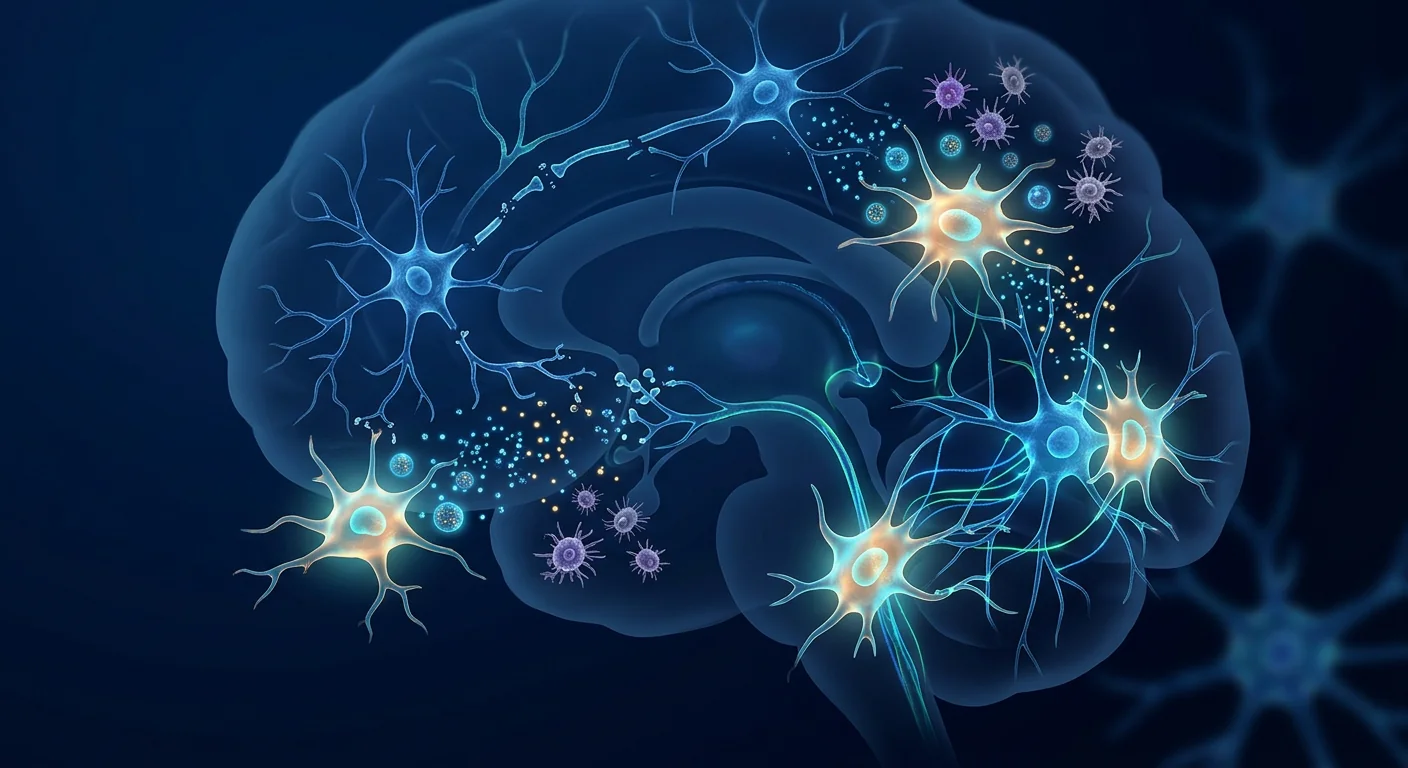
- Neuroinflammation — many children with ASD show evidence of elevated microglial activity and pro-inflammatory cytokines in the central nervous system
- Immune dysregulation — both peripheral and central immune signalling shows recurring patterns of imbalance, including elevated inflammatory markers and altered T-cell populations
- Mitochondrial dysfunction — a subset of children with ASD show measurable mitochondrial energetic abnormalities
- Oxidative stress — elevated reactive oxygen species, reduced antioxidant capacity
- Altered neural connectivity — atypical patterns of long-range and local connectivity, particularly during development
- Gut microbiome differences — frequently reported, with possible bidirectional gut–brain influences on inflammation and behaviour
Importantly, these biological features are not present in every child with ASD, and they vary in degree where present. The diagnosis of ASD is behavioural, not biological — meaning two children with the same diagnosis may have very different underlying profiles. This is why responses to any therapy, including MSC therapy, are inherently variable.
Where MSCs may biologically contribute
MSCs are not a treatment for the core neurodevelopmental architecture of autism. They do not rebuild neural networks. They do not change genetic predisposition. What they can do — in patients whose biology includes the inflammatory and immune features described above — is alter the cellular environment in which the developing brain is functioning.
Calming neuroinflammation
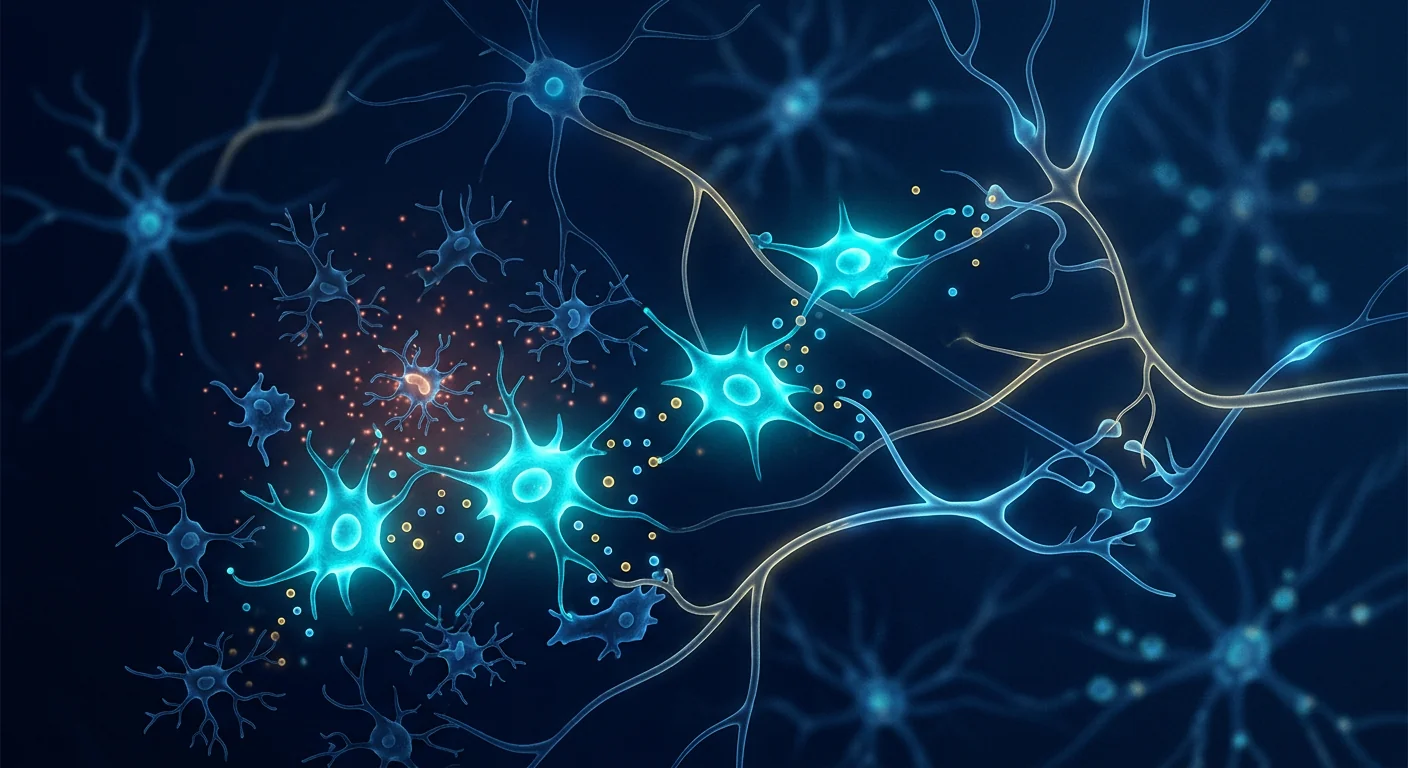
The most directly relevant action. MSCs reduce activity of pro-inflammatory microglia and shift them toward more regulatory phenotypes through paracrine factors (TSG-6, PGE2, IDO, IL-10). In ASD subgroups with documented neuroinflammation, this is the primary biological hypothesis behind any expected benefit.
Peripheral immunomodulation
MSCs reduce circulating inflammatory cytokines, support regulatory T-cell expansion, and dampen overactive effector T-cell activity. Reduced peripheral inflammation may, through the immune–brain interface, contribute to a less inflammatory central environment.
Mitochondrial and oxidative support
In subgroups with measurable mitochondrial dysfunction, MSC paracrine support and possible mitochondrial transfer have plausible biological relevance — though magnitude of clinical effect remains under active study.
Gut–brain signalling
Reduction in systemic inflammation and modulation of gut-derived inflammatory signals may contribute to improvements that families sometimes describe — particularly in mood, sleep, and certain behavioural domains.
What the research honestly supports — and where it falls short
The published research on MSC therapy in ASD is genuine but should be read carefully. A responsible summary:
What some studies have reported: Modest improvements in measures such as the Childhood Autism Rating Scale (CARS), Aberrant Behaviour Checklist (ABC), and parent-reported observations of attention, communication, and behavioural regulation. Improvements were generally most prominent in subgroups with documented inflammatory or immune features.
Important limitations of current evidence:
- Sample sizes are often small
- Studies vary substantially in design, cell source, dose, route of delivery, and assessment tools
- Placebo and expectation effects are particularly difficult to control in subjective behavioural assessment
- Long-term outcome data are limited
- Heterogeneity within ASD makes generalisation problematic
What is not supported: "Cure" of autism, transformation of a child into a neurotypical individual, replacement of established therapies (speech, occupational, behavioural therapy, educational support), or guaranteed response. Any clinic implying these outcomes is overstating biology and overpromising to families.
The Most Important Frame for Families
MSC therapy in ASD is, at present, an experimental adjunctive protocol — a possible addition to the established care framework, not a replacement for it. Behavioural therapy, speech therapy, occupational therapy, educational support, family support, and where appropriate medical management of co-occurring conditions remain the foundation of ASD care. Regenerative therapy is best considered alongside that foundation, not instead of it.
Who is potentially a candidate?
The strongest case for considering MSC therapy in ASD applies to children who:
- Have documented inflammatory or immune features on baseline workup — elevated inflammatory markers, immune dysregulation, mitochondrial findings where present
- Are receiving comprehensive established therapy — behavioural, educational, speech, occupational therapy as appropriate
- Have families with realistic expectations — looking for support at the margins (sleep, mood, attention, peripheral behaviours), not transformation of core neurodevelopmental traits
- Are medically stable for intravenous cellular therapy
- Have parents committed to ongoing rehabilitation engagement — MSC therapy amplifies what existing therapy creates; it cannot substitute for that work
Children whose families are seeking MSC therapy instead of established therapies, or who expect dramatic transformation rather than modest support, are not candidates we will treat. Honest practice requires saying no when the framing is wrong, even when families come with hope.
What treatment looks like
- Comprehensive pediatric and developmental assessment in coordination with the child's existing developmental paediatrician and therapy team
- Baseline biological workup — inflammatory markers, immune panel, where relevant mitochondrial markers, full medical clearance
- Family consultation — explicit discussion of what the biology supports, what realistic outcomes look like, and where MSC therapy fits in the broader care plan
- Personalised MSC protocol — typically a series of intravenous infusions across a structured cycle, with careful pediatric dose calibration and continuous physician monitoring during each session
- Continued rehabilitation engagement — speech, occupational, behavioural therapy continues throughout and after the cellular protocol
- Outcome tracking — standardised assessment scales (CARS, ABC, ATEC where appropriate) at 3, 6, and 12-month milestones, paired with biomarker re-testing
Realistic expectations
The honest range of outcomes includes: meaningful family-perceived improvement at the margins; modest measurable change in behavioural scales; biomarker improvements; and — importantly — also includes children who do not respond. We discuss the full range during consultation, not selectively.
Safety considerations specific to children
Pediatric protocols carry stricter safety review than adult protocols. Particular attention is given to:
- Comprehensive medical clearance — full pediatric workup before any intervention
- Cell quality — only ISCT-defined, sterility-tested, viability-confirmed clinical-grade MSCs; the cost of compromise is highest in vulnerable patients
- Continuous monitoring during and after infusion
- Coordination with the family's pediatric team — including the developmental paediatrician, therapists, and (where relevant) immunologist or geneticist
- Conservative dosing calibrated to body weight and age
The most valuable thing a regenerative clinic can offer families navigating ASD is honesty: about what is biologically plausible, what the published evidence supports, who the strongest candidates are, and what success could realistically look like. Hope is necessary. So is honesty. The two are not in conflict — but only when both are present can a family make a decision they will not regret.
— VELAR Clinical Team
The VELAR approach to ASD
ASD protocols at VELAR Center are designed in coordination with each child's existing developmental paediatrics and therapy team — never as a replacement. We accept families only when expectations are realistic, baseline biology suggests potential benefit, and the established therapy framework is in place. Each programme uses clinical-grade Wharton's jelly–derived MSCs (≥95% identity verification, >95% viability at delivery) at carefully calibrated pediatric doses, with comprehensive baseline and follow-up assessment using validated developmental scales and biomarker panels.
If you are a family researching regenerative options for ASD, we encourage a longer-than-usual first conversation. The right decision depends on your specific child's profile, your existing care framework, and what realistic outcomes look like for someone in their position. Those answers — not a sales pitch — should drive any treatment decision.
References
- Uccelli A, Moretta L, Pistoia V. Mesenchymal stem cells in health and disease. Nature Reviews Immunology. 2008;8(9):726-736. doi:10.1038/nri2395 ↩
- Shi Y, Wang Y, Li Q, et al. Immunoregulatory mechanisms of mesenchymal stem and stromal cells in inflammatory diseases. Nature Reviews Nephrology. 2018;14(8):493-507. doi:10.1038/s41581-018-0023-5 ↩
- Spees JL, Lee RH, Gregory CA. Mechanisms of mesenchymal stem/stromal cell function. Stem Cell Research & Therapy. 2016;7(1):125. doi:10.1186/s13287-016-0363-7 ↩
- Galipeau J, Sensébé L. Mesenchymal stromal cells: clinical challenges and therapeutic opportunities. Cell Stem Cell. 2018;22(6):824-833. doi:10.1016/j.stem.2018.05.004 ↩
- Pittenger MF, Discher DE, Péault BM, Phinney DG, Hare JM, Caplan AI. Mesenchymal stem cell perspective: cell biology to clinical progress. NPJ Regenerative Medicine. 2019;4:22. doi:10.1038/s41536-019-0083-6 ↩
- Caplan AI. Mesenchymal stem cells: time to change the name! Stem Cells Translational Medicine. 2017;6(6):1445-1451. doi:10.1002/sctm.17-0051 ↩
- Dominici M, Le Blanc K, Mueller I, et al. Minimal criteria for defining multipotent mesenchymal stromal cells. Cytotherapy. 2006;8(4):315-317. doi:10.1080/14653240600855905 ↩
- Lalu MM, McIntyre L, Pugliese C, et al. Safety of cell therapy with mesenchymal stromal cells (SafeCell): a systematic review and meta-analysis. PLoS One. 2012;7(10):e47559. doi:10.1371/journal.pone.0047559 ↩
- Naji A, Eitoku M, Favier B, Deschaseaux F, Rouas-Freiss N, Suganuma N. Biological functions of mesenchymal stem cells and clinical implications. Cellular and Molecular Life Sciences. 2019;76(17):3323-3348. doi:10.1007/s00018-019-03125-1 ↩
- Bronckaers A, Hilkens P, Martens W, et al. Mesenchymal stem/stromal cells as a pharmacological and therapeutic approach to accelerate angiogenesis. Pharmacology & Therapeutics. 2014;143(2):181-196. doi:10.1016/j.pharmthera.2014.02.013 ↩
- Lv YT, Zhang Y, Liu M, et al. Transplantation of human cord blood mononuclear cells and umbilical cord-derived mesenchymal stem cells in autism. Journal of Translational Medicine. 2013;11:196. doi:10.1186/1479-5876-11-196 ↩
- Sharma A, Gokulchandran N, Sane H, et al. Autologous bone marrow mononuclear cell therapy for autism. Stem Cells International. 2013;2013:623875. doi:10.1155/2013/623875 ↩
- Dawson G, Sun JM, Davlantis KS, et al. Autologous cord blood infusions are safe and feasible in young children with autism spectrum disorder. Stem Cells Translational Medicine. 2017;6(5):1332-1339. doi:10.1002/sctm.16-0474 ↩
- Chez M, Lepage C, Parise C, et al. Safety and observations from a placebo-controlled, crossover study of autologous bone marrow-derived stem cells in children with autism. Stem Cells Translational Medicine. 2018;7(5):401-408. doi:10.1002/sctm.18-0010 ↩
- Siniscalco D, Kannan S, Semprun N, et al. Stem cell therapy in autism: recent insights. Stem Cells and Cloning. 2018;11:55-67. doi:10.2147/SCCAA.S155410 ↩
参考文献
- Uccelli A, Moretta L, Pistoia V. Mesenchymal stem cells in health and disease. Nature Reviews Immunology. 2008;8(9):726-736. doi:10.1038/nri2395 ↩
- Shi Y, Wang Y, Li Q, et al. Immunoregulatory mechanisms of mesenchymal stem and stromal cells in inflammatory diseases. Nature Reviews Nephrology. 2018;14(8):493-507. doi:10.1038/s41581-018-0023-5 ↩
- Spees JL, Lee RH, Gregory CA. Mechanisms of mesenchymal stem/stromal cell function. Stem Cell Research & Therapy. 2016;7(1):125. doi:10.1186/s13287-016-0363-7 ↩
- Galipeau J, Sensébé L. Mesenchymal stromal cells: clinical challenges and therapeutic opportunities. Cell Stem Cell. 2018;22(6):824-833. doi:10.1016/j.stem.2018.05.004 ↩
- Pittenger MF, Discher DE, Péault BM, Phinney DG, Hare JM, Caplan AI. Mesenchymal stem cell perspective: cell biology to clinical progress. NPJ Regenerative Medicine. 2019;4:22. doi:10.1038/s41536-019-0083-6 ↩
- Caplan AI. Mesenchymal stem cells: time to change the name! Stem Cells Translational Medicine. 2017;6(6):1445-1451. doi:10.1002/sctm.17-0051 ↩
- Dominici M, Le Blanc K, Mueller I, et al. Minimal criteria for defining multipotent mesenchymal stromal cells. Cytotherapy. 2006;8(4):315-317. doi:10.1080/14653240600855905 ↩
- Lalu MM, McIntyre L, Pugliese C, et al. Safety of cell therapy with mesenchymal stromal cells (SafeCell): a systematic review and meta-analysis. PLoS One. 2012;7(10):e47559. doi:10.1371/journal.pone.0047559 ↩
- Naji A, Eitoku M, Favier B, Deschaseaux F, Rouas-Freiss N, Suganuma N. Biological functions of mesenchymal stem cells and clinical implications. Cellular and Molecular Life Sciences. 2019;76(17):3323-3348. doi:10.1007/s00018-019-03125-1 ↩
- Bronckaers A, Hilkens P, Martens W, et al. Mesenchymal stem/stromal cells as a pharmacological and therapeutic approach to accelerate angiogenesis. Pharmacology & Therapeutics. 2014;143(2):181-196. doi:10.1016/j.pharmthera.2014.02.013 ↩
- Lv YT, Zhang Y, Liu M, et al. Transplantation of human cord blood mononuclear cells and umbilical cord-derived mesenchymal stem cells in autism. Journal of Translational Medicine. 2013;11:196. doi:10.1186/1479-5876-11-196 ↩
- Sharma A, Gokulchandran N, Sane H, et al. Autologous bone marrow mononuclear cell therapy for autism. Stem Cells International. 2013;2013:623875. doi:10.1155/2013/623875 ↩
- Dawson G, Sun JM, Davlantis KS, et al. Autologous cord blood infusions are safe and feasible in young children with autism spectrum disorder. Stem Cells Translational Medicine. 2017;6(5):1332-1339. doi:10.1002/sctm.16-0474 ↩
- Chez M, Lepage C, Parise C, et al. Safety and observations from a placebo-controlled, crossover study of autologous bone marrow-derived stem cells in children with autism. Stem Cells Translational Medicine. 2018;7(5):401-408. doi:10.1002/sctm.18-0010 ↩
- Siniscalco D, Kannan S, Semprun N, et al. Stem cell therapy in autism: recent insights. Stem Cells and Cloning. 2018;11:55-67. doi:10.2147/SCCAA.S155410 ↩
自闭症谱系障碍不是单一病症。它是一组共享在社交沟通与行为方面核心特征的神经发育表现,但其潜在生物学、严重程度与轨迹差异巨大。这种异质性在这里比在本网站讨论的几乎任何其他病症中都更重要,因为它塑造了一个家庭可以提出的最重要问题:我孩子的生物学实际上指向什么?任何治疗选项的实际范围是什么?
本文为正在研究再生选项的家长与照护者而写。我们的目标不是销售。而是清楚地阐述间充质干细胞疗法在生物上的定位、当前已发表研究支持什么、不支持什么,以及负责任的预期是什么样子。
ASD 中潜在的生物学是什么?
数十年的神经科学研究汇聚于一种观点:ASD 是多因素的——具有遗传、免疫、神经化学与环境因素。几个反复出现的生物学特征对再生疗法讨论尤为相关:
- 神经炎症——许多 ASD 儿童在中枢神经系统中显示出小胶质细胞活性升高与促炎细胞因子的证据
- 免疫失调——外周与中枢免疫信号都显示反复出现的不平衡模式,包括炎症标志物升高与 T 细胞群改变
- 线粒体功能障碍——某些 ASD 儿童亚群显示出可测量的线粒体能量异常
- 氧化应激——活性氧升高、抗氧化能力降低
- 改变的神经连接——长程与局部连接的非典型模式,特别是在发育过程中
- 肠道微生物组差异——经常报告,可能存在双向肠脑影响于炎症与行为
重要的是,这些生物学特征并非每个 ASD 儿童都存在,且即使存在也程度不同。ASD 的诊断是行为性的,不是生物学的——这意味着同一诊断的两个儿童可能有非常不同的潜在概况。这就是为什么对任何疗法(包括 MSC 疗法)的反应本身就是可变的。
MSC 在生物层面可能贡献的
MSC 不是针对自闭症核心神经发育架构的治疗。它们不重建神经网络。它们不改变遗传倾向。在生物学包括上述炎症与免疫特征的患者中,它们能做的——是改变发育中大脑发挥功能的细胞环境。
平息神经炎症
最直接相关的作用。MSC 减少促炎小胶质细胞的活性并通过旁分泌因子(TSG-6、PGE2、IDO、IL-10)将它们转向更具调节性的表型。在有记录神经炎症的 ASD 亚群中,这是任何预期受益背后的主要生物学假设。
外周免疫调节
MSC 减少循环炎症细胞因子,支持调节性 T 细胞扩增,并抑制过度活跃的效应 T 细胞活性。降低的外周炎症通过免疫-脑界面,可能促成较少炎症的中枢环境。
线粒体与氧化支持
在有可测量线粒体功能障碍的亚群中,MSC 旁分泌支持与可能的线粒体转移具有合理的生物学相关性——尽管临床效应的幅度仍处于积极研究中。
肠脑信号
系统性炎症的减少与肠道源炎症信号的调节可能促成家庭有时描述的改善——特别是在情绪、睡眠与某些行为领域。
研究诚实地支持什么——以及它在哪里不足
关于 MSC 疗法在 ASD 的已发表研究是真实的,但应仔细阅读。负责任的总结:
某些研究报告的:儿童自闭症评定量表(CARS)、异常行为清单(ABC)以及家长报告的注意力、沟通与行为调节观察等测量的适度改善。改善通常在有记录炎症或免疫特征的亚群中最显著。
当前证据的重要局限:
- 样本量通常较小
- 研究在设计、细胞来源、剂量、递送途径与评估工具上差异显著
- 在主观行为评估中安慰剂与期望效应特别难以控制
- 长期疗效数据有限
- ASD 内部的异质性使一般化成为问题
什么不被支持:自闭症的"治愈"、孩子转变为神经典型个体、已建立疗法(言语、职业、行为治疗、教育支持)的替代,或保证的反应。任何暗示这些结果的诊所都过度声明生物学,并对家庭过度承诺。
对家庭最重要的框架
目前 ASD 的 MSC 疗法是实验性辅助方案——可能加入既定护理框架的补充,而非替代。行为治疗、言语治疗、职业治疗、教育支持、家庭支持以及在适当时对共发条件的医学管理仍然是 ASD 护理的基础。再生疗法最好与该基础一同考虑,而非取代。
谁可能是候选人?
考虑 ASD 的 MSC 疗法的最强论据适用于以下儿童:
- 在基线检查中有记录的炎症或免疫特征——炎症标志物升高、免疫失调、存在时的线粒体发现
- 正在接受全面的既定治疗——按需的行为、教育、言语、职业治疗
- 有现实预期的家庭——寻求边际支持(睡眠、情绪、注意力、外围行为)而非核心神经发育特征的转变
- 在医学上稳定可接受静脉细胞治疗
- 父母致力于持续康复参与——MSC 疗法放大现有治疗所创造的;它无法替代该工作
家庭寻求 MSC 疗法而非既定治疗,或期待戏剧性转变而非适度支持的儿童,不是我们将治疗的候选人。诚实的实践要求当框架错误时说不,即使家庭带着希望前来。
治疗的样子
- 全面的儿科与发育评估,与孩子现有的发育儿科医师与治疗团队协调
- 基线生物学检查——炎症标志物、免疫面板、相关时的线粒体标志物、完整医学清除
- 家庭咨询——明确讨论生物学支持什么、现实疗效是什么样子,以及 MSC 疗法在更广泛护理计划中的位置
- 个性化 MSC 方案——通常在结构化周期内一系列静脉输注,谨慎的儿科剂量校准与每次会话期间持续医师监测
- 持续的康复参与——言语、职业、行为治疗在细胞方案期间与之后继续
- 疗效追踪——标准化评估量表(CARS、ABC、按需的 ATEC)在 3、6 与 12 个月里程碑,与生物标志物复测配对
实际预期
诚实的疗效范围包括:家庭感知的边际有意义改善;行为量表的适度可测量变化;生物标志物改善;以及——重要的是——也包括无反应的儿童。我们在咨询期间讨论完整范围,而不是有选择地。
儿童特有的安全性考量
儿童方案比成人方案有更严格的安全审查。特别注意:
- 全面医学清除——任何干预之前完整的儿科检查
- 细胞质量——只能使用 ISCT 定义的、经无菌性检测、活性确认的临床级 MSC;妥协的代价在脆弱患者身上最高
- 输注期间与之后的持续监测
- 与家庭的儿科团队协调——包括发育儿科医师、治疗师、(在相关时)免疫学专家或遗传学专家
- 保守剂量按体重与年龄校准
再生医学诊所能为应对 ASD 的家庭提供的最有价值的东西是诚实:关于生物上合理的内容、已发表证据支持什么、最强候选人是谁,以及成功现实地可能是什么样子。希望是必要的。诚实也是。两者并不冲突——但只有当两者都存在时,家庭才能做出他们不会后悔的决定。
——VELAR 临床团队
VELAR 的 ASD 方法
VELAR Center 的 ASD 方案与每个孩子现有的发育儿科与治疗团队协调设计——绝非替代。我们仅在预期现实、基线生物学暗示潜在受益且既定治疗框架已就位时接受家庭。每个项目使用临床级华通氏胶来源 MSC(身份验证 ≥95%、交付时活性 >95%)以仔细校准的儿科剂量,搭配使用经验证的发育量表与生物标志物面板的全面基线与随访评估。
如果您是研究 ASD 再生选项的家庭,我们鼓励比平时更长的第一次对话。正确的决定取决于您孩子的特定概况、您现有的护理框架,以及现实疗效对处于他们处境的人是什么样子。这些答案——而非推销——应该驱动任何治疗决定。
اضطراب طيف التوحد ليس حالة واحدة. إنه عائلة من العروض النمائية العصبية التي تشترك في ميزات أساسية في التواصل الاجتماعي والسلوك، لكنها تتباين بشكل هائل في بيولوجيتها الكامنة وشدتها ومسارها. هذا التباين يهم هنا أكثر من أي حالة أخرى تقريباً تُناقَش على هذا الموقع، لأنه يشكل أهم سؤال يمكن لعائلة طرحه: إلى ماذا تشير بيولوجيا طفلي فعلياً، وما النطاق الواقعي لأي خيار علاجي؟
هذا المقال مكتوب للوالدين ومقدمي الرعاية الذين يبحثون في الخيارات التجديدية. هدفنا ليس البيع. بل أن نوضح بوضوح أين يقع علاج الخلايا الجذعية الوسيطة بيولوجياً، وما تدعمه الأبحاث المنشورة الحالية، وما لا تدعمه، وما تبدو عليه التوقعات المسؤولة.
ما البيولوجيا الكامنة في ASD؟
التقت عقود من أبحاث علوم الأعصاب على رأي مفاده أن ASD متعدد العوامل — مع مساهمين وراثيين ومناعيين وكيميائيين عصبيين وبيئيين. عدة ميزات بيولوجية متكررة ذات صلة خاصة بمناقشة العلاج التجديدي:
- الالتهاب العصبي — كثير من الأطفال المصابين بـ ASD يُظهرون دليلاً على نشاط مرتفع للخلايا الدبقية الصغيرة وسيتوكينات مؤيدة للالتهاب في الجهاز العصبي المركزي
- اختلال المناعة — تُظهر إشارات المناعة المحيطية والمركزية كلاهما أنماطاً متكررة من اختلال التوازن، بما في ذلك ارتفاع علامات الالتهاب وتغير مجموعات الخلايا التائية
- خلل الميتوكوندريا — مجموعة فرعية من الأطفال المصابين بـ ASD يظهرون شذوذات طاقية ميتوكوندرية قابلة للقياس
- الإجهاد التأكسدي — أنواع مرتفعة من الأكسجين التفاعلية، انخفاض القدرة المضادة للأكسدة
- تغير الاتصال العصبي — أنماط غير نمطية للاتصال طويل المدى والمحلي، خاصة أثناء التطور
- اختلافات الميكروبيوم المعوي — تُبلَّغ بشكل متكرر، مع تأثيرات محتملة ثنائية الاتجاه بين الأمعاء والدماغ على الالتهاب والسلوك
الأهم، أن هذه الميزات البيولوجية ليست موجودة في كل طفل مصاب بـ ASD، وتختلف في الدرجة حيث توجد. تشخيص ASD سلوكي، وليس بيولوجياً — مما يعني أن طفلين بنفس التشخيص قد يكون لهما ملفات كامنة مختلفة جداً. لهذا السبب الاستجابات لأي علاج، بما في ذلك علاج MSC، متغيرة بطبيعتها.
أين قد تساهم MSC بيولوجياً
MSC ليست علاجاً للهيكل النمائي العصبي الأساسي للتوحد. لا تعيد بناء الشبكات العصبية. لا تغير الاستعداد الوراثي. ما تستطيعه — في المرضى الذين تشمل بيولوجيتهم الميزات الالتهابية والمناعية الموصوفة أعلاه — هو تغيير البيئة الخلوية التي يعمل فيها الدماغ النامي.
تهدئة الالتهاب العصبي
الإجراء الأكثر صلة مباشرة. تقلل MSC نشاط الخلايا الدبقية الصغيرة المؤيدة للالتهاب وتحولها نحو أنماط أكثر تنظيماً من خلال عوامل شبه إفرازية (TSG-6، PGE2، IDO، IL-10). في المجموعات الفرعية لـ ASD مع الالتهاب العصبي الموثق، هذه هي الفرضية البيولوجية الأساسية وراء أي فائدة متوقعة.
تعديل المناعة المحيطية
تقلل MSC السيتوكينات الالتهابية في الدورة الدموية، تدعم توسع الخلايا التائية التنظيمية، وتخفف نشاط الخلايا التائية الفعالة المفرط النشاط. الالتهاب المحيطي المنخفض من خلال واجهة المناعة-الدماغ، قد يساهم في بيئة مركزية أقل التهاباً.
الدعم الميتوكوندري والتأكسدي
في المجموعات الفرعية مع خلل الميتوكوندريا القابل للقياس، الدعم شبه الإفرازي لـ MSC والنقل المحتمل للميتوكوندريا له أهمية بيولوجية معقولة — رغم أن حجم التأثير السريري يبقى قيد الدراسة النشطة.
إشارات الأمعاء-الدماغ
قد يساهم انخفاض الالتهاب الجهازي وتعديل الإشارات الالتهابية المشتقة من الأمعاء في التحسينات التي تصفها العائلات أحياناً — خاصة في المزاج، النوم، وبعض المجالات السلوكية.
ما تدعمه الأبحاث بصدق — وأين تقصر
الأبحاث المنشورة عن علاج MSC في ASD حقيقية لكن يجب قراءتها بعناية. ملخص مسؤول:
ما أبلغت عنه بعض الدراسات: تحسينات متواضعة في مقاييس مثل مقياس تقييم التوحد لدى الأطفال (CARS)، قائمة السلوك الشاذ (ABC)، وملاحظات الوالدين المُبلَّغة عن الانتباه والتواصل والتنظيم السلوكي. كانت التحسينات عموماً أكثر بروزاً في المجموعات الفرعية ذات الميزات الالتهابية أو المناعية الموثقة.
قيود مهمة للأدلة الحالية:
- أحجام العينات غالباً صغيرة
- تختلف الدراسات بشكل كبير في التصميم، مصدر الخلايا، الجرعة، طريقة التسليم، وأدوات التقييم
- تأثيرات الدواء الوهمي والتوقع صعبة الضبط بشكل خاص في التقييم السلوكي الذاتي
- بيانات النتائج طويلة الأمد محدودة
- التباين داخل ASD يجعل التعميم إشكالياً
ما لا يدعمه: "علاج" التوحد، تحويل طفل إلى فرد عصبي نمطي، استبدال العلاجات المُؤسَّسة (الكلام، الوظيفة، السلوك، الدعم التعليمي)، أو استجابة مضمونة. أي عيادة تُلمح إلى هذه النتائج تبالغ في البيولوجيا وتعد العائلات بأكثر مما يمكن.
أهم إطار للعائلات
علاج MSC في ASD، في الوقت الحالي، بروتوكول تجريبي مساعد — إضافة محتملة لإطار الرعاية المُؤسَّسة، وليس بديلاً عنه. العلاج السلوكي وعلاج النطق والعلاج الوظيفي والدعم التعليمي ودعم الأسرة وحيث ينطبق الإدارة الطبية للحالات المتزامنة تظل أساس رعاية ASD. يُنظَر إلى العلاج التجديدي بشكل أفضل جنباً إلى جنب مع ذلك الأساس، وليس بدلاً منه.
من المحتمل أن يكون مرشحاً؟
تنطبق الحجة الأقوى للنظر في علاج MSC في ASD على الأطفال الذين:
- لديهم ميزات التهابية أو مناعية موثقة في الفحص الأساسي — علامات التهاب مرتفعة، اختلال مناعي، نتائج ميتوكوندرية حيث توجد
- يتلقون علاجاً مُؤسَّساً شاملاً — علاجاً سلوكياً وتعليمياً ونطقياً ووظيفياً حسب الاقتضاء
- لديهم عائلات بتوقعات واقعية — يبحثون عن دعم على الهامش (النوم، المزاج، الانتباه، السلوكيات المحيطية)، وليس تحويل السمات النمائية العصبية الأساسية
- مستقرون طبياً للعلاج الخلوي الوريدي
- لديهم آباء ملتزمون بالمشاركة المستمرة في إعادة التأهيل — يضخم علاج MSC ما يخلقه العلاج الحالي؛ لا يستطيع استبدال ذلك العمل
الأطفال الذين تطلب عائلاتهم علاج MSC بدلاً من العلاجات المُؤسَّسة، أو يتوقعون تحولاً دراماتيكياً بدلاً من دعم متواضع، ليسوا مرشحين سنعالجهم. تتطلب الممارسة الصادقة قول لا عندما يكون الإطار خاطئاً، حتى عندما تأتي العائلات بأمل.
كيف يبدو العلاج
- تقييم شامل لطب الأطفال والتطور بالتنسيق مع طبيب الأطفال النمائي وفريق العلاج الحالي للطفل
- فحص بيولوجي أساسي — علامات الالتهاب، لوحة المناعة، علامات الميتوكوندريا حيث ذات صلة، تصريح طبي كامل
- استشارة الأسرة — مناقشة صريحة لما تدعمه البيولوجيا، وما تبدو عليه النتائج الواقعية، وأين يتناسب علاج MSC في خطة الرعاية الأوسع
- بروتوكول MSC شخصي — عادة سلسلة من التسريبات الوريدية على مدى دورة منظمة، مع معايرة دقيقة لجرعة الأطفال ومراقبة طبية مستمرة أثناء كل جلسة
- المشاركة المستمرة في إعادة التأهيل — يستمر علاج النطق والوظيفة والسلوك خلال البروتوكول الخلوي وبعده
- تتبع النتائج — مقاييس التقييم الموحدة (CARS، ABC، ATEC حيثما يكون مناسباً) في علامات 3 و6 و12 شهراً، مقترنة بإعادة اختبار المؤشرات الحيوية
التوقعات الواقعية
النطاق الصادق للنتائج يشمل: تحسن ذو معنى يُدرَك من قبل الأسرة على الهامش؛ تغير معتدل قابل للقياس في المقاييس السلوكية؛ تحسينات في المؤشرات الحيوية؛ و — الأهم — يشمل أيضاً الأطفال الذين لا يستجيبون. نناقش النطاق الكامل أثناء الاستشارة، وليس بشكل انتقائي.
اعتبارات السلامة الخاصة بالأطفال
تحمل بروتوكولات الأطفال مراجعة سلامة أكثر صرامة من بروتوكولات البالغين. يُولى اهتمام خاص لـ:
- تصريح طبي شامل — فحص أطفال كامل قبل أي تدخل
- جودة الخلايا — فقط MSC ذات الجودة السريرية المعرفة من ISCT، المختبرة من حيث العقامة، المؤكدة الحيوية؛ تكلفة المساومة هي الأعلى لدى المرضى الهشين
- المراقبة المستمرة أثناء وبعد التسريب
- التنسيق مع فريق طب الأطفال للأسرة — بما في ذلك طبيب الأطفال النمائي، المعالجين، و(حيث ذو صلة) أخصائي المناعة أو الوراثة
- الجرعات المحافظة المعايرة لوزن الجسم والعمر
أكثر شيء قيّم يمكن لعيادة تجديدية أن تقدمه للعائلات التي تتعامل مع ASD هو الصداقة: حول ما هو معقول بيولوجياً، ما تدعمه الأدلة المنشورة، من المرشحون الأقوى، وما يمكن أن يبدو عليه النجاح بشكل واقعي. الأمل ضروري. الصدق أيضاً. الاثنان ليسا في تعارض — لكن فقط عندما يكون كلاهما حاضراً يمكن للعائلة اتخاذ قرار لن تندم عليه.
— فريق VELAR السريري
منهج VELAR لـ ASD
تُصمَّم بروتوكولات ASD في VELAR Center بالتنسيق مع فريق طب الأطفال النمائي والعلاج الحالي لكل طفل — لا أبداً كبديل. نقبل العائلات فقط عندما تكون التوقعات واقعية، تشير البيولوجيا الأساسية إلى فائدة محتملة، وإطار العلاج المُؤسَّس قائم. يستخدم كل برنامج MSC ذات الجودة السريرية المشتقة من هلام وارتون (تحقق من الهوية ≥95٪، حيوية عند التسليم >95٪) بجرعات أطفال مُعايَرة بعناية، مع تقييم أساسي وتقييم متابعة شامل باستخدام مقاييس نمائية معتمدة ولوحات المؤشرات الحيوية.
إذا كنت عائلة تبحث في الخيارات التجديدية لـ ASD، فإننا نشجع على محادثة أولى أطول من المعتاد. القرار الصحيح يعتمد على ملف طفلك المحدد، إطار رعايتك الحالي، وما تبدو عليه النتائج الواقعية لشخص في موقفه. تلك الإجابات — وليس الترويج التجاري — يجب أن تحرك أي قرار علاج.