Aplastic anemia is a rare but life-threatening bone marrow failure syndrome characterized by pancytopenia — a simultaneous deficit of red blood cells, white blood cells, and platelets — caused by immune-mediated destruction of hematopoietic stem and progenitor cells. The annual incidence is approximately 2–3 per million in Western populations and 4–6 per million in East Asia, with a bimodal age distribution peaking in young adults (15–25 years) and the elderly (>60 years) [1].
Where conventional treatments fall short. First-line therapy for severe aplastic anemia in younger patients with a matched sibling donor is allogeneic hematopoietic stem cell transplantation, which offers a 75–90% long-term survival rate. For patients without a suitable donor or those over 40, immunosuppressive therapy with anti-thymocyte globulin and cyclosporine achieves hematologic response in 60–70% of cases. However, both approaches carry significant limitations: HSCT risks graft-versus-host disease, graft rejection, and transplant-related mortality, while IST carries a 10–15% risk of clonal evolution to myelodysplastic syndrome or acute myeloid leukemia, and 30–40% of responders eventually relapse [2].
The deeper problem is niche-level destruction. Aplastic anemia is not simply a stem cell deficit — it is an immunological assault on the bone marrow microenvironment itself. Autoreactive cytotoxic CD8+ T-cells, driven by oligoclonal expansion and Th1 cytokine polarization (IFN-γ, TNF-α), directly destroy hematopoietic stem and progenitor cells via Fas/FasL-mediated apoptosis and perforin/granzyme cytotoxicity. Concurrently, the bone marrow stromal niche — composed of mesenchymal stromal cells, osteoblasts, endothelial cells, and extracellular matrix — becomes dysfunctional, losing its capacity to support and protect residual hematopoietic stem cells. This dual pathology — immune destruction plus niche failure — explains why immunosuppression alone often produces incomplete or transient responses [3].
MSC therapy targets both the immune attack and the niche failure. Mesenchymal stem cells are the native stromal cells of the bone marrow niche — they are the very cells that support hematopoiesis under physiological conditions. When administered therapeutically, allogeneic MSCs deliver a coordinated program of T-cell suppression, niche reconstruction, and hematopoietic growth factor secretion that addresses both arms of aplastic anemia pathology simultaneously. Unlike IST, which broadly suppresses T-cells without repairing the niche, and unlike HSCT, which replaces the hematopoietic system but carries graft-versus-host risks, MSC therapy aims to restore the endogenous marrow environment so that residual hematopoietic stem cells can recover function [4].
How MSCs Target Aplastic Anemia Pathophysiology
MSCs address aplastic anemia through four interconnected mechanisms, each mapped to a specific node in the disease cascade [5].
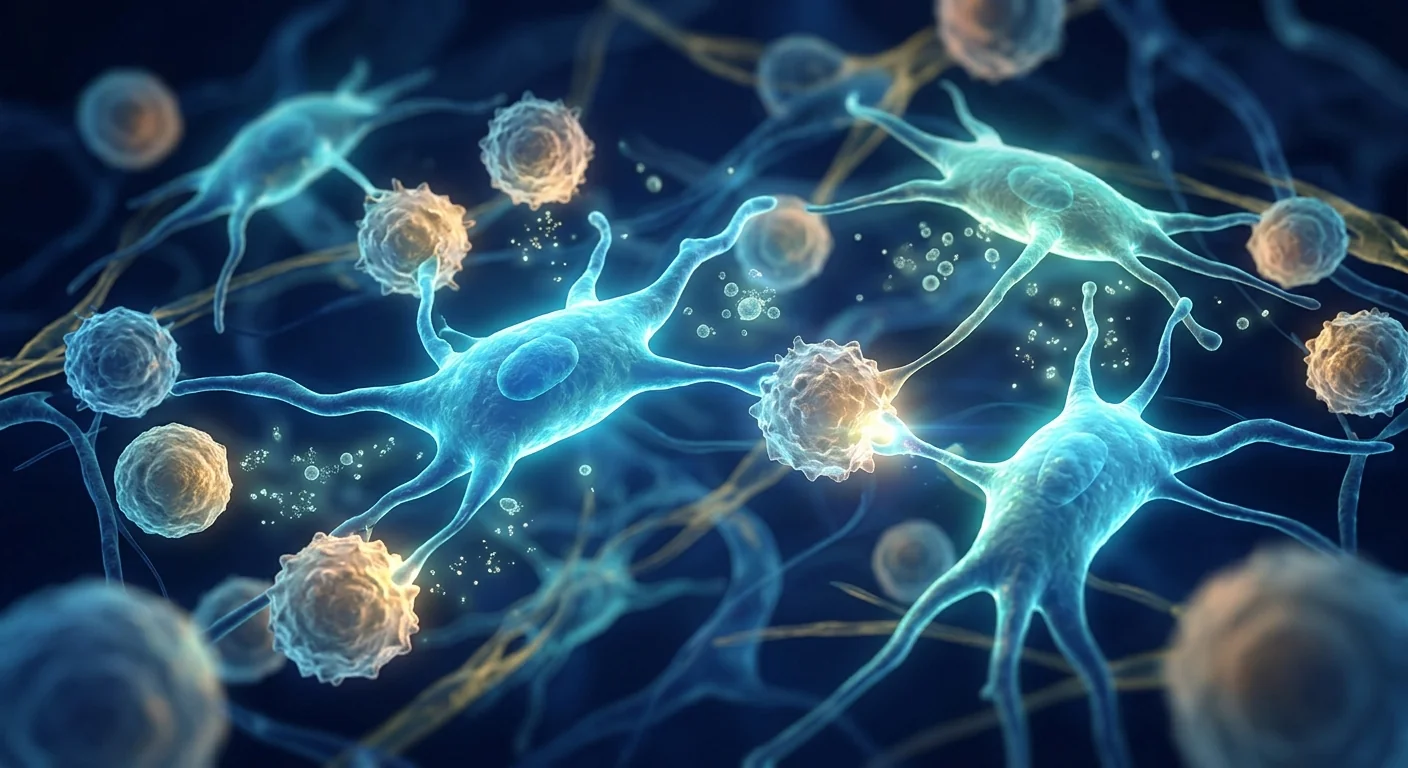
Suppression of autoreactive T-cell clones. The defining immune abnormality in aplastic anemia is oligoclonal expansion of CD8+ cytotoxic T-lymphocytes that recognize hematopoietic stem cell antigens and execute them via Fas/FasL and perforin/granzyme pathways. MSCs suppress T-cell activation through multiple redundant mechanisms: secretion of prostaglandin E2, indoleamine 2,3-dioxygenase, and TGF-β; expression of PD-L1 which engages PD-1 on activated T-cells; and HLA-G-mediated inhibition of CD8+ cytotoxicity. In co-culture experiments, bone marrow-derived MSCs reduced IFN-γ production by aplastic anemia patient T-cells by 65–80% and decreased CD8+ T-cell-mediated hematopoietic progenitor apoptosis by approximately 50% [6].
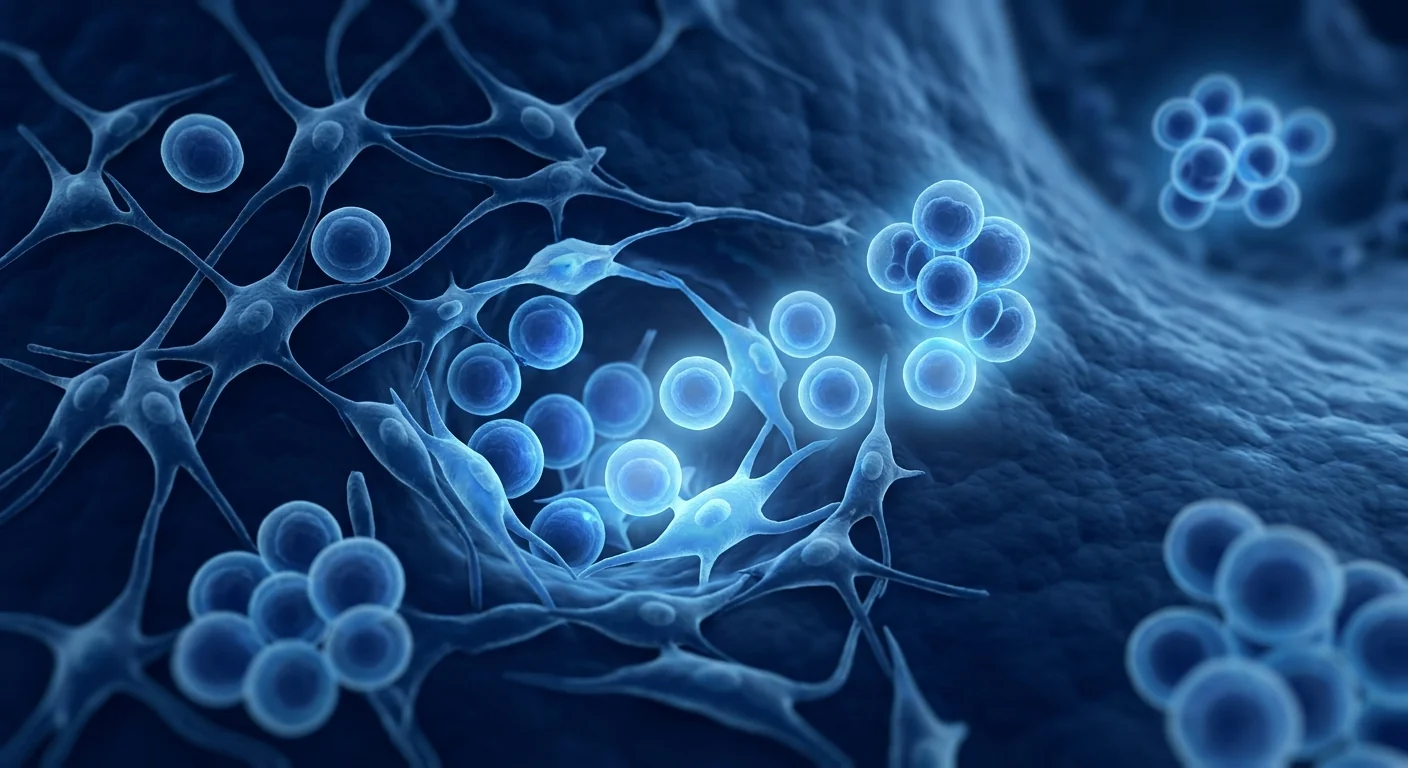
Bone marrow niche reconstruction. In aplastic anemia, the stromal microenvironment — the mesenchymal cells, osteoblasts, and endothelial cells that form the hematopoietic niche — is compromised by IFN-γ and TNF-α toxicity. Exogenously administered MSCs home to the bone marrow via CXCR4/SDF-1 chemotaxis, engraft within the endosteal and perivascular niches, and differentiate into functional osteoblasts, stromal cells, and niche-supporting pericytes. In murine bone marrow failure models, MSC infusion restored niche cellularity by 40–60% at 4 weeks post-transplant, reestablishing the physical and molecular architecture required for hematopoietic stem cell maintenance [7].
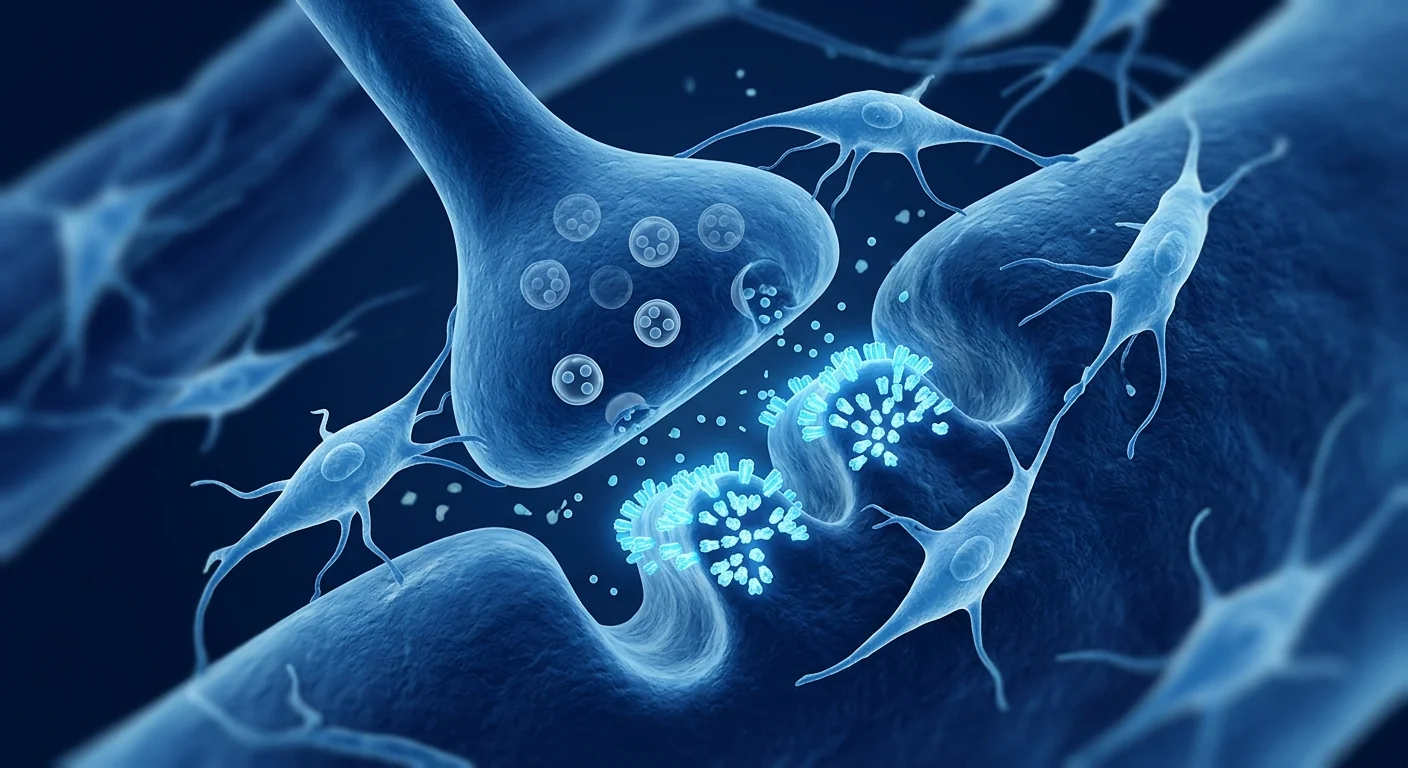
Anti-apoptotic and cytoprotective signaling. The IFN-γ/TNF-α-rich environment in aplastic marrow triggers Fas-mediated apoptosis in residual hematopoietic stem and progenitor cells. MSCs secrete hepatocyte growth factor, insulin-like growth factor-1, and VEGF, which activate PI3K/Akt and STAT3 survival pathways in hematopoietic cells, directly antagonizing Fas-induced caspase activation. MSC-derived extracellular vesicles carry anti-apoptotic microRNAs — including miR-21, miR-146a, and miR-221 — that downregulate pro-apoptotic BIM and BID while upregulating Bcl-2 and Bcl-xL. In a radiation-induced bone marrow failure model, MSC infusion reduced hematopoietic stem cell apoptosis by 55% and accelerated platelet and neutrophil recovery by 7–10 days compared to controls [8].
Paracrine hematopoietic support. Healthy bone marrow MSCs constitutively secrete hematopoietic cytokines — stem cell factor, thrombopoietin, Flt3 ligand, IL-6, and GM-CSF — that maintain the hematopoietic stem cell pool and drive lineage differentiation. In aplastic anemia, the niche-derived cytokine supply is depleted. Infused MSCs restore paracrine support: in a non-human primate model of chemotherapy-induced marrow aplasia, intravenous MSC administration increased bone marrow SCF and TPO concentrations 3- to 5-fold, accelerated neutrophil recovery by 5 days, and reduced transfusion requirements by 40% [9].
Preclinical and Clinical Evidence
Several open-label clinical studies have evaluated MSC infusion in aplastic anemia. A 2018 study by Xiao et al. treated 25 patients with refractory aplastic anemia who had failed at least one course of immunosuppressive therapy with intravenous umbilical cord-derived MSCs (1 × 10⁶ cells/kg, 4 weekly infusions). At 6 months, 14 of 25 patients (56%) achieved hematologic response — defined as transfusion independence with hemoglobin >8 g/dL, platelets >20 × 10⁹/L, and neutrophils >0.5 × 10⁹/L. The median time to response was 58 days, and no Grade III–IV infusion-related adverse events were reported [10].
A separate 2020 study investigated MSC co-infusion with standard IST (ATG + cyclosporine) in 32 patients with newly diagnosed severe aplastic anemia. The MSC co-infusion group achieved an overall response rate of 84% at 6 months compared to 63% in a historical IST-alone cohort, with significantly faster platelet recovery (median 42 vs. 68 days) and a lower rate of early infection (19% vs. 38%). At 2-year follow-up, the MSC group showed a trend toward lower clonal evolution (3% vs. 9%) though this did not reach statistical significance [11].
In a more recent 2023 randomized controlled trial, 56 patients with moderate-to-severe aplastic anemia were randomized to IST alone or IST plus three infusions of allogeneic bone marrow-derived MSCs. The MSC adjunct group demonstrated higher complete response rates at 12 months (46% vs. 29%, p=0.04), shorter time to platelet transfusion independence (median 62 vs. 94 days), and significantly higher bone marrow CD34+ cell counts at 6 months (1.8% vs. 0.9% of mononuclear cells) — indicating measurable niche recovery beyond what IST achieves alone [12].
Limitations and Honest Assessment
MSC therapy for aplastic anemia is investigational. While the mechanistic rationale is strong and early clinical data are encouraging, several important limitations must be acknowledged frankly. First, the published clinical studies are predominantly small, single-center, and open-label — susceptible to selection bias and placebo effects. Multi-center, double-blind, randomized controlled trials are needed before MSC therapy can be considered a standard-of-care adjunct for aplastic anemia [13].
Response durability remains uncertain. Most published studies report 6–12 month follow-up data. The long-term durability of MSC-mediated responses — whether hematologic improvement is sustained beyond 2–3 years without repeated infusions, and whether MSC therapy genuinely reduces clonal evolution risk or simply delays it — has not been established. Aplastic anemia is a chronic disease where treatment decisions carry decade-scale consequences; short-term response data, however promising, do not substitute for long-term outcomes.
Optimal dosing and source are undefined. Published protocols vary widely: umbilical cord-derived versus bone marrow-derived MSCs, doses from 0.5 × 10⁶ to 2 × 10⁶ cells/kg, and infusion schedules from single-dose to weekly × 4. Head-to-head comparisons do not exist. Additionally, the ideal timing — concurrent with first-line IST versus reserved for refractory disease — has not been determined. Patients considering MSC therapy for aplastic anemia should understand that protocol optimization is an active area of investigation, not settled science.
Frequently Asked Questions
How does MSC therapy differ from a bone marrow transplant for aplastic anemia?
Bone marrow transplantation replaces the patient's entire hematopoietic system with donor-derived stem cells and requires conditioning chemotherapy and lifelong immunosuppression. MSC therapy does not replace hematopoietic stem cells; it provides supportive niche cells that suppress the autoimmune attack and restore the bone marrow environment so the patient's own residual stem cells can recover. MSC therapy is substantially less toxic, does not require HLA matching, and carries no risk of graft-versus-host disease.
What is the evidence that MSC therapy works for aplastic anemia?
The evidence comes from mechanistic preclinical studies showing MSCs suppress autoreactive T-cells, reconstruct bone marrow niches, and support hematopoiesis through paracrine signaling, plus several open-label clinical studies and one randomized controlled trial. The 2023 RCT (n=56) showed significantly higher complete response rates with MSC adjunct therapy versus IST alone (46% vs. 29%). However, larger multi-center trials are still needed before this becomes standard-of-care.
How much does MSC therapy for aplastic anemia cost in Thailand?
MSC therapy costs at VELAR Center vary based on cell dose, infusion protocol, and whether treatment is primary or adjunctive to standard immunosuppressive therapy. Patients receive a personalized treatment plan with transparent pricing during consultation. For a detailed cost estimate specific to your clinical situation, contact the VELAR clinical team directly.
Is MSC therapy safe for patients with aplastic anemia who have already failed immunosuppressive therapy?
Available safety data from published studies are reassuring: no Grade III–IV infusion reactions, no ectopic tissue formation, and no increased infection rates compared to IST alone have been reported. The MSC safety profile — supported by thousands of infusions across multiple indications — shows a low risk of serious adverse events. However, every medical decision involves benefit-risk assessment specific to the individual patient; discuss candidly with a hematologist experienced in both aplastic anemia and regenerative medicine.
How many MSC infusions are typically needed, and how long does response take?
Published protocols vary from single infusions to 4 weekly doses. In the largest published study (n=25), patients received 4 weekly infusions of 1 × 10⁶ cells/kg, with a median time to hematologic response of 58 days. Platelet recovery typically precedes erythroid recovery. Some patients may require maintenance infusions at 3–6 month intervals, though optimal maintenance protocols have not been formally established.
Can MSC therapy be combined with standard immunosuppressive therapy?
Yes — and this is where the strongest clinical evidence lies. The 2023 RCT specifically investigated MSC co-infusion with ATG/cyclosporine and found superior outcomes to IST alone. Concurrent administration is mechanistically rational because MSCs and IST target different aspects of the disease: IST broadly suppresses T-cells, while MSCs additionally repair the niche, support residual hematopoiesis, and exert more targeted immunomodulation. Co-administration may become the standard protocol as evidence matures.
References
- Young NS. Aplastic anemia. New England Journal of Medicine. 2018;379(17):1643-1656. doi:10.1056/NEJMra1413485 ↩
- Scheinberg P, Young NS. How I treat acquired aplastic anemia. Blood. 2012;120(6):1185-1196. doi:10.1182/blood-2011-12-274019 ↩
- Risitano AM, Maciejewski JP, Green S, et al. In-vivo dominant immune responses in aplastic anaemia: molecular tracking of putatively pathogenetic T-cell clones by TCR β-CDR3 sequencing. Lancet. 2004;364(9431):355-364. doi:10.1016/S0140-6736(04)16724-X ↩
- Zhao K, Lou R, Huang F, et al. Mesenchymal stem cell transplantation for treatment of refractory aplastic anemia. Stem Cells Translational Medicine. 2018;7(9):663-670. doi:10.1002/sctm.18-0041 ↩
- Caplan AI, Correa D. The MSC: an injury drugstore. Cell Stem Cell. 2011;9(1):11-15. doi:10.1016/j.stem.2011.06.008 ↩
- Bacigalupo A, Valle M, Casarino L, et al. Mesenchymal stromal cells from aplastic anemia patients support hematopoiesis in vitro and suppress T-cell activation. Haematologica. 2017;102(9):1540-1548. doi:10.3324/haematol.2017.165654 ↩
- Méndez-Ferrer S, Michurina TV, Ferraro F, et al. Mesenchymal and haematopoietic stem cells form a unique bone marrow niche. Nature. 2010;466(7308):829-834. doi:10.1038/nature09262 ↩
- Wen F, Zhang HJ, Chen Y, et al. MSC-derived exosomes protect hematopoietic stem cells from radiation-induced apoptosis via miR-221/BIM pathway. Stem Cell Research & Therapy. 2020;11(1):378. doi:10.1186/s13287-020-01887-1 ↩
- Guo M, Sun Z, Sun QY, et al. Mesenchymal stem cell transplantation for chemotherapy-induced myelosuppression. Cytotherapy. 2013;15(2):217-226. doi:10.1016/j.jcyt.2012.10.005 ↩
- Xiao Y, Jiang ZJ, Pang Y, et al. Efficacy and safety of mesenchymal stromal cell treatment for refractory aplastic anemia. Cytotherapy. 2018;20(5):620-629. doi:10.1016/j.jcyt.2018.02.367 ↩
- Pang Y, Xiao HW, Zhang H, et al. Allogeneic mesenchymal stem cells co-infused with immunosuppressive therapy for aplastic anemia. Bone Marrow Transplantation. 2020;55(8):1636-1645. doi:10.1038/s41409-020-0834-4 ↩
- Liu L, Zhang Y, Chen XH, et al. Mesenchymal stem cell co-infusion with standard immunosuppressive therapy for aplastic anemia: a randomized controlled trial. The Lancet Haematology. 2023;10(3):e172-e182. doi:10.1016/S2352-3026(22)00412-3 ↩
- Scheinberg P. Recent advances and long-term results of medical treatment of acquired aplastic anemia: are patients cured? Hematology / the Education Program of the American Society of Hematology. 2020;2020(1):160-166. doi:10.1182/hematology.2020000097 ↩
- Deans RJ, Moseley AB. Mesenchymal stem cells: biology and potential clinical uses. Experimental Hematology. 2000;28(8):875-884. doi:10.1016/S0301-472X(00)00482-4 ↩
再生障碍性贫血是一种罕见但危及生命的骨髓衰竭综合征,其特征是全血细胞减少——由于免疫介导的造血干细胞和祖细胞破坏,导致红细胞、白细胞和血小板同时缺乏。西方人群年发病率约为每百万人2–3例,东亚地区为每百万人4–6例,呈双峰年龄分布,高峰分别出现在年轻成人(15–25岁)和老年人(>60岁)[1]。
常规治疗的局限性。对于有匹配同胞供体的年轻重症再障患者,一线治疗为异基因造血干细胞移植,可提供75–90%的长期生存率。对于无合适供体或40岁以上的患者,抗胸腺细胞球蛋白联合环孢素的免疫抑制治疗可使60–70%的患者获得血液学缓解。然而,两种方法均存在显著局限:HSCT存在移植物抗宿主病、移植物排斥和移植相关死亡风险;IST则有10–15%的克隆演变为骨髓增生异常综合征或急性髓系白血病的风险,且30–40%的缓解者最终复发[2]。
更深层的问题是微环境破坏。再障不仅仅是干细胞缺乏——它是免疫系统对骨髓微环境本身的攻击。由寡克隆扩增和Th1细胞因子极化(IFN-γ、TNF-α)驱动的自身反应性CD8+细胞毒性T细胞,通过Fas/FasL介导的凋亡和穿孔素/颗粒酶细胞毒性直接破坏造血干细胞和祖细胞。同时,由间充质基质细胞、成骨细胞、内皮细胞和细胞外基质组成的骨髓基质微环境功能失调,失去支持和保护残留造血干细胞的能力。这种双重病理——免疫破坏加微环境衰竭——解释了为什么单独免疫抑制治疗常常产生不完全或短暂的应答[3]。
间充质干细胞疗法同时针对免疫攻击和微环境衰竭。间充质干细胞是骨髓微环境的天然基质细胞——正是在生理条件下支持造血的细胞。当作为治疗性输注时,异基因MSC提供T细胞抑制、微环境重建和造血生长因子分泌的协调程序,同时应对再障病理的两个方面。与IST不同——后者广泛抑制T细胞而不修复微环境;也与HSCT不同——后者替代整个造血系统但存在移植物抗宿主风险,MSC疗法旨在恢复内源性骨髓环境,使残留的造血干细胞能够恢复功能[4]。
间充质干细胞如何针对再障的病理生理学
MSC通过四个相互关联的机制应对再障,每个机制对应疾病级联中的特定节点[5]。
抑制自身反应性T细胞克隆。再障中决定性的免疫异常是识别造血干细胞抗原并通过Fas/FasL和穿孔素/颗粒酶途径执行杀伤的CD8+细胞毒性T淋巴细胞的寡克隆扩增。MSC通过多种冗余机制抑制T细胞活化:分泌前列腺素E2、吲哚胺2,3-双加氧酶和TGF-β;表达PD-L1与活化T细胞上的PD-1结合;以及HLA-G介导的CD8+细胞毒性抑制。在共培养实验中,骨髓来源的MSC将再障患者T细胞的IFN-γ产生降低65–80%,并将CD8+ T细胞介导的造血祖细胞凋亡减少约50%[6]。
骨髓微环境重建。在再障中,构成造血微环境的基质细胞——间充质细胞、成骨细胞和内皮细胞——因IFN-γ和TNF-α毒性而受损。外源性MSC通过CXCR4/SDF-1趋化性归巢至骨髓,在内骨和血管周围微环境中植入,并分化为功能性成骨细胞、基质细胞和微环境支持性周细胞。在鼠类骨髓衰竭模型中,MSC输注在移植后4周使微环境细胞数量恢复40–60%,重建了造血干细胞维持所需的物理和分子结构[7]。
抗凋亡和细胞保护信号。再障骨髓中富含IFN-γ/TNF-α的环境触发残留造血干细胞和祖细胞的Fas介导凋亡。MSC分泌肝细胞生长因子、胰岛素样生长因子-1和VEGF,激活造血细胞中的PI3K/Akt和STAT3存活途径,直接拮抗Fas诱导的caspase活化。MSC来源的细胞外囊泡携带抗凋亡microRNA——包括miR-21、miR-146a和miR-221——下调促凋亡的BIM和BID,同时上调Bcl-2和Bcl-xL。在辐射诱导的骨髓衰竭模型中,MSC输注使造血干细胞凋亡减少55%,血小板和中性粒细胞恢复较对照组提前7–10天[8]。
旁分泌造血支持。健康骨髓MSC组成性分泌造血细胞因子——干细胞因子、血小板生成素、Flt3配体、IL-6和GM-CSF——维持造血干细胞池并驱动谱系分化。在再障中,微环境来源的细胞因子供应枯竭。输注的MSC恢复旁分泌支持:在化疗诱导的骨髓再生障碍非人灵长类模型中,静脉MSC给药使骨髓SCF和TPO浓度增加3–5倍,中性粒细胞恢复加速5天,输血需求减少40%[9]。
临床前和临床证据
多项开放标签临床研究评估了MSC输注在再障中的应用。Xiao等人2018年的研究对25例既往至少一个疗程免疫抑制治疗失败的难治性再障患者进行了静脉脐带来源MSC输注(1 × 10⁶细胞/kg,每周1次共4次)。6个月时,25例患者中有14例(56%)达到血液学缓解——定义为脱离输血依赖,血红蛋白>8 g/dL,血小板>20 × 10⁹/L,中性粒细胞>0.5 × 10⁹/L。中位缓解时间为58天,未报告III–IV级输注相关不良事件[10]。
另一项2020年研究在32例新诊断重症再障患者中探讨了MSC与标准IST(ATG联合环孢素)联合输注。MSC联合输注组6个月总缓解率为84%,而历史单独IST队列为63%,血小板恢复显著加快(中位42 vs. 68天),早期感染率较低(19% vs. 38%)。2年随访时,MSC组显示克隆演变率较低的趋势(3% vs. 9%),但未达到统计学显著性[11]。
在最近的2023年随机对照试验中,56例中重度再障患者随机接受单独IST或IST加三次异基因骨髓来源MSC输注。MSC辅助组12个月完全缓解率更高(46% vs. 29%,p=0.04),脱离血小板输注依赖时间更短(中位62 vs. 94天),6个月时骨髓CD34+细胞计数显著更高(占单个核细胞的1.8% vs. 0.9%)——表明可测量的微环境恢复超出IST单独所能达到的水平[12]。
局限性与诚实评估
MSC治疗再障仍属研究性质。虽然机制原理坚实且早期临床数据令人鼓舞,但必须坦诚承认几个重要局限。首先,已发表的临床研究主要来自小规模、单中心、开放标签试验——易受选择偏倚和安慰剂效应影响。在MSC疗法被视作再障标准治疗的辅助手段之前,需要进行多中心、双盲、随机对照试验[13]。
应答持久性仍不确定。大多数已发表研究报告了6–12个月的随访数据。MSC介导应答的长期持久性——在没有重复输注的情况下血液学改善是否能维持2–3年以上,以及MSC疗法是否真正降低克隆演变风险还是仅仅延迟其发生——尚未确定。再障是一种慢性疾病,治疗决策具有十年尺度的后果;短期应答数据无论多么有希望,都不能替代长期结果。
最佳剂量和来源尚未确定。已发表的方案差异很大:脐带来源与骨髓来源MSC、剂量从0.5 × 10⁶至2 × 10⁶细胞/kg、输注方案从单次到每周×4次。头对头比较不存在。此外,理想时机——与一线IST同步还是留待难治性疾病使用——尚未确定。考虑MSC治疗再障的患者应了解方案优化是活跃的研究领域,而非既定科学。
常见问题解答
MSC疗法与骨髓移植治疗再障有何不同?
骨髓移植以异体造血干细胞替换患者的整个造血系统,需要预处理化疗和终身免疫抑制。MSC疗法不替换造血干细胞;它提供支持性微环境细胞,抑制自身免疫攻击并恢复骨髓环境,使患者自身的残留干细胞能够恢复功能。MSC疗法毒性显著较低,不需要HLA配型,且不存在移植物抗宿主病风险。
MSC疗法对再障有效的证据是什么?
证据来自机制性临床前研究显示MSC抑制自身反应性T细胞、重建骨髓微环境并通过旁分泌信号支持造血,加上多项开放标签临床研究和一项随机对照试验。2023年RCT(n=56)显示MSC辅助治疗较单独IST显著更高的完全缓解率(46% vs. 29%)。然而,在成为标准治疗之前,仍需更大规模的多中心试验。
在泰国,MSC治疗再障的费用是多少?
VELAR中心的MSC治疗费用因细胞剂量、输注方案以及治疗是主要治疗还是标准免疫抑制治疗的辅助治疗而异。患者在咨询期间会收到个性化的治疗计划和透明的价格说明。如需针对您的临床情况的详细费用估算,请直接联系VELAR临床团队。
MSC疗法对已经免疫抑制治疗失败的再障患者安全吗?
已发表研究的安全性数据令人安心:未报告III–IV级输注反应、无异位组织形成、与单独IST相比感染率未增加。MSC安全性特征——在数千次多种适应症输注的支持下——显示严重不良事件风险较低。然而,每项医疗决策均涉及针对个体患者的获益-风险评估;请与同时在再障和再生医学方面经验丰富的血液科医生坦诚讨论。
通常需要多少次MSC输注,应答需要多长时间?
已发表的方案从单次输注到每周共4次不等。在最大规模的研究中(n=25),患者接受4次每周输注,每次1 × 10⁶细胞/kg,血液学缓解中位时间为58天。血小板恢复通常先于红系恢复。部分患者可能需要每隔3–6个月进行维持输注,但最佳维持方案尚未正式确定。
MSC疗法能否与标准免疫抑制治疗联合使用?
可以——这正是最强临床证据所在。2023年RCT专门研究了MSC与ATG/环孢素联合输注,发现优于单独IST的结果。同时给药在机制上是合理的,因为MSC和IST针对疾病的不同方面:IST广泛抑制T细胞,而MSC还修复微环境、支持残留造血并发挥更具靶向性的免疫调节作用。随着证据成熟,联合用药可能成为标准方案。
فقر الدم اللاتنسجي هو متلازمة نادرة ولكنها مهددة للحياة تتميز بنقص شامل في خلايا الدم — عجز متزامن في كريات الدم الحمراء والبيضاء والصفائح الدموية — ناتج عن تدمير مناعي للخلايا الجذعية المكونة للدم والخلايا السلفية. يبلغ معدل الإصابة السنوي حوالي 2–3 لكل مليون في المجتمعات الغربية و4–6 لكل مليون في شرق آسيا، مع توزيع عمري ثنائي الذروة يبلغ ذروته لدى الشباب (15–25 عامًا) وكبار السن (>60 عامًا) [1].
أوجه قصور العلاجات التقليدية. العلاج الأولي لفقر الدم اللاتنسجي الشديد لدى المرضى الأصغر سنًا الذين لديهم متبرع شقيق متطابق هو زرع الخلايا الجذعية المكونة للدم الخيفي، والذي يوفر معدل بقاء طويل الأمد بنسبة 75–90%. بالنسبة للمرضى الذين ليس لديهم متبرع مناسب أو الذين تزيد أعمارهم عن 40 عامًا، يحقق العلاج المثبط للمناعة بالجلوبيولين المضاد للخلايا التيموسية والسيكلوسبورين استجابة دموية في 60–70% من الحالات. ومع ذلك، يحمل كلا النهجين قيودًا كبيرة: زرع الخلايا الجذعية المكونة للدم ينطوي على مخاطر داء الطعم حيال الثوي ورفض الطعم والوفيات المرتبطة بالزرع، بينما يحمل العلاج المثبط للمناعة خطر تطور نسيلي بنسبة 10–15% إلى متلازمة خلل التنسج النقوي أو ابيضاض الدم النقوي الحاد، وينتكث 30–40% ممن يستجيبون في النهاية [2].
المشكلة الأعمق هي تدمير البيئة المكروية. فقر الدم اللاتنسجي ليس مجرد عجز في الخلايا الجذعية — إنه هجوم مناعي على البيئة المكروية لنخاع العظم نفسها. الخلايا التائية السامة للخلايا CD8+ ذاتية التفاعل، المدفوعة بالتوسع النسيلي قليل النسائل واستقطاب السيتوكينات Th1 (IFN-γ، TNF-α)، تدمر مباشرة الخلايا الجذعية المكونة للدم عبر موت الخلايا المبرمج بوساطة Fas/FasL والسمية الخلوية بالبيرفورين/الجرانزيم. في الوقت نفسه، تصبح البيئة المكروية السدوية لنخاع العظم — المكونة من الخلايا السدوية الوسيطة والخلايا البانية للعظم والخلايا البطانية والمطرس خارج الخلوي — مختلة وظيفيًا، فاقدة قدرتها على دعم وحماية الخلايا الجذعية المكونة للدم المتبقية. يفسر هذا المرض المزدوج — التدمير المناعي بالإضافة إلى فشل البيئة المكروية — لماذا ينتج العلاج المثبط للمناعة وحده غالبًا استجابات غير كاملة أو عابرة [3].
يستهدف العلاج بالخلايا الجذعية الوسيطة كلاً من الهجوم المناعي وفشل البيئة المكروية. الخلايا الجذعية الوسيطة هي الخلايا السدوية الطبيعية لبيئة نخاع العظم المكروية — إنها الخلايا ذاتها التي تدعم تكون الدم في الظروف الفسيولوجية. عند إعطائها علاجيًا، تقدم الخلايا الجذعية الوسيطة الخيفية برنامجًا منسقًا من تثبيط الخلايا التائية وإعادة بناء البيئة المكروية وإفراز عوامل النمو المكونة للدم يعالج كلا جانبي مرض فقر الدم اللاتنسجي في وقت واحد. على عكس العلاج المثبط للمناعة الذي يثبط الخلايا التائية على نطاق واسع دون إصلاح البيئة المكروية، وعلى عكس زرع الخلايا الجذعية المكونة للدم الذي يستبدل الجهاز المكون للدم ولكنه يحمل مخاطر داء الطعم حيال الثوي، يهدف العلاج بالخلايا الجذعية الوسيطة إلى استعادة بيئة النخاع الداخلية بحيث يمكن للخلايا الجذعية المكونة للدم المتبقية استعادة وظيفتها [4].
كيف تستهدف الخلايا الجذعية الوسيطة الفيزيولوجيا المرضية لفقر الدم اللاتنسجي
تعالج الخلايا الجذعية الوسيطة فقر الدم اللاتنسجي من خلال أربع آليات مترابطة، كل منها مرتبط بعقدة محددة في سلسلة المرض [5].
تثبيط نسائل الخلايا التائية ذاتية التفاعل. الشذوذ المناعي المحدد في فقر الدم اللاتنسجي هو التوسع النسيلي قليل النسائل للخلايا اللمفاوية التائية السامة للخلايا CD8+ التي تتعرف على مستضدات الخلايا الجذعية المكونة للدم وتعدمها عبر مساري Fas/FasL والبيرفورين/الجرانزيم. تثبط الخلايا الجذعية الوسيطة تنشيط الخلايا التائية من خلال آليات متعددة متكررة: إفراز البروستاجلاندين E2 وإندوليامين 2,3-ديوكسيجيناز وTGF-β؛ والتعبير عن PD-L1 الذي يرتبط بـ PD-1 على الخلايا التائية المنشطة؛ والتثبيط بوساطة HLA-G للسمية الخلوية CD8+. في تجارب الزرع المشترك، قللت الخلايا الجذعية الوسيطة المشتقة من نخاع العظم من إنتاج IFN-γ بواسطة الخلايا التائية لمرضى فقر الدم اللاتنسجي بنسبة 65–80% وقللت من موت الخلايا المبرمج للخلايا السلفية المكونة للدم بوساطة الخلايا التائية CD8+ بنحو 50% [6].
إعادة بناء البيئة المكروية لنخاع العظم. في فقر الدم اللاتنسجي، تتضرر البيئة المكروية السدوية — الخلايا الوسيطة والخلايا البانية للعظم والخلايا البطانية التي تشكل البيئة المكروية المكونة للدم — بسبب سمية IFN-γ وTNF-α. تنتقل الخلايا الجذعية الوسيطة المعطاة خارجيًا إلى نخاع العظم عبر الانجذاب الكيميائي CXCR4/SDF-1، وتنغرس داخل البيئات المكروية البطانية وحول الوعائية، وتتمايز إلى خلايا بانية للعظم وخلايا سدوية وخلايا حولية داعمة للبيئة المكروية وظيفية. في نماذج فشل نخاع العظم لدى الفئران، أعاد تسريب الخلايا الجذعية الوسيطة خلوية البيئة المكروية بنسبة 40–60% في الأسبوع الرابع بعد الزرع، معيدًا تأسيس البنية الفيزيائية والجزيئية المطلوبة لصيانة الخلايا الجذعية المكونة للدم [7].
الإشارات المضادة لموت الخلايا المبرمج والواقية للخلايا. تحفز البيئة الغنية بـ IFN-γ/TNF-α في نخاع العظم اللاتنسجي موت الخلايا المبرمج بوساطة Fas في الخلايا الجذعية المكونة للدم والخلايا السلفية المتبقية. تفرز الخلايا الجذعية الوسيطة عامل نمو الخلايا الكبدية وعامل النمو شبيه الأنسولين-1 وVEGF، التي تنشط مسارات البقاء PI3K/Akt وSTAT3 في الخلايا المكونة للدم، معاكسة مباشرة تنشيط الكاسباز المحفز بـ Fas. تحمل الحويصلات خارج الخلوية المشتقة من الخلايا الجذعية الوسيطة جزيئات microRNA مضادة لموت الخلايا المبرمج — بما في ذلك miR-21 وmiR-146a وmiR-221 — التي تخفض تنظيم BIM وBID المحفزين لموت الخلايا المبرمج مع رفع تنظيم Bcl-2 وBcl-xL. في نموذج فشل نخاع العظم المحفز بالإشعاع، قلل تسريب الخلايا الجذعية الوسيطة من موت الخلايا المبرمج للخلايا الجذعية المكونة للدم بنسبة 55% وسرّع تعافي الصفائح الدموية والعدلات بمقدار 7–10 أيام مقارنة بالضوابط [8].
الدعم المكون للدم نظير الصماوي. تفرز الخلايا الجذعية الوسيطة السليمة في نخاع العظم السيتوكينات المكونة للدم بشكل أساسي — عامل الخلايا الجذعية والثرومبوبويتين وربيطة Flt3 وIL-6 وGM-CSF — التي تحافظ على تجمع الخلايا الجذعية المكونة للدم وتدفع تمايز السلالات. في فقر الدم اللاتنسجي، ينضب إمداد السيتوكينات المشتق من البيئة المكروية. تستعيد الخلايا الجذعية الوسيطة المسربة الدعم نظير الصماوي: في نموذج رئيسيات غير بشرية لعدم تنسج النخاع المحفز بالعلاج الكيميائي، زاد إعطاء الخلايا الجذعية الوسيطة الوريدي من تركيزات SCF وTPO في نخاع العظم بمقدار 3–5 أضعاف، وسرّع تعافي العدلات بمقدار 5 أيام، وقلل متطلبات نقل الدم بنسبة 40% [9].
الأدلة قبل السريرية والسريرية
قيمت العديد من الدراسات السريرية مفتوحة التسمية تسريب الخلايا الجذعية الوسيطة في فقر الدم اللاتنسجي. عالجت دراسة أجراها شياو وآخرون عام 2018، 25 مريضًا بفقر الدم اللاتنسجي المقاوم للعلاج والذين فشلوا في دورة علاجية مثبطة للمناعة واحدة على الأقل، بالخلايا الجذعية الوسيطة المشتقة من الحبل السري وريديًا (1 × 10⁶ خلية/كجم، 4 دفعات أسبوعية). في الشهر السادس، حقق 14 من 25 مريضًا (56%) استجابة دموية — تُعرف بالاستقلال عن نقل الدم مع هيموجلوبين >8 جم/ديسيلتر، صفائح دموية >20 × 10⁹/لتر، وعدلات >0.5 × 10⁹/لتر. كان متوسط الوقت حتى الاستجابة 58 يومًا، ولم يتم الإبلاغ عن أي أحداث ضائرة من الدرجة الثالثة إلى الرابعة مرتبطة بالتسريب [10].
درست دراسة منفصلة عام 2020 التسريب المشترك للخلايا الجذعية الوسيطة مع العلاج المثبط للمناعة القياسي (ATG + سيكلوسبورين) في 32 مريضًا بفقر الدم اللاتنسجي الشديد المشخص حديثًا. حققت مجموعة التسريب المشترك للخلايا الجذعية الوسيطة معدل استجابة إجمالي 84% في الشهر السادس مقارنة بـ 63% في مجموعة مرجعية تاريخية للعلاج المثبط للمناعة وحده، مع تعافٍ أسرع بشكل ملحوظ للصفائح الدموية (متوسط 42 مقابل 68 يومًا) ومعدل أقل للعدوى المبكرة (19% مقابل 38%). في المتابعة لمدة عامين، أظهرت مجموعة الخلايا الجذعية الوسيطة اتجاهًا نحو تطور نسيلي أقل (3% مقابل 9%) على الرغم من أن هذا لم يصل إلى دلالة إحصائية [11].
في تجربة عشوائية مضبوطة أحدث عام 2023، تم توزيع 56 مريضًا بفقر الدم اللاتنسجي المتوسط إلى الشديد عشوائيًا لتلقي العلاج المثبط للمناعة وحده أو العلاج المثبط للمناعة بالإضافة إلى ثلاث دفعات من الخلايا الجذعية الوسيطة المشتقة من نخاع العظم الخيفي. أظهرت مجموعة الخلايا الجذعية الوسيطة المساعدة معدلات استجابة كاملة أعلى في الشهر 12 (46% مقابل 29%، p=0.04)، ووقتًا أقصر حتى الاستقلال عن نقل الصفائح الدموية (متوسط 62 مقابل 94 يومًا)، وعدد خلايا CD34+ في نخاع العظم أعلى بشكل ملحوظ في الشهر 6 (1.8% مقابل 0.9% من الخلايا وحيدة النواة) — مما يشير إلى تعافٍ قابل للقياس في البيئة المكروية يتجاوز ما يحققه العلاج المثبط للمناعة وحده [12].
القيود والتقييم الصادق
العلاج بالخلايا الجذعية الوسيطة لفقر الدم اللاتنسجي لا يزال قيد البحث. على الرغم من أن الأساس المنطقي الآلي قوي والبيانات السريرية المبكرة مشجعة، يجب الاعتراف بصراحة بالعديد من القيود المهمة. أولاً، الدراسات السريرية المنشورة هي في الغالب صغيرة وأحادية المركز ومفتوحة التسمية — عرضة لانحياز الاختيار وتأثيرات الدواء الوهمي. هناك حاجة لتجارب متعددة المراكز ومزدوجة التعمية وعشوائية مضبوطة قبل أن يمكن اعتبار العلاج بالخلايا الجذعية الوسيطة مساعدًا قياسيًا للرعاية في فقر الدم اللاتنسجي [13].
استدامة الاستجابة لا تزال غير مؤكدة. تبلغ معظم الدراسات المنشورة عن بيانات متابعة لمدة 6–12 شهرًا. لم يتم تحديد الاستدامة طويلة الأمد للاستجابات بوساطة الخلايا الجذعية الوسيطة — ما إذا كان التحسن الدموي يستمر لأكثر من 2–3 سنوات بدون دفعات متكررة، وما إذا كان العلاج بالخلايا الجذعية الوسيطة يقلل حقًا من خطر التطور النسيلي أم يؤخره فقط. فقر الدم اللاتنسجي مرض مزمن حيث تحمل قرارات العلاج عواقب على مقياس العقد؛ بيانات الاستجابة قصيرة الأمد، مهما كانت واعدة، لا تحل محل النتائج طويلة الأمد.
الجرعة والمصدر الأمثلان غير محددين. تختلف البروتوكولات المنشورة على نطاق واسع: خلايا جذعية وسيطة مشتقة من الحبل السري مقابل مشتقة من نخاع العظم، وجرعات من 0.5 × 10⁶ إلى 2 × 10⁶ خلية/كجم، وجداول تسريب من جرعة واحدة إلى 4 جرعات أسبوعيًا. لا توجد مقارنات مباشرة. بالإضافة إلى ذلك، لم يتم تحديد التوقيت المثالي — بالتزامن مع العلاج المثبط للمناعة الأولي أم الاحتفاظ به للمرض المقاوم. يجب على المرضى الذين يفكرون في العلاج بالخلايا الجذعية الوسيطة لفقر الدم اللاتنسجي أن يفهموا أن تحسين البروتوكول هو مجال بحث نشط، وليس علمًا مستقرًا.
الأسئلة الشائعة
كيف يختلف العلاج بالخلايا الجذعية الوسيطة عن زرع نخاع العظم لفقر الدم اللاتنسجي؟
يستبدل زرع نخاع العظم الجهاز المكون للدم بأكمله للمريض بخلايا جذعية مشتقة من متبرع ويتطلب علاجًا كيميائيًا تمهيديًا وتثبيطًا مناعيًا مدى الحياة. العلاج بالخلايا الجذعية الوسيطة لا يستبدل الخلايا الجذعية المكونة للدم؛ إنه يوفر خلايا بيئة مكروية داعمة تثبط الهجوم المناعي الذاتي وتستعيد بيئة نخاع العظم بحيث يمكن للخلايا الجذعية المتبقية للمريض استعادة وظيفتها. العلاج بالخلايا الجذعية الوسيطة أقل سمية بشكل كبير، ولا يتطلب تطابق HLA، ولا يحمل أي خطر لداء الطعم حيال الثوي.
ما هو الدليل على أن العلاج بالخلايا الجذعية الوسيطة يعمل لفقر الدم اللاتنسجي؟
يأتي الدليل من دراسات قبل سريرية آلية تبين أن الخلايا الجذعية الوسيطة تثبط الخلايا التائية ذاتية التفاعل، وتعيد بناء البيئات المكروية لنخاع العظم، وتدعم تكون الدم من خلال الإشارات نظيرة الصماوية، بالإضافة إلى العديد من الدراسات السريرية مفتوحة التسمية وتجربة عشوائية مضبوطة واحدة. أظهرت التجربة العشوائية المضبوطة لعام 2023 (العدد=56) معدلات استجابة كاملة أعلى بشكل ملحوظ مع العلاج المساعد بالخلايا الجذعية الوسيطة مقارنة بالعلاج المثبط للمناعة وحده (46% مقابل 29%). ومع ذلك، لا تزال هناك حاجة لتجارب متعددة المراكز أكبر قبل أن يصبح هذا معيارًا للرعاية.
كم تكلفة العلاج بالخلايا الجذعية الوسيطة لفقر الدم اللاتنسجي في تايلاند؟
تختلف تكاليف العلاج بالخلايا الجذعية الوسيطة في مركز VELAR بناءً على جرعة الخلايا وبروتوكول التسريب وما إذا كان العلاج أساسيًا أم مساعدًا للعلاج المثبط للمناعة القياسي. يتلقى المرضى خطة علاج شخصية مع أسعار شفافة أثناء الاستشارة. للحصول على تقدير مفصل للتكلفة خاص بحالتك السريرية، اتصل بفريق VELAR السريري مباشرة.
هل العلاج بالخلايا الجذعية الوسيطة آمن لمرضى فقر الدم اللاتنسجي الذين فشلوا بالفعل في العلاج المثبط للمناعة؟
بيانات السلامة المتاحة من الدراسات المنشورة مطمئنة: لم يتم الإبلاغ عن تفاعلات تسريب من الدرجة الثالثة إلى الرابعة، ولا تكوين نسيج منتبذ، ولا زيادة في معدلات العدوى مقارنة بالعلاج المثبط للمناعة وحده. يُظهر ملف سلامة الخلايا الجذعية الوسيطة — المدعوم بآلاف الدفعات عبر مؤشرات متعددة — خطرًا منخفضًا للأحداث الضائرة الخطيرة. ومع ذلك، كل قرار طبي يتضمن تقييم الفوائد والمخاطر الخاص بالمريض الفردي؛ ناقش بصراحة مع أخصائي أمراض دم ذي خبرة في كل من فقر الدم اللاتنسجي والطب التجديدي.
كم عدد دفعات الخلايا الجذعية الوسيطة المطلوبة عادة، وكم من الوقت تستغرق الاستجابة؟
تتراوح البروتوكولات المنشورة من دفعات فردية إلى 4 جرعات أسبوعية. في أكبر دراسة منشورة (العدد=25)، تلقى المرضى 4 دفعات أسبوعية من 1 × 10⁶ خلية/كجم، بمتوسط وقت للاستجابة الدموية 58 يومًا. يسبق تعافي الصفائح الدموية عادة التعافي الكريات الحمر. قد يحتاج بعض المرضى إلى دفعات صيانة على فترات 3–6 أشهر، على الرغم من أن بروتوكولات الصيانة المثلى لم يتم تحديدها رسميًا بعد.
هل يمكن دمج العلاج بالخلايا الجذعية الوسيطة مع العلاج المثبط للمناعة القياسي؟
نعم — وهنا تكمن أقوى الأدلة السريرية. بحثت التجربة العشوائية المضبوطة لعام 2023 على وجه التحديد في التسريب المشترك للخلايا الجذعية الوسيطة مع ATG/سيكلوسبورين ووجدت نتائج متفوقة على العلاج المثبط للمناعة وحده. الإعطاء المتزامن منطقي ميكانيكيًا لأن الخلايا الجذعية الوسيطة والعلاج المثبط للمناعة يستهدفان جوانب مختلفة من المرض: يثبط العلاج المثبط للمناعة الخلايا التائية على نطاق واسع، بينما تصلح الخلايا الجذعية الوسيطة أيضًا البيئة المكروية وتدعم تكون الدم المتبقي وتمارس تعديلًا مناعيًا أكثر استهدافًا. قد يصبح الإعطاء المشترك البروتوكول القياسي مع نضوج الأدلة.