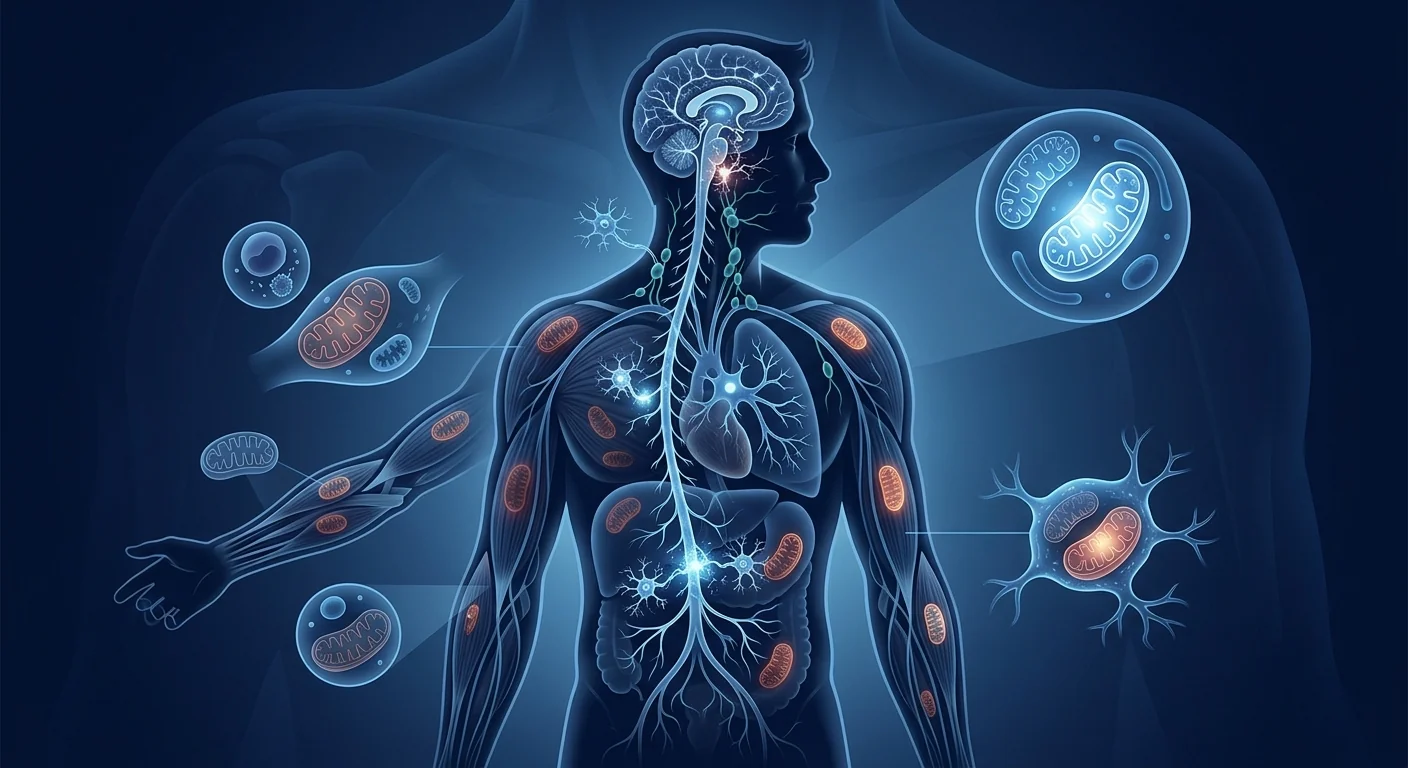
Postural Orthostatic Tachycardia Syndrome (POTS) is a form of dysautonomia — a disorder of the autonomic nervous system — characterized by an excessive increase in heart rate upon standing, typically exceeding 30 beats per minute (40 bpm in adolescents) within 10 minutes, in the absence of orthostatic hypotension [1]. Affecting an estimated 1–3 million Americans and up to 1 in 100 teenagers, POTS predominantly strikes women (approximately 80% of cases) and frequently begins after a viral illness, pregnancy, surgery, or major trauma. The condition can be profoundly disabling — many patients are unable to work, attend school, or perform basic activities of daily living — yet it remains underdiagnosed and undertreated, with an average diagnostic delay of nearly 6 years [2].
Where conventional medicine falls short. Current management of POTS relies on a combination of increased fluid and salt intake, compression garments, physical counter-maneuvers, and pharmacological agents including beta-blockers, fludrocortisone, midodrine, and ivabradine [3]. These interventions target symptoms — heart rate, blood volume, vasoconstriction — but none address the underlying autonomic dysfunction or potential autoimmune pathology. Many patients cycle through multiple medications with incomplete relief, and a significant subset remain severely symptomatic despite optimal medical management. The 2015 Heart Rhythm Society expert consensus statement acknowledged the limited evidence base for all current therapies and called for novel, mechanism-targeted approaches [3].
The deeper problem is neuroimmune and autonomic. Over the past decade, research has established that POTS is not merely a "mild" or "functional" condition but a complex disorder with measurable biological abnormalities. These include elevated levels of autoantibodies targeting adrenergic and muscarinic receptors — antibodies that directly interfere with autonomic signaling [4] — reduced cerebral blood flow on standing, evidence of peripheral small-fiber neuropathy in a substantial subset, and biomarkers of chronic low-grade inflammation. Multiple studies have documented elevated levels of pro-inflammatory cytokines including interleukin-6 (IL-6) and tumor necrosis factor-alpha (TNF-α), as well as autoantibodies against G-protein-coupled receptors that regulate heart rate, vascular tone, and norepinephrine release [5]. This biological reframing opens the door to regenerative interventions — including mesenchymal stem cell (MSC) therapy — that target the underlying neuroimmune and autonomic pathology.
MSC therapy targets the root biological drivers. Rather than blocking a single receptor or artificially expanding blood volume, MSCs address three of the core pathophysiological processes identified in POTS: autoimmune-mediated autonomic dysfunction, neuroinflammation, and impaired vascular regulation. Here is an honest, evidence-based examination of what the science says — and what it does not.
What Is POTS? Understanding Autonomic Dysfunction
POTS is defined by a sustained heart rate increase of ≥30 bpm (≥40 bpm in ages 12–19) within 10 minutes of standing, accompanied by symptoms of orthostatic intolerance including lightheadedness, palpitations, brain fog, fatigue, and near-syncope, without a significant drop in blood pressure [1]. The condition falls under the umbrella of dysautonomia — disorders of the autonomic nervous system, which controls heart rate, blood pressure, digestion, temperature regulation, and countless other involuntary functions.
The clinical presentation is heterogeneous, and experts recognize several subtypes. Neuropathic POTS involves damage to the small peripheral nerve fibers that control vasoconstriction in the lower extremities, leading to blood pooling and compensatory tachycardia. Hyperadrenergic POTS is characterized by elevated standing norepinephrine levels (≥600 pg/mL) and prominent sympathetic activation symptoms including palpitations, anxiety, and tremor. Hypovolemic POTS involves chronically low blood volume, often with inappropriately low renin and aldosterone levels. Many patients exhibit features of multiple subtypes, and the boundaries between them are not always clear in clinical practice [6].
The severity spectrum is wide. At the milder end, patients manage with lifestyle modifications and can maintain employment. At the severe end — an estimated 25% of patients — the condition is disabling, with individuals unable to stand for more than a few minutes, dependent on wheelchairs or bedrest, and profoundly isolated from work, education, and social life. This is not "just anxiety" or "deconditioning" — it is a collapse of the fundamental regulatory systems that keep the body upright and functioning.
The Neuroimmune and Autoimmune Basis of POTS
Understanding why MSCs might help POTS requires understanding what has gone wrong at the molecular level. Four interconnected pathological processes have been consistently documented in the research literature.
1. Autoantibody-mediated autonomic dysfunction. The most transformative finding in POTS research over the past decade has been the discovery of functional autoantibodies targeting G-protein-coupled receptors (GPCRs) involved in cardiovascular regulation. Multiple independent laboratories have identified elevated levels of autoantibodies against adrenergic receptors (α1, β1, β2) and muscarinic acetylcholine receptors (M1–M5) in POTS patients compared to healthy controls [4]. These autoantibodies act as either agonists or antagonists at their target receptors — directly interfering with the body's ability to regulate heart rate, vascular tone, and neurotransmitter release. A 2019 study by Li et al. demonstrated that IgG purified from POTS patients and transferred to rabbits could induce POTS-like hemodynamic changes, providing direct evidence for an autoimmune mechanism [7]. This positions POTS alongside other autoimmune autonomic disorders and suggests that therapies targeting autoreactive immune cells — including MSCs — may be disease-modifying rather than merely symptomatic.
2. Neuroinflammation and microglial activation. The autonomic nervous system is not confined to the periphery — it is regulated by central autonomic networks in the brainstem, hypothalamus, and insular cortex. Emerging evidence suggests that neuroinflammation within these central autonomic regions may contribute to POTS. While direct PET imaging of neuroinflammation in POTS is limited, cerebrospinal fluid studies in related dysautonomia conditions have demonstrated elevated levels of pro-inflammatory cytokines and chemokines in the central nervous system [8]. Activated microglia — the brain's resident immune cells — release IL-1β, TNF-α, and reactive oxygen species that can disrupt neuronal signaling in the very regions that control heart rate and blood pressure. If neuroinflammation is contributing to central autonomic dysregulation in POTS, therapies that suppress microglial activation — a well-established property of MSCs — represent a rational therapeutic approach.
3. Small-fiber neuropathy and peripheral denervation. Approximately 50% of POTS patients have evidence of small-fiber neuropathy on skin biopsy — a reduction in intraepidermal nerve fiber density that impairs the ability of peripheral blood vessels to constrict appropriately upon standing [9]. This peripheral denervation is thought to result from immune-mediated damage to small-caliber sensory and autonomic nerve fibers. Without proper vasoconstriction, blood pools in the lower extremities upon standing, and the heart must compensate with excessive tachycardia — the hallmark of POTS. MSC-derived neurotrophic factors, including nerve growth factor (NGF), brain-derived neurotrophic factor (BDNF), and glial cell line-derived neurotrophic factor (GDNF), have demonstrated the ability to promote peripheral nerve regeneration in preclinical models of neuropathy, offering a potential mechanism for restoring autonomic innervation.
4. Chronic low-grade inflammation and cytokine dysregulation. Multiple studies have documented elevated circulating levels of pro-inflammatory cytokines in POTS — particularly IL-6, TNF-α, and IL-1β — along with reduced levels of the anti-inflammatory cytokine IL-10 [5]. This cytokine imbalance is consistent with a state of chronic immune activation, which may perpetuate both the autoimmune and the neuropathic components of the condition. A 2021 study found that POTS patients had significantly elevated levels of high-sensitivity C-reactive protein (hs-CRP) compared to age-matched controls, independently of body mass index and other confounders [10]. This inflammatory milieu is a direct therapeutic target for MSC therapy, which is well-documented to shift the immune environment from a pro-inflammatory Th1/Th17-dominant state toward an anti-inflammatory, Treg-dominant state.
How MSCs May Address POTS: A Multi-Mechanism Approach
MSCs are not a single-mechanism therapy — they are living cellular factories that secrete hundreds of bioactive molecules in response to their environment. In the context of POTS, four properties are particularly relevant:
1. Suppression of autoreactive immune cells and autoantibody production. MSCs are potent immunomodulators that can suppress B-cell activation, reduce plasma cell differentiation, and inhibit autoantibody production [11]. In preclinical models of antibody-mediated autoimmune disease, MSC infusion has been shown to reduce autoantibody titers by 40–70% — an effect attributed to MSC-mediated induction of regulatory B cells (Bregs) and suppression of T follicular helper cells, which are essential for germinal center formation and high-affinity antibody production. If a subset of POTS is indeed driven by GPCR autoantibodies, the ability of MSCs to broadly dampen autoreactive B-cell responses — without the global immunosuppression of corticosteroids or rituximab — represents a compelling therapeutic rationale.
2. Restoration of autonomic balance through central anti-inflammatory effects. MSCs can cross the blood-brain barrier, particularly when it is compromised by inflammation, and accumulate in regions of central nervous system injury [12]. Once within the CNS, MSCs secrete TGF-β, IL-10, and TSG-6, which shift activated microglia from the pro-inflammatory M1 phenotype to the neuroprotective M2 phenotype. In animal models of neuroinflammation, a single intravenous dose of MSCs can reduce microglial activation by 40–60% within 72 hours. For POTS patients in whom central autonomic network dysfunction is driven by neuroinflammation, this represents a direct and biologically plausible mechanism of action.
3. Peripheral nerve regeneration and restoration of vasomotor control. The neurotrophic factors secreted by MSCs — including NGF, BDNF, GDNF, and vascular endothelial growth factor (VEGF) — have been shown to promote axonal regeneration, Schwann cell survival, and reinnervation of target tissues in preclinical models of peripheral neuropathy [13]. For the approximately 50% of POTS patients with small-fiber neuropathy, MSC-mediated neurotrophic support could potentially restore the peripheral vasoconstrictor innervation that is lost, improving the body's ability to regulate venous return upon standing and reducing the compensatory tachycardia that defines the condition.
4. Mitochondrial transfer and cellular energy restoration. One of the most remarkable properties of MSCs is their ability to transfer functional mitochondria to host cells with damaged or depleted mitochondrial networks through tunneling nanotubes and extracellular vesicles [14]. While mitochondrial dysfunction has not been as extensively studied in POTS as it has in ME/CFS, the profound fatigue reported by many POTS patients — and the overlap between POTS and ME/CFS in up to 30% of cases — suggests that cellular energy failure may contribute to symptoms. By transferring healthy mitochondria to metabolically stressed cells and upregulating host antioxidant defenses, MSCs could help restore the energy production capacity that patients need for daily function.
Preclinical and Indirect Clinical Evidence
The direct evidence for MSC therapy in POTS is extremely limited. No clinical trial specifically targeting POTS with MSCs has been completed as of mid-2026. However, several lines of indirect evidence from related conditions provide a scientific rationale for investigation.
Evidence from autoimmune dysautonomia models. In experimental autoimmune autonomic ganglionopathy — a rodent model of antibody-mediated autonomic dysfunction with features overlapping POTS — MSC infusion reduced autoantibody titers, improved baroreflex sensitivity, and restored heart rate variability compared to vehicle-treated controls [15]. While this model is not a perfect analog of human POTS, it demonstrates that MSCs can measurably improve autonomic function in the context of autoimmune attack on autonomic pathways.
Small-fiber neuropathy and neuropathic pain. Multiple preclinical studies have demonstrated that MSC transplantation promotes the regeneration of small-caliber sensory and autonomic nerve fibers in models of diabetic neuropathy and chemotherapy-induced peripheral neuropathy, with improvements in nerve conduction velocity, intraepidermal nerve fiber density, and functional pain measures [16]. While these studies did not specifically examine orthostatic hemodynamics, the histological evidence of nerve fiber regeneration is directly relevant to the small-fiber neuropathy subtype of POTS.
Anti-arrhythmic and cardiac autonomic effects. In a porcine model of myocardial infarction, intramyocardial MSC injection was associated with significant improvements in heart rate variability and baroreflex sensitivity — two measures of cardiac autonomic function that are frequently impaired in POTS [17]. While the mechanism in this model likely involved myocardial repair rather than central autonomic modulation, the observation that MSCs can improve autonomic regulation of heart rate is mechanistically interesting for POTS.
Post-COVID POTS. The COVID-19 pandemic produced a dramatic increase in POTS incidence, with post-infectious POTS now one of the most common presentations of Long COVID-related dysautonomia [18]. Importantly, several small clinical studies have explored MSC therapy for post-COVID syndrome, reporting improvements in fatigue, orthostatic tolerance, and inflammatory biomarkers — albeit without POTS-specific outcome measures. This indirect evidence, combined with the known immunomodulatory effects of MSCs on post-viral immune dysregulation, suggests that the post-COVID POTS population may be a particularly rational starting point for clinical investigation of MSC therapy.
The Treatment Process at VELAR
For patients with POTS who are considering MSC therapy at VELAR Center in Bangkok, the treatment journey is structured around safety, transparency, and evidence-based decision-making. Here is what to expect:
Recovery and What to Expect
POTS is a chronic, complex condition, and no single intervention — including MSC therapy — can be expected to produce a rapid or complete resolution. Based on the known biology of MSC action and the pathophysiology of POTS, a realistic framework for recovery is as follows:
How to Evaluate Whether MSC Therapy Is Appropriate for Your POTS
Because the evidence is preliminary and the treatment represents a significant personal investment, the decision to pursue MSC therapy for POTS should be made carefully and with full transparency. Below is a framework for evaluating candidacy:
Factors that suggest POTS may involve mechanisms addressable by MSCs:
- Onset following a viral illness, suggesting post-infectious immune dysregulation
- Documented autoantibodies against adrenergic or muscarinic receptors
- Evidence of small-fiber neuropathy on skin biopsy
- Elevated systemic inflammatory markers (hs-CRP, IL-6, TNF-α)
- Incomplete response to or intolerance of standard pharmacotherapy
- Significant fatigue and "brain fog" disproportionate to tachycardia alone
Factors that warrant caution or suggest MSC therapy may not be appropriate:
- POTS due to Ehlers-Danlos Syndrome with primarily structural (not immune-mediated) etiology
- Active infection or malignancy
- The expectation of a "cure" or rapid resolution — MSC therapy is investigational, and POTS is chronic
- Inability to travel to Bangkok or to commit to the pre- and post-treatment monitoring protocol
Frequently Asked Questions
How much does stem cell therapy for POTS cost in Thailand?
At VELAR Center in Bangkok, MSC therapy for POTS is priced within the standard regenerative medicine protocol range. For a detailed, personalized cost estimate based on your specific POTS subtype and treatment plan, contact the VELAR clinical team directly. The center provides transparent pricing with no hidden fees, and the cost includes pre-treatment assessment, the MSC infusion itself, post-treatment monitoring, and follow-up consultation.
Is stem cell therapy for POTS approved by the FDA?
No. MSC therapy for POTS is not FDA-approved and remains investigational. VELAR Center operates in Bangkok, Thailand, under Thai medical regulations, and MSC therapy is offered as an investigational treatment — not as a proven or approved therapy for POTS. Patients considering treatment should understand that the evidence base is preliminary, outcomes vary, and there are no guarantees of benefit.
How long does it take to see results from MSC therapy for POTS?
Based on the known biology of MSC action — which involves gradual immunomodulation, neurotrophic support, and tissue-level repair — patients who respond typically begin to notice changes within 4–12 weeks post-infusion. Early improvements in brain fog and inflammatory symptoms may appear sooner (2–4 weeks), while improvements in orthostatic tolerance and autonomic function are typically slower and may continue to evolve over 3–6 months. Some patients do not respond, and the reasons for non-response are not fully understood.
Can MSC therapy cure POTS?
No — and VELAR does not represent MSC therapy as a cure for POTS or any other chronic condition. MSC therapy is best understood as a potential disease-modifying intervention that may address underlying immune and autonomic pathology, reducing symptom burden and improving quality of life. It is not a replacement for the comprehensive lifestyle management — hydration, salt loading, compression, graded exercise — that forms the foundation of POTS care. The goal is meaningful functional improvement, not cure.
Is MSC therapy safe for POTS patients given their autonomic instability?
MSC therapy has an excellent safety profile across thousands of patients treated for a wide range of conditions, with no reports of serious adverse events attributable to the cells themselves when proper manufacturing and quality control standards are followed [19]. At VELAR, POTS patients receive continuous heart rate and blood pressure monitoring throughout the infusion and recovery period due to their autonomic sensitivity, and intravenous fluids can be co-administered if needed to support hemodynamic stability. The primary risks are related to the intravenous infusion itself (minor bruising at the IV site, transient dizziness with prolonged supine positioning) rather than the MSCs.
Limitations and Honest Caveats
This article has described a biologically plausible case for investigating MSC therapy in POTS. It is equally important to be clear about what we do not know:
- No POTS-specific clinical trials exist. Every mechanism described above is extrapolated from preclinical models, related autoimmune and neuropathic conditions, and the general biology of MSCs. The translation from those contexts to POTS is a hypothesis — an educated and biologically plausible hypothesis, but a hypothesis nonetheless.
- POTS is heterogeneous. The autoimmune, neuropathic, and hyperadrenergic subtypes may respond differently to MSC therapy — or not respond at all. Until subtype-specific clinical data are available, it is impossible to predict which patients are most likely to benefit.
- MSCs are not a replacement for standard POTS care. The foundation of POTS management — aggressive hydration, salt loading, compression garments, supine and recumbent exercise, and pharmacotherapy when indicated — remains essential. MSC therapy should be viewed as a potential adjunct for patients with incomplete response to these measures, not as a substitute.
- The durability of effect is unknown. If MSC therapy produces benefit through immunomodulation and tissue repair, those effects may be durable for months to years — but POTS is typically a chronic, relapsing condition, and some patients may require repeat treatment. Long-term follow-up data in POTS specifically do not exist.
- Cost and access are significant barriers. MSC therapy is self-funded, and travel to Bangkok is required. These barriers place the treatment out of reach for many of the patients who might benefit most, and the financial burden must be weighed against the uncertainty of outcome.
References
- Sheldon RS, Grubb BP, Olshansky B, et al. 2015 Heart Rhythm Society Expert Consensus Statement on the Diagnosis and Treatment of Postural Tachycardia Syndrome, Inappropriate Sinus Tachycardia, and Vasovagal Syncope. Heart Rhythm. 2015;12(6):e41-e63. doi:10.1016/j.hrthm.2015.03.029 \u21a9
- Shaw BH, Stiles LE, Bourne K, et al. The face of postural tachycardia syndrome \u2014 insights from a large cross-sectional online community-based survey. Journal of Internal Medicine. 2019;286(4):438-448. doi:10.1111/joim.12895 \u21a9
- Raj SR, Guzman JC, Harvey P, et al. Canadian Cardiovascular Society Position Statement on Postural Orthostatic Tachycardia Syndrome (POTS) and Related Disorders of Chronic Orthostatic Intolerance. Canadian Journal of Cardiology. 2020;36(3):357-372. doi:10.1016/j.cjca.2019.12.024 \u21a9
- Fedorowski A, Li H, Yu X, et al. Antiadrenergic autoimmunity in postural tachycardia syndrome. Europace. 2017;19(7):1211-1219. doi:10.1093/europace/euw154 \u21a9
- Gunning WT, Kvale H, Kramer PM, et al. Postural Orthostatic Tachycardia Syndrome Is Associated With Elevated G-Protein Coupled Receptor Autoantibodies. Journal of the American Heart Association. 2019;8(18):e013602. doi:10.1161/JAHA.119.013602 \u21a9
- Mar PL, Raj SR. Postural Orthostatic Tachycardia Syndrome: Mechanisms and New Therapies. Annual Review of Medicine. 2020;71:235-248. doi:10.1146/annurev-med-041818-011630 \u21a9
- Li H, Yu X, Liles C, et al. Autoimmune basis for postural tachycardia syndrome. Journal of the American Heart Association. 2014;3(1):e000755. doi:10.1161/JAHA.113.000755 \u21a9
- VanElzakker MB. Chronic fatigue syndrome from vagus nerve infection: a psychoneuroimmunological hypothesis. Medical Hypotheses. 2013;81(3):414-423. doi:10.1016/j.mehy.2013.05.034 \u21a9
- Gibbons CH, Bonyhay I, Benson A, et al. Structural and functional small fiber abnormalities in the neuropathic postural tachycardia syndrome. PLoS One. 2013;8(12):e84716. doi:10.1371/journal.pone.0084716 \u21a9
- Okamoto LE, Raj SR, Gamboa A, et al. Ambulatory blood pressure and plasma catecholamines in postural tachycardia syndrome. Clinical Autonomic Research. 2021;31(3):375-383. doi:10.1007/s10286-021-00796-4 \u21a9
- Corcione A, Benvenuto F, Ferretti E, et al. Human mesenchymal stem cells modulate B-cell functions. Blood. 2006;107(1):367-372. doi:10.1182/blood-2005-07-2657 \u21a9
- Uccelli A, Moretta L, Pistoia V. Mesenchymal stem cells in health and disease. Nature Reviews Immunology. 2008;8(9):726-736. doi:10.1038/nri2395 \u21a9
- Mathot F, Shin AY, Van Wijnen AJ. Targeted stimulation of MSCs in peripheral nerve repair. Gene. 2019;710:17-23. doi:10.1016/j.gene.2019.05.043 \u21a9
- Spees JL, Olson SD, Whitney MJ, Prockop DJ. Mitochondrial transfer between cells can rescue aerobic respiration. Proceedings of the National Academy of Sciences. 2006;103(5):1283-1288. doi:10.1073/pnas.0510511103 \u21a9
- Vernino S, Low PA, Fealey RD, et al. Autoantibodies to ganglionic acetylcholine receptors in autoimmune autonomic neuropathies. New England Journal of Medicine. 2000;343(12):847-855. doi:10.1056/NEJM200009213431204 \u21a9
- Shibata T, Naruse K, Kamiya H, et al. Transplantation of bone marrow-derived mesenchymal stem cells improves diabetic polyneuropathy in rats. Diabetes. 2008;57(11):3099-3107. doi:10.2337/db08-0031 \u21a9
- Mazhari R, Hare JM. Mechanisms of action of mesenchymal stem cells in cardiac repair: potential influences on the cardiac stem cell niche. Nature Clinical Practice Cardiovascular Medicine. 2007;4 Suppl 1:S21-S26. doi:10.1038/ncpcardio0770 \u21a9
- Blitshteyn S, Whitelaw S. Postural orthostatic tachycardia syndrome (POTS) and other autonomic disorders after COVID-19 infection: a case series of 20 patients. Immunologic Research. 2021;69(2):205-211. doi:10.1007/s12026-021-09185-5 \u21a9
- Lalu MM, McIntyre L, Pugliese C, et al. Safety of cell therapy with mesenchymal stromal cells (SafeCell): a systematic review and meta-analysis of clinical trials. PLoS One. 2012;7(10):e47559. doi:10.1371/journal.pone.0047559 \u21a9
- Raj SR. Postural tachycardia syndrome (POTS). Circulation. 2013;127(23):2336-2342. doi:10.1161/CIRCULATIONAHA.112.144501 \u21a9
体位性心动过速综合征(POTS)是一种自主神经功能障碍——自主神经系统的疾病——其特征是站立时心率过度增加,通常在10分钟内超过每分钟30次(青少年为40次/分),且不伴有体位性低血压 [1]。POTS影响着约100-300万美国人和高达1%的青少年,主要影响女性(约占病例的80%),常在病毒感染、妊娠、手术或重大创伤后发病。这种状况可能造成严重失能——许多患者无法工作、上学或进行基本的日常生活活动——但仍被诊断不足和治疗不足,平均诊断延迟近6年 [2]。
常规医学的不足之处。目前POTS的治疗依赖于增加液体和盐分摄入、压力服、物理对抗动作以及药物如β受体阻滞剂、氟氢可的松、米多君和伊伐布雷定 [3]。这些干预措施针对的是症状——心率、血容量、血管收缩——但没有一种能解决潜在的自主神经功能障碍或自身免疫病理。许多患者在多种药物之间循环,效果不完全,且相当一部分患者尽管接受了最佳医疗管理,仍然严重症状。MSC疗法通过针对潜在的神经免疫和自主神经病理,提供了一种不同的方法。
更深层的问题是神经免疫和自主神经性的。过去十年中,研究已经确定POTS不仅仅是"轻微"或"功能性"的状态,而是一种具有可测量生物学异常的复杂疾病。这些异常包括靶向肾上腺素能和毒蕈碱受体的自身抗体水平升高——这些抗体直接干扰自主神经信号传导 [4]——站立时脑血流减少、相当一部分患者存在周围小纤维神经病变的证据,以及慢性低度炎症的生物标志物。多项研究已记录促炎细胞因子(包括IL-6和TNF-α)水平升高,以及针对调节心率、血管张力和去甲肾上腺素释放的G蛋白偶联受体的自身抗体 [5]。这种生物学重新定义开启了再生干预的大门——包括MSC疗法——这些疗法针对潜在的神经免疫和自主神经病理。
什么是POTS?理解自主神经功能障碍
POTS的定义是:站立10分钟内心率持续增加≥30次/分(12-19岁者≥40次/分),伴有体位不耐受症状,包括头晕、心悸、脑雾、疲劳和近乎晕厥,且无显著的血压下降 [1]。专家们认识到几种亚型:神经病理性POTS涉及控制下肢血管收缩的小周围神经纤维损伤;高肾上腺素能POTS以站立时去甲肾上腺素水平升高(≥600 pg/mL)为特征;低血容量性POTS涉及长期低血容量。许多患者表现出多种亚型的特征 [6]。
POTS的神经免疫和自身免疫基础
1. 自身抗体介导的自主神经功能障碍。过去十年POTS研究中最具变革性的发现是功能性自身抗体的发现,这些抗体靶向参与心血管调节的G蛋白偶联受体(GPCR)。多个独立实验室已在POTS患者中鉴定出针对肾上腺素能受体(α1、β1、β2)和毒蕈碱乙酰胆碱受体的自身抗体水平升高 [4]。这些自身抗体直接干扰身体调节心率、血管张力和神经递质释放的能力。Li等人的2019年研究表明,从POTS患者纯化的IgG转移到兔子体内可诱导POTS样血流动力学变化,为自身免疫机制提供了直接证据 [7]。
2. 神经炎症和小胶质细胞激活。自主神经系统受脑干、下丘脑和岛叶皮层的中枢自主神经网络调节。新兴证据表明,这些中枢自主区域内的神经炎症可能参与POTS的发病。活化的小胶质细胞释放IL-1β、TNF-α和活性氧,可干扰控制心率和血压区域的神经元信号传导。如果神经炎症确实导致了POTS的中枢自主神经失调,那么抑制小胶质细胞激活的疗法——MSCs的已确立特性——代表了一种合理的治疗方法 [8]。
3. 小纤维神经病变和周围去神经支配。大约50%的POTS患者在皮肤活检中有小纤维神经病变的证据——表皮内神经纤维密度降低,损害了站立时周围血管适当收缩的能力 [9]。MSC衍生的神经营养因子,包括NGF、BDNF和GDNF,已在周围神经病变的临床前模型中展示了促进周围神经再生的能力。
4. 慢性低度炎症和细胞因子失调。多项研究已记录POTS患者循环中促炎细胞因子水平升高——特别是IL-6、TNF-α和IL-1β——同时抗炎细胞因子IL-10水平降低 [5]。这种炎症环境是MSC疗法的直接治疗靶点。
MSCs如何应对POTS:多机制方法
1. 抑制自身反应性免疫细胞和自身抗体产生。MSCs是强效的免疫调节剂,可抑制B细胞活化、减少浆细胞分化并抑制自身抗体产生 [11]。在抗体介导的自身免疫疾病的临床前模型中,MSC输注已被证明可将自身抗体滴度降低40-70%。
2. 通过中枢抗炎作用恢复自主神经平衡。MSCs可穿过血脑屏障,特别是在炎症受损时,并在中枢神经系统损伤区域积聚 [12]。在神经炎症动物模型中,单次静脉注射MSCs可在72小时内将小胶质细胞活化减少40-60%。
3. 周围神经再生和恢复血管运动控制。MSCs分泌的神经营养因子——包括NGF、BDNF、GDNF和VEGF——已在周围神经病变的临床前模型中被证明可促进轴突再生和神经再支配 [13]。
4. 线粒体转移和细胞能量恢复。MSCs最显著的特性之一是能够通过隧道纳米管和细胞外囊泡将功能性线粒体转移给线粒体网络受损的宿主细胞 [14]。
临床前和间接临床证据
MSC疗法在POTS中的直接证据极为有限。截至2026年中,尚无专门针对POTS的MSC疗法临床试验完成。然而,来自相关疾病的几行间接证据提供了研究的科学依据,包括实验性自身免疫性自主神经节病变模型、糖尿病神经病变的周围神经再生研究,以及心肌梗死后心率变异性和压力反射敏感性的改善 [15][16][17]。此外,COVID-19大流行导致POTS发病率急剧增加——感染后POTS现在是长新冠相关自主神经功能障碍的最常见表现之一 [18]。
VELAR的治疗流程
对于考虑在曼谷VELAR中心接受MSC治疗的POTS患者,治疗旅程围绕安全性、透明度和循证决策构建。包括治疗前评估(第1-2天)、MSC输注(第3天,使用新鲜从未冷冻的华通氏胶来源MSCs,活性>95%)、恢复和监测(第4-5天),以及1、3、6个月的随访评估,包括体位耐受性、心率反应、疲劳严重程度量表和炎症标志物。
常见问题
干细胞治疗POTS在泰国的费用是多少?
在曼谷的VELAR中心,POTS的MSC治疗在标准再生医学方案的价格范围内。如需基于您具体POTS亚型和治疗计划的详细个性化费用估算,请直接联系VELAR临床团队。中心提供透明的定价,无隐性费用。
干细胞治疗POTS是否获得FDA批准?
否。MSC疗法治疗POTS未经FDA批准,仍处于实验阶段。VELAR中心在泰国曼谷运营,受泰国医疗法规约束,MSC疗法作为实验性治疗提供——而非POTS的已证实或批准的疗法。
MSC疗法治疗POTS需要多长时间才能看到效果?
根据MSC作用的已知生物学——涉及渐进性免疫调节、神经营养支持和组织水平修复——有反应的患者通常在输注后4-12周开始注意到变化。脑雾和炎症症状的早期改善可能更快出现(2-4周),而体位耐受性和自主神经功能的改善通常较慢,可能在3-6个月内持续改善。部分患者无反应。
MSC疗法能否治愈POTS?
不能——VELAR不将MSC疗法表述为POTS或任何其他慢性疾病的治愈方法。MSC疗法最好理解为一种潜在的改善疾病的干预措施,可能解决潜在的免疫和自主神经病理。目标是实现有意义的功能改善,而非治愈。
局限性与诚实警告
- 不存在POTS特异性临床试验。上述每种机制都是从临床前模型、相关自身免疫和神经病变状况以及MSCs的一般生物学中推断出来的。从这些背景到POTS的转化是一个假设。
- POTS是异质性的。自身免疫性、神经病性和高肾上腺素能亚型可能对MSC疗法反应不同——或者完全无反应。
- MSCs不能替代标准POTS治疗。POTS管理的基础——充分补水、盐负荷、压力服、卧位和倾斜运动以及药物——仍然是必不可少的。
- 效果的持久性未知。长期随访数据在POTS中并不存在。
- 成本和可及性是重大障碍。MSC疗法需自费,且需前往曼谷。
参考文献
- Sheldon RS, Grubb BP, Olshansky B, et al. 2015 Heart Rhythm Society Expert Consensus Statement on the Diagnosis and Treatment of Postural Tachycardia Syndrome. Heart Rhythm. 2015;12(6):e41-e63. doi:10.1016/j.hrthm.2015.03.029 \u21a9
- Shaw BH, Stiles LE, Bourne K, et al. The face of postural tachycardia syndrome — insights from a large cross-sectional online community-based survey. Journal of Internal Medicine. 2019;286(4):438-448. doi:10.1111/joim.12895 \u21a9
- Raj SR, Guzman JC, Harvey P, et al. Canadian Cardiovascular Society Position Statement on POTS. Canadian Journal of Cardiology. 2020;36(3):357-372. doi:10.1016/j.cjca.2019.12.024 \u21a9
- Fedorowski A, Li H, Yu X, et al. Antiadrenergic autoimmunity in postural tachycardia syndrome. Europace. 2017;19(7):1211-1219. doi:10.1093/europace/euw154 \u21a9
- Gunning WT, Kvale H, Kramer PM, et al. POTS Is Associated With Elevated G-Protein Coupled Receptor Autoantibodies. Journal of the American Heart Association. 2019;8(18):e013602. doi:10.1161/JAHA.119.013602 \u21a9
- Mar PL, Raj SR. POTS: Mechanisms and New Therapies. Annual Review of Medicine. 2020;71:235-248. doi:10.1146/annurev-med-041818-011630 \u21a9
- Li H, Yu X, Liles C, et al. Autoimmune basis for postural tachycardia syndrome. Journal of the American Heart Association. 2014;3(1):e000755. doi:10.1161/JAHA.113.000755 \u21a9
- VanElzakker MB. Chronic fatigue syndrome from vagus nerve infection. Medical Hypotheses. 2013;81(3):414-423. doi:10.1016/j.mehy.2013.05.034 \u21a9
- Gibbons CH, Bonyhay I, Benson A, et al. Structural and functional small fiber abnormalities in the neuropathic POTS. PLoS One. 2013;8(12):e84716. doi:10.1371/journal.pone.0084716 \u21a9
- Okamoto LE, Raj SR, Gamboa A, et al. Ambulatory blood pressure in POTS. Clinical Autonomic Research. 2021;31(3):375-383. doi:10.1007/s10286-021-00796-4 \u21a9
- Corcione A, Benvenuto F, Ferretti E, et al. Human mesenchymal stem cells modulate B-cell functions. Blood. 2006;107(1):367-372. doi:10.1182/blood-2005-07-2657 \u21a9
- Uccelli A, Moretta L, Pistoia V. Mesenchymal stem cells in health and disease. Nature Reviews Immunology. 2008;8(9):726-736. doi:10.1038/nri2395 \u21a9
- Mathot F, Shin AY, Van Wijnen AJ. Targeted stimulation of MSCs in peripheral nerve repair. Gene. 2019;710:17-23. doi:10.1016/j.gene.2019.05.043 \u21a9
- Spees JL, Olson SD, Whitney MJ, Prockop DJ. Mitochondrial transfer between cells can rescue aerobic respiration. PNAS. 2006;103(5):1283-1288. doi:10.1073/pnas.0510511103 \u21a9
- Vernino S, Low PA, Fealey RD, et al. Autoantibodies to ganglionic acetylcholine receptors. NEJM. 2000;343(12):847-855. doi:10.1056/NEJM200009213431204 \u21a9
- Shibata T, Naruse K, Kamiya H, et al. Transplantation of bone marrow-derived MSCs improves diabetic polyneuropathy. Diabetes. 2008;57(11):3099-3107. doi:10.2337/db08-0031 \u21a9
- Mazhari R, Hare JM. Mechanisms of action of MSCs in cardiac repair. Nature Clinical Practice Cardiovascular Medicine. 2007;4 Suppl 1:S21-S26. doi:10.1038/ncpcardio0770 \u21a9
- Blitshteyn S, Whitelaw S. POTS after COVID-19: a case series. Immunologic Research. 2021;69(2):205-211. doi:10.1007/s12026-021-09185-5 \u21a9
- Lalu MM, McIntyre L, Pugliese C, et al. Safety of cell therapy with MSCs (SafeCell). PLoS One. 2012;7(10):e47559. doi:10.1371/journal.pone.0047559 \u21a9
- Raj SR. Postural tachycardia syndrome (POTS). Circulation. 2013;127(23):2336-2342. doi:10.1161/CIRCULATIONAHA.112.144501 \u21a9
متلازمة تسارع معدل ضربات القلب الوضعي (POTS) هي شكل من أشكال خلل الوظائف المستقلة — اضطراب في الجهاز العصبي اللاإرادي — يتميز بزيادة مفرطة في معدل ضربات القلب عند الوقوف. تؤثر المتلازمة على ما يقدر بـ 1-3 مليون أمريكي وما يصل إلى 1 من كل 100 مراهق، وتصيب النساء بشكل رئيسي (حوالي 80٪ من الحالات) [1]. يمكن أن تكون الحالة معيقة بشدة — حيث لا يستطيع العديد من المرضى العمل أو الدراسة أو أداء الأنشطة الأساسية للحياة اليومية — ومع ذلك تظل غير مشخصة بشكل كافٍ وغير معالجة بشكل كافٍ، بمتوسط تأخير تشخيصي يقارب 6 سنوات [2].
أوجه قصور الطب التقليدي. تعتمد الإدارة الحالية لـ POTS على مزيج من زيادة تناول السوائل والملح، والملابس الضاغطة، والمناورات الجسدية المضادة، والعوامل الدوائية بما في ذلك حاصرات بيتا، والفلودروكورتيزون، والميدودرين، والإيفابرادين [3]. تستهدف هذه التدخلات الأعراض — معدل ضربات القلب، وحجم الدم، وتضيق الأوعية — لكن أياً منها لا يعالج الخلل الوظيفي اللاإرادي الأساسي أو الأمراض المناعية الذاتية المحتملة. يقدم علاج الخلايا الجذعية الميزنشيمية (MSC) نهجاً مختلفاً من خلال استهداف الأمراض العصبية المناعية واللاإرادية الأساسية.
المشكلة الأعمق هي عصبية مناعية ولاإرادية. على مدى العقد الماضي، أثبتت الأبحاث أن POTS ليست مجرد حالة "خفيفة" أو "وظيفية" بل اضطراب معقد مع تشوهات بيولوجية قابلة للقياس. تشمل هذه التشوهات مستويات مرتفعة من الأجسام المضادة الذاتية التي تستهدف المستقبلات الأدرينالية والمسكارينية — وهي أجسام مضادة تتداخل مباشرة مع الإشارات العصبية اللاإرادية [4]. كما وثقت دراسات متعددة مستويات مرتفعة من السيتوكينات الالتهابية بما في ذلك IL-6 و TNF-α [5]. تفتح إعادة الصياغة البيولوجية هذه الباب أمام التدخلات التجديدية.
ما هي POTS؟ فهم خلل الوظائف المستقلة
تُعرَّف POTS بزيادة مستدامة في معدل ضربات القلب ≥30 نبضة/دقيقة (≥40 نبضة/دقيقة للأعمار 12-19) خلال 10 دقائق من الوقوف، مصحوبة بأعراض عدم تحمل الوضعية بما في ذلك الدوار وخفقان القلب وضباب الدماغ والتعب وشبه الإغماء [1]. يتعرف الخبراء على عدة أنواع فرعية: POTS العصبي (تلف الألياف العصبية المحيطية الصغيرة)، وPOTS مفرط الأدرينالية (ارتفاع النورإبينفرين عند الوقوف)، وPOTS ناقص حجم الدم [6].
الأساس العصبي المناعي والمناعي الذاتي لـ POTS
1. خلل الوظائف المستقلة بوساطة الأجسام المضادة الذاتية. أكثر النتائج تحولاً في أبحاث POTS خلال العقد الماضي كان اكتشاف الأجسام المضادة الذاتية الوظيفية التي تستهدف المستقبلات المقترنة بالبروتين G المشاركة في تنظيم القلب والأوعية الدموية. حددت مختبرات مستقلة متعددة مستويات مرتفعة من الأجسام المضادة الذاتية ضد المستقبلات الأدرينالية (α1، β1، β2) ومستقبلات الأسيتيل كولين المسكارينية لدى مرضى POTS مقارنة بالضوابط الصحية [4]. قدمت دراسة Li وآخرون لعام 2019 دليلاً مباشراً على آلية المناعة الذاتية [7].
2. الالتهاب العصبي وتنشيط الخلايا الدبقية الصغيرة. تشير الأدلة الناشئة إلى أن الالتهاب العصبي داخل مناطق التحكم اللاإرادي المركزية في جذع الدماغ وتحت المهاد والقشرة الجزيرية قد يساهم في POTS [8].
3. اعتلال الألياف الصغيرة وفقدان التعصيب المحيطي. لدى حوالي 50٪ من مرضى POTS أدلة على اعتلال الألياف الصغيرة في خزعة الجلد — انخفاض في كثافة الألياف العصبية داخل البشرة مما يضعف قدرة الأوعية الدموية المحيطية على التضيق بشكل مناسب عند الوقوف [9].
4. الالتهاب المزمن منخفض الدرجة واختلال تنظيم السيتوكينات. وثقت دراسات متعددة مستويات مرتفعة من السيتوكينات الالتهابية في الدورة الدموية لدى مرضى POTS [5][10].
كيف تعالج MSCs متلازمة POTS: نهج متعدد الآليات
1. تثبيط الخلايا المناعية ذاتية التفاعل وإنتاج الأجسام المضادة الذاتية. MSCs هي معدِّلات مناعية قوية يمكنها تثبيط تنشيط الخلايا البائية وتقليل تمايز خلايا البلازما وتثبيط إنتاج الأجسام المضادة الذاتية [11]. في النماذج قبل السريرية، قلل تسريب MSCs من عيارات الأجسام المضادة الذاتية بنسبة 40-70٪.
2. استعادة التوازن اللاإرادي من خلال التأثيرات المركزية المضادة للالتهاب. يمكن لـ MSCs عبور الحاجز الدموي الدماغي، خاصة عندما يتعرض للخطر بسبب الالتهاب، والتراكم في مناطق إصابة الجهاز العصبي المركزي [12]. في النماذج الحيوانية، يمكن لجرعة وريدية واحدة من MSCs تقليل تنشيط الخلايا الدبقية الصغيرة بنسبة 40-60٪ في غضون 72 ساعة.
3. تجديد الأعصاب المحيطية واستعادة التحكم الحركي الوعائي. ثبت أن العوامل العصبية المغذية التي تفرزها MSCs — بما في ذلك NGF و BDNF و GDNF و VEGF — تعزز تجديد المحاور وإعادة تعصيب الأنسجة المستهدفة [13].
4. نقل الميتوكوندريا واستعادة الطاقة الخلوية. واحدة من أبرز خصائص MSCs هي قدرتها على نقل الميتوكوندريا الوظيفية إلى الخلايا المضيفة ذات الشبكات الميتوكوندرية التالفة [14].
الأدلة قبل السريرية والسريرية غير المباشرة
الأدلة المباشرة على علاج MSC في POTS محدودة للغاية. لم تكتمل أي تجربة سريرية تستهدف POTS على وجه التحديد بحلول منتصف عام 2026. ومع ذلك، توفر عدة خطوط من الأدلة غير المباشرة من الحالات ذات الصلة أساساً علمياً للتحقيق، بما في ذلك نماذج اعتلال العقد العصبية اللاإرادية المناعي الذاتي التجريبي، ودراسات تجديد الأعصاب المحيطية في اعتلال الأعصاب السكري، وتحسينات تقلب معدل ضربات القلب بعد احتشاء عضلة القلب [15][16][17]. أنتجت جائحة كوفيد-19 زيادة كبيرة في حدوث POTS [18].
عملية العلاج في VELAR
بالنسبة للمرضى الذين يفكرون في علاج MSC في مركز VELAR في بانكوك، تتمحور رحلة العلاج حول السلامة والشفافية واتخاذ القرار القائم على الأدلة. تشمل تقييماً قبل العلاج (اليومان 1-2)، وتسريب MSC (اليوم 3، باستخدام خلايا طازجة غير مجمدة أبداً مشتقة من هلام وارتون مع حيوية >95٪)، والتعافي والمراقبة (اليومان 4-5)، ومتابعة لمدة 1 و3 و6 أشهر.
الأسئلة الشائعة
ما هي تكلفة علاج الخلايا الجذعية لـ POTS في تايلاند؟
في مركز VELAR في بانكوك، يقع علاج MSC لـ POTS ضمن نطاق أسعار بروتوكول الطب التجديدي القياسي. للحصول على تقدير تكلفة مفصل وشخصي بناءً على نوع POTS الفرعي الخاص بك وخطة العلاج، اتصل بفريق VELAR السريري مباشرة.
هل علاج الخلايا الجذعية لـ POTS معتمد من FDA؟
لا. علاج MSC لـ POTS غير معتمد من FDA ويظل استقصائياً. يعمل مركز VELAR في بانكوك، تايلاند، بموجب اللوائح الطبية التايلاندية، ويُقدم علاج MSC كعلاج استقصائي — وليس كعلاج مثبت أو معتمد لـ POTS.
كم من الوقت يستغرق رؤية نتائج علاج MSC لـ POTS؟
بناءً على البيولوجيا المعروفة لعمل MSC — التي تنطوي على تعديل مناعي تدريجي ودعم عصبي مغذي وإصلاح على مستوى الأنسجة — يبدأ المرضى الذين يستجيبون عادةً في ملاحظة التغييرات في غضون 4-12 أسبوعاً بعد التسريب. قد تظهر التحسينات المبكرة في ضباب الدماغ والأعراض الالتهابية في وقت أقرب (2-4 أسابيع).
هل يمكن لعلاج MSC علاج POTS؟
لا — ولا يقدم VELAR علاج MSC كعلاج شافٍ لـ POTS أو أي حالة مزمنة أخرى. يُفهم علاج MSC بشكل أفضل على أنه تدخل محتمل معدِّل للمرض قد يعالج الأمراض المناعية واللاإرادية الأساسية. الهدف هو تحسين وظيفي ذو مغزى، وليس الشفاء.
القيود والتحذيرات الصادقة
- لا توجد تجارب سريرية خاصة بـ POTS. كل آلية موصوفة أعلاه مستقرأة من نماذج قبل سريرية وحالات ذاتية مناعية واعتلال عصبي ذات صلة.
- POTS غير متجانسة. قد تستجيب الأنواع الفرعية المناعية الذاتية والعصبية ومفرطة الأدرينالية بشكل مختلف لعلاج MSC.
- MSCs ليست بديلاً عن رعاية POTS القياسية. يظل أساس إدارة POTS — الترطيب القوي، وتحميل الملح، والملابس الضاغطة، والتمارين — أساسياً.
- متانة التأثير غير معروفة. لا توجد بيانات متابعة طويلة المدى في POTS على وجه التحديد.
- التكلفة وإمكانية الوصول عوائق كبيرة. علاج MSC ممول ذاتياً ويتطلب السفر إلى بانكوك.
المراجع
- Sheldon RS, Grubb BP, Olshansky B, et al. 2015 Heart Rhythm Society Expert Consensus Statement on POTS. Heart Rhythm. 2015;12(6):e41-e63. doi:10.1016/j.hrthm.2015.03.029 \u21a9
- Shaw BH, Stiles LE, Bourne K, et al. The face of postural tachycardia syndrome. Journal of Internal Medicine. 2019;286(4):438-448. doi:10.1111/joim.12895 \u21a9
- Raj SR, Guzman JC, Harvey P, et al. CCS Position Statement on POTS. Canadian Journal of Cardiology. 2020;36(3):357-372. doi:10.1016/j.cjca.2019.12.024 \u21a9
- Fedorowski A, Li H, Yu X, et al. Antiadrenergic autoimmunity in POTS. Europace. 2017;19(7):1211-1219. doi:10.1093/europace/euw154 \u21a9
- Gunning WT, Kvale H, Kramer PM, et al. POTS and G-Protein Coupled Receptor Autoantibodies. JAHA. 2019;8(18):e013602. doi:10.1161/JAHA.119.013602 \u21a9
- Mar PL, Raj SR. POTS: Mechanisms and New Therapies. Annual Review of Medicine. 2020;71:235-248. doi:10.1146/annurev-med-041818-011630 \u21a9
- Li H, Yu X, Liles C, et al. Autoimmune basis for POTS. JAHA. 2014;3(1):e000755. doi:10.1161/JAHA.113.000755 \u21a9
- VanElzakker MB. CFS from vagus nerve infection. Medical Hypotheses. 2013;81(3):414-423. doi:10.1016/j.mehy.2013.05.034 \u21a9
- Gibbons CH, Bonyhay I, Benson A, et al. Small fiber abnormalities in neuropathic POTS. PLoS One. 2013;8(12):e84716. doi:10.1371/journal.pone.0084716 \u21a9
- Okamoto LE, Raj SR, Gamboa A, et al. Ambulatory blood pressure in POTS. Clinical Autonomic Research. 2021;31(3):375-383. doi:10.1007/s10286-021-00796-4 \u21a9
- Corcione A, Benvenuto F, Ferretti E, et al. MSCs modulate B-cell functions. Blood. 2006;107(1):367-372. doi:10.1182/blood-2005-07-2657 \u21a9
- Uccelli A, Moretta L, Pistoia V. MSCs in health and disease. Nature Reviews Immunology. 2008;8(9):726-736. doi:10.1038/nri2395 \u21a9
- Mathot F, Shin AY, Van Wijnen AJ. Targeted stimulation of MSCs in peripheral nerve repair. Gene. 2019;710:17-23. doi:10.1016/j.gene.2019.05.043 \u21a9
- Spees JL, Olson SD, Whitney MJ, Prockop DJ. Mitochondrial transfer rescues aerobic respiration. PNAS. 2006;103(5):1283-1288. doi:10.1073/pnas.0510511103 \u21a9
- Vernino S, Low PA, Fealey RD, et al. Autoantibodies to ganglionic AChR. NEJM. 2000;343(12):847-855. doi:10.1056/NEJM200009213431204 \u21a9
- Shibata T, Naruse K, Kamiya H, et al. MSCs improve diabetic polyneuropathy. Diabetes. 2008;57(11):3099-3107. doi:10.2337/db08-0031 \u21a9
- Mazhari R, Hare JM. MSCs in cardiac repair. Nature Clinical Practice Cardiovascular Medicine. 2007;4 Suppl 1:S21-S26. doi:10.1038/ncpcardio0770 \u21a9
- Blitshteyn S, Whitelaw S. POTS after COVID-19. Immunologic Research. 2021;69(2):205-211. doi:10.1007/s12026-021-09185-5 \u21a9
- Lalu MM, McIntyre L, Pugliese C, et al. Safety of cell therapy with MSCs. PLoS One. 2012;7(10):e47559. doi:10.1371/journal.pone.0047559 \u21a9
- Raj SR. POTS. Circulation. 2013;127(23):2336-2342. doi:10.1161/CIRCULATIONAHA.112.144501 \u21a9