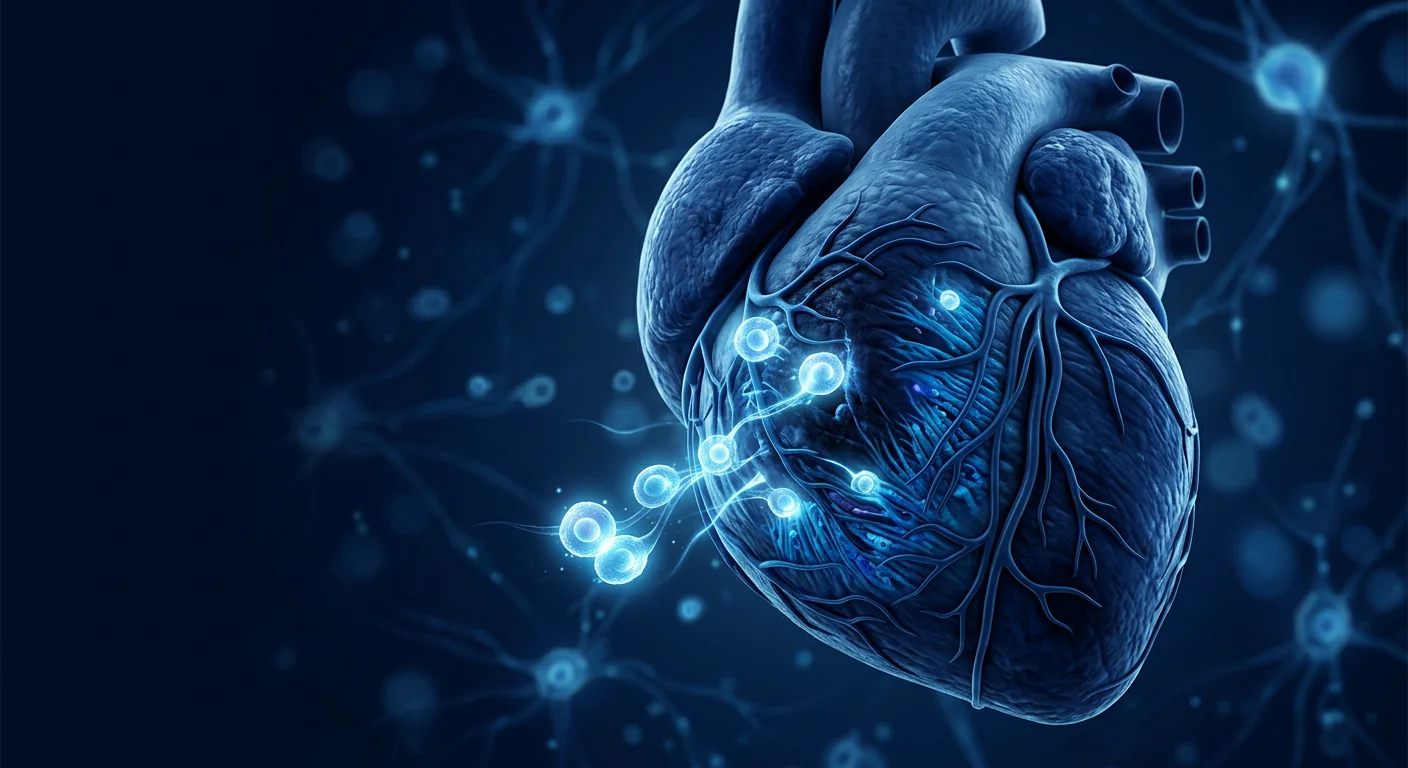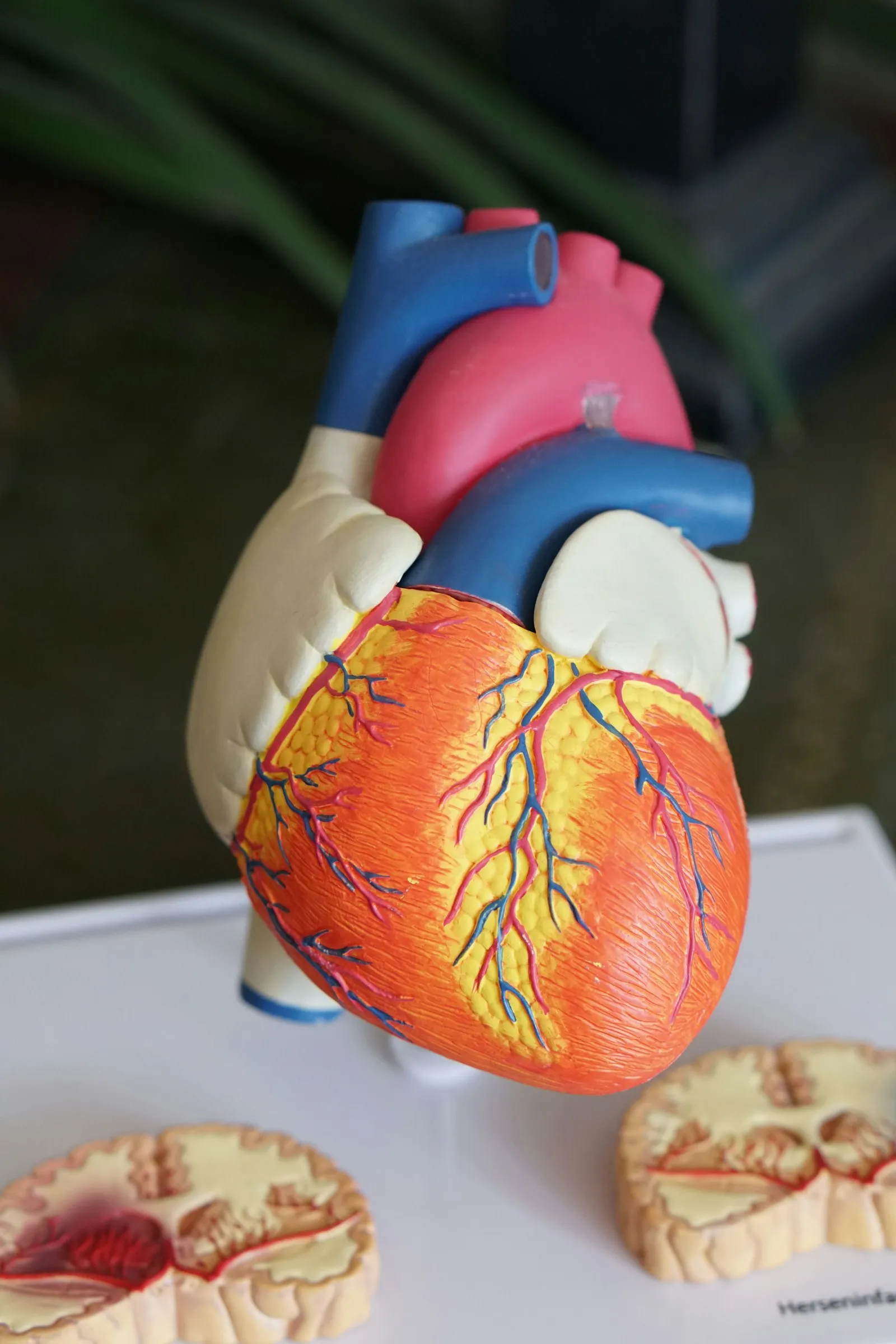
Heart failure is one of the most common and costly chronic conditions in modern medicine. The term does not mean the heart has stopped; it means the heart can no longer pump enough blood to meet the body's needs, leaving people breathless, fatigued and prone to fluid retention. Modern therapy — medications and, in selected patients, implanted devices — can relieve symptoms, slow progression and extend life, but it cannot restore heart muscle that has already been lost. It is precisely this gap that stem cell research hopes to address. Understanding what is realistic, however, requires separating the genuine science from the marketing that too often surrounds it.
What goes wrong in the failing heart
Most heart failure begins with injury to the working muscle. The commonest cause is ischemic damage — a heart attack, in which a blocked coronary artery starves part of the heart of oxygen and kills a region of contractile cells, or cardiomyocytes. Other cardiomyopathies, from long-standing high blood pressure to viral or genetic disease, weaken the muscle in different ways. When ejection fraction — the share of blood the left ventricle pumps out with each beat — falls, the condition is described as HFrEF (heart failure with reduced ejection fraction).[1][2][3][4]
The central difficulty is that the adult human heart has very limited regenerative capacity. Unlike skin or liver, it cannot replace large numbers of lost cardiomyocytes on its own. Instead, dead muscle is walled off by non-contractile scar tissue, and the remaining muscle is left to do more work, often stretching and remodelling in ways that worsen function over time. A therapy that could calm this process, limit scarring and support the surviving muscle is therefore a deeply attractive — if still unproven — idea.
Why mesenchymal stem cells are the main candidate
The cells most studied in heart failure are mesenchymal stem cells (MSCs), typically sourced from bone marrow, adipose tissue or umbilical cord. They are favoured for two reasons: a reassuring safety record across many trials, and a biological profile that fits the problem. The early hope was literal — that transplanted cells would become large numbers of new beating heart cells and rebuild the muscle. That hope has largely given way to a more modest and better-supported understanding.
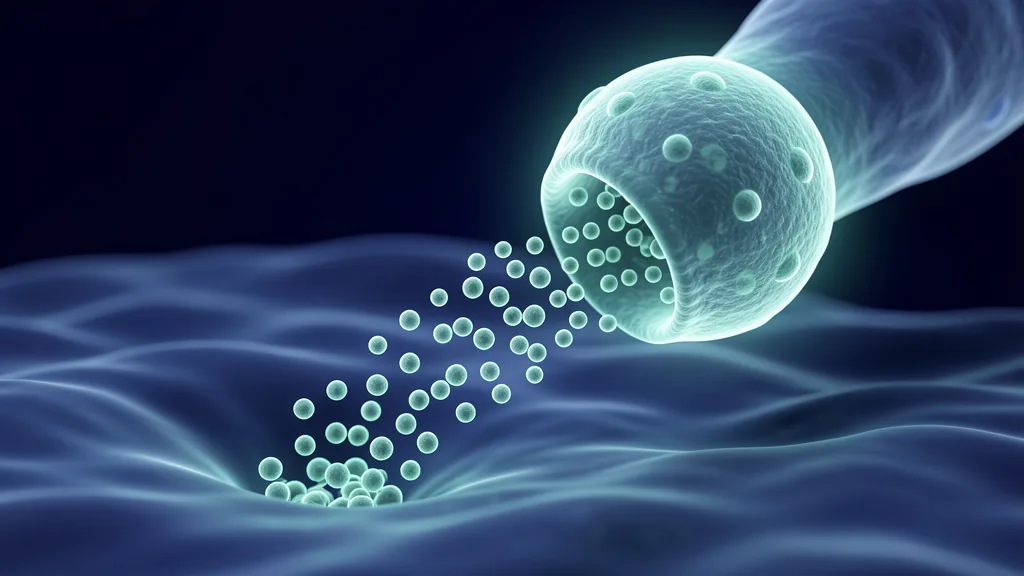
Today the leading explanation is paracrine: MSCs do not, in meaningful numbers, turn into new cardiomyocytes. Instead they sense the injured, inflamed environment and secrete signalling molecules that may reduce inflammation, limit fibrosis (scarring), promote the growth of small blood vessels (angiogenesis), and support the survival of the heart muscle that remains. In laboratory and animal studies these effects have been repeatedly observed. Whether they translate into meaningful, durable benefit for patients is precisely the open question.
What the human trials actually show
Several serious clinical trials have tested this idea. The POSEIDON trial compared a patient's own (autologous) bone-marrow MSCs against donor (allogeneic) MSCs in ischemic cardiomyopathy, and was primarily a safety and feasibility study; both approaches were generally well tolerated, with some signals of reduced scar size and reverse remodelling that were promising but not definitive. On a larger scale, Mesoblast's DREAM-HF trial delivered an allogeneic MSC product (rexlemestrocel-L) directly into the heart muscle of patients with HFrEF. It, too, established a reassuring safety profile and reported intriguing subgroup signals — including reductions in inflammatory markers and fewer heart-attack and stroke events in some patients — but it did not clearly meet its primary endpoint of reducing recurrent heart-failure hospitalisations across the whole trial.
That pattern captures the field well. Across these and other studies, cell therapy for heart failure appears safe and feasible, with occasional encouraging signals, but the effects on the primary, hardest endpoints have been inconsistent. Results are genuinely mixed, and efficacy is not established.
The honest headline
As of today, no stem cell therapy is an approved, proven treatment that reverses heart failure or regrows lost heart muscle. The credible work is happening in controlled clinical trials that have mainly established safety and produced promising but unconfirmed signals of benefit. Any clinic presenting heart-failure stem cell treatment as a reliable cure is going well beyond the evidence.
How heart-failure outcomes are actually measured
Optimistic stories rarely mention how rigorously benefit has to be demonstrated. Researchers rely on objective, standardised measures. Left ventricular ejection fraction (LVEF), usually assessed by echocardiography, quantifies the heart's pumping strength. The New York Heart Association (NYHA) class grades how much symptoms limit daily activity. NT-proBNP is a blood marker that rises with cardiac strain. The six-minute walk test gauges real-world exercise capacity. And the outcomes that matter most to patients — hospitalisations and major adverse cardiovascular events (MACE) — are tracked over time. A therapy that genuinely works should move these needles in a controlled comparison; so far, cell therapy has not consistently done so.
What the evidence supports — and what it doesn't
The fair summary is nuanced. Across multiple trials, MSC therapy for heart failure has generally appeared safe and well tolerated, which is a real and necessary first step. There is a biologically plausible, paracrine rationale, and some studies report encouraging signals. What is missing is the harder evidence: large, randomised, controlled trials showing that a specific cell product produces a consistent, reproducible improvement in the endpoints that count. Until that exists, the responsible description is investigational — a field with sound rationale and reassuring safety data, but not yet established efficacy.
- The mechanism is likely paracrine, not muscle regrowth. The evidence points to reduced inflammation, less fibrosis and better vascular support — not the wholesale replacement of dead cardiomyocytes that early enthusiasm imagined.
- The signals are real but inconsistent. Encouraging subgroup findings on inflammation and cardiovascular events sit alongside primary endpoints that trials have repeatedly failed to meet cleanly — a reason for continued study, not for confident claims.
- Cells are unlikely to work alone. Most researchers expect cell therapy, if it proves useful, will complement — never replace — guideline-directed medical therapy and devices, and cell-free approaches such as MSC-derived exosomes are now being explored.
Heart failure is exactly the kind of serious, progressive condition where false hope does real harm. The most respectful thing we can offer is the truth about where the science stands — and the patience to let rigorous trials answer the questions that anecdotes cannot.
— VELAR Clinical Team
How to evaluate any offer responsibly
If you or someone you love is considering stem cell options for heart failure, the diligence is the same that protects against any over-promised treatment. Ask whether the approach is part of a registered clinical trial with ethical oversight. Ask what cell type and source are used, how outcomes such as LVEF, NYHA class, NT-proBNP and hospitalisations are measured, and on what published evidence the claims rest. Above all, confirm that the therapy is offered in addition to, never instead of, proven medical and device treatment. Be deeply sceptical of guaranteed results, success-rate percentages without a cited source, or any framing that positions an experimental therapy as a routine cure.
The VELAR perspective
At VELAR Center, our regenerative work is grounded in conditions where the evidence is more established, and we follow cardiac cell-therapy research closely without overstating it. Heart failure remains one of the hardest problems in the field, and we believe the only honest way to discuss it is plainly: the paracrine rationale is sound, the safety data are reassuring, the benefit is promising but unconfirmed, and it is still investigational — no substitute for guideline-directed therapy. As the controlled evidence matures, we will let that evidence — not enthusiasm — shape anything we ever say about it. If you want an honest conversation about what regenerative medicine can and cannot do today, that is exactly where a responsible consultation begins.
References
- Uccelli A, Moretta L, Pistoia V. Mesenchymal stem cells in health and disease. Nature Reviews Immunology. 2008;8(9):726-736. doi:10.1038/nri2395 ↩
- Shi Y, Wang Y, Li Q, et al. Immunoregulatory mechanisms of mesenchymal stem and stromal cells in inflammatory diseases. Nature Reviews Nephrology. 2018;14(8):493-507. doi:10.1038/s41581-018-0023-5 ↩
- Spees JL, Lee RH, Gregory CA. Mechanisms of mesenchymal stem/stromal cell function. Stem Cell Research & Therapy. 2016;7(1):125. doi:10.1186/s13287-016-0363-7 ↩
- Galipeau J, Sensébé L. Mesenchymal stromal cells: clinical challenges and therapeutic opportunities. Cell Stem Cell. 2018;22(6):824-833. doi:10.1016/j.stem.2018.05.004 ↩
- Pittenger MF, Discher DE, Péault BM, Phinney DG, Hare JM, Caplan AI. Mesenchymal stem cell perspective: cell biology to clinical progress. NPJ Regenerative Medicine. 2019;4:22. doi:10.1038/s41536-019-0083-6 ↩
- Caplan AI. Mesenchymal stem cells: time to change the name! Stem Cells Translational Medicine. 2017;6(6):1445-1451. doi:10.1002/sctm.17-0051 ↩
- Dominici M, Le Blanc K, Mueller I, et al. Minimal criteria for defining multipotent mesenchymal stromal cells. Cytotherapy. 2006;8(4):315-317. doi:10.1080/14653240600855905 ↩
- Lalu MM, McIntyre L, Pugliese C, et al. Safety of cell therapy with mesenchymal stromal cells (SafeCell). PLoS One. 2012;7(10):e47559. doi:10.1371/journal.pone.0047559 ↩
- Naji A, Eitoku M, Favier B, Deschaseaux F, Rouas-Freiss N, Suganuma N. Biological functions of mesenchymal stem cells. Cellular and Molecular Life Sciences. 2019;76(17):3323-3348. doi:10.1007/s00018-019-03125-1 ↩
- Bronckaers A, Hilkens P, Martens W, et al. Mesenchymal stem/stromal cells as a pharmacological approach to accelerate angiogenesis. Pharmacology & Therapeutics. 2014;143(2):181-196. doi:10.1016/j.pharmthera.2014.02.013 ↩
- Wang Y, Chen X, Cao W, Shi Y. Plasticity of mesenchymal stem cells in immunomodulation. Nature Immunology. 2014;15(11):1009-1016. doi:10.1038/ni.3002 ↩
- Weiss DJ, Bertoncello I, Borok Z, et al. Stem cells and cell therapies in lung biology and lung diseases. Proceedings of the American Thoracic Society. 2011;8(3):223-272. doi:10.1513/pats.201012-071DW ↩
参考文献
- Uccelli A, Moretta L, Pistoia V. Mesenchymal stem cells in health and disease. Nature Reviews Immunology. 2008;8(9):726-736. doi:10.1038/nri2395 ↩
- Shi Y, Wang Y, Li Q, et al. Immunoregulatory mechanisms of mesenchymal stem and stromal cells in inflammatory diseases. Nature Reviews Nephrology. 2018;14(8):493-507. doi:10.1038/s41581-018-0023-5 ↩
- Spees JL, Lee RH, Gregory CA. Mechanisms of mesenchymal stem/stromal cell function. Stem Cell Research & Therapy. 2016;7(1):125. doi:10.1186/s13287-016-0363-7 ↩
- Galipeau J, Sensébé L. Mesenchymal stromal cells: clinical challenges and therapeutic opportunities. Cell Stem Cell. 2018;22(6):824-833. doi:10.1016/j.stem.2018.05.004 ↩
- Pittenger MF, Discher DE, Péault BM, Phinney DG, Hare JM, Caplan AI. Mesenchymal stem cell perspective: cell biology to clinical progress. NPJ Regenerative Medicine. 2019;4:22. doi:10.1038/s41536-019-0083-6 ↩
- Caplan AI. Mesenchymal stem cells: time to change the name! Stem Cells Translational Medicine. 2017;6(6):1445-1451. doi:10.1002/sctm.17-0051 ↩
- Dominici M, Le Blanc K, Mueller I, et al. Minimal criteria for defining multipotent mesenchymal stromal cells. Cytotherapy. 2006;8(4):315-317. doi:10.1080/14653240600855905 ↩
- Lalu MM, McIntyre L, Pugliese C, et al. Safety of cell therapy with mesenchymal stromal cells (SafeCell). PLoS One. 2012;7(10):e47559. doi:10.1371/journal.pone.0047559 ↩
- Naji A, Eitoku M, Favier B, Deschaseaux F, Rouas-Freiss N, Suganuma N. Biological functions of mesenchymal stem cells. Cellular and Molecular Life Sciences. 2019;76(17):3323-3348. doi:10.1007/s00018-019-03125-1 ↩
- Bronckaers A, Hilkens P, Martens W, et al. Mesenchymal stem/stromal cells as a pharmacological approach to accelerate angiogenesis. Pharmacology & Therapeutics. 2014;143(2):181-196. doi:10.1016/j.pharmthera.2014.02.013 ↩
- Wang Y, Chen X, Cao W, Shi Y. Plasticity of mesenchymal stem cells in immunomodulation. Nature Immunology. 2014;15(11):1009-1016. doi:10.1038/ni.3002 ↩
- Weiss DJ, Bertoncello I, Borok Z, et al. Stem cells and cell therapies in lung biology and lung diseases. Proceedings of the American Thoracic Society. 2011;8(3):223-272. doi:10.1513/pats.201012-071DW ↩
心力衰竭是现代医学中最常见、代价最高的慢性病之一。这个词并不意味着心脏已经停跳;它意味着心脏不再能够泵出足够的血液来满足身体的需求,使患者气短、疲乏,并易于发生体液潴留。现代治疗——药物,以及在部分患者中植入的器械——可以缓解症状、延缓进展并延长生命,但它无法恢复已经丧失的心肌。正是这一缺口,干细胞研究希望去填补。然而,要理解什么是现实的,就必须把真正的科学与常常环绕其周围的营销区分开来。
衰竭的心脏出了什么问题
大多数心力衰竭始于对工作心肌的损伤。最常见的原因是缺血性损伤——即心脏病发作,冠状动脉阻塞使部分心脏缺氧,杀死一片有收缩功能的细胞,即心肌细胞。其他心肌病,从长期高血压到病毒性或遗传性疾病,以不同的方式削弱心肌。当射血分数——左心室每次搏动泵出的血液比例——下降时,这种状况被称为HFrEF(射血分数降低的心力衰竭)。
核心难点在于,成人心脏的再生能力非常有限。与皮肤或肝脏不同,它无法凭自身替换大量丧失的心肌细胞。相反,坏死的心肌被无收缩功能的瘢痕组织包围隔离,剩余的心肌被迫承担更多工作,往往以恶化功能的方式随时间被拉伸并发生重构。因此,一种能平息这一过程、限制瘢痕并支持存活心肌的疗法,是一个极具吸引力却仍未证实的设想。
为何间充质干细胞是主要候选
在心力衰竭中研究最多的细胞是间充质干细胞(MSC),通常取自骨髓、脂肪组织或脐带。它们受青睐有两个原因:在众多试验中令人放心的安全记录,以及契合该问题的生物学特性。早期的希望是字面意义上的——移植的细胞会变成大量新的搏动心脏细胞并重建心肌。这一希望在很大程度上让位于一种更为谦逊、也更有依据的理解。
如今主流的解释是旁分泌:MSC 并不会以有意义的数量转变为新的心肌细胞。相反,它们感知受损、发炎的环境,并分泌信号分子,可能减轻炎症、限制纤维化(瘢痕形成)、促进小血管生长(血管新生),并支持残存心肌的存活。在实验室与动物研究中,这些效应已被反复观察到。它们是否能为患者转化为有意义、持久的获益,正是悬而未决的问题。
人体试验究竟显示了什么
若干严肃的临床试验检验了这一设想。POSEIDON 试验在缺血性心肌病中比较了患者自身(自体)骨髓 MSC 与供者(异体)MSC,主要是一项安全性与可行性研究;两种方法总体上耐受良好,出现了瘢痕缩小与逆向重构的一些信号,令人鼓舞但并非确定性的。在更大规模上,Mesoblast 的 DREAM-HF 试验将一种异体 MSC 产品(rexlemestrocel-L)直接递送到 HFrEF 患者的心肌中。它同样确立了令人放心的安全性,并报告了引人关注的亚组信号——包括炎症标志物下降以及部分患者心脏病发作与卒中事件减少——但它并未在整个试验中明确达到减少心力衰竭复发住院的主要终点。
这一模式很好地概括了该领域。在这些及其他研究中,心力衰竭的细胞疗法显得安全且可行,偶有令人鼓舞的信号,但对主要的、最难的终点的效应一直不一致。结果确实是喜忧参半的,疗效尚未确立。
诚实的标题
截至今日,没有任何干细胞疗法是已获批准、经证实能够逆转心力衰竭或使丧失的心肌再生的治疗。可信的工作正在对照临床试验中进行,这些试验主要确立了安全性,并产生了有希望但尚未确认的获益信号。任何将心力衰竭干细胞治疗呈现为可靠治愈的诊所,都已远远超出了证据。
心力衰竭的结果究竟如何衡量
乐观的故事很少提及必须多么严格地证明获益。研究人员依赖客观、标准化的衡量指标。左心室射血分数(LVEF),通常经超声心动图评估,量化心脏的泵血强度。纽约心脏协会(NYHA)分级评定症状对日常活动的限制程度。NT-proBNP 是一种随心脏负荷升高而上升的血液标志物。六分钟步行测试衡量真实世界的运动能力。而对患者最重要的结果——住院与主要心血管不良事件(MACE)——则随时间被追踪。一种真正有效的疗法应当在对照比较中改变这些指标;迄今为止,细胞疗法尚未一致地做到这一点。
证据支持什么——又不支持什么
公允的总结是细致入微的。在多项试验中,心力衰竭的 MSC 疗法总体上显得安全且耐受良好,这是真实且必要的第一步。存在生物学上合理的旁分泌理据,一些研究也报告了令人鼓舞的信号。所缺失的是更有力的证据:大型、随机、有对照的试验,证明某种特定细胞产品能在关键终点上产生一致、可重复的改善。在此之前,负责任的描述是研究性的——一个理据充分、安全数据令人放心、但尚未确立疗效的领域。
- 机制很可能是旁分泌,而非心肌再生。证据指向炎症减轻、纤维化减少与更好的血管支持——而非早期热情所设想的对坏死心肌细胞的大规模替换。
- 信号是真实的,但不一致。关于炎症与心血管事件的令人鼓舞的亚组发现,与试验一再未能干净利落达到的主要终点并存——这是继续研究的理由,而非自信声称的理由。
- 细胞不太可能单独起效。多数研究人员预期,细胞疗法若被证明有用,将补充——而绝不取代——指南导向的药物治疗与器械,无细胞方法(如 MSC 来源的外泌体)现也正在被探索。
心力衰竭恰恰是那种虚假希望会造成真实伤害的严重进行性疾病。我们能给予的最尊重的态度,是关于科学现状的真相——以及让严谨试验回答轶事无法回答之问题的耐心。
— VELAR 临床团队
如何负责任地评估任何提议
如果您或您所爱之人正在考虑心力衰竭的干细胞选择,所需的审慎与防范任何被过度承诺之治疗的审慎相同。询问该方法是否属于受伦理监督的注册临床试验。询问使用何种细胞类型与来源、如何衡量 LVEF、NYHA 分级、NT-proBNP 与住院等结果,以及这些声称建立在何种已发表证据之上。最重要的是,确认该疗法是作为已证实的药物与器械治疗的补充提供的,而绝非取代它们。对保证的结果、没有引用来源的成功率百分比,或任何将实验性疗法定位为常规治愈的表述,都要深度怀疑。
VELAR 的观点
在 VELAR 中心,我们的再生工作立足于证据更为确立的适应症,我们密切关注心脏细胞疗法研究而不夸大其词。心力衰竭仍是该领域最棘手的难题之一,我们相信讨论它唯一诚实的方式就是直白:旁分泌理据充分,安全数据令人放心,获益有希望但尚未确认,而它仍处于研究阶段——绝非指南导向治疗的替代品。随着对照证据的成熟,我们将让证据——而非热情——塑造我们对它所说的一切。如果您想就再生医学今天能做什么、不能做什么进行一次诚实的对话,那正是负责任咨询的起点。
المراجع
- Uccelli A, Moretta L, Pistoia V. Mesenchymal stem cells in health and disease. Nature Reviews Immunology. 2008;8(9):726-736. doi:10.1038/nri2395 ↩
- Shi Y, Wang Y, Li Q, et al. Immunoregulatory mechanisms of mesenchymal stem and stromal cells in inflammatory diseases. Nature Reviews Nephrology. 2018;14(8):493-507. doi:10.1038/s41581-018-0023-5 ↩
- Spees JL, Lee RH, Gregory CA. Mechanisms of mesenchymal stem/stromal cell function. Stem Cell Research & Therapy. 2016;7(1):125. doi:10.1186/s13287-016-0363-7 ↩
- Galipeau J, Sensébé L. Mesenchymal stromal cells: clinical challenges and therapeutic opportunities. Cell Stem Cell. 2018;22(6):824-833. doi:10.1016/j.stem.2018.05.004 ↩
- Pittenger MF, Discher DE, Péault BM, Phinney DG, Hare JM, Caplan AI. Mesenchymal stem cell perspective: cell biology to clinical progress. NPJ Regenerative Medicine. 2019;4:22. doi:10.1038/s41536-019-0083-6 ↩
- Caplan AI. Mesenchymal stem cells: time to change the name! Stem Cells Translational Medicine. 2017;6(6):1445-1451. doi:10.1002/sctm.17-0051 ↩
- Dominici M, Le Blanc K, Mueller I, et al. Minimal criteria for defining multipotent mesenchymal stromal cells. Cytotherapy. 2006;8(4):315-317. doi:10.1080/14653240600855905 ↩
- Lalu MM, McIntyre L, Pugliese C, et al. Safety of cell therapy with mesenchymal stromal cells (SafeCell). PLoS One. 2012;7(10):e47559. doi:10.1371/journal.pone.0047559 ↩
- Naji A, Eitoku M, Favier B, Deschaseaux F, Rouas-Freiss N, Suganuma N. Biological functions of mesenchymal stem cells. Cellular and Molecular Life Sciences. 2019;76(17):3323-3348. doi:10.1007/s00018-019-03125-1 ↩
- Bronckaers A, Hilkens P, Martens W, et al. Mesenchymal stem/stromal cells as a pharmacological approach to accelerate angiogenesis. Pharmacology & Therapeutics. 2014;143(2):181-196. doi:10.1016/j.pharmthera.2014.02.013 ↩
- Wang Y, Chen X, Cao W, Shi Y. Plasticity of mesenchymal stem cells in immunomodulation. Nature Immunology. 2014;15(11):1009-1016. doi:10.1038/ni.3002 ↩
- Weiss DJ, Bertoncello I, Borok Z, et al. Stem cells and cell therapies in lung biology and lung diseases. Proceedings of the American Thoracic Society. 2011;8(3):223-272. doi:10.1513/pats.201012-071DW ↩
قصور القلب من أكثر الحالات المزمنة شيوعاً وكلفةً في الطب الحديث. ولا يعني المصطلح أن القلب قد توقف؛ بل يعني أن القلب لم يعد قادراً على ضخّ ما يكفي من الدم لتلبية حاجات الجسم، فيصاب المريض بضيق النفَس والإعياء والميل إلى احتباس السوائل. وتستطيع العلاجات الحديثة — الأدوية، وفي مرضى مختارين الأجهزة المزروعة — تخفيف الأعراض وإبطاء التقدّم وإطالة الحياة، لكنها لا تستطيع استعادة عضلة القلب التي فُقدت بالفعل. وهذه الفجوة بالذات هي ما تأمل أبحاث الخلايا الجذعية في معالجته. لكن فهم ما هو واقعي يتطلب فصل العلم الحقيقي عن التسويق الذي كثيراً ما يحيط به.
ما الخلل الذي يصيب القلب القاصر
يبدأ معظم قصور القلب بإصابة العضلة العاملة. والسبب الأشيع هو الأذى الإقفاري — أي النوبة القلبية، حيث يحرم شريان تاجي مسدود جزءاً من القلب من الأكسجين ويقتل منطقة من الخلايا القابلة للانقباض، أي الخلايا العضلية القلبية. وتضعف اعتلالات عضلية أخرى، من ارتفاع ضغط الدم المزمن إلى الأمراض الفيروسية أو الوراثية، العضلةَ بطرق مختلفة. وحين تنخفض الكسر القذفي — نسبة الدم التي يضخّها البطين الأيسر مع كل نبضة — تُوصف الحالة بـHFrEF (قصور القلب مع انخفاض الكسر القذفي).
والصعوبة المركزية أن قلب البالغ البشري ذو قدرة تجدّدية محدودة جداً. فهو، بخلاف الجلد أو الكبد، لا يستطيع من تلقاء نفسه أن يستبدل أعداداً كبيرة من الخلايا العضلية القلبية المفقودة. وبدلاً من ذلك، تُعزل العضلة الميتة بـنسيج ندبي غير قابل للانقباض، وتُترك العضلة المتبقية لتؤدي عملاً أكثر، وكثيراً ما تتمدد وتعيد تشكّلها بطرق تفاقم الوظيفة مع الوقت. لذا فإن علاجاً قادراً على تهدئة هذه العملية والحد من التندّب ودعم العضلة الباقية هو فكرة جذّابة جداً — وإن ظلت غير مثبتة.
لماذا الخلايا الجذعية الوسيطة هي المرشّح الرئيسي
أكثر الخلايا دراسةً في قصور القلب هي الخلايا الجذعية الوسيطة (MSCs)، التي تُؤخذ عادةً من نخاع العظم أو النسيج الدهني أو الحبل السري. وتُفضَّل لسببين: سجل أمان مطمئن عبر تجارب كثيرة، وملمح بيولوجي يناسب المشكلة. وكان الأمل المبكر حرفياً — أن تتحول الخلايا المزروعة إلى أعداد كبيرة من خلايا قلبية نابضة جديدة وتعيد بناء العضلة. وقد تراجع هذا الأمل إلى حدّ بعيد لصالح فهم أكثر تواضعاً وأفضل دعماً.
واليوم، التفسير الرائد هو شبه الصمّاوي: فالـ MSCs لا تتحول، بأعداد ذات معنى، إلى خلايا عضلية قلبية جديدة. بل تستشعر البيئة المصابة الملتهبة وتفرز جزيئات إشارية قد تخفف الالتهاب، وتحدّ من التليّف (التندّب)، وتحفز نمو الأوعية الدموية الصغيرة (تولّد الأوعية)، وتدعم بقاء عضلة القلب المتبقية. وفي الدراسات المختبرية والحيوانية، لوحظت هذه التأثيرات مراراً. وهل تُترجَم إلى فائدة ذات معنى ودائمة للمرضى؟ هذا تحديداً هو السؤال المفتوح.
ماذا تُظهر التجارب البشرية فعلياً
اختبرت عدة تجارب سريرية جادّة هذه الفكرة. فقد قارنت تجربة POSEIDON خلايا MSC ذاتية من نخاع عظم المريض نفسه مع خلايا خيفية من متبرّع في اعتلال العضلة القلبية الإقفاري، وكانت أساساً دراسة أمان وجدوى؛ وقد تحمّل المرضى النهجين بوجه عام جيداً، مع بعض إشارات تقلّص الندبة وإعادة التشكّل العكسية التي كانت واعدة لا حاسمة. وعلى نطاق أوسع، أوصلت تجربة DREAM-HF من Mesoblast منتج MSC خيفياً (rexlemestrocel-L) مباشرةً إلى عضلة قلب مرضى HFrEF. وأثبتت هي الأخرى ملمح أمان مطمئناً وأبلغت عن إشارات فئوية لافتة — منها انخفاض مؤشرات الالتهاب وأحداث أقل من النوبات القلبية والسكتات لدى بعض المرضى — لكنها لم تبلغ بوضوح نقطة نهايتها الأولية المتمثلة في خفض حالات دخول المستشفى المتكررة بسبب قصور القلب عبر التجربة كاملة.
ويلخّص هذا النمط حال المجال جيداً. فعبر هذه الدراسات وغيرها، يبدو العلاج الخلوي لقصور القلب آمناً وقابلاً للتطبيق، مع إشارات مشجعة عرضية، لكن تأثيراته في النقاط النهائية الأولية الأصعب كانت غير متسقة. والنتائج متفاوتة بحق، والفاعلية غير راسخة.
العنوان الصادق
حتى اليوم، لا يوجد علاج بالخلايا الجذعية معتمد ومُثبت يعكس قصور القلب أو يُنبت عضلة قلبية مفقودة. العمل الموثوق يجري في تجارب سريرية مضبوطة أثبتت الأمان أساساً وأنتجت إشارات فائدة واعدة لكن غير مؤكَّدة. وأي عيادة تقدّم علاج قصور القلب بالخلايا الجذعية كشفاء موثوق تتجاوز الأدلة بكثير.
كيف تُقاس نتائج قصور القلب فعلياً
نادراً ما تذكر القصص المتفائلة مدى الصرامة المطلوبة لإثبات الفائدة. ويعتمد الباحثون على مقاييس موضوعية وموحّدة. فـالكسر القذفي للبطين الأيسر (LVEF)، المقيَّم عادةً بتخطيط صدى القلب، يقيس قوة ضخّ القلب. وتصنّف درجة جمعية القلب في نيويورك (NYHA) مدى تقييد الأعراض للنشاط اليومي. وNT-proBNP مؤشر دموي يرتفع مع إجهاد القلب. ويقيس اختبار المشي لست دقائق القدرة الفعلية على بذل الجهد. أما النتائج الأهم للمرضى — حالات دخول المستشفى والأحداث القلبية الوعائية الكبرى (MACE) — فتُتابَع عبر الزمن. والعلاج الفعّال حقاً يُفترض أن يحرّك هذه المؤشرات في مقارنة مضبوطة؛ وحتى الآن لم يفعل العلاج الخلوي ذلك على نحو متسق.
ما تدعمه الأدلة — وما لا تدعمه
الخلاصة المنصفة دقيقة. عبر تجارب متعددة، بدا علاج MSC لقصور القلب بوجه عام آمناً وجيد التحمّل، وهي خطوة أولى حقيقية وضرورية. وثمة أساس منطقي شبه صمّاوي معقول بيولوجياً، وتُبلغ بعض الدراسات عن إشارات مشجعة. والمفقود هو الدليل الأقوى: تجارب كبيرة وعشوائية ومضبوطة تثبت أن منتجاً خلوياً محدداً يحقق تحسناً متسقاً وقابلاً للتكرار في النقاط النهائية المهمة. وإلى أن يتوفر ذلك، فالوصف المسؤول هو بحثي تجريبي — مجال ذو أساس منطقي سليم وبيانات أمان مطمئنة، لكن من دون فاعلية راسخة بعد.
- الآلية على الأرجح شبه صمّاوية، لا تجديد للعضلة. تشير الأدلة إلى انخفاض الالتهاب وتقلّص التليّف ودعم وعائي أفضل — لا الاستبدال الشامل للخلايا العضلية القلبية الميتة الذي تخيّله الحماس المبكر.
- الإشارات حقيقية لكنها غير متسقة. تقف نتائج فئوية مشجعة حول الالتهاب والأحداث القلبية الوعائية جنباً إلى جنب مع نقاط نهائية أولية أخفقت التجارب مراراً في بلوغها بوضوح — وهذا سبب لمواصلة الدراسة، لا للادعاءات الواثقة.
- من غير المرجّح أن تعمل الخلايا وحدها. يتوقع معظم الباحثين أن العلاج الخلوي، إن ثبتت فائدته، سيكمّل — لا أن يستبدل أبداً — العلاج الدوائي والأجهزة وفق الإرشادات، وتُستكشف الآن مناهج خالية من الخلايا مثل الحويصلات الخارجية المشتقة من MSC.
قصور القلب هو بالضبط نوع الحالات الخطيرة التقدّمية التي يسبب فيها الأمل الزائف ضرراً حقيقياً. وأكثر ما يمكننا تقديمه احتراماً هو الحقيقة عن موضع العلم — والصبر لندع التجارب الصارمة تجيب عن الأسئلة التي لا تستطيع الروايات الإجابة عنها.
— الفريق السريري في VELAR
كيف تقيّم أي عرض بمسؤولية
إذا كنت أنت أو شخص تحبه يفكر في خيارات الخلايا الجذعية لقصور القلب، فالعناية المطلوبة هي نفسها التي تحمي من أي علاج مبالغ في الوعد به. اسأل عما إذا كان النهج جزءاً من تجربة سريرية مسجّلة تخضع لإشراف أخلاقي. اسأل عن نوع الخلايا المستخدم ومصدرها، وكيف تُقاس نتائج مثل LVEF ودرجة NYHA وNT-proBNP وحالات دخول المستشفى، وعلى أي دليل منشور تستند الادعاءات. والأهم، تأكّد من أن العلاج يُقدَّم إضافةً إلى العلاج الدوائي والجهازي المُثبت، لا بديلاً عنه أبداً. وكن شديد الشك تجاه النتائج المضمونة، أو نسب نجاح بلا مصدر مذكور، أو أي صياغة تضع علاجاً تجريبياً في موضع الشفاء الروتيني.
منظور VELAR
في مركز VELAR، يرتكز عملنا التجديدي على حالات تكون فيها الأدلة أكثر رسوخاً، ونتابع عن كثب أبحاث العلاج الخلوي القلبي من دون المبالغة فيها. يظل قصور القلب من أصعب المشكلات في المجال، ونؤمن بأن الطريقة الصادقة الوحيدة لمناقشته هي الصراحة: الأساس شبه الصمّاوي سليم، وبيانات الأمان مطمئنة، والفائدة واعدة لكن غير مؤكَّدة، وهو لا يزال بحثياً تجريبياً — ليس بديلاً عن العلاج وفق الإرشادات. ومع نضوج الأدلة المضبوطة، سندع تلك الأدلة — لا الحماس — تشكّل أي شيء نقوله عنه يوماً. وإذا أردت حواراً صادقاً عما يستطيع الطب التجديدي وما لا يستطيع فعله اليوم، فهذا تحديداً حيث تبدأ الاستشارة المسؤولة.