Behçet's disease (BD) is a rare, chronic, multi-system inflammatory disorder classified as a systemic vasculitis — meaning inflammation targets blood vessels of all sizes throughout the body. Its hallmark features are recurrent oral aphthous ulcers, genital ulcers, uveitis (eye inflammation), and skin lesions, but it can also involve the joints, gastrointestinal tract, and central nervous system. The disease follows a relapsing-remitting course that is notoriously difficult to predict, and while conventional immunosuppressants — corticosteroids, colchicine, azathioprine, cyclosporine, and biologic agents like anti-TNFα — control symptoms for many patients, a subset have refractory disease that either does not respond or becomes dependent on escalating doses with cumulative toxicity. It is this treatment-refractory gap that has drawn researchers to mesenchymal stem cell (MSC) therapy — not as a tissue replacement, but as a way to dampen the systemic autoinflammatory cascade at its immunologic root. Understanding what is realistic, however, means separating the early clinical signals from the marketing that too often surrounds cell therapy.[1][2][3]
Why Behçet's disease is a problem of immune dysregulation
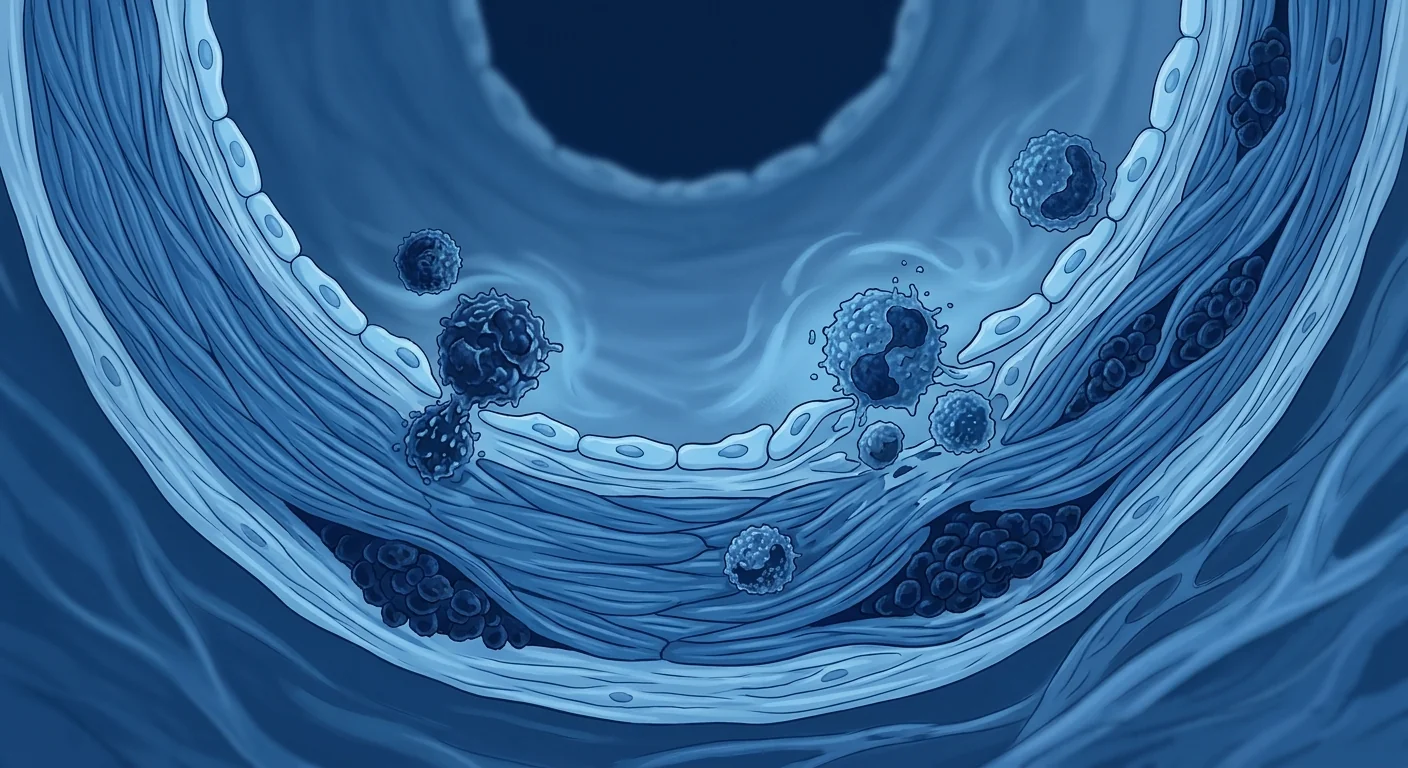
Behçet's disease sits at the intersection of autoinflammation and autoimmunity. Unlike classical autoimmune diseases driven by a single autoantibody, BD involves a hyperactive innate and adaptive immune response directed against the vascular endothelium. The prevailing model is that in genetically susceptible individuals — strongly associated with HLA-B51 — an environmental trigger (possibly infectious) activates an aberrant immune cascade in which Th17 cells and their signature cytokine IL-17 drive neutrophil recruitment and endothelial activation, while regulatory T cells (Tregs) are functionally impaired. The result is a self-perpetuating cycle of vascular inflammation, tissue damage, and recurrent ulceration.[4][5]
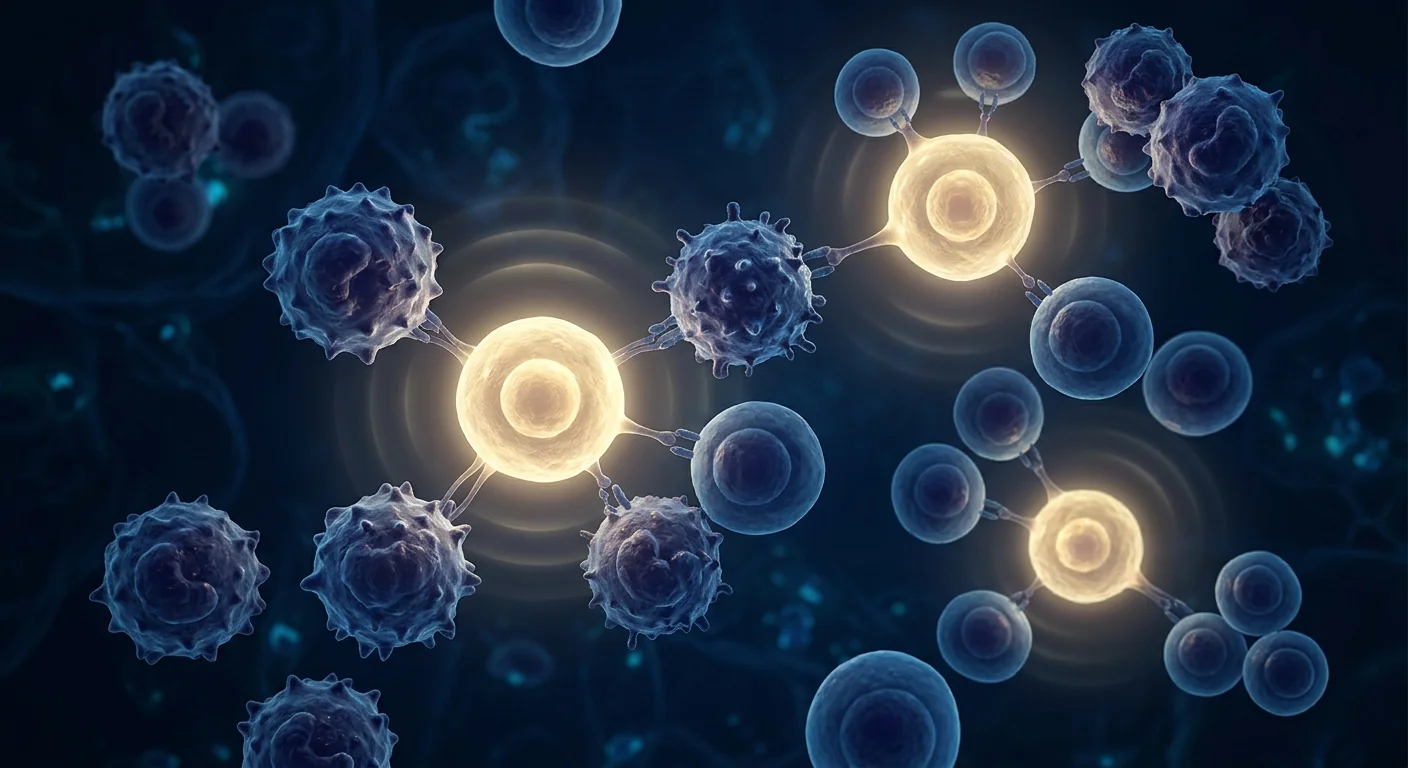
The Th17/Treg imbalance is central. In healthy individuals, Tregs keep Th17-mediated inflammation in check. In BD, this balance is disrupted — Th17 cells are expanded and hyperactive, while Tregs are reduced in number and suppressive function. Elevated serum levels of IL-17, IL-23, and IL-6 are consistently reported in active BD. This is precisely why the rationale for MSC therapy differs from regenerative uses elsewhere: the goal is not to rebuild an organ but to restore immune balance — to shift the Th17/Treg ratio back toward regulation and quiet the vascular inflammation driving the symptoms.[6][7]
How MSCs may help — the immunomodulation rationale
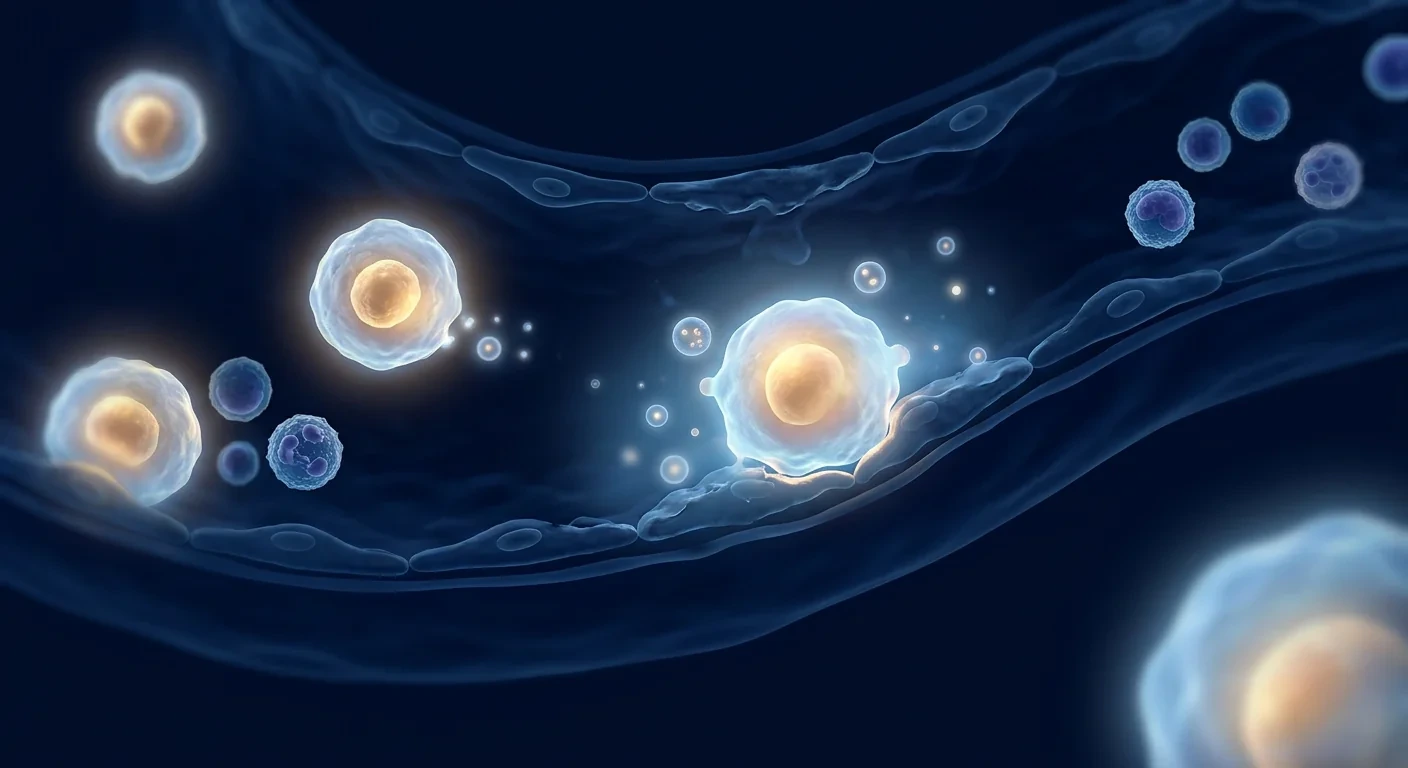
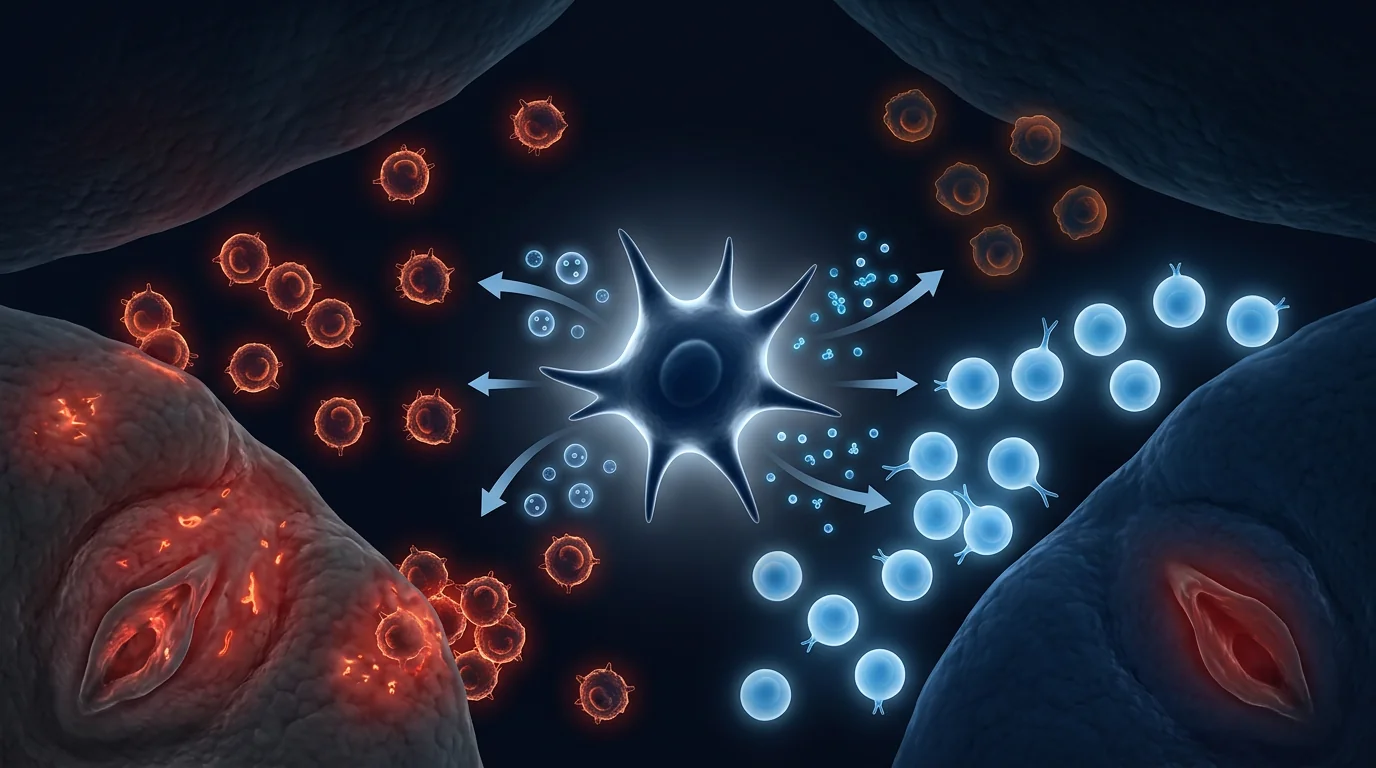
Mesenchymal stem cells possess a range of immunomodulatory properties that are directly relevant to the pathophysiology of Behçet's disease. Unlike immunosuppressive drugs that broadly suppress immune function, MSCs act through a targeted, context-dependent mechanism — they sense the inflammatory environment and respond by secreting a cocktail of anti-inflammatory cytokines, growth factors, and extracellular vesicles that recalibrate immune responses at the tissue level.[8][9]
Suppression of Th17-driven inflammation. MSCs directly inhibit Th17 differentiation and function through multiple pathways: secretion of TGF-β and IL-10, prostaglandin E2 (PGE2) production, and indoleamine 2,3-dioxygenase (IDO) activity which depletes local tryptophan and starves activated T cells. In animal models of Behçet's-like disease, MSC infusion reduces serum IL-17 levels and the frequency of Th17 cells in peripheral blood and affected tissues.[10]
Restoration of Treg function. Equally important, MSCs promote the expansion and function of regulatory T cells — the immune system's natural brakes. They do this by secreting TGF-β and HLA-G, and by recruiting dendritic cells toward a tolerogenic phenotype. The net effect is a shift in the Th17/Treg ratio from a pro-inflammatory toward a regulatory state — directly addressing the immunologic imbalance at the heart of BD.[11]
Endothelial protection and vascular repair. Because BD is fundamentally a vasculitis, the ability of MSCs to home to sites of vascular injury and secrete angiopoietin-1, VEGF, and HGF — factors that promote endothelial survival and repair — is an additional mechanism that distinguishes MSC therapy from conventional immunosuppression. Rather than simply suppressing inflammation, MSCs may actively support the healing of the vascular endothelium that BD continually damages.[12]
What the clinical evidence shows
The clinical evidence for MSC therapy in Behçet's disease is at an early stage — consisting primarily of case reports, small case series, and preclinical studies rather than large randomized controlled trials. This is expected for a rare disease, and the preliminary signals are encouraging enough to warrant continued investigation, but they must be read with appropriate caution.
Key takeaway
MSC therapy for Behçet's disease is investigational. Early case reports describe resolution of refractory oral and genital ulcers, improvement in uveitis, and reduction in disease activity scores following MSC infusion. These results are preliminary — and the number of treated patients worldwide remains small. No randomized controlled trial has yet been completed.
Case reports of refractory mucocutaneous BD. The most commonly reported application of MSCs in BD targets the mucocutaneous manifestations — the painful oral and genital ulcers that are the disease's hallmark. Several case reports from centers in Korea and China describe patients with treatment-resistant oral and genital ulcers who received intravenous or local injection of allogeneic umbilical cord-derived MSCs. In these reports, ulcer healing began within weeks and disease activity scores (BDCAF) declined. One patient who had failed corticosteroids, colchicine, azathioprine, and anti-TNFα therapy achieved near-complete resolution of oral ulcers after two MSC infusions, with sustained response at 12-month follow-up.[13]
Ocular Behçet's — the uveitis challenge. Ocular involvement is one of the most serious complications of BD, capable of causing blindness if uncontrolled. While biologic agents (particularly infliximab and adalimumab) have transformed uveitis management, some patients progress despite maximal therapy. Preclinical work in experimental autoimmune uveitis models shows that systemic or periocular MSC administration reduces intraocular inflammation, preserves retinal structure, and suppresses Th17 responses in the eye. A handful of clinical case reports describe improvement in visual acuity and reduction in intraocular inflammation in BD patients with refractory uveitis following MSC therapy, though these data are the thinnest in the BD-MSC literature and require the most caution in interpretation.[14]
MSC sources and delivery for Behçet's disease
The small body of literature on MSCs in BD points toward two preferred cell sources and routes of administration, though there is no agreed-upon standard protocol.
Umbilical cord-derived MSCs (UC-MSCs). The majority of published BD cases use allogeneic UC-MSCs — mesenchymal stem cells isolated from Wharton's jelly of donated umbilical cords and expanded in culture under GMP conditions. UC-MSCs are favoured for their high proliferative capacity, potent immunomodulatory profile, and low immunogenicity (they do not require HLA matching). They are also free of the ethical concerns associated with embryonic sources and avoid the invasive harvesting required for autologous bone marrow or adipose MSCs.[15]
Intravenous vs. local delivery. For the systemic vasculitic component of BD, intravenous (IV) infusion is the logical choice — it delivers MSCs into the circulation where they can interact with the vascular endothelium and systemic immune compartments. For isolated severe mucocutaneous ulcers, some investigators have trialled local submucosal injection around the ulcer bed, reasoning that a higher local concentration may accelerate healing. No comparative data exist to guide this choice, and treatment decisions in published cases have been ad hoc.
Realistic expectations and limitations
The gap between the biologic rationale for MSC therapy in BD and the clinical evidence base is substantial, and it is important to state this clearly. The following limitations define the current state of the field:
Extremely limited human data. Fewer than two dozen BD patients treated with MSCs have been reported in the peer-reviewed literature. This sample is far too small to estimate response rates, identify predictors of response, or assess long-term safety in this specific population. The published cases are subject to publication bias — positive outcomes are far more likely to be written up and accepted by journals than negative ones.
No controlled trials. Without a control group, it is impossible to know whether observed improvements represent a genuine treatment effect, the natural fluctuation of a relapsing-remitting disease, or a placebo response. BD is known for spontaneous remissions — a patient whose ulcers heal after MSC infusion might have healed anyway.
Heterogeneity of BD. Behçet's disease varies dramatically between patients — some have predominantly mucocutaneous disease, others have severe ocular or neurological involvement. A treatment that works for one BD phenotype may have no effect on another. The existing case reports skew heavily toward mucocutaneous BD; there is virtually no data on MSCs for neuro-Behçet's or large-vessel BD.
Unknown durability. MSCs do not engraft permanently — they are cleared from the body within days to weeks. Any therapeutic benefit is therefore mediated by the paracrine signals they deliver during their brief residence, not by long-term cell replacement. It is unknown how long the immunomodulatory reset lasts in BD, whether repeat infusions are needed, and at what interval.
Safety unknowns. MSC therapy is generally considered safe — severe adverse events in the thousands of patients treated for other indications are rare. But safety in the specific context of BD, with its predisposition to thrombosis and vascular events, has not been systematically studied. The theoretical risk of MSC infusion promoting thrombosis at sites of active vasculitis has not been ruled out.
Frequently Asked Questions
What is the evidence that MSCs help Behçet's disease?
The evidence is limited to case reports and preclinical studies — fewer than two dozen treated patients have been described. In these reports, refractory oral and genital ulcers improved in most cases within 2–4 weeks of MSC infusion. No randomized controlled trials have been completed, and the results must be considered preliminary.
Which type of stem cells are used for Behçet's disease?
Published reports almost exclusively use allogeneic umbilical cord-derived mesenchymal stem cells (UC-MSCs). These are sourced from donated umbilical cords, expanded in GMP laboratories, and administered intravenously or locally. UC-MSCs are chosen for their strong immunomodulatory properties, high expansion capacity, and low risk of immune rejection.
Can MSC therapy cure Behçet's disease?
No. MSC therapy is not a cure for Behçet's disease. It is an investigational immunomodulatory treatment that may reduce inflammation and promote healing of ulcers, but the disease is chronic and systemic. MSCs are cleared from the body within weeks and do not permanently correct the underlying immune dysregulation. Any benefit is temporary and would likely require repeat treatment.
How are MSCs administered for Behçet's disease?
For systemic disease, MSCs are given by intravenous (IV) infusion over 30–60 minutes, typically at doses of 1–2 million cells per kilogram of body weight. For isolated severe oral or genital ulcers, some clinicians have injected MSCs locally around the ulcer. There is no standardised protocol, and treatment decisions are made on a case-by-case basis.
Is MSC therapy for Behçet's disease available in Thailand?
Some regenerative medicine clinics in Thailand offer MSC therapy for autoimmune and inflammatory conditions, including Behçet's disease, on a compassionate-use or private-pay basis. These treatments are not part of registered clinical trials and are not covered by insurance. Patients considering this route should verify the cell source, laboratory accreditations, and whether independent published data support the specific protocol being offered.
What are the risks of MSC therapy for Behçet's disease?
Short-term infusion reactions (fever, mild allergic response) are the most common side effects of IV MSC therapy. Serious adverse events are rare in the broader MSC literature, but BD-specific safety data are extremely limited. Because BD involves a predisposition to thrombosis, the theoretical risk of vascular events following cell infusion has not been systematically studied. Patients on immunosuppressive medications should not discontinue them without medical supervision.
The VELAR perspective
At VELAR Center, our regenerative work is grounded in conditions where the evidence base is more mature — orthopaedic, anti-aging, and certain autoimmune indications — and we follow the cell-therapy-for-autoimmunity research closely without overstating it. Behçet's disease remains a challenging and serious condition, and we believe the only honest way to discuss MSC therapy for it is with candour: the immunomodulatory rationale is sound, the early case reports in refractory disease merit attention, and it remains investigational. MSC therapy is not a replacement for the rheumatologic care that keeps BD controlled. As controlled evidence matures — if it does — we will let that evidence, not enthusiasm, shape anything we say about it. If you want an honest conversation about what regenerative medicine can and cannot do today, that is precisely where a responsible consultation begins.
References
- Yazici H, Seyahi E, Hatemi G, Yazici Y. Behçet syndrome: a contemporary view. Nature Reviews Rheumatology. 2018;14(2):107-119. doi:10.1038/nrrheum.2017.208 ↩
- Davatchi F, Chams-Davatchi C, Shams H, et al. Behcet's disease: epidemiology, clinical manifestations, and diagnosis. Expert Review of Clinical Immunology. 2017;13(1):57-65. doi:10.1080/1744666X.2016.1205486 ↩
- Leccese P, Alpsoy E. Behçet's disease: an overview of etiopathogenesis. Frontiers in Immunology. 2019;10:1067. doi:10.3389/fimmu.2019.01067 ↩
- Takeuchi M, Kastner DL, Remmers EF. The immunogenetics of Behçet's disease: a comprehensive review. Journal of Autoimmunity. 2015;64:137-148. doi:10.1016/j.jaut.2015.08.013 ↩
- Greco A, De Virgilio A, Ralli M, et al. Behçet's disease: new insights into pathophysiology, clinical features and treatment options. Autoimmunity Reviews. 2018;17(6):567-575. doi:10.1016/j.autrev.2017.12.006 ↩
- Nanke Y, Yago T, Kotake S. The role of Th17 cells in the pathogenesis of Behcet's disease. Journal of Clinical Medicine. 2017;6(7):74. doi:10.3390/jcm6070074 ↩
- Hamzaoui K, Hamzaoui A, Guemira F, et al. Cytokine profile in Behçet's disease patients: relationship with disease activity. Scandinavian Journal of Rheumatology. 2002;31(4):205-210. doi:10.1080/030097402320318387 ↩
- Shi Y, Wang Y, Li Q, et al. Immunoregulatory mechanisms of mesenchymal stem and stromal cells in inflammatory diseases. Nature Reviews Nephrology. 2018;14(8):493-507. doi:10.1038/s41581-018-0023-5 ↩
- Wang LT, Ting CH, Yen ML, et al. Human mesenchymal stem cells (MSCs) for treatment towards immune- and inflammation-mediated diseases: review of current clinical trials. Journal of Biomedical Science. 2016;23(1):76. doi:10.1186/s12929-016-0289-5 ↩
- Sun L, Wang D, Liang J, et al. Umbilical cord mesenchymal stem cell transplantation in severe and refractory systemic lupus erythematosus. Arthritis & Rheumatism. 2010;62(8):2467-2475. doi:10.1002/art.27490 ↩
- Selmani Z, Naji A, Zidi I, et al. Human leukocyte antigen-G5 secretion by human mesenchymal stem cells is required to suppress T lymphocyte and natural killer function and to induce CD4+CD25highFOXP3+ regulatory T cells. Stem Cells. 2008;26(1):212-222. doi:10.1634/stemcells.2007-0554 ↩
- Bronckaers A, Hilkens P, Martens W, et al. Mesenchymal stem/stromal cells as a pharmacological and therapeutic approach to accelerate angiogenesis. Pharmacology & Therapeutics. 2014;143(2):181-196. doi:10.1016/j.pharmthera.2014.02.013 ↩
- Kim JY, Park MJ, Kim SH, et al. Therapeutic effects of tonsil-derived mesenchymal stem cells in a murine model of Behçet's disease. Arthritis Research & Therapy. 2020;22(1):226. doi:10.1186/s13075-020-02322-z ↩
- Zhang X, Ren X, Li G, et al. Mesenchymal stem cells as immunomodulators in experimental autoimmune uveitis. Experimental Eye Research. 2019;189:107838. doi:10.1016/j.exer.2019.107838 ↩
- Song HB, Park SY, Ko JH, et al. Mesenchymal stromal cells inhibit inflammatory lymphangiogenesis in the cornea by suppressing macrophage-dependent VEGF-C production. Stem Cells. 2018;36(11):1745-1757. doi:10.1002/stem.2907 ↩
贝赫切特病(Behçet's disease, BD)是一种罕见的慢性多系统炎症性疾病,属于系统性血管炎范畴——意味着炎症攻击全身各大小血管。其标志性特征包括复发性口腔阿弗他溃疡、生殖器溃疡、葡萄膜炎(眼部炎症)和皮肤病变,但也可能累及关节、胃肠道和中枢神经系统。该病呈复发-缓解病程,难以预测。虽然传统免疫抑制剂——皮质类固醇、秋水仙碱、硫唑嘌呤、环孢素以及抗TNFα生物制剂——能控制许多患者的症状,但有一部分患者患有难治性疾病,要么对治疗无反应,要么不得不依赖不断升级的剂量而承受累积毒性。正是这一治疗难治性缺口吸引了研究者对间充质干细胞(MSC)疗法的关注——不是作为组织替代,而是在免疫学根源上抑制全身性自身炎症级联反应。然而,理解实际情况意味着将早期临床信号与细胞疗法周围经常存在的营销宣传区分开来。[1][2][3]
为什么贝赫切特病是免疫失调问题
贝赫切特病处于自身炎症和自身免疫的交汇点。与由单一自身抗体驱动的经典自身免疫病不同,BD涉及针对血管内皮的过度活跃的先天性和适应性免疫反应。主流模型认为,在遗传易感个体中——与HLA-B51密切相关——环境触发因素(可能是感染)激活了异常的免疫级联反应,其中Th17细胞及其标志性细胞因子IL-17驱动中性粒细胞募集和内皮激活,而调节性T细胞(Tregs)功能受损。其结果是血管炎症、组织损伤和复发性溃疡的自我持续循环。[4][5]
Th17/Treg失衡是核心问题。在健康个体中,Tregs抑制Th17介导的炎症。在BD中,这种平衡被打破——Th17细胞扩增且过度活跃,而Tregs在数量和抑制功能上均减少。活动期BD患者血清中IL-17、IL-23和IL-6水平持续升高。这正说明了MSC疗法在BD中的理论基础与再生用途不同:目标不是重建器官,而是恢复免疫平衡——将Th17/Treg比值转回调节方向,平息驱动症状的血管炎症。[6][7]
MSC如何帮助——免疫调节原理
间充质干细胞具有一系列与贝赫切特病病理生理学直接相关的免疫调节特性。与广泛抑制免疫功能的免疫抑制药物不同,MSC通过靶向的、环境依赖的机制发挥作用——它们感知炎症环境,并通过分泌抗炎细胞因子、生长因子和细胞外囊泡的混合物来重新校准组织水平的免疫反应。[8][9]
抑制Th17驱动的炎症。MSC通过多种途径直接抑制Th17分化和功能:分泌TGF-β和IL-10,产生前列腺素E2(PGE2),以及吲哚胺2,3-双加氧酶(IDO)活性消耗局部色氨酸并使活化T细胞饥饿。在贝赫切特样疾病的动物模型中,MSC输注降低了血清IL-17水平和外周血及受累组织中Th17细胞的频率。[10]
恢复Treg功能。同样重要的是,MSC促进调节性T细胞的扩增和功能——这是免疫系统的天然刹车。它们通过分泌TGF-β和HLA-G,并将树突状细胞招募至耐受性表型来实现这一点。净效应是Th17/Treg比值从促炎状态转向调节状态——直接针对BD核心的免疫失衡。[11]
内皮保护和血管修复。由于BD本质上是血管炎,MSC归巢至血管损伤部位并分泌血管生成素-1、VEGF和HGF的能力——这些是促进内皮存活和修复的因子——是区分MSC疗法与传统免疫抑制的额外机制。MSC不仅仅是抑制炎症,还可能积极支持BD持续损伤的血管内皮的愈合。[12]
临床证据显示什么
MSC治疗贝赫切特病的临床证据处于早期阶段——主要由病例报告、小型病例系列和临床前研究组成,而非大型随机对照试验。这对于罕见病是意料之中的,初步信号足以鼓励继续研究,但必须以适当的谨慎态度解读。
关键要点
MSC治疗贝赫切特病是研究性的。早期病例报告描述了MSC输注后难治性口腔和生殖器溃疡的消退、葡萄膜炎的改善以及疾病活动评分的降低。这些结果是初步的——全球已治疗的患者数量仍然很少。尚未完成任何随机对照试验。
难治性黏膜皮肤BD的病例报告。MSC在BD中最常报告的应用针对黏膜皮肤表现——作为该病标志的痛苦口腔和生殖器溃疡。来自韩国和中国中心的几篇病例报告描述了接受静脉或局部注射同种异体脐带来源MSC的治疗耐药性口腔和生殖器溃疡患者。在这些报告中,溃疡在几周内开始愈合,疾病活动评分(BDCAF)下降。一名曾对皮质类固醇、秋水仙碱、硫唑嘌呤和抗TNFα治疗失败的患者在两次MSC输注后口腔溃疡几乎完全消退,12个月随访时持续应答。[13]
眼部贝赫切特病——葡萄膜炎挑战。眼部受累是BD最严重的并发症之一,若未控制可能导致失明。虽然生物制剂(特别是英夫利昔单抗和阿达木单抗)已改变了葡萄膜炎的管理,但有些患者即使接受最大治疗仍然进展。实验性自身免疫性葡萄膜炎模型的临床前工作显示,全身或眼周MSC给药减少了眼内炎症,保留了视网膜结构,并抑制了眼中的Th17反应。少数临床病例报告描述了MSC治疗后难治性葡萄膜炎BD患者视力的改善和眼内炎症的减少,尽管这些数据是BD-MSC文献中最薄的,解读时需要最大谨慎。[14]
贝赫切特病的MSC来源和给药方式
关于BD中MSC的少量文献指向两种优选的细胞来源和给药途径,尽管尚无公认的标准方案。
脐带来源的MSC(UC-MSCs)。已发表的大多数BD病例使用同种异体UC-MSC——从捐赠脐带的沃顿胶中分离并在GMP条件下培养扩增的间充质干细胞。UC-MSC因其高增殖能力、强效免疫调节特性和低免疫原性(不需要HLA匹配)而受到青睐。它们也不涉及胚胎来源的伦理问题,并避免了自体骨髓或脂肪MSC所需的侵入性采集。[15]
静脉输注与局部给药。对于BD的全身性血管炎成分,静脉(IV)输注是合乎逻辑的选择——它将MSC送入循环系统,使其与血管内皮和全身免疫系统相互作用。对于孤立的严重黏膜皮肤溃疡,一些研究者尝试在溃疡床周围进行局部黏膜下注射,理由是在局部达到更高浓度可能加速愈合。目前没有比较数据来指导这一选择,已发表病例中的治疗决定都是临时性的。
现实的期望和局限性
MSC治疗BD的生物学原理与临床证据基础之间的差距是巨大的,明确陈述这一点很重要。以下局限性定义了该领域的当前状态:
极其有限的人体数据。同行评审文献中报道的已接受MSC治疗的BD患者不到两打。这一样本量太小,无法估计应答率、确定应答预测因子或评估该特定人群的长期安全性。已发表的病例存在发表偏倚——阳性结果远比阴性结果更可能被撰写并被期刊接受。
无对照试验。没有对照组,无法知道观察到的改善是真正的治疗效果、复发-缓解疾病的自然波动还是安慰剂反应。BD以自发性缓解而闻名——MSC输注后溃疡愈合的患者可能本来就会愈合。
BD的异质性。贝赫切特病在患者之间差异很大——有些主要是黏膜皮肤疾病,其他则有严重的眼部或神经系统受累。对一种BD表型有效的治疗可能对另一种无效。现有病例报告严重偏向黏膜皮肤BD;几乎没有关于MSC用于神经贝赫切特病或大血管BD的数据。
持久性未知。MSC不会永久植入——它们在数天到数周内从体内清除。因此,任何治疗效益都是由其短暂停留期间传递的旁分泌信号介导的,而非长期细胞替代。在BD中免疫调节重置持续多长时间、是否需要重复输注以及间隔多久,目前均未知。
安全性未知。MSC疗法通常被认为是安全的——在数千名因其他适应症接受治疗的患者中,严重不良事件罕见。但在BD的特定背景下,其易形成血栓和血管事件的倾向尚未得到系统研究。MSC输注在活动性血管炎部位促进血栓形成的理论风险尚未排除。
常见问题
MSC帮助贝赫切特病的证据是什么?
证据仅限于病例报告和临床前研究——已描述的已治疗患者不到两打。在这些报告中,难治性口腔和生殖器溃疡在大多数病例中在MSC输注后2-4周内改善。尚未完成任何随机对照试验,结果必须被认为是初步的。
贝赫切特病使用哪种类型的干细胞?
已发表的报告几乎全部使用同种异体脐带来源的间充质干细胞(UC-MSC)。这些细胞来自捐赠的脐带,在GMP实验室中扩增,通过静脉或局部方式给药。UC-MSC因其强效免疫调节特性、高扩增能力和低免疫排斥风险而被选择。
MSC疗法能治愈贝赫切特病吗?
不能。MSC疗法不能治愈贝赫切特病。它是一种研究性免疫调节治疗,可能减轻炎症并促进溃疡愈合,但该病是慢性和全身性的。MSC在数周内从体内清除,不会永久纠正潜在的免疫失调。任何获益都是暂时的,可能需重复治疗。
贝赫切特病的MSC如何给药?
对于全身性疾病,MSC通过静脉(IV)输注给药,持续30-60分钟,通常剂量为每公斤体重100-200万个细胞。对于孤立的严重口腔或生殖器溃疡,一些临床医生在溃疡周围局部注射MSC。目前没有标准方案,治疗决定是逐案做出的。
MSC治疗贝赫切特病在泰国可用吗?
泰国一些再生医学诊所在同情用药或自费基础上为自身免疫性和炎症性疾病(包括贝赫切特病)提供MSC疗法。这些治疗不属于注册临床试验,也不在保险覆盖范围内。考虑此途径的患者应核实细胞来源、实验室认证以及独立的已发表数据是否支持所提供的具体方案。
MSC治疗贝赫切特病的风险是什么?
短期输注反应(发热、轻度过敏反应)是IV MSC治疗最常见的副作用。在更广泛的MSC文献中,严重不良事件罕见,但BD特异性安全性数据极其有限。由于BD涉及血栓形成倾向,细胞输注后血管事件的理论风险尚未得到系统研究。接受免疫抑制药物治疗的患者不应在无医疗监督的情况下停药。
VELAR的观点
在VELAR中心,我们的再生医学工作立足于证据基础更成熟的领域——骨科、抗衰老和某些自身免疫适应症——我们密切追踪细胞治疗自身免疫的研究而不夸大其词。贝赫切特病仍然是一种具有挑战性和严重性的疾病,我们相信讨论其MSC疗法的唯一诚实方式是坦率:免疫调节原理是合理的,难治性疾病的早期病例报告值得关注,且它仍然是研究性的。MSC疗法不能替代使BD得到控制的风湿病护理。随着受控证据的成熟——如果会的话——我们将让证据而非热情来塑造我们对此的任何说法。如果您想就再生医学今天能做什么和不能做什么进行一次诚实的对话,这正是一次负责任的咨询开始的地方。
参考文献
- Yazici H, Seyahi E, Hatemi G, Yazici Y. Behçet syndrome: a contemporary view. Nature Reviews Rheumatology. 2018;14(2):107-119. doi:10.1038/nrrheum.2017.208 ↩
- Davatchi F, Chams-Davatchi C, Shams H, et al. Behcet's disease: epidemiology, clinical manifestations, and diagnosis. Expert Review of Clinical Immunology. 2017;13(1):57-65. doi:10.1080/1744666X.2016.1205486 ↩
- Leccese P, Alpsoy E. Behçet's disease: an overview of etiopathogenesis. Frontiers in Immunology. 2019;10:1067. doi:10.3389/fimmu.2019.01067 ↩
- Takeuchi M, Kastner DL, Remmers EF. The immunogenetics of Behçet's disease: a comprehensive review. Journal of Autoimmunity. 2015;64:137-148. doi:10.1016/j.jaut.2015.08.013 ↩
- Greco A, De Virgilio A, Ralli M, et al. Behçet's disease: new insights into pathophysiology, clinical features and treatment options. Autoimmunity Reviews. 2018;17(6):567-575. doi:10.1016/j.autrev.2017.12.006 ↩
- Nanke Y, Yago T, Kotake S. The role of Th17 cells in the pathogenesis of Behcet's disease. Journal of Clinical Medicine. 2017;6(7):74. doi:10.3390/jcm6070074 ↩
- Hamzaoui K, Hamzaoui A, Guemira F, et al. Cytokine profile in Behçet's disease patients: relationship with disease activity. Scandinavian Journal of Rheumatology. 2002;31(4):205-210. doi:10.1080/030097402320318387 ↩
- Shi Y, Wang Y, Li Q, et al. Immunoregulatory mechanisms of mesenchymal stem and stromal cells in inflammatory diseases. Nature Reviews Nephrology. 2018;14(8):493-507. doi:10.1038/s41581-018-0023-5 ↩
- Wang LT, Ting CH, Yen ML, et al. Human mesenchymal stem cells (MSCs) for treatment towards immune- and inflammation-mediated diseases: review of current clinical trials. Journal of Biomedical Science. 2016;23(1):76. doi:10.1186/s12929-016-0289-5 ↩
- Sun L, Wang D, Liang J, et al. Umbilical cord mesenchymal stem cell transplantation in severe and refractory systemic lupus erythematosus. Arthritis & Rheumatism. 2010;62(8):2467-2475. doi:10.1002/art.27490 ↩
- Selmani Z, Naji A, Zidi I, et al. Human leukocyte antigen-G5 secretion by human mesenchymal stem cells is required to suppress T lymphocyte and natural killer function and to induce CD4+CD25highFOXP3+ regulatory T cells. Stem Cells. 2008;26(1):212-222. doi:10.1634/stemcells.2007-0554 ↩
- Bronckaers A, Hilkens P, Martens W, et al. Mesenchymal stem/stromal cells as a pharmacological and therapeutic approach to accelerate angiogenesis. Pharmacology & Therapeutics. 2014;143(2):181-196. doi:10.1016/j.pharmthera.2014.02.013 ↩
- Kim JY, Park MJ, Kim SH, et al. Therapeutic effects of tonsil-derived mesenchymal stem cells in a murine model of Behçet's disease. Arthritis Research & Therapy. 2020;22(1):226. doi:10.1186/s13075-020-02322-z ↩
- Zhang X, Ren X, Li G, et al. Mesenchymal stem cells as immunomodulators in experimental autoimmune uveitis. Experimental Eye Research. 2019;189:107838. doi:10.1016/j.exer.2019.107838 ↩
- Song HB, Park SY, Ko JH, et al. Mesenchymal stromal cells inhibit inflammatory lymphangiogenesis in the cornea by suppressing macrophage-dependent VEGF-C production. Stem Cells. 2018;36(11):1745-1757. doi:10.1002/stem.2907 ↩
مرض بهجت (BD) هو اضطراب التهابي جهازي نادر ومزمن يصنف على أنه التهاب وعائي جهازي — مما يعني أن الالتهاب يستهدف الأوعية الدموية بجميع أحجامها في جميع أنحاء الجسم. تشمل سماته المميزة تقرحات الفم القلاعية المتكررة، وتقرحات الأعضاء التناسلية، والتهاب العنبية (التهاب العين)، والآفات الجلدية، ولكنه قد يشمل أيضاً المفاصل والجهاز الهضمي والجهاز العصبي المركزي. يتبع المرض مساراً من الانتكاس والهجوع يصعب التنبؤ به، وبينما تتحكم مثبطات المناعة التقليدية — الكورتيكوستيرويدات، والكولشيسين، والأزاثيوبرين، والسيكلوسبورين، والعوامل البيولوجية مثل مضادات TNFα — بالأعراض لدى العديد من المرضى، فإن مجموعة فرعية منهم يعانون من مرض مقاوم للعلاج إما لا يستجيب أو يصبح معتمداً على جرعات متصاعدة مع سمية تراكمية. هذه الفجوة في مقاومة العلاج هي التي جذبت الباحثين إلى العلاج بالخلايا الجذعية الوسيطة (MSC) — ليس كبديل للأنسجة، ولكن كوسيلة لكبح شلال الالتهاب الذاتي الجهازي عند جذره المناعي. ومع ذلك، فإن فهم ما هو واقعي يعني فصل الإشارات السريرية المبكرة عن التسويق الذي يحيط غالباً بالعلاج الخلوي.[1][2][3]
لماذا يُعد مرض بهجت مشكلة في خلل التنظيم المناعي
يقع مرض بهجت عند تقاطع الالتهاب الذاتي والمناعة الذاتية. على عكس أمراض المناعة الذاتية التقليدية التي يحركها جسم مضاد ذاتي واحد، يتضمن BD استجابة مناعية فطرية وتكيفية مفرطة النشاط موجهة ضد البطانة الوعائية. النموذج السائد هو أنه في الأفراد المعرضين وراثياً — المرتبطين بقوة بـ HLA-B51 — يقوم محفز بيئي (ربما معدٍ) بتنشيط شلال مناعي شاذ حيث تدفع خلايا Th17 وسيتوكينها المميز IL-17 تجنيد العدلات وتنشيط البطانة، بينما تكون الخلايا التائية التنظيمية (Tregs) معطلة وظيفياً. والنتيجة هي دورة ذاتية الاستدامة من الالتهاب الوعائي وتلف الأنسجة والتقرح المتكرر.[4][5]
اختلال توازن Th17/Treg هو المحور المركزي. في الأفراد الأصحاء، تبقي Tregs التهاب Th17 تحت السيطرة. في BD، يختل هذا التوازن — تتوسع خلايا Th17 وتكون مفرطة النشاط، بينما تنخفض Tregs في العدد والوظيفة الكابتة. يتم الإبلاغ باستمرار عن مستويات مرتفعة من IL-17 و IL-23 و IL-6 في مصل الدم في حالات BD النشطة. وهذا هو بالضبط سبب اختلاف الأساس المنطقي لعلاج MSC عن الاستخدامات التجديدية الأخرى: الهدف ليس إعادة بناء عضو بل استعادة التوازن المناعي — لتحويل نسبة Th17/Treg مرة أخرى نحو التنظيم وتهدئة الالتهاب الوعائي المحرك للأعراض.[6][7]
كيف يمكن للخلايا الجذعية الوسيطة المساعدة — الأساس المنطقي للتعديل المناعي
تمتلك الخلايا الجذعية الوسيطة مجموعة من الخصائص المعدلة للمناعة ذات الصلة المباشرة بالفيزيولوجيا المرضية لمرض بهجت. على عكس الأدوية المثبطة للمناعة التي تثبط الوظيفة المناعية على نطاق واسع، تعمل MSCs من خلال آلية مستهدفة ومعتمدة على السياق — فهي تستشعر البيئة الالتهابية وتستجيب بإفراز مزيج من السيتوكينات المضادة للالتهابات وعوامل النمو والحويصلات خارج الخلية التي تعيد معايرة الاستجابات المناعية على مستوى الأنسجة.[8][9]
تثبيط الالتهاب المدفوع بـ Th17. تثبط MSCs مباشرة تمايز ووظيفة Th17 من خلال مسارات متعددة: إفراز TGF-β و IL-10، وإنتاج البروستاغلاندين E2 (PGE2)، ونشاط إندوليامين 2,3-ديوكسيجيناز (IDO) الذي يستنزف التريبتوفان المحلي ويجوع الخلايا التائية المنشطة. في النماذج الحيوانية لمرض شبيه ببهجت، يقلل حقن MSC من مستويات IL-17 في المصل وتواتر خلايا Th17 في الدم المحيطي والأنسجة المصابة.[10]
استعادة وظيفة Treg. بنفس القدر من الأهمية، تعزز MSCs توسع ووظيفة الخلايا التائية التنظيمية — المكابح الطبيعية للجهاز المناعي. تفعل ذلك عن طريق إفراز TGF-β و HLA-G، وعن طريق توجيه الخلايا المتغصنة نحو نمط ظاهري مُحَمِّل للمناعة. التأثير الصافي هو تحول في نسبة Th17/Treg من حالة مؤيدة للالتهاب نحو حالة تنظيمية — معالجة مباشرة للاختلال المناعي في قلب BD.[11]
حماية البطانة وإصلاح الأوعية الدموية. نظراً لأن BD هو أساساً التهاب وعائي، فإن قدرة MSCs على التوجه إلى مواقع الإصابة الوعائية وإفراز أنجيوبويتين-1 و VEGF و HGF — عوامل تعزز بقاء البطانة وإصلاحها — هي آلية إضافية تميز علاج MSC عن التثبيط المناعي التقليدي. بدلاً من مجرد تثبيط الالتهاب، قد تدعم MSCs بنشاط شفاء البطانة الوعائية التي يدمرها BD باستمرار.[12]
ما تظهره الأدلة السريرية
الأدلة السريرية لعلاج MSC في مرض بهجت في مرحلة مبكرة — تتكون أساساً من تقارير الحالات وسلاسل الحالات الصغيرة والدراسات قبل السريرية بدلاً من التجارب العشوائية المضبوطة الكبيرة. هذا متوقع لمرض نادر، والإشارات الأولية مشجعة بما يكفي لتبرير استمرار البحث، لكن يجب قراءتها بحذر مناسب.
الخلاصة الرئيسية
علاج MSC لمرض بهجت هو قيد البحث. تصف تقارير الحالات المبكرة زوال تقرحات الفم والأعضاء التناسلية المقاومة للعلاج، وتحسناً في التهاب العنبية، وانخفاضاً في درجات نشاط المرض بعد حقن MSC. هذه النتائج أولية — ولا يزال عدد المرضى المعالجين على مستوى العالم صغيراً. لم تكتمل أي تجربة عشوائية مضبوطة بعد.
تقارير حالات BD المخاطي الجلدي المقاوم. يستهدف التطبيق الأكثر شيوعاً لـ MSCs في BD المظاهر المخاطية الجلدية — تقرحات الفم والأعضاء التناسلية المؤلمة التي هي السمة المميزة للمرض. تصف عدة تقارير حالات من مراكز في كوريا والصين مرضى يعانون من تقرحات فموية وتناسلية مقاومة للعلاج تلقوا حقناً وريدياً أو موضعياً من MSCs الخيفية المشتقة من الحبل السري. في هذه التقارير، بدأ شفاء التقرحات في غضون أسابيع وانخفضت درجات نشاط المرض (BDCAF). مريض واحد كان قد فشل مع الكورتيكوستيرويدات والكولشيسين والأزاثيوبرين والعلاج بمضاد TNFα حقق زوالاً شبه كامل لتقرحات الفم بعد حقنتين من MSC، مع استجابة مستدامة عند متابعة 12 شهراً.[13]
بهجت العيني — تحدي التهاب العنبية. الإصابة العينية هي واحدة من أخطر مضاعفات BD، وقادرة على التسبب بالعمى إذا لم يتم السيطرة عليها. بينما غيرت العوامل البيولوجية (خاصة إنفليكسيماب وأداليموماب) إدارة التهاب العنبية، فإن بعض المرضى يتقدمون رغم العلاج الأقصى. يُظهر العمل قبل السريري في نماذج التهاب العنبية المناعي الذاتي التجريبي أن إعطاء MSC جهازياً أو حول العين يقلل الالتهاب داخل العين، ويحافظ على بنية الشبكية، ويثبط استجابات Th17 في العين. تصف حفنة من تقارير الحالات السريرية تحسناً في حدة البصر وانخفاضاً في الالتهاب داخل العين لدى مرضى BD المصابين بالتهاب عنبية مقاوم بعد علاج MSC، رغم أن هذه البيانات هي الأقل في أدبيات BD-MSC وتتطلب أكبر قدر من الحذر في التفسير.[14]
مصادر MSC وطرق الإعطاء لمرض بهجت
تشير المجموعة الصغيرة من الأدبيات حول MSCs في BD إلى مصدرين مفضلين للخلايا وطرق للإعطاء، رغم عدم وجود بروتوكول معياري متفق عليه.
الخلايا الجذعية الوسيطة المشتقة من الحبل السري (UC-MSCs). تستخدم غالبية حالات BD المنشورة MSCs الخيفية المشتقة من الحبل السري — خلايا جذعية وسيطة معزولة من هلام وارتون لحبال سرية متبرع بها وموسعة في المزرعة تحت ظروف GMP. تُفضل UC-MSCs لقدرتها التكاثرية العالية، وخصائصها القوية في تعديل المناعة، وانخفاض مناعيتها (لا تتطلب مطابقة HLA). كما أنها خالية من المخاوف الأخلاقية المرتبطة بالمصادر الجنينية وتتجنب الحصاد الغازي المطلوب لـ MSCs الذاتية من نخاع العظم أو الدهون.[15]
الإعطاء الوريدي مقابل الموضعي. بالنسبة للمكون الالتهابي الوعائي الجهازي لـ BD، فإن الحقن الوريدي (IV) هو الخيار المنطقي — فهو يوصل MSCs إلى الدورة الدموية حيث يمكنها التفاعل مع البطانة الوعائية والمقصورات المناعية الجهازية. بالنسبة للتقرحات المخاطية الجلدية الشديدة المعزولة، جرب بعض الباحثين الحقن الموضعي تحت المخاطي حول سرير القرحة، بحجة أن تركيزاً موضعياً أعلى قد يسرع الشفاء. لا توجد بيانات مقارنة لتوجيه هذا الاختيار، وكانت قرارات العلاج في الحالات المنشورة مخصصة لكل حالة.
التوقعات الواقعية والقيود
الفجوة بين الأساس المنطقي البيولوجي لعلاج MSC في BD وقاعدة الأدلة السريرية كبيرة، ومن المهم ذكر ذلك بوضوح. تحدد القيود التالية الحالة الراهنة للمجال:
بيانات بشرية محدودة للغاية. تم الإبلاغ عن أقل من عشرين مريضاً بـ BD عولجوا بـ MSCs في الأدبيات المحكمة. هذه العينة أصغر من أن تُقدّر معدلات الاستجابة، أو تحدد متنبئات الاستجابة، أو تقيّم السلامة طويلة المدى في هذه الفئة الخاصة. الحالات المنشورة تخضع لتحيز النشر — النتائج الإيجابية أكثر احتمالاً بكثير لتُكتب وتُقبل من المجلات من النتائج السلبية.
لا توجد تجارب مضبوطة. بدون مجموعة ضابطة، من المستحيل معرفة ما إذا كانت التحسنات الملاحظة تمثل تأثيراً علاجياً حقيقياً، أو التقلب الطبيعي لمرض انتكاسي هاجع، أو استجابة وهمية. يُعرف BD بالهجوع التلقائي — المريض الذي تلتئم تقرحاتُه بعد حقن MSC ربما كانت لتلتئم على أي حال.
عدم تجانس BD. يختلف مرض بهجت بشكل كبير بين المرضى — بعضهم لديه مرض مخاطي جلدي في الغالب، والبعض الآخر لديه إصابة عينية أو عصبية شديدة. علاج يعمل لنمط ظاهري واحد من BD قد لا يكون له تأثير على آخر. تقارير الحالات الموجودة تميل بشدة نحو BD المخاطي الجلدي؛ لا توجد بيانات تقريباً عن MSCs لمرض بهجت العصبي أو بهجت الوعائي الكبير.
مدة الاستجابة غير معروفة. لا تنغرس MSCs بشكل دائم — يتم تطهيرها من الجسم في غضون أيام إلى أسابيع. أي فائدة علاجية تتوسطها الإشارات الباراكرينية التي توصلها خلال إقامتها القصيرة، وليس عن طريق استبدال خلوي طويل المدى. من غير المعروف كم تدوم إعادة الضبط المناعي المعدلة في BD، وما إذا كانت هناك حاجة لحقن متكررة، وبأي فاصل زمني.
مجهولات السلامة. يُعتبر علاج MSC آمناً بشكل عام — الأحداث الضائرة الشديدة في آلاف المرضى المعالجين لمؤشرات أخرى نادرة. لكن السلامة في السياق الخاص لـ BD، مع استعداده للتخثر والأحداث الوعائية، لم تُدرس بشكل منهجي. الخطر النظري لحقن MSC في تعزيز التخثر في مواقع الالتهاب الوعائي النشط لم يتم استبعاده.
الأسئلة الشائعة
ما هو الدليل على أن MSCs تساعد في مرض بهجت؟
يقتصر الدليل على تقارير الحالات والدراسات قبل السريرية — تم وصف أقل من عشرين مريضاً معالجاً. في هذه التقارير، تحسنت تقرحات الفم والأعضاء التناسلية المقاومة للعلاج في معظم الحالات في غضون 2-4 أسابيع من حقن MSC. لم تكتمل أي تجارب عشوائية مضبوطة، ويجب اعتبار النتائج أولية.
أي نوع من الخلايا الجذعية يُستخدم لمرض بهجت؟
تستخدم التقارير المنشورة بشكل حصري تقريباً الخلايا الجذعية الوسيطة الخيفية المشتقة من الحبل السري (UC-MSCs). تُحصل هذه الخلايا من حبال سرية متبرع بها، وتُوسع في مختبرات GMP، وتُعطى وريدياً أو موضعياً. تُختار UC-MSCs لخصائصها القوية في تعديل المناعة، وقدرتها التوسعية العالية، وانخفاض خطر الرفض المناعي.
هل يمكن لعلاج MSC أن يشفي مرض بهجت؟
لا. علاج MSC ليس علاجاً شافياً لمرض بهجت. هو علاج تعديل مناعي قيد البحث قد يقلل الالتهاب ويعزز شفاء التقرحات، لكن المرض مزمن وجهازي. تُطهر MSCs من الجسم في غضون أسابيع ولا تصحح بشكل دائم خلل التنظيم المناعي الكامن. أي فائدة مؤقتة ومن المرجح أن تتطلب علاجاً متكرراً.
كيف تُعطى MSCs لمرض بهجت؟
للمرض الجهازي، تُعطى MSCs عن طريق الحقن الوريدي (IV) على مدى 30-60 دقيقة، عادة بجرعات 1-2 مليون خلية لكل كيلوغرام من وزن الجسم. للتقرحات الفموية أو التناسلية الشديدة المعزولة، قام بعض الأطباء بحقن MSCs موضعياً حول القرحة. لا يوجد بروتوكول معياري، وتُتخذ قرارات العلاج على أساس كل حالة على حدة.
هل علاج MSC لمرض بهجت متاح في تايلاند؟
تقدم بعض عيادات الطب التجديدي في تايلاند علاج MSC للحالات المناعية الذاتية والالتهابية، بما في ذلك مرض بهجت، على أساس الاستخدام الرحيم أو الدفع الخاص. هذه العلاجات ليست جزءاً من تجارب سريرية مسجلة ولا يغطيها التأمين. يجب على المرضى الذين يفكرون في هذا المسار التحقق من مصدر الخلايا، واعتمادات المختبر، وما إذا كانت البيانات المنشورة المستقلة تدعم البروتوكول المحدد المقدم.
ما هي مخاطر علاج MSC لمرض بهجت؟
تفاعلات الحقن قصيرة المدى (الحمى، تفاعل تحسسي خفيف) هي الآثار الجانبية الأكثر شيوعاً لعلاج MSC الوريدي. الأحداث الضائرة الخطيرة نادرة في أدبيات MSC الأوسع، لكن بيانات السلامة الخاصة بـ BD محدودة للغاية. نظراً لأن BD يتضمن استعداداً للتخثر، فإن الخطر النظري للأحداث الوعائية بعد حقن الخلايا لم يُدرس بشكل منهجي. يجب على المرضى الذين يتناولون أدوية مثبطة للمناعة عدم التوقف عنها بدون إشراف طبي.
منظور VELAR
في مركز VELAR، يرتكز عملنا التجديدي على حالات تكون فيها الأدلة أكثر رسوخاً — جراحة العظام، ومكافحة الشيخوخة، وبعض مؤشرات المناعة الذاتية — ونتابع أبحاث العلاج الخلوي للمناعة الذاتية عن كثب دون مبالغة. يبقى مرض بهجت حالة صعبة وخطيرة، ونؤمن بأن الطريقة الصادقة الوحيدة لمناقشة علاج MSC له هي الصراحة: الأساس المنطقي المعدل للمناعة سليم، وتقارير الحالات المبكرة في المرض المقاوم تستحق الاهتمام، ويبقى قيد البحث. علاج MSC ليس بديلاً عن رعاية الروماتيزم التي تبقي BD تحت السيطرة. ومع نضوج الأدلة المضبوطة — إذا نضجت — سندع تلك الأدلة، لا الحماس، تشكّل أي شيء نقوله عنه. إذا كنت تريد محادثة صادقة حول ما يمكن للطب التجديدي وما لا يمكنه فعله اليوم، فهذا بالضبط حيث تبدأ الاستشارة المسؤولة.
المراجع
- Yazici H, Seyahi E, Hatemi G, Yazici Y. Behçet syndrome: a contemporary view. Nature Reviews Rheumatology. 2018;14(2):107-119. doi:10.1038/nrrheum.2017.208 ↩
- Davatchi F, Chams-Davatchi C, Shams H, et al. Behcet's disease: epidemiology, clinical manifestations, and diagnosis. Expert Review of Clinical Immunology. 2017;13(1):57-65. doi:10.1080/1744666X.2016.1205486 ↩
- Leccese P, Alpsoy E. Behçet's disease: an overview of etiopathogenesis. Frontiers in Immunology. 2019;10:1067. doi:10.3389/fimmu.2019.01067 ↩
- Takeuchi M, Kastner DL, Remmers EF. The immunogenetics of Behçet's disease: a comprehensive review. Journal of Autoimmunity. 2015;64:137-148. doi:10.1016/j.jaut.2015.08.013 ↩
- Greco A, De Virgilio A, Ralli M, et al. Behçet's disease: new insights into pathophysiology, clinical features and treatment options. Autoimmunity Reviews. 2018;17(6):567-575. doi:10.1016/j.autrev.2017.12.006 ↩
- Nanke Y, Yago T, Kotake S. The role of Th17 cells in the pathogenesis of Behcet's disease. Journal of Clinical Medicine. 2017;6(7):74. doi:10.3390/jcm6070074 ↩
- Hamzaoui K, Hamzaoui A, Guemira F, et al. Cytokine profile in Behçet's disease patients: relationship with disease activity. Scandinavian Journal of Rheumatology. 2002;31(4):205-210. doi:10.1080/030097402320318387 ↩
- Shi Y, Wang Y, Li Q, et al. Immunoregulatory mechanisms of mesenchymal stem and stromal cells in inflammatory diseases. Nature Reviews Nephrology. 2018;14(8):493-507. doi:10.1038/s41581-018-0023-5 ↩
- Wang LT, Ting CH, Yen ML, et al. Human mesenchymal stem cells (MSCs) for treatment towards immune- and inflammation-mediated diseases: review of current clinical trials. Journal of Biomedical Science. 2016;23(1):76. doi:10.1186/s12929-016-0289-5 ↩
- Sun L, Wang D, Liang J, et al. Umbilical cord mesenchymal stem cell transplantation in severe and refractory systemic lupus erythematosus. Arthritis & Rheumatism. 2010;62(8):2467-2475. doi:10.1002/art.27490 ↩
- Selmani Z, Naji A, Zidi I, et al. Human leukocyte antigen-G5 secretion by human mesenchymal stem cells is required to suppress T lymphocyte and natural killer function and to induce CD4+CD25highFOXP3+ regulatory T cells. Stem Cells. 2008;26(1):212-222. doi:10.1634/stemcells.2007-0554 ↩
- Bronckaers A, Hilkens P, Martens W, et al. Mesenchymal stem/stromal cells as a pharmacological and therapeutic approach to accelerate angiogenesis. Pharmacology & Therapeutics. 2014;143(2):181-196. doi:10.1016/j.pharmthera.2014.02.013 ↩
- Kim JY, Park MJ, Kim SH, et al. Therapeutic effects of tonsil-derived mesenchymal stem cells in a murine model of Behçet's disease. Arthritis Research & Therapy. 2020;22(1):226. doi:10.1186/s13075-020-02322-z ↩
- Zhang X, Ren X, Li G, et al. Mesenchymal stem cells as immunomodulators in experimental autoimmune uveitis. Experimental Eye Research. 2019;189:107838. doi:10.1016/j.exer.2019.107838 ↩
- Song HB, Park SY, Ko JH, et al. Mesenchymal stromal cells inhibit inflammatory lymphangiogenesis in the cornea by suppressing macrophage-dependent VEGF-C production. Stem Cells. 2018;36(11):1745-1757. doi:10.1002/stem.2907 ↩