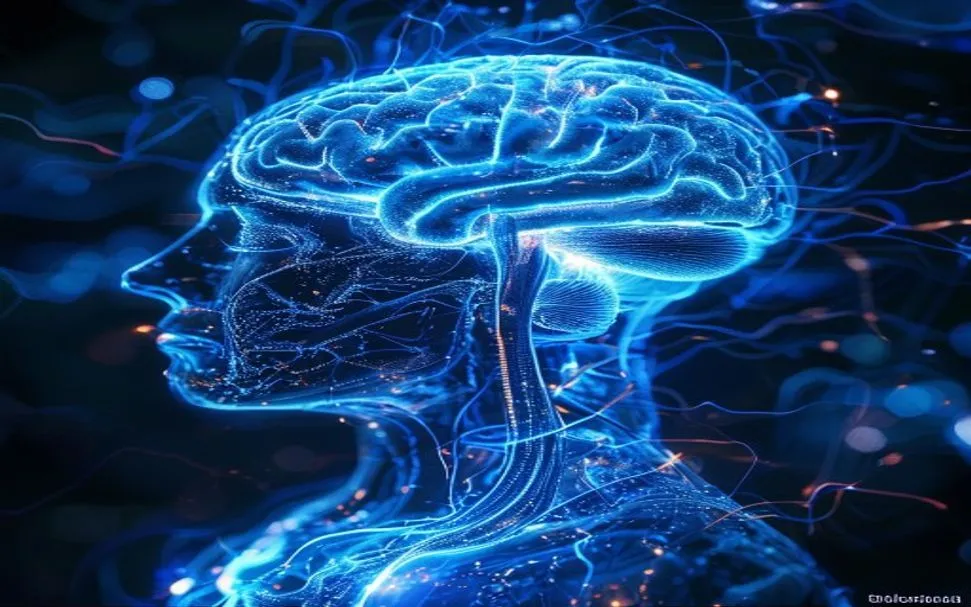
Few conditions push regenerative medicine to its limits the way amyotrophic lateral sclerosis — ALS, or Lou Gehrig's disease — does. The hallmark of ALS is the progressive death of motor neurons in the brain and spinal cord, and once those neurons are lost, no current therapy reliably brings them back. Families understandably search for anything that might slow the decline. The honest job of a regenerative clinic is to set out clearly what cellular therapy can — and cannot — do in this setting.
What is happening at the cellular level in ALS?
ALS is a heterogeneous disease with multiple known biological drivers, and important features that recur across most cases include:
- Motor neuron stress and death — both upper motor neurons (in the brain) and lower motor neurons (in the brainstem and spinal cord) progressively degenerate [1][2]
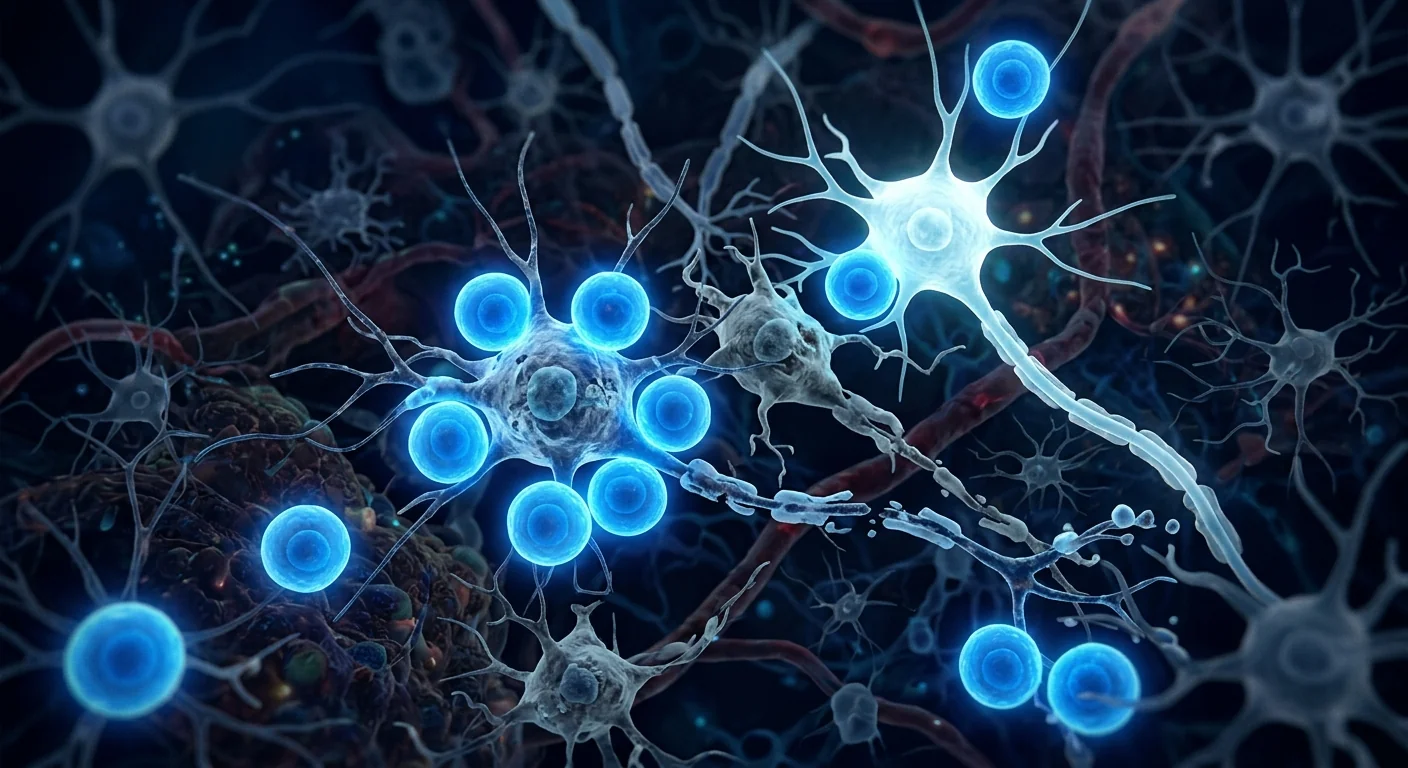
- Neuroinflammation — activated microglia and astrocytes contribute to a hostile microenvironment around stressed neurons
- Oxidative stress and mitochondrial dysfunction — neurons in ALS show measurable energetic failure long before they die
- Glutamate excitotoxicity — neurons are killed by their own neighbours' overactive signalling
- Protein aggregation — misfolded proteins (TDP-43, SOD1 in some forms) accumulate inside motor neurons
This list matters because it tells you where any therapy can plausibly help — and where it cannot. No current intervention reverses motor neuron loss once it has occurred. What is potentially modifiable is the microenvironment in which the surviving neurons are still trying to function.
What MSCs may biologically contribute
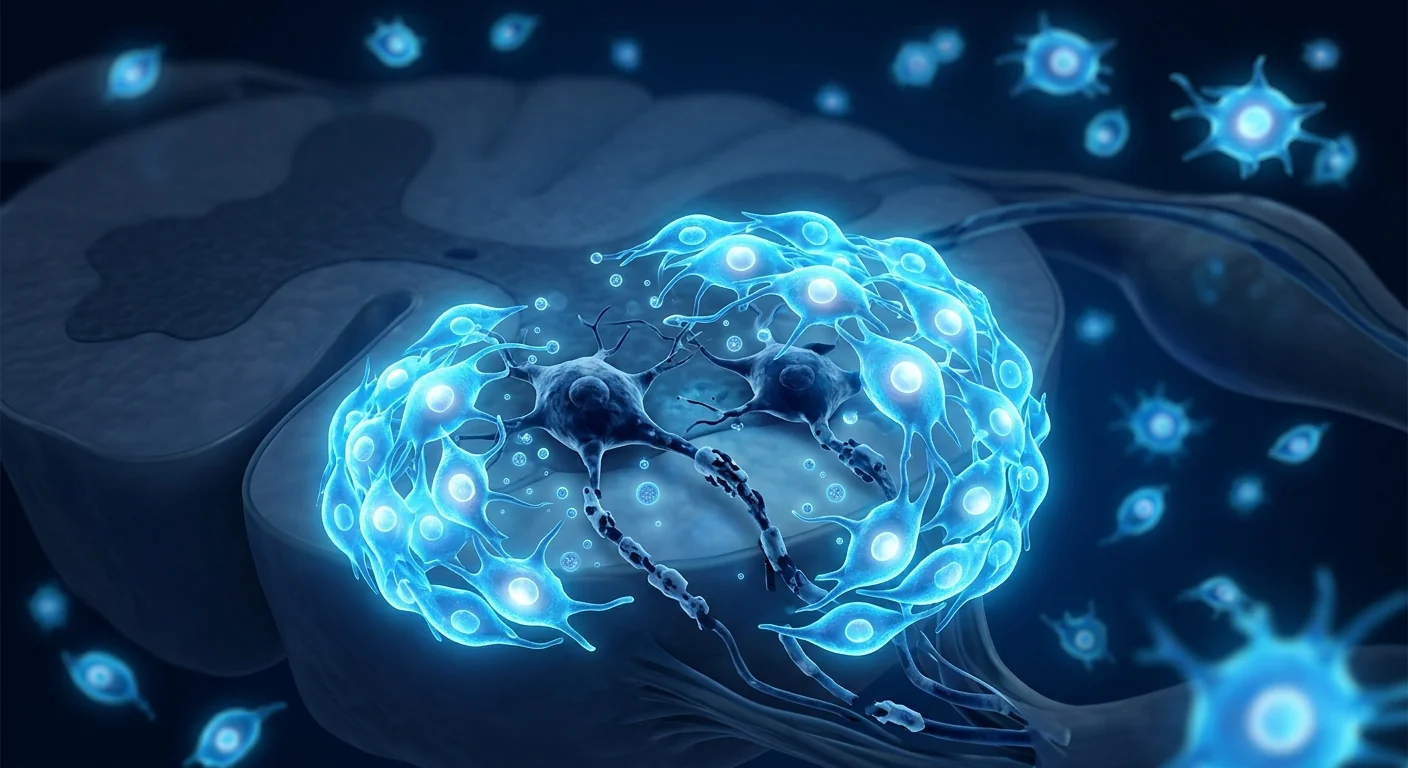
Mesenchymal Stem Cells do not become motor neurons. They are not designed to. What they do — and the reason research interest in MSC therapy for ALS continues — is alter the cellular environment around stressed neurons. Their relevant actions in ALS biology include:
Anti-inflammatory signalling
MSCs reduce activity of pro-inflammatory microglia and shift astrocyte populations toward less neurotoxic states. The chronic neuroinflammation in ALS is one of the few targets we have, and it is the primary mechanism by which MSC therapy is hypothesised to slow progression. [3][4]
Neurotrophic support
MSCs secrete factors such as BDNF, GDNF, NGF, and VEGF [4] that support the survival of stressed but still-living motor neurons. The goal is not to revive lost neurons but to give vulnerable surviving neurons a less hostile environment.
Mitochondrial support
Emerging research shows MSCs can transfer healthy mitochondria to neighbouring cells via tunneling nanotubes — a mechanism with particular relevance in a disease where mitochondrial failure is a recognised feature. [5]
Oxidative stress reduction
MSC paracrine signalling improves the redox environment around stressed cells, modestly reducing one of the drivers of neuronal death.
What the evidence supports — and what it doesn't
An honest summary of the published research landscape:
What is plausible: A modest reduction in the slope of decline (e.g. measured by the ALSFRS-R functional rating scale) in some patients [6][7][8], particularly those treated earlier in the disease course. This is consistent with what MSC immunomodulation could realistically achieve. It is not a cure. It is not a reversal.
What is not supported: Restoration of lost function, return of strength to muscles already paralysed, halt of disease progression, or extension of life by years. Any clinic claiming these outcomes is overstating what biology and current research can deliver. [9]
What remains under active investigation: Optimal cell source (Wharton's jelly vs bone marrow), route of delivery (IV alone vs IV plus intrathecal), dosing schedules, and patient selection criteria. ALS is a heterogeneous disease and the field has not yet identified which subtypes respond best.
A Hard but Important Distinction
MSC therapy for ALS is, at present, an adjunctive protocol — a possible addition to standard neurological care, not a replacement for it. The standard medications, multi-disciplinary clinic care, respiratory and nutritional support, and supportive rehabilitation that ALS patients receive remain the primary care framework. Regenerative therapy is best considered alongside that framework, not instead of it.
Who is most likely to benefit?
Within the boundaries of what is realistic, the patients with the strongest case for considering MSC therapy in ALS are those who:
- Have been recently diagnosed — ideally within the first 12–18 months of symptom onset, when motor neurons are still alive but increasingly stressed
- Retain measurable function — ALSFRS-R scores in the upper-middle range, with respiratory function (FVC) still above critical thresholds
- Are receiving standard ALS clinic care in coordination with their neurology team
- Understand the goal is slowing, not reversing — and have realistic expectations for what success looks like
- Have no contraindicating conditions for IV cellular therapy
Patients with very advanced ALS — already ventilator-dependent, severe bulbar involvement, or near end of expected disease course — are far less likely to see meaningful benefit from any regenerative protocol. A reputable clinic will say this clearly.
What treatment looks like
An ALS-focused MSC programme at a regulated clinical centre typically involves:
- Comprehensive neurological assessment in coordination with the patient's existing ALS clinic — current ALSFRS-R, FVC, neurological examination, recent MRI/EMG, medication review
- Inflammatory and metabolic biomarker baseline — CRP, IL-6, TNF-α, oxidative stress markers, neurofilament light chain where available
- Personalised protocol — typically a series of intravenous MSC infusions across 8–12 weeks, with optional intrathecal delivery in selected cases under additional safety review
- Continued coordination with the primary neurology team — MSC therapy supplements, never replaces, ALS clinic care
- Structured outcome tracking — repeat ALSFRS-R, FVC, biomarker panels at the 1, 3, 6, and 12-month milestones
Realistic expectations
Even where a measurable signal exists, the magnitude of effect in MSC-for-ALS research is generally modest, variable across patients, and not guaranteed in any individual. That honesty is part of what separates regulated regenerative medicine from clinics that promise more than biology can deliver.
The right question for an ALS family considering MSC therapy is not "will this cure us?" — biology cannot answer yes. It is "is this a reasonable adjunct to my current ALS care, given my disease stage, and what does honest evidence say about expected magnitude of benefit?" That question has a real answer, and it should be answered before any treatment commitment.
— VELAR Clinical Team
The VELAR approach to ALS
ALS protocols at VELAR Center are designed in coordination with each patient's existing neurology and ALS clinic team — never as a replacement for that care. Each programme uses clinical-grade Wharton's jelly–derived MSCs (≥95% identity verification, >95% viability at delivery) [14] delivered via personalised intravenous infusion across a structured cycle, paired with comprehensive biomarker tracking and validated functional outcome scales (ALSFRS-R, FVC) at scheduled milestones.
For families in the painful position of researching options after an ALS diagnosis, our consultations focus on three questions: where are you in the disease course, what does honest current evidence support for someone in your position, and is regenerative therapy a sensible addition to the care you already have? Those answers — not a sales pitch — should drive any treatment decision.
很少有疾病像肌萎缩侧索硬化症——ALS,或称卢伽雷氏病——那样将再生医学推向极限。ALS 的标志是脑与脊髓中运动神经元的渐进性死亡,一旦这些神经元失去,目前没有任何疗法能可靠地使其复原。家属可以理解地搜寻任何可能减缓衰退的方法。再生医学诊所诚实的工作是清楚地说明在此情境下细胞治疗能——与不能——做什么。
ALS 在细胞层面发生了什么?
ALS 是一种异质性疾病,具有多种已知的生物驱动因素,并且在大多数病例中反复出现的重要特征包括:
- 运动神经元的应激与死亡——上运动神经元(脑内)与下运动神经元(脑干与脊髓内)均渐进退化
- 神经炎症——激活的小胶质细胞与星形胶质细胞在受压神经元周围形成敌意环境
- 氧化应激与线粒体功能障碍——ALS 中的神经元在死亡之前很久便显示出可测量的能量衰竭
- 谷氨酸兴奋性毒性——神经元被自身邻居过度活跃的信号所杀
- 蛋白质聚集——错误折叠的蛋白质(TDP-43、某些形式中的 SOD1)在运动神经元内累积
这一列表很重要,因为它告诉您任何疗法在何处可能合理地有所帮助——以及在何处不能。目前没有任何干预可以逆转一旦发生的运动神经元损失。可能可改变的是仍试图发挥功能的存活神经元的微环境。
MSC 在生物层面可能贡献的
间充质干细胞不会变成运动神经元。它们不是为此而设计的。它们能做——以及对 ALS 的 MSC 疗法研究兴趣持续的原因——是改变受压神经元周围的细胞环境。它们在 ALS 生物学中的相关作用包括:
抗炎信号
MSC 减少促炎小胶质细胞的活性,并将星形胶质细胞群体向毒性较小的状态转移。ALS 中的慢性神经炎症是我们仅有的少数靶点之一,也是假设 MSC 疗法减缓进展的主要机制。
神经营养支持
MSC 分泌如 BDNF、GDNF、NGF 与 VEGF 等因子,支持受压但仍存活的运动神经元的存活。目标不是复活失去的神经元,而是让脆弱的存活神经元拥有较少敌意的环境。
线粒体支持
新兴研究表明 MSC 可通过隧道纳米管将健康线粒体转移到邻近细胞——在一种以线粒体衰竭为公认特征的疾病中具有特别相关性的机制。
氧化应激减少
MSC 旁分泌信号改善受压细胞周围的氧化还原环境,适度地减少神经元死亡的驱动因素之一。
证据支持什么——以及不支持什么
对已发表研究领域的诚实总结:
什么是合理的:在某些患者中(尤其是疾病进程较早治疗的患者)衰退斜率(例如以 ALSFRS-R 功能评定量表测量)的适度降低。这与 MSC 免疫调节实际可能达成的相一致。它不是治愈。它不是逆转。
什么不被支持:失去功能的恢复、力量回到已瘫痪肌肉、疾病进展的停止,或寿命的延长数年。任何宣称这些结果的诊所都在过度声明生物学与当前研究所能交付的。
仍处于积极研究中的:最优细胞来源(华通氏胶 vs 骨髓)、递送途径(仅 IV vs IV 加鞘内)、给药方案与患者选择标准。ALS 是一种异质性疾病,该领域尚未确定哪些亚型反应最佳。
艰难但重要的区分
目前 ALS 的 MSC 疗法是辅助性方案——可能加入标准神经病学护理的补充,而非替代。ALS 患者接受的标准药物、多学科诊所护理、呼吸与营养支持以及辅助康复仍然是首要护理框架。再生疗法最好与该框架一同考虑,而非取代。
谁最有可能受益?
在现实可能的边界内,考虑 ALS 的 MSC 疗法最强的论据来自以下患者:
- 近期被诊断——理想是症状发作后的第一个 12–18 个月内,运动神经元仍存活但日益受压
- 保留可测量的功能——ALSFRS-R 分数处于中上范围,呼吸功能(FVC)仍高于关键阈值
- 正接受标准的 ALS 诊所护理,并与其神经科团队协调
- 理解目标是减缓而非逆转——并对成功的样子拥有现实的预期
- 没有 IV 细胞治疗的禁忌情况
处于非常晚期 ALS 的患者——已经依赖呼吸机、严重球部受累或接近预期病程末期——较不可能从任何再生方案中看到有意义的受益。信誉良好的诊所将清楚地说明这一点。
治疗的样子
受监管临床中心的针对 ALS 的 MSC 项目通常涉及:
- 全面神经病学评估,与患者现有的 ALS 诊所协调——当前 ALSFRS-R、FVC、神经病学检查、近期 MRI/EMG、用药回顾
- 炎症与代谢生物标志物基线——CRP、IL-6、TNF-α、氧化应激标志物,在可获得时神经丝轻链
- 个性化方案——通常在 8–12 周内一系列静脉 MSC 输注,可选鞘内递送在选定病例中(需要额外安全审查)
- 持续与主治神经病学团队协调——MSC 疗法补充而绝不替代 ALS 诊所护理
- 结构化疗效追踪——在 1、3、6 与 12 个月里程碑重复 ALSFRS-R、FVC 与生物标志物面板
实际预期
即使存在可测量的信号,MSC 在 ALS 研究中效应的幅度通常是适度的、患者间可变的,并且不能保证任何个体。这种诚实是将受监管再生医学与承诺超出生物学所能交付的诊所区分开的部分。
对于考虑 MSC 疗法的 ALS 家庭来说,正确的问题不是“这能治愈我们吗?”——生物学不能给出肯定的答案。而是“鉴于我的疾病阶段,这是否是我当前 ALS 护理的合理辅助,以及诚实的证据对预期的受益幅度如何说?”那个问题有真实的答案,应在任何治疗承诺之前回答。
——VELAR 临床团队
VELAR 的 ALS 方法
VELAR Center 的 ALS 方案与每位患者现有的神经病学与 ALS 诊所团队协调设计——绝非该护理的替代。每个项目使用临床级华通氏胶来源 MSC(身份验证 ≥95%、交付时活性 >95%)通过个性化静脉输注在结构化周期内递送,并搭配全面的生物标志物追踪与经验证的功能性疗效量表(ALSFRS-R、FVC)于既定里程碑。
对于身处 ALS 诊断后研究选项的痛苦境地的家庭,我们的咨询关注三个问题:您处于疾病进程的哪个位置,对处于您处境的人,诚实的当前证据支持什么,以及再生疗法是否是您已有护理的合理补充?这些答案——而非推销——应该驱动任何治疗决定。
قليلة هي الحالات التي تدفع الطب التجديدي إلى حدوده كما يفعل التصلب الجانبي الضموري — ALS أو مرض لو غيريغ. السمة المميزة لـ ALS هي الموت التدريجي للعصبونات الحركية في الدماغ والنخاع الشوكي، وبمجرد فقدان تلك العصبونات، لا يوجد علاج حالي يعيدها بشكل موثوق. تبحث العائلات بشكل مفهوم عن أي شيء قد يبطئ التدهور. الوظيفة الصادقة لعيادة تجديدية هي أن تشرح بوضوح ما يستطيع — وما لا يستطيع — العلاج الخلوي فعله في هذا السياق.
ماذا يحدث على المستوى الخلوي في ALS؟
ALS مرض غير متجانس مع محركات بيولوجية معروفة متعددة، والميزات المهمة التي تتكرر عبر معظم الحالات تشمل:
- إجهاد العصبونات الحركية وموتها — تتدهور تدريجياً كل من العصبونات الحركية العلوية (في الدماغ) والعصبونات الحركية السفلية (في جذع الدماغ والنخاع الشوكي)
- الالتهاب العصبي — تساهم الخلايا الدبقية الصغيرة والنجمية المنشطة في بيئة عدائية حول العصبونات المُجهَدة
- الإجهاد التأكسدي وخلل الميتوكوندريا — تظهر العصبونات في ALS فشلاً طاقياً قابلاً للقياس قبل وقت طويل من موتها
- السمية الإثارية للجلوتامات — تُقتَل العصبونات بإشارات جيرانها المفرطة النشاط
- تجمع البروتينات — تتراكم البروتينات المطوية بشكل خاطئ (TDP-43، SOD1 في بعض الأشكال) داخل العصبونات الحركية
هذه القائمة مهمة لأنها تخبرك أين يمكن لأي علاج أن يساعد بشكل معقول — وأين لا يستطيع. لا يوجد تدخل حالي يعكس فقدان العصبونات الحركية بمجرد حدوثه. ما هو قابل للتعديل هو البيئة الدقيقة التي لا تزال فيها العصبونات الباقية تحاول العمل.
ما يمكن أن تساهم به MSC بيولوجياً
الخلايا الجذعية الوسيطة لا تصبح عصبونات حركية. لم تُصمَّم لذلك. ما تفعله — وسبب استمرار اهتمام الأبحاث بعلاج MSC لـ ALS — هو تغيير البيئة الخلوية حول العصبونات المُجهَدة. تشمل أفعالها ذات الصلة في بيولوجيا ALS:
إشارات مضادة للالتهاب
تقلل MSC نشاط الخلايا الدبقية الصغيرة المؤيدة للالتهاب وتحول مجموعات الخلايا النجمية نحو حالات أقل سمية للأعصاب. الالتهاب العصبي المزمن في ALS هو أحد الأهداف القليلة لدينا، وهو الآلية الأساسية التي يُفترَض من خلالها أن يبطئ علاج MSC التقدم.
الدعم العصبي المغذي
تفرز MSC عوامل مثل BDNF وGDNF وNGF وVEGF تدعم بقاء العصبونات الحركية المُجهَدة لكن الحية. الهدف ليس إحياء العصبونات المفقودة بل منح العصبونات الحية الهشة بيئة أقل عدائية.
الدعم الميتوكوندري
تُظهر الأبحاث الناشئة أن MSC يمكنها نقل الميتوكوندريا الصحية إلى الخلايا المجاورة عبر أنابيب نانوية نفقية — آلية ذات صلة خاصة في مرض حيث فشل الميتوكوندريا سمة معترف بها.
تقليل الإجهاد التأكسدي
تُحسن إشارات MSC شبه الإفرازية بيئة الأكسدة-الاختزال حول الخلايا المُجهَدة، مما يقلل بشكل متواضع أحد محركات موت العصبونات.
ما تدعمه الأدلة — وما لا تدعمه
ملخص صادق لمشهد الأبحاث المنشورة:
ما هو معقول: انخفاض متواضع في منحدر التدهور (مثلاً مقاساً بمقياس ALSFRS-R الوظيفي) لدى بعض المرضى، خاصة المعالجين في وقت مبكر من مسار المرض. هذا متسق مع ما يمكن أن يحققه تعديل المناعة لـ MSC بشكل واقعي. ليس علاجاً شافياً. ليس عكساً.
ما لا يدعمه: استعادة الوظيفة المفقودة، عودة القوة إلى العضلات المشلولة بالفعل، إيقاف تقدم المرض، أو إطالة العمر بسنوات. أي عيادة تدعي هذه النتائج تبالغ فيما يمكن للبيولوجيا والأبحاث الحالية تقديمه.
ما يبقى قيد التحقيق النشط: مصدر الخلايا الأمثل (هلام وارتون مقابل نخاع العظم)، طريق التسليم (IV وحده مقابل IV زائد النخاعي)، جداول الجرعات، ومعايير اختيار المرضى. ALS مرض غير متجانس ولم يحدد المجال بعد أي الأنواع الفرعية تستجيب أفضل.
تمييز صعب لكنه مهم
علاج MSC لـ ALS، في الوقت الحالي، بروتوكول مساعد — إضافة محتملة للرعاية العصبية القياسية، وليس بديلاً عنها. الأدوية القياسية ورعاية العيادة متعددة التخصصات والدعم التنفسي والتغذوي وإعادة التأهيل الداعمة التي يتلقاها مرضى ALS تظل إطار الرعاية الأساسي. يُنظَر إلى العلاج التجديدي بشكل أفضل جنباً إلى جنب مع ذلك الإطار، وليس بدلاً منه.
من الأكثر احتمالاً للاستفادة؟
ضمن حدود ما هو واقعي، أقوى حجة للنظر في علاج MSC في ALS تنطبق على المرضى الذين:
- تم تشخيصهم حديثاً — مثالياً في غضون 12–18 شهراً الأولى من بداية الأعراض، حين تكون العصبونات الحركية لا تزال حية لكن مُجهَدة بشكل متزايد
- يحتفظون بوظيفة قابلة للقياس — درجات ALSFRS-R في النطاق المتوسط الأعلى، مع وظيفة تنفسية (FVC) لا تزال فوق العتبات الحرجة
- يتلقون رعاية عيادة ALS القياسية بالتنسيق مع فريق طب الأعصاب لديهم
- يفهمون أن الهدف هو الإبطاء وليس العكس — ولديهم توقعات واقعية لشكل النجاح
- ليس لديهم حالات مانعة للعلاج الخلوي الوريدي
المرضى الذين يعانون من ALS متقدم جداً — يعتمدون بالفعل على جهاز التنفس، تورط بصلي شديد، أو قرب نهاية مسار المرض المتوقع — أقل احتمالاً بكثير لرؤية فائدة ذات معنى من أي بروتوكول تجديدي. العيادة ذات السمعة الجيدة ستقول هذا بوضوح.
كيف يبدو العلاج
برنامج MSC المتمحور حول ALS في مركز سريري مُنظَّم يشمل عادة:
- تقييم عصبي شامل بالتنسيق مع عيادة ALS الحالية للمريض — ALSFRS-R الحالي، FVC، فحص عصبي، MRI/EMG حديث، مراجعة الأدوية
- خط أساس للمؤشرات الحيوية الالتهابية والأيضية — CRP، IL-6، TNF-α، علامات الإجهاد التأكسدي، السلسلة الخفيفة للنيوروفيلامنت حيث تتوفر
- بروتوكول شخصي — عادة سلسلة من تسريبات MSC الوريدية على مدى 8–12 أسبوعاً، مع تسليم نخاعي اختياري في حالات مختارة تحت مراجعة سلامة إضافية
- التنسيق المستمر مع فريق طب الأعصاب الأساسي — يكمل علاج MSC، ولا يستبدل أبداً، رعاية عيادة ALS
- تتبع نتائج منظم — تكرار ALSFRS-R، FVC، لوحات المؤشرات الحيوية في علامات 1 و3 و6 و12 شهراً
التوقعات الواقعية
حتى حيث توجد إشارة قابلة للقياس، فإن حجم التأثير في أبحاث MSC لـ ALS عموماً متواضع، متغير بين المرضى، وغير مضمون لأي فرد. تلك الصداقة جزء مما يفصل بين الطب التجديدي المُنظَّم والعيادات التي تعد بأكثر مما يمكن للبيولوجيا تقديمه.
السؤال الصحيح لعائلة ALS تنظر في علاج MSC ليس "هل يعالجنا هذا؟" — البيولوجيا لا تستطيع الإجابة بنعم. بل "هل هذا إضافة معقولة لرعايتي الحالية لـ ALS، نظراً لمرحلة مرضي، وما الذي تقوله الأدلة الصادقة عن حجم الفائدة المتوقع؟" لذلك السؤال إجابة حقيقية، وينبغي الإجابة عليه قبل أي التزام بالعلاج.
— فريق VELAR السريري
منهج VELAR لـ ALS
تُصمم بروتوكولات ALS في VELAR Center بالتنسيق مع فريق طب الأعصاب وعيادة ALS الحالية لكل مريض — لا أبداً كبديل عن تلك الرعاية. يستخدم كل برنامج MSC ذات الجودة السريرية المشتقة من هلام وارتون (تحقق من الهوية ≥95٪، حيوية عند التسليم >95٪) تُسلَّم عبر تسريب وريدي شخصي على مدى دورة منظمة، مقترنة بتتبع شامل للمؤشرات الحيوية ومقاييس النتائج الوظيفية المعتمدة (ALSFRS-R، FVC) في علامات مجدولة.
للعائلات في الموقف المؤلم للبحث عن خيارات بعد تشخيص ALS، تركز استشاراتنا على ثلاثة أسئلة: أين أنتم في مسار المرض، ما الذي تدعمه الأدلة الحالية الصادقة لشخص في موقفكم، وهل العلاج التجديدي إضافة منطقية للرعاية التي لديكم بالفعل؟ هذه الإجابات — لا الترويج التجاري — يجب أن تحرك أي قرار علاج.