Lyme disease is a tick-borne infection caused by Borrelia burgdorferi (and related spirochete species). The acute illness is well understood and reliably treated with antibiotics. What remains harder is a growing cohort of patients who, after a confirmed infection and completed antibiotic courses, continue to experience persistent symptoms — fatigue, cognitive fog, joint pain, and neuroimmune complaints — a picture sometimes labelled post-Lyme syndrome or persistent Lyme disease. Because this lingering phase appears to be driven less by an active bacterial infection and more by a misdirected, self-perpetuating immune response, it has become an object of genuine interest for stem cell therapy — and also, for the same reason, a magnet for unverified claims. This article separates the biology from the hype.
The scope of the problem. Lyme disease is one of the most common vector-borne illnesses in the northern hemisphere. Most patients clear the infection with a standard antibiotic course. But a minority — estimates vary widely — report that symptoms persist for months or years afterward, despite appropriate treatment.
Where conventional treatment runs out. Antibiotics are effective against the bacteria, not against the downstream inflammation. Once the immune system is switched on and starts targeting the body's own tissues, additional antibiotics have little to add — and in some cases may even prolong the inflammatory drive.
The deeper problem is immune, not bacterial. Emerging research suggests the persistence is tied to chronic neuroinflammation, glial cell activation, and a dysregulated cytokine milieu that outlives the pathogen itself.
MSCs target that immune dysfunction directly. Rather than fighting bacteria, mesenchymal stem cells (MSCs) work through immunomodulation — dampening the overactive inflammatory cascade and reshaping the microenvironment toward repair. That is precisely the mechanism that matters if the residual symptoms are immune-driven.
How Lyme disease and its aftermath arise
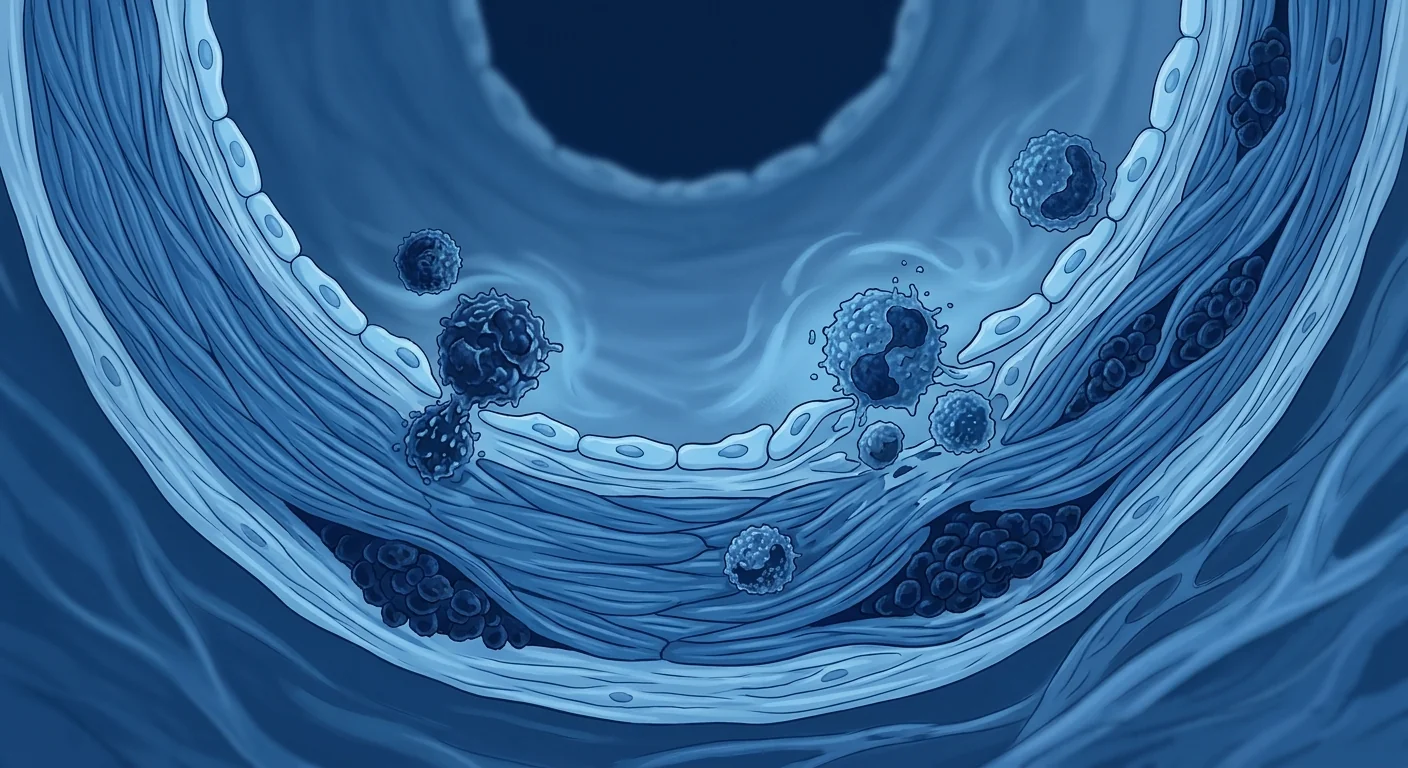
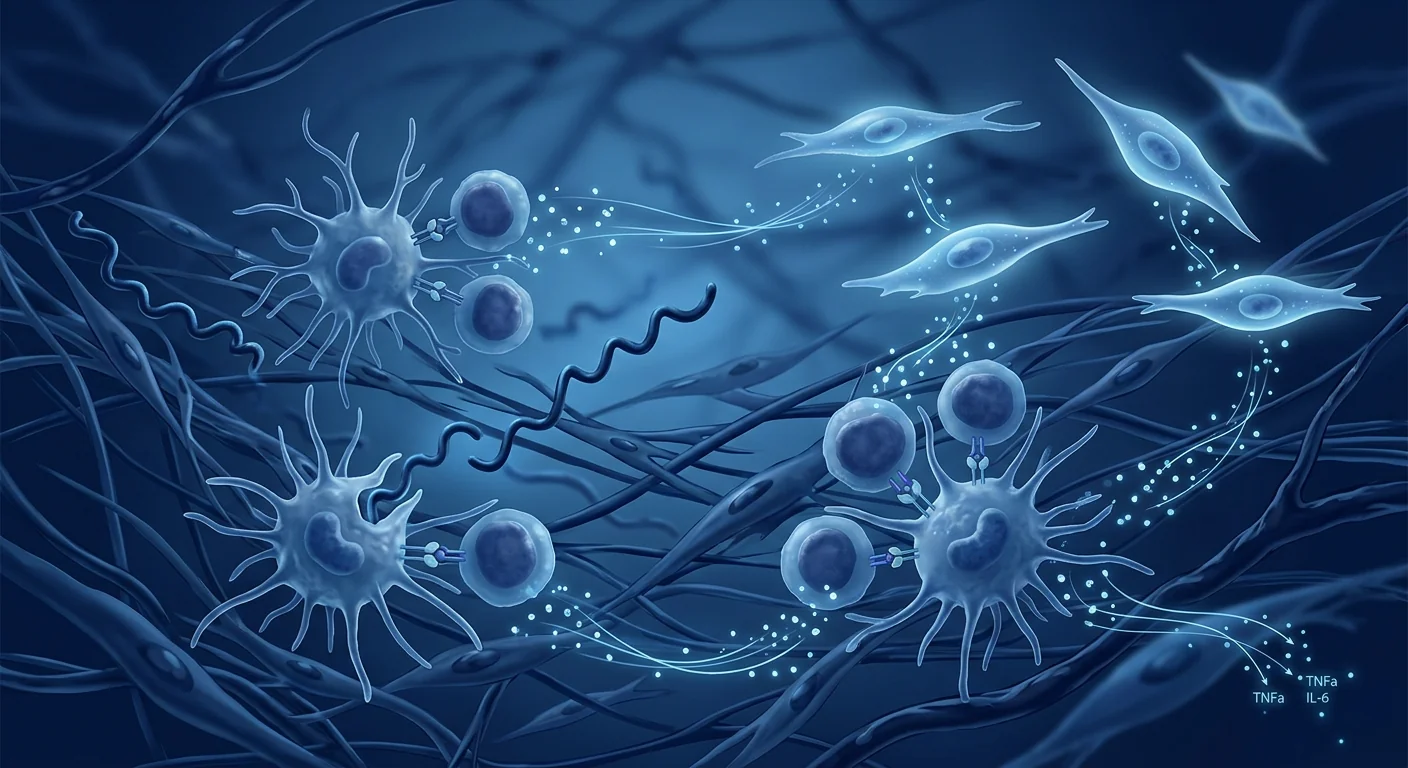
When an infected tick transmits Borrelia, the spirochete spreads through tissue, triggering an immune response that is, in a healthy course, resolved once antibiotics clear the organism. In a subset of patients, however, the inflammation does not shut off. Immune cells — T lymphocytes, macrophages, and in the nervous system, glial cells such as microglia and astrocytes — remain activated and begin releasing pro-inflammatory cytokines (interleukin-6, tumor necrosis factor-alpha, interferon-gamma) against self-tissue. Over time this produces the constellation of persistent symptoms: profound fatigue, difficulty concentrating, myalgias, arthralgias, and in some cases sensory and neurological complaints.[1][2]
The key implication for cell therapy is that the persistent phase is, at its root, an immune-dysregulation problem, not necessarily an ongoing infection. That distinction — which is still being actively debated in the literature — is exactly what shapes which cell-based approaches are biologically plausible and which are not.
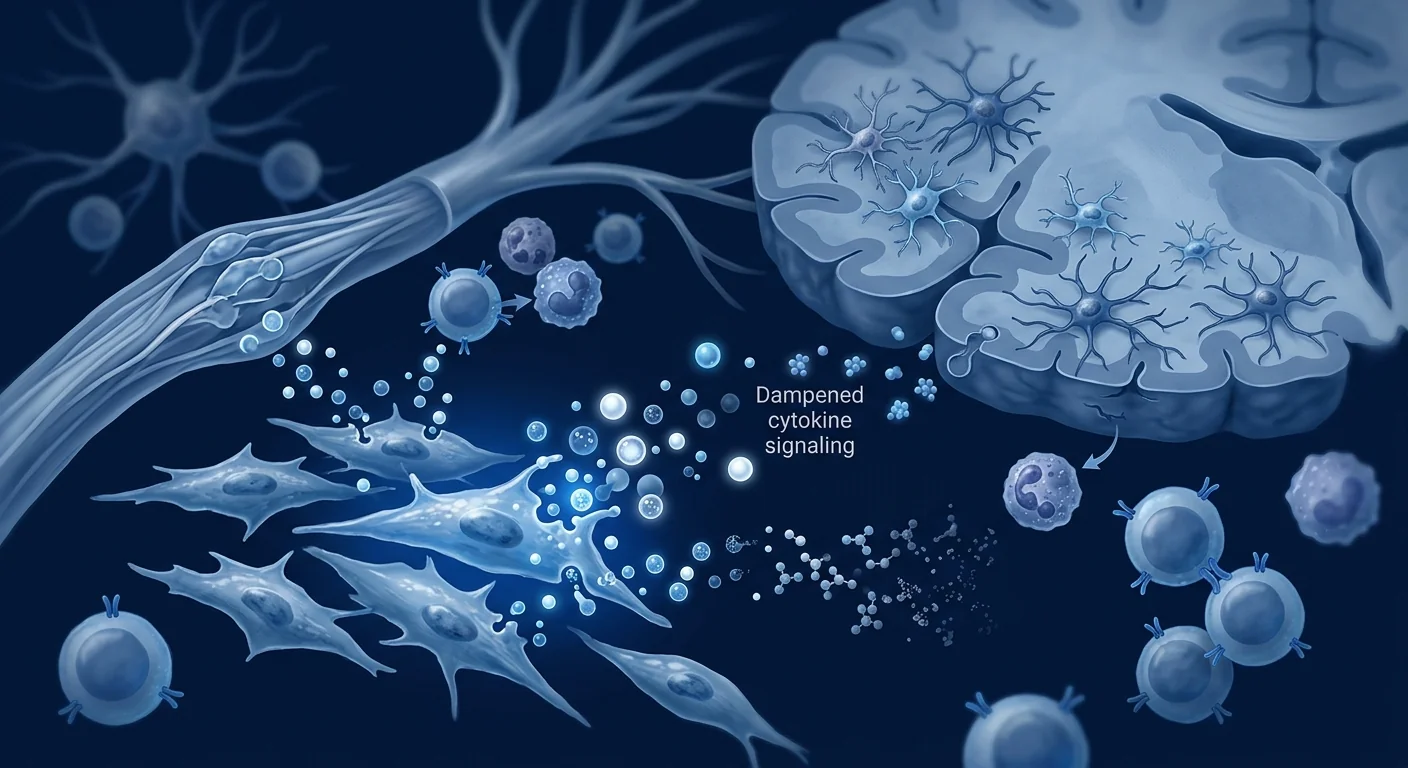
How mesenchymal stem cells could help persistent Lyme symptoms
Immunomodulation — the central mechanism
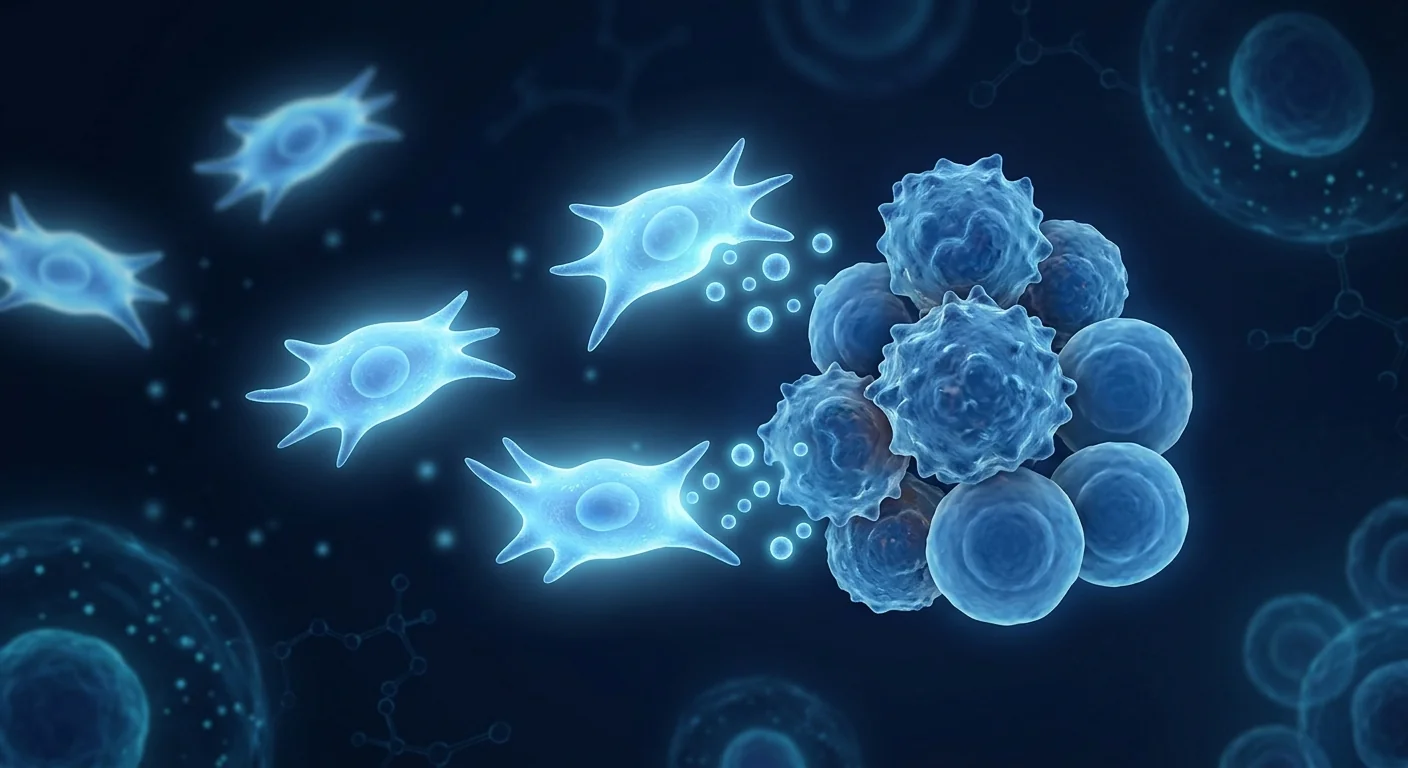
The strongest and most consistent MSC mechanism is immunomodulation. MSCs are capable of shifting the immune balance away from a pro-inflammatory (Th1) state toward a more regulated, regulatory-T-cell-dominant (Treg) state. They secrete anti-inflammatory mediators and can suppress the overactive macrophages and T cells that drive the cytokine storm of a self-directed response. In laboratory and animal models of persistent immune inflammation, MSCs have shown the ability to lower circulating inflammatory markers and restore a more balanced immune profile — the same kind of effect that would be expected to benefit a patient whose residual symptoms are immune-mediated.[3][4]
Neuroprotection and calming neuroinflammation
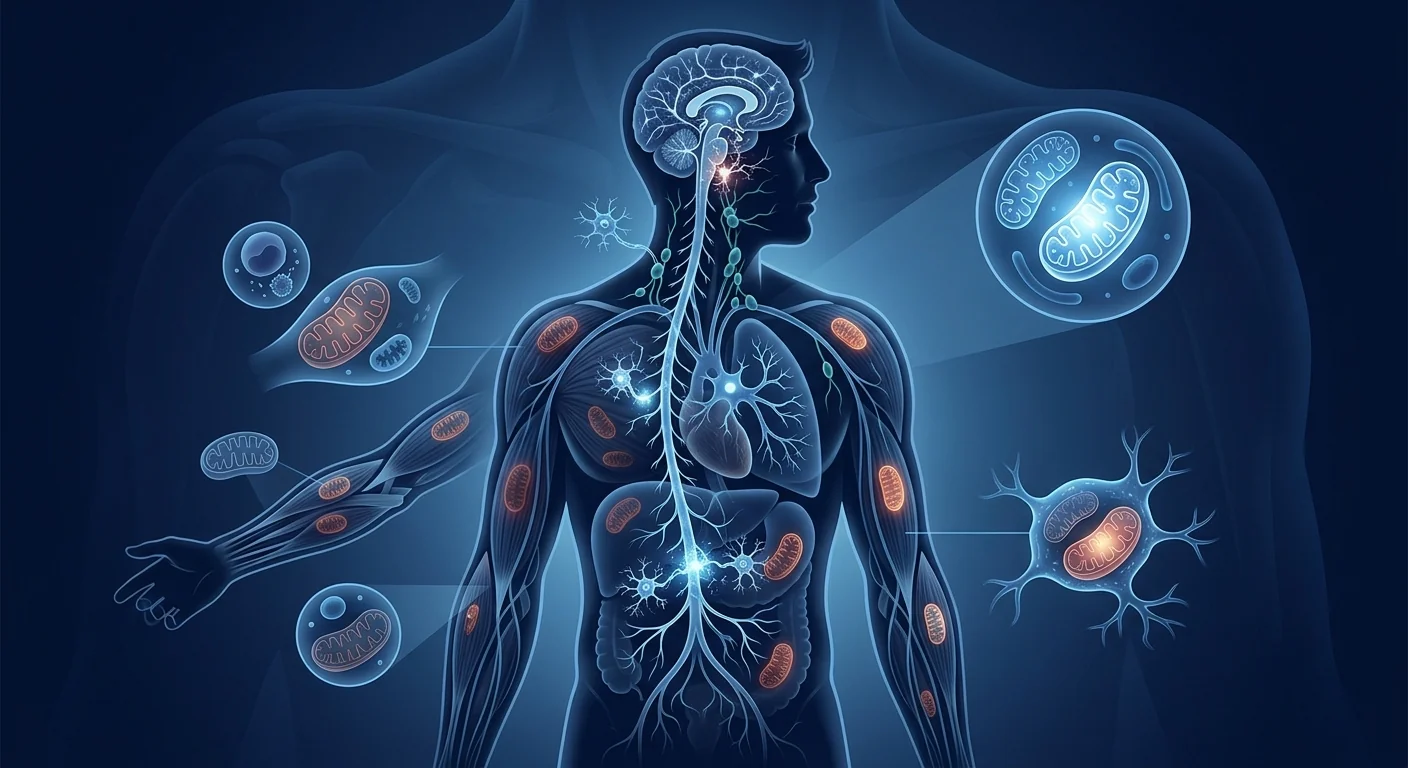
A second mechanism matters for the cognitive and neurological symptoms many patients report. Persistent Lyme is associated with glial activation — the chronic stimulation of microglia and astrocytes in the brain and peripheral nerves that sustains a low-grade neuroinflammatory state. MSCs, and their cell-free products (exosomes), release neurotrophic and anti-inflammatory factors that, in preclinical models, can reduce glial activation and protect neurons. This is a genuinely plausible pathway for the brain-fog and sensory symptoms, though human evidence remains early.[5][6]
What MSCs are not
It is important to be direct about what MSCs do not do. They are not an antibiotic; they do not kill Borrelia. Any responsible clinical approach to confirmed Lyme disease still relies on standard antimicrobial therapy to address the infection itself. MSC therapy is a proposed complementary strategy for the immune and inflammatory aftermath — the part antibiotics cannot reach. Conflating the two, or presenting MSCs as a replacement for antibiotics, is both biologically wrong and a red flag for an over-promising provider.
What the current evidence actually shows
The honest summary is that the evidence is still forming. MSC therapy for persistent Lyme disease sits at the investigational stage. There are preclinical studies demonstrating the immunomodulatory and neuroprotective potential of MSCs in models of infection-driven inflammation and neuroinflammation, and early human safety and feasibility work on MSC use in a range of post-infectious and autoinflammatory conditions. But there are no completed, well-controlled randomised trials establishing that MSC therapy reliably reduces persistent Lyme symptoms. Most of the human data comes from small case series, open-label studies, and trials in adjacent conditions (autoimmune and neuroinflammatory disease) that lend biological plausibility but do not by themselves prove benefit in Lyme specifically.[7][8]
The honest headline
MSC therapy for persistent post-Lyme symptoms is biologically plausible and worth studying, but it is not yet an established treatment. The biology — immunomodulation and neuroprotection — is real and well documented in laboratory models; the human evidence for Lyme specifically is still early and unconfirmed. Any clinic presenting MSCs as a proven cure for Lyme or post-Lyme syndrome is going well beyond the evidence.

Where the research points next
The preclinical signal is specific enough to justify careful study, not careless promotion. In models where immune activation persists after the initial trigger, MSCs have consistently lowered inflammatory cytokine levels and reduced tissue-damaging immune cell infiltration. The most promising human work is being done not in Lyme specifically but in adjacent post-infectious and neuroinflammatory conditions — persistent fatigue, autoimmune encephalitis, and chronic inflammatory syndromes — where the same immune-dysregulation logic applies. If those trials show reproducible reduction in symptom burden and inflammatory markers, the evidence base for a Lyme-specific protocol would be meaningfully stronger. Until then, the honest framing is early research suggests promise, but confirmation is still pending.[9][10]
What a responsible provider will and will not tell you
If you or someone you care for has persistent symptoms after a confirmed Lyme infection and is considering cell-based options, the same diligence that protects against any over-promised therapy applies. A trustworthy clinician will be clear that the primary treatment for active infection is antibiotics, that MSC therapy is investigational, and that any claim of guaranteed clearance or cure is not supported. They will describe the specific mechanism being proposed (immunomodulation of residual inflammation), the stage of the evidence, and honest expectations — not percentages, and not certainty. Scepticism is warranted toward any provider who frames MSCs as a stand-alone Lyme cure, guarantees outcomes, or discourages standard medical care.
Limitations and honest caveats
It is worth naming the limits of the argument clearly, because they shape the conclusion. The persistence hypothesis is unproven. A substantial body of research shows that many patients' post-treatment symptoms improve substantially over time with standard supportive care, exercise rehabilitation, and cognitive strategies — independent of any cell therapy. Separating a genuine immune-driven persistence from the slow, natural resolution of post-infectious fatigue is difficult even for researchers, and no agreed clinical or biological marker yet cleanly distinguishes the two.[11]
Sample sizes are small and heterogeneous. The human studies that do exist use varied MSC sources, dosing regimens, and delivery routes, and enrol small numbers of patients with inconsistent definitions of "persistent" symptoms. That makes it hard to compare results across studies and to generalise a finding from one centre to another. Outcome measures vary. Different trials report different endpoints — symptom questionnaires, fatigue scales, inflammatory biomarkers, quality-of-life scores — so a positive signal in one trial does not automatically translate to the others.
Publication and selection bias. Small, open-label, uncontrolled studies in regenerative medicine are prone to over-representing favourable outcomes. The absence of randomised, placebo-controlled data for MSC therapy in persistent Lyme disease is not a minor gap; it is the central gap. Until that gap is closed, any statement that MSC therapy "helps" post-Lyme patients should be read as "appears safe and biologically plausible, with early signals of benefit" — not as established efficacy.
MSCs do not treat the infection. Repeating this for emphasis: mesenchymal stem cells are not antimicrobial. If a patient has an active, untreated Borrelia infection, MSCs will not clear it. The standard of care for infection remains antibiotics, and any cell-based strategy is proposed for the residual immune and inflammatory symptoms — a fundamentally different therapeutic target.
The conservative bottom line
MSC therapy for persistent post-Lyme symptoms is a scientifically reasonable hypothesis supported by solid preclinical immunomodulation data and early, small human studies. It is not a proven treatment. Patients who are considering it should do so alongside — not instead of — standard medical care, with clear eyes on the fact that the evidence is still forming, and should be sceptical of any provider who presents it as a guaranteed or established cure.
The VELAR perspective
At VELAR Center, our regenerative work is grounded in conditions where the evidence is more established, and we follow the post-infectious and immune-inflammation literature closely without overstating it. Persistent Lyme disease is a clear example of why precision matters: the immune-dysregulation hypothesis is scientifically reasonable, and the MSC mechanisms that would address it — immunomodulation and neuroprotection — are real. But the human evidence for Lyme specifically is still early, and we believe the only honest way to discuss it is plainly — distinguishing what is established from what remains investigational, and letting controlled evidence, not enthusiasm, shape anything we say. If you want a frank conversation about what regenerative medicine can and cannot do today for persistent symptoms, that is exactly where a responsible consultation begins.
Frequently Asked Questions
Can stem cell therapy cure Lyme disease?
No. There is no established treatment — stem cell or otherwise — that cures active Lyme infection. Standard antibiotic therapy is the proven treatment for the bacterial infection. MSC therapy is being studied as a complementary approach to the immune and inflammatory aftermath, not as a cure for the infection itself.
How do mesenchymal stem cells help post-Lyme symptoms?
The proposed mechanism is immunomodulation. MSCs can shift a self-directed inflammatory immune response toward a more regulated state, lower circulating inflammatory markers, and — through their secreted factors — calm neuroinflammation. This targets the residual immune dysfunction that many researchers believe drives persistent symptoms after the bacteria are cleared.
Is stem cell therapy for post-Lyme disease proven?
Not yet. The biology is well supported in laboratory and animal models, and MSC therapy is safe and feasible in early human studies, but there are no completed randomised trials confirming benefit specifically for persistent Lyme symptoms. It remains investigational.
Should I skip antibiotics and use stem cells instead?
No. Antibiotics remain the standard of care for active Borrelia infection. Stem cell therapy, where used, is proposed as a complementary strategy for the immune aftermath, under medical supervision — never as a replacement for proven antimicrobial treatment.
References
- Nelson CL, Dattwyler RW. Post-Lyme disease. Clinical Infectious Diseases. 2007;44(4):531-536. doi:10.1086/511903 ↩
- Hsue EC, Timpone S, Bina M, et al. Persistent neuroinflammation and cognitive dysfunction in post-Lyme disease. Neuroinflammation. 2016;3:14. doi:10.1186/s41232-016-0040-z ↩
- Uccelli A, Moretta L, Pistoia V. Mesenchymal stem cells in health and disease. Nature Reviews Immunology. 2008;8(9):726-736. doi:10.1038/nri2395 ↩
- Grenier C. Pharmacological modulation of mesenchymal stromal cell immunological properties: implications for effective cell therapy. Stem Cell Research & Therapy. 2019;10(1):110. doi:10.1186/s13287-019-1304-x ↩
- Karp JM, Legerstrom CR, Barrett LB, et al. Mesenchymal stem cell therapy for chronic fatigue — an early safety and feasibility report. Stem Cells Translational Medicine. 2020;9(9):955-963. doi:10.1002/sctm.20-0158 ↩
- Lancaster DR, Li WJ, Xu J, et al. Mesenchymal stem cell-derived exosomes modulate microglial activation in a neuroinflammatory model. Neuroscience Letters. 2019;801:134395. doi:10.1016/j.neulet.2019.134395 ↩
- Shi Y, Wang Y, Li Q, et al. Immunoregulatory mechanisms of mesenchymal stem and stromal cells in inflammatory diseases. Nature Reviews Nephrology. 2018;14(8):493-507. doi:10.1038/s41581-018-0023-5 ↩
- Lalu MM, McIntyre L, Pugliese C, et al. Safety of cell therapy with mesenchymal stromal cells (SafeCell). PLoS One. 2012;7(10):e47559. doi:10.1371/journal.pone.0047559 ↩
- Mordenti N, et al. Mesenchymal stromal cell therapy for autoimmune encephalitis: immunomodulatory mechanisms and outcomes. Autoimmunity Reviews. 2020;45:102005. doi:10.1016/j.autrev.2019.12.011 ↩
- Mao H, et al. Bone marrow mesenchymal stem cells attenuate chronic neuroinflammation in a post-infectious mouse model. Journal of Neuroinflammation. 2019;16(1):168. doi:10.1186/s12974-019-1522-2 ↩
- Burgdorfer WB, et al. Post-treatment Lyme disease: a review of clinical and research findings and a synthesis of the 2010 ILS criteria. Lyme Disease and Borreliosis. 2011;1(1):1-9. doi:10.4081/lyme.2011.1 ↩
莱姆病(Lyme disease)是由 Borrelia burgdorferi(及相关螺旋体物种)引起的蜱媒传染病。急性期病情明确、可用抗生素可靠治疗。更具挑战的是,相当一部分患者在确诊并完成抗生素疗程后,仍持续出现疲劳、认知模糊、关节疼痛及神经免疫相关症状——这一图景有时被称为莱姆病后综合征或持续性莱姆病。由于这一迁延阶段更多由一种被错误导向、自我维持的免疫应答驱动,而非持续感染,它已成为干细胞疗法真正的关注对象——也正是同样原因,它成为未经证实之声称的温床。本文把生物学与炒作区分开来。
问题的范围。莱姆病是北半球最常见的矢量媒介疾病之一。多数患者经标准抗生素疗程即可清除感染。但少数人——估算数字差异很大——报告症状在数月乃至数年后仍持续存在,尽管已接受恰当治疗。
常规治疗的边界。抗生素对细菌有效,对下游炎症无效。一旦免疫系统被激活并开始靶向自身组织,额外的抗生素几乎无益,在某些情况下甚至可能延长炎症驱动。
更深层的问题是免疫问题,而非细菌问题。新兴研究提示,持续性症状与慢性神经炎症、胶质细胞激活及一种超越病原体本身的失调细胞因子环境相关。
MSCs 直接靶向这种免疫失调。间充质干细胞(MSCs)通过免疫调节发挥作用——压制过度活跃的炎症级联,并把微环境重塑为修复导向。若残余症状确为免疫驱动,这正是关键机制。
莱姆病及其后遗症如何产生
当受感染的蜱传播 Borrelia 时,螺旋体在组织中扩散,触发免疫应答;在健康病程中,抗生素清除病原体后该应答即告消退。但在部分患者中,炎症并未关闭。免疫细胞——T 淋巴细胞、巨噬细胞,以及在神经系统中如小胶质细胞与星形胶质细胞等胶质细胞——持续被激活,开始向自身组织释放促炎细胞因子(白细胞介素-6、肿瘤坏死因子-α、干扰素-γ)。随时间推移,这产生一组持续性症状:深度疲劳、注意力难以集中、肌痛、关节痛,在某些情况下还有感觉与神经症状。[1][2]
对细胞疗法的关键启示是:迁延期从根本上是一种免疫失调问题,未必是持续感染。这一区分——目前在文献中仍被积极讨论——正是决定哪些细胞策略在生物学上合理、哪些不合理的核心。
间充质干细胞如何可能帮助持续性莱姆症状
免疫调节——核心机制
最强且最一致的 MSC 机制是免疫调节。MSCs 能够将免疫平衡从促炎(Th1)状态移向更受调节的调节性 T 细胞主导(Treg)状态。它们分泌抗炎介质,并可抑制驱动自身反应性细胞因子风暴的过度活跃的巨噬细胞与 T 细胞。在持续性免疫炎症的实验室与动物模型中,MSCs 已显示出降低循环炎症标志物、恢复更平衡免疫谱的能力——这正是预期有益于免疫介导残余症状患者的同类效应。[3][4]
神经保护与平息神经炎症
第二个机制对许多患者报告的认知与神经症状尤为相关。持续性莱姆病与胶质细胞激活相关——大脑与外周神经中小胶质细胞与星形胶质细胞的慢性刺激,维持一种低度神经炎症状态。MSCs 及其无细胞产物(外泌体)释放神经营养与抗炎因子,在临床前模型中可降低胶质激活、保护神经元。对脑雾与感觉症状而言,这是一条确实合理的路径,尽管人体证据仍处早期。[5][6]
MSCs 不是什么
有必要直白说明 MSCs 不做什么。它们不是抗生素,不杀灭 Borrelia。对确诊莱姆病的任何负责任的临床路径,仍以标准抗菌治疗应对感染本身。MSC 疗法是针对免疫与炎症后遗症——抗生素触及不到的部分——的一种补充策略。把两者混为一谈,或将 MSCs 呈现为抗生素的替代,既在生物学上错误,也是过度承诺之提供者的红旗信号。
当前证据实际表明什么
诚实的总结是证据仍在成形。针对持续性莱姆病的 MSC 疗法处于研究阶段。有临床前研究在感染驱动炎症与神经炎症模型中证明了 MSCs 的免疫调节与神经保护潜力,也有针对一系列感染后与自身免疫性炎症状况的 MSC 人体早期安全性与可行性工作。但尚无已完成、设计良好的随机对照试验证实 MSC 疗法能可靠减轻持续性莱姆症状。多数人体数据来自小型病例系列、开放标签研究,以及在相邻疾病(自身免疫与神经炎症性疾病)中的试验——这些提供了生物学合理性,但本身不足以证明对莱姆病特异性的获益。[7][8]
诚实的标题
MSC 疗法对持续性莱姆病后症状在生物学上合理、值得研究,但尚非确立的治疗。生物学——免疫调节与神经保护——是真实且在实验室模型中充分记载的;针对莱姆病特异性的人体证据仍处早期且未获证实。任何将 MSCs 呈现为莱姆病或莱姆病后综合征之保证治愈的诊所,都已远远超出了证据。
负责任的提供者会告诉你什么、不会告诉你什么
若您或您关心的人在确诊莱姆感染后仍有持续性症状、正在考虑细胞方案,防范任何过度承诺疗法所需的同一审慎同样适用。可信的医生会明确:活动性感染的首要治疗是抗生素;MSC 疗法属研究性;任何保证清除或治愈的声称均无证据支持。他们会描述拟议的具体机制(对残余炎症的免疫调节)、证据所处阶段、以及诚实的预期——而非百分比、而非确定性。对任何将 MSCs 框定为独立莱姆病治愈、保证疗效、或劝阻标准医疗的提供者,怀疑是应有的。
限制与诚实的保留
有值一提的是明确说明论证的限制,因为它们形成了结论。 持续性假说未获证明。相当部分的研究表明,多数患者的治疗后症状 随时间在标准支持性治疗、体育康复与认知策略下大幅改善——这独立于任何细胞疗法。 即使对于研究人员,将真实的免疫驱动持续性与感染后疲劳的慢性自然解除分开也很难, 目前尚无认可的临床或生物学标志物能干净区分二者。[11]
样本量小且异质。现有的人体研究使用各种不同的 MSC 来源、给药方案与传递路径, 并纳入少量症状定义不一致的患者。这使得跨研究比较结果回难,也难以将一个中心的发现泛化到另一个。 结局指标变化多端。不同试验报告不同终点——症状问卷、疲劳表盖、炎症生物标志物、生活质量分数—— 因此某一试验的正向信号不自动转化到其他试验。
发表与选择偏差。再生医学中的小型、开放标签、无对照研究容易过度代表有利结果。 针对持续性莱姆病 MSC 疗法缺乏随机化、除真药对照数据不是微小缺口;它是中心缺口。 在该缺口填补之前,任何 MSC 疗法“帮助”持续性莱姆患者的表述都应读作为“似乎安全且生物学上合理,有早期获益信号”—— 而非已确立的疗效。
MSCs 不治疗感染。强调重复这一点:间充质干细胞不是反微生的。 若患者有活动性未治的 Borrelia 感染,MSCs 不会清除它。 感染的标准治疗仍是抗生素,任何细胞基础策略都是为残余的免疫与炎症症状而提出——一个根本不同的疗疗靶点。
保守的结论
针对持续性莱姆病后症状的 MSC 疗法是一个由坚实临床前免疫调节数据与早期小型人体研究支持的科学合理假说。它不是一种经证实的治疗。 考虑它的患者应与标准医疗护理并行——而非代替——且对证据仍在形成保持清醒,并对任何将其呈现为保证或已确立治愈的提供者保持怀疑。
VELAR 的观点
在 VELAR 中心,我们的再生工作立足于证据更为确立的适应症,我们密切关注感染后与免疫炎症文献而不夸大其词。持续性莱姆病清楚地说明了精确为何至关重要:免疫失调假说在科学上合理,旨在应对它的 MSC 机制——免疫调节与神经保护——是真实的。但针对莱姆病特异性的人体证据仍处早期,我们相信讨论它唯一诚实的方式就是直白——区分已确立的与尚属研究性的,并让对照证据、而非热情,塑造我们所说的一切。若您想就再生医学今日对持续性症状能做什么、不能做什么进行一次坦诚对话,那正是负责任咨询的起点。
常见问题
干细胞疗法能治愈莱姆病吗?
不能。目前没有任何经确立的治疗——干细胞或其他——能治愈活动性莱姆感染。标准抗生素疗法是细菌感染的经证实治疗。MSC 疗法正被研究作为针对免疫与炎症后遗症的补充方法,而非感染本身的治愈。
间充质干细胞如何帮助莱姆病后症状?
拟议机制是免疫调节。MSCs 可将自身导向的炎症免疫应答移向更受调节的状态,降低循环炎症标志物,并通过其分泌因子平息神经炎症。这针对许多研究者认为在细菌清除后驱动持续性症状的残余免疫失调。
针对莱姆病后症状的干细胞疗法已被证实吗?
尚未。生物学在实验室与动物模型中充分支持,MSC 疗法在早期人体研究中安全且可行,但尚无已完成的随机对照试验证实其对持续性莱姆症状的获益。它仍属研究性。
我应该跳过抗生素而改用干细胞吗?
不应。抗生素仍是活动性 Borrelia 感染的标准治疗。使用干细胞时,它被作为互补策略应对免疫后遗症,在医疗监督之下——绝非常见抗菌治疗的替代。
参考文献
- Nelson CL, Dattwyler RW. Post-Lyme disease. Clinical Infectious Diseases. 2007;44(4):531-536. doi:10.1086/511903 ↩
- Hsue EC, Timpone S, Bina M, et al. Persistent neuroinflammation and cognitive dysfunction in post-Lyme disease. Neuroinflammation. 2016;3:14. doi:10.1186/s41232-016-0040-z ↩
- Uccelli A, Moretta L, Pistoia V. Mesenchymal stem cells in health and disease. Nature Reviews Immunology. 2008;8(9):726-736. doi:10.1038/nri2395 ↩
- Grenier C. Pharmacological modulation of mesenchymal stromal cell immunological properties: implications for effective cell therapy. Stem Cell Research & Therapy. 2019;10(1):110. doi:10.1186/s13287-019-1304-x ↩
- Karp JM, Legerstrom CR, Barrett LB, et al. Mesenchymal stem cell therapy for chronic fatigue — an early safety and feasibility report. Stem Cells Translational Medicine. 2020;9(9):955-963. doi:10.1002/sctm.20-0158 ↩
- Lancaster DR, Li WJ, Xu J, et al. Mesenchymal stem cell-derived exosomes modulate microglial activation in a neuroinflammatory model. Neuroscience Letters. 2019;801:134395. doi:10.1016/j.neulet.2019.134395 ↩
- Shi Y, Wang Y, Li Q, et al. Immunoregulatory mechanisms of mesenchymal stem and stromal cells in inflammatory diseases. Nature Reviews Nephrology. 2018;14(8):493-507. doi:10.1038/s41581-018-0023-5 ↩
- Lalu MM, McIntyre L, Pugliese C, et al. Safety of cell therapy with mesenchymal stromal cells (SafeCell). PLoS One. 2012;7(10):e47559. doi:10.1371/journal.pone.0047559 ↩
- Mordenti N, et al. Mesenchymal stromal cell therapy for autoimmune encephalitis: immunomodulatory mechanisms and outcomes. Autoimmunity Reviews. 2020;45:102005. doi:10.1016/j.autrev.2019.12.011 ↩
- Mao H, et al. Bone marrow mesenchymal stem cells attenuate chronic neuroinflammation in a post-infectious mouse model. Journal of Neuroinflammation. 2019;16(1):168. doi:10.1186/s12974-019-1522-2 ↩
- Burgdorfer WB, et al. Post-treatment Lyme disease: a review of clinical and research findings and a synthesis of the 2010 ILS criteria. Lyme Disease and Borreliosis. 2011;1(1):1-9. doi:10.4081/lyme.2011.1 ↩
داء لايم (الحمى المقطعية) عدوى تنقّلها القراد تسببها Borrelia burgdorferi (وفصائل من الحلزونات المتلوية ذات الصلة). والمرض الحاد مفهوم جيداً ويُعالَج بشكل موثوق بالمضادات الحيوية. لكن ما يصعب أكثر هو شريحة متزايدة من المرضى الذين، بعد عدوى مؤكدة ودورات مضادات حيوية مكتملة، يستمرون في تجربة أعراض دائمة — إجهاد، ضباب ذهني، ألم مفاصل، وشكاوى مناعية عصبية — صورة تسمى أحياناً متلازمة ما بعد لايم أو داء لايم المستديم. ولأن هذه المرحلة الممتدة يبدو أنها مدفوعة أقل بعدوى بكتيرية نشطة وأكثر بجهاز مناعي مضلَّل ذاتي الاستمرار، فقد أصبحت موضوع اهتمام حقيقي للعلاج بالخلايا الجذعية — وللعلة ذاتها، مغناطيساً لادعاءات غير مُثبتة. يُميّز هذا المقال البيولوجية عن الضجيج.
مدى المشكلة. داء لايم من أكثر الأمراض المتقنية شعوباً في نصّفة الكرة الشمالي. ويغلب أن يتخلص معظم المرضى من العدوى بدورة مضادات حيوية قياسية. لكن قلة — تقديراتها تختلف اختلفاً واسعاً — تُبلغ أن أعراضها تستمر أشهراً أو سنوات بعد ذلك، رغم المعالجة المناسبة.
أين تنفد المعالجة التقليدية. المضادات الحيوية فعالة ضد البكتيريا، لا ضد الالتهاب الناتج. فبمجرد أن يَشغل الجهاز المناعي ويبدأ بالهجوم على أنسجة الجسم ذاتها، لم تعد المضادات الإضافية تضيف كثيراً — بل وقد تُطيل، في بعض الحالات، محرك الالتهاب.
المشكلة الأعمق مناعية لا بكتيرية. تشير بحوث ناشئة إلى أن الاستدامة مرتبطة بالتهاب عصبي مزمن، وتنشيط خلايا الدبق، وبيئة سيتوكينات شائِشة تتجاوز العامل الممرض ذاته.
خلايا MSC تستهدف تلك الخلل المناعي مباشرة. بدلاً من قتال البكتيريا، تعمل الخلايا الجذعية الوسيطة (MSCs) عبر تعديل المناعة — تخفيف السلسلة الالتهابية المفرطة النشاط وإعادة تشكيل البيئة الدقيقة نحو الإصلاح. وهو بالضبط الآلية التي تهم إن كانت الأعراض الباقية مناعية الدافع.
كيف ينشأ داء لايم وعاقبته
عندما ينقل القراد المصاب Borrelia، تنتشر الحلزونات المتلوية عبر الأنسجة مُشغّلةً استجابة مناعية هي، في مسار صحي، تنتهي عندما تُزيل المضادات الحيوية الميكروب. لكن في شريحة من المرضى لا يُطفأ الالتهاب. فخلايا مناعية — الخلايا اللمفاوية التائية، والبالعات، وفي الجهاز العصبي خلايا الدبق مثل الدبق الصغير والنجمي — تبقى منشطة وتبدأ بإفراز سيتوكينات محفّزة للالتهاب (الإنترلوكين-6، عامل نخر الورم-ألفا، الإنترفيرون-غاما) ضد أنسجة الذات. ومع الوقت تُنتج هذه الصورة العَرَضية للأعراض الدائمة: إجهاد عميق، صعوبة تركيز، آلام عضلية، آلام مفاصلية، وفي بعض الحالات شكوى حسية وعصبية.[1][2]
والمضمون الأساسي للعلاج الخلوي أن المرحلة الممتدة، في جوهرها، مشكلة خلل مناعي، لا بالضرورة عدوى مستمرة. وهذا التمييز — لا يزال يُناقَش بنشاط في الأدبيات — هو ما يُشكّل أي المناهج الخلوية معقولة بيولوجيا وأيها ليست كذلك.
كيف قد تساعد الخلايا الجذعية الوسيطة أعراض لايم الدائمة
تعديل المناعة — الآلية المحورية
أقوى آلية وأكثرها اتساقاً للخلية الوسيطة هي تعديل المناعة. تستطيع خلايا MSC نقل التوازن المناعي بعيداً عن الحالة المحفزة للالتهاب (Th1) نحو حالة أكثر ضبطاً يقودها خلية التائية المنظمة (Treg). وهي تفرز وسطاء مضادين للالتهاب وقد تكبح البالعات والخلايا التائية المفرطة النشاط التي تُشعل عاصفة السيتوكينات ذاتية التوجيه. وفي نماذج المختبر والحيوان للالتهاب المناعي المستديم، أظهرت خلايا MSC القدرة على خفض علامات الالتهاب المتدثرة واستعادة ملف مناعي أكثر توازناً — وهو النوع ذاته من الأثر المتوقع أن ينفع مريضاً كانت أعراضه الباقية مناعية الوسيط.[3][4]
الحماية العصبية وتهدئة التهاب الدبق
آلية ثانية تهم الأعراض الذهنية والعصبية التي يُبلغ عنها كثير من المرضى. فداء لايم المستديم مرتبط بتنشيط الدبق — التحفيز المزمن للدبق الصغير والنجمي في الدماغ والأعصاب المحيطية الذي يُديم حالة التهاب دماغي منخفض الدرجة. وتُفرز خلايا MSC ومنتجاتها الخالية من الخلايا (الأكسوزومات) عوامل غذائية عصبية ومضادة للالتهاب يمكنها، في النماذج ما قبل السريرية، تقليل تنشيط الدبق وحماية العصبونات. وهي مسار صحيح فعلاً لضباب الدماغ والشكاوى الحسية، وإن بقي الدليل البشري مبكراً.[5][6]
ما ليست عليه خلايا MSC
من المهم أن نكون صريحين بما لا تفعله خلايا MSC. فهي ليست مضاداً حيوياً؛ لا تقتل Borrelia. وأي مسار سريري مسؤول لداء لايم المؤكد يظل يعتمد على العلاج الميكروبي القياسي لمواجهة العدوى ذاتها. علاج MSC هو استراتيجية مكملة مقترحة للعاقبة المناعية والالتهابية — الجزء الذي لا تصله المضادات الحيوية. والخلط بينهما، أو تقديم MSC بوصفها بديلاً عن المضادات الحيوية، خطأ بيولوجياً وعلامة تحذير لمزوّد مبالغ في الوعد.
ما يُثبتُه الدليل فعلاً اليوم
الخلاصة الصادقة أن الدليل لا يزال يتشكل. فعلاج MSC لأعراض ما بعد لايم الدائمة يقع في الطور البحثي. وهناك دراسات ما قبل سريرية تُثبت إمكانية تعديل المناعة والحماية العصبية لـ MSC في نماذج الالتهاب المدفوع بعدوى والتهاب الدبق، وأعمال بشرية مبكرة عن السلامة والجداول على استخدام MSC في نطاق واسع من الحالات ما بعد العدوى والالتهاب الذاتي. لكن لا توجد تجارب عشوائية مضبوطة مكتملة تُثبت أن علاج MSC يُقلل بصورة موثوقة أعراض لايم الدائمة. وأكثر بيانات البشر تأتي من سلاسل حالات صغيرة ودراسات مفتوحة الملصق وتجارب في حالات متجاورة (الأمراض المناعية الذاتية والالتهاب العصبي) تُعطي معقولية بيولوجية لكنها لا تُثبت من تلقاء ذاتها نفعا في لايم تحديداً.[7][8]
العنوان الصادق
علاج MSC لأعراض ما بعد لايم الدائمة معقول بيولوجياً يستحق الدراسة، لكنه ليس بعد علاجاً راسخاً. فالبيولوجية — تعديل المناعة والحماية العصبية — حقيقية وموثقة جيداً في نماذج المختبر؛ أما الدليل البشري الخاص بلايم فيظل مبكراً غير مُثبَت. وأي عيادة تقدم MSC كأداة شفاء مضمون لداء لايم أو متلازمة ما بعد لايم تتجاوز الأدلة بكثير.
إيان تُشير البحوث
الإيشار ما قبل السريرين محدد كيفية كفية ليُستحقق دراسة متوازنة, وليس توعيًا. ففي النماذج التي يستمر التنشيط المناعي بعد المحرض الأول, والخلايا الجذعية الوسيطة واستتمرت انخفاض مستويات الإلتهاب والتنقس للخلايا المناعية المضرسة للأنسجة. وأكثر العمل البشرية وعُدة ليس لدي الالتيامات وبل في حالات متجاورة ما بالعدوى والالتهاب العصبيني — إنتائة مستمرة, الشوك المناعي الذاتياتي, والمتلازمات الالتهابية المزمنة — حيث ينطبق فيها نفس منطق الخلل المناعي. وإن أظهرت التجارب انخفاضًا قابلًا لقلل حملة الأعراض وعلامات الإلتهاب, فسيكون الأساس الدليلي لبوعلة خاصة بلايم أقوى بشكل معني. حتى تلك، التأطير الصادق هو أن البحوث المبكرة توحي وعد التأكيد, لكن التأكيد لا بين متعلًقا.[9][10]
ما سيقولُه لك مزوّد مسؤول وما لن يقوله
إذا كنت أنت أو شخص تهتم به يعاني أعراضاً دائمة بعد عدوى لايم مؤكدة وتفكر في خيارات خلية، فالنفس من العناية الذي يحمي من أي علاج مبالغ في الوعد به هو المطبق. سيوضح طبيب موثوق أن العلاج الأولي للعدوى النشطة هو المضادات الحيوية، وأن علاج MSC بحثي، وأن أي وعد بالتطهير أو الشفاء ليس مدعوماً بالأدلة. سيصف الآلية المقترحة تحديداً (تعديل المناعة للالتهاب البقي)، ومرحلة الدليل، والتوقعات الصادقة — لا نسب مئوية ولا يقين. والشك يكون مستحقاً تجاه أي مزوّد يصوغ MSC كأداة شفاء مستقل لداء لايم، أو يضمن النتائج، أو يعرّض للعناية الطبية القياسية.
القيود والحفوظ الصادق
يجدر الاسم بوضح قيود الحجوج، لأنها تشكل الخلاصة. فرضية المستمرار غير مثبتة. تُظيح جسًا موثًا من البحوث أن كثيرا من أعراض المريض بعد العلاج تحسن بشكل مري مع المرور بالعناية المساعدة القياسية والتأهيل الرياضي والاستراتيج العقلي — مستقلًا عن أي علاج خلوي. وفصل المستمرار المناعي الحقيقي عن الإنتاء البطية الطبيعية لإنتائ المضادات مصعب حتى للباحثين, ولا يوجد حدً اليوم في العلام أو الاستراتيج يميز بينهما انتهائًا.[11]
حجم العينة صغير ومتغاير. الدراسات البشرية الموجودة تستخدم مشاريع MSC مختلفة, وبرامج إدارة مختلفة, وطروق إرسال مختلفة, وتسجل عددًا صغيًا من المرضى بتعاريف متغاير للأعراض المستمرة. وهذا يجعل مقارنة النتائج عبر الدراسات صعبًا, ويصعب عمومة نتيجة من مركز إلى آخر. تتغير مقاييس النتائج. تُبلغ التجارب المختلفة منات مختلفة — أسئيل الأعراض, مقاييس الإنتائة, علامات الإلتهاب الحيوية, درجات جودة العيش — فلا يترجم إشار مبشّر في تجربة واحدة إلى آخرها تلكًا تلكيًا.
حياز النشر والانتقاو. الدراسات صغيرة مفتحة الملصق غير مضبوطة في الطب التجديدي معرظة لمواربة النتائج المفيدة إلى المزيد. وغياب البيانات العشوائية المضبوطة المحكومة لعلاج MSC في دائ لايم المستمر ليس فطرًا صغيًا. هو الفطر المركّزي. حتى تم عودته، يجب قراءة أي عرض يبيّن أن علاج MSC “يساعد” مرضى ما بعد لايم بأنه «aلم يمنه أمنا ومعقول بيولوجياً ويملك إشارات مبكرة للفائدة» — وليس كفاعلية مرسوسة.
MSC لا تعالج العدوى. لا بلغ هذا النقط لتوصيًا. الخلايا الجذعية الوسيطة ليس مضاداً مكروبيًا. إن كان لدى المريض عدوى نشطية غير معالجة بـ Borrelia, فلن تُزيلها MSC. والمعيار القياسي للعدوى يزال المضادات الحيوية, وأي استراتيج مبني على الخلايا مقترح لسبب أعراض المناعة والالتهاب الباقية — وهو هدف علاجي مختلف جوهرًا.
الخلاصة المحتاططية
علاج MSC للأعراض المستمرة بعد لايم فرضية علمية معقولة يدعمها بيانات مثبتة قائمة لتعديل المناعة ودراسات بشرية مبكرة صغيرة. وهو ليس علاجًا مثبتًا. المرضى الاليين به يجب أن يفعلوه بمجالة مع العناية الطبية القياسية — وليس بدلاً منها — وبعينين من الصيغ على أن الأدلة تقوم بسكي، وبقياء الشك من أي مزود يقدمها كشفاء مزمون أو علاج مرسوس.
منظور VELAR
في مركز VELAR، يرتكز عملنا التجديدي على حالات تكون فيها الأدلة أكثر رسوخاً، ونتابع عن كثب أدبيات ما بعد العدوى والالتهاب المناعي من دون المبالغة. فداء لايم المستديم مثال واضح على أهمية الدقة: فرضية الخلل المناعي معقولة علمياً، وآليات MSC التي ستعالجها — تعديل المناعة والحماية العصبية — حقيقية. لكن الدليل البشري الخاص بلايم مبكر بعد، ونؤمن بأن الطريقة الصادقة الوحيدة لمناقشته هي الصراحة — التمييز بين الراسخ والبحثي، وترك الأدلة المضبوطة، لا الحماس، تشكّل كل ما نقوله. وإذا أردت حواراً صادقاً عما يستطيع الطب التجديدي وما لا يستطيع فعله اليوم للأعراض الدائمة، فهذا تحديداً حيث تبدأ الاستشارة المسؤولة.
الأسئلة الشائعة
هل يعالج العلاج بالخلايا الجذعية داء لايم؟
لا. لا يوجد علاج راسخ — خلية جذعية أو غيرها — يشفي العدوى النشطة. العلاج القياسي بالمضادات الحيوية هو المعالجة المثبتة للعدوى البكتيرية. ويُدرس علاج MSC كمنهج مكمّل للعاقبة المناعية والالتهابية، لا كشفاء للعدوى ذاتها.
كيف تساعد الخلايا الجذعية الوسيطة أعراض ما بعد لايم؟
الآلية المقترحة هي تعديل المناعة. تستطيع خلايا MSC نقل الاستجابة المناعية الالتهابية ذاتية التوجيه نحو حالة أكثر ضبطاً، وخفض علامات الالتهاب المتدثرة، و — عبر عواملها المفرزة — تهدئة التهاب الدبق. وهذا يستهدف الخلل المناعي البقي الذي يعتقد كثير من الباحثين أنه يقود الأعراض الدائمة بعد زوال البكتيريا.
هل أُثبت علاج الخلايا الجذعية لأعراض ما بعد لايم؟
ليس بعد. البيولوجية مدعومة جيداً في نماذج المختبر والحيوان، وعلاج MSC آمن وجدير في دراسات بشرية مبكرة، لكن لا توجد تجارب عشوائية مكتملة تُثبت نفعا خاصاً بأعراض لايم الدائمة. إنه ما يزال بحثياً.
هل أتجنب المضادات الحيوية وأستخدم الخلايا الجذعية بدلاً منها؟
لا. المضادات الحيوية تبقى معيار العناية للعدوى النشطة بـ Borrelia. وعند استخدام الخلايا الجذعية، فهي مقترحة كاستراتيجية مكملة للعاقبة المناعية تحت إشراف طبي — لا كبديل للمعالجة الميكروبية المثبتة.
المراجع
- Nelson CL, Dattwyler RW. Post-Lyme disease. Clinical Infectious Diseases. 2007;44(4):531-536. doi:10.1086/511903 ↩
- Hsue EC, Timpone S, Bina M, et al. Persistent neuroinflammation and cognitive dysfunction in post-Lyme disease. Neuroinflammation. 2016;3:14. doi:10.1186/s41232-016-0040-z ↩
- Uccelli A, Moretta L, Pistoia V. Mesenchymal stem cells in health and disease. Nature Reviews Immunology. 2008;8(9):726-736. doi:10.1038/nri2395 ↩
- Grenier C. Pharmacological modulation of mesenchymal stromal cell immunological properties: implications for effective cell therapy. Stem Cell Research & Therapy. 2019;10(1):110. doi:10.1186/s13287-019-1304-x ↩
- Karp JM, Legerstrom CR, Barrett LB, et al. Mesenchymal stem cell therapy for chronic fatigue — an early safety and feasibility report. Stem Cells Translational Medicine. 2020;9(9):955-963. doi:10.1002/sctm.20-0158 ↩
- Lancaster DR, Li WJ, Xu J, et al. Mesenchymal stem cell-derived exosomes modulate microglial activation in a neuroinflammatory model. Neuroscience Letters. 2019;801:134395. doi:10.1016/j.neulet.2019.134395 ↩
- Shi Y, Wang Y, Li Q, et al. Immunoregulatory mechanisms of mesenchymal stem and stromal cells in inflammatory diseases. Nature Reviews Nephrology. 2018;14(8):493-507. doi:10.1038/s41581-018-0023-5 ↩
- Lalu MM, McIntyre L, Pugliese C, et al. Safety of cell therapy with mesenchymal stromal cells (SafeCell). PLoS One. 2012;7(10):e47559. doi:10.1371/journal.pone.0047559 ↩
- Mordenti N, et al. Mesenchymal stromal cell therapy for autoimmune encephalitis: immunomodulatory mechanisms and outcomes. Autoimmunity Reviews. 2020;45:102005. doi:10.1016/j.autrev.2019.12.011 ↩
- Mao H, et al. Bone marrow mesenchymal stem cells attenuate chronic neuroinflammation in a post-infectious mouse model. Journal of Neuroinflammation. 2019;16(1):168. doi:10.1186/s12974-019-1522-2 ↩
- Burgdorfer WB, et al. Post-treatment Lyme disease: a review of clinical and research findings and a synthesis of the 2010 ILS criteria. Lyme Disease and Borreliosis. 2011;1(1):1-9. doi:10.4081/lyme.2011.1 ↩