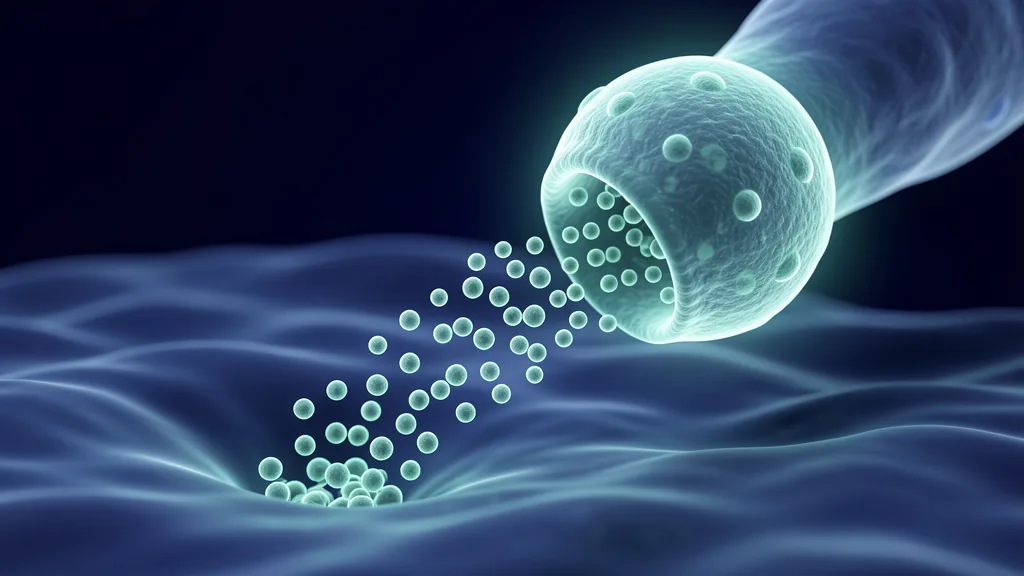
Pulmonary hypertension (PH) is not one disease but a family of conditions united by a single feature: abnormally high blood pressure in the arteries that carry blood from the right side of the heart through the lungs. Over time, the right ventricle works harder and harder against this resistance until it thickens, stiffens, and eventually fails — a sequence called right heart failure that remains the leading cause of death in PH patients. [1][2]
Where conventional treatments fall short. Current therapies — phosphodiesterase-5 inhibitors, endothelin receptor antagonists, prostacyclin analogs — target the vasoconstriction component of the disease. They relax blood vessels and can improve symptoms and exercise capacity for a time, but they do not reverse the underlying structural changes in the vessel wall. The disease continues to progress even when pressures are pharmacologically lowered.
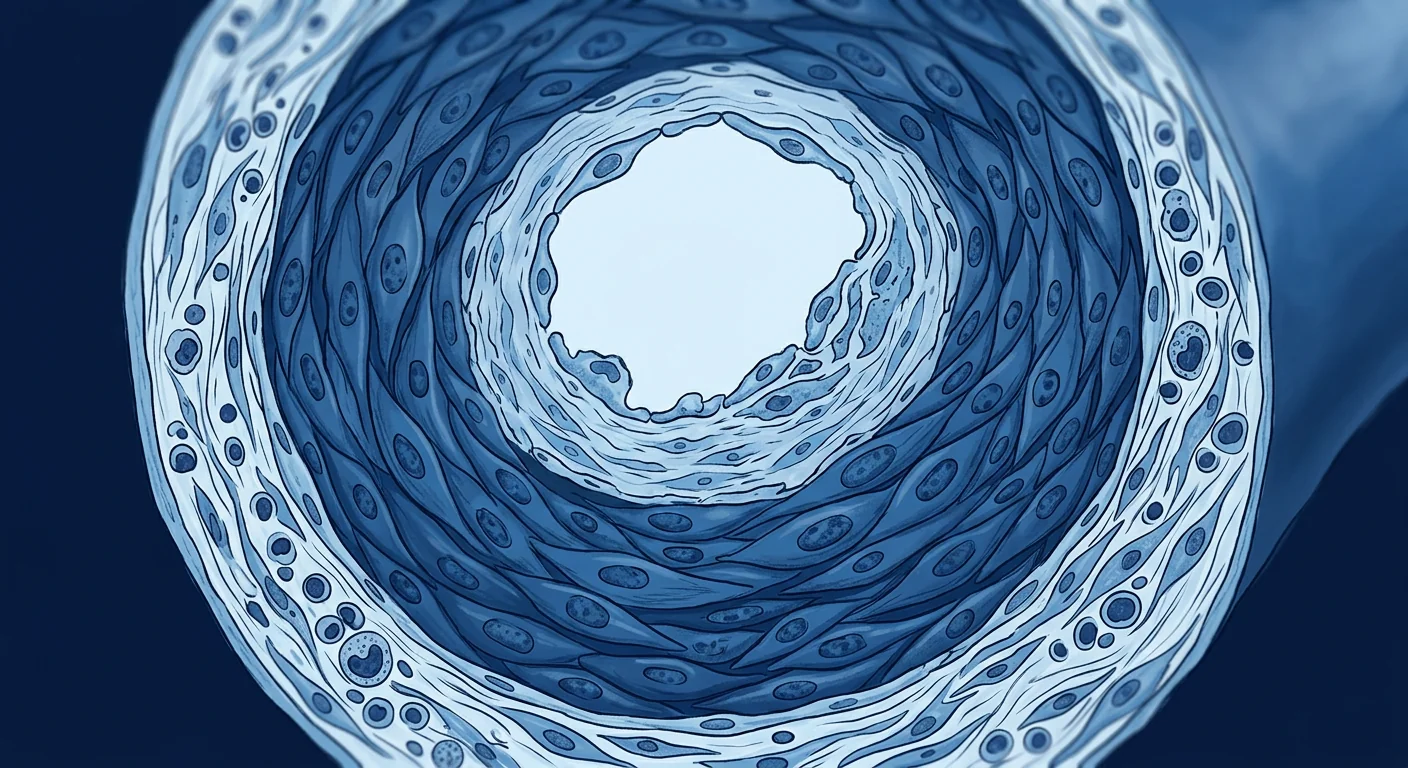
The deeper problem is structural. In pulmonary arterial hypertension (PAH), the most studied form, the small pulmonary arteries undergo a process of maladaptive remodeling: the smooth muscle layer thickens, endothelial cells proliferate abnormally, and inflammatory cells infiltrate the vessel wall. The lumen narrows, resistance climbs, and the right heart faces an ever-increasing afterload. This remodeling is driven by a complex interplay of endothelial dysfunction, unchecked inflammation, and dysregulated growth-factor signaling — a triad that existing drugs only partially address.
MSC therapy targets the biology driving the disease. Rather than simply dilating vessels, mesenchymal stem cells are being investigated for their potential to calm the inflammation, protect the endothelium, and shift the balance away from pathological remodeling. Preclinical work suggests MSCs can reduce pulmonary artery pressures, decrease right ventricular hypertrophy, and improve survival in experimental PH models — effects that go beyond what vasodilators alone can achieve.
What is pulmonary hypertension — and why is it so difficult to treat
Pulmonary hypertension is defined by a mean pulmonary arterial pressure (mPAP) above 20 mmHg at rest, measured by right heart catheterization — the gold-standard diagnostic tool. The World Health Organization classifies PH into five groups based on underlying cause: Group 1 (pulmonary arterial hypertension, or PAH), Group 2 (left heart disease), Group 3 (lung diseases and hypoxia), Group 4 (chronic thromboembolic PH), and Group 5 (miscellaneous). PAH — which includes idiopathic, heritable, and drug-induced forms — has been the primary focus of MSC research because its pathology is most clearly driven by intrinsic vascular remodeling and inflammation.
PAH is rare but devastating. Without treatment, median survival from diagnosis was historically less than three years. Modern combination therapy has improved outcomes considerably, yet five-year survival remains only about 60–65% in registry studies. The disease disproportionately affects women, often strikes in midlife, and imposes a heavy burden of breathlessness, fatigue, and progressive disability. The persistent mortality gap is what makes regenerative approaches — those that might alter the course of the disease rather than simply slow it — a research priority.
Key fact
Pulmonary hypertension affects an estimated 1% of the global population, rising to approximately 10% in those over 65. PAH specifically is rare — about 15–50 cases per million — but carries the highest mortality of the PH groups. The average age at diagnosis is 50–65 years, and women account for roughly 65–80% of PAH cases in most registries. [3]
Why mesenchymal stem cells are candidates for pulmonary hypertension
MSCs are the predominant cell type studied in PH because their biological profile maps directly onto the pathological triad of the disease: inflammation, endothelial injury, and smooth muscle proliferation. Importantly, the therapeutic rationale does not require MSCs to engraft long-term or differentiate into vascular cells. The prevailing hypothesis is that administered MSCs act through paracrine signaling — secreting a panel of bioactive factors that recalibrate the local environment. [4][5]
Anti-inflammatory action. MSCs suppress the activity of pro-inflammatory macrophages (M1 phenotype) and promote a shift toward the reparative M2 phenotype. They reduce levels of IL-6, TNF-α, and MCP-1 — cytokines that are elevated in PAH lungs and correlate with disease severity. In the monocrotaline rat model of PH, MSC infusion reduces perivascular inflammatory infiltrates and lowers circulating cytokine levels within days. [6][7]
Endothelial protection and repair. MSCs secrete vascular endothelial growth factor (VEGF), hepatocyte growth factor (HGF), and angiopoietin-1, which support endothelial cell survival and barrier function. In preclinical PH models, MSC treatment has been shown to reduce endothelial apoptosis and preserve capillary density in the lung — effects that may slow or partially reverse the obliterative arteriopathy that characterizes advanced disease.
Anti-proliferative effects on smooth muscle. Perhaps most relevant to PAH pathology, MSC-derived factors — including prostaglandin E2 (PGE2) and TSG-6 — directly inhibit the excessive proliferation and migration of pulmonary artery smooth muscle cells. This anti-remodeling effect has been demonstrated in vitro and in animal models, where MSC-conditioned medium alone (without cells) can reduce medial wall thickness. [8]
What the preclinical and early clinical evidence shows
The most compelling evidence for MSC therapy in PH comes from preclinical models — primarily the monocrotaline and chronic hypoxia rat models, and the Sugen/hypoxia model that more faithfully recapitulates human PAH pathology. Across dozens of studies, MSC administration has consistently reduced right ventricular systolic pressure, decreased right ventricular hypertrophy (measured as the Fulton index), and improved survival. These effects have been demonstrated with bone marrow-derived, adipose-derived, and umbilical cord-derived MSCs, and via intravenous, intraperitoneal, and intratracheal delivery routes.
Importantly, the effect size in animal models is often substantial — reductions in pulmonary artery pressure of 20–40% and survival improvements from roughly 30% to 70–80% in some studies — but the models have important limitations. Rodent PH resolves spontaneously in some cases, the disease course is compressed into weeks rather than years, and the inflammatory profile may not fully mirror human PAH. These are reasons for cautious optimism, not certainty.
Human data remain extremely limited. A small number of Phase I safety studies have been completed or are ongoing, primarily in PAH patients who remain symptomatic despite maximal medical therapy. These early studies — typically 6–20 patients, open-label — have reported no serious adverse events attributable to the cell product, and some have noted modest improvements in six-minute walk distance (6MWD) and quality-of-life scores. However, none have yet demonstrated statistically significant improvements in the harder endpoints: mPAP, pulmonary vascular resistance (PVR), or right ventricular function on echocardiography. [9][10]
The honest headline
As of mid-2026, no stem cell product is approved for any form of pulmonary hypertension. The scientific rationale is strong, the preclinical data are encouraging, and the early safety record is clean — but efficacy has not been proven in a randomized controlled trial. MSC therapy for PH is investigational, and any claim to the contrary overstates the evidence.

How outcomes are measured in pulmonary hypertension research
PH trials use rigorous, objective endpoints that go well beyond how a patient feels. The six-minute walk distance (6MWD) is the most common primary endpoint in Phase II/III PAH trials — a straightforward measure of functional capacity that correlates with daily activity. The WHO functional class (I–IV) categorizes symptom severity from no limitation (Class I) to symptoms at rest (Class IV), and improvement by one class is considered clinically meaningful. Mean pulmonary arterial pressure (mPAP) and pulmonary vascular resistance (PVR) — both measured by right heart catheterization — are the gold-standard hemodynamic endpoints. Echocardiographic measures of right ventricular size and function, and circulating biomarkers such as NT-proBNP, provide complementary information about cardiac strain. A therapy that genuinely alters the disease course should move several of these measures in a controlled comparison; MSC therapy has not yet done so consistently.
What the evidence supports — and what it does not
A fair reading of the current evidence supports several conclusions. MSC therapy for PH appears safe and well tolerated in the small populations studied so far — an essential prerequisite for any therapy administered to patients with fragile right heart function. The biological rationale is strong: MSC-derived factors address inflammation, endothelial dysfunction, and smooth muscle proliferation — all central to PAH pathology. Preclinical efficacy is consistent: dozens of animal studies report hemodynamic and survival benefits. What is missing is the translation of these findings into human efficacy data from randomized controlled trials.
Several open questions remain. The optimal cell source (bone marrow vs. umbilical cord vs. adipose), dose, and delivery route have not been established. The durability of any benefit is unknown — MSCs do not persist long-term in the lung, so repeated dosing may be required. Whether MSC therapy can reverse established vascular remodeling or is better positioned as an early intervention remains unclear. And the cost and complexity of cell manufacturing mean that even if efficacy is eventually proven, equitable access will be a challenge.
Pulmonary hypertension is a disease where the gap between what we can treat and what we can cure remains wide. MSC research offers a genuinely novel angle — targeting the vessel wall biology rather than just its tone — but the hard work of proving it in patients, with the rigor this disease demands, is still ahead.
— VELAR Clinical Team
Frequently Asked Questions
Can stem cells cure pulmonary hypertension?
No. As of 2026, no stem cell therapy has been proven to cure or reverse pulmonary hypertension in humans. MSC therapy is an investigational approach that has shown promise in preclinical models by reducing inflammation and vascular remodeling, but it has not demonstrated disease-modifying efficacy in randomized controlled trials. Any claim of a "cure" is not supported by evidence.
How does MSC therapy differ from conventional PH medications?
Conventional PH medications — sildenafil, bosentan, epoprostenol, and others — work primarily by dilating blood vessels to lower pulmonary artery pressure. They address the functional consequence of the disease (vasoconstriction) rather than its structural cause (vessel wall remodeling). MSC therapy, in theory, targets the inflammatory and proliferative processes that thicken and narrow the vessel wall itself — a fundamentally different and potentially complementary mechanism.
What is the cost of stem cell therapy for pulmonary hypertension in Thailand?
Because MSC therapy for PH is investigational and not an approved treatment, pricing structures are not standardized and vary by clinic, cell source, and protocol. At VELAR Center, we do not currently offer MSC therapy specifically for pulmonary hypertension pending stronger efficacy data. For approved regenerative indications, costs are discussed during a clinical consultation after medical assessment. Be cautious of any provider offering a fixed-price "PH stem cell package" — ethical care requires individual assessment, not a menu.
Are there clinical trials for stem cells in pulmonary hypertension?
Yes, a small number of early-phase clinical trials have evaluated MSC therapy in PAH. Most are Phase I safety studies with 6–20 patients, typically using intravenous or intra-arterial delivery of allogeneic MSCs. Results to date indicate safety and tolerability, with some signals of improved exercise capacity, but no trial has yet demonstrated statistically significant improvements in hemodynamic endpoints. Larger, randomized Phase II trials are needed and are anticipated.
How many MSC treatments are needed for pulmonary hypertension?
There is no established dosing protocol because MSC therapy for PH is not an approved treatment. Preclinical studies suggest that a single infusion may produce transient benefits lasting weeks, while repeat dosing may extend the effect — but this has not been validated in humans. The optimal number, interval, and dose of MSC administrations for PH remain open research questions. Any clinic claiming a specific protocol is extrapolating beyond the evidence.
Is stem cell therapy safe for patients with right heart failure?
The available safety data are reassuring but limited. In the small Phase I studies completed so far, MSC infusions have been well tolerated by PH patients, including those with compromised right ventricular function. No infusion-related serious adverse events — such as pulmonary embolism, arrhythmia, or acute decompensation — have been reported. However, these studies involved carefully selected patients under close monitoring; the safety profile in broader, real-world populations is unknown. Intravenous cell infusion always carries theoretical risks of microvascular occlusion, particularly in a pulmonary vascular bed already compromised by disease.
How to evaluate any offer responsibly
If you or someone you love is considering stem cell options for pulmonary hypertension, ask these questions. Is the approach part of a registered clinical trial with independent ethical oversight? What specific cell type and source are used? How are outcomes measured — 6MWD, WHO functional class, right heart catheterization data, or only subjective reports? What published peer-reviewed evidence supports the specific protocol being offered? Be skeptical of guaranteed results, percentage-based success claims without a cited source, and any framing that positions an experimental therapy as established treatment. A trustworthy provider will describe MSC therapy for PH as emerging research — and will never let enthusiasm outpace the data.
The VELAR perspective
At VELAR Center, we follow pulmonary hypertension cell-therapy research with genuine interest — the preclinical rationale is among the strongest in the regenerative medicine field, and the unmet need is profound. But we also recognize that PH patients are among the most vulnerable to false hope, given the relentlessly progressive nature of their disease. We do not offer MSC therapy specifically for pulmonary hypertension at this time, and we believe the only responsible position is to wait for randomized controlled evidence before doing so. If you want an honest conversation about what is known, what is unknown, and what regenerative medicine can realistically offer today, that conversation is always available at VELAR — without obligation, without exaggeration.
References
- Humbert M, Kovacs G, Hoeper MM, et al. 2022 ESC/ERS Guidelines for the diagnosis and treatment of pulmonary hypertension. European Heart Journal. 2022;43(38):3618-3731. doi:10.1093/eurheartj/ehac237 ↩
- Simonneau G, Montani D, Celermajer DS, et al. Haemodynamic definitions and updated clinical classification of pulmonary hypertension. European Respiratory Journal. 2019;53(1):1801913. doi:10.1183/13993003.01913-2018 ↩
- Hoeper MM, Humbert M, Souza R, et al. A global view of pulmonary hypertension. The Lancet Respiratory Medicine. 2016;4(4):306-322. doi:10.1016/S2213-2600(15)00543-3 ↩
- Uccelli A, Moretta L, Pistoia V. Mesenchymal stem cells in health and disease. Nature Reviews Immunology. 2008;8(9):726-736. doi:10.1038/nri2395 ↩
- Shi Y, Wang Y, Li Q, et al. Immunoregulatory mechanisms of mesenchymal stem and stromal cells in inflammatory diseases. Nature Reviews Nephrology. 2018;14(8):493-507. doi:10.1038/s41581-018-0023-5 ↩
- Spees JL, Lee RH, Gregory CA. Mechanisms of mesenchymal stem/stromal cell function. Stem Cell Research & Therapy. 2016;7(1):125. doi:10.1186/s13287-016-0363-7 ↩
- Pittenger MF, Discher DE, Péault BM, Phinney DG, Hare JM, Caplan AI. Mesenchymal stem cell perspective: cell biology to clinical progress. NPJ Regenerative Medicine. 2019;4:22. doi:10.1038/s41536-019-0083-6 ↩
- Fukumitsu M, Suzuki K. Mesenchymal stem/stromal cell therapy for pulmonary arterial hypertension: comprehensive review of preclinical studies. Stem Cells Translational Medicine. 2019;8(12):1231-1243. doi:10.1002/sctm.19-0168 ↩
- Suen CM, Zhai A, Lalu MM, et al. Efficacy and safety of regenerative cell therapy for pulmonary arterial hypertension in preclinical animal models: a preclinical systematic review. Circulation Research. 2019;125(8):709-724. doi:10.1161/CIRCRESAHA.119.314951 ↩
- Hansmann G, Fernandez-Gonzalez A, Aslam M, et al. Mesenchymal stem cell-mediated reversal of bronchopulmonary dysplasia and associated pulmonary hypertension. Pulmonary Circulation. 2012;2(2):170-181. doi:10.4103/2045-8932.97603 ↩
- Liang OD, Mitsialis SA, Chang MS, et al. Mesenchymal stromal cells expressing heme oxygenase-1 reverse pulmonary hypertension. Stem Cells. 2011;29(1):99-107. doi:10.1002/stem.561 ↩
- Chen JY, An R, Liu ZJ, et al. Therapeutic effects of mesenchymal stem cell-derived microvesicles on pulmonary arterial hypertension in rats. Acta Pharmacologica Sinica. 2014;35(9):1121-1128. doi:10.1038/aps.2014.61 ↩
- Liu J, Han Z, Han Z, He Z. Mesenchymal stem cell-conditioned media suppresses inflammation and overcomes transforming growth factor-beta-driven pulmonary arterial hypertension. Stem Cells and Development. 2016;25(5):406-414. doi:10.1089/scd.2015.0278 ↩
- Lalu MM, McIntyre L, Pugliese C, et al. Safety of cell therapy with mesenchymal stromal cells (SafeCell): a systematic review and meta-analysis. PLoS One. 2012;7(10):e47559. doi:10.1371/journal.pone.0047559 ↩
- Galipeau J, Sensébé L. Mesenchymal stromal cells: clinical challenges and therapeutic opportunities. Cell Stem Cell. 2018;22(6):824-833. doi:10.1016/j.stem.2018.05.004 ↩
参考文献
- Humbert M, Kovacs G, Hoeper MM, et al. 2022 ESC/ERS Guidelines for the diagnosis and treatment of pulmonary hypertension. European Heart Journal. 2022;43(38):3618-3731. doi:10.1093/eurheartj/ehac237 ↩
- Simonneau G, Montani D, Celermajer DS, et al. Haemodynamic definitions and updated clinical classification of pulmonary hypertension. European Respiratory Journal. 2019;53(1):1801913. doi:10.1183/13993003.01913-2018 ↩
- Hoeper MM, Humbert M, Souza R, et al. A global view of pulmonary hypertension. The Lancet Respiratory Medicine. 2016;4(4):306-322. doi:10.1016/S2213-2600(15)00543-3 ↩
- Uccelli A, Moretta L, Pistoia V. Mesenchymal stem cells in health and disease. Nature Reviews Immunology. 2008;8(9):726-736. doi:10.1038/nri2395 ↩
- Shi Y, Wang Y, Li Q, et al. Immunoregulatory mechanisms of mesenchymal stem and stromal cells in inflammatory diseases. Nature Reviews Nephrology. 2018;14(8):493-507. doi:10.1038/s41581-018-0023-5 ↩
- Spees JL, Lee RH, Gregory CA. Mechanisms of mesenchymal stem/stromal cell function. Stem Cell Research & Therapy. 2016;7(1):125. doi:10.1186/s13287-016-0363-7 ↩
- Pittenger MF, Discher DE, Péault BM, Phinney DG, Hare JM, Caplan AI. Mesenchymal stem cell perspective: cell biology to clinical progress. NPJ Regenerative Medicine. 2019;4:22. doi:10.1038/s41536-019-0083-6 ↩
- Fukumitsu M, Suzuki K. Mesenchymal stem/stromal cell therapy for pulmonary arterial hypertension: comprehensive review of preclinical studies. Stem Cells Translational Medicine. 2019;8(12):1231-1243. doi:10.1002/sctm.19-0168 ↩
- Suen CM, Zhai A, Lalu MM, et al. Efficacy and safety of regenerative cell therapy for pulmonary arterial hypertension in preclinical animal models: a preclinical systematic review. Circulation Research. 2019;125(8):709-724. doi:10.1161/CIRCRESAHA.119.314951 ↩
- Hansmann G, Fernandez-Gonzalez A, Aslam M, et al. Mesenchymal stem cell-mediated reversal of bronchopulmonary dysplasia and associated pulmonary hypertension. Pulmonary Circulation. 2012;2(2):170-181. doi:10.4103/2045-8932.97603 ↩
- Liang OD, Mitsialis SA, Chang MS, et al. Mesenchymal stromal cells expressing heme oxygenase-1 reverse pulmonary hypertension. Stem Cells. 2011;29(1):99-107. doi:10.1002/stem.561 ↩
- Chen JY, An R, Liu ZJ, et al. Therapeutic effects of mesenchymal stem cell-derived microvesicles on pulmonary arterial hypertension in rats. Acta Pharmacologica Sinica. 2014;35(9):1121-1128. doi:10.1038/aps.2014.61 ↩
- Liu J, Han Z, Han Z, He Z. Mesenchymal stem cell-conditioned media suppresses inflammation and overcomes transforming growth factor-beta-driven pulmonary arterial hypertension. Stem Cells and Development. 2016;25(5):406-414. doi:10.1089/scd.2015.0278 ↩
- Lalu MM, McIntyre L, Pugliese C, et al. Safety of cell therapy with mesenchymal stromal cells (SafeCell): a systematic review and meta-analysis. PLoS One. 2012;7(10):e47559. doi:10.1371/journal.pone.0047559 ↩
- Galipeau J, Sensébé L. Mesenchymal stromal cells: clinical challenges and therapeutic opportunities. Cell Stem Cell. 2018;22(6):824-833. doi:10.1016/j.stem.2018.05.004 ↩
肺动脉高压(PH)并非单一疾病,而是一组以同一特征为核心的疾病群:将血液从右心经肺输送的动脉血压异常升高。随着时间推移,右心室在此阻力下超负荷工作,直至增厚、僵硬并最终衰竭——这一过程称为右心衰竭,也是PH患者的主要死因。
常规治疗的局限。当前疗法——PDE5抑制剂、内皮素受体拮抗剂、前列环素类似物——针对的是疾病的血管收缩成分。它们能放松血管,一段时间内改善症状和运动能力,但无法逆转血管壁潜在的结构性变化。即使在药物降低压力的情况下,疾病仍持续进展。
更深层的问题是结构性。在最为研究的类型——肺动脉高压(PAH)中,小肺动脉经历异常的适应不良性重塑过程:平滑肌层增厚、内皮细胞异常增殖、炎症细胞浸润血管壁。管腔变窄,阻力升高,右心面临不断增加的后负荷。这种重塑由内皮功能障碍、未受控制的炎症和失调的生长因子信号的复杂相互作用驱动——现有药物仅能部分应对这三要素。
MSC疗法针对驱动疾病的生物学机制。间充质干细胞并非简单地扩张血管,而是因其抑制炎症、保护内皮并将平衡从病理性重塑转移的潜力而受到研究。临床前研究表明,MSC可降低肺动脉压、减少右心室肥厚并提高实验性PH模型的生存率——这些效果超出了单独使用血管扩张剂所能达到的范围。
什么是肺动脉高压——为何如此难以治疗
肺动脉高压的诊断标准是静息时平均肺动脉压(mPAP)高于20 mmHg,通过右心导管检查(金标准诊断工具)测量。世界卫生组织根据潜在病因将PH分为五组:第1组(肺动脉高压,PAH)、第2组(左心疾病)、第3组(肺疾病与缺氧)、第4组(慢性血栓栓塞性PH)和第5组(其他)。PAH——包括特发性、遗传性和药物诱导型——一直是MSC研究的主要焦点,因为其病理最明确地由内在血管重塑和炎症驱动。
PAH罕见但具毁灭性。历史上未经治疗的患者中位生存期不足三年。现代联合治疗已显著改善预后,但注册研究显示五年生存率仍仅约60–65%。该病在女性中更为常见,常于中年发病,给患者带来沉重的呼吸困难、疲劳和进行性失能的负担。持续存在的死亡率差距正是使再生医学方法——那些可能改变疾病进程而非仅仅减缓它的方法——成为研究重点的原因。
关键事实
肺动脉高压影响约1%的全球人口,65岁以上人群中升至约10%。PAH具体较为罕见——约每百万人15–50例——但在PH各组中死亡率最高。诊断平均年龄为50–65岁,女性占大多数注册研究中PAH病例的约65–80%。
为何间充质干细胞是肺动脉高压的候选疗法
MSC是PH中研究最多的细胞类型,因为其生物学特性直接对应疾病的三重病理:炎症、内皮损伤和平滑肌增殖。重要的是,治疗原理并不要求MSC长期植入或分化为血管细胞。主流假说是,给药的MSC通过旁分泌信号发挥作用——分泌一系列生物活性因子来重新校准局部环境。
抗炎作用。MSC抑制促炎巨噬细胞(M1表型)的活性,促进向修复性M2表型的转变。它们降低IL-6、TNF-α和MCP-1的水平——这些细胞因子在PAH肺中升高并与疾病严重程度相关。在大鼠野百合碱PH模型中,MSC输注可在数日内减少血管周围炎症浸润并降低循环细胞因子水平。
内皮保护与修复。MSC分泌血管内皮生长因子(VEGF)、肝细胞生长因子(HGF)和血管生成素-1,支持内皮细胞存活和屏障功能。在临床前PH模型中,MSC治疗已被证明可减少内皮细胞凋亡并保护肺毛细血管密度——这些效果可能减缓或部分逆转晚期疾病的闭塞性动脉病变。
对平滑肌的抗增殖作用。或许与PAH病理最相关的是,MSC来源的因子——包括前列腺素E2(PGE2)和TSG-6——直接抑制肺动脉平滑肌细胞的过度增殖和迁移。这种抗重塑作用已在体外和动物模型中得到证实,其中仅MSC条件培养基即可减少中膜壁厚度。
临床前与早期临床证据显示什么
MSC治疗PH最有力的证据来自临床前模型——主要是野百合碱和慢性缺氧大鼠模型,以及更忠实再现人类PAH病理的Sugen/缺氧模型。在数十项研究中,MSC给药持续降低了右心室收缩压,减少右心室肥厚(以Fulton指数衡量),并提高了生存率。这些效果已在骨髓来源、脂肪来源和脐带来源的MSC中,以及通过静脉、腹腔和气管内给药途径得到证实。
重要的是,动物模型中的效应量往往可观——肺动脉压降低20–40%,部分研究中的生存率从约30%提升至70–80%——但这些模型存在重要局限。啮齿动物PH在某些情况下可自行缓解,疾病进程被压缩至数周而非数年,且炎症特征可能不完全反映人类PAH。这些都是谨慎乐观而非确定性的理由。
人类数据仍然极为有限。少数I期安全性研究已经完成或正在进行,主要针对尽管接受最大药物治疗仍有症状的PAH患者。这些早期研究——通常6–20名患者,开放标签——未报告可归因于细胞产品的严重不良事件,部分研究注意到六分钟步行距离(6MWD)和生活质量评分的适度改善。然而,尚无研究证明在更硬的终点——mPAP、肺血管阻力(PVR)或超声心动图右心室功能方面——具有统计学显著改善。
诚实的标题
截至2026年中,尚无干细胞产品获批用于任何形式的肺动脉高压。科学原理强劲,临床前数据令人鼓舞,早期安全记录良好——但疗效尚未在随机对照试验中得到证实。PH的MSC疗法处于研究阶段,任何相反的声称都夸大了证据。
肺动脉高压研究中如何衡量结果
PH试验使用严格、客观的终点指标,远超患者主观感受。六分钟步行距离(6MWD)是II/III期PAH试验中最常见的主要终点——一项衡量功能能力的直接指标,与日常活动相关。WHO功能分级(I–IV级)将症状严重程度从无限制(I级)到静息时症状(IV级)进行分类,改善一级被认为具有临床意义。平均肺动脉压(mPAP)和肺血管阻力(PVR)——均通过右心导管测量——是血流动力学金标准终点。右心室大小和功能的超声心动图测量,以及循环生物标志物如NT-proBNP,提供了关于心脏负荷的补充信息。一种真正改变病程的疗法应在对照比较中改善其中多个指标;MSC疗法尚未一致地做到这一点。
证据支持什么——不支持什么
对当前证据的公正解读支持几个结论。MSC治疗PH在迄今为止研究的小规模人群中显得安全且耐受良好——对于右心功能脆弱的患者而言,这是任何疗法必须满足的基本前提。生物学原理强劲:MSC来源的因子针对炎症、内皮功能障碍和平滑肌增殖——这些均是PAH病理的核心。临床前疗效一致:数十项动物研究报告了血流动力学和生存获益。所缺失的是将这些发现转化为来自随机对照试验的人类疗效数据。
若干悬而未决的问题依然存在。最佳细胞来源(骨髓vs脐带vs脂肪)、剂量和给药途径尚未确定。任何获益的持久性未知——MSC不会在肺中长期存留,因此可能需要重复给药。MSC疗法能否逆转已确立的血管重塑,还是更适合作为早期干预,仍不清楚。细胞制造的复杂性和成本意味着即使疗效最终得到证实,公平可及仍将是一个挑战。
肺动脉高压是一种我们所能治疗与所能治愈之间差距依然巨大的疾病。MSC研究提供了一个真正新颖的角度——针对血管壁生物学而不仅仅是其张力——但在患者中以该疾病所要求的严谨性证明其价值,这项艰巨的工作仍在前面。
— VELAR 临床团队
常见问题解答
干细胞能治愈肺动脉高压吗?
不能。截至2026年,尚无干细胞疗法被证明能治愈或逆转人类肺动脉高压。MSC疗法是一种研究性方法,在临床前模型中通过减少炎症和血管重塑显示出前景,但尚未在随机对照试验中证明其疾病改善疗效。任何声称"治愈"的说法均无证据支持。
MSC疗法与常规PH药物有何不同?
常规PH药物——西地那非、波生坦、依前列醇等——主要通过扩张血管来降低肺动脉压。它们针对的是疾病的功能性后果(血管收缩)而非其结构性原因(血管壁重塑)。理论上,MSC疗法针对的是使血管壁增厚变窄的炎症和增殖过程——一种根本上不同且潜在互补的机制。
泰国肺动脉高压干细胞治疗费用是多少?
由于PH的MSC疗法处于研究阶段且非获批治疗,定价结构尚未标准化,因诊所、细胞来源和方案而异。在VELAR中心,我们目前不针对肺动脉高压专门提供MSC疗法,因为尚需更有力的疗效数据。对于获批的再生医学适应症,费用在医学评估后的临床咨询中讨论。对任何提供固定价格"PH干细胞套餐"的提供者保持警惕——伦理医疗需要个体化评估,而非菜单式定价。
是否有肺动脉高压干细胞的临床试验?
是的,已有少量早期临床试验评估了MSC在PAH中的应用。多数为I期安全性研究,6–20名患者,通常采用异体MSC的静脉或动脉内给药。迄今结果表明安全性和耐受性良好,部分研究中观察到运动能力改善的信号,但尚无试验证明在血流动力学终点方面具有统计学显著改善。更大规模的随机II期试验是必要的,且已被期待。
肺动脉高压需要多少次MSC治疗?
由于PH的MSC疗法并非获批治疗,尚无确立的给药方案。临床前研究表明,单次输注可能产生持续数周的短暂获益,而重复给药可能延长效果——但这尚未在人体中得到验证。MSC给药的最佳次数、间隔和剂量仍是开放的研究问题。任何声称拥有特定方案的诊所都超出了证据范围。
干细胞治疗对右心衰竭患者安全吗?
现有安全数据令人放心但有限。在迄今已完成的小型I期研究中,MSC输注在PH患者中耐受良好,包括右心室功能受损者。未报告输注相关严重不良事件——如肺栓塞、心律失常或急性失代偿。然而,这些研究涉及经过仔细筛选并在密切监测下的患者;在更广泛、真实世界人群中的安全性特征尚不清楚。静脉细胞输注始终存在微血管闭塞的理论风险,特别是在已因疾病受损的肺血管床中。
如何负责任地评估任何提议
如果您或您所爱之人正在考虑肺动脉高压的干细胞选择,请问这些问题。该方法是否属于具有独立伦理监督的注册临床试验?使用何种特定细胞类型和来源?如何衡量结果——6MWD、WHO功能分级、右心导管数据,还是仅凭主观报告?有哪些同行评审的已发表证据支持所提供方案?对保证的结果、没有引用来源的百分比成功率声称,以及任何将实验性疗法定位为成熟治疗的表述持怀疑态度。值得信赖的提供者会将PH的MSC疗法描述为新兴研究——绝不会让热情超越数据。
VELAR的观点
在VELAR中心,我们以真正的兴趣关注肺动脉高压细胞疗法的研究——其临床前原理在再生医学领域是最强劲的之一,而未被满足的需求极为深刻。但我们也认识到,PH患者属于最易受到虚假希望伤害的人群,因其疾病具有不可阻挡的进行性特征。我们目前不专门针对肺动脉高压提供MSC疗法,并相信唯一负责任的立场是在掌握随机对照证据之前等待。如果您想就已知、未知以及再生医学今天能实际提供什么进行一次诚实的对话,这一对话始终可在VELAR获得——无任何义务、无任何夸大。
المراجع
- Humbert M, Kovacs G, Hoeper MM, et al. 2022 ESC/ERS Guidelines for the diagnosis and treatment of pulmonary hypertension. European Heart Journal. 2022;43(38):3618-3731. doi:10.1093/eurheartj/ehac237 ↩
- Simonneau G, Montani D, Celermajer DS, et al. Haemodynamic definitions and updated clinical classification of pulmonary hypertension. European Respiratory Journal. 2019;53(1):1801913. doi:10.1183/13993003.01913-2018 ↩
- Hoeper MM, Humbert M, Souza R, et al. A global view of pulmonary hypertension. The Lancet Respiratory Medicine. 2016;4(4):306-322. doi:10.1016/S2213-2600(15)00543-3 ↩
- Uccelli A, Moretta L, Pistoia V. Mesenchymal stem cells in health and disease. Nature Reviews Immunology. 2008;8(9):726-736. doi:10.1038/nri2395 ↩
- Shi Y, Wang Y, Li Q, et al. Immunoregulatory mechanisms of mesenchymal stem and stromal cells in inflammatory diseases. Nature Reviews Nephrology. 2018;14(8):493-507. doi:10.1038/s41581-018-0023-5 ↩
- Spees JL, Lee RH, Gregory CA. Mechanisms of mesenchymal stem/stromal cell function. Stem Cell Research & Therapy. 2016;7(1):125. doi:10.1186/s13287-016-0363-7 ↩
- Pittenger MF, Discher DE, Péault BM, Phinney DG, Hare JM, Caplan AI. Mesenchymal stem cell perspective: cell biology to clinical progress. NPJ Regenerative Medicine. 2019;4:22. doi:10.1038/s41536-019-0083-6 ↩
- Fukumitsu M, Suzuki K. Mesenchymal stem/stromal cell therapy for pulmonary arterial hypertension: comprehensive review of preclinical studies. Stem Cells Translational Medicine. 2019;8(12):1231-1243. doi:10.1002/sctm.19-0168 ↩
- Suen CM, Zhai A, Lalu MM, et al. Efficacy and safety of regenerative cell therapy for pulmonary arterial hypertension in preclinical animal models: a preclinical systematic review. Circulation Research. 2019;125(8):709-724. doi:10.1161/CIRCRESAHA.119.314951 ↩
- Hansmann G, Fernandez-Gonzalez A, Aslam M, et al. Mesenchymal stem cell-mediated reversal of bronchopulmonary dysplasia and associated pulmonary hypertension. Pulmonary Circulation. 2012;2(2):170-181. doi:10.4103/2045-8932.97603 ↩
- Liang OD, Mitsialis SA, Chang MS, et al. Mesenchymal stromal cells expressing heme oxygenase-1 reverse pulmonary hypertension. Stem Cells. 2011;29(1):99-107. doi:10.1002/stem.561 ↩
- Chen JY, An R, Liu ZJ, et al. Therapeutic effects of mesenchymal stem cell-derived microvesicles on pulmonary arterial hypertension in rats. Acta Pharmacologica Sinica. 2014;35(9):1121-1128. doi:10.1038/aps.2014.61 ↩
- Liu J, Han Z, Han Z, He Z. Mesenchymal stem cell-conditioned media suppresses inflammation and overcomes transforming growth factor-beta-driven pulmonary arterial hypertension. Stem Cells and Development. 2016;25(5):406-414. doi:10.1089/scd.2015.0278 ↩
- Lalu MM, McIntyre L, Pugliese C, et al. Safety of cell therapy with mesenchymal stromal cells (SafeCell): a systematic review and meta-analysis. PLoS One. 2012;7(10):e47559. doi:10.1371/journal.pone.0047559 ↩
- Galipeau J, Sensébé L. Mesenchymal stromal cells: clinical challenges and therapeutic opportunities. Cell Stem Cell. 2018;22(6):824-833. doi:10.1016/j.stem.2018.05.004 ↩
ارتفاع ضغط الدم الرئوي (PH) ليس مرضاً واحداً بل مجموعة من الحالات تجمعها سمة واحدة: ارتفاع غير طبيعي في ضغط الدم في الشرايين التي تحمل الدم من الجانب الأيمن للقلب عبر الرئتين. ومع مرور الوقت، يعمل البطين الأيمن بجهد متزايد ضد هذه المقاومة حتى يتسمك ويتصلب ويفشل في النهاية — وهو تسلسل يسمى فشل القلب الأيمن ويظل السبب الرئيسي للوفاة لدى مرضى PH.
أوجه قصور العلاجات التقليدية. تستهدف العلاجات الحالية — مثبطات PDE5 ومضادات مستقبلات الإندوثيلين ونظائر البروستاسيكلين — عنصر التضيق الوعائي للمرض. وهي ترخي الأوعية الدموية ويمكنها تحسين الأعراض والقدرة على التمرين لفترة، لكنها لا تعكس التغيرات البنيوية الكامنة في جدار الوعاء. يستمر المرض في التقدم حتى عندما تنخفض الضغوط دوائياً.
المشكلة الأعمق بنيوية. في فرط ضغط الدم الشرياني الرئوي (PAH) — وهو أكثر الأنواع دراسةً — تخضع الشرايين الرئوية الصغيرة لعملية إعادة تشكيل غير تكيفية: تتسمك طبقة العضلات الملساء، وتتكاثر الخلايا البطانية بشكل غير طبيعي، وتتسلل الخلايا الالتهابية إلى جدار الوعاء. يضيق التجويف، وترتفع المقاومة، ويواجه القلب الأيمن حملاً لاحقاً متزايداً باستمرار. وتحرك إعادة التشكيل هذه تفاعلات معقدة من خلل البطانة والالتهاب غير المضبوط وإشارات عوامل النمو المختلة — وهو ثالوث لا تعالجه الأدوية الحالية إلا جزئياً.
يستهدف علاج MSC البيولوجيا المحركة للمرض. بدلاً من مجرد توسيع الأوعية، يتم البحث في الخلايا الجذعية الوسيطة لقدرتها على تهدئة الالتهاب وحماية البطانة وتحويل التوازن بعيداً عن إعادة التشكيل المرضي. وتشير الدراسات قبل السريرية إلى أن MSCs يمكنها خفض ضغوط الشريان الرئوي، وتقليل تضخم البطين الأيمن، وتحسين البقاء في نماذج PH التجريبية — وهي تأثيرات تتجاوز ما يمكن لموسعات الأوعية وحدها تحقيقه.
ما هو فرط ضغط الدم الرئوي — ولماذا يصعب علاجه
يُعرَّف فرط ضغط الدم الرئوي بمتوسط ضغط الشريان الرئوي (mPAP) أعلى من 20 مم زئبق في الراحة، مقاساً بقسطرة القلب اليمنى — أداة التشخيص المعيارية الذهبية. تصنف منظمة الصحة العالمية PH إلى خمس مجموعات بناءً على السبب الكامن: المجموعة 1 (فرط ضغط الدم الشرياني الرئوي، PAH)، المجموعة 2 (مرض القلب الأيسر)، المجموعة 3 (أمراض الرئة ونقص الأكسجة)، المجموعة 4 (PH الانصمامي الخثاري المزمن)، والمجموعة 5 (متنوعات). كان PAH — الذي يشمل الأشكال مجهولة السبب والوراثية والمحرضة بالأدوية — المحور الرئيسي لأبحاث MSC لأن أمراضيته تندفع بوضوح أكبر بإعادة التشكيل الوعائي الذاتي والالتهاب.
PAH نادر لكنه مدمر. بدون علاج، كان البقاء المتوسط تاريخياً أقل من ثلاث سنوات. وقد حسَّن العلاج المركب الحديث النتائج بشكل كبير، ومع ذلك يظل البقاء لخمس سنوات حوالي 60–65% فقط في دراسات السجلات. يصيب المرض النساء بشكل غير متناسب، وغالباً ما يبدأ في منتصف العمر، ويفرض عبئاً ثقيلاً من ضيق التنفس والإرهاق والعجز المتقدم. فجوة الوفيات المستمرة هي ما يجعل المقاربات التجديدية — تلك التي قد تغير مسار المرض بدلاً من مجرد إبطائه — أولوية بحثية.
حقيقة رئيسية
يصيب فرط ضغط الدم الرئوي حوالي 1% من سكان العالم، ويرتفع إلى نحو 10% لدى من تجاوزوا 65 عاماً. PAH تحديداً نادر — حوالي 15–50 حالة لكل مليون — لكنه يحمل أعلى معدل وفيات بين مجموعات PH. متوسط العمر عند التشخيص 50–65 عاماً، وتمثل النساء حوالي 65–80% من حالات PAH في معظم السجلات.
لماذا الخلايا الجذعية الوسيطة مرشحة لفرط ضغط الدم الرئوي
MSCs هي أكثر أنواع الخلايا دراسةً في PH لأن ملامحها البيولوجية تنطبق مباشرةً على الثالوث المرضي للمرض: الالتهاب، وإصابة البطانة، وتكاثر العضلات الملساء. والأهم أن الأساس المنطقي العلاجي لا يتطلب من MSCs أن تنغرس طويلاً أو تتمايز إلى خلايا وعائية. فالفرضية السائدة هي أن MSCs المعطاة تعمل عبر الإشارات شبه الصماوية — حيث تفرز مجموعة من العوامل النشطة بيولوجياً تعيد ضبط البيئة المحلية.
الفعل المضاد للالتهاب. تثبط MSCs نشاط البالعات الكبيرة المحرضة للالتهاب (النمط الظاهري M1) وتعزز التحول نحو النمط M2 الإصلاحي. وتخفض مستويات IL-6 وTNF-α وMCP-1 — وهي سيتوكينات ترتفع في رئات PAH وترتبط بشدة المرض. في نموذج الفئران بالمونوكروتالين لـ PH، يقلل حقن MSC من الارتشاحات الالتهابية حول الوعائية ويخفض مستويات السيتوكينات الدورانية خلال أيام.
حماية البطانة وإصلاحها. تفرز MSCs عامل نمو بطانة الأوعية (VEGF) وعامل نمو الخلايا الكبدية (HGF) والأنجيوبويتين-1، التي تدعم بقاء الخلايا البطانية ووظيفة الحاجز. وفي نماذج PH قبل السريرية، ثبت أن علاج MSC يقلل من استماتة الخلايا البطانية ويحافظ على كثافة الشعيرات في الرئة — وهي تأثيرات قد تبطئ أو تعكس جزئياً الاعتلال الشرياني المسدّ الذي يميز المرض المتقدم.
التأثيرات المضادة للتكاثر على العضلات الملساء. ربما الأكثر صلة بأمراضية PAH، أن العوامل المشتقة من MSC — بما فيها البروستاغلاندين E2 (PGE2) وTSG-6 — تثبط مباشرةً التكاثر والهجرة المفرطين لخلايا العضلات الملساء للشريان الرئوي. وقد ثبت هذا التأثير المضاد لإعادة التشكيل في المختبر وفي نماذج حيوانية، حيث يمكن لوسط مستنبت MSC وحده (بدون خلايا) أن يقلل سماكة جدار الطبقة الوسطى.
ما تظهره الأدلة قبل السريرية والسريرية المبكرة
أقوى دليل على علاج MSC في PH يأتي من النماذج قبل السريرية — وبشكل رئيسي نموذج الفئران بالمونوكروتالين ونقص الأكسجة المزمن، ونموذج Sugen/نقص الأكسجة الذي يعيد إنتاج أمراضية PAH البشرية بأمانة أكبر. عبر عشرات الدراسات، خفّض إعطاء MSC باستمرار ضغط البطين الأيمن الانقباضي، وقلل تضخم البطين الأيمن (مقاساً بمؤشر Fulton)، وحسّن البقاء. وقد ثبتت هذه التأثيرات مع MSCs المشتقة من نخاع العظم والنسيج الدهني والحبل السري، وعبر طرق الإعطاء الوريدي وداخل الصفاق وداخل الرغامى.
المهم أن حجم التأثير في النماذج الحيوانية غالباً ما يكون كبيراً — انخفاضات في ضغط الشريان الرئوي بنسبة 20–40% وتحسينات في البقاء من نحو 30% إلى 70–80% في بعض الدراسات — لكن للنماذج حدوداً مهمة. يزول PH القارض تلقائياً في بعض الحالات، ومساق المرض مضغوط إلى أسابيع بدلاً من سنوات، وقد لا يعكس المظهر الالتهابي PAH البشري تماماً. هذه أسباب للتفاؤل الحذر، وليس لليقين.
تظل البيانات البشرية محدودة للغاية. تم إكمال أو يجري العمل على عدد صغير من دراسات السلامة من المرحلة الأولى، وبشكل رئيسي لدى مرضى PAH الذين يظلون عرضيين رغم العلاج الدوائي الأقصى. هذه الدراسات المبكرة — عادةً 6–20 مريضاً، مفتوحة التسمية — لم تبلغ عن أحداث ضائرة خطيرة تُعزى إلى المنتج الخلوي، ولاحظ بعضها تحسنات متواضعة في مسافة المشي لست دقائق (6MWD) ودرجات جودة الحياة. لكن لم تثبت أي منها بعد تحسنات ذات دلالة إحصائية في النقاط النهائية الأصعب: mPAP، أو المقاومة الوعائية الرئوية (PVR)، أو وظيفة البطين الأيمن بتخطيط صدى القلب.
العنوان الصادق
حتى منتصف 2026، لا يوجد منتج خلايا جذعية معتمد لأي شكل من أشكال فرط ضغط الدم الرئوي. الأساس المنطقي العلمي قوي، والبيانات قبل السريرية مشجعة، وسجل السلامة المبكر نظيف — لكن الفاعلية لم تثبت في تجربة عشوائية مضبوطة. علاج MSC لـ PH بحثي تجريبي، وأي ادعاء بعكس ذلك يبالغ في تقدير الأدلة.
كيف تقاس النتائج في أبحاث فرط ضغط الدم الرئوي
تستخدم تجارب PH نقاطاً نهائية صارمة وموضوعية تتجاوز بكثير ما يشعر به المريض. مسافة المشي لست دقائق (6MWD) هي النقطة النهائية الأولية الأكثر شيوعاً في تجارب PAH من المرحلتين II/III — وهو مقياس مباشر للقدرة الوظيفية يرتبط بالنشاط اليومي. الصنف الوظيفي لمنظمة الصحة العالمية (I–IV) يصنف شدة الأعراض من عدم وجود قيود (الصنف I) إلى أعراض في الراحة (الصنف IV)، ويعتبر التحسن بصنف واحد ذا مغزى سريري. متوسط ضغط الشريان الرئوي (mPAP) والمقاومة الوعائية الرئوية (PVR) — وكلاهما يقاس بقسطرة القلب اليمنى — هما النقطتان النهائيتان الديناميكيتان الدمويتان المعياريتان الذهبيتان. وتوفر مقاييس تخطيط صدى القلب لحجم البطين الأيمن ووظيفته، والمؤشرات الحيوية الدورانية مثل NT-proBNP، معلومات تكميلية عن إجهاد القلب. العلاج الذي يغير مسار المرض حقاً يجب أن يحرك عدة مقاييس من هذه في مقارنة مضبوطة؛ وعلاج MSC لم يفعل ذلك بعد بشكل متسق.
ما تدعمه الأدلة — وما لا تدعمه
القراءة المنصفة للأدلة الحالية تدعم عدة استنتاجات. يبدو علاج MSC لـ PH آمناً وجيد التحمل في المجموعات السكانية الصغيرة المدروسة حتى الآن — وهو شرط أساسي لأي علاج يعطى لمرضى بوظيفة قلب أيمن هشة. الأساس المنطقي البيولوجي قوي: تعالج العوامل المشتقة من MSC الالتهاب وخلل البطانة وتكاثر العضلات الملساء — وكلها محورية في أمراضية PAH. الفاعلية قبل السريرية متسقة: عشرات الدراسات الحيوانية تبلغ عن فوائد ديناميكية دموية وفي البقاء. المفقود هو ترجمة هذه النتائج إلى بيانات فاعلية بشرية من تجارب عشوائية مضبوطة.
تبقى عدة أسئلة مفتوحة. لم يُحدد المصدر الخلوي الأمثل (نخاع العظم مقابل الحبل السري مقابل النسيج الدهني) ولا الجرعة ولا طريق الإعطاء. ومدة استمرارية أي فائدة غير معروفة — MSCs لا تبقى طويلاً في الرئة، لذا قد يتطلب الأمر جرعات متكررة. ويبقى غير واضح ما إذا كان علاج MSC يمكنه عكس إعادة التشكيل الوعائي المستقر أم أنه في موقع أفضل كتدخل مبكر. وتعقيد وتكلفة تصنيع الخلايا تعني أنه حتى لو ثبتت الفاعلية في النهاية، فسيكون الوصول العادل تحدياً.
فرط ضغط الدم الرئوي مرض تظل فيه الفجوة بين ما يمكننا علاجه وما يمكننا شفاؤه واسعة. يقدم بحث MSC زاوية جديدة حقاً — تستهدف بيولوجيا جدار الوعاء بدلاً من مجرد توتره — لكن العمل الشاق لإثباته في المرضى، بالصرامة التي يتطلبها هذا المرض، لا يزال أمامنا.
— الفريق السريري في VELAR
الأسئلة الشائعة
هل يمكن للخلايا الجذعية شفاء فرط ضغط الدم الرئوي؟
لا. حتى عام 2026، لم يثبت أي علاج بالخلايا الجذعية قدرته على شفاء أو عكس فرط ضغط الدم الرئوي لدى البشر. علاج MSC هو نهج بحثي تجريبي أظهر وعداً في النماذج قبل السريرية عبر تقليل الالتهاب وإعادة التشكيل الوعائي، لكنه لم يثبت فاعلية معدِّلة للمرض في تجارب عشوائية مضبوطة. أي ادعاء بـ"شفاء" لا تدعمه الأدلة.
كيف يختلف علاج MSC عن أدوية PH التقليدية؟
تعمل أدوية PH التقليدية — السيلدينافيل والبوسنتان والإيبوبروستينول وغيرها — بشكل رئيسي عبر توسيع الأوعية الدموية لخفض ضغط الشريان الرئوي. وهي تستهدف النتيجة الوظيفية للمرض (التضيق الوعائي) بدلاً من سببه البنيوي (إعادة تشكيل جدار الوعاء). ويستهدف علاج MSC، نظرياً، العمليات الالتهابية والتكاثرية التي تسمك وتضيق جدار الوعاء نفسه — وهي آلية مختلفة جوهرياً ويحتمل أن تكون مكملة.
ما تكلفة العلاج بالخلايا الجذعية لفرط ضغط الدم الرئوي في تايلاند؟
نظراً لأن علاج MSC لـ PH بحثي تجريبي وليس علاجاً معتمداً، فإن هياكل التسعير غير موحدة وتختلف حسب العيادة ومصدر الخلايا والبروتوكول. في مركز VELAR، لا نقدم حالياً علاج MSC تحديداً لفرط ضغط الدم الرئوي بانتظار بيانات فاعلية أقوى. بالنسبة للاستطبابات التجديدية المعتمدة، تُناقش التكاليف خلال استشارة سريرية بعد التقييم الطبي. كن حذراً من أي مقدم يقدم "باقة خلايا جذعية لـ PH" بسعر ثابت — الرعاية الأخلاقية تتطلب تقييماً فردياً، وليس قائمة أسعار.
هل توجد تجارب سريرية للخلايا الجذعية في فرط ضغط الدم الرئوي؟
نعم، قيّم عدد صغير من التجارب السريرية المبكرة الطور علاج MSC في PAH. معظمها دراسات سلامة من المرحلة الأولى تشمل 6–20 مريضاً، وتستخدم عادةً إعطاء MSCs خيفية عبر الوريد أو داخل الشريان. وتشير النتائج حتى الآن إلى السلامة والتحمل، مع بعض إشارات تحسن القدرة على التمرين، لكن لم تثبت أي تجربة بعد تحسنات ذات دلالة إحصائية في النقاط النهائية الديناميكية الدموية. ثمة حاجة لتجارب أكبر عشوائية من المرحلة الثانية وهي متوقعة.
كم عدد علاجات MSC المطلوبة لفرط ضغط الدم الرئوي؟
لا يوجد بروتوكول جرعات محدد لأن علاج MSC لـ PH ليس علاجاً معتمداً. تشير الدراسات قبل السريرية إلى أن حقنة واحدة قد تنتج فوائد عابرة تدوم أسابيع، بينما قد تطيل الجرعات المتكررة التأثير — لكن هذا لم يُثبت صحته لدى البشر. ويظل العدد والفاصل والجرعة المثلى لإعطاء MSC لـ PH أسئلة بحثية مفتوحة. أي عيادة تدعي وجود بروتوكول محدد تتجاوز الأدلة.
هل العلاج بالخلايا الجذعية آمن للمرضى المصابين بفشل القلب الأيمن؟
بيانات السلامة المتاحة مطمئنة لكنها محدودة. في دراسات المرحلة الأولى الصغيرة المكتملة حتى الآن، تم تحمل حقن MSC جيداً من قبل مرضى PH، بمن فيهم ذوو وظيفة البطين الأيمن المتضررة. لم يُبلغ عن أحداث ضائرة خطيرة متعلقة بالحقن — مثل الانصمام الرئوي أو اضطراب النظم أو المعاوضة الحادة. لكن هذه الدراسات شملت مرضى مختارين بعناية تحت مراقبة دقيقة؛ ومعلومة السلامة في مجموعات سكانية أوسع وفي العالم الحقيقي غير معروفة. الحقن الوريدي للخلايا يحمل دائماً مخاطر نظرية للانسداد الوعائي المجهري، خاصة في سرير وعائي رئوي متضرر أصلاً بالمرض.
كيف تقيّم أي عرض بمسؤولية
إذا كنت أنت أو شخص تحبه تفكر في خيارات الخلايا الجذعية لفرط ضغط الدم الرئوي، فاسأل هذه الأسئلة. هل النهج جزء من تجربة سريرية مسجلة بإشراف أخلاقي مستقل؟ ما نوع الخلايا ومصدرها المستخدم تحديداً؟ كيف تقاس النتائج — 6MWD، الصنف الوظيفي لمنظمة الصحة العالمية، بيانات قسطرة القلب اليمنى، أم تقارير ذاتية فقط؟ ما الدليل المنشور المحكّم الذي يدعم البروتوكول المحدد المعروض؟ كن متشككاً تجاه النتائج المضمونة، وادعاءات النجاح المبنية على نسب مئوية بدون مصدر مذكور، وأي صياغة تضع علاجاً تجريبياً في موضع علاج راسخ. سيصف المزود الموثوق علاج MSC لـ PH بأنه بحث ناشئ — ولن يدع الحماس يتجاوز البيانات أبداً.
منظور VELAR
في مركز VELAR، نتابع أبحاث العلاج الخلوي لفرط ضغط الدم الرئوي باهتمام حقيقي — فأساسه المنطقي قبل السريري من بين الأقوى في مجال الطب التجديدي، والحاجة غير الملباة عميقة. لكننا ندرك أيضاً أن مرضى PH هم من بين الأكثر عرضة للأمل الكاذب، نظراً للطبيعة التقدمية التي لا ترحم لمرضهم. لا نقدم علاج MSC تحديداً لفرط ضغط الدم الرئوي في هذا الوقت، ونؤمن بأن الموقف المسؤول الوحيد هو انتظار أدلة عشوائية مضبوطة قبل القيام بذلك. إذا أردت حواراً صادقاً حول ما هو معروف، وما هو مجهول، وما يمكن للطب التجديدي تقديمه واقعياً اليوم، فهذا الحوار متاح دائماً في VELAR — بدون التزام، وبدون مبالغة.