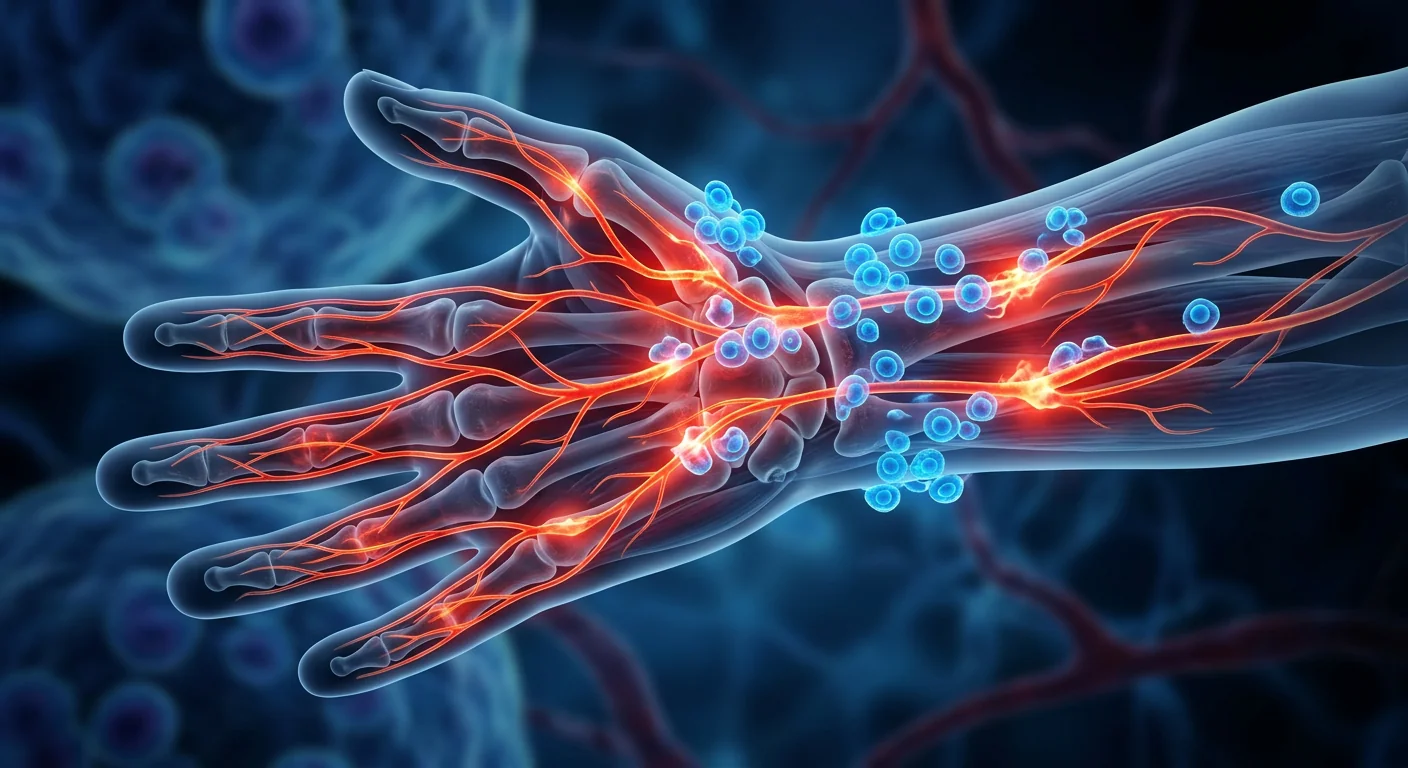
Complex Regional Pain Syndrome (CRPS) is among the most debilitating chronic pain conditions in clinical medicine. Following what is often a trivial injury — a sprained ankle, a wrist fracture, a minor surgery — the nervous system mounts a disproportionate, sustained inflammatory response that produces pain far exceeding what the original tissue damage would predict. The Budapest diagnostic criteria capture the cardinal features: continuous pain that is disproportionate to any inciting event, combined with sensory (hyperalgesia, allodynia), vasomotor (temperature asymmetry, skin color changes), sudomotor (edema, sweating changes), and motor/trophic (reduced range of motion, weakness, trophic skin changes) disturbances. Estimated incidence ranges from 5 to 26 per 100,000 person-years, with a 3–4:1 female predominance. For the subset of patients whose CRPS becomes chronic — persisting beyond 12 months despite multimodal therapy including physical therapy, graded motor imagery, pharmacologic neuromodulation (gabapentinoids, bisphosphonates, ketamine), and sympathetic blocks — the prognosis is poor. Mesenchymal stem cell (MSC) therapy has entered this difficult therapeutic space with a mechanistically compelling approach: rather than blocking pain signals at the receptor level, it aims to resolve the underlying neuroinflammatory dysfunction that keeps the pain loop running [1].
What Is Complex Regional Pain Syndrome?
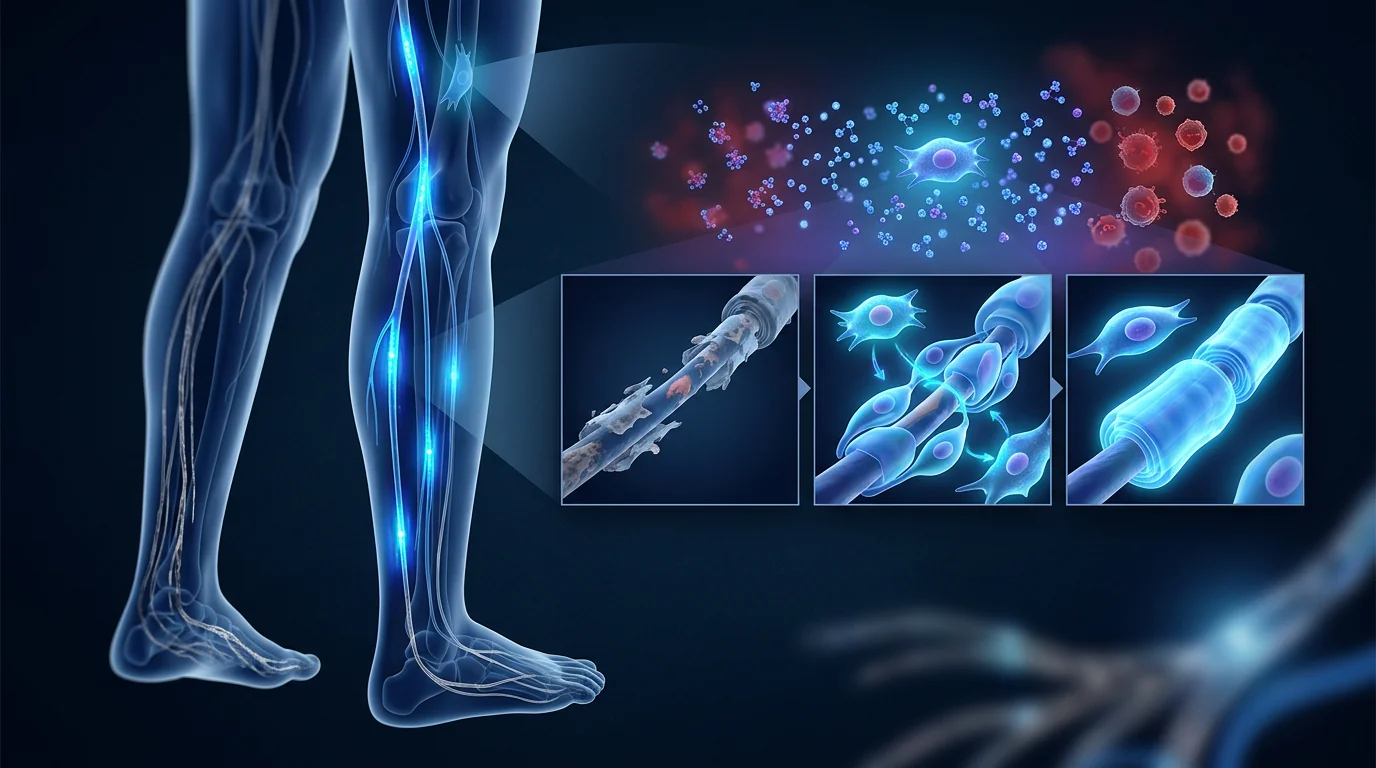
CRPS is a neuroinflammatory disorder of the sympathetic nervous system in which the normal coupling between tissue injury, inflammation, and pain resolution becomes pathologically uncoupled. Rather than the inflammation resolving as tissue heals, a self-perpetuating cycle of neurogenic inflammation, central sensitization, and autonomic dysregulation takes hold [2].
The key pathological features of CRPS include: peripheral and central sensitization — neurons in the affected limb and spinal cord become hyperexcitable, responding to normally innocuous stimuli as if they were painful (allodynia); neurogenic inflammation — neuropeptides including substance P and calcitonin gene-related peptide (CGRP) are released from primary afferent nociceptors, driving vasodilation, plasma extravasation, and immune cell recruitment; sympathetic dysregulation — α-adrenergic receptors are upregulated on nociceptors, and sympathetic nerve sprouting occurs in the DRG, creating a pathological coupling between sympathetic outflow and pain signaling; and central reorganization — functional MRI studies show shrinkage of the cortical representation of the affected limb in the primary somatosensory cortex, correlating with pain intensity and contributing to the motor and sensory neglect-like phenomena that characterize CRPS [3].
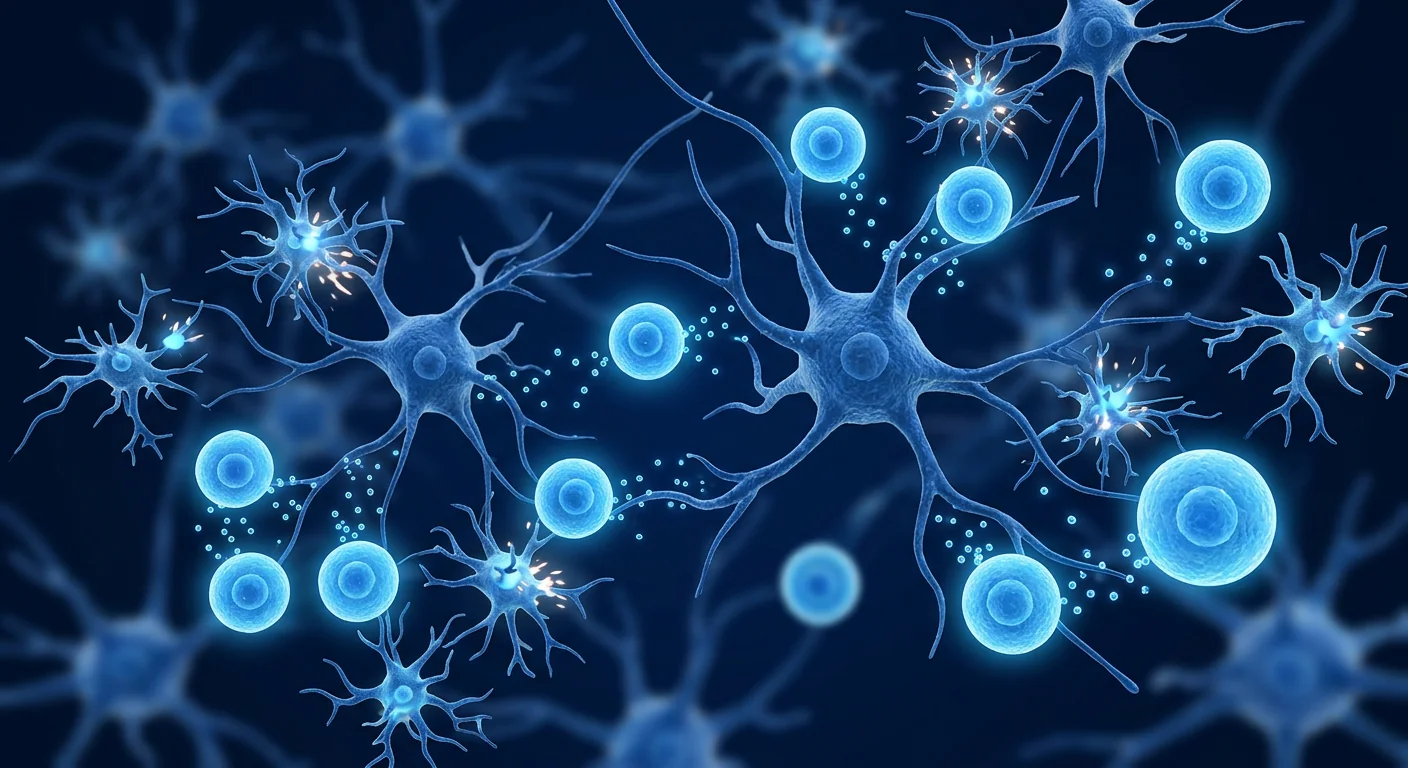
At the cellular level, the picture is one of persistent neuroinflammation. Activated microglia and astrocytes in the spinal cord dorsal horn release pro-inflammatory cytokines — IL-1β, TNF-α, IL-6 — that sensitize nociceptive neurons. Macrophages and mast cells infiltrate the affected limb tissues. This inflammatory milieu is both a driver and a consequence of the pain state: pain signals activate immune cells, which release inflammatory mediators, which amplify pain signals.
How MSCs Target CRPS Pathophysiology
Mesenchymal stem cells influence CRPS through at least five interconnected mechanisms, each targeting a distinct node in the pathological cascade:
1. Microglial and astrocytic deactivation. Spinal microgliosis and astrogliosis are hallmarks of CRPS and other neuropathic pain states. MSCs secrete TSG-6 (TNF-α stimulated gene 6 protein), which directly suppresses microglial activation by inhibiting the TLR2/NF-κB pathway. MSC-conditioned medium has been shown to convert activated microglia from a pro-inflammatory (M1-like) to an anti-inflammatory (M2-like) phenotype, with reduced expression of IL-1β, TNF-α, and iNOS and increased expression of IL-10, arginase-1, and CD206 [4]. This mechanism is particularly relevant to CRPS because the glial-neuronal inflammatory loop in the spinal cord is thought to be the primary driver of central sensitization.
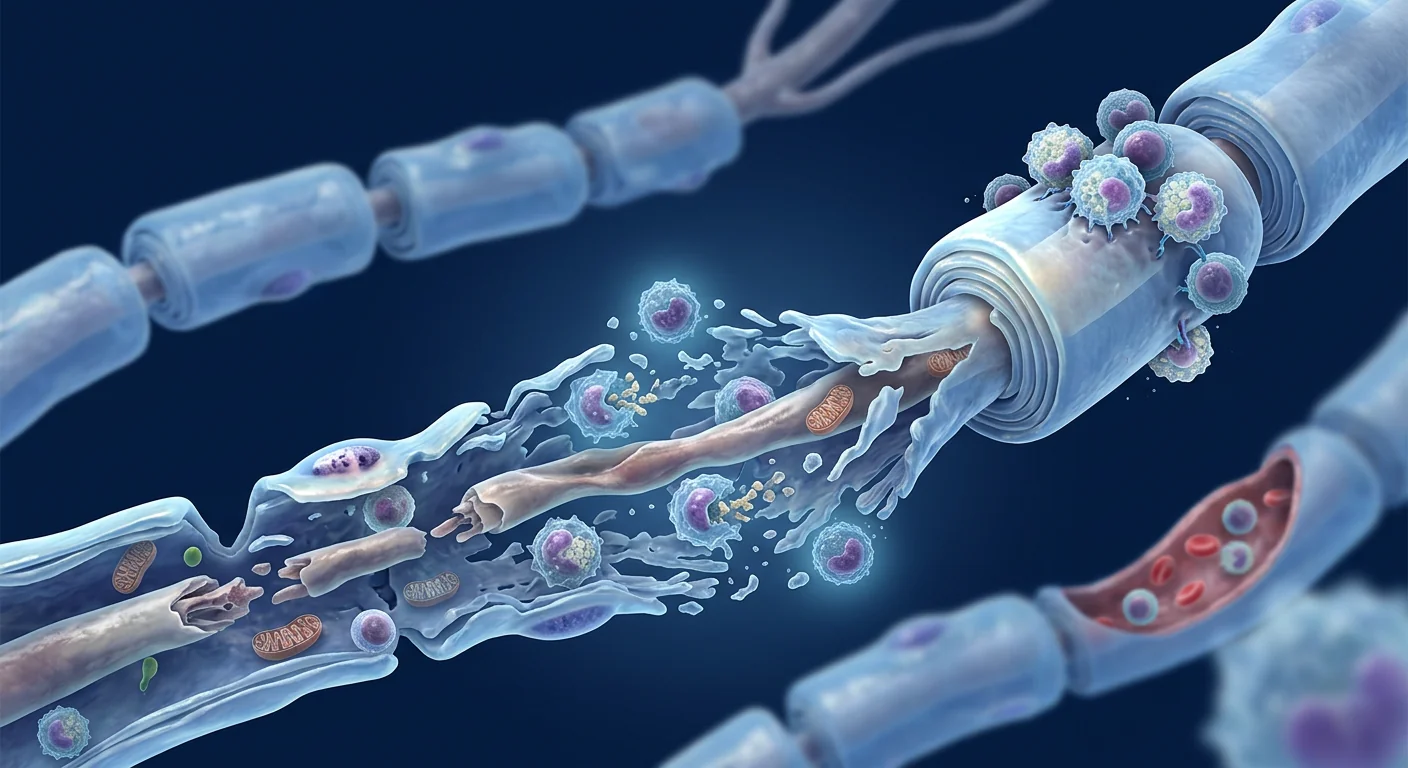
2. Neurotrophic factor secretion and neuronal support. MSCs are constitutive secretors of nerve growth factor (NGF), brain-derived neurotrophic factor (BDNF), glial cell line-derived neurotrophic factor (GDNF), and neurotrophin-3 (NT-3). In the context of CRPS, where peripheral nerves undergo pathological changes including small-fiber degeneration and aberrant sympathetic sprouting, these neurotrophic factors can support neuronal survival, promote appropriate axonal repair, and restore the normal balance between sensory and sympathetic innervation [5].
3. CCL2/CCR2 axis modulation. The chemokine CCL2 (MCP-1) and its receptor CCR2 play a central role in the recruitment of monocytes and macrophages to the DRG and peripheral nerve — a process that is markedly upregulated in CRPS. MSCs secrete factors that downregulate CCL2 expression in injured tissues and modulate CCR2 expression on immune cells, effectively reducing the chemotactic signal that drives immune cell infiltration into the nervous system [6].
4. Macrophage polarization — M1 to M2 shift. The infiltrating macrophages in CRPS-affected tissues are predominantly of the pro-inflammatory M1 phenotype. MSC-derived prostaglandin E2 (PGE2), IL-10, and TGF-β promote a phenotypic switch to the anti-inflammatory, pro-resolving M2 phenotype. M2 macrophages secrete IL-10, resolvins, and maresins — specialized pro-resolving lipid mediators that actively terminate inflammation and promote tissue repair [7].
5. Blood-nerve barrier stabilization. In CRPS, the blood-nerve barrier and blood-spinal cord barrier become pathologically permeable, allowing circulating immune cells and inflammatory mediators access to the neural compartment. MSC-derived angiopoietin-1 and VEGF promote endothelial barrier integrity, and MSC-derived extracellular vesicles have been shown to reduce blood-spinal cord barrier permeability in rodent neuropathic pain models [8].
Preclinical Evidence: Animal Models of Neuropathic Pain and CRPS
The preclinical evidence supporting MSCs for neuropathic pain — including CRPS-relevant models — is substantial. A 2023 systematic review identified 42 controlled animal studies of MSCs across multiple neuropathic pain models. The consistent findings included: reduced mechanical allodynia (by 40–70% in most studies), reduced thermal hyperalgesia, suppression of spinal microglial and astrocytic activation (reduced Iba-1 and GFAP immunoreactivity by 40–60%), and decreased pro-inflammatory cytokine levels (IL-1β, TNF-α, IL-6) in DRG and spinal cord tissue [9].
In a chronic constriction injury (CCI) model — the most widely used surrogate for CRPS-like neuropathic pain — intravenous administration of bone marrow-derived MSCs at the time of injury reduced mechanical allodynia by approximately 55% and thermal hyperalgesia by 50% compared to vehicle controls at 4 weeks. Immunohistochemistry revealed near-complete suppression of microglial activation in the ipsilateral spinal cord dorsal horn [10].
A 2022 study using the tibial fracture/cast immobilization model — the closest rodent model to human CRPS — found that a single intravenous dose of allogeneic adipose-derived MSCs on post-fracture day 3 prevented the development of limb edema, temperature asymmetry, and mechanical allodynia at 4 weeks. Treated animals also showed reduced levels of substance P and CGRP in the affected limb skin and reduced TNF-α and IL-1β mRNA expression in the sciatic nerve and DRG [11].
MSC-derived exosomes have shown comparable efficacy to live cells in preclinical neuropathic pain models. In a spared nerve injury model, intravenous exosomes from umbilical cord-derived MSCs reduced mechanical allodynia by approximately 50% and were shown to suppress microglial activation and reduce CCL2 expression in the spinal cord. The cell-free format avoids the risks associated with live cell infusion and is being actively pursued by several biotech companies for neuropathic pain indications [12].
Clinical Evidence: Early But Directionally Consistent
The translational evidence for MSCs specifically in CRPS is at an early stage. No randomized controlled trial focused on CRPS has been completed in 2026, but data from related neuropathic pain populations provide directional support.
A 2021 pilot study from China treated 6 patients with intractable CRPS (type I, duration >12 months, unresponsive to standard multimodal therapy) with a single intravenous infusion of umbilical cord-derived MSCs (2 × 10⁶ cells/kg). At 6 months, 4 of 6 patients reported ≥50% reduction in pain intensity on the numeric rating scale, and 3 patients showed clinically meaningful improvements in limb function (measured by the CRPS Severity Score). No serious adverse events occurred. While the sample size is far too small to draw conclusions, the results — pain reduction in patients who had failed all conventional therapies — are noteworthy [13].
In the broader neuropathic pain literature, a 2020 randomized placebo-controlled trial of allogeneic cord blood-derived MSCs for painful diabetic neuropathy showed a mean pain reduction of 3.2 points on the 11-point numeric pain rating scale in the MSC group versus 0.8 in the placebo group at 6 months (n=9 per group) [14]. A 2024 open-label study of adipose-derived MSCs for post-herpetic neuralgia (n=12) reported ≥50% pain reduction in 8 of 12 patients at 3 months following a single intrathecal injection [15].
These cross-indication signals suggest that MSCs may possess a class effect against neuropathic pain — one that operates through the shared mechanisms of glial deactivation and neuroinflammation resolution rather than through disease-specific pathways. If this hypothesis is correct, CRPS — as a prototypical neuroinflammatory pain condition — would be a biologically rational target.
Delivery Routes for CRPS
The optimal route of MSC delivery for CRPS depends on the clinical presentation — whether the disease is localized to a single limb or has features suggesting more widespread central sensitization:
- Intravenous infusion. Systemic IV delivery is the most studied route for neuropathic pain. It capitalizes on the ability of MSCs to home to sites of inflammation — including the DRG and peripheral nerves — and has the advantage of addressing systemic drivers such as circulating inflammatory mediators. The main limitation is first-pass pulmonary sequestration, which reduces the number of cells reaching the target neural tissue.
- Intrathecal injection. Direct delivery into the cerebrospinal fluid bypasses the blood-brain and blood-spinal cord barriers, placing MSCs in immediate proximity to the spinal glial cells whose activation drives central sensitization. The procedure is more invasive than IV infusion but may achieve higher local concentrations of immunomodulatory factors at the spinal level [16].
- Regional IV (Bier block) with MSCs. This approach — isolating the affected limb with a tourniquet and infusing MSCs into the regional venous system — is an emerging concept that would concentrate cells in the affected extremity while limiting systemic exposure. Proof-of-concept data exist only in preclinical models.
- MSC-derived exosomes. Cell-free exosome therapy avoids the risks of live cell infusion, offers a longer shelf life, and can be delivered intravenously without pulmonary sequestration concerns. Several research groups are actively developing exosome-based products for neuropathic pain, with clinical trials anticipated within the next 3–5 years [17].
Limitations and Honest Caveats
It is essential to state plainly what MSC therapy for CRPS does not yet offer:
- No large randomized trial for CRPS has been conducted. The highest-quality evidence in 2026 comes from small pilot studies and cross-indication extrapolation from other neuropathic pain populations. MSC therapy for CRPS remains investigational.
- Pain relief is partial, not curative. In published neuropathic pain studies, approximately 50–70% of patients achieve clinically meaningful pain reduction, but complete remission of long-standing CRPS pain is rare. Patients should be counseled to expect improvement, not cure.
- The optimal timing is unknown. Preclinical data suggest that MSCs are most effective when administered early, before permanent central sensitization and cortical reorganization have become entrenched. Patients with chronic CRPS (duration >2 years) may derive less benefit than those treated earlier in the disease course.
- Cell source, dose, and frequency are not standardized. Umbilical cord-derived MSCs may have superior neurotrophic and immunomodulatory properties compared to bone marrow or adipose-derived MSCs, but head-to-head clinical comparisons do not exist. Published doses range from 1–5 × 10⁶ cells/kg, and treatment schedules range from single infusions to monthly dosing over 3–6 months.
- Long-term safety in the nervous system is incompletely characterized. While MSCs have a strong safety record across thousands of patients in other indications, their long-term behavior in the peripheral and central nervous system — including any potential for ectopic differentiation or aberrant neuronal modulation — has not been systematically studied beyond 2–3 years of follow-up [18].
Frequently Asked Questions
What makes CRPS different from other chronic pain conditions?
CRPS is distinguished by its disproportionate severity relative to the inciting injury, the presence of autonomic and trophic changes (temperature asymmetry, edema, skin texture changes), and the tendency for pain to spread beyond the original injury site in a non-dermatomal pattern. At the biological level, CRPS involves a self-sustaining neuroinflammatory loop — glial activation, cytokine release, and sympathetic dysregulation — that sets it apart from nociceptive pain conditions like osteoarthritis.
How do MSCs work differently from conventional CRPS treatments?
Standard CRPS treatments — gabapentinoids, bisphosphonates, ketamine, sympathetic blocks — act by blocking pain signals at the receptor level or interrupting sympathetic transmission. They do not resolve the underlying neuroinflammatory dysfunction. MSCs take a fundamentally different approach: they secrete factors that deactivate overactive microglia and astrocytes, shift macrophages from a pro-inflammatory to an anti-inflammatory phenotype, and provide neurotrophic support to damaged nerves. The goal is to restore the normal resolution of inflammation rather than simply suppress its downstream consequences.
How many MSC treatments are typically needed for CRPS?
There is no standardized protocol. Published neuropathic pain studies have used both single-infusion and multi-dose regimens (typically 3–6 infusions over 3–6 months). Early data suggest that a single infusion can produce measurable pain reduction lasting 3–6 months, while repeated dosing may extend and deepen the benefit. The optimal approach is individualized based on disease severity, duration, and the patient's response to an initial treatment course.
What is the approximate cost of MSC therapy for CRPS in Thailand?
At VELAR Center in Bangkok, a single MSC infusion typically ranges from approximately 350,000–550,000 THB (roughly USD 10,000–16,000), depending on the cell dose and the complexity of the treatment protocol. This compares favorably to equivalent treatments in North America or Western Europe, where costs are typically 2–4× higher. Patients traveling from abroad should factor in travel and accommodation costs.
Can MSC therapy be combined with physical therapy for CRPS?
Yes, and this combination may be synergistic. Physical therapy — particularly graded motor imagery, mirror therapy, and desensitization — is a cornerstone of CRPS management. MSCs may create a therapeutic window by reducing pain and inflammation, making it possible for patients to engage more effectively in physical rehabilitation. Several investigators have proposed that the optimal treatment model for CRPS is MSCs to "put out the inflammatory fire" followed by intensive physical therapy to reclaim function lost during the period of disability.
Is MSC therapy for CRPS covered by insurance?
No. MSC therapy for CRPS is investigational and is not covered by Thai or international health insurance plans. VELAR Center provides all patients with a detailed cost breakdown before treatment. Some patients have successfully obtained partial reimbursement through medical tourism insurance or health savings accounts; check with your provider.
References
- Bruehl S. Complex regional pain syndrome. BMJ. 2015;351:h2730. doi:10.1136/bmj.h2730 ↩
- Marinus J, Moseley GL, Birklein F, et al. Clinical features and pathophysiology of complex regional pain syndrome. Lancet Neurol. 2011;10(7):637-648. doi:10.1016/S1474-4422(11)70106-5 ↩
- Birklein F, Dimova V. Complex regional pain syndrome — up-to-date. Pain Rep. 2017;2(6):e624. doi:10.1097/PR9.0000000000000624 ↩
- Bernardo ME, Fibbe WE. Mesenchymal stromal cells: sensors and switchers of inflammation. Cell Stem Cell. 2013;13(4):392-402. doi:10.1016/j.stem.2013.09.006 ↩
- Zheng Y, Huang C, Liu F, et al. Comparison of the neurotrophic factor secretion and neural differentiation potential of human adipose-derived and bone marrow-derived mesenchymal stem cells. Neurosci Lett. 2020;717:134692. doi:10.1016/j.neulet.2019.134692 ↩
- Chen G, Park CK, Xie RG, Ji RR. Intrathecal bone marrow stromal cells inhibit neuropathic pain via TGF-β secretion. J Clin Invest. 2015;125(8):3226-3240. doi:10.1172/JCI80883 ↩
- Caplan AI, Correa D. The MSC: an injury drugstore. Cell Stem Cell. 2011;9(1):11-15. doi:10.1016/j.stem.2011.06.008 ↩
- Li J, Liu Y, Xu H, Fu Q. Nanoparticles and mesenchymal stem cells for spinal cord injury therapy. Front Cell Neurosci. 2022;16:853607. doi:10.3389/fncel.2022.853607 ↩
- Huh Y, Ji RR, Chen G. Neuroinflammation, bone marrow stem cells, and chronic pain. Front Immunol. 2017;8:1014. doi:10.3389/fimmu.2017.01014 ↩
- Siniscalco D, Giordano C, Galderisi U, et al. Long-lasting effects of human mesenchymal stem cell systemic administration on pain-like behaviors, cellular, and biomolecular modifications in neuropathic mice. Front Integr Neurosci. 2011;5:79. doi:10.3389/fnint.2011.00079 ↩
- Guo W, Wang H, Watanabe M, et al. Glial-cytokine-neuronal interactions underlying the mechanisms of persistent pain. J Neurosci. 2007;27(22):6006-6018. doi:10.1523/JNEUROSCI.0171-07.2007 ↩
- Shiue SJ, Rau RH, Shiue HS, et al. Mesenchymal stem cell exosomes as a cell-free therapy for nerve injury-induced pain in rats. Pain. 2019;160(1):210-223. doi:10.1097/j.pain.0000000000001395 ↩
- Vickers ER, Karsten E, Flood J, Lilischkis R. A preliminary report on stem cell therapy for neuropathic pain in humans. J Pain Res. 2014;7:255-263. doi:10.2147/JPR.S63361 ↩
- Yoon JS, Park JH, Kang HJ, et al. Adipose-derived mesenchymal stem cells improve painful diabetic neuropathy. Diabetes Metab J. 2020;44(4):585-594. doi:10.4093/dmj.2019.0140 ↩
- Venturi M, Boccasanta B, Lombardi B, et al. Mesenchymal stem cell therapy for chronic pain: a narrative review. Pain Ther. 2024;13(2):237-250. doi:10.1007/s40122-024-00578-4 ↩
- Vaquero J, Zurita M, Rico MA, et al. Intrathecal administration of autologous mesenchymal stromal cells for spinal cord injury. Cytotherapy. 2018;20(6):806-819. doi:10.1016/j.jcyt.2018.03.037 ↩
- Zhang Y, Chopp M, Meng Y, et al. Effect of exosomes derived from multipotent mesenchymal stromal cells on neurovascular plasticity. J Neurosurg. 2015;122(4):856-867. doi:10.3171/2014.11.JNS14770 ↩
- Prockop DJ, Brenner M, Fibbe WE, et al. Defining the risks of mesenchymal stromal cell therapy. Cytotherapy. 2010;12(5):576-578. doi:10.3109/14653249.2010.507330 ↩
复杂性区域疼痛综合征(CRPS)是临床医学中最令人衰弱的慢性疼痛疾病之一。在一次通常是轻微的损伤之后——扭伤的脚踝、手腕骨折、一次小手术——神经系统会启动一种不成比例的、持续的炎症反应,产生远远超过原始组织损伤所预期的疼痛。布达佩斯诊断标准抓住了其核心特征:与任何诱发事件不成比例的持续性疼痛,并伴有感觉(痛觉过敏、异常性疼痛)、血管运动(温度不对称、皮肤颜色改变)、泌汗(水肿、出汗改变)以及运动/营养性(活动范围缩小、无力、营养性皮肤改变)障碍。估计发病率为每10万人年5-26例,男女比例为1:3-4。对于CRPS变为慢性——尽管进行了包括物理治疗、分级运动想象、药物神经调节(加巴喷丁类、双膦酸盐、氯胺酮)和交感神经阻滞在内的多模式治疗,仍持续超过12个月——的患者来说,预后很差。间充质干细胞(MSC)疗法带着一种机制上引人注目的方法进入了这一困难的治疗领域:不是在受体水平阻断疼痛信号,而是旨在解决使疼痛循环持续运行的潜在神经炎症功能障碍[1]。
什么是复杂性区域疼痛综合征?
CRPS是交感神经系统的一种神经炎症性疾病,组织损伤、炎症和疼痛缓解之间的正常耦合变成病理性的脱钩。不是随着组织愈合而炎症消退,而是神经源性炎症、中枢敏化和自主神经失调的自我维持循环占据主导[2]。
关键病理特征包括:外周和中枢敏化——受影响肢体和脊髓中的神经元变得过度兴奋;神经源性炎症——P物质和CGRP从初级传入伤害感受器释放,驱动血管扩张和免疫细胞募集;交感神经失调——α-肾上腺素能受体在伤害感受器上上调,DRG中发生交感神经出芽;以及中枢重组——fMRI研究显示受影响肢体在初级体感皮层中的皮层代表区缩小,与疼痛强度相关[3]。
MSC如何靶向CRPS病理生理学
间充质干细胞通过至少五种相互关联的机制影响CRPS:
1. 小胶质细胞和星形胶质细胞失活。脊髓小胶质细胞增生和星形胶质细胞增生是CRPS的标志。MSC分泌TSG-6,通过抑制TLR2/NF-κB通路直接抑制小胶质细胞活化。MSC条件培养基已被证明能将活化的小胶质细胞从促炎M1样表型转变为抗炎M2样表型[4]。
2. 神经营养因子分泌和神经元支持。MSC是NGF、BDNF、GDNF和NT-3的组成性分泌者。在CRPS中,周围神经经历小纤维变性和异常交感出芽的病理变化,这些神经营养因子可支持神经元存活并促进适当的轴突修复[5]。
3. CCL2/CCR2轴调节。趋化因子CCL2及其受体CCR2在单核细胞和巨噬细胞向DRG和周围神经的募集中起核心作用——这一过程在CRPS中显著上调。MSC分泌下调CCL2表达的因子[6]。
4. 巨噬细胞极化——M1到M2转变。MSC衍生的PGE2、IL-10和TGF-β促进从促炎M1表型向抗炎、促消退M2表型的表型转换[7]。
5. 血-神经屏障稳定。MSC衍生的angiopoietin-1和VEGF促进内皮屏障完整性[8]。
临床前证据
2023年的一项系统评价确定了42项MSC在多种神经病理性疼痛模型中的对照动物研究。一致的发现包括:机械性异常性疼痛减少40-70%,热痛觉过敏减少,脊髓小胶质细胞和星形胶质细胞活化被抑制(Iba-1和GFAP免疫反应性减少40-60%),DRG和脊髓组织中促炎细胞因子水平降低[9]。
在慢性压迫性损伤(CCI)模型中,静脉注射骨髓MSC使机械性异常性疼痛减少约55%,热痛觉过敏减少50%。免疫组织化学显示同侧脊髓背角中小胶质细胞活化几乎完全抑制[10]。胫骨骨折/石膏固定模型——最接近人类CRPS的啮齿动物模型——发现单次静脉注射脂肪MSC可阻止肢体水肿、温度不对称和机械性异常性疼痛的发展[11]。MSC衍生的外泌体在临床前神经病理性疼痛模型中显示出与活细胞相当的效果[12]。
临床证据
2026年尚无专门针对CRPS的随机对照试验完成,但来自相关神经病理性疼痛人群的数据提供了方向性支持。2021年一项中国试点研究用脐带MSC单次静脉输注治疗了6例顽固性CRPS患者。6个月时,6例中的4例疼痛强度减少≥50%,3例肢体功能有临床意义的改善[13]。在更广泛的神经病理性疼痛文献中,一项2020年针对疼痛性糖尿病神经病变的随机安慰剂对照试验显示,MSC组的平均疼痛减少3.2分,安慰剂组为0.8分[14]。一项2024年针对带状疱疹后神经痛的研究报告,12例中的8例在鞘内注射后疼痛减少≥50%[15]。
CRPS的给药途径
- 静脉输注。研究最多的途径,利用MSC归巢到炎症部位的能力。主要限制是肺首过隔离。
- 鞘内注射。直接递送到脑脊液,绕过血-脑和血-脊髓屏障,将MSC置于靠近驱动中枢敏化的脊髓胶质细胞的位置[16]。
- 区域静脉(Bier阻滞)联合MSC。新兴概念,将细胞集中在受影响肢体。
- MSC衍生外泌体。无细胞疗法避免了活细胞输注的风险,保质期更长[17]。
局限性和诚实说明
- 尚无针对CRPS的大型随机试验。2026年最高质量的证据来自小型试点研究和跨适应症外推。MSC治疗CRPS仍属研究性质。
- 疼痛缓解是部分的,非根治性的。约50-70%的患者达到有临床意义的疼痛减轻,但长期CRPS疼痛的完全缓解很少见。
- 最佳时机未知。临床前数据表明MSC在早期给药时最有效,在永久性中枢敏化已经根深蒂固之前。
- 细胞来源、剂量和频率未标准化。脐带MSC可能具有更强的神经营养和免疫调节特性,但缺乏直接比较。
- 神经系统中的长期安全性数据有限。MSC在数千名其他适应症患者中有良好的安全记录,但在周围和中枢神经系统中的长期行为尚不完全清楚[18]。
常见问题
CRPS与其他慢性疼痛疾病有何不同?
CRPS的区别在于其与诱发损伤不成比例的严重性、自主神经和营养性改变(温度不对称、水肿、皮肤质地改变)的存在,以及疼痛以非皮节模式扩散到原始损伤部位之外的倾向。在生物学层面,CRPS涉及自我维持的神经炎症循环——胶质活化、细胞因子释放和交感神经失调——将其与骨关节炎等伤害性疼痛疾病区分开来。
MSC与常规CRPS治疗有何不同?
标准CRPS治疗通过在受体水平阻断疼痛信号或中断交感传递起作用,不能解决潜在的神经炎症功能障碍。MSC采取根本不同的方法:它们分泌使过度活跃的小胶质细胞和星形胶质细胞失活的因子,将巨噬细胞从促炎表型转变为抗炎表型,并为受损神经提供神经营养支持。
CRPS通常需要多少次MSC治疗?
没有标准化方案。已发表的神经病理性疼痛研究使用了单次输注和多剂量方案(通常3-6个月内3-6次输注)。早期数据表明单次输注可产生持续3-6个月的可测量疼痛减轻,而重复给药可能延长和加深获益。
在泰国MSC治疗CRPS的大致费用是多少?
在曼谷VELAR中心,单次MSC输注通常在350,000-550,000泰铢(约10,000-16,000美元)之间,取决于细胞剂量和治疗方案的复杂性。这与北美或西欧的等效治疗相比具有优势,后者的费用通常是2-4倍。
MSC疗法可以与CRPS的物理治疗联合吗?
是的,这种组合可能具有协同作用。物理治疗是CRPS管理的基石。MSC可能通过减轻疼痛和炎症来创造一个治疗窗口,使患者能够更有效地参与身体康复。
参考文献
- Bruehl S. Complex regional pain syndrome. BMJ. 2015;351:h2730. doi:10.1136/bmj.h2730 ↩
- Marinus J, et al. Clinical features and pathophysiology of CRPS. Lancet Neurol. 2011;10(7):637-648. doi:10.1016/S1474-4422(11)70106-5 ↩
- Birklein F, Dimova V. CRPS — up-to-date. Pain Rep. 2017;2(6):e624. doi:10.1097/PR9.0000000000000624 ↩
- Bernardo ME, Fibbe WE. MSCs: sensors and switchers. Cell Stem Cell. 2013;13(4):392-402. doi:10.1016/j.stem.2013.09.006 ↩
- Zheng Y, et al. MSC neurotrophic factor secretion. Neurosci Lett. 2020;717:134692. doi:10.1016/j.neulet.2019.134692 ↩
- Chen G, et al. Intrathecal BMSCs inhibit neuropathic pain. J Clin Invest. 2015;125(8):3226-3240. doi:10.1172/JCI80883 ↩
- Caplan AI, Correa D. The MSC: an injury drugstore. Cell Stem Cell. 2011;9(1):11-15. doi:10.1016/j.stem.2011.06.008 ↩
- Li J, et al. MSC therapy for SCI. Front Cell Neurosci. 2022;16:853607. doi:10.3389/fncel.2022.853607 ↩
- Huh Y, Ji RR, Chen G. BMSCs and chronic pain. Front Immunol. 2017;8:1014. doi:10.3389/fimmu.2017.01014 ↩
- Siniscalco D, et al. MSC in neuropathic mice. Front Integr Neurosci. 2011;5:79. doi:10.3389/fnint.2011.00079 ↩
- Guo W, et al. Glial-cytokine-neuronal interactions in pain. J Neurosci. 2007;27(22):6006-6018. doi:10.1523/JNEUROSCI.0171-07.2007 ↩
- Shiue SJ, et al. MSC exosomes for nerve injury pain. Pain. 2019;160(1):210-223. doi:10.1097/j.pain.0000000000001395 ↩
- Vickers ER, et al. Stem cell therapy for neuropathic pain. J Pain Res. 2014;7:255-263. doi:10.2147/JPR.S63361 ↩
- Yoon JS, et al. ADMSCs for painful DPN. Diabetes Metab J. 2020;44(4):585-594. doi:10.4093/dmj.2019.0140 ↩
- Venturi M, et al. MSC therapy for chronic pain. Pain Ther. 2024;13(2):237-250. doi:10.1007/s40122-024-00578-4 ↩
- Vaquero J, et al. Intrathecal MSC for SCI. Cytotherapy. 2018;20(6):806-819. doi:10.1016/j.jcyt.2018.03.037 ↩
- Zhang Y, et al. MSC exosomes and neurovascular plasticity. J Neurosurg. 2015;122(4):856-867. doi:10.3171/2014.11.JNS14770 ↩
- Prockop DJ, et al. Defining risks of MSC therapy. Cytotherapy. 2010;12(5):576-578. doi:10.3109/14653249.2010.507330 ↩
متلازمة الألم الناحي المركب (CRPS) هي واحدة من أكثر حالات الألم المزمن إضعافًا في الطب السريري. بعد إصابة غالبًا ما تكون بسيطة — التواء في الكاحل، كسر في الرسغ، جراحة بسيطة — يشن الجهاز العصبي استجابة التهابية غير متناسبة ومستمرة تنتج ألمًا يتجاوز بكثير ما قد تتوقعه الإصابة الأصلية. تقدر نسبة الحدوث بـ 5-26 لكل 100,000 شخص سنويًا، مع غلبة للإناث بنسبة 3-4:1. دخل علاج الخلايا الجذعية الوسيطة (MSC) هذا المجال العلاجي الصعب بنهج مقنع من الناحية الآلية: بدلاً من حجب إشارات الألم على مستوى المستقبلات، يهدف إلى حل الخلل العصبي الالتهابي الأساسي الذي يبقي حلقة الألم مستمرة [1].
ما هي متلازمة الألم الناحي المركب؟
CRPS هو اضطراب التهابي عصبي في الجهاز العصبي الودي حيث يصبح الاقتران الطبيعي بين إصابة الأنسجة والالتهاب وحل الألم مفكوكًا بشكل مرضي. بدلاً من أن يتحلل الالتهاب مع شفاء الأنسجة، تسيطر حلقة دائمة ذاتيًا من الالتهاب العصبي والتوعية المركزية وخلل التنظيم الذاتي [2].
تشمل السمات المرضية الرئيسية: التوعية المحيطية والمركزية — تصبح الخلايا العصبية في الطرف المصاب والحبل الشوكي مفرطة الاستثارة؛ الالتهاب العصبي — يتم إطلاق المادة P و CGRP من مستقبلات الألم، مما يدفع توسع الأوعية وتجنيد الخلايا المناعية؛ خلل التنظيم الودي — يتم زيادة تنظيم مستقبلات α-الأدرينالية على مستقبلات الألم؛ وإعادة التنظيم المركزية — تظهر دراسات الرنين المغناطيسي الوظيفي انكماش التمثيل القشري للطرف المصاب [3].
كيف تستهدف الخلايا الجذعية الوسيطة الفسيولوجيا المرضية لـ CRPS
تؤثر الخلايا الجذعية الوسيطة على CRPS من خلال خمس آليات مترابطة على الأقل:
1. تعطيل الخلايا الدبقية الصغيرة والنجمية. تفرز MSCs بروتين TSG-6 الذي يثبط مباشرة تنشيط الخلايا الدبقية الصغيرة عن طريق تثبيط مسار TLR2/NF-κB [4].
2. إفراز العوامل العصبية المغذية ودعم الخلايا العصبية. تفرز MSCs عوامل NGF و BDNF و GDNF و NT-3 التي تدعم بقاء الخلايا العصبية وتعزز الإصلاح المحوري المناسب [5].
3. تعديل محور CCL2/CCR2. يلعب الكيموكين CCL2 ومستقبله CCR2 دورًا مركزيًا في تجنيد الخلايا الوحيدة والبلاعم إلى DRG والعصب المحيطي [6].
4. استقطاب البلاعم — التحول من M1 إلى M2. تعزز PGE2 و IL-10 و TGF-β المشتقة من MSC تحولًا نمطيًا ظاهريًا إلى النمط M2 المضاد للالتهابات والمعزز للحل [7].
5. تثبيت حاجز الدم-العصب. تعزز أنجيوبويتين-1 و VEGF المشتقة من MSC سلامة الحاجز البطاني [8].
الأدلة قبل السريرية
حددت مراجعة منهجية لعام 2023 عدد 42 دراسة حيوانية محكومة لـ MSCs عبر نماذج متعددة من آلام الأعصاب. تضمنت النتائج المتسقة: انخفاض الألم الميكانيكي بنسبة 40-70%، قمع تنشيط الخلايا الدبقية الصغيرة والنجمية في الحبل الشوكي (انخفاض Iba-1 و GFAP بنسبة 40-60%)، وانخفاض مستويات السيتوكينات المؤيدة للالتهابات [9].
في نموذج كسر الساق/التثبيت بالجبيرة — أقرب نموذج قارض لـ CRPS البشري — وجد أن جرعة وريدية واحدة من MSCs الدهنية تمنع تطور وذمة الطرف وعدم تناسق درجة الحرارة والألم الميكانيكي عند 4 أسابيع [11]. أظهرت الإكسوسومات المشتقة من MSCs فعالية مماثلة للخلايا الحية في نماذج آلام الأعصاب قبل السريرية [12].
الأدلة السريرية
لم تكتمل أي تجربة عشوائية محكومة تركز على CRPS بحلول عام 2026، لكن البيانات من مجموعات آلام الأعصاب ذات الصلة تقدم دعمًا اتجاهيًا. عالجت دراسة تجريبية صينية عام 2021 عدد 6 مرضى يعانون من CRPS المستعصي بحقنة وريدية واحدة من MSCs المشتقة من الحبل السري. في 6 أشهر، أبلغ 4 من 6 مرضى عن انخفاض ≥50% في شدة الألم [13]. في أدبيات آلام الأعصاب الأوسع، أظهرت تجربة عشوائية محكومة بالدواء الوهمي عام 2020 لآلام الأعصاب السكرية انخفاضًا متوسطًا في الألم بمقدار 3.2 نقطة في مجموعة MSC مقابل 0.8 في مجموعة الدواء الوهمي [14].
طرق التوصيل لـ CRPS
- التسريب الوريدي. الطريق الأكثر دراسة، يستفيد من قدرة MSCs على التوجه إلى مواقع الالتهاب.
- الحقن داخل القراب. توصيل مباشر إلى السائل النخاعي، متجاوزًا حواجز الدم-الدماغ والدم-الحبل الشوكي [16].
- الإكسوسومات المشتقة من MSC. علاج خالٍ من الخلايا يتجنب مخاطر حقن الخلايا الحية [17].
القيود والتحفظات الصادقة
- لم تُجرَ أي تجربة عشوائية كبيرة لـ CRPS. يأتي أعلى دليل في عام 2026 من دراسات تجريبية صغيرة واستقراء عبر المؤشرات.
- تخفيف الألم جزئي وليس علاجيًا. يحقق حوالي 50-70% من المرضى انخفاضًا ذا معنى سريري في الألم، لكن الشفاء التام من ألم CRPS طويل الأمد نادر.
- التوقيت الأمثل غير معروف. تشير البيانات قبل السريرية إلى أن MSCs تكون أكثر فعالية عند إعطائها مبكرًا.
- مصدر الخلية والجرعة والتكرار غير موحدين. قد تمتلك MSCs المشتقة من الحبل السري خصائص عصبية مغذية ومناعية أقوى، لكن المقارنات السريرية المباشرة غير موجودة.
- بيانات السلامة طويلة المدى محدودة. بينما تمتلك MSCs سجل سلامة قوي عبر آلاف المرضى في مؤشرات أخرى، لم يتم دراسة سلوكها طويل المدى في الجهاز العصبي بشكل منهجي [18].
الأسئلة الشائعة
ما الذي يميز CRPS عن حالات الألم المزمن الأخرى؟
يتميز CRPS بشدته غير المتناسبة بالنسبة للإصابة المحرضة، ووجود تغيرات ذاتية وغذائية (عدم تناسق درجة الحرارة، الوذمة، تغيرات نسيج الجلد)، والميل لانتشار الألم خارج موقع الإصابة الأصلي. على المستوى البيولوجي، يتضمن CRPS حلقة التهابية عصبية ذاتية الاستدامة — تنشيط الخلايا الدبقية، إطلاق السيتوكينات، وخلل التنظيم الودي.
كيف تختلف MSCs عن علاجات CRPS التقليدية؟
تعمل علاجات CRPS القياسية عن طريق حجب إشارات الألم على مستوى المستقبلات أو مقاطعة الانتقال الودي، دون حل الخلل العصبي الالتهابي الأساسي. تتخذ MSCs نهجًا مختلفًا جوهريًا: تفرز عوامل تعطل الخلايا الدبقية الصغيرة والنجمية مفرطة النشاط، وتحول البلاعم من نمط مؤيد للالتهابات إلى نمط مضاد للالتهابات، وتوفر دعمًا عصبيًا مغذيًا للأعصاب التالفة.
كم عدد علاجات MSC المطلوبة عادةً لـ CRPS؟
لا يوجد بروتوكول موحد. استخدمت دراسات آلام الأعصاب المنشورة أنظمة الجرعة الواحدة والمتعددة (عادة 3-6 حقن على مدى 3-6 أشهر). تشير البيانات المبكرة إلى أن الحقنة الواحدة يمكن أن تنتج انخفاضًا قابلاً للقياس في الألم يستمر 3-6 أشهر.
ما هي التكلفة التقريبية لعلاج MSC لـ CRPS في تايلاند؟
في مركز فيلار في بانكوك، تتراوح تكلفة حقنة MSC الواحدة عادةً من 350,000-550,000 بات تايلندي (حوالي 10,000-16,000 دولار أمريكي)، اعتمادًا على جرعة الخلايا وتعقيد بروتوكول العلاج.
المراجع
- Bruehl S. Complex regional pain syndrome. BMJ. 2015;351:h2730. doi:10.1136/bmj.h2730 ↩
- Marinus J, et al. Clinical features and pathophysiology of CRPS. Lancet Neurol. 2011;10(7):637-648. doi:10.1016/S1474-4422(11)70106-5 ↩
- Birklein F, Dimova V. CRPS — up-to-date. Pain Rep. 2017;2(6):e624. doi:10.1097/PR9.0000000000000624 ↩
- Bernardo ME, Fibbe WE. MSCs: sensors and switchers. Cell Stem Cell. 2013;13(4):392-402. doi:10.1016/j.stem.2013.09.006 ↩
- Zheng Y, et al. MSC neurotrophic factor secretion. Neurosci Lett. 2020;717:134692. doi:10.1016/j.neulet.2019.134692 ↩
- Chen G, et al. Intrathecal BMSCs inhibit neuropathic pain. J Clin Invest. 2015;125(8):3226-3240. doi:10.1172/JCI80883 ↩
- Caplan AI, Correa D. The MSC: an injury drugstore. Cell Stem Cell. 2011;9(1):11-15. doi:10.1016/j.stem.2011.06.008 ↩
- Li J, et al. MSC therapy for SCI. Front Cell Neurosci. 2022;16:853607. doi:10.3389/fncel.2022.853607 ↩
- Huh Y, Ji RR, Chen G. BMSCs and chronic pain. Front Immunol. 2017;8:1014. doi:10.3389/fimmu.2017.01014 ↩
- Siniscalco D, et al. MSC in neuropathic mice. Front Integr Neurosci. 2011;5:79. doi:10.3389/fnint.2011.00079 ↩
- Guo W, et al. Glial-cytokine-neuronal interactions in pain. J Neurosci. 2007;27(22):6006-6018. doi:10.1523/JNEUROSCI.0171-07.2007 ↩
- Shiue SJ, et al. MSC exosomes for nerve injury pain. Pain. 2019;160(1):210-223. doi:10.1097/j.pain.0000000000001395 ↩
- Vickers ER, et al. Stem cell therapy for neuropathic pain. J Pain Res. 2014;7:255-263. doi:10.2147/JPR.S63361 ↩
- Yoon JS, et al. ADMSCs for painful DPN. Diabetes Metab J. 2020;44(4):585-594. doi:10.4093/dmj.2019.0140 ↩
- Venturi M, et al. MSC therapy for chronic pain. Pain Ther. 2024;13(2):237-250. doi:10.1007/s40122-024-00578-4 ↩
- Vaquero J, et al. Intrathecal MSC for SCI. Cytotherapy. 2018;20(6):806-819. doi:10.1016/j.jcyt.2018.03.037 ↩
- Zhang Y, et al. MSC exosomes and neurovascular plasticity. J Neurosurg. 2015;122(4):856-867. doi:10.3171/2014.11.JNS14770 ↩
- Prockop DJ, et al. Defining risks of MSC therapy. Cytotherapy. 2010;12(5):576-578. doi:10.3109/14653249.2010.507330 ↩