Alzheimer's disease is the most common cause of dementia, and one of the most feared diagnoses in medicine. It slowly erodes memory, reasoning and independence, and current treatments can only ease symptoms or modestly slow the decline — none can reverse it. That painful gap between what families need and what medicine can offer is exactly where hope becomes vulnerable to exploitation. Stem cell research is a legitimate part of the effort to change this picture, but it is also invoked, dishonestly, to sell unproven "cures." Telling the two apart matters enormously, and doing so begins with understanding what Alzheimer's actually is.
What goes wrong in the Alzheimer's brain
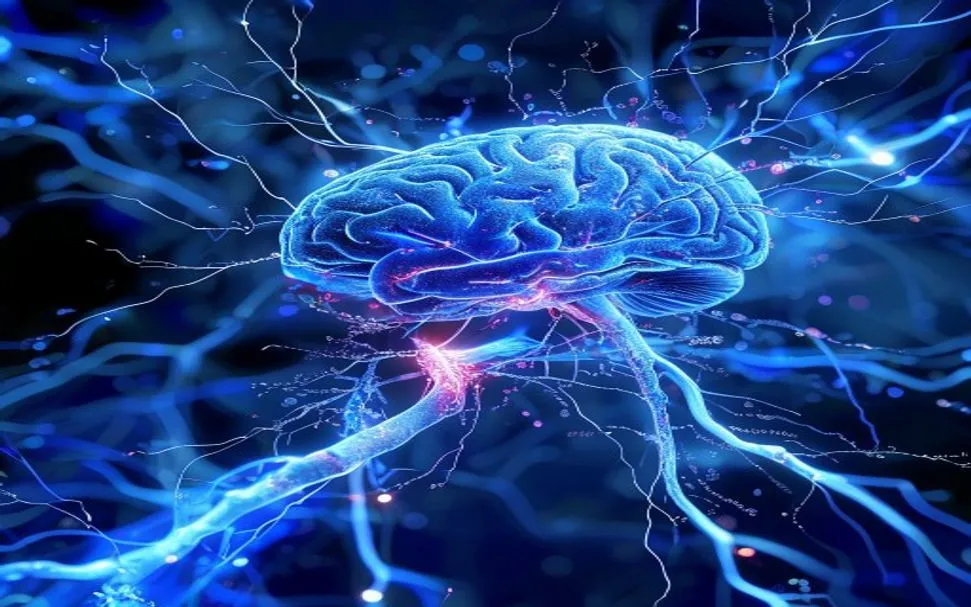
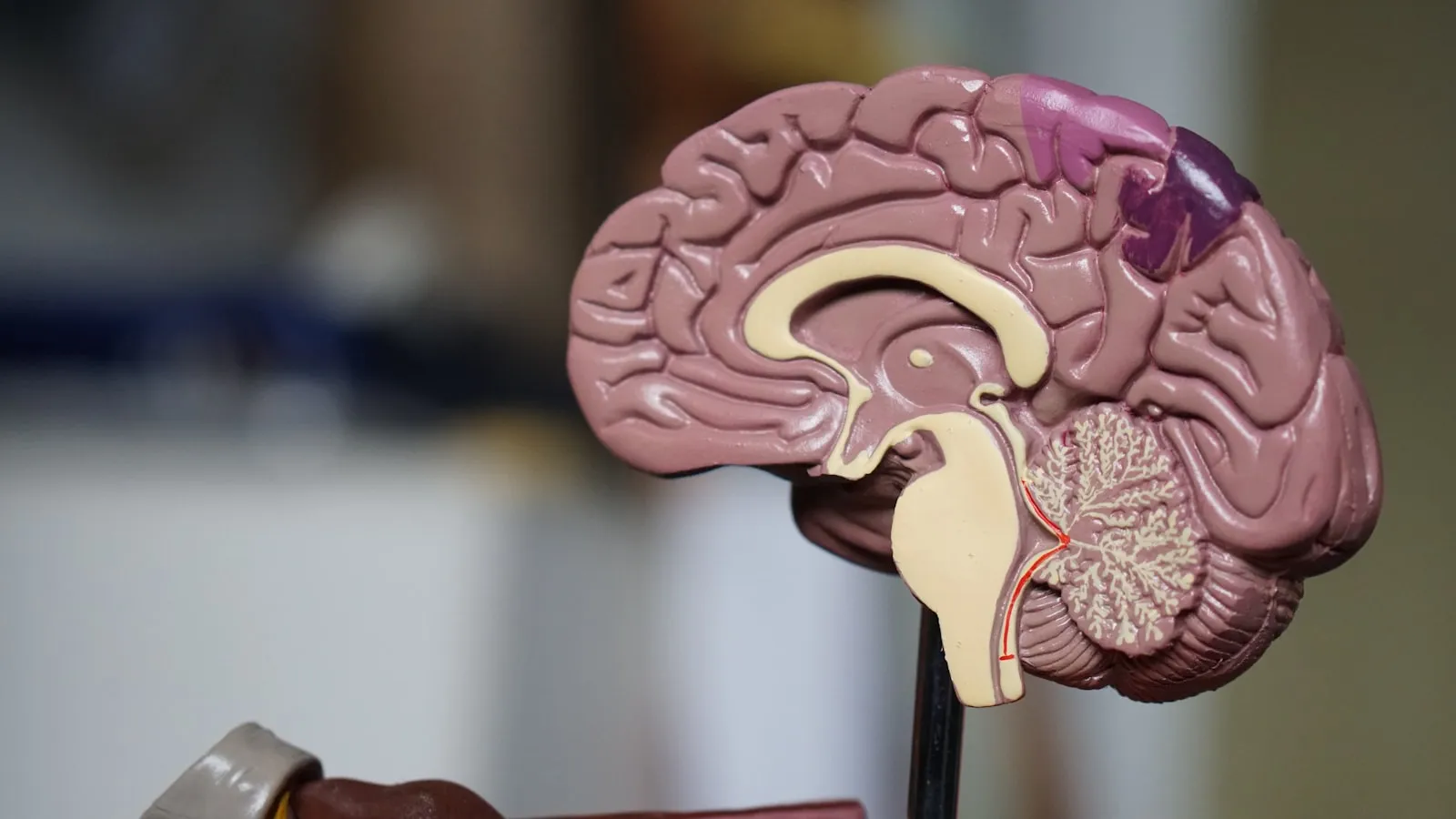
Alzheimer's is not a single failure but a cascade. Two abnormal proteins are its pathological hallmarks. Amyloid-beta accumulates outside neurons, clumping into the sticky plaques seen on brain scans and at autopsy. Tau, a protein that normally stabilises the internal scaffolding of a neuron, becomes misfolded and forms tangled fibres inside the cell. Around these deposits, the brain's immune cells — the microglia — shift into a chronically activated, inflammatory state. This neuroinflammation, together with the loss of the synapses that connect neurons, gradually kills brain cells across the memory and reasoning networks.[1][2][3][4][5][6][7][8][9][10]
Two features make this exceptionally hard to treat. First, by the time symptoms appear, the disease has usually been underway for a decade or more, and large numbers of neurons and their connections are already lost — tissue that the adult brain cannot readily replace. Second, the blood-brain barrier, the tightly sealed lining that protects the brain, also blocks most therapies from reaching it. Any credible treatment must contend with an entrenched, multifactorial disease behind a wall built to keep intruders out.
Standard care reflects these limits. Cholinesterase inhibitors and memantine help some patients with symptoms for a time but do not touch the underlying process. Newer anti-amyloid antibodies such as lecanemab and donanemab can clear plaque and modestly slow decline in early disease, a genuine scientific milestone — yet even these do not restore lost function or halt the illness. This is the honest backdrop against which stem cell approaches must be judged.
Why researchers study mesenchymal stem cells
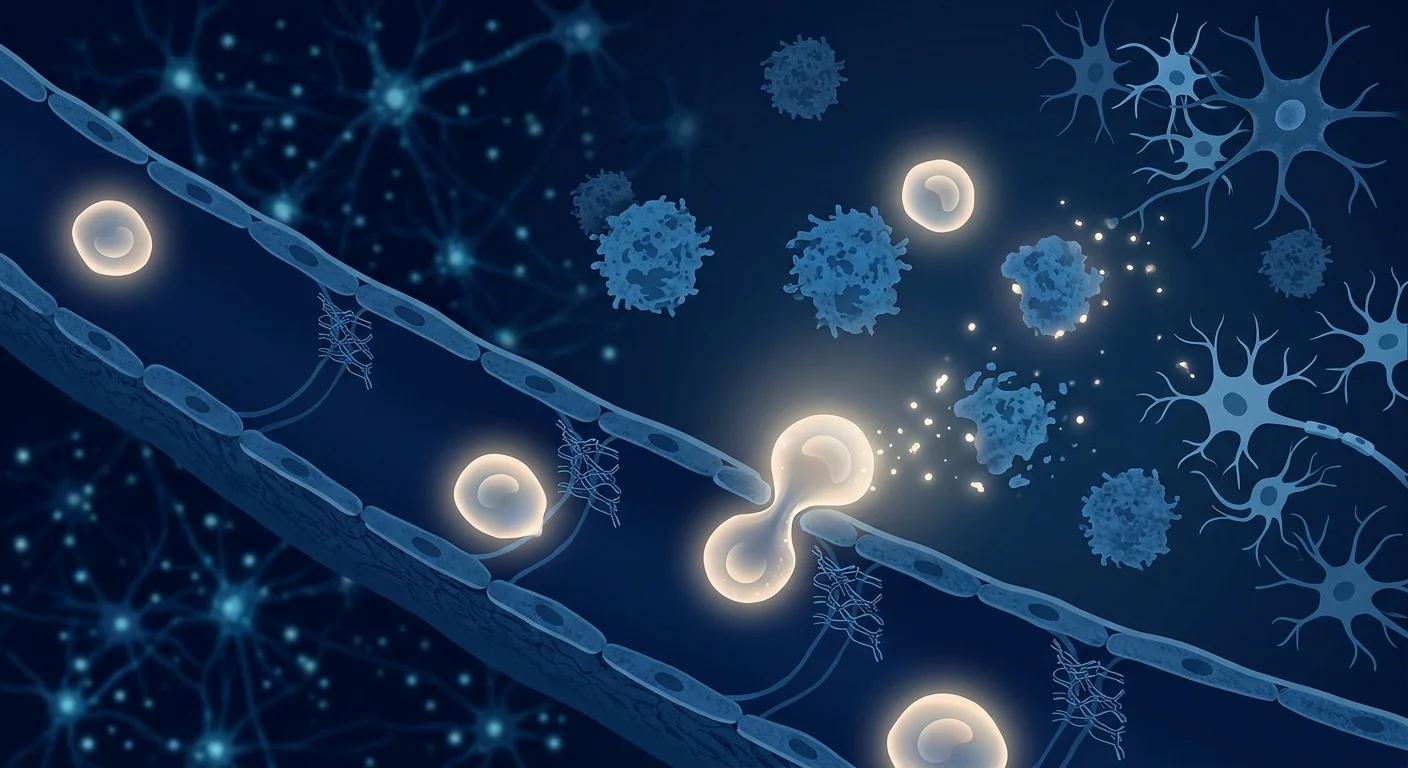
The cells most often studied here are mesenchymal stem cells (MSCs), drawn from sources such as umbilical cord tissue, bone marrow or fat. Their appeal is not that they might rebuild the brain neuron by neuron — that is not a realistic expectation. Rather, the interest is in their paracrine and immunomodulatory behaviour: MSCs sense an inflamed environment and respond by releasing signalling molecules that may recalibrate it.
In laboratory and mouse studies, MSCs have been reported to nudge activated microglia toward a less inflammatory, more reparative state, to reduce local levels of inflammatory mediators, and in some models to lower amyloid burden. They also secrete neurotrophic factors — proteins that support the survival and function of neurons and their connections. On paper, calming neuroinflammation and supporting struggling neurons is a coherent rationale. But two cautions loom large. Animal models only partially mimic human Alzheimer's, and encouraging results in a mouse have repeatedly failed to translate to people. And the blood-brain barrier means that infused cells largely do not reach the brain at all, which is why some experimental protocols have turned to delivering cells directly into the fluid around the brain.
What the human trials actually show
This is where honesty is most important. Human clinical work in Alzheimer's is very early. The published studies are mainly small Phase I trials designed to test safety and feasibility, not to prove that the treatment works. Some have delivered MSCs intravenously; others have used neurosurgical routes to place cells into the cerebrospinal fluid, including into the brain's ventricles. Their central finding has generally been that the procedure can be carried out and is often reasonably well tolerated in a small, selected group.
What these trials have not shown is a proven, durable improvement in memory or thinking. No stem cell therapy has demonstrated a meaningful, reproducible cognitive benefit in a well-controlled Alzheimer's trial. Early safety signals are a necessary first step, but they are only that — a foundation on which larger, controlled studies would have to build before anyone could claim benefit. Reading the field accurately means holding both facts at once: the research is real and worth pursuing, and it has not yet produced a treatment.
The honest headline
As of today, stem cell therapy is not a proven or approved treatment for Alzheimer's disease. It does not reverse dementia or restore lost memory. The credible work is confined to early-phase clinical trials that have mainly tested safety. Any clinic selling a "stem cell cure" for Alzheimer's — especially for a fee, outside a registered trial — is making a claim the evidence does not support, and desperate families are precisely the people such offers target.
How Alzheimer's outcomes are actually measured
Marketing rarely mentions how rigorously a benefit in Alzheimer's has to be demonstrated. Researchers rely on standardised instruments rather than impressions. The ADAS-Cog (Alzheimer's Disease Assessment Scale – Cognitive) and the MMSE (Mini-Mental State Examination) quantify cognitive performance across memory, language and orientation. The CDR (Clinical Dementia Rating) grades the overall severity of impairment and its impact on daily life. Increasingly, trials also track biomarkers — amyloid and tau measured by PET brain imaging or in spinal fluid and, more recently, in blood. A therapy that genuinely helps should move these measures in a controlled comparison against placebo; anecdotes and a family's understandable hope are not evidence, and the disease's own fluctuations can easily be mistaken for improvement.
What the evidence supports — and what it doesn't
The fair summary is carefully bounded. There is a biologically reasonable rationale, and early trials suggest that certain MSC procedures can be performed with an acceptable short-term safety profile in small groups. What is missing is the evidence that matters most: large, randomised, controlled trials showing a consistent, reproducible improvement in cognition or a slowing of decline. Until that exists, the responsible word is investigational — a field with a plausible mechanism and preliminary safety data, but no established efficacy.
- Safety data are not efficacy data. Showing that a procedure can be tolerated says nothing about whether it helps memory. Conflating the two is the single most common way unproven offers are dressed up as proven ones.
- The delivery problem is unsolved. The blood-brain barrier keeps most infused cells out of the brain, and even directly placed cells survive only briefly — so how to reach the target, and for how long any effect could last, remain fundamentally open questions.
- Alzheimer's is multifactorial and entrenched. Amyloid, tau, inflammation and decades of neuronal loss all contribute at once. A single cell infusion acting mainly on inflammation is unlikely, on its own, to reverse a disease this complex and this advanced by the time it is diagnosed.
Alzheimer's is precisely the kind of illness where false hope does profound harm — emotional and financial. The most respectful thing medicine can offer a family is the truth about where the science stands, and the discipline to let rigorous trials, not testimonials, decide what actually works.
— VELAR Clinical Team
How to protect a loved one from unproven offers
If you are caring for someone with Alzheimer's, the sad reality is that you will encounter clinics promising what the science cannot deliver. A few questions protect against most of them. Ask whether the treatment is part of a registered clinical trial with formal ethical oversight — and be wary of any programme that charges large sums to receive an "experimental" therapy, since legitimate trials rarely bill patients for the intervention itself. Ask what published, peer-reviewed evidence supports the specific claim, and how cognition would be measured. Treat guaranteed results, dramatic before-and-after stories, success-rate percentages without a cited source, and the word "cure" as warning signs, not reassurance. When in doubt, ask the person's own neurologist before spending anything. A trustworthy provider will describe Alzheimer's cell therapy as early research and will never let hope outrun the data.
The VELAR perspective
At VELAR Center, our regenerative work is grounded in conditions where the evidence is more established, and we follow neurodegenerative research closely without overstating it. Alzheimer's is among the hardest problems in all of medicine, and we believe the only honest way to discuss it is plainly: the rationale for studying MSCs is reasonable, the early safety data are preliminary, a cognitive benefit is unproven, and it remains firmly investigational. We will not offer, or endorse, stem cell therapy as a treatment for Alzheimer's on the strength of hope alone. If a family wants an honest, compassionate conversation about what regenerative medicine genuinely can and cannot do today — and how to avoid being harmed by those who promise otherwise — that is exactly where a responsible consultation begins.
References
- Uccelli A, Moretta L, Pistoia V. Mesenchymal stem cells in health and disease. Nature Reviews Immunology. 2008;8(9):726-736. doi:10.1038/nri2395 ↩
- Shi Y, Wang Y, Li Q, et al. Immunoregulatory mechanisms of mesenchymal stem and stromal cells in inflammatory diseases. Nature Reviews Nephrology. 2018;14(8):493-507. doi:10.1038/s41581-018-0023-5 ↩
- Spees JL, Lee RH, Gregory CA. Mechanisms of mesenchymal stem/stromal cell function. Stem Cell Research & Therapy. 2016;7(1):125. doi:10.1186/s13287-016-0363-7 ↩
- Galipeau J, Sensébé L. Mesenchymal stromal cells: clinical challenges and therapeutic opportunities. Cell Stem Cell. 2018;22(6):824-833. doi:10.1016/j.stem.2018.05.004 ↩
- Pittenger MF, Discher DE, Péault BM, Phinney DG, Hare JM, Caplan AI. Mesenchymal stem cell perspective: cell biology to clinical progress. NPJ Regenerative Medicine. 2019;4:22. doi:10.1038/s41536-019-0083-6 ↩
- Caplan AI. Mesenchymal stem cells: time to change the name! Stem Cells Translational Medicine. 2017;6(6):1445-1451. doi:10.1002/sctm.17-0051 ↩
- Dominici M, Le Blanc K, Mueller I, et al. Minimal criteria for defining multipotent mesenchymal stromal cells. Cytotherapy. 2006;8(4):315-317. doi:10.1080/14653240600855905 ↩
- Lalu MM, McIntyre L, Pugliese C, et al. Safety of cell therapy with mesenchymal stromal cells (SafeCell): a systematic review and meta-analysis. PLoS One. 2012;7(10):e47559. doi:10.1371/journal.pone.0047559 ↩
- Naji A, Eitoku M, Favier B, Deschaseaux F, Rouas-Freiss N, Suganuma N. Biological functions of mesenchymal stem cells and clinical implications. Cellular and Molecular Life Sciences. 2019;76(17):3323-3348. doi:10.1007/s00018-019-03125-1 ↩
- Bronckaers A, Hilkens P, Martens W, et al. Mesenchymal stem/stromal cells as a pharmacological and therapeutic approach to accelerate angiogenesis. Pharmacology & Therapeutics. 2014;143(2):181-196. doi:10.1016/j.pharmthera.2014.02.013 ↩
- Kim HJ, Seo SW, Chang JW, et al. Stereotactic brain injection of human umbilical cord blood mesenchymal stem cells in patients with Alzheimer's disease dementia. Alzheimer's & Dementia. 2015;1(2):95-102. doi:10.1016/j.trci.2015.06.001 ↩
- Lee HJ, Lee JK, Lee H, et al. Human umbilical cord blood-derived mesenchymal stem cells improve neuropathology and cognitive impairment in an Alzheimer's disease mouse model. Stem Cells and Development. 2012;21(2):271-281. doi:10.1089/scd.2011.0058 ↩
- Turgeman G. The therapeutic potential of mesenchymal stem cells in Alzheimer's disease. Frontiers in Neuroscience. 2015;9:514. doi:10.3389/fnins.2015.00514 ↩
- Duncan T, Valenzuela M. Alzheimer's disease, dementia, and stem cell therapy. Stem Cell Research & Therapy. 2017;8:111. doi:10.1186/s13287-017-0567-5 ↩
- Salem AM, Ahmed HH, Shousha WG, et al. Cell therapy for Alzheimer's disease. Journal of Alzheimer's Disease Reports. 2020;4(1):259-280. doi:10.3233/ADR-200199 ↩
参考文献
- Uccelli A, Moretta L, Pistoia V. Mesenchymal stem cells in health and disease. Nature Reviews Immunology. 2008;8(9):726-736. doi:10.1038/nri2395 ↩
- Shi Y, Wang Y, Li Q, et al. Immunoregulatory mechanisms of mesenchymal stem and stromal cells in inflammatory diseases. Nature Reviews Nephrology. 2018;14(8):493-507. doi:10.1038/s41581-018-0023-5 ↩
- Spees JL, Lee RH, Gregory CA. Mechanisms of mesenchymal stem/stromal cell function. Stem Cell Research & Therapy. 2016;7(1):125. doi:10.1186/s13287-016-0363-7 ↩
- Galipeau J, Sensébé L. Mesenchymal stromal cells: clinical challenges and therapeutic opportunities. Cell Stem Cell. 2018;22(6):824-833. doi:10.1016/j.stem.2018.05.004 ↩
- Pittenger MF, Discher DE, Péault BM, Phinney DG, Hare JM, Caplan AI. Mesenchymal stem cell perspective: cell biology to clinical progress. NPJ Regenerative Medicine. 2019;4:22. doi:10.1038/s41536-019-0083-6 ↩
- Caplan AI. Mesenchymal stem cells: time to change the name! Stem Cells Translational Medicine. 2017;6(6):1445-1451. doi:10.1002/sctm.17-0051 ↩
- Dominici M, Le Blanc K, Mueller I, et al. Minimal criteria for defining multipotent mesenchymal stromal cells. Cytotherapy. 2006;8(4):315-317. doi:10.1080/14653240600855905 ↩
- Lalu MM, McIntyre L, Pugliese C, et al. Safety of cell therapy with mesenchymal stromal cells (SafeCell): a systematic review and meta-analysis. PLoS One. 2012;7(10):e47559. doi:10.1371/journal.pone.0047559 ↩
- Naji A, Eitoku M, Favier B, Deschaseaux F, Rouas-Freiss N, Suganuma N. Biological functions of mesenchymal stem cells and clinical implications. Cellular and Molecular Life Sciences. 2019;76(17):3323-3348. doi:10.1007/s00018-019-03125-1 ↩
- Bronckaers A, Hilkens P, Martens W, et al. Mesenchymal stem/stromal cells as a pharmacological and therapeutic approach to accelerate angiogenesis. Pharmacology & Therapeutics. 2014;143(2):181-196. doi:10.1016/j.pharmthera.2014.02.013 ↩
- Kim HJ, Seo SW, Chang JW, et al. Stereotactic brain injection of human umbilical cord blood mesenchymal stem cells in patients with Alzheimer's disease dementia. Alzheimer's & Dementia. 2015;1(2):95-102. doi:10.1016/j.trci.2015.06.001 ↩
- Lee HJ, Lee JK, Lee H, et al. Human umbilical cord blood-derived mesenchymal stem cells improve neuropathology and cognitive impairment in an Alzheimer's disease mouse model. Stem Cells and Development. 2012;21(2):271-281. doi:10.1089/scd.2011.0058 ↩
- Turgeman G. The therapeutic potential of mesenchymal stem cells in Alzheimer's disease. Frontiers in Neuroscience. 2015;9:514. doi:10.3389/fnins.2015.00514 ↩
- Duncan T, Valenzuela M. Alzheimer's disease, dementia, and stem cell therapy. Stem Cell Research & Therapy. 2017;8:111. doi:10.1186/s13287-017-0567-5 ↩
- Salem AM, Ahmed HH, Shousha WG, et al. Cell therapy for Alzheimer's disease. Journal of Alzheimer's Disease Reports. 2020;4(1):259-280. doi:10.3233/ADR-200199 ↩
阿尔茨海默病是痴呆最常见的病因,也是医学中最令人畏惧的诊断之一。它缓慢侵蚀记忆、推理与独立生活能力,而现有治疗只能缓解症状或略微减缓恶化——没有一种能够逆转它。患者家庭所需要的与医学所能给予的之间那道令人痛苦的鸿沟,正是希望容易被利用之处。干细胞研究是改变这一图景努力中合法的一部分,但它也被不诚实地援引,用来兜售未经证实的"治愈"。区分二者极为重要,而这要从理解阿尔茨海默病究竟是什么开始。
阿尔茨海默病的大脑出了什么问题
阿尔茨海默病并非单一的失败,而是一连串级联反应。两种异常蛋白是其病理标志。β-淀粉样蛋白在神经元外堆积,凝聚成脑部扫描与尸检中可见的黏性斑块。tau 蛋白本应稳定神经元内部的支撑结构,却发生错误折叠,在细胞内形成缠结的纤维。在这些沉积物周围,大脑的免疫细胞——小胶质细胞——转入一种慢性激活的炎症状态。这种神经炎症,连同连接神经元的突触的丧失,逐渐在记忆与推理网络中杀死脑细胞。
有两个特征使其异常难以治疗。其一,当症状出现时,疾病通常已进行了十年或更久,大量神经元及其连接已经丧失——这是成人大脑无法轻易替换的组织。其二,血脑屏障——保护大脑的严密封闭内衬——也阻挡了大多数疗法进入大脑。任何可信的治疗都必须应对一种根深蒂固、多因素的疾病,且它藏在一堵专为阻挡入侵者而建的墙后。
标准治疗反映了这些局限。胆碱酯酶抑制剂与美金刚能在一段时间内帮助部分患者缓解症状,但并不触及潜在的病理过程。较新的抗淀粉样蛋白抗体,如仑卡奈单抗(lecanemab)与多奈单抗(donanemab),能清除斑块并在早期疾病中略微减缓恶化,这是真正的科学里程碑——然而即便如此,它们也无法恢复已丧失的功能或阻止疾病。这就是评判干细胞方法时诚实的背景。
研究人员为何研究间充质干细胞
此处研究最多的细胞是间充质干细胞(MSC),取自脐带组织、骨髓或脂肪等来源。它们的吸引力并不在于可能逐个神经元地重建大脑——那并非现实的期望。相反,兴趣在于它们的旁分泌与免疫调节行为:MSC 感知发炎的环境,并以释放信号分子来回应,可能重新校准它。
在实验室与小鼠研究中,据报道 MSC 能推动激活的小胶质细胞转向较少炎症、更具修复性的状态,降低局部炎症介质水平,并在某些模型中降低淀粉样蛋白负荷。它们还分泌神经营养因子——支持神经元及其连接的存活与功能的蛋白质。纸面上,平息神经炎症并支持挣扎中的神经元是一个连贯的理据。但两点警示格外突出。动物模型只能部分模拟人类阿尔茨海默病,而小鼠中令人鼓舞的结果一再未能转化到人身上。此外,血脑屏障意味着输注的细胞大多根本无法抵达大脑,这正是一些实验性方案转而将细胞直接递送到大脑周围的液体中的原因。
人体试验究竟显示了什么
此处诚实最为重要。阿尔茨海默病的人体临床工作非常早期。已发表的研究主要是小型I 期试验,旨在检验安全性与可行性,而非证明该治疗有效。有些以静脉方式递送 MSC;另一些则采用神经外科途径将细胞置入脑脊液,包括置入大脑的脑室。它们的核心发现通常是:在一个小规模、经过挑选的群体中,该操作可以完成,且往往被合理地耐受。
这些试验没有显示的,是记忆或思维方面经证实的、持久的改善。没有任何干细胞疗法在设计良好的对照阿尔茨海默病试验中展示出有意义、可重复的认知获益。早期的安全信号是必要的第一步,但也仅此而已——是一个基础,任何人在能够声称获益之前,都必须在其上构建更大规模的对照研究。准确解读这一领域意味着同时把握两个事实:这项研究是真实的、值得追求的;而它尚未产生一种治疗。
诚实的标题
截至今日,干细胞疗法并非阿尔茨海默病经证实或获批准的治疗。它不能逆转痴呆或恢复丧失的记忆。可信的工作局限于主要检验安全性的早期临床试验。任何兜售阿尔茨海默病"干细胞治愈"的诊所——尤其是收费、在注册试验之外进行的——都在提出证据无法支持的声称,而绝望的家庭正是此类兜售所瞄准的人。
阿尔茨海默病的结果究竟如何衡量
营销很少提及在阿尔茨海默病中必须多么严格地证明获益。研究人员依赖标准化工具,而非主观印象。ADAS-Cog(阿尔茨海默病评估量表——认知部分)与MMSE(简易精神状态检查)在记忆、语言与定向力方面量化认知表现。CDR(临床痴呆评定量表)对损害的总体严重程度及其对日常生活的影响进行分级。试验也越来越多地追踪生物标志物——通过 PET 脑成像或在脑脊液中,以及近来在血液中测量的淀粉样蛋白与 tau。一种真正有帮助的疗法,应当在与安慰剂的对照比较中改变这些指标;轶事与家庭可以理解的希望都不是证据,而疾病本身的波动很容易被误认为改善。
证据支持什么——又不支持什么
公允的总结有严谨的边界。存在生物学上合理的理据,早期试验提示某些 MSC 操作能够在小群体中以可接受的短期安全性完成。所缺失的是最关键的证据:大型、随机、有对照的试验,证明认知有一致、可重复的改善或恶化的减缓。在此之前,负责任的用词是研究性的——一个具有合理机制与初步安全数据、但尚未确立疗效的领域。
- 安全数据不是疗效数据。证明一项操作可以被耐受,并不能说明它是否有助于记忆。将二者混为一谈,是把未经证实的兜售包装成已证实之物最常见的方式。
- 递送难题尚未解决。血脑屏障将大多数输注的细胞挡在大脑之外,即便是直接置入的细胞也仅短暂存活——因此如何抵达目标、以及任何效应能持续多久,仍是根本上悬而未决的问题。
- 阿尔茨海默病是多因素且根深蒂固的。淀粉样蛋白、tau、炎症以及数十年的神经元丧失同时起作用。一次主要作用于炎症的细胞输注,单靠自身,不太可能逆转一种在被诊断时已如此复杂、如此晚期的疾病。
阿尔茨海默病恰恰是那种虚假希望会造成深重伤害的疾病——情感上与经济上皆然。医学能给予一个家庭最尊重的态度,是关于科学现状的真相,以及让严谨试验、而非见证陈述来决定什么真正有效的克制。
— VELAR 临床团队
如何保护您所爱之人免于未经证实的兜售
如果您正在照护一位阿尔茨海默病患者,令人难过的现实是:您将遇到承诺科学无法兑现之事的诊所。几个问题就能防范其中大多数。询问该治疗是否属于受正式伦理监督的注册临床试验——并对任何为接受"实验性"疗法而收取巨额费用的项目保持警惕,因为合法的试验很少就干预本身向患者收费。询问何种已发表的、经同行评议的证据支持该具体声称,以及将如何衡量认知。把保证的结果、戏剧性的前后对比故事、没有引用来源的成功率百分比,以及"治愈"一词,都视为警示信号,而非安心的理由。若有疑虑,在花任何钱之前先咨询患者本人的神经科医生。值得信赖的提供者会将阿尔茨海默病细胞疗法描述为早期研究,且绝不会让希望超越数据。
VELAR 的观点
在 VELAR 中心,我们的再生工作立足于证据更为确立的适应症,我们密切关注神经退行性疾病研究而不夸大其词。阿尔茨海默病是整个医学中最棘手的问题之一,我们相信讨论它唯一诚实的方式就是直白:研究 MSC 的理据是合理的,早期安全数据是初步的,认知获益尚未证实,而它仍然坚定地处于研究阶段。我们不会仅凭希望而提供或背书干细胞疗法作为阿尔茨海默病的治疗。如果一个家庭想就再生医学今天究竟能做什么、不能做什么——以及如何避免被那些承诺相反之事的人所伤害——进行一次诚实、有同情心的对话,那正是负责任咨询的起点。
المراجع
- Uccelli A, Moretta L, Pistoia V. Mesenchymal stem cells in health and disease. Nature Reviews Immunology. 2008;8(9):726-736. doi:10.1038/nri2395 ↩
- Shi Y, Wang Y, Li Q, et al. Immunoregulatory mechanisms of mesenchymal stem and stromal cells in inflammatory diseases. Nature Reviews Nephrology. 2018;14(8):493-507. doi:10.1038/s41581-018-0023-5 ↩
- Spees JL, Lee RH, Gregory CA. Mechanisms of mesenchymal stem/stromal cell function. Stem Cell Research & Therapy. 2016;7(1):125. doi:10.1186/s13287-016-0363-7 ↩
- Galipeau J, Sensébé L. Mesenchymal stromal cells: clinical challenges and therapeutic opportunities. Cell Stem Cell. 2018;22(6):824-833. doi:10.1016/j.stem.2018.05.004 ↩
- Pittenger MF, Discher DE, Péault BM, Phinney DG, Hare JM, Caplan AI. Mesenchymal stem cell perspective: cell biology to clinical progress. NPJ Regenerative Medicine. 2019;4:22. doi:10.1038/s41536-019-0083-6 ↩
- Caplan AI. Mesenchymal stem cells: time to change the name! Stem Cells Translational Medicine. 2017;6(6):1445-1451. doi:10.1002/sctm.17-0051 ↩
- Dominici M, Le Blanc K, Mueller I, et al. Minimal criteria for defining multipotent mesenchymal stromal cells. Cytotherapy. 2006;8(4):315-317. doi:10.1080/14653240600855905 ↩
- Lalu MM, McIntyre L, Pugliese C, et al. Safety of cell therapy with mesenchymal stromal cells (SafeCell): a systematic review and meta-analysis. PLoS One. 2012;7(10):e47559. doi:10.1371/journal.pone.0047559 ↩
- Naji A, Eitoku M, Favier B, Deschaseaux F, Rouas-Freiss N, Suganuma N. Biological functions of mesenchymal stem cells and clinical implications. Cellular and Molecular Life Sciences. 2019;76(17):3323-3348. doi:10.1007/s00018-019-03125-1 ↩
- Bronckaers A, Hilkens P, Martens W, et al. Mesenchymal stem/stromal cells as a pharmacological and therapeutic approach to accelerate angiogenesis. Pharmacology & Therapeutics. 2014;143(2):181-196. doi:10.1016/j.pharmthera.2014.02.013 ↩
- Kim HJ, Seo SW, Chang JW, et al. Stereotactic brain injection of human umbilical cord blood mesenchymal stem cells in patients with Alzheimer's disease dementia. Alzheimer's & Dementia. 2015;1(2):95-102. doi:10.1016/j.trci.2015.06.001 ↩
- Lee HJ, Lee JK, Lee H, et al. Human umbilical cord blood-derived mesenchymal stem cells improve neuropathology and cognitive impairment in an Alzheimer's disease mouse model. Stem Cells and Development. 2012;21(2):271-281. doi:10.1089/scd.2011.0058 ↩
- Turgeman G. The therapeutic potential of mesenchymal stem cells in Alzheimer's disease. Frontiers in Neuroscience. 2015;9:514. doi:10.3389/fnins.2015.00514 ↩
- Duncan T, Valenzuela M. Alzheimer's disease, dementia, and stem cell therapy. Stem Cell Research & Therapy. 2017;8:111. doi:10.1186/s13287-017-0567-5 ↩
- Salem AM, Ahmed HH, Shousha WG, et al. Cell therapy for Alzheimer's disease. Journal of Alzheimer's Disease Reports. 2020;4(1):259-280. doi:10.3233/ADR-200199 ↩
مرض ألزهايمر هو أكثر أسباب الخرف شيوعاً، وأحد أكثر التشخيصات إثارةً للخوف في الطب. يقوّض ببطء الذاكرة والاستدلال والاستقلالية، ولا تستطيع العلاجات الحالية سوى تخفيف الأعراض أو إبطاء التدهور قليلاً — ولا يستطيع أيٌّ منها عكسه. وهذه الفجوة المؤلمة بين ما تحتاجه الأسر وما يستطيع الطب تقديمه هي بالضبط حيث يصبح الأمل عرضةً للاستغلال. إن أبحاث الخلايا الجذعية جزء مشروع من الجهد الرامي إلى تغيير هذه الصورة، لكنها تُستحضَر أيضاً، بغير صدق، لبيع "علاجات شافية" غير مثبتة. والتمييز بين الاثنين بالغ الأهمية، ويبدأ بفهم ما هو مرض ألزهايمر حقاً.
ما الخلل الذي يصيب دماغ مريض ألزهايمر
ألزهايمر ليس عطلاً واحداً بل سلسلة متتالية. وثمة بروتينان شاذّان هما بصمتاه المرضية. يتراكم بيتا-أميلويد خارج الخلايا العصبية، متكتّلاً في لويحات لزجة تُرى في تصوير الدماغ وفي التشريح. أما تاو، وهو بروتين يثبّت عادةً الهيكل الداخلي للخلية العصبية، فيسوء طيّه ويشكّل ألياً متشابكة داخل الخلية. وحول هذه الرواسب، تنتقل الخلايا المناعية في الدماغ — الخلايا الدبقية الصغيرة — إلى حالة التهابية مفعّلة مزمنة. وهذا الالتهاب العصبي، مع فقدان المشابك التي تصل الخلايا العصبية، يقتل تدريجياً خلايا الدماغ عبر شبكات الذاكرة والاستدلال.
وثمة سمتان تجعلان علاجه عسيراً على نحو استثنائي. الأولى أنه بحلول ظهور الأعراض، يكون المرض قد بدأ عادةً منذ عقد أو أكثر، وتكون أعداد كبيرة من الخلايا العصبية ووصلاتها قد فُقدت بالفعل — وهو نسيج لا يستطيع دماغ البالغ استبداله بسهولة. والثانية أن الحاجز الدموي الدماغي، تلك البطانة المحكمة الإغلاق التي تحمي الدماغ، يمنع أيضاً معظم العلاجات من بلوغه. وأي علاج ذي مصداقية يجب أن يواجه مرضاً راسخاً متعدد العوامل خلف جدار بُني لإبقاء المتسللين في الخارج.
وتعكس الرعاية المعيارية هذه القيود. فمثبطات الكولين-إستراز والميمانتين تساعد بعض المرضى على أعراضهم لفترة، لكنها لا تمسّ العملية الكامنة. والأجسام المضادة الأحدث المضادة للأميلويد مثل ليكانيماب ودونانيماب تستطيع إزالة اللويحات وإبطاء التدهور قليلاً في المرض المبكر، وهي محطة علمية حقيقية — ومع ذلك حتى هذه لا تستعيد الوظيفة المفقودة ولا توقف المرض. هذه هي الخلفية الصادقة التي يجب أن تُقيَّم عليها مناهج الخلايا الجذعية.
لماذا يدرس الباحثون الخلايا الجذعية الوسيطة
أكثر الخلايا دراسةً هنا هي الخلايا الجذعية الوسيطة (MSCs)، المأخوذة من مصادر مثل نسيج الحبل السري أو نخاع العظم أو الدهون. وجاذبيتها ليست في أنها قد تعيد بناء الدماغ خلية عصبية تلو الأخرى — فهذا ليس توقعاً واقعياً. بل الاهتمام منصبّ على سلوكها شبه الصمّاوي والمناعي التعديلي: إذ تستشعر MSCs البيئة الملتهبة وتستجيب بإطلاق جزيئات إشارية قد تعيد ضبطها.
في الدراسات المختبرية ودراسات الفئران، أُفيد بأن MSCs تدفع الخلايا الدبقية الصغيرة المفعّلة نحو حالة أقل التهاباً وأكثر إصلاحاً، وتخفض مستويات وسائط الالتهاب المحلية، وفي بعض النماذج تخفض حِمل الأميلويد. كما تفرز عوامل تغذية عصبية — بروتينات تدعم بقاء الخلايا العصبية ووصلاتها ووظيفتها. وعلى الورق، فإن تهدئة الالتهاب العصبي ودعم الخلايا العصبية المتعثّرة أساسٌ منطقي متماسك. لكن تحذيرين يلوحان كبيرين. فالنماذج الحيوانية لا تحاكي ألزهايمر البشري إلا جزئياً، والنتائج المشجّعة في فأر أخفقت مراراً في الانتقال إلى البشر. كما أن الحاجز الدموي الدماغي يعني أن الخلايا المحقونة لا تبلغ الدماغ إلى حد بعيد أصلاً، ولهذا لجأت بعض البروتوكولات التجريبية إلى إيصال الخلايا مباشرةً إلى السائل المحيط بالدماغ.
ماذا تُظهر التجارب البشرية فعلياً
هنا يكون الصدق أشد أهمية. العمل السريري البشري في ألزهايمر مبكر جداً. والدراسات المنشورة هي أساساً تجارب من المرحلة الأولى صغيرة مصمَّمة لاختبار الأمان والجدوى، لا لإثبات أن العلاج ناجع. بعضها أوصل MSCs وريدياً؛ وأخرى استخدمت مسالك جراحية عصبية لوضع الخلايا في السائل الدماغي الشوكي، بما في ذلك في بطينات الدماغ. وكان اكتشافها المحوري عموماً أن الإجراء يمكن تنفيذه وأنه غالباً محتمَل على نحو معقول في مجموعة صغيرة منتقاة.
وما لم تُظهره هذه التجارب هو تحسّن مثبت ودائم في الذاكرة أو التفكير. فلا يوجد علاج بالخلايا الجذعية أثبت فائدة معرفية ذات معنى وقابلة للتكرار في تجربة ألزهايمر جيدة الضبط. إشارات الأمان المبكرة خطوة أولى ضرورية، لكنها ليست إلا ذلك — أساس يجب أن تُبنى عليه دراسات أكبر ومضبوطة قبل أن يستطيع أحد ادعاء الفائدة. وقراءة هذا المجال بدقة تعني الإمساك بالحقيقتين معاً: البحث حقيقي وجدير بالمتابعة، وهو لم ينتج علاجاً بعد.
العنوان الصادق
حتى اليوم، العلاج بالخلايا الجذعية ليس علاجاً مثبتاً أو معتمداً لمرض ألزهايمر. فهو لا يعكس الخرف ولا يستعيد الذاكرة المفقودة. والعمل الموثوق محصور في تجارب سريرية مبكرة الطور اختبرت الأمان أساساً. وأي عيادة تبيع "شفاءً بالخلايا الجذعية" لألزهايمر — لا سيما بمقابل مادي وخارج تجربة مسجّلة — تطلق ادعاءً لا تدعمه الأدلة، والأسر اليائسة هي بالضبط من تستهدفهم هذه العروض.
كيف تُقاس نتائج ألزهايمر فعلياً
نادراً ما يذكر التسويق مدى الصرامة المطلوبة لإثبات فائدة في ألزهايمر. ويعتمد الباحثون على أدوات موحّدة لا على الانطباعات. فمقياس ADAS-Cog (مقياس تقييم مرض ألزهايمر — الجزء المعرفي) وMMSE (فحص الحالة العقلية المصغّر) يقيسان الأداء المعرفي عبر الذاكرة واللغة والتوجّه. ويصنّف CDR (تصنيف الخرف السريري) شدة الاعتلال الإجمالية وأثرها في الحياة اليومية. وتتابع التجارب بازدياد أيضاً المؤشرات الحيوية — الأميلويد وتاو المقاسان بتصوير الدماغ بالإصدار البوزيتروني (PET) أو في السائل الشوكي، وحديثاً في الدم. والعلاج الذي يساعد حقاً يُفترض أن يحرّك هذه المقاييس في مقارنة مضبوطة مقابل الغُفل؛ فالروايات وأمل الأسرة المفهوم ليسا دليلاً، وتقلّبات المرض نفسه يسهل الخلط بينها وبين التحسّن.
ما تدعمه الأدلة — وما لا تدعمه
الخلاصة المنصفة محدودة بعناية. ثمة أساس منطقي معقول بيولوجياً، وتشير التجارب المبكرة إلى أن بعض إجراءات MSC يمكن تنفيذها بملمح أمان قصير الأمد مقبول في مجموعات صغيرة. والمفقود هو الدليل الأهم: تجارب كبيرة وعشوائية ومضبوطة تُظهر تحسناً متسقاً وقابلاً للتكرار في الإدراك أو إبطاءً للتدهور. وإلى أن يتوفر ذلك، فالكلمة المسؤولة هي بحثي تجريبي — مجال ذو آلية معقولة وبيانات أمان أولية، لكن من دون فاعلية راسخة.
- بيانات الأمان ليست بيانات فاعلية. إثبات أن إجراءً يمكن تحمّله لا يقول شيئاً عمّا إذا كان يساعد الذاكرة. والخلط بينهما هو أكثر الطرق شيوعاً لتزيين العروض غير المثبتة بمظهر المثبتة.
- مشكلة الإيصال لم تُحلّ. يُبقي الحاجز الدموي الدماغي معظم الخلايا المحقونة خارج الدماغ، وحتى الخلايا الموضوعة مباشرةً لا تبقى حية إلا لفترة قصيرة — فتبقى كيفية بلوغ الهدف، ومدة أي أثر محتمل، أسئلة مفتوحة جوهرياً.
- ألزهايمر متعدد العوامل وراسخ. يسهم الأميلويد وتاو والالتهاب وعقود من فقدان الخلايا العصبية جميعاً في آنٍ واحد. ومن غير المرجّح أن تعكس حقنة خلوية واحدة تعمل أساساً على الالتهاب، بمفردها، مرضاً بهذا التعقيد وبهذا التقدّم وقت تشخيصه.
ألزهايمر هو بالضبط نوع الأمراض التي يسبب فيها الأمل الزائف ضرراً بالغاً — عاطفياً ومالياً. وأكثر ما يستطيع الطب تقديمه احتراماً لأسرة هو الحقيقة عن موضع العلم، والانضباط بترك التجارب الصارمة، لا الشهادات، تقرر ما ينفع فعلاً.
— الفريق السريري في VELAR
كيف تحمي من تحب من العروض غير المثبتة
إذا كنت ترعى مصاباً بألزهايمر، فالحقيقة المؤلمة أنك ستصادف عيادات تَعِد بما لا يستطيع العلم تقديمه. وثمة أسئلة قليلة تحمي من معظمها. اسأل عمّا إذا كان العلاج جزءاً من تجربة سريرية مسجّلة تخضع لإشراف أخلاقي رسمي — واحذر أي برنامج يتقاضى مبالغ كبيرة لتلقّي علاج "تجريبي"، فالتجارب المشروعة نادراً ما تحاسب المرضى على التدخل نفسه. اسأل عن أي دليل منشور ومحكَّم يدعم الادعاء المحدد، وكيف سيُقاس الإدراك. وتعامل مع النتائج المضمونة، وقصص "قبل وبعد" الدرامية، ونسب النجاح بلا مصدر مذكور، وكلمة "شفاء" بوصفها إشارات تحذير لا مدعاة اطمئنان. وعند الشك، استشر طبيب الأعصاب الخاص بالمريض قبل إنفاق أي شيء. سيصف المزوّد الموثوق العلاج الخلوي لألزهايمر بوصفه بحثاً مبكراً، ولن يدع الأمل يتجاوز البيانات أبداً.
منظور VELAR
في مركز VELAR، يرتكز عملنا التجديدي على حالات تكون فيها الأدلة أكثر رسوخاً، ونتابع عن كثب أبحاث الأمراض التنكسية العصبية من دون المبالغة فيها. ألزهايمر من أصعب المشكلات في الطب كله، ونؤمن بأن الطريقة الصادقة الوحيدة لمناقشته هي الصراحة: الأساس المنطقي لدراسة MSC معقول، وبيانات الأمان المبكرة أولية، والفائدة المعرفية غير مثبتة، وهو لا يزال بحثياً تجريبياً بحزم. ولن نقدّم أو نؤيّد العلاج بالخلايا الجذعية علاجاً لألزهايمر بناءً على الأمل وحده. وإذا أرادت أسرة حواراً صادقاً ورحيماً عمّا يستطيع الطب التجديدي وما لا يستطيع فعله اليوم حقاً — وكيف تتجنّب الأذى ممّن يَعِدون بغير ذلك — فهذا تحديداً حيث تبدأ الاستشارة المسؤولة.