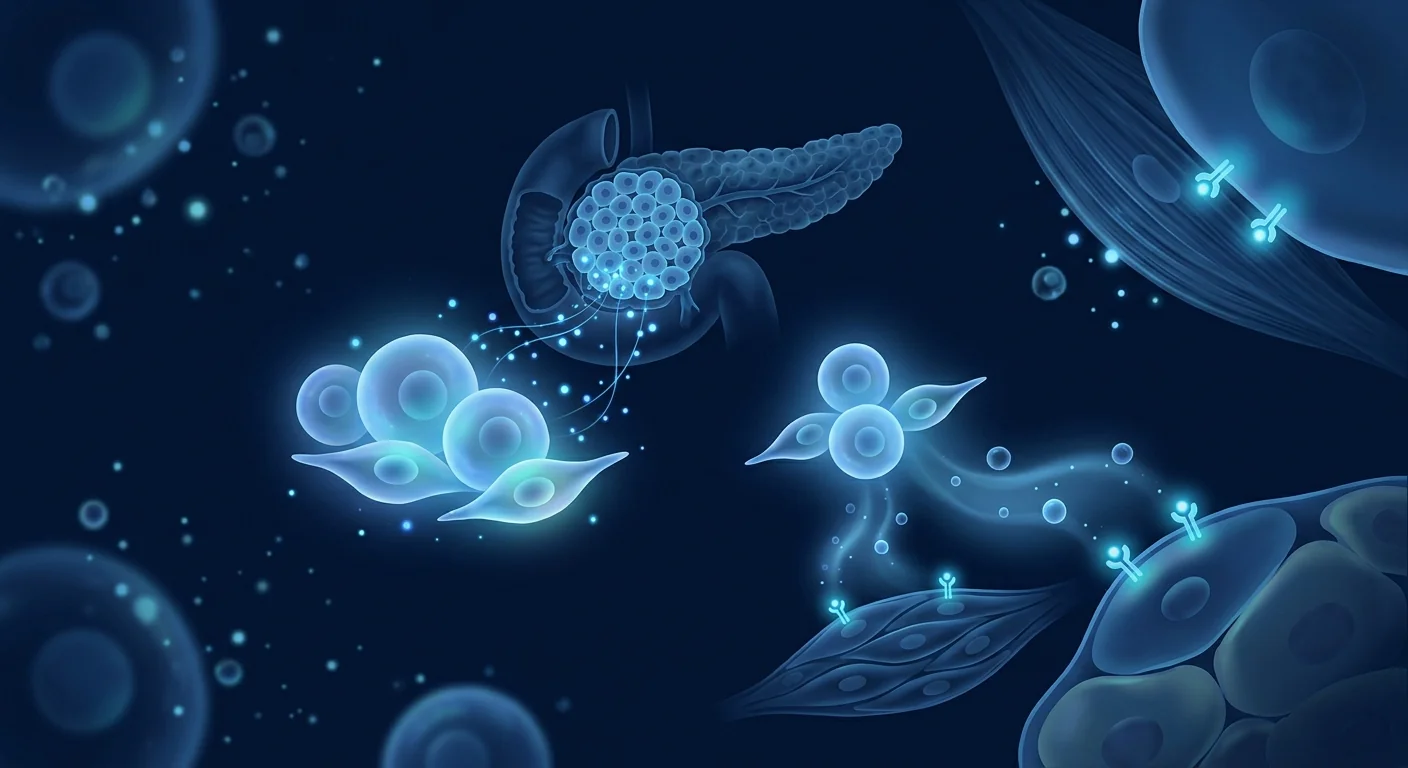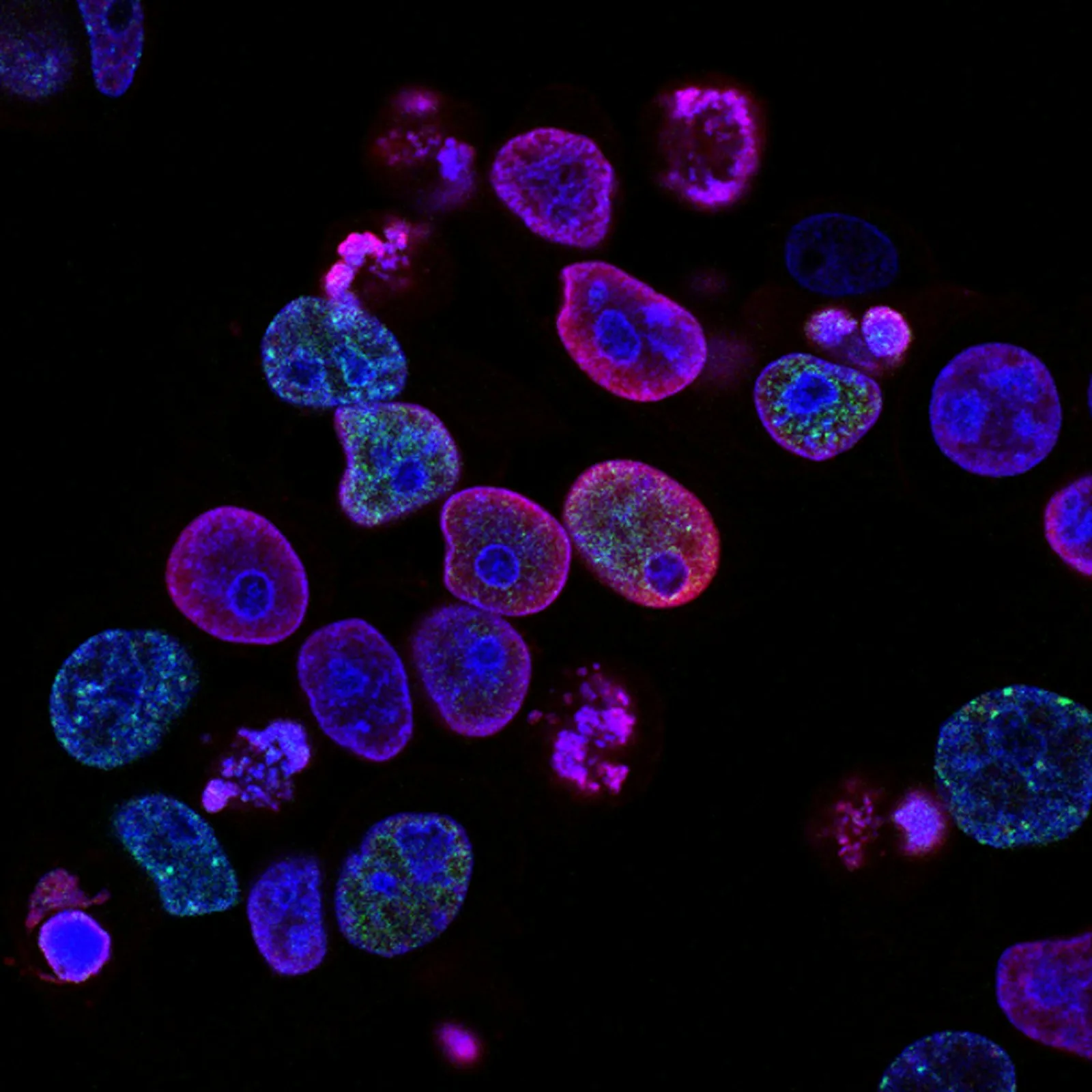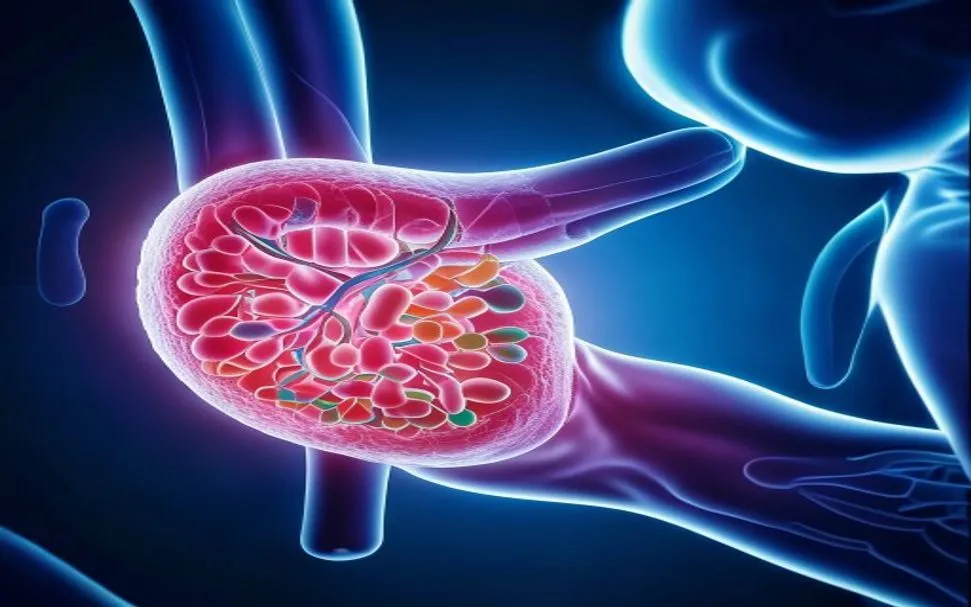
Type 2 diabetes is often discussed in the language of glucose: HbA1c numbers, fasting readings, post-meal spikes. The biology underneath that bookkeeping is messier and more interesting. The disease is, at its root, a story of three intertwined failures — chronic low-grade inflammation, peripheral insulin resistance, and the gradual exhaustion of pancreatic beta-cells. Standard medications manage glucose well, but most do not address those three drivers directly. That is the context in which Mesenchymal Stem Cell therapy is now being studied.
What's actually going wrong
Type 2 diabetes does not begin at diagnosis. It begins years earlier, with a slow accumulation of biology that eventually crosses into clinical disease. The mechanisms most relevant to a regenerative therapy discussion are:[1][2][3][4][5][6][7][8][9][10]
- Chronic low-grade inflammation — adipose tissue, particularly visceral fat, releases inflammatory cytokines (TNF-α, IL-6) that interfere with insulin signalling in muscle, liver, and fat cells
- Insulin resistance — peripheral tissues stop responding properly to insulin, forcing the pancreas to work harder to compensate
- Beta-cell stress and decline — under sustained workload, pancreatic beta-cells gradually lose function and decrease in number; by the time of diagnosis, an estimated 30–50% of beta-cell capacity is already lost
- Mitochondrial dysfunction — both in beta-cells and in peripheral metabolic tissue, reducing energy efficiency and worsening oxidative stress
- Microvascular damage — driving the long-term complications (retinopathy, nephropathy, neuropathy) that ultimately determine prognosis
Standard medications target the metabolic output — glucose levels, insulin sensitivity, GLP-1 signalling. They do this well. What they generally do not do is reduce the underlying chronic inflammation or actively support remaining beta-cell function. That is where MSC therapy is positioned.
What MSCs may biologically contribute
MSCs are not a "beta-cell replacement" therapy. They do not become insulin-producing cells in clinical practice — and any clinic implying otherwise is overselling. What MSCs do is enter the metabolic environment and respond to it. The relevant actions in type 2 diabetes biology include:
Anti-inflammatory recalibration
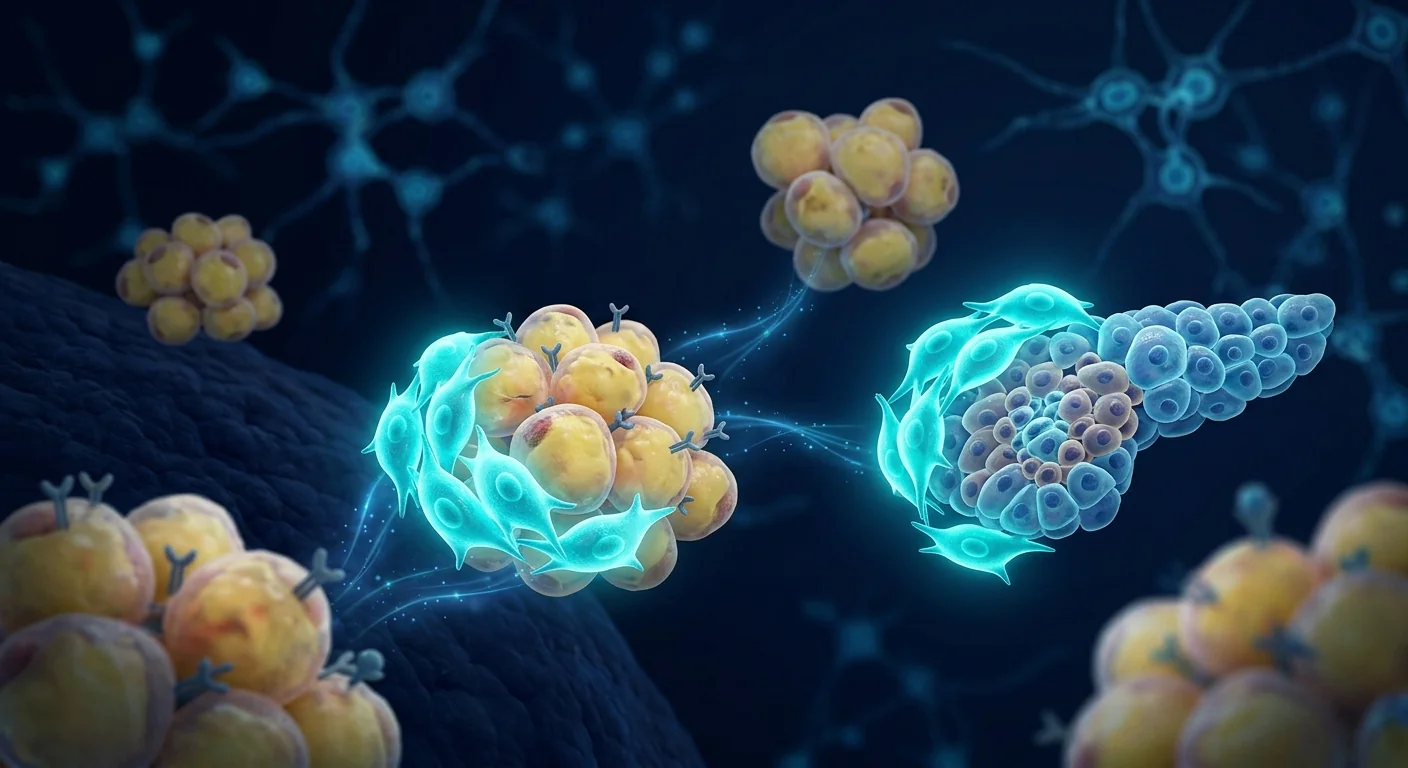
The chronic low-grade inflammation that drives insulin resistance is one of the few biological levers a regenerative therapy can plausibly influence. MSCs sense the inflammatory cytokine milieu and release factors such as TSG-6, PGE2, IDO, and IL-10 that interrupt the pro-inflammatory cascade. The downstream effect can be measurable improvements in insulin sensitivity that do not depend on adding a glucose-lowering medication.
Beta-cell protection (not replacement)
Pancreatic beta-cells in type 2 diabetes are stressed but, especially in earlier disease, not entirely lost. MSC paracrine signalling supports the survival and function of remaining beta-cells through anti-apoptotic and anti-oxidative mechanisms. The clinical goal is to slow further decline, not to regenerate cells already gone.
Mitochondrial support
Emerging research describes MSCs transferring healthy mitochondria to stressed neighbouring cells via tunneling nanotubes. In a disease centrally characterised by metabolic energy failure, this mechanism has plausible relevance — though the magnitude of clinical effect remains under active study.
Microvascular support
VEGF and other angiogenic factors released by MSCs may improve microvascular function, which is most relevant for patients beginning to develop diabetic complications.
What evidence supports — and what it doesn't
An honest summary of the published research landscape:
What is plausible: Modest improvement in HbA1c, reduction in inflammatory markers (hsCRP, IL-6), modest improvement in insulin sensitivity (HOMA-IR), and possible reduction in required insulin or oral medication doses in some patients — particularly those earlier in the disease course with preserved beta-cell function. This is consistent with what immunomodulation and metabolic environment improvement could realistically deliver.
What is not supported by current evidence: Cure of diabetes, freedom from medication, restoration of fully lost beta-cell mass, or normalisation of glucose without ongoing care. Any clinic implying these outcomes is overstating what biology supports.
What remains under active investigation: Optimal cell source and dose, ideal timing in the disease course, response prediction from baseline biomarkers, and how MSC therapy interacts with newer GLP-1 receptor agonists and SGLT2 inhibitors that have transformed diabetes care in the last decade.
The Honest Frame
MSC therapy for type 2 diabetes is, at present, an adjunctive protocol — a possible addition to standard endocrine care, not a replacement for it. Diet, exercise, weight management, metformin, GLP-1 agonists, and the rest of the modern diabetes toolkit remain the foundation. Regenerative therapy is best considered alongside that toolkit, not instead of it.
Who is the strongest candidate?
Within realistic boundaries, the patients most likely to see meaningful response are those who:
- Are within the first 5–10 years of diagnosis, when beta-cell function is partially preserved
- Have HbA1c in the suboptimal range (typically 6.5–9%) despite reasonable medication adherence
- Are committed to diet, exercise, and weight management — MSC therapy amplifies metabolic improvements; it cannot rescue active dietary patterns that drive the disease
- Have early signs of complications (mild neuropathy, early retinopathy, microalbuminuria) that may benefit from microvascular support
- Are coordinating with their endocrinologist on any treatment changes
Patients with very long-standing type 2 diabetes (more than 20 years), severe insulin requirement, or end-stage complications are less likely to see substantial benefit from MSC therapy alone — though it may still play a supportive role in carefully selected cases.
What treatment looks like
A type 2 diabetes-focused MSC programme at a regulated clinical centre typically follows this structure:
- Comprehensive metabolic assessment — HbA1c, fasting glucose, fasting insulin, C-peptide, lipid profile, kidney function, screening for complications, current medications
- Inflammatory and oxidative biomarker baseline — hsCRP, IL-6, TNF-α, oxidative stress markers
- Coordination with the patient's endocrinologist — MSC therapy supplements rather than replaces medical management; medication adjustments remain the prerogative of the prescribing physician
- Personalised MSC protocol — typically intravenous infusion across a structured 8–12 week cycle, dose calibrated to body weight and indication
- Lifestyle protocol — diet, physical activity, sleep, and weight management guidance designed to amplify and sustain cellular response
- Outcome tracking — repeat HbA1c, fasting metrics, inflammatory panels at 3, 6, and 12-month milestones
Realistic expectations
Outcomes vary substantially by disease duration, baseline beta-cell function, lifestyle adherence, MSC quality, and dosing protocol. Some patients see noticeable HbA1c improvement within 3–6 months; others build benefit gradually; a minority do not respond. A reputable clinic discusses this variability honestly during consultation, not after.
Safety considerations specific to diabetes
Several considerations deserve attention in diabetic patients:
- Glucose monitoring around infusion — patients on insulin or sulphonylureas may need adjusted dosing as insulin sensitivity changes; this requires endocrinologist coordination
- Renal function — patients with significant nephropathy require careful protocol design and additional monitoring
- Cardiovascular status — many type 2 diabetes patients have concurrent cardiovascular disease; medical clearance is part of every consultation
- Cell quality — clinical-grade, ISCT-verified MSCs delivered under qualified medical supervision is a non-negotiable foundation
The right way to think about MSC therapy in type 2 diabetes is not "will this replace my medication?" — biology cannot deliver that today. It is "is there a measurable inflammatory and metabolic environment improvement available to me, alongside the diet, exercise, and medication that already form the core of my care?" For the right patient, the answer is increasingly yes.
— VELAR Clinical Team
The VELAR approach to type 2 diabetes
Type 2 diabetes protocols at VELAR Center are designed in coordination with each patient's existing endocrinology team. Each programme uses clinical-grade Wharton's jelly–derived MSCs (≥95% identity verification, >95% viability at delivery) delivered via personalised intravenous infusion, paired with a structured lifestyle protocol and metabolic biomarker tracking at the 3, 6, and 12-month milestones.
If you are considering regenerative therapy as part of your diabetes care, the most useful first conversation is not about cells. It is about disease duration, current control, complication status, and whether MSC therapy is a sensible addition to the care framework you already have. That conversation — honest, data-driven, in coordination with your existing team — is what we offer at VELAR.
References
- Uccelli A, Moretta L, Pistoia V. Mesenchymal stem cells in health and disease. Nature Reviews Immunology. 2008;8(9):726-736. doi:10.1038/nri2395 ↩
- Shi Y, Wang Y, Li Q, et al. Immunoregulatory mechanisms of mesenchymal stem and stromal cells in inflammatory diseases. Nature Reviews Nephrology. 2018;14(8):493-507. doi:10.1038/s41581-018-0023-5 ↩
- Spees JL, Lee RH, Gregory CA. Mechanisms of mesenchymal stem/stromal cell function. Stem Cell Research & Therapy. 2016;7(1):125. doi:10.1186/s13287-016-0363-7 ↩
- Galipeau J, Sensébé L. Mesenchymal stromal cells: clinical challenges and therapeutic opportunities. Cell Stem Cell. 2018;22(6):824-833. doi:10.1016/j.stem.2018.05.004 ↩
- Pittenger MF, Discher DE, Péault BM, Phinney DG, Hare JM, Caplan AI. Mesenchymal stem cell perspective: cell biology to clinical progress. NPJ Regenerative Medicine. 2019;4:22. doi:10.1038/s41536-019-0083-6 ↩
- Caplan AI. Mesenchymal stem cells: time to change the name! Stem Cells Translational Medicine. 2017;6(6):1445-1451. doi:10.1002/sctm.17-0051 ↩
- Dominici M, Le Blanc K, Mueller I, et al. Minimal criteria for defining multipotent mesenchymal stromal cells. Cytotherapy. 2006;8(4):315-317. doi:10.1080/14653240600855905 ↩
- Lalu MM, McIntyre L, Pugliese C, et al. Safety of cell therapy with mesenchymal stromal cells (SafeCell): a systematic review and meta-analysis. PLoS One. 2012;7(10):e47559. doi:10.1371/journal.pone.0047559 ↩
- Naji A, Eitoku M, Favier B, Deschaseaux F, Rouas-Freiss N, Suganuma N. Biological functions of mesenchymal stem cells and clinical implications. Cellular and Molecular Life Sciences. 2019;76(17):3323-3348. doi:10.1007/s00018-019-03125-1 ↩
- Bronckaers A, Hilkens P, Martens W, et al. Mesenchymal stem/stromal cells as a pharmacological and therapeutic approach to accelerate angiogenesis. Pharmacology & Therapeutics. 2014;143(2):181-196. doi:10.1016/j.pharmthera.2014.02.013 ↩
- Bhansali A, Upreti V, Khandelwal N, et al. Efficacy of autologous bone marrow-derived stem cell transplantation in patients with type 2 diabetes mellitus. Stem Cells and Development. 2009;18(10):1407-1416. doi:10.1089/scd.2009.0164 ↩
- Hu J, Yu X, Wang Z, et al. Long term effects of the implantation of Wharton's jelly-derived mesenchymal stem cells from the umbilical cord for newly-onset type 1 diabetes mellitus. Endocrine Journal. 2013;60(3):347-357. doi:10.1507/endocrj.EJ12-0343 ↩
- Zang L, Hao H, Liu J, et al. Mesenchymal stem cell therapy in type 2 diabetes mellitus. Diabetology & Metabolic Syndrome. 2017;9:36. doi:10.1186/s13098-017-0233-1 ↩
- Skyler JS, Fonseca VA, Segal KR, et al. Allogeneic mesenchymal precursor cells in type 2 diabetes. Stem Cells Translational Medicine. 2015;4(9):1020-1027. doi:10.5966/sctm.2015-0086 ↩
- Dave SD, Vanikar AV, Trivedi HL, et al. Novel therapy for insulin-dependent diabetes mellitus. Journal of Diabetes & Metabolic Disorders. 2018;17(1):49-56. doi:10.1007/s40200-018-0337-7 ↩
参考文献
- Uccelli A, Moretta L, Pistoia V. Mesenchymal stem cells in health and disease. Nature Reviews Immunology. 2008;8(9):726-736. doi:10.1038/nri2395 ↩
- Shi Y, Wang Y, Li Q, et al. Immunoregulatory mechanisms of mesenchymal stem and stromal cells in inflammatory diseases. Nature Reviews Nephrology. 2018;14(8):493-507. doi:10.1038/s41581-018-0023-5 ↩
- Spees JL, Lee RH, Gregory CA. Mechanisms of mesenchymal stem/stromal cell function. Stem Cell Research & Therapy. 2016;7(1):125. doi:10.1186/s13287-016-0363-7 ↩
- Galipeau J, Sensébé L. Mesenchymal stromal cells: clinical challenges and therapeutic opportunities. Cell Stem Cell. 2018;22(6):824-833. doi:10.1016/j.stem.2018.05.004 ↩
- Pittenger MF, Discher DE, Péault BM, Phinney DG, Hare JM, Caplan AI. Mesenchymal stem cell perspective: cell biology to clinical progress. NPJ Regenerative Medicine. 2019;4:22. doi:10.1038/s41536-019-0083-6 ↩
- Caplan AI. Mesenchymal stem cells: time to change the name! Stem Cells Translational Medicine. 2017;6(6):1445-1451. doi:10.1002/sctm.17-0051 ↩
- Dominici M, Le Blanc K, Mueller I, et al. Minimal criteria for defining multipotent mesenchymal stromal cells. Cytotherapy. 2006;8(4):315-317. doi:10.1080/14653240600855905 ↩
- Lalu MM, McIntyre L, Pugliese C, et al. Safety of cell therapy with mesenchymal stromal cells (SafeCell): a systematic review and meta-analysis. PLoS One. 2012;7(10):e47559. doi:10.1371/journal.pone.0047559 ↩
- Naji A, Eitoku M, Favier B, Deschaseaux F, Rouas-Freiss N, Suganuma N. Biological functions of mesenchymal stem cells and clinical implications. Cellular and Molecular Life Sciences. 2019;76(17):3323-3348. doi:10.1007/s00018-019-03125-1 ↩
- Bronckaers A, Hilkens P, Martens W, et al. Mesenchymal stem/stromal cells as a pharmacological and therapeutic approach to accelerate angiogenesis. Pharmacology & Therapeutics. 2014;143(2):181-196. doi:10.1016/j.pharmthera.2014.02.013 ↩
- Bhansali A, Upreti V, Khandelwal N, et al. Efficacy of autologous bone marrow-derived stem cell transplantation in patients with type 2 diabetes mellitus. Stem Cells and Development. 2009;18(10):1407-1416. doi:10.1089/scd.2009.0164 ↩
- Hu J, Yu X, Wang Z, et al. Long term effects of the implantation of Wharton's jelly-derived mesenchymal stem cells from the umbilical cord for newly-onset type 1 diabetes mellitus. Endocrine Journal. 2013;60(3):347-357. doi:10.1507/endocrj.EJ12-0343 ↩
- Zang L, Hao H, Liu J, et al. Mesenchymal stem cell therapy in type 2 diabetes mellitus. Diabetology & Metabolic Syndrome. 2017;9:36. doi:10.1186/s13098-017-0233-1 ↩
- Skyler JS, Fonseca VA, Segal KR, et al. Allogeneic mesenchymal precursor cells in type 2 diabetes. Stem Cells Translational Medicine. 2015;4(9):1020-1027. doi:10.5966/sctm.2015-0086 ↩
- Dave SD, Vanikar AV, Trivedi HL, et al. Novel therapy for insulin-dependent diabetes mellitus. Journal of Diabetes & Metabolic Disorders. 2018;17(1):49-56. doi:10.1007/s40200-018-0337-7 ↩
2 型糖尿病常以血糖的语言被讨论:HbA1c 数字、空腹读数、餐后峰值。其底层生物学更为混乱也更有趣。该疾病在根本上是三种相互交织的失败的故事——慢性低度炎症、外周胰岛素抵抗,以及胰腺 β 细胞的渐进性耗竭。标准药物管理血糖良好,但大多数并不直接解决那三个驱动因素。这正是间充质干细胞疗法目前正在被研究的背景。
实际出了什么问题
2 型糖尿病并不在诊断时开始。它早在数年前就开始了,缓慢累积的生物学最终跨越临床疾病。与再生疗法讨论最相关的机制有:
- 慢性低度炎症——脂肪组织(特别是内脏脂肪)释放炎症细胞因子(TNF-α、IL-6),这些细胞因子干扰肌肉、肝脏与脂肪细胞中的胰岛素信号
- 胰岛素抵抗——外周组织停止对胰岛素的正常反应,迫使胰腺更努力工作以补偿
- β 细胞应激与衰退——在持续工作负荷下,胰腺 β 细胞逐渐丧失功能并数量下降;至诊断时,估计 30–50% 的 β 细胞容量已经丧失
- 线粒体功能障碍——同时存在于 β 细胞与外周代谢组织中,降低能量效率并加剧氧化应激
- 微血管损伤——驱动最终决定预后的长期并发症(视网膜病变、肾病、神经病变)
标准药物针对代谢输出——血糖水平、胰岛素敏感性、GLP-1 信号。它们做得很好。它们普遍不做的是减少根本的慢性炎症或主动支持剩余 β 细胞功能。这就是 MSC 疗法的定位。
MSC 在生物层面可能贡献的
MSC 不是一种"β 细胞替代"疗法。在临床实践中它们不会变成产生胰岛素的细胞——任何暗示如此的诊所都言过其实。MSC 实际上做的是进入代谢环境并对其作出反应。它们在 2 型糖尿病生物学中的相关作用包括:
抗炎再校准
驱动胰岛素抵抗的慢性低度炎症是再生疗法可能合理影响的少数生物杠杆之一。MSC 感知炎症细胞因子环境并释放 TSG-6、PGE2、IDO 与 IL-10 等因子打断促炎级联。下游效应可能是胰岛素敏感性的可测量改善——而无需添加降糖药物。
β 细胞保护(非替代)
2 型糖尿病中的胰腺 β 细胞处于应激状态——尤其是在较早的疾病中——但并未完全丧失。MSC 旁分泌信号通过抗凋亡与抗氧化机制支持剩余 β 细胞的存活与功能。临床目标是减缓进一步的衰退,而非再生已失去的细胞。
线粒体支持
新兴研究描述 MSC 通过隧道纳米管将健康线粒体转移到受压邻近细胞。在以代谢能量衰竭为核心特征的疾病中,该机制具有合理相关性——尽管临床效应的幅度仍处于积极研究中。
微血管支持
MSC 释放的 VEGF 与其他血管生成因子可改善微血管功能,这对开始发展糖尿病并发症的患者最为相关。
证据支持什么——以及不支持什么
对已发表研究领域的诚实总结:
什么是合理的:HbA1c 的适度改善、炎症标志物(hsCRP、IL-6)的降低、胰岛素敏感性的适度改善(HOMA-IR),以及在某些患者中所需胰岛素或口服药物剂量的可能减少——特别是在疾病进程较早且 β 细胞功能保留的患者。这与免疫调节和代谢环境改善实际可能交付的相一致。
当前证据不支持的:糖尿病的治愈、摆脱药物、完全失去 β 细胞质量的恢复,或在没有持续护理的情况下血糖正常化。任何暗示这些结果的诊所都过度声明生物学所支持的。
仍处于积极研究中的:最优细胞来源与剂量、疾病进程中的理想时机、从基线生物标志物预测反应,以及 MSC 疗法与近十年改变糖尿病护理的较新 GLP-1 受体激动剂和 SGLT2 抑制剂如何相互作用。
诚实的框架
目前 2 型糖尿病的 MSC 疗法是辅助性方案——可能加入标准内分泌护理的补充,而非替代。饮食、运动、体重管理、二甲双胍、GLP-1 激动剂以及现代糖尿病工具包的其余部分仍然是基础。再生疗法最好与那个工具包一同考虑,而非取代。
谁是最强的候选人?
在现实边界内,最有可能看到有意义反应的患者是:
- 诊断后的前 5–10 年内,β 细胞功能部分保留
- HbA1c 处于次优范围(通常 6.5–9%)尽管有合理的药物依从性
- 致力于饮食、运动与体重管理——MSC 疗法放大代谢改善;它无法挽救驱动疾病的活跃饮食模式
- 有早期并发症迹象(轻度神经病变、早期视网膜病变、微量白蛋白尿)可能受益于微血管支持
- 正与其内分泌科医师协调任何治疗变更
有非常长期 2 型糖尿病(超过 20 年)、严重胰岛素需求或晚期并发症的患者较不可能仅从 MSC 疗法看到实质性受益——尽管在仔细选定的病例中它仍可能扮演支持角色。
治疗的样子
受监管临床中心的针对 2 型糖尿病的 MSC 项目通常遵循该结构:
- 全面代谢评估——HbA1c、空腹血糖、空腹胰岛素、C 肽、血脂谱、肾功能、并发症筛查、当前用药
- 炎症与氧化生物标志物基线——hsCRP、IL-6、TNF-α、氧化应激标志物
- 与患者的内分泌科医师协调——MSC 疗法补充而非替代医学管理;用药调整仍由处方医师决定
- 个性化 MSC 方案——通常在结构化的 8–12 周周期内静脉输注,剂量按体重与适应症校准
- 生活方式方案——饮食、身体活动、睡眠与体重管理指导,旨在放大并维持细胞反应
- 疗效追踪——重复 HbA1c、空腹指标、炎症面板在 3、6 与 12 个月里程碑
实际预期
疗效因疾病持续时间、基线 β 细胞功能、生活方式依从性、MSC 质量与给药方案而显著不同。一些患者在 3–6 个月内看到明显的 HbA1c 改善;其他人逐渐建立受益;少数无反应。信誉良好的诊所在咨询期间诚实地讨论这一可变性,而非之后。
糖尿病特有的安全性考量
糖尿病患者中有几项考量值得关注:
- 输注前后的血糖监测——使用胰岛素或磺酰脲类的患者可能需要随胰岛素敏感性变化而调整剂量;这需要内分泌科医师协调
- 肾功能——有显著肾病的患者需要仔细的方案设计与额外监测
- 心血管状态——许多 2 型糖尿病患者有并发的心血管疾病;医疗清除是每次咨询的一部分
- 细胞质量——在合格医疗监督下递送的临床级、ISCT 验证的 MSC 是不可妥协的基础
思考 2 型糖尿病中 MSC 疗法的正确方式不是"这能替代我的药物吗?"——生物学今天无法做到。而是"在已经构成我护理核心的饮食、运动与药物之外,是否有可测量的炎症与代谢环境改善可获得?"对合适的患者,答案越来越是肯定的。
——VELAR 临床团队
VELAR 的 2 型糖尿病方法
VELAR Center 的 2 型糖尿病方案与每位患者现有的内分泌团队协调设计。每个项目使用临床级华通氏胶来源 MSC(身份验证 ≥95%、交付时活性 >95%)通过个性化静脉输注递送,搭配结构化的生活方式方案与在 3、6 与 12 个月里程碑的代谢生物标志物追踪。
如果您正在考虑作为糖尿病护理一部分的再生疗法,最有用的第一次对话不是关于细胞。是关于疾病持续时间、当前控制、并发症状态,以及 MSC 疗法是否是您已有护理框架的合理补充。那种对话——诚实的、数据驱动的、与您现有团队协调的——就是我们在 VELAR 提供的。
غالباً ما يُناقَش داء السكري من النوع 2 بلغة الجلوكوز: أرقام HbA1c، قراءات الصيام، ارتفاعات ما بعد الوجبات. البيولوجيا الكامنة وراء تلك المحاسبة أكثر فوضى وأكثر إثارة للاهتمام. المرض في جذوره قصة لثلاثة إخفاقات متشابكة — التهاب مزمن منخفض الدرجة، مقاومة محيطية للأنسولين، والإنهاك التدريجي لخلايا بيتا في البنكرياس. تدير الأدوية القياسية الجلوكوز جيداً، لكن معظمها لا يعالج تلك المحركات الثلاثة بشكل مباشر. هذا هو السياق الذي يُدرَس فيه الآن علاج الخلايا الجذعية الوسيطة.
ما الذي يحدث خطأ بالفعل
لا يبدأ داء السكري من النوع 2 عند التشخيص. يبدأ قبل سنوات، مع تراكم بطيء للبيولوجيا التي تتجاوز في النهاية المرض السريري. الآليات الأكثر صلة بمناقشة العلاج التجديدي هي:
- التهاب مزمن منخفض الدرجة — تطلق الأنسجة الدهنية، خاصة الدهون الحشوية، سيتوكينات التهابية (TNF-α، IL-6) تتداخل مع إشارات الأنسولين في الخلايا العضلية والكبدية والدهنية
- مقاومة الأنسولين — تتوقف الأنسجة المحيطية عن الاستجابة بشكل صحيح للأنسولين، مما يجبر البنكرياس على العمل بشكل أكبر للتعويض
- إجهاد خلايا بيتا وتدهورها — تحت ضغط العمل المستمر، تفقد خلايا بيتا في البنكرياس وظيفتها تدريجياً وتنخفض في العدد؛ بحلول وقت التشخيص، يكون 30–50% من سعة خلايا بيتا قد فُقد بالفعل
- خلل الميتوكوندريا — في كل من خلايا بيتا والأنسجة الأيضية المحيطية، مما يقلل كفاءة الطاقة ويزيد من الإجهاد التأكسدي
- الضرر الوعائي الدقيق — يدفع المضاعفات طويلة الأمد (اعتلال الشبكية، اعتلال الكلى، اعتلال الأعصاب) التي تحدد في النهاية التكهن
تستهدف الأدوية القياسية الناتج الأيضي — مستويات الجلوكوز، حساسية الأنسولين، إشارات GLP-1. تفعل ذلك جيداً. ما لا تفعله عموماً هو تقليل الالتهاب المزمن الكامن أو الدعم النشط لوظيفة خلايا بيتا المتبقية. هنا يقع علاج MSC.
ما يمكن أن تساهم به MSC بيولوجياً
MSC ليست علاج "استبدال لخلايا بيتا". لا تصبح خلايا منتجة للأنسولين في الممارسة السريرية — وأي عيادة تُلمح إلى خلاف ذلك تبالغ في البيع. ما تفعله MSC هو الدخول إلى البيئة الأيضية والاستجابة لها. تشمل أفعالها ذات الصلة في بيولوجيا داء السكري من النوع 2:
إعادة معايرة مضادة للالتهاب
الالتهاب المزمن منخفض الدرجة الذي يدفع مقاومة الأنسولين هو أحد الروافع البيولوجية القليلة التي يمكن أن يؤثر عليها العلاج التجديدي بشكل معقول. تستشعر MSC وسط السيتوكينات الالتهابي وتطلق عوامل مثل TSG-6 وPGE2 وIDO وIL-10 تقاطع الشلال المؤيد للالتهاب. التأثير المتلقي يمكن أن يكون تحسينات قابلة للقياس في حساسية الأنسولين دون الاعتماد على إضافة دواء خافض للجلوكوز.
حماية خلايا بيتا (لا الاستبدال)
خلايا بيتا في البنكرياس في داء السكري من النوع 2 مُجهَدة لكن، خاصة في المرض المبكر، ليست مفقودة تماماً. تدعم إشارات MSC شبه الإفرازية بقاء ووظيفة خلايا بيتا المتبقية من خلال آليات مضادة للاستماتة ومضادة للأكسدة. الهدف السريري هو إبطاء المزيد من التدهور، وليس تجديد الخلايا التي ذهبت بالفعل.
الدعم الميتوكوندري
تصف الأبحاث الناشئة MSC تنقل ميتوكوندريا صحية إلى الخلايا المجاورة المُجهَدة عبر أنابيب نانوية نفقية. في مرض يتميز مركزياً بفشل الطاقة الأيضية، لهذه الآلية أهمية معقولة — رغم أن حجم التأثير السريري يبقى قيد الدراسة النشطة.
الدعم الوعائي الدقيق
قد تحسّن VEGF وعوامل تولد الأوعية الأخرى التي تطلقها MSC الوظيفة الوعائية الدقيقة، وهذا الأكثر صلة للمرضى الذين يبدأون في تطوير مضاعفات السكري.
ما تدعمه الأدلة — وما لا تدعمه
ملخص صادق لمشهد الأبحاث المنشورة:
ما هو معقول: تحسن متواضع في HbA1c، انخفاض في علامات الالتهاب (hsCRP، IL-6)، تحسن متواضع في حساسية الأنسولين (HOMA-IR)، وانخفاض محتمل في جرعات الأنسولين أو الدواء الفموي المطلوبة لدى بعض المرضى — خاصة أولئك في وقت مبكر من مسار المرض مع وظيفة خلايا بيتا المحفوظة. هذا متسق مع ما يمكن أن يقدمه تعديل المناعة وتحسين البيئة الأيضية بشكل واقعي.
ما لا تدعمه الأدلة الحالية: علاج السكري، التحرر من الدواء، استعادة كتلة خلايا بيتا المفقودة بالكامل، أو تطبيع الجلوكوز دون رعاية مستمرة. أي عيادة تُلمح إلى هذه النتائج تبالغ في ما تدعمه البيولوجيا.
ما يبقى قيد البحث النشط: مصدر الخلايا والجرعة المثلى، التوقيت المثالي في مسار المرض، التنبؤ بالاستجابة من المؤشرات الحيوية الأساسية، وكيف يتفاعل علاج MSC مع ناهضات مستقبلات GLP-1 الأحدث ومثبطات SGLT2 التي حولت رعاية السكري في العقد الماضي.
الإطار الصادق
علاج MSC لداء السكري من النوع 2، في الوقت الحالي، بروتوكول مساعد — إضافة محتملة للرعاية الغدية القياسية، وليس بديلاً عنها. النظام الغذائي والرياضة وإدارة الوزن والميتفورمين وناهضات GLP-1 وبقية مجموعة أدوات السكري الحديثة تظل الأساس. يُنظَر إلى العلاج التجديدي بشكل أفضل جنباً إلى جنب مع تلك المجموعة، وليس بدلاً منها.
من المرشح الأقوى؟
ضمن الحدود الواقعية، المرضى الأكثر احتمالاً لرؤية استجابة ذات معنى هم الذين:
- هم في الـ 5–10 سنوات الأولى من التشخيص، حين تكون وظيفة خلايا بيتا محفوظة جزئياً
- لديهم HbA1c في النطاق دون الأمثل (عادة 6.5–9%) رغم الالتزام المعقول بالأدوية
- ملتزمون بالنظام الغذائي والرياضة وإدارة الوزن — يضخم علاج MSC التحسينات الأيضية؛ لا يستطيع إنقاذ أنماط غذائية نشطة تدفع المرض
- لديهم علامات مبكرة للمضاعفات (اعتلال أعصاب خفيف، اعتلال شبكية مبكر، بيلة ألبومينية دقيقة) قد تستفيد من الدعم الوعائي الدقيق
- ينسقون مع طبيب الغدد الصماء بشأن أي تغييرات في العلاج
المرضى الذين يعانون من داء السكري من النوع 2 طويل الأمد جداً (أكثر من 20 عاماً)، أو متطلبات أنسولين شديدة، أو مضاعفات في المرحلة النهائية أقل احتمالاً لرؤية فائدة جوهرية من علاج MSC وحده — رغم أنه قد يلعب دوراً داعماً في حالات مختارة بعناية.
كيف يبدو العلاج
برنامج MSC المتمحور حول داء السكري من النوع 2 في مركز سريري مُنظَّم يتبع عادة هذا الهيكل:
- تقييم أيضي شامل — HbA1c، الجلوكوز الصائم، الأنسولين الصائم، الببتيد C، ملف الدهون، وظيفة الكلى، فحص المضاعفات، الأدوية الحالية
- خط أساس للمؤشرات الحيوية الالتهابية والتأكسدية — hsCRP، IL-6، TNF-α، علامات الإجهاد التأكسدي
- التنسيق مع طبيب الغدد الصماء للمريض — يكمل علاج MSC بدلاً من أن يحل محل الإدارة الطبية؛ تظل تعديلات الأدوية صلاحية الطبيب الذي يصف
- بروتوكول MSC شخصي — عادة تسريب وريدي على مدى دورة منظمة من 8–12 أسبوعاً، الجرعة معايرة لوزن الجسم والدلالة
- بروتوكول نمط الحياة — توجيه النظام الغذائي والنشاط البدني والنوم وإدارة الوزن مصمم لتضخيم وحفظ الاستجابة الخلوية
- تتبع النتائج — تكرار HbA1c، مقاييس الصيام، لوحات الالتهاب في علامات 3 و6 و12 شهراً
التوقعات الواقعية
تختلف النتائج بشكل كبير حسب مدة المرض، وظيفة خلايا بيتا الأساسية، الالتزام بنمط الحياة، جودة MSC، وبروتوكول الجرعات. يرى بعض المرضى تحسناً ملحوظاً في HbA1c في غضون 3–6 أشهر؛ يبني آخرون الفائدة تدريجياً؛ أقلية لا تستجيب. تناقش العيادة ذات السمعة الجيدة هذا التباين بصدق أثناء الاستشارة، لا بعدها.
اعتبارات السلامة الخاصة بالسكري
عدة اعتبارات تستحق الاهتمام في مرضى السكري:
- مراقبة الجلوكوز حول التسريب — قد يحتاج المرضى الذين يستخدمون الأنسولين أو السلفونيلوريا إلى جرعات معدّلة مع تغير حساسية الأنسولين؛ يتطلب هذا تنسيق طبيب الغدد الصماء
- وظيفة الكلى — يحتاج المرضى المصابون باعتلال كلوي كبير إلى تصميم بروتوكول دقيق ومراقبة إضافية
- الحالة القلبية الوعائية — لدى العديد من مرضى السكري من النوع 2 مرض قلبي وعائي مصاحب؛ التصريح الطبي جزء من كل استشارة
- جودة الخلايا — MSC ذات الجودة السريرية المعتمدة من ISCT المُسلَّمة تحت إشراف طبي مؤهل أساس غير قابل للتفاوض
الطريقة الصحيحة للتفكير في علاج MSC في داء السكري من النوع 2 ليست "هل سيستبدل دوائي؟" — البيولوجيا لا تستطيع تقديم ذلك اليوم. بل "هل هناك تحسن قابل للقياس في البيئة الالتهابية والأيضية متاح لي، إلى جانب النظام الغذائي والرياضة والدواء التي تشكل بالفعل جوهر رعايتي؟" بالنسبة للمريض المناسب، الإجابة بشكل متزايد نعم.
— فريق VELAR السريري
منهج VELAR لداء السكري من النوع 2
تُصمَّم بروتوكولات داء السكري من النوع 2 في VELAR Center بالتنسيق مع فريق الغدد الصماء الحالي لكل مريض. يستخدم كل برنامج MSC ذات الجودة السريرية المشتقة من هلام وارتون (تحقق من الهوية ≥95٪، حيوية عند التسليم >95٪) تُسلَّم عبر تسريب وريدي شخصي، مقترنة ببروتوكول نمط حياة منظم وتتبع المؤشرات الحيوية الأيضية في علامات 3 و6 و12 شهراً.
إذا كنت تفكر في العلاج التجديدي كجزء من رعاية السكري الخاصة بك، فإن أكثر محادثة أولى مفيدة ليست عن الخلايا. إنها عن مدة المرض، السيطرة الحالية، حالة المضاعفات، وما إذا كان علاج MSC إضافة معقولة لإطار الرعاية الذي لديك بالفعل. هذه المحادثة — صادقة، مدفوعة بالبيانات، بالتنسيق مع فريقك الحالي — هي ما نقدمه في VELAR.