When patients begin researching regenerative therapy, they quickly encounter a confusing reality: the term "stem cell therapy" describes wildly different procedures, using cells from very different sources, with very different clinical results. The choice of tissue source is not a marketing detail — it is the single most consequential factor in cellular potency, consistency, and safety. This article breaks down the three sources used in modern MSC therapy and explains why Wharton's jelly from the umbilical cord has become the clinical gold standard.
What is Wharton's jelly?
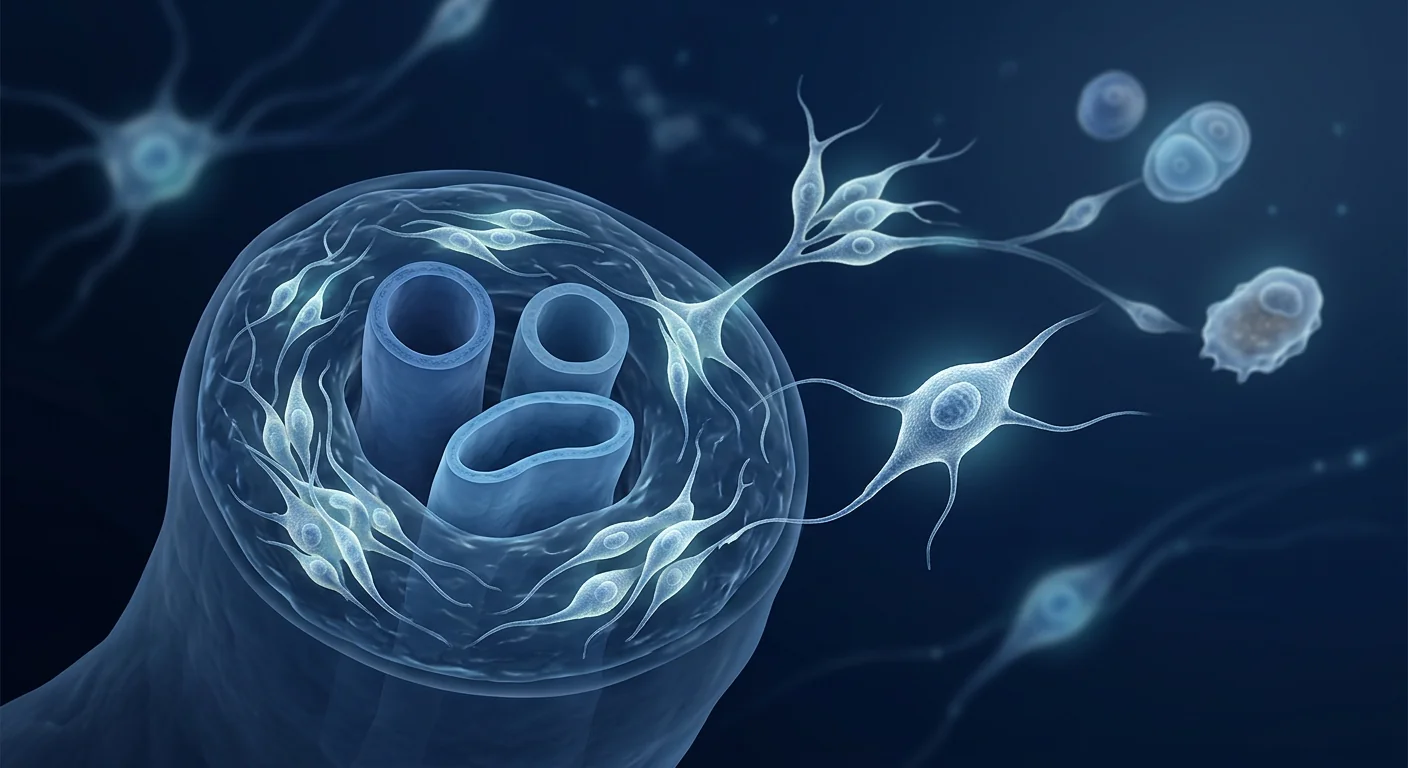
Wharton's jelly is the gelatinous connective tissue surrounding the blood vessels of the umbilical cord. Named after the 17th-century English physician Thomas Wharton, this tissue cushions the cord vessels during pregnancy and is rich in highly potent, biologically youthful Mesenchymal Stem Cells. After delivery, the umbilical cord is normally discarded as medical waste — but with informed consent from the donor mother, it becomes one of the most valuable sources of clinical-grade MSCs available today.[1][2][3][4]
Critically, MSCs from Wharton's jelly are not embryonic stem cells. They are adult, multipotent cells — ethically obtained from full-term, healthy donations with no impact whatsoever on the newborn or mother. This distinction matters: it places Wharton's jelly–derived therapy on the same regulatory and ethical footing as any other adult cell therapy, with none of the controversies surrounding embryonic sources.

The three main MSC sources — compared
To understand why source matters, it helps to compare the three tissue sources clinically used today.
1. Bone marrow MSCs (BM-MSCs)
The original source studied since the 1970s. Bone marrow MSCs are isolated through a needle aspiration from the iliac crest — a procedure that is invasive, painful, and yields a relatively small number of cells. Importantly, the donor's age has a significant impact: bone marrow MSCs from a 60-year-old donor have notably reduced proliferation, differentiation, and paracrine activity compared with cells from younger donors. For autologous (self-derived) treatment in older patients, this becomes a fundamental limitation.
2. Adipose-derived MSCs (AD-MSCs)
Isolated from fat tissue via mini-liposuction, adipose MSCs are easier to obtain in larger quantities than bone marrow. However, they share the same age-related decline issue, may have different secretome profiles, and require the patient to undergo a surgical harvest procedure before treatment can begin.
3. Umbilical cord (Wharton's jelly) MSCs
Isolated from donated umbilical cord tissue, these are the youngest viable adult MSCs available. They are allogeneic — meaning they come from a donor, not the patient — which makes "off-the-shelf" treatment possible without subjecting the patient to a harvest procedure. Crucially, they show the strongest growth potential, lowest immunogenicity, and richest paracrine secretome of all three sources.
Why "youngest viable" matters
Stem cells lose proliferative capacity, secretome richness, and regenerative potency as their donor ages. A cell isolated at birth carries the biological youth of that moment. This is why Wharton's jelly MSCs consistently outperform older-donor sources in laboratory potency assays — and why source age is treated as a critical quality variable in modern protocol design.
What "clinical-grade" actually means
Sourcing is only the first step. Even the best raw material becomes useless without rigorous downstream processing. The phrase "clinical-grade MSC" carries a specific, demanding meaning — and it is not automatically true of every product marketed as such. To be considered genuinely clinical-grade, MSCs must meet criteria across four dimensions:
Identity
Verified by flow cytometry against ISCT criteria: CD73, CD90, and CD105 expression at ≥95%; CD34, CD45, HLA-DR expression below 2%. This confirms the cells are MSCs and not contaminating cell types.
Viability
Greater than 95% cell viability at delivery, measured immediately before clinical use — VELAR's cells are prepared fresh, never frozen. This is the difference between living, functional cells and dying or dead biomass.
Sterility & Safety
Each release lot is tested by bacterial and fungal culture, real-time PCR for mycoplasma, HIV, HBV and HCV, and an LAL endotoxin assay.
Potency
Functional assays demonstrating the cells' actual biological activity — for instance, the ability to suppress T-cell proliferation in immunomodulation assays, or to differentiate into target lineages.
A reputable laboratory provides a Certificate of Analysis (CoA) with each clinical batch, documenting all of the above. If a clinic cannot or will not show you a CoA for the specific batch being used in your treatment, that is itself a quality signal.

Allogeneic vs. autologous: which is better?
One of the most common questions patients ask: "Should I use my own cells, or donor cells?" The honest, evidence-based answer is: it depends on what you want to achieve.
Autologous (your own cells) avoids any theoretical risk of immune mismatch and is suited for certain orthopedic applications. The downsides: it requires a harvest procedure (bone marrow aspiration or mini-liposuction), the cells reflect your current biological age, and the dose is limited by what your body can yield in one harvest.
Allogeneic (donor) cells from Wharton's jelly avoid the harvest, deliver biologically youthful cells with stronger potency, allow flexible dosing, and — because well-cultivated MSCs express low levels of HLA Class II — show very low immune rejection in clinical practice. For most regenerative and longevity applications today, allogeneic Wharton's jelly–derived MSCs deliver the better safety-to-potency ratio.
Questions every patient should ask
Before any MSC therapy, a patient — or family member — has the right to ask the clinic specific, answerable questions. A reputable provider will welcome them.
- What is the source of the MSCs? (Wharton's jelly, bone marrow, adipose, or other)
- Who manufactures the cells? (In-house GMP-aligned lab? Third-party with credentials?)
- What certifications does the laboratory hold? (ISO 9001, ISO/IEC 17025, OECD GLP, etc.)
- Can I see the Certificate of Analysis for my dose?
- How is donor screening performed?
- What is the post-thaw cell viability of the dose I will receive?
If the answers are vague, evasive, or unavailable in writing — that is data. It tells you that the protocol may not meet the standards a clinical-grade therapy demands.
The single most reliable predictor of safety and outcome in cell therapy is not the brand on the website — it is the documentation that follows the cells from cord to dose.
— VELAR Clinical Team
The VELAR sourcing standard
At VELAR Center, every MSC dose begins with ethically donated, fully screened, full-term Wharton's jelly. Cell isolation and expansion are performed under cGMP-aligned protocols within ISO Class 5 (Class-100) cleanrooms, and the cells are delivered fresh, never frozen. Every batch is verified for ISCT identity (CD73, CD90, CD105 ≥95%) and tested for sterility, mycoplasma, HIV, HBV, HCV and endotoxin before release. Every patient dose is accompanied by a documented Certificate of Analysis.
This is what the phrase "clinical-grade Wharton's jelly–derived MSC" actually means at VELAR — not as a tagline, but as a verified, document-traceable claim.
References
- Uccelli A, Moretta L, Pistoia V. Mesenchymal stem cells in health and disease. Nature Reviews Immunology. 2008;8(9):726-736. doi:10.1038/nri2395 ↩
- Shi Y, Wang Y, Li Q, et al. Immunoregulatory mechanisms of mesenchymal stem and stromal cells in inflammatory diseases. Nature Reviews Nephrology. 2018;14(8):493-507. doi:10.1038/s41581-018-0023-5 ↩
- Spees JL, Lee RH, Gregory CA. Mechanisms of mesenchymal stem/stromal cell function. Stem Cell Research & Therapy. 2016;7(1):125. doi:10.1186/s13287-016-0363-7 ↩
- Galipeau J, Sensébé L. Mesenchymal stromal cells: clinical challenges and therapeutic opportunities. Cell Stem Cell. 2018;22(6):824-833. doi:10.1016/j.stem.2018.05.004 ↩
- Pittenger MF, Discher DE, Péault BM, Phinney DG, Hare JM, Caplan AI. Mesenchymal stem cell perspective: cell biology to clinical progress. NPJ Regenerative Medicine. 2019;4:22. doi:10.1038/s41536-019-0083-6 ↩
- Caplan AI. Mesenchymal stem cells: time to change the name! Stem Cells Translational Medicine. 2017;6(6):1445-1451. doi:10.1002/sctm.17-0051 ↩
- Dominici M, Le Blanc K, Mueller I, et al. Minimal criteria for defining multipotent mesenchymal stromal cells. Cytotherapy. 2006;8(4):315-317. doi:10.1080/14653240600855905 ↩
- Lalu MM, McIntyre L, Pugliese C, et al. Safety of cell therapy with mesenchymal stromal cells (SafeCell). PLoS One. 2012;7(10):e47559. doi:10.1371/journal.pone.0047559 ↩
- Naji A, Eitoku M, Favier B, Deschaseaux F, Rouas-Freiss N, Suganuma N. Biological functions of mesenchymal stem cells. Cellular and Molecular Life Sciences. 2019;76(17):3323-3348. doi:10.1007/s00018-019-03125-1 ↩
- Bronckaers A, Hilkens P, Martens W, et al. Mesenchymal stem/stromal cells as a pharmacological approach to accelerate angiogenesis. Pharmacology & Therapeutics. 2014;143(2):181-196. doi:10.1016/j.pharmthera.2014.02.013 ↩
- Wang Y, Chen X, Cao W, Shi Y. Plasticity of mesenchymal stem cells in immunomodulation. Nature Immunology. 2014;15(11):1009-1016. doi:10.1038/ni.3002 ↩
- Weiss DJ, Bertoncello I, Borok Z, et al. Stem cells and cell therapies in lung biology and lung diseases. Proceedings of the American Thoracic Society. 2011;8(3):223-272. doi:10.1513/pats.201012-071DW ↩
参考文献
- Uccelli A, Moretta L, Pistoia V. Mesenchymal stem cells in health and disease. Nature Reviews Immunology. 2008;8(9):726-736. doi:10.1038/nri2395 ↩
- Shi Y, Wang Y, Li Q, et al. Immunoregulatory mechanisms of mesenchymal stem and stromal cells in inflammatory diseases. Nature Reviews Nephrology. 2018;14(8):493-507. doi:10.1038/s41581-018-0023-5 ↩
- Spees JL, Lee RH, Gregory CA. Mechanisms of mesenchymal stem/stromal cell function. Stem Cell Research & Therapy. 2016;7(1):125. doi:10.1186/s13287-016-0363-7 ↩
- Galipeau J, Sensébé L. Mesenchymal stromal cells: clinical challenges and therapeutic opportunities. Cell Stem Cell. 2018;22(6):824-833. doi:10.1016/j.stem.2018.05.004 ↩
- Pittenger MF, Discher DE, Péault BM, Phinney DG, Hare JM, Caplan AI. Mesenchymal stem cell perspective: cell biology to clinical progress. NPJ Regenerative Medicine. 2019;4:22. doi:10.1038/s41536-019-0083-6 ↩
- Caplan AI. Mesenchymal stem cells: time to change the name! Stem Cells Translational Medicine. 2017;6(6):1445-1451. doi:10.1002/sctm.17-0051 ↩
- Dominici M, Le Blanc K, Mueller I, et al. Minimal criteria for defining multipotent mesenchymal stromal cells. Cytotherapy. 2006;8(4):315-317. doi:10.1080/14653240600855905 ↩
- Lalu MM, McIntyre L, Pugliese C, et al. Safety of cell therapy with mesenchymal stromal cells (SafeCell). PLoS One. 2012;7(10):e47559. doi:10.1371/journal.pone.0047559 ↩
- Naji A, Eitoku M, Favier B, Deschaseaux F, Rouas-Freiss N, Suganuma N. Biological functions of mesenchymal stem cells. Cellular and Molecular Life Sciences. 2019;76(17):3323-3348. doi:10.1007/s00018-019-03125-1 ↩
- Bronckaers A, Hilkens P, Martens W, et al. Mesenchymal stem/stromal cells as a pharmacological approach to accelerate angiogenesis. Pharmacology & Therapeutics. 2014;143(2):181-196. doi:10.1016/j.pharmthera.2014.02.013 ↩
- Wang Y, Chen X, Cao W, Shi Y. Plasticity of mesenchymal stem cells in immunomodulation. Nature Immunology. 2014;15(11):1009-1016. doi:10.1038/ni.3002 ↩
- Weiss DJ, Bertoncello I, Borok Z, et al. Stem cells and cell therapies in lung biology and lung diseases. Proceedings of the American Thoracic Society. 2011;8(3):223-272. doi:10.1513/pats.201012-071DW ↩
当患者开始研究再生疗法时,他们很快就会遇到一个令人困惑的现实:“干细胞疗法”这一术语描述的是截然不同的程序,使用来自截然不同来源的细胞,并产生截然不同的临床结果。组织来源的选择不是营销细节——它是细胞效力、一致性与安全性最具决定性的因素。本文剖析现代 MSC 疗法所使用的三种来源,并解释为什么来自脐带的华通氏胶已成为临床的黄金标准。
什么是华通氏胶?
华通氏胶是包绕脐血管的胶状结缔组织。以 17 世纪英国医师 Thomas Wharton 命名,这一组织在妊娠期间为脐血管提供缓冲,并富含高效力、生物学上年轻的间充质干细胞。分娩后,脐带通常作为医疗废物丢弃——但在捐赠母亲的知情同意下,它成为当今可获得的最有价值的临床级 MSC 来源之一。
关键的是,来自华通氏胶的 MSC 并非胚胎干细胞。它们是成体、多能细胞——伦理地获取自足月、健康的捐赠,对新生儿或母亲毫无影响。这一区分至关重要:它把华通氏胶来源的疗法置于与任何其他成体细胞疗法相同的监管与伦理基础上,没有围绕胚胎来源的争议。
三种主要 MSC 来源——比较
要理解为什么来源很重要,比较当今临床使用的三种组织来源会有所帮助。
1. 骨髓 MSC(BM-MSCs)
自 1970 年代起即被研究的原始来源。骨髓 MSC 通过髂嵴针吸获取——这一程序具有侵入性、疼痛性,且产出的细胞数量相对较少。重要的是,捐赠者的年龄具有显著影响:来自 60 岁捐赠者的骨髓 MSC,在增殖、分化与旁分泌活性上较年轻捐赠者的细胞明显减弱。对于较年长患者的自体(自源)治疗,这成为根本性的限制。
2. 脂肪来源 MSC(AD-MSCs)
通过小型抽脂手术从脂肪组织分离,脂肪 MSC 较骨髓更易获得较大数量。然而,它们同样存在与年龄相关的衰退问题,可能具有不同的分泌组谱,并要求患者在治疗开始之前接受手术采集程序。
3. 脐带(华通氏胶)MSC
分离自捐赠的脐带组织,这是可获得的最年轻、可存活的成体 MSC。它们是异体的——意味着来自捐赠者,而非患者本身——这使得“即用”治疗成为可能,无需让患者接受采集程序。关键的是,它们在三种来源中显示出最强的生长潜力、最低的免疫原性与最丰富的旁分泌组。
为什么“最年轻可存活”重要
干细胞会随着捐赠者的年龄增长而失去增殖能力、分泌组的丰富性与再生效力。在出生时分离的细胞携带着那一刻的生物学青春。这就是为什么华通氏胶 MSC 在实验室效力试验中始终优于较年长捐赠者来源——以及为什么在现代方案设计中,来源年龄被视为关键的质量变量。
“临床级”究竟意味着什么
来源只是第一步。即使最好的原料,没有严格的下游处理也会失去价值。“临床级 MSC”一词承载着特定、严苛的含义——而它并不自动适用于每一种以此名义营销的产品。要真正被视为临床级,MSC 必须在四个维度上满足标准:
身份
通过流式细胞术依据 ISCT 标准验证:CD73、CD90 与 CD105 表达 ≥95%;CD34、CD45、HLA-DR 表达低于 2%。这确认细胞为 MSC 而非污染细胞类型。
活性
交付时细胞活性大于 95%,于临床使用前立即测定——VELAR 的细胞为新鲜制备,从不冷冻。这是有生命、有功能的细胞与濒死或死亡生物质之间的区别。
无菌性与安全性
每一放行批次须接受细菌与真菌培养、针对支原体、HIV、HBV 与 HCV 的实时 PCR 检测,以及 LAL 内毒素检测。
效力
展示细胞实际生物活性的功能性试验——例如在免疫调节试验中抑制 T 细胞增殖的能力,或分化为目标谱系的能力。
信誉良好的实验室会随每一临床批次提供分析证书(CoA),记录上述所有内容。如果诊所无法或不愿向您出示用于您治疗的具体批次的 CoA,那本身就是一项质量信号。
异体 vs 自体:哪个更好?
患者最常问的问题之一:“我应该使用自己的细胞,还是供体细胞?”诚实、基于证据的答案是:取决于您想达成什么目标。
自体(您自己的细胞)避免了任何理论上的免疫不匹配风险,适合某些骨科应用。缺点:需要采集程序(骨髓抽吸或小型抽脂),细胞反映您当前的生物年龄,且剂量受限于您一次采集所能产出的量。
来自华通氏胶的异体(供体)细胞避免了采集,递送具有更强效力的生物学年轻细胞,允许灵活给药,并且——因为培育良好的 MSC 表达低水平的 HLA Ⅱ 类——在临床实践中显示出极低的免疫排斥。对当今大多数再生与长寿应用而言,异体华通氏胶来源的 MSC 提供更佳的安全性—效力比。
每位患者都应询问的问题
在任何 MSC 疗法之前,患者——或家属——有权向诊所提出具体的、可回答的问题。信誉良好的提供者会欢迎这些问题。
- MSC 的来源是什么?(华通氏胶、骨髓、脂肪或其他)
- 谁制造这些细胞?(内部符合 GMP 的实验室?还是有资质的第三方?)
- 实验室持有哪些认证?(ISO 9001、ISO/IEC 17025、OECD GLP 等)
- 我能看到我的剂量的分析证书吗?
- 捐赠者筛查如何执行?
- 我将接受的剂量解冻后细胞活性是多少?
如果答案模糊、回避,或无法以书面提供——那本身就是数据。它告诉您该方案可能不符合临床级疗法所要求的标准。
细胞治疗中安全性与疗效最可靠的预测因素,不是网站上的品牌——而是从脐带到剂量伴随细胞的文档。
——VELAR 临床团队
VELAR 的来源标准
在 VELAR Center,每一份 MSC 剂量都始于伦理捐赠、经过完整筛查的足月华通氏胶。细胞分离与扩增均在 ISO 5 级(百级)洁净室内、符合 cGMP 的方案下进行,细胞新鲜交付、从不冷冻。每一批次均依据 ISCT 身份验证(CD73、CD90、CD105 ≥95%),并在放行前检测无菌性、支原体、HIV、HBV、HCV 与内毒素。每一份患者剂量均附有书面的分析证书。
这就是“临床级华通氏胶来源 MSC”一词在 VELAR 实际意味着什么——不是一句标语,而是一项可验证、文档可追溯的承诺。
عندما يبدأ المرضى البحث في العلاج التجديدي، فإنهم سرعان ما يواجهون واقعاً مُربكاً: مصطلح "علاج الخلايا الجذعية" يصف إجراءات مختلفة جداً، تستخدم خلايا من مصادر مختلفة جداً، بنتائج سريرية مختلفة جداً. اختيار مصدر النسيج ليس تفصيلاً تسويقياً — إنه العامل الأكثر أهمية في فعالية الخلايا واتساقها وسلامتها. يحلل هذا المقال المصادر الثلاثة المستخدمة في علاج MSC الحديث ويوضح لماذا أصبح هلام وارتون من الحبل السري المعيار الذهبي السريري.
ما هو هلام وارتون؟
هلام وارتون هو النسيج الضام الهلامي المحيط بأوعية الدم في الحبل السري. سُمي على اسم الطبيب الإنجليزي Thomas Wharton من القرن السابع عشر، يبطن هذا النسيج أوعية الحبل أثناء الحمل وهو غني بالخلايا الجذعية الوسيطة عالية الفعالية وفتية بيولوجياً. بعد الولادة، يُتخلَّص عادة من الحبل السري كنفايات طبية — لكن بموافقة مستنيرة من الأم المتبرعة، يصبح أحد أقيم مصادر MSC ذات الجودة السريرية المتاحة اليوم.
الأهم، أن MSC من هلام وارتون ليست خلايا جذعية جنينية. إنها خلايا بالغة، متعددة القدرات — تُستحصَل أخلاقياً من تبرعات صحية كاملة الفترة، دون أي تأثير على الوليد أو الأم. هذا التمييز مهم: فهو يضع العلاج المشتق من هلام وارتون على نفس الأساس التنظيمي والأخلاقي لأي علاج خلوي بالغ آخر، دون أي من الخلافات المحيطة بالمصادر الجنينية.
المصادر الثلاثة الرئيسية لـ MSC — مقارنة
لفهم لماذا يهم المصدر، يساعد على مقارنة المصادر النسيجية الثلاثة المستخدمة سريرياً اليوم.
1. MSC من نخاع العظم (BM-MSCs)
المصدر الأصلي الذي يُدرَس منذ السبعينيات. تُعزَل MSC نخاع العظم عبر شفط بالإبرة من العرف الحرقفي — إجراء يتسم بالتدخل والألم وينتج عنه عدد صغير نسبياً من الخلايا. والأهم، عمر المتبرع له تأثير كبير: MSC نخاع العظم من متبرع عمره 60 عاماً لها قدرة تكاثر وتمايز ونشاط شبه إفرازي مخفضة بشكل ملحوظ مقارنة بخلايا من متبرعين أصغر سناً. للعلاج الذاتي (المُستخرَج من الذات) لدى المرضى الأكبر سناً، يصبح هذا قيداً أساسياً.
2. MSC المشتقة من الأنسجة الدهنية (AD-MSCs)
تُعزَل من الأنسجة الدهنية عبر شفط دهون مصغر، MSC الدهنية أسهل في الحصول عليها بكميات أكبر من نخاع العظم. ومع ذلك، فإنها تشترك في نفس مشكلة التدهور المرتبط بالعمر، وقد تكون لها ملفات إفرازية مختلفة، وتتطلب من المريض الخضوع لإجراء جراحي للحصاد قبل أن يبدأ العلاج.
3. MSC الحبل السري (هلام وارتون)
تُعزَل من نسيج الحبل السري المتبرع به، وهي أصغر MSC بالغة قابلة للحياة متاحة. إنها خيفية — أي تأتي من متبرع، وليس من المريض — مما يجعل العلاج "الجاهز" ممكناً دون إخضاع المريض لإجراء حصاد. الأهم، تُظهِر أقوى إمكانات النمو، وأدنى مناعية، وأغنى ملف إفرازي شبه إفرازي من المصادر الثلاثة كلها.
لماذا "الأصغر القابل للحياة" يهم
تفقد الخلايا الجذعية القدرة على التكاثر، وغنى الملف الإفرازي، والفعالية التجديدية مع تقدم متبرعها في العمر. الخلية المعزولة عند الولادة تحمل الفتوة البيولوجية لتلك اللحظة. هذا هو السبب في أن MSC هلام وارتون تتفوق باستمرار على المصادر من المتبرعين الأكبر سناً في فحوصات الفعالية المختبرية — ولماذا يُعامَل عمر المصدر كمتغير جودة حاسم في تصميم البروتوكول الحديث.
ما تعنيه "الجودة السريرية" فعلياً
المصدر هو الخطوة الأولى فقط. حتى أفضل المواد الخام تصبح عديمة الفائدة دون معالجة لاحقة صارمة. عبارة "MSC ذات جودة سريرية" تحمل معنى محدداً وصارماً — وهي ليست صحيحة تلقائياً لكل منتج يُسوَّق على هذا النحو. لاعتبارها ذات جودة سريرية حقاً، يجب أن تستوفي MSC المعايير عبر أربعة أبعاد:
الهوية
يتم التحقق منها بقياس التدفق الخلوي وفق معايير ISCT: تعبير CD73 وCD90 وCD105 ≥95٪؛ تعبير CD34 وCD45 وHLA-DR أقل من 2٪. هذا يؤكد أن الخلايا هي MSC وليست أنواع خلايا ملوِّثة.
الحيوية
أكبر من 95٪ من حيوية الخلايا عند التسليم، تُقاس قبل الاستخدام السريري مباشرة — فخلايا VELAR تُحضَّر طازجة ولا تُجمَّد أبدًا. هذا هو الفرق بين الخلايا الحية ذات الوظيفة والكتلة الحيوية المحتضرة أو الميتة.
العقامة والسلامة
تُختبَر كل دفعة إصدار بزراعة بكتيرية وفطرية، وبتفاعل PCR اللحظي للميكوبلازما وHIV وHBV وHCV، وباختبار LAL للذيفان الداخلي.
الفعالية
فحوصات وظيفية تُظهِر النشاط البيولوجي الفعلي للخلايا — على سبيل المثال، القدرة على قمع تكاثر الخلايا التائية في فحوصات تعديل المناعة، أو التمايز إلى الأنساب المستهدفة.
يقدم المختبر ذو السمعة الجيدة شهادة تحليل (CoA) مع كل دفعة سريرية، توثق كل ما سبق. إذا لم تستطع عيادة أو لم ترغب في إظهار CoA للدفعة المحددة المستخدمة في علاجك، فهذا في حد ذاته إشارة جودة.
الخيفي مقابل الذاتي: أيهما أفضل؟
أحد أكثر الأسئلة شيوعاً التي يطرحها المرضى: "هل أستخدم خلاياي أم خلايا متبرع؟" الإجابة الصادقة المستندة إلى الأدلة هي: يعتمد على ما تريد تحقيقه.
الخلايا الذاتية (خلاياك) تتجنب أي خطر نظري لعدم التطابق المناعي وتناسب بعض التطبيقات العظمية. السلبيات: تتطلب إجراء حصاد (شفط نخاع العظم أو شفط دهون مصغر)، وتعكس الخلايا عمرك البيولوجي الحالي، والجرعة محدودة بما يمكن لجسمك إنتاجه في حصاد واحد.
الخلايا الخيفية (المتبرع بها) من هلام وارتون تتجنب الحصاد، وتقدم خلايا فتية بيولوجياً بفعالية أقوى، وتتيح جرعات مرنة، و — لأن MSC المُزرَعة جيداً تعبر عن مستويات منخفضة من HLA الفئة II — تُظهِر رفضاً مناعياً منخفضاً جداً في الممارسة السريرية. لمعظم تطبيقات التجديد وطول العمر اليوم، تقدم MSC الخيفية المشتقة من هلام وارتون نسبة سلامة-فعالية أفضل.
الأسئلة التي يجب على كل مريض طرحها
قبل أي علاج بـ MSC، للمريض — أو فرد من العائلة — الحق في طرح أسئلة محددة وقابلة للإجابة على العيادة. سيرحب بها المزود ذو السمعة الجيدة.
- ما مصدر MSC؟ (هلام وارتون، نخاع العظم، الدهون، أو غير ذلك)
- من يصنع الخلايا؟ (مختبر داخلي متوافق مع GMP؟ طرف ثالث ذو اعتمادات؟)
- ما الاعتمادات التي يحملها المختبر؟ (ISO 9001، ISO/IEC 17025، OECD GLP، إلخ.)
- هل يمكنني رؤية شهادة التحليل لجرعتي؟
- كيف يتم فحص المتبرع؟
- ما حيوية الخلايا بعد الإذابة للجرعة التي سأستلمها؟
إذا كانت الإجابات غامضة أو متهربة أو غير متاحة كتابياً — فذلك بيانات. إنها تخبرك أن البروتوكول قد لا يستوفي المعايير التي يتطلبها العلاج بجودة سريرية.
أكثر مؤشر موثوقية لسلامة ونتائج العلاج الخلوي ليس العلامة التجارية على الموقع — إنها التوثيق الذي يرافق الخلايا من الحبل إلى الجرعة.
— فريق VELAR السريري
معيار VELAR للمصدر
في VELAR Center، تبدأ كل جرعة MSC بهلام وارتون متبرع به أخلاقياً، ومُفحَص بالكامل، وكامل الفترة. يتم عزل الخلايا وتوسيعها وفق بروتوكولات متوافقة مع cGMP داخل غرف نظيفة من فئة ISO 5 (Class-100)، وتُسلَّم الخلايا طازجة دون تجميد. يتم التحقق من كل دفعة لهوية ISCT (CD73، CD90، CD105 ≥95٪)، واختبارها للعقامة والميكوبلازما وHIV وHBV وHCV والذيفان الداخلي قبل الإصدار. كل جرعة مريض مرفقة بشهادة تحليل موثَّقة.
هذا ما تعنيه عبارة "MSC مشتق من هلام وارتون بجودة سريرية" فعلياً في VELAR — ليس كشعار، بل كادعاء مُتحقَّق منه وقابل للتتبع بالوثائق.