Asthma is not one disease but a spectrum of chronic airway inflammation affecting over 260 million people worldwide. Its hallmark is airway hyperresponsiveness — the tendency of the airways to narrow excessively in response to triggers that would barely affect a healthy lung. For most patients inhaled corticosteroids and bronchodilators provide adequate control, but an estimated 5–10% live with severe, treatment-resistant disease. These patients cycle through exacerbations, oral steroid bursts, and progressive loss of lung function despite maximal therapy. It is in this gap that mesenchymal stem cell research has begun to attract serious scientific attention — not as a replacement for inhalers, but as a potential disease-modifying strategy that targets the underlying immune dysregulation.[1][2]
What Goes Wrong in the Asthmatic Airway
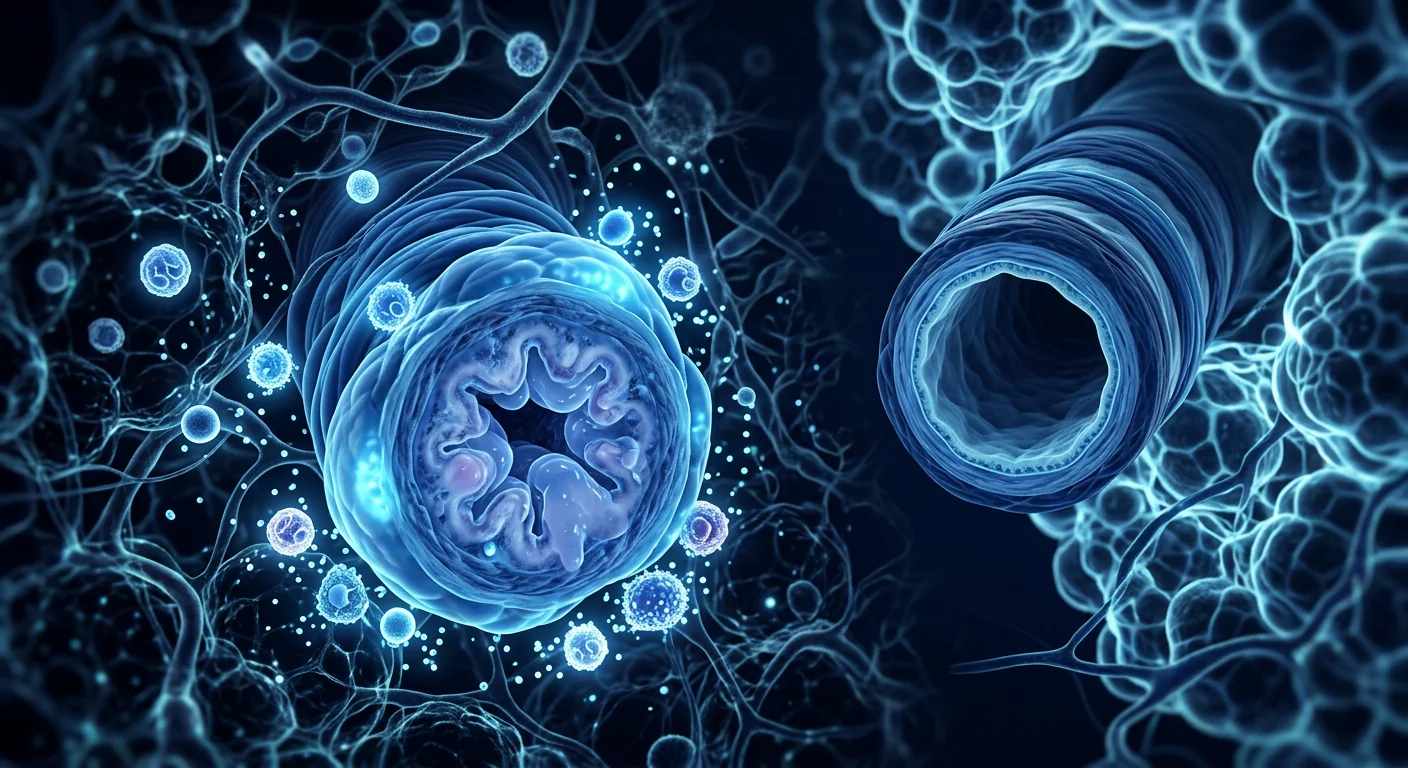
At its core, asthma is an immunological disorder of the conducting airways. In the most common phenotype — allergic or type-2-high asthma — the immune system mounts an exaggerated Th2 response to otherwise innocuous environmental proteins. Dendritic cells present allergens to naive T cells, driving their differentiation into Th2 lymphocytes that secrete interleukin-4 (IL-4), IL-5, and IL-13. IL-5 mobilises eosinophils from the bone marrow and sustains their survival in tissue. IL-4 and IL-13 promote IgE class-switching in B cells, sensitising mast cells for degranulation on re-exposure. The result is a self-perpetuating cycle: eosinophilic infiltration, mast-cell activation, mucus hypersecretion, and bronchial smooth-muscle constriction.[3][4]
Over years, the inflammatory milieu remodels the airway wall. Subepithelial collagen deposition thickens the basement membrane. Smooth muscle hypertrophies and hyperplasias. Goblet cells proliferate, pouring excess mucus into an already-narrowed lumen. This structural remodelling is what makes severe asthma progressive — each exacerbation accelerates the process, and the thickened, stiffened airway responds less and less to bronchodilators. Conventional therapies manage symptoms and dampen inflammation, but none reverse established remodelling or reset the underlying immune polarity.[5]
How MSC Therapy Targets the Immune Drivers of Asthma
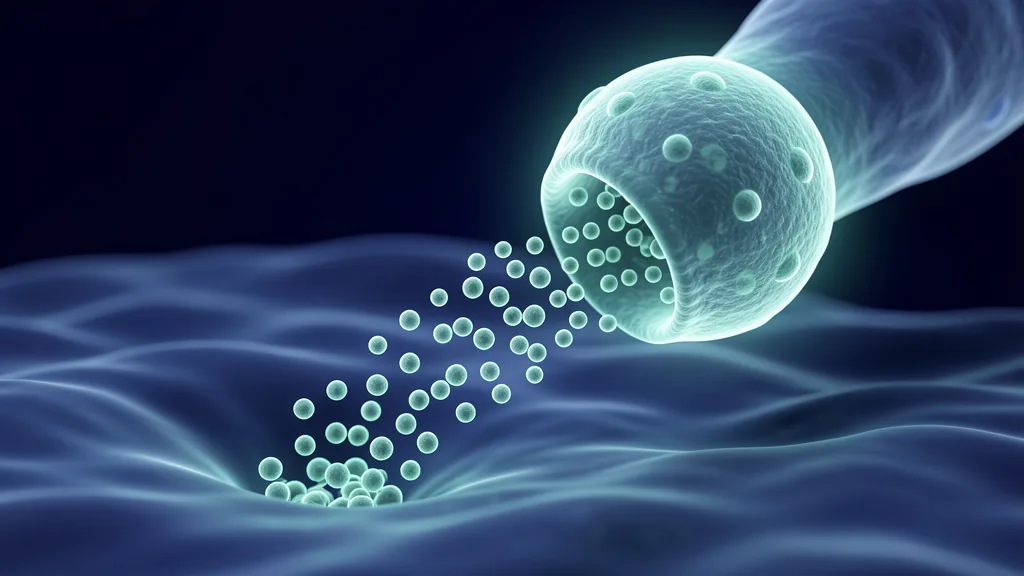
Mesenchymal stem cells possess a unique immunomodulatory repertoire that directly addresses the Th2-driven pathology of asthma. MSCs do not engraft as structural lung cells; their therapeutic effect is paracrine and contact-dependent — they sense the inflammatory milieu and respond by secreting a cocktail of bioactive molecules that recalibrate the immune response. In the context of allergic airway disease, this means shifting the balance away from destructive Th2 dominance and toward regulatory tolerance.[6][7]
Several mechanisms have been demonstrated in preclinical models. MSCs suppress Th2 proliferation and cytokine production (IL-4, IL-5, IL-13) while simultaneously expanding regulatory T cells — the Treg population that normally keeps allergic responses in check. They promote a shift from the pro-allergic Th2 phenotype toward a Th1/Th2 balance, partly through prostaglandin E2 (PGE2) and indoleamine 2,3-dioxygenase (IDO) pathways. MSCs also directly inhibit eosinophil survival and activation, reduce mast-cell degranulation, and downregulate dendritic-cell maturation — effectively intervening at multiple nodes of the allergic cascade.[8][9]
The anti-fibrotic potential is equally relevant. MSC-derived factors including hepatocyte growth factor (HGF) and transforming growth factor-beta (TGF-β) modulation have been shown to attenuate subepithelial fibrosis and smooth-muscle hyperplasia in animal models of chronic asthma. By suppressing the transforming growth factor-beta / Smad signalling axis that drives collagen deposition, MSCs may slow or partially reverse the airway remodelling that makes severe asthma progressive. This is early preclinical work, but it hints at a disease-modifying mechanism that no current inhaler can offer.[10]
What the Clinical Evidence Shows
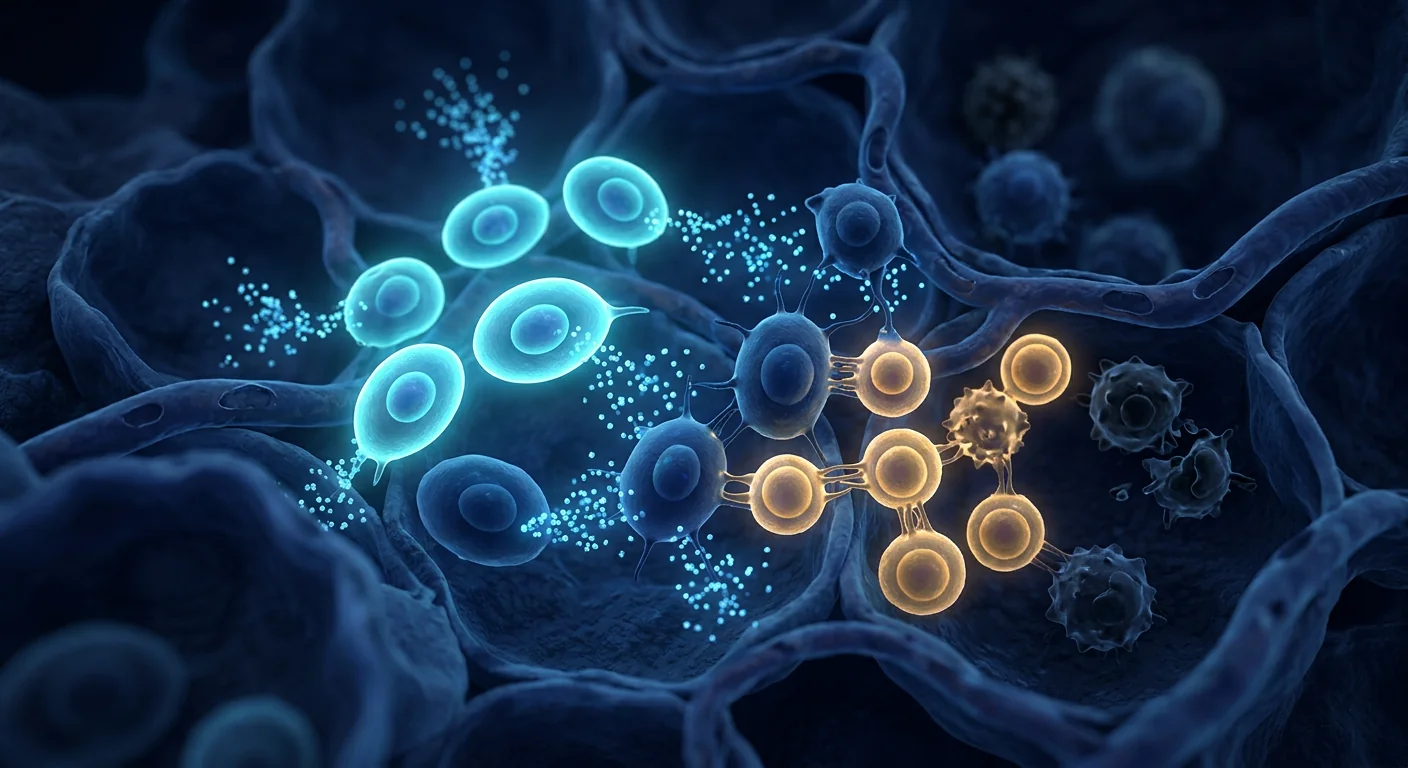
The clinical data for MSC therapy in asthma remain early-phase but biologically encouraging. Most published studies are Phase I safety and feasibility trials enrolling small numbers of patients with severe, refractory disease. The consistent headline across these studies is that intravenous infusion of allogeneic MSCs — typically umbilical-cord-derived or bone-marrow-derived — has been well tolerated, with no serious adverse events attributable to the cells themselves. Infusional reactions are uncommon and mild when they occur. This safety record, now replicated across several independent centres, is the foundation on which larger efficacy trials are being built.[11]
Signal-finding is more tentative but directionally consistent. A 2022 first-in-human study of umbilical-cord-derived MSCs in severe asthma reported reductions in peripheral blood eosinophil counts and improvements in asthma control questionnaire (ACQ) scores at 12 months in several patients — while noting the absence of a placebo control and small sample size. Other Phase I protocols have reported decreased rescue-inhaler use and trends toward improved FEV1, though none has yet reached statistical significance in a randomised, placebo-controlled design. These are signals, not proof — the kind of data that justifies larger trials but does not yet support conclusions about efficacy.[12]
Important: As of today, no regulatory body has approved MSC therapy as a treatment for asthma. All published human data come from early-phase clinical trials. Any clinic presenting MSC therapy as a proven asthma treatment is making claims that outrun the evidence. Responsible providers describe this as an investigational approach with encouraging preclinical rationale and preliminary safety data.
Comparing MSC Therapy with Conventional Asthma Treatments
Current asthma management follows a stepwise escalation from inhaled corticosteroids and short-acting beta-agonists through long-acting bronchodilators, leukotriene modifiers, and, for severe disease, biologic agents targeting specific cytokines (anti-IgE omalizumab, anti-IL-5 mepolizumab/reslizumab, anti-IL-4Rα dupilumab, anti-TSLP tezepelumab). Biologics have transformed severe asthma care, but they target single pathways and are effective only in biomarker-defined subpopulations. They also require ongoing administration — they control disease rather than modify its trajectory.[13]
MSC therapy differs conceptually from both small-molecule and biologic approaches. Rather than blocking one cytokine or receptor, MSCs deliver a broad-spectrum immunomodulatory signal that simultaneously suppresses multiple Th2 effector pathways while promoting regulatory tolerance. This breadth of action — what some researchers call "polyclonal immunomodulation" — is both the promise and the challenge. It means MSCs could theoretically benefit patients across asthma phenotypes without biomarker preselection. But it also makes the mechanism harder to pin down and the dose-response relationship harder to characterise. A well-designed biologic has a clean pharmacodynamic curve; MSCs work through a network of paracrine signals whose net effect depends on the host environment.
What to Expect: Procedure and Potential Timeline
In the clinical trial setting, MSC administration for asthma is most commonly intravenous. Cells are prepared fresh on the treatment day, suspended in saline, and infused over 30–60 minutes with standard vital-sign monitoring. Some protocols use a single infusion; others administer multiple doses spaced weeks or months apart, based on the hypothesis that repeated dosing may sustain immunomodulatory pressure on the chronic inflammatory milieu. The procedure is outpatient-based and does not require sedation or bronchoscopic delivery — a practical advantage for a condition that primarily affects the conducting airways.
Timeline expectations should be conservative. Unlike bronchodilators, which work in minutes, MSC therapy — if it works — is expected to produce gradual, cumulative improvement over weeks to months. Preclinical data and early human signals suggest that changes in inflammatory markers (eosinophil counts, exhaled nitric oxide) may be detectable within 4–8 weeks, while clinical outcomes such as ACQ scores, exacerbation frequency, and spirometry would require 3–12 months of follow-up to assess meaningfully. This is not a rescue therapy; it is being studied as a disease-modifying intervention.
Risks, Limitations, and What We Still Don't Know
The safety record is reassuring but incomplete. Across published Phase I trials in asthma and the larger MSC safety literature in other conditions (COPD, ARDS, graft-versus-host disease), intravenous allogeneic MSCs have shown low rates of acute infusional reactions and no evidence of tumour formation or ectopic tissue growth. Longer-term safety data — beyond 2–5 years — are sparse simply because the field is young. Theoretical concerns include immunogenicity with repeated allogeneic dosing (though MSCs are considered immune-privileged, anti-donor antibodies have been detected in some protocols) and the possibility that MSCs could, in certain microenvironments, promote rather than suppress fibrosis. These remain hypothetical but underscore why Phase III trials with long follow-up are essential.[14]
What we still don't know is substantial. The optimal cell source (umbilical cord versus bone marrow versus adipose), dose, and dosing interval for asthma have not been defined. It is unclear whether certain asthma phenotypes (allergic versus non-allergic, type-2-high versus type-2-low) respond differently. The durability of any benefit — whether a course of MSC therapy could induce long-term immune tolerance or would require periodic re-dosing — is entirely unstudied. And the absence of standardised potency assays means MSC products from different manufacturers may differ in biological activity even when cell counts match. These are not minor gaps; they are the questions that separate an investigational therapy from an established one.
Frequently Asked Questions
Can stem cell therapy cure asthma?
No. No cell therapy has been shown to cure asthma, and claims of a "cure" are not supported by evidence. MSC therapy is being studied as a potential disease-modifying intervention that may reduce airway inflammation, decrease exacerbation frequency, and improve symptom control — but it is not curative. Responsible researchers describe the goal as long-term disease modification, not cure.
How much does stem cell therapy for asthma cost in Thailand?
Costs vary by clinic, cell source, and protocol, but a single intravenous MSC infusion in Thailand typically ranges from USD 8,000 to USD 15,000. Multiple-infusion protocols cost proportionally more. Because this is an investigational therapy, it is generally not covered by insurance. Patients should request a detailed breakdown of what the fee includes — cell characterisation data, sterility certification, follow-up monitoring — before committing.
Is MSC therapy safe for people with severe asthma?
Early-phase clinical trials have reported that intravenous MSC infusion is well tolerated in patients with severe asthma, with no serious cell-related adverse events. However, the total number of treated patients remains small (fewer than 200 across all published protocols), so rare risks cannot be excluded. Patients with severe asthma should discuss any investigational therapy with their treating pulmonologist and should prioritise enrolment in registered clinical trials where safety monitoring is standardised.
How is MSC therapy different from biologic injections like omalizumab or dupilumab?
Biologics target a single cytokine or receptor (IgE, IL-5, IL-4Rα, TSLP) and are effective only in patients whose asthma is driven by that specific pathway. MSCs deliver a broad-spectrum immunomodulatory signal that simultaneously affects multiple Th2 effector pathways while promoting regulatory tolerance. This means MSCs could theoretically work across asthma phenotypes, but the evidence is far less mature — biologics are supported by large Phase III trials and real-world registries; MSCs are not.
Will I still need my inhalers after MSC therapy?
Yes. MSC therapy is being studied as an adjunct to — not a replacement for — standard asthma pharmacotherapy. In clinical trials, patients continue their prescribed controller medications throughout the study period. No trial has suggested that MSC therapy eliminates the need for maintenance therapy, and abruptly discontinuing inhaled corticosteroids can trigger life-threatening exacerbations.
A Responsible Perspective
Asthma research has produced genuinely transformative therapies — inhaled steroids, combination inhalers, and, more recently, biologics — and patients today have far better options than a generation ago. MSC therapy enters this landscape not as a competitor to proven treatments but as a candidate for the unmet need that remains: severe, treatment-resistant disease that progresses despite maximal conventional therapy. The preclinical rationale is strong, the early safety data are reassuring, and the immunological mechanisms align well with the pathophysiology of type-2-high asthma. What is missing is efficacy data from adequately powered, randomised, placebo-controlled Phase III trials — and that gap is the difference between an investigational approach and a treatment.
At VELAR Center, we follow respiratory MSC research with great interest and apply it only in contexts supported by a meaningful body of evidence. For asthma, that means having honest conversations about where the science stands — promising but still early — rather than making claims the data cannot yet support. If you are considering regenerative options for severe asthma, the single most important question you can ask any provider is: What published, peer-reviewed evidence supports the specific protocol you are recommending? A trustworthy answer will acknowledge the investigational nature of the field and the limits of current knowledge.
References
- GBD 2019 Asthma Collaborators. Global, regional, and national burden of asthma and its risk factors from 1990 to 2019: a systematic analysis. The Lancet Respiratory Medicine. 2023;11(5):426-441. doi:10.1016/S2213-2600(22)00525-2 ↩
- Porsbjerg C, Melén E, Lehtimäki L, Shaw D. Asthma. The Lancet. 2023;401(10379):858-873. doi:10.1016/S0140-6736(22)02125-0 ↩
- Lambrecht BN, Hammad H, Fahy JV. The cytokines of asthma. Immunity. 2019;50(4):975-991. doi:10.1016/j.immuni.2019.03.018 ↩
- Hammad H, Lambrecht BN. The basic immunology of asthma. Cell. 2021;184(6):1469-1485. doi:10.1016/j.cell.2021.02.016 ↩
- Fehrenbach H, Wagner C, Wegmann M. Airway remodeling in asthma: what really matters. Cell and Tissue Research. 2017;367(3):551-569. doi:10.1007/s00441-016-2566-8 ↩
- Gao F, Chiu SM, Motan DA, et al. Mesenchymal stem cells and immunomodulation: current status and future prospects. Cell Death & Disease. 2016;7(1):e2062. doi:10.1038/cddis.2015.327 ↩
- Castro-Manrreza ME, Montesinos JJ. Immunoregulation by mesenchymal stem cells: biological aspects and clinical applications. Journal of Immunology Research. 2015;2015:394917. doi:10.1155/2015/394917 ↩
- Abreu SC, Weiss DJ, Rocco PRM. Extracellular vesicles derived from mesenchymal stromal cells: a therapeutic option in respiratory diseases? Stem Cell Research & Therapy. 2016;7(1):53. doi:10.1186/s13287-016-0317-0 ↩
- Kavanagh H, Mahon BP. Allogeneic mesenchymal stem cells prevent allergic airway inflammation by inducing murine regulatory T cells. Allergy. 2011;66(4):523-531. doi:10.1111/j.1398-9995.2010.02509.x ↩
- Firinci F, Karaman M, Baran Y, et al. Mesenchymal stem cells ameliorate the histopathological changes in a murine model of chronic asthma. International Immunopharmacology. 2011;11(8):1120-1126. doi:10.1016/j.intimp.2011.03.009 ↩
- Lalu MM, McIntyre L, Pugliese C, et al. Safety of cell therapy with mesenchymal stromal cells (SafeCell): a systematic review and meta-analysis of clinical trials. PLoS ONE. 2012;7(10):e47559. doi:10.1371/journal.pone.0047559 ↩
- Mathias LJ, Khong SML, Spyroglou L, et al. Autologous mesenchymal stromal cells for chronic severe asthma: a phase I first-in-human study. Cytotherapy. 2022;24(5):S29-S30. doi:10.1016/j.jcyt.2022.01.047 ↩
- Brusselle GG, Koppelman GH. Biologic therapies for severe asthma. New England Journal of Medicine. 2022;386(2):157-171. doi:10.1056/NEJMra2032506 ↩
- Galipeau J, Sensébé L. Mesenchymal stromal cells: clinical challenges and therapeutic opportunities. Cell Stem Cell. 2018;22(6):824-833. doi:10.1016/j.stem.2018.05.004 ↩
- Cruz FF, Rocco PRM. The potential of mesenchymal stem cell therapy for chronic lung diseases. Expert Review of Respiratory Medicine. 2020;14(1):31-39. doi:10.1080/17476348.2020.1679628 ↩
- Dominici M, Le Blanc K, Mueller I, et al. Minimal criteria for defining multipotent mesenchymal stromal cells. The International Society for Cellular Therapy position statement. Cytotherapy. 2006;8(4):315-317. doi:10.1080/14653240600855905 ↩
哮喘不是一种单一疾病,而是一类慢性气道炎症谱系,影响全球超过 2.6 亿人。其标志性特征是气道高反应性——气道对健康肺几乎不受影响的触发因素产生过度收缩的倾向。对大多数患者而言,吸入性皮质类固醇和支气管扩张剂能提供充分控制,但估计有 5%–10% 的患者患有严重的、难治性疾病。这些患者在最大剂量治疗下仍反复经历急性加重、口服类固醇冲击以及进行性肺功能丧失。正是在这一空白中,间充质干细胞研究开始引起严肃的科学关注——不是作为吸入器的替代品,而是作为一种潜在的疾病改善策略,针对潜在的免疫失调。
哮喘气道的问题所在
本质上,哮喘是一种传导气道的免疫性疾病。在最常见的表型——过敏性或 2 型高反应性哮喘——中,免疫系统对原本无害的环境蛋白质产生过度的 Th2 反应。树突状细胞将过敏原呈递给初始 T 细胞,驱使其分化为 Th2 淋巴细胞,分泌白细胞介素-4(IL-4)、IL-5 和 IL-13。IL-5 从骨髓动员嗜酸性粒细胞并维持其在组织中的存活。IL-4 和 IL-13 促进 B 细胞的 IgE 类别转换,使肥大细胞在再次接触时致敏脱颗粒。其结果是一个自我延续的循环:嗜酸性粒细胞浸润、肥大细胞激活、黏液过度分泌和支气管平滑肌收缩。
经年累月,炎症环境重塑气道壁。上皮下胶原沉积增厚基底膜。平滑肌肥大与增生。杯状细胞增殖,向已经狭窄的管腔倾泻过量黏液。这种结构性重塑正是严重哮喘呈进行性的原因——每次急性加重都会加速这一过程,而增厚、僵硬的气道对支气管扩张剂的反应越来越差。常规治疗管理症状并抑制炎症,但无一能逆转已建立的重塑或重置潜在的免疫极性。
MSC 疗法如何靶向哮喘的免疫驱动因素
间充质干细胞拥有独特的免疫调节能力,可直接应对哮喘的 Th2 驱动病理。MSC 并非作为结构性肺细胞植入;其治疗效果是旁分泌和接触依赖性的——它们感知炎症环境,并通过分泌一系列生物活性分子来重新校准免疫反应。在过敏性气道疾病的背景下,这意味着将平衡从破坏性的 Th2 优势转向调节性耐受。
临床前模型已证明数种机制。MSC 抑制 Th2 增殖和细胞因子产生(IL-4、IL-5、IL-13),同时扩增调节性 T 细胞——正常情况下抑制过敏反应的 Treg 群体。它们通过前列腺素 E2(PGE2)和吲哚胺 2,3-双加氧酶(IDO)途径,促进从促过敏 Th2 表型向 Th1/Th2 平衡的转变。MSC 还直接抑制嗜酸性粒细胞存活与活化、减少肥大细胞脱颗粒,并下调树突状细胞成熟——在过敏级联反应的多个节点进行有效干预。
抗纤维化潜力同样相关。在慢性哮喘动物模型中,MSC 来源的因子包括肝细胞生长因子(HGF)和转化生长因子-β(TGF-β)调节,已显示出减轻上皮下纤维化和平滑肌增生的作用。通过抑制驱动胶原沉积的 TGF-β/Smad 信号轴,MSC 可能减缓或部分逆转使严重哮喘呈进行性的气道重塑。这是早期临床前工作,但它暗示了一种目前任何吸入器都无法提供的疾病改善机制。
临床证据的现状
MSC 治疗哮喘的临床数据仍处于早期阶段,但在生物学上令人鼓舞。大多数已发表的研究是 I 期安全性与可行性试验,入组了少量患有严重难治性疾病的患者。这些研究一致的主要结论是,异体 MSC 的静脉输注——通常来源于脐带或骨髓——耐受良好,没有归因于细胞本身的严重不良事件。输液反应不常见,发生时也较轻微。这一安全记录现已在数个独立中心得到验证,是构建更大规模疗效试验的基础。
信号探索更为初步,但方向一致。一项 2022 年脐带来源 MSC 用于严重哮喘的首次人体研究报告了数名患者外周血嗜酸性粒细胞计数下降及 12 个月时哮喘控制问卷(ACQ)评分改善——同时指出缺乏安慰剂对照且样本量小。其他 I 期方案报告了急救吸入器使用减少及 FEV1 改善趋势,但尚未在随机安慰剂对照设计中达到统计学显著性。这些是信号而非证据——那种证明更大规模试验合理性但尚不支持疗效结论的数据。
重要提示:截至目前,尚无监管机构批准 MSC 疗法作为哮喘的治疗方法。所有已发表的人类数据均来自早期临床试验。任何将 MSC 疗法作为已证实的哮喘治疗来呈现的诊所,都是在做出超越证据的声明。负责任的提供者将其描述为一种具有令人鼓舞的临床前理论基础和初步安全性数据的研究性方法。
MSC 疗法与常规哮喘治疗的比较
当前哮喘管理遵循逐步升级方案,从吸入性皮质类固醇和短效 β 受体激动剂,经长效支气管扩张剂、白三烯调节剂,到针对严重疾病的生物制剂(抗 IgE 奥马珠单抗、抗 IL-5 美泊利珠单抗/瑞利珠单抗、抗 IL-4Rα 度普利尤单抗、抗 TSLP 替泽培单抗)。生物制剂已经改变了严重哮喘的治疗,但它们靶向单一通路,仅在生物标志物定义的亚群中有效。它们还需要持续给药——控制疾病而非改变其轨迹。
MSC 疗法在概念上与小分子和生物制剂方法均不同。与其阻断一种细胞因子或受体,MSC 提供广谱免疫调节信号,同时抑制多条 Th2 效应通路,同时促进调节性耐受。这种作用的广度——一些研究人员称之为"多克隆免疫调节"——既是希望也是挑战。这意味着 MSC 理论上可惠及不同哮喘表型的患者而无需生物标志物预选。但这也使得机制更难确定,剂量-反应关系更难刻画。一种设计精良的生物制剂有清晰的药效学曲线;MSC 则通过一个旁分泌信号网络起作用,其净效应取决于宿主环境。
预期流程与潜在时间线
在临床试验环境中,MSC 用于哮喘最常见的是静脉给药。细胞于治疗当天新鲜制备,悬浮于生理盐水中,在标准生命体征监测下 30–60 分钟输注完毕。一些方案使用单次输注;另一些则间隔数周或数月给予多次剂量,基于重复给药可能维持对慢性炎症环境的免疫调节压力的假设。该过程在门诊进行,无需镇静或支气管镜递送——对于主要影响传导气道的疾病而言这是一个实用优势。
时间线预期应保持保守。不同于几分钟内起效的支气管扩张剂,MSC 疗法——如果有效——预计会在数周至数月内产生渐进、累积的改善。临床前数据和早期人类信号表明,炎症标志物(嗜酸性粒细胞计数、呼出气一氧化氮)的变化可能在 4–8 周内可检测到,而临床结局如 ACQ 评分、急性加重频率和肺活量测定则需要 3–12 个月的随访才能有意义的评估。这不是一种急救疗法;它正作为一种疾病改善干预被研究。
风险、局限性与我们仍未可知的
安全记录令人放心但不完整。在已发表的哮喘 I 期试验以及其他疾病(COPD、ARDS、移植物抗宿主病)更广泛的 MSC 安全性文献中,静脉异体 MSC 显示出较低的急性输液反应发生率和无肿瘤形成或异位组织生长的证据。更长期的安全性数据——超过 2–5 年——很稀少,仅仅因为该领域还很年轻。理论上的担忧包括重复异体给药的免疫原性(虽然 MSC 被认为是免疫豁免的,但在某些方案中已检测到抗供体抗体),以及 MSC 在某些微环境中可能促进而非抑制纤维化的可能性。这些仍是假设性的,但恰恰说明了具有长期随访的 III 期试验为何必不可少。
我们仍未可知的是大量的。哮喘的最佳细胞来源(脐带与骨髓与脂肪)、剂量和给药间隔尚未确定。某些哮喘表型(过敏性与非过敏性、2 型高反应性与 2 型低反应性)是否反应不同尚不清楚。任何获益的持久性——一个 MSC 疗程能否诱导长期免疫耐受或需要定期复治——完全未被研究。标准化效力测定的缺失意味着不同制造商的 MSC 产品即使细胞计数匹配,生物活性也可能不同。这些不是小空白;它们是区分研究性疗法与已确立疗法的那些问题。
常见问题
干细胞疗法能治愈哮喘吗?
不能。没有任何细胞疗法被证明能治愈哮喘,"治愈"的说法没有证据支持。MSC 疗法正作为一种潜在的疾病改善干预被研究,可能减少气道炎症、降低急性加重频率并改善症状控制——但它不是治愈性的。负责任的研究人员将目标描述为长期疾病改善,而非治愈。
在泰国,哮喘的干细胞疗法费用是多少?
费用因诊所、细胞来源和方案而异,但在泰国,单次静脉 MSC 输注通常在 8,000 至 15,000 美元之间。多次输注方案费用按比例增加。由于这是一种研究性疗法,通常不在保险覆盖范围内。患者在承诺前应要求提供费用包含项目的详细清单——细胞特征数据、无菌认证、随访监测。
MSC 疗法对严重哮喘患者安全吗?
早期临床试验报告称,严重哮喘患者静脉 MSC 输注耐受良好,无严重的细胞相关不良事件。然而,已治疗的患者总数仍然很小(所有已发表方案合计少于 200 例),因此不能排除罕见风险。严重哮喘患者应与主治呼吸科医生讨论任何研究性疗法,并应优先参加有标准化安全监测的注册临床试验。
MSC 疗法与奥马珠单抗或度普利尤单抗等生物制剂注射有何不同?
生物制剂靶向单一细胞因子或受体(IgE、IL-5、IL-4Rα、TSLP),仅在其哮喘由该特定通路驱动的患者中有效。MSC 提供广谱免疫调节信号,同时影响多条 Th2 效应通路并促进调节性耐受。这意味着 MSC 理论上可跨哮喘表型起作用,但证据远不成熟——生物制剂有大型 III 期试验和真实世界注册数据的支持;MSC 则没有。
MSC 治疗后我还需要吸入器吗?
需要。MSC 疗法正被研究作为标准哮喘药物治疗的辅助——而非替代。在临床试验中,患者在整个研究期间继续使用处方的控制药物。没有任何试验表明 MSC 疗法消除了维持治疗的需求,突然停用吸入性皮质类固醇可引发危及生命的急性加重。
负责任的视角
哮喘研究已产生了真正变革性的疗法——吸入性类固醇、复方吸入器以及最近的生物制剂——今天的患者比上一代人拥有好得多的选择。MSC 疗法进入这一领域,不是作为已证实治疗的竞争者,而是作为仍存在的未满足需求的候选者:尽管接受了最大常规治疗仍进展的严重难治性疾病。临床前理论基础坚实,早期安全性数据令人放心,免疫学机制与 2 型高反应性哮喘的病理生理学高度吻合。缺失的是来自足够效力、随机、安慰剂对照 III 期试验的疗效数据——而这一空白正是研究性方法与治疗之间的区别。
在 VELAR 中心,我们以极大兴趣关注呼吸系统 MSC 研究,并仅在有一整套有意义证据支持的背景下应用它。对于哮喘,这意味着就科学的现状进行诚实的对话——前景可观但尚在早期——而非做出数据尚不能支持的声明。如果您正在考虑针对严重哮喘的再生选项,您能向任何提供者提出的最重要的问题是:您所推荐的具体方案有哪些已发表的、同行评议的证据支持?值得信赖的回答将承认该领域的研究性质及当前知识的局限。
参考文献
- GBD 2019 Asthma Collaborators. 1990–2019 年全球、区域和国家哮喘及其风险因素负担:系统分析. The Lancet Respiratory Medicine. 2023;11(5):426-441. doi:10.1016/S2213-2600(22)00525-2 ↩
- Porsbjerg C, Melén E, Lehtimäki L, Shaw D. 哮喘. The Lancet. 2023;401(10379):858-873. doi:10.1016/S0140-6736(22)02125-0 ↩
- Lambrecht BN, Hammad H, Fahy JV. 哮喘的细胞因子. Immunity. 2019;50(4):975-991. doi:10.1016/j.immuni.2019.03.018 ↩
- Hammad H, Lambrecht BN. 哮喘的基础免疫学. Cell. 2021;184(6):1469-1485. doi:10.1016/j.cell.2021.02.016 ↩
- Fehrenbach H, Wagner C, Wegmann M. 哮喘中的气道重塑:真正重要的是什么. Cell and Tissue Research. 2017;367(3):551-569. doi:10.1007/s00441-016-2566-8 ↩
- Gao F, Chiu SM, Motan DA, 等. 间充质干细胞与免疫调节:现状与未来展望. Cell Death & Disease. 2016;7(1):e2062. doi:10.1038/cddis.2015.327 ↩
- Castro-Manrreza ME, Montesinos JJ. 间充质干细胞的免疫调节:生物学方面与临床应用. Journal of Immunology Research. 2015;2015:394917. doi:10.1155/2015/394917 ↩
- Abreu SC, Weiss DJ, Rocco PRM. 间充质基质细胞来源的细胞外囊泡:呼吸系统疾病的治疗选择?. Stem Cell Research & Therapy. 2016;7(1):53. doi:10.1186/s13287-016-0317-0 ↩
- Kavanagh H, Mahon BP. 异体间充质干细胞通过诱导鼠调节性 T 细胞预防过敏性气道炎症. Allergy. 2011;66(4):523-531. doi:10.1111/j.1398-9995.2010.02509.x ↩
- Firinci F, Karaman M, Baran Y, 等. 间充质干细胞改善慢性哮喘小鼠模型的组织病理学改变. International Immunopharmacology. 2011;11(8):1120-1126. doi:10.1016/j.intimp.2011.03.009 ↩
- Lalu MM, McIntyre L, Pugliese C, 等. 间充质基质细胞疗法安全性(SafeCell):临床试验的系统评价与荟萃分析. PLoS ONE. 2012;7(10):e47559. doi:10.1371/journal.pone.0047559 ↩
- Mathias LJ, Khong SML, Spyroglou L, 等. 自体间充质基质细胞治疗慢性严重哮喘:一项 I 期首次人体研究. Cytotherapy. 2022;24(5):S29-S30. doi:10.1016/j.jcyt.2022.01.047 ↩
- Brusselle GG, Koppelman GH. 严重哮喘的生物制剂治疗. New England Journal of Medicine. 2022;386(2):157-171. doi:10.1056/NEJMra2032506 ↩
- Galipeau J, Sensébé L. 间充质基质细胞:临床挑战与治疗机遇. Cell Stem Cell. 2018;22(6):824-833. doi:10.1016/j.stem.2018.05.004 ↩
- Cruz FF, Rocco PRM. 间充质干细胞治疗慢性肺病的潜力. Expert Review of Respiratory Medicine. 2020;14(1):31-39. doi:10.1080/17476348.2020.1679628 ↩
- Dominici M, Le Blanc K, Mueller I, 等. 定义多能间充质基质细胞的最低标准:国际细胞治疗学会立场声明. Cytotherapy. 2006;8(4):315-317. doi:10.1080/14653240600855905 ↩
الربو ليس مرضاً واحداً بل طيف من التهاب مجرى الهواء المزمن يصيب أكثر من 260 مليون شخص حول العالم. وأبرز سماته فرط استجابة المجاري الهوائية — ميل المجاري الهوائية للتضيق المفرط استجابة لمحفزات لا تكاد تؤثر في الرئة السليمة. وتوفر الكورتيكوستيرويدات المستنشقة وموسعات الشعب سيطرة كافية لمعظم المرضى، لكن حوالي 5–10% يعانون من مرض شديد مقاوم للعلاج. يمر هؤلاء المرضى بدورات من النوبات الحادة وجرعات الستيرويد الفموي وفقدان تدريجي لوظائف الرئة رغم العلاج الأقصى. وفي هذه الفجوة بدأت أبحاث الخلايا الجذعية الوسيطة تجذب اهتماماً علمياً جدياً — ليس كبديل للبخاخات، بل كاستراتيجية محتملة معدِّلة للمرض تستهدف الاضطراب المناعي الكامن.
الخلل في مجرى الهواء الربوي
الربو في جوهره اضطراب مناعي في المجاري الهوائية الموصلة. في النمط الظاهري الأكثر شيوعاً — الربو الأرجي أو عالي النمط 2 — يشن الجهاز المناعي استجابة Th2 مفرطة تجاه بروتينات بيئية غير ضارة أصلاً. تقدم الخلايا المتغصنة المستأرجات للخلايا التائية الساذجة، فتدفعها للتمايز إلى لمفاويات Th2 تفرز إنترلوكين-4 (IL-4) و IL-5 و IL-13. يحشد IL-5 الحمضات من نخاع العظم ويدعم بقاءها في النسج. ويعزز IL-4 و IL-13 التحول الصنفي نحو IgE في الخلايا البائية، مما يحسس الخلايا البدينة لإزالة الحبيبات عند إعادة التعرض. والنتيجة حلقة ذاتية الاستدامة: ارتشاح حمضي، تنشيط الخلايا البدينة، فرط إفراز المخاط، وتقلص العضلات الملساء القصبية.
على مر السنين، تعيد البيئة الالتهابية تشكيل جدار المجرى الهوائي. يثخن ترسب الكولاجين تحت الظهاري الغشاء القاعدي. تتضخم العضلات الملساء وتتفرط تنسجاً. تتكاثر الخلايا الكأسية، صابة مخاطاً زائداً في لمعة ضيقة أصلاً. وهذا التشكل البنيوي هو ما يجعل الربو الشديد progressive — كل نوبة حادة تسرّع العملية، والمجرى الهوائي المتثخن المتصلب يستجيب أقل فأقل لموسعات الشعب. تدير العلاجات التقليدية الأعراض وتكبح الالتهاب، لكن لا شيء منها يعكس التشكل المستقر أو يعيد ضبط القطبية المناعية الكامنة.
كيف يستهدف علاج MSC المحركات المناعية للربو
تمتلك الخلايا الجذعية الوسيطة ذخيرة مناعية تعديلية فريدة تعالج مباشرة المرضية المدفوعة بـ Th2 في الربو. لا تنغرس هذه الخلايا كخلايا رئوية بنيوية؛ تأثيرها العلاجي نظير صماوي ويعتمد على التماس — تستشعر الوسط الالتهابي وتستجيب بإفراز مزيج من الجزيئات النشطة حيوياً التي تعيد ضبط الاستجابة المناعية. وفي سياق الداء التنفسي الأرجي، يعني هذا تحويل الميزان بعيداً عن هيمنة Th2 المدمرة ونحو التحمل التنظيمي.
أُثبتت عدة آليات في نماذج قبل سريرية. تكبح MSCs تكاثر Th2 وإنتاج السيتوكينات (IL-4, IL-5, IL-13) مع توسيع الخلايا التائية التنظيمية في آن — مجموعة Treg التي تكبح عادةً الاستجابات الأرجية. وتعزز تحولاً من النمط الظاهري Th2 المؤرج نحو توازن Th1/Th2، جزئياً عبر pathways البروستاغلاندين E2 (PGE2) وإندوليامين 2,3-ثنائي الأوكسجيناز (IDO). كما تثبط MSCs مباشرة بقاء الحمضات وتنشيطها، وتقلل إزالة حبيبات الخلايا البدينة، وتخفض نضوج الخلايا المتغصنة — متدخلة فعلياً في عقد متعددة من الشلال الأرجي.
الإمكانات المضادة للتليف وثيقة الصلة كذلك. أظهرت عوامل مشتقة من MSCs تشمل عامل نمو الخلايا الكبدية (HGF) وتعديل عامل النمو المحول-بيتا (TGF-β) قدرة على تخفيف التليف تحت الظهاري وفرط تنسج العضلات الملساء في نماذج حيوانية للربو المزمن. وبكبح محور TGF-β/Smad الإشعاري الذي يدفع ترسب الكولاجين، قد تبطئ MSCs أو تعكس جزئياً إعادة التشكلairway remodeling التي تجعل الربو الشديد progressive. هذا عمل قبل سريري مبكر، لكنه يلمح إلى آلية معدِّلة للمرض لا يستطيع أي بخاخ حالي تقديمها.
ما تظهره الأدلة السريرية
لا تزال البيانات السريرية لعلاج MSC في الربو في مرحلة مبكرة لكنها مشجعة بيولوجياً. معظم الدراسات المنشورة هي تجارب سلامة وجدوى من المرحلة الأولى تشمل أعداداً صغيرة من مرضى الداء الشديد المقاوم. الخلاصة المتسقة عبر هذه الدراسات هي أن التسريب الوريدي لـ MSCs الخيفية — عادةً من الحبل السري أو نخاع العظم — كان جيد التحمل، دون أحداث ضائرة خطيرة تُعزى للخلايا نفسها. تفاعلات التسريب غير شائعة وخفيفة حين تحدث. سجل الأمان هذا، المكرر الآن عبر عدة مراكز مستقلة، هو الأساس الذي تُبنى عليه تجارب فعالية أكبر.
استكشاف الإشارات أكثر تحفظاً لكنه متسق اتجاهياً. أبلغت دراسة أول مرة في الإنسان عام 2022 لـ MSCs من الحبل السري في الربو الشديد عن انخفاضات في تعداد الحمضات بالدم المحيطي وتحسنات في درجات استبيان السيطرة على الربو (ACQ) عند 12 شهراً لدى عدة مرضى — مع الإشارة لغياب مجموعة غفل وحجم العينة الصغير. وأبلغت بروتوكولات أخرى من المرحلة الأولى عن انخفاض استخدام بخاخ الإنقاذ واتجاهات نحو تحسن FEV1، لكن لم يصل أي منها بعد إلى دلالة إحصائية في تصميم عشوائي مضبوط بالغفل. هذه إشارات لا براهين — النوع من المعطيات الذي يبرر تجارب أكبر لكنه لا يدعم بعد استنتاجات حول الفعالية.
مهم: حتى اليوم، لم تعتمد أي هيئة تنظيمية علاج MSC كعلاج للربو. جميع المعطيات البشرية المنشورة تأتي من تجارب سريرية مبكرة. أي عيادة تقدم علاج MSC كعلاج مثبت للربو تطلق ادعاءات تتجاوز الأدلة. يصف المزودون المسؤولون هذا بأنه نهج بحثي بمبررات قبل سريرية مشجعة وبيانات أمان أولية.
مقارنة علاج MSC بعلاجات الربو التقليدية
تتبع إدارة الربو الحالية تصعيداً متدرجاً من الكورتيكوستيرويدات المستنشقة ومنبهات بيتا قصيرة المفعول مروراً بموسعات الشعب طويلة المفعول ومعدلات الليكوترينات، وصولاً إلى المستحضرات البيولوجية المستهدفة لسيتوكينات محددة للحالات الشديدة (مضاد IgE أوماليزوماب، مضاد IL-5 ميبوليزوماب/ريزليزوماب، مضاد IL-4Rα دوبيلوماب، مضاد TSLP تيزيبيلوماب). غيرت البيولوجيات رعاية الربو الشديد، لكنها تستهدف سبيلاً واحداً وتكون فعالة فقط في مجموعات فرعية محددة بالمؤشرات الحيوية. كما تتطلب إعطاءً مستمراً — تسيطر على المرض دون أن تعدل مساره.
يختلف علاج MSC من حيث المفهوم عن مقاربتي الجزيئات الصغيرة والبيولوجيات. بدلاً من حجب سيتوكين واحد أو مستقبل، تقدم MSCs إشارة مناعية تعديلية واسعة الطيف تكبح في آن واحد عدة سبلاً effector من Th2 مع تعزيز التحمل التنظيمي. اتساع الفعل هذا — ما يسميه بعض الباحثين "التعديل المناعي متعدد النسائل" — هو الوعد والتحدي معاً. يعني هذا أن MSCs يمكنها نظرياً أن تفيد مرضى عبر أنماط ظاهرية ربو مختلفة دون انتقاء مسبق بالمؤشرات الحيوية. لكنه يجعل الآلية أصعب تحديداً وعلاقة الجرعة-الاستجابة أصعب توصيفاً. للمستحضر البيولوجي المصمم جيداً منحنى ديناميكا دواء نظيف؛ أما MSCs فتعمل عبر شبكة من الإشارات نظيرة الصماوية يعتمد أثرها الصافي على البيئة المضيفة.
ما يمكن توقعه: الإجراء والجدول الزمني المحتمل
في سياق التجارب السريرية، يكون إعطاء MSC للربو وريدياً في الغالب. تُحضَّر الخلايا طازجة في يوم العلاج، وتُعلَّق في محلول ملحي، وتُسرب على مدى 30–60 دقيقة مع مراقبة قياسية للعلامات الحيوية. تستخدم بعض البروتوكولات تسريباً واحداً؛ ويعطي البعض الآخر جرعات متعددة بفواصل أسابيع أو أشهر، بناءً على فرضية أن الجرعات المتكررة قد تطيل الضغط المناعي التعديلي على البيئة الالتهابية المزمنة. الإجراء في العيادات الخارجية ولا يتطلب تخديراً أو توصيلاً عبر منظار القصبات — ميزة عملية لحالة تصيب المجاري الهوائية الموصلة أساساً.
ينبغي أن تكون توقعات الجدول الزمني متحفظة. بعكس موسعات الشعب التي تعمل في دقائق، يُتوقع لعلاج MSC — إن نجح — أن يحقق تحسناً تدريجياً تراكمياً على مدى أسابيع إلى أشهر. تشير المعطيات قبل السريرية والإشارات البشرية المبكرة إلى أن تغيرات المؤشرات الالتهابية (تعداد الحمضات، أحادي أكسيد النتريك في الزفير) قد تكون قابلة للكشف خلال 4–8 أسابيع، بينما تتطلب النتائج السريرية كدرجات ACQ وتواتر النوبات وقياسات التنفس 3–12 شهراً من المتابعة لتقييم ذي معنى. هذا ليس علاج إنقاذ؛ إنه يُدرس كتداخل معدِّل للمرض.
المخاطر، المحددات، وما لا نزال نجهله
سجل الأمان مطمئن لكنه ناقص. عبر تجارب المرحلة الأولى المنشورة في الربو وأدبيات سلامة MSC الأوسع في حالات أخرى (COPD، ARDS، داء الطعم حيال الثوي)، أظهرت MSCs الخيفية الوريدية معدلات منخفضة من التفاعلات التسريبية الحادة ولا دليل على تشكل أورام أو نمو نسيج منتبذ. بيانات الأمان الأطول أمداً — أبعد من 2–5 سنوات — شحيحة ببساطة لأن المجال حديث. تشمل المخاوف النظرية المناعة مع الجرعات الخيفية المتكررة (رغم اعتبار MSCs ذات امتياز مناعي، اكتُشفت أضداد ضد المتبرع في بعض البروتوكولات) وإمكانية أن تعزز MSCs، في بيئات ميكروية معينة، التليف بدلاً من كبحه. تبقى هذه افتراضية لكنها تؤكد لماذا تُعد تجارب المرحلة الثالثة بمتابعة طويلة ضرورية.
ما لا نزال نجهله كثير. المصدر الخلوي الأمثل (حبل سري مقابل نخاع عظم مقابل دهني)، والجرعة، وفاصل الجرعات للربو لم تُحدد بعد. من غير الواضح إن كانت أنماط ظاهرية ربو معينة (أرجي مقابل لا أرجي، عالي النمط-2 مقابل منخفض النمط-2) تستجيب بشكل مختلف. ديمومة أي فائدة — إن كان بمقدور دورة علاج MSC أن تحرض تحملاً مناعياً طويل الأمد أم أنها ستتطلب إعادة جرعات دورية — غير مدروسة كلياً. وغياب مقايسات فعالية معيارية يعني أن منتجات MSC من مصنعين مختلفين قد تختلف في النشاط البيولوجي حتى عندما تتطابق تعداد الخلايا. هذه ليست فجوات صغيرة؛ إنها الأسئلة التي تفصل علاجاً بحثياً عن علاج راسخ.
أسئلة متكررة
هل يمكن للعلاج بالخلايا الجذعية أن يشفي الربو؟
لا. لم يُظهر أي علاج خلوي قدرة على شفاء الربو، وادعاءات "الشفاء" لا تدعمها أدلة. يُدرس علاج MSC كتداخل محتمل معدِّل للمرض قد يقلل التهاب المجاري الهوائية، ويخفض تواتر النوبات، ويحسن السيطرة على الأعراض — لكنه ليس شافياً. يصف الباحثون المسؤولون الهدف بأنه تعديل طويل الأمد للمرض، لا شفاء.
كم تكلفة العلاج بالخلايا الجذعية للربو في تايلاند؟
تتفاوت التكاليف حسب العيادة ومصدر الخلايا والبروتوكول، لكن تسريب MSC وريدي واحداً في تايلاند يتراوح عادة بين 8,000 و 15,000 دولار أمريكي. بروتوكولات التسريب المتعدد تكلف أكثر نسبياً. ولأن هذا علاج بحثي، فهو عموماً غير مشمول بالتأمين. ينبغي أن يطلب المرضى تفصيلاً دقيقاً لما يشمل الرسم — بيانات توصيف الخلايا، شهادة التعقيم، مراقبة المتابعة — قبل الالتزام.
هل علاج MSC آمن لمرضى الربو الشديد؟
أبلغت تجارب سريرية مبكرة أن تسريب MSC الوريدي جيد التحمل لدى مرضى الربو الشديد، دون أحداث ضائرة خطيرة تعزى للخلايا. ومع ذلك، يبقى العدد الكلي للمرضى المعالجين صغيراً (أقل من 200 عبر كل البروتوكولات المنشورة)، لذا لا يمكن استبعاد مخاطر نادرة. ينبغي أن يناقش مرضى الربو الشديد أي علاج بحثي مع طبيبهم الصدري المعالج وأن يعطوا الأولوية للتسجيل في تجارب سريرية مسجلة حيث مراقبة السلامة موحدة.
كيف يختلف علاج MSC عن حقن البيولوجيات مثل أوماليزوماب أو دوبيلوماب؟
تستهدف البيولوجيات سيتوكيناً واحداً أو مستقبلاً واحداً (IgE، IL-5، IL-4Rα، TSLP) وتكون فعالة فقط لدى المرضى الذين يحرك ربوهم ذلك السبيل تحديداً. تقدم MSCs إشارة مناعية تعديلية واسعة الطيف تؤثر في آن واحد على سبلاً متعددة effector من Th2 مع تعزيز التحمل التنظيمي. يعني هذا أن MSCs يمكنها نظرياً أن تعمل عبر أنماط ظاهرية ربو مختلفة، لكن الأدلة أقل نضوجاً بكثير — البيولوجيات مدعومة بتجارب مرحلة ثالثة كبيرة وسجلات من العالم الحقيقي؛ وMSCs ليست كذلك.
هل سأظل بحاجة لبخاخاتي بعد علاج MSC؟
نعم. يُدرس علاج MSC كمساعد لعلاج الربو الدوائي المعياري — لا كبديل عنه. في التجارب السريرية، يستمر المرضى في تناول أدوية السيطرة الموصوفة طوال فترة الدراسة. لم تُشر أي تجربة إلى أن علاج MSC يلغي الحاجة للعلاج المداوم، وقد يؤدي إيقاف الكورتيكوستيرويدات المستنشقة فجأة إلى نوبات مهددة للحياة.
منظور مسؤول
أنتجت أبحاث الربو علاجات تحويلية حقاً — ستيرويدات مستنشقة، بخاخات مركبة، ومؤخراً بيولوجيات — ولدى المرضى اليوم خيارات أفضل بكثير مما كان لدى الجيل السابق. يدخل علاج MSC هذا المشهد لا كمنافس للعلاجات المثبتة بل كمرشح للحاجة غير الملباة المتبقية: الداء الشديد المقاوم للعلاج الذي يتقدم رغم العلاج التقليدي الأقصى. المبررات قبل السريرية قوية، وبيانات الأمان المبكرة مطمئنة، والآليات المناعية تتوافق جيداً مع الفيزيولوجيا المرضية للربو عالي النمط-2. المفقود هو بيانات فعالية من تجارب مرحلة ثالثة عشوائية مضبوطة بالغفل بقوة كافية — وهذه الفجوة هي الفرق بين نهج بحثي وعلاج.
في مركز VELAR، نتابع أبحاث MSC التنفسية باهتمام بالغ ونطبقها فقط في سياقات تدعمها مجموعة ذات معنى من الأدلة. بالنسبة للربو، يعني هذا إجراء حوارات صادقة حول موضع العلم — واعد لكنه لا يزال مبكراً — بدلاً من إطلاق ادعاءات لا تستطيع المعطيات دعمها بعد. إن كنت تفكر في خيارات تجديدية للربو الشديد، فإن أهم سؤال يمكنك توجيهه لأي مزود هو: ما الدليل المنشور المحكّم الذي يدعم البروتوكول المحدد الذي توصي به؟ الإجابة الجديرة بالثقة ستقر بالطبيعة البحثية للمجال وحدود المعرفة الحالية.
المراجع
- GBD 2019 Asthma Collaborators. العبء العالمي والإقليمي والوطني للربو وعوامل خطره من 1990 إلى 2019: تحليل منهجي. The Lancet Respiratory Medicine. 2023;11(5):426-441. doi:10.1016/S2213-2600(22)00525-2 ↩
- Porsbjerg C, Melén E, Lehtimäki L, Shaw D. الربو. The Lancet. 2023;401(10379):858-873. doi:10.1016/S0140-6736(22)02125-0 ↩
- Lambrecht BN, Hammad H, Fahy JV. سيتوكينات الربو. Immunity. 2019;50(4):975-991. doi:10.1016/j.immuni.2019.03.018 ↩
- Hammad H, Lambrecht BN. المناعة الأساسية للربو. Cell. 2021;184(6):1469-1485. doi:10.1016/j.cell.2021.02.016 ↩
- Fehrenbach H, Wagner C, Wegmann M. إعادة تشكل المجرى الهوائي في الربو: المهم حقاً. Cell and Tissue Research. 2017;367(3):551-569. doi:10.1007/s00441-016-2566-8 ↩
- Gao F, Chiu SM, Motan DA, et al. الخلايا الجذعية الوسيطة والتعديل المناعي: الوضع الراهن وآفاق المستقبل. Cell Death & Disease. 2016;7(1):e2062. doi:10.1038/cddis.2015.327 ↩
- Castro-Manrreza ME, Montesinos JJ. التنظيم المناعي بالخلايا الجذعية الوسيطة: الجوانب البيولوجية والتطبيقات السريرية. Journal of Immunology Research. 2015;2015:394917. doi:10.1155/2015/394917 ↩
- Abreu SC, Weiss DJ, Rocco PRM. الحويصلات خارج الخلوية المشتقة من الخلايا السدوية الوسيطة: خيار علاجي في الأمراض التنفسية؟. Stem Cell Research & Therapy. 2016;7(1):53. doi:10.1186/s13287-016-0317-0 ↩
- Kavanagh H, Mahon BP. الخلايا الجذعية الوسيطة الخيفية تمنع التهاب المجرى الهوائي الأرجي بتحريض الخلايا التائية التنظيمية الفأرية. Allergy. 2011;66(4):523-531. doi:10.1111/j.1398-9995.2010.02509.x ↩
- Firinci F, Karaman M, Baran Y, et al. الخلايا الجذعية الوسيطة تحسن التغيرات النسيجية المرضية في نموذج فأري للربو المزمن. International Immunopharmacology. 2011;11(8):1120-1126. doi:10.1016/j.intimp.2011.03.009 ↩
- Lalu MM, McIntyre L, Pugliese C, et al. سلامة العلاج الخلوي بالخلايا السدوية الوسيطة (SafeCell): مراجعة منهجية وتحليل تلوي للتجارب السريرية. PLoS ONE. 2012;7(10):e47559. doi:10.1371/journal.pone.0047559 ↩
- Mathias LJ, Khong SML, Spyroglou L, et al. الخلايا السدوية الوسيطة الذاتية للربو المزمن الشديد: دراسة المرحلة الأولى أول مرة في الإنسان. Cytotherapy. 2022;24(5):S29-S30. doi:10.1016/j.jcyt.2022.01.047 ↩
- Brusselle GG, Koppelman GH. العلاجات البيولوجية للربو الشديد. New England Journal of Medicine. 2022;386(2):157-171. doi:10.1056/NEJMra2032506 ↩
- Galipeau J, Sensébé L. الخلايا السدوية الوسيطة: تحديات سريرية وفرص علاجية. Cell Stem Cell. 2018;22(6):824-833. doi:10.1016/j.stem.2018.05.004 ↩
- Cruz FF, Rocco PRM. إمكانات العلاج بالخلايا الجذعية الوسيطة لأمراض الرئة المزمنة. Expert Review of Respiratory Medicine. 2020;14(1):31-39. doi:10.1080/17476348.2020.1679628 ↩
- Dominici M, Le Blanc K, Mueller I, et al. المعايير الدنيا لتعريف الخلايا السدوية الوسيطة متعددة القدرات: بيان موقف الجمعية الدولية للعلاج الخلوي. Cytotherapy. 2006;8(4):315-317. doi:10.1080/14653240600855905 ↩