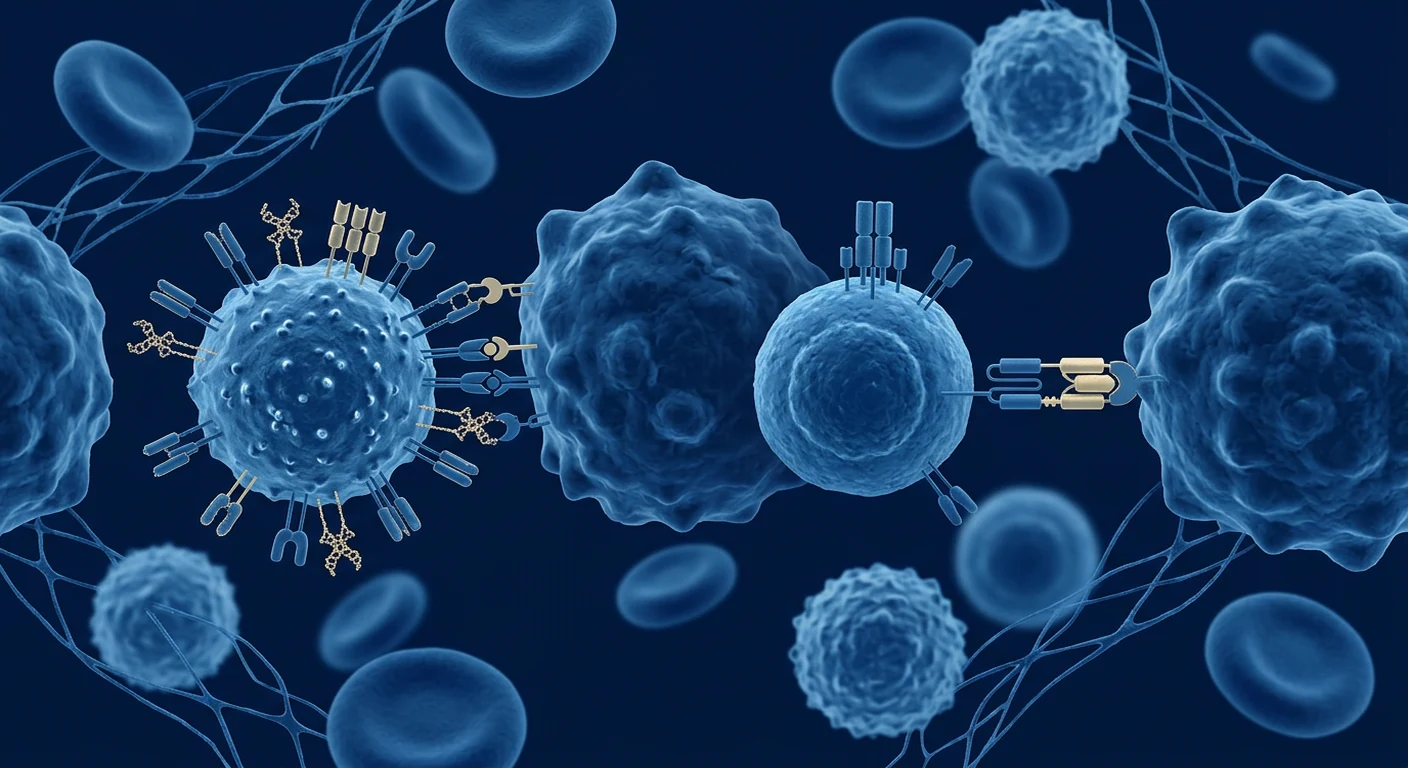
NK-cell therapy, conventional T-cell therapy, and CAR-T therapy are related forms of adoptive immunotherapy, but they are not interchangeable. They differ in how they recognize abnormal cells, how strongly they depend on human leukocyte antigen (HLA), whether the product can come from a healthy donor, how long the cells persist, and how mature the clinical evidence is. “NK therapy” may mean unmodified, activated, memory-like, antibody-supported, or CAR-engineered NK cells; “T-cell therapy” can mean tumor-infiltrating lymphocytes, virus-specific T cells, T-cell-receptor (TCR)-engineered cells, or CAR-T cells. The exact product matters more than the broad label.
For patients, the central distinction is practical as well as biological. Approved autologous CAR-T products can produce durable remissions in selected blood cancers, but require individualized manufacturing and specialist toxicity management. Donor-derived NK platforms may support banked, repeatable production with less alloreactivity, yet CAR-NK remains investigational and has a far smaller evidence base. This review explains the trade-offs without treating an early platform as a proven replacement.
What are NK cells, T cells, and CAR-engineered cells?
NK cells are innate lymphocytes that continuously integrate activating and inhibitory signals. They can attack stressed, infected, or transformed cells without first recognizing one specific peptide through a clonally rearranged receptor. Inhibitory killer-cell immunoglobulin-like receptors (KIRs) and NKG2A sample HLA class I molecules; loss of normal HLA restraint can create a “missing-self” signal. Activating receptors such as NKG2D and natural cytotoxicity receptors sense stress ligands, while CD16 enables antibody-dependent cellular cytotoxicity. The final decision reflects a balance rather than a single lock-and-key event [1].
Conventional alpha-beta T cells use a T-cell receptor to recognize peptide displayed by HLA. CD8 T cells usually recognize peptide–HLA class I, while CD4 T cells generally recognize peptide–HLA class II. This gives exquisite specificity and supports immune memory, but the target is HLA-restricted. A TCR-engineered therapy therefore works only when both the target peptide and the required HLA allele are present.
A chimeric antigen receptor changes the recognition input. A CAR typically combines an antibody-derived binding domain with transmembrane and intracellular signaling modules. CAR-T and CAR-NK cells can bind a surface antigen directly without peptide presentation by HLA. The host cell still matters: a CAR-T cell retains T-cell biology, while a CAR-NK cell retains innate receptors, CD16 activity, and NK-specific signaling constraints [4].
Recognition and HLA: the key mechanistic difference
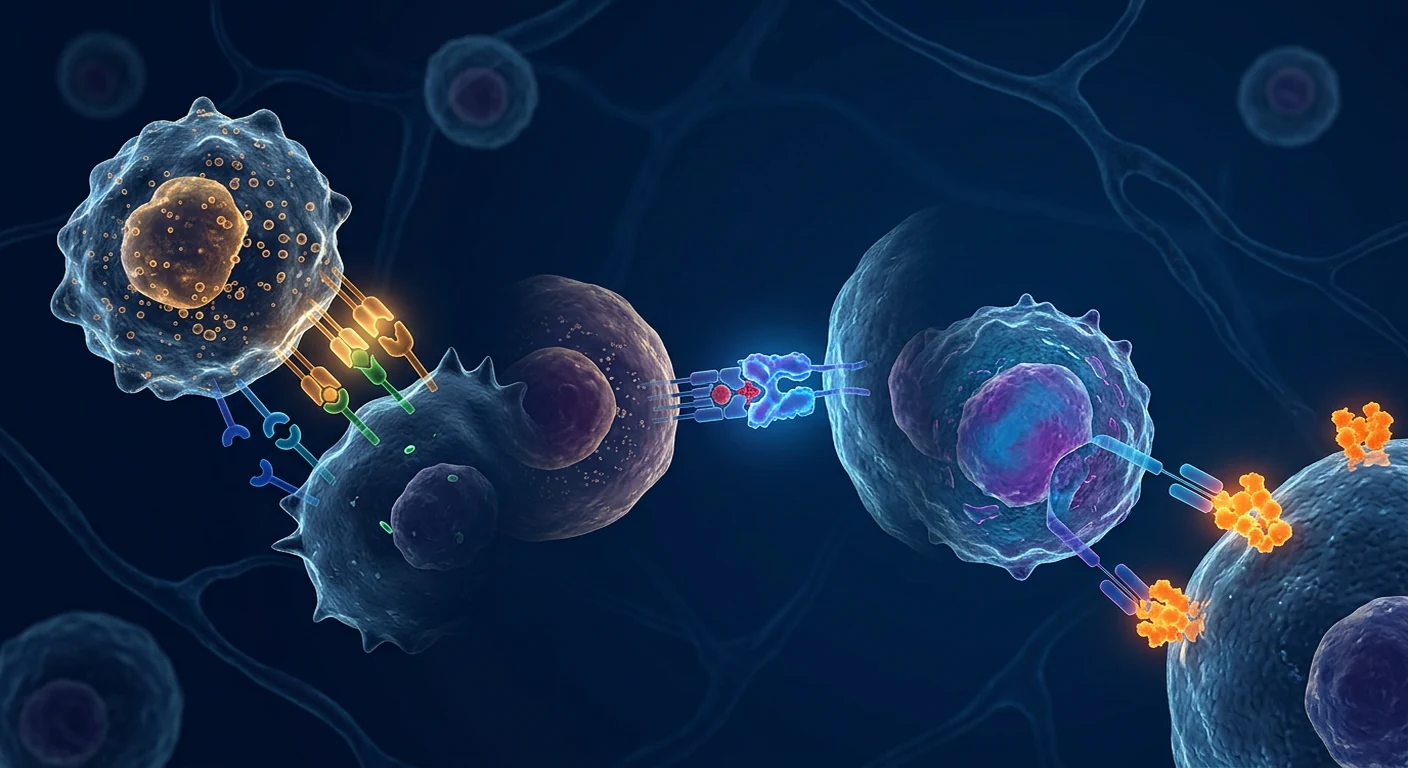
Natural TCR recognition is HLA-dependent; CAR recognition is largely HLA-independent; native NK recognition is HLA-informed but not peptide-HLA restricted. This wording matters. NK cells are not blind to HLA: inhibitory NK receptors use HLA as a safety signal. However, they do not require a particular tumor peptide to be presented by a particular HLA molecule in the same way a conventional TCR does.
CARs bypass peptide presentation by binding cell-surface molecules. That can overcome one route of tumor escape—loss of antigen processing or HLA presentation—but it introduces another: the tumor may lose or reduce the surface antigen targeted by the CAR. CAR-NK cells may preserve additional, CAR-independent killing through native activating receptors and CD16, potentially offering a second route against heterogeneous targets. Whether that theoretical redundancy improves durable outcomes remains product- and disease-specific [6].
Do not confuse three concepts: HLA restriction determines what a receptor can see; HLA matching addresses donor–recipient compatibility; and host-versus-graft rejection determines how long allogeneic cells survive. An HLA-unrestricted CAR target does not automatically make every donor T-cell product safe, and low GVHD potential does not guarantee persistence.
Side-by-side comparison
| Feature | NK-cell therapy | Conventional / engineered T-cell therapy | CAR-T therapy |
|---|---|---|---|
| Native recognition | Balance of activating and inhibitory receptors; missing-self, induced-self, and antibody-dependent killing | TCR recognizes peptide presented by a compatible HLA molecule | CAR binds a chosen surface antigen; native TCR remains unless removed |
| HLA relationship | Not peptide-HLA restricted, although HLA–KIR/NKG2A signals regulate activity | Usually HLA-restricted | CAR recognition is HLA-independent; donor TCR can still cause alloreactivity |
| Typical sourcing direction | Healthy-donor blood, cord blood, cell lines, or stem-cell-derived banks; autologous approaches also exist | Autologous, matched donor, tumor-derived, or virus-specific depending on product | Currently approved products are autologous; allogeneic CAR-T remains an active development field |
| Persistence | Often shorter and more variable; cytokine support, memory-like programs, or repeat dosing may be needed | Memory T cells can persist long term | Can expand substantially and persist for months or years, varying by construct and patient |
| CRS / ICANS | Generally lower in early NK/CAR-NK experience, but not impossible | Depends strongly on product and activation | Established, potentially severe risks requiring trained monitoring |
| GVHD | Low intrinsic risk with purified allogeneic NK products; contaminating T cells and manufacturing still matter | Relevant for conventional allogeneic alpha-beta T cells | Not expected from autologous products; a central engineering concern for donor-derived CAR-T |
| Evidence maturity | Unmodified NK has decades of study; engineered and CAR-NK evidence remains mainly early-phase | Varies widely by platform and indication | Multiple regulatory approvals and pivotal trials in defined hematologic malignancies |
Autologous versus allogeneic logistics
Autologous CAR-T is a personalized supply chain. A patient undergoes leukapheresis; cells are shipped, activated, genetically modified, expanded, tested, released, returned, and infused after lymphodepleting chemotherapy. Disease can progress or clinical status can change while manufacturing is under way. Starting material from heavily treated patients may be variable, and a manufacturing failure can be clinically consequential. The advantage is immunologic ownership: the product is the patient’s, so donor T cells cannot attack host tissues.
Allogeneic production aims to shift from one patient–one batch to one donor or master bank–many doses. Healthy-donor NK cells, cord-blood NK cells, induced-pluripotent-stem-cell-derived NK cells, and NK cell lines can be expanded into standardized lots. This could improve scheduling and distribute fixed manufacturing work across more doses. But “off the shelf” is an objective, not proof of interchangeability. Cryopreservation recovery, potency after thaw, feeder-cell removal, batch consistency, transport, host rejection, and release testing remain material challenges [14].
Allogeneic alpha-beta T cells face a different barrier: their native TCR can recognize recipient tissue and cause GVHD. Gene-edited universal CAR-T platforms attempt to disrupt the TCR and sometimes modify HLA-related pathways, adding engineering and regulatory complexity. Purified NK cells have much lower intrinsic GVHD potential, which makes donor-derived NK development attractive, but recipient immunity can still clear them.
Persistence: advantage, liability, and design choice
Persistence is not simply “more is better.” Long-lived CAR-T cells can provide continuing immune surveillance and contribute to durable disease control. The same persistence can prolong on-target effects such as B-cell aplasia when normal cells share the target. T-cell differentiation state, exhaustion, CAR tonic signaling, antigen burden, costimulatory domain, and lymphodepletion all affect expansion and survival [11].
NK products have historically shown more limited expansion and persistence, which may reduce prolonged toxicity but can also weaken durability. Strategies include IL-15 support, membrane-bound cytokines, memory-like programming, metabolic engineering, evasion of host rejection, and planned repeat dosing. Preclinical cord-blood work demonstrated that IL-15 can extend CAR-NK activity [10]. In the first published CD19 CAR-NK cohort, cells were detectable at low levels for prolonged follow-up, showing that “NK cells are always short-lived” is too simplistic [2]. Yet detection is not synonymous with durable tumor control.
CRS, ICANS, GVHD, and other risks
CAR-T has a well-characterized toxicity framework because it has been used broadly enough for uncommon and severe events to emerge. Cytokine release syndrome (CRS) can include fever, hypotension, hypoxia, and organ dysfunction. Immune effector cell-associated neurotoxicity syndrome (ICANS) can involve confusion, language disturbance, impaired consciousness, seizures, or cerebral edema. Cytopenias, infection, hypogammaglobulinemia for B-cell targets, tumor lysis, and prolonged immune effects also require structured follow-up. Severity varies by product, disease burden, and patient factors; modern grading and treatment pathways have improved management [12].
Early CAR-NK studies report a lower observed burden of CRS, ICANS, and GVHD, but “lower observed” is not “zero risk.” The landmark cord-blood study treated a small, selected cohort without these major toxicities [2]. Its expanded phase 1/2 analysis remained encouraging but was still single-center and non-randomized [3]. Other NK platforms, targets, cytokine armoring systems, conditioning regimens, and larger populations may produce different safety findings. Lymphodepleting chemotherapy itself can cause cytopenias and infections; infused cells can cause on-target/off-tumor injury; and engineered cytokine support can introduce new risks.
GVHD comparisons also need precision. Autologous CAR-T does not cause donor-versus-host disease because there is no donor. GVHD is primarily a concern for allogeneic alpha-beta T-cell products, whereas purified donor NK cells rarely initiate the classic TCR-driven process. This biological advantage does not remove the need to control T-cell contamination and product identity.
Evidence maturity and regulatory approvals
CAR-T is the mature platform in this comparison. Regulators in the United States and other jurisdictions have approved multiple autologous CAR-T products for specific relapsed or refractory B-cell leukemias, lymphomas, and multiple myeloma settings. Those approvals are indication-, target-, age-, and prior-treatment-specific; “CAR-T is approved” never means every CAR design or every cancer is approved. Pivotal and post-marketing evidence now support clinical guidelines, manufacturing standards, and toxicity programs.
CAR-NK therapy is not currently an approved standard therapy. Published clinical evidence includes encouraging early studies, especially in CD19-positive B-cell malignancies, but it remains much smaller and less mature. The initial 11-patient study reported activity without CRS, neurotoxicity, or GVHD [2]; the later 37-patient analysis examined response determinants and longer outcomes [3]. These findings justify controlled development—not equivalence claims. Solid-tumor evidence for both CAR-T and CAR-NK is generally less established than the evidence for approved hematologic indications because trafficking, antigen heterogeneity, and the immunosuppressive tumor microenvironment remain formidable barriers [13].
Unmodified or cytokine-activated NK infusions should also not be conflated with CAR-NK. A clinic offering “NK-cell therapy” may be using a product with different sourcing, expansion, targeting, potency, and evidence. Patients should ask for the exact product name, regulatory status, protocol, indication, trial identifier, cell source, genetic modification, and adverse-event plan.
How costs differ—without misleading sticker prices
Cost follows the care pathway, not only the cell bag. Autologous CAR-T costs reflect patient-specific collection, vector-based engineering, release testing, logistics, lymphodepletion, infusion, specialist monitoring, and possible inpatient or intensive management of toxicity. Coverage and total out-of-pocket burden vary sharply by country, indication, payer, and treatment center. A list price cannot describe the complete episode.
Allogeneic NK and CAR-NK manufacturing may eventually reduce per-dose production costs by spreading one validated batch across multiple recipients and shortening scheduling. That economic promise has not yet been proven across commercial-scale approved CAR-NK products, because there are no approved CAR-NK products to price against routine CAR-T care. Repeat dosing, enhanced cytokine support, additional conditioning, cryogenic distribution, potency testing, and treatment in a clinical trial can offset apparent manufacturing savings. A responsible comparison therefore asks what is included, what is investigational, who pays for complications, and what happens if a batch or response fails—not which brochure displays the lower number.
Which platform may fit which clinical question?
For an eligible patient with a disease and treatment line covered by an approved CAR-T indication, CAR-T has the strongest evidence of these options. Suitability still depends on organ function, infection status, disease tempo, prior therapies, target expression, caregiver and proximity requirements, and the center’s ability to manage toxicities. Bridging treatment may be needed during manufacture.
NK-cell or CAR-NK studies may be rational when the patient meets a well-designed clinical-trial protocol, particularly where an allogeneic, rapidly available, or repeat-dose strategy addresses a defined limitation. Trial participation should include transparent consent about uncertainty, alternatives, genetic engineering, conditioning, monitoring, and long-term follow-up. Conventional T-cell products may be relevant where intracellular antigens can be targeted through a defined peptide-HLA complex, or where tumor-infiltrating lymphocyte approaches have indication-specific evidence.
- Ask what cell is actually infused: autologous or donor; NK, T, or mixed; unmodified, activated, TCR-engineered, or CAR-engineered.
- Ask what the receptor sees: a surface antigen, peptide-HLA complex, antibody-coated target, or innate stress signal.
- Ask what evidence matches you: same disease, target, treatment line, product, and patient population—not just the same cell category.
- Ask about access and timing: collection, manufacturing slot, release failure, bridging therapy, repeat dosing, and travel.
- Ask about safety readiness: lymphodepletion, CRS/ICANS grading, infection prevention, emergency transfer, and long-term monitoring.
What remains uncertain?
No head-to-head randomized trial establishes that CAR-NK is safer, more effective, or more cost-effective than approved CAR-T across comparable patients. Cross-trial response percentages are particularly misleading because disease mix, tumor burden, prior therapy, endpoint timing, conditioning, dose, and follow-up differ. Small early-phase cohorts are designed primarily to establish feasibility and safety, not definitive comparative effectiveness.
Open questions include optimal NK source, freeze–thaw resilience, manufacturing consistency, dose and repeat schedule, host rejection, persistence needed for each cancer, cytokine-armoring safety, antigen escape, and performance in solid tumors [15]. CAR-T development likewise continues toward faster manufacture, allogeneic products, multi-antigen targeting, controllable activation, and improved solid-tumor trafficking [5]. The likely future is not a single winner: distinct immune-cell platforms may be selected or combined according to disease biology.
Frequently asked questions
Is NK-cell therapy the same as CAR-NK therapy?
No. NK therapy may use activated or expanded NK cells without a CAR. CAR-NK adds a genetically encoded receptor for a chosen surface antigen while retaining native NK-cell functions.
Does CAR-T require HLA matching?
CAR binding itself does not require peptide-HLA matching. Approved autologous CAR-T products use the patient’s own cells. Donor-derived CAR-T needs strategies to control native TCR-mediated alloreactivity and host rejection.
Can donor NK cells cause GVHD?
Purified donor NK products have low intrinsic GVHD risk because NK cells do not use an alpha-beta TCR to attack recipient HLA. Manufacturing must still control contaminating T cells, and allogeneic cells can be rejected by the host.
Is CAR-NK safer than CAR-T?
Early CAR-NK cohorts have shown fewer severe CRS, ICANS, and GVHD events than commonly observed with CAR-T, but datasets are much smaller and products differ. It is premature to claim universal superiority.
Is CAR-NK approved?
No. CAR-NK remains investigational as of this article’s publication date. CAR-T has multiple approvals for defined blood-cancer indications.
Limitations and medical disclaimer
This is an educational comparison, not a treatment recommendation. The evidence spans heterogeneous products and cannot predict an individual outcome. Regulatory status changes, so patients and clinicians should verify the current approval label or trial registry with the relevant national authority. Never substitute a commercially described “immune-cell program” for an oncologist’s disease-specific plan or an authorized clinical trial.
References
- Kärre K. NK cells, MHC class I molecules and the missing self. Scandinavian Journal of Immunology. 2002;55:221–228. doi:10.1046/j.1365-3083.2002.01053.x ↩
- Liu E, Marín D, Banerjee P, et al. Use of CAR-transduced natural killer cells in CD19-positive lymphoid tumors. New England Journal of Medicine. 2020;382:545–553. doi:10.1056/NEJMoa1910607 ↩
- Marín D, Li Y, Başar R, et al. Safety, efficacy and determinants of response of allogeneic CD19-specific CAR-NK cells in CD19+ B cell tumors. Nature Medicine. 2024;30:772–784. doi:10.1038/s41591-023-02785-8 ↩
- Dagher OK, Posey AD Jr. Forks in the road for CAR T and CAR NK cell cancer therapies. Nature Immunology. 2023;24:1994–2007. doi:10.1038/s41590-023-01659-y ↩
- Sterner RC, Sterner RM. CAR-T cell therapy: current limitations and potential strategies. Blood Cancer Journal. 2021;11:69. doi:10.1038/s41408-021-00459-7 ↩
- Gong Y, Klein Wolterink RGJ, Wang J, Bos GMJ, Germeraad WTV. CAR-NK cell design and engineering for cancer therapy. Journal of Hematology & Oncology. 2021;14:73. doi:10.1186/s13045-021-01083-5 ↩
- Ebrahimiyan H, et al. Novel insights in CAR-NK cells beyond CAR-T cell technology; promising advantages. International Immunopharmacology. 2022;106:108587. doi:10.1016/j.intimp.2022.108587 ↩
- Rafei H, Daher M, Rezvani K. CAR natural killer-cell therapy: leveraging the power of innate immunity. British Journal of Haematology. 2021;193:216–230. doi:10.1111/bjh.17186 ↩
- Daher M, Rezvani K. Outlook for new CAR-based therapies with a focus on CAR NK cells. Cancer Discovery. 2021;11:45–58. doi:10.1158/2159-8290.CD-20-0556 ↩
- Liu E, Tong Y, Dotti G, et al. Cord blood NK cells engineered to express IL-15 and a CD19-targeted CAR show long-term persistence and potent antitumor activity. Leukemia. 2018;32:520–531. doi:10.1038/leu.2017.226 ↩
- Zhao Z, Condomines M, van der Stegen SJC, et al. Structural design of engineered costimulation determines tumor rejection kinetics and persistence of CAR T cells. Cancer Cell. 2015;28:415–428. doi:10.1016/j.ccell.2015.09.004 ↩
- Davila ML, Rivière I, Wang X, et al. Efficacy and toxicity management of 19-28z CAR T cell therapy in B-cell acute lymphoblastic leukemia. Science Translational Medicine. 2014;6:224ra25. doi:10.1126/scitranslmed.3008226 ↩
- Peng L, Sferruzza G, Yang L, Zhou L, Chen S. CAR-T and CAR-NK as cellular cancer immunotherapy for solid tumors. Cellular & Molecular Immunology. 2024;21:1089–1108. doi:10.1038/s41423-024-01207-0 ↩
- Heipertz EL, Zynda ER, Stav-Noraas TE, et al. Current perspectives on off-the-shelf allogeneic NK and CAR-NK cell therapies. Frontiers in Immunology. 2021;12:732135. doi:10.3389/fimmu.2021.732135 ↩
- Li T, Niu M, Zhang W, et al. CAR-NK cells for cancer immunotherapy: recent advances and future directions. Frontiers in Immunology. 2024;15:1361194. doi:10.3389/fimmu.2024.1361194 ↩
NK细胞疗法、传统T细胞疗法和CAR-T疗法都属于过继免疫治疗,但不能相互等同。它们在识别异常细胞的方式、对人类白细胞抗原(HLA)的依赖、能否采用健康供者细胞、体内持续时间、毒性和临床证据成熟度方面均不同。“NK疗法”可能指未改造、激活扩增、记忆样、抗体协同或CAR工程化NK细胞;“T细胞疗法”也可能指肿瘤浸润淋巴细胞、病毒特异性T细胞、TCR工程化细胞或CAR-T。判断疗法时,具体产品比宽泛名称更重要。
已获批的自体CAR-T在特定血液肿瘤中可产生持久缓解,但需要为每位患者单独制造,并由具备毒性处理能力的专科中心实施。供者来源NK平台有望实现预制库存和重复给药,异体反应也较低;然而CAR-NK目前仍属研究性治疗,证据量远小于CAR-T。
NK细胞、T细胞和CAR细胞是什么?
NK细胞是通过整合激活与抑制信号作出杀伤决定的先天淋巴细胞。KIR和NKG2A等抑制受体读取HLA-I类分子;正常HLA信号丢失可形成“自我缺失”信号。NKG2D和天然细胞毒受体识别应激配体,CD16则介导抗体依赖的细胞毒作用。其决定并非单一受体的开关 [1]。
传统αβ T细胞通过TCR识别HLA呈递的肽。这种机制特异性高并能形成免疫记忆,但具有HLA限制性。TCR工程化疗法通常要求肿瘤表达目标肽,患者还需具备指定HLA等位基因。
CAR改变了识别入口。CAR把抗体来源的结合结构域与胞内信号结构域组合起来,直接结合细胞表面抗原,不需要HLA呈递该肽。CAR-T仍保留T细胞生物学,CAR-NK仍保留先天受体和CD16功能 [4]。
识别方式与HLA:核心机制差异
天然TCR识别依赖HLA;CAR识别基本不依赖HLA;NK的天然识别受HLA调控,但不受特定肽-HLA限制。说NK“不依赖HLA”并不等于NK看不到HLA:HLA是其重要安全制动信号。CAR绕过抗原加工与呈递,却可能遭遇另一种逃逸——肿瘤丢失CAR所针对的表面抗原。CAR-NK仍可通过天然激活受体及CD16实施非CAR杀伤,但这种理论冗余能否带来更持久疗效,必须按产品和疾病验证 [6]。
三个概念不可混淆:HLA限制性决定受体能识别什么;HLA匹配涉及供受者相容性;宿主抗移植物反应决定异体细胞能存活多久。靶点不受HLA限制,并不自动使供者T细胞安全;GVHD风险低也不代表细胞一定能长期持续。
并列比较
| 特征 | NK细胞疗法 | 传统/工程化T细胞 | CAR-T |
|---|---|---|---|
| 天然识别 | 整合激活和抑制受体;自我缺失、应激配体及抗体依赖杀伤 | TCR识别相容HLA呈递的肽 | CAR结合选定表面抗原;若未去除,天然TCR仍存在 |
| HLA关系 | 不受肽-HLA限制,但HLA-KIR/NKG2A调节活性 | 通常有HLA限制 | CAR识别不依赖HLA;供者TCR仍可引起异体反应 |
| 来源与制造 | 健康供者血、脐带血、细胞系或干细胞库,也可自体 | 依产品而定,可为自体、供者或肿瘤来源 | 目前获批产品为自体;异体CAR-T仍在研发 |
| 持续性 | 通常较短且差异大,可能需细胞因子支持或重复给药 | 记忆T细胞可长期存在 | 可显著扩增并持续数月至数年,但取决于产品与患者 |
| CRS/ICANS | 早期NK/CAR-NK经验中较低,但并非不可能 | 高度取决于产品 | 已知可严重,需标准化监测与处理 |
| GVHD | 纯化异体NK内在风险低;仍须控制T细胞污染 | 异体αβ T细胞的重要风险 | 自体产品不会导致GVHD;供者CAR-T需重点工程控制 |
| 证据 | 未改造NK研究历史较长;CAR-NK多为早期试验 | 随平台与适应证差异很大 | 特定血液肿瘤已有多项批准及关键性试验 |
自体与异体的物流差异
自体CAR-T是一条个体化供应链。患者接受单采,细胞经运输、激活、基因改造、扩增、检测、放行后返回中心,并在淋巴清除化疗后回输。等待制造期间疾病可能进展;重度治疗后的起始细胞质量也可能不稳定。其优势是细胞来自患者本人,不会由供者T细胞攻击宿主。
异体生产试图把“一人一批”转变为“一位供者或一个主细胞库供应多剂”。健康供者、脐带血、iPSC来源NK或NK细胞系有望形成标准批次并更快排程。但“现货型”是目标,不是质量保证。冻融恢复、效力、饲养细胞清除、批次一致性、运输、宿主排斥和放行检测仍是难点 [14]。异体αβ T细胞还需通过TCR敲除等手段降低GVHD,增加工程和监管复杂度。
持续性:优势、负担与设计选择
持续越久并不总是越好。长寿命CAR-T可维持免疫监视,但靶抗原也存在于正常细胞时,可延长B细胞缺乏等在靶效应。分化状态、耗竭、CAR基础信号、抗原负荷、共刺激结构和预处理都会影响持续性 [11]。
NK细胞通常扩增和持续较有限,这可能降低长期毒性,也可能损害疗效持久性。IL-15、膜结合细胞因子、记忆样程序、代谢工程、抗宿主排斥和重复给药都在研究中。脐带血研究显示IL-15可延长CAR-NK活性 [10],临床研究也检测到低水平长期持续的CAR-NK [2],但“检测得到”不等于“持续控制肿瘤”。
CRS、ICANS、GVHD与其他风险
CAR-T的毒性体系较成熟。细胞因子释放综合征(CRS)可导致发热、低血压、缺氧和器官功能障碍;免疫效应细胞相关神经毒性综合征(ICANS)可表现为意识混乱、语言障碍、癫痫或脑水肿。还需监测血细胞减少、感染、低免疫球蛋白血症和肿瘤溶解。现代分级和处理流程改善了安全性,但不能消除风险 [12]。
早期CAR-NK研究观察到较低的CRS、ICANS和GVHD负担,但“较低”不等于“零”。最早CD19 CAR-NK小队列未观察到这些主要毒性 [2];扩展研究仍属单中心、非随机试验 [3]。不同细胞来源、靶点、细胞因子装甲和预处理可能有不同结果。淋巴清除本身会造成感染和血细胞减少,工程化细胞也可能出现靶向正常组织等风险。
证据成熟度与批准状态
CAR-T是三者中证据最成熟的平台。美国及其他地区已经批准多种自体CAR-T,用于特定复发或难治性B细胞白血病、淋巴瘤和多发性骨髓瘤。批准严格限定于特定靶点、疾病、年龄和治疗线次,并不代表所有CAR设计或所有癌症都已获批。
CAR-NK目前不是获批标准疗法。其临床数据在CD19阳性B细胞肿瘤中令人鼓舞,但样本和随访仍远少于CAR-T [2] [3]。这些结果支持继续开展规范试验,不能证明与CAR-T等效。两种CAR平台在实体瘤中均面对浸润、抗原异质性和免疫抑制微环境等难题 [13]。
未改造NK回输也不能与CAR-NK混为一谈。患者应询问确切产品名、细胞来源、是否基因改造、监管状态、适应证、试验编号、效力检测和不良事件预案。
成本应如何比较?
成本来自整个治疗过程,而不只是细胞制剂。自体CAR-T包括采集、个体化工程、放行检测、物流、淋巴清除、输注、专科监测及可能的住院或重症处理。保险和患者负担随国家、适应证和中心差异明显,因此标价无法代表完整费用。
异体NK/CAR-NK有望让一个合格批次服务多位患者并缩短排程,从而降低单剂制造成本。但目前没有获批CAR-NK产品可与常规CAR-T做真实商业比较。重复给药、细胞因子支持、额外预处理、冷链、效力检测和试验相关照护都可能抵消节省。应比较包含项目、研究性质、并发症责任和批次失败安排,而非只比较宣传数字。
如何判断临床适配?
若患者符合某一获批CAR-T的疾病和治疗线次,CAR-T拥有最强直接证据。仍需评估器官功能、感染、疾病进展速度、靶抗原、既往治疗及中心毒性管理能力。NK或CAR-NK更适合在设计严谨且患者符合条件的临床试验中考虑。传统T细胞产品则可能用于特定肽-HLA靶点或有适应证证据的肿瘤浸润淋巴细胞方案。
- 确认输注的是自体还是供者细胞,是NK、T还是混合物,是否经过CAR/TCR改造。
- 确认受体识别表面抗原、肽-HLA、抗体包被靶点还是应激信号。
- 确认研究证据与自己的疾病、靶点、治疗线次和产品一致。
- 询问制造时间、放行失败、桥接治疗、重复给药和出行要求。
- 确认CRS/ICANS处理、感染预防、急诊转运和长期随访能力。
尚未解决的问题
目前没有头对头随机试验证明CAR-NK在相似患者中比获批CAR-T更安全、更有效或更具成本效益。跨试验比较反应率会受到疾病构成、肿瘤负荷、既往治疗、评估时间和随访差异影响。CAR-NK仍需解决最佳来源、冻融耐受、批次一致性、宿主排斥、理想持续时间、细胞因子安全性、抗原逃逸和实体瘤效能 [15]。CAR-T也在向快速制造、异体化、多靶点和实体瘤递送发展 [5]。未来更可能是按疾病生物学选择不同平台,而非由单一平台取胜。
常见问题
NK疗法就是CAR-NK吗?
不是。NK疗法可以是未携带CAR的激活或扩增NK;CAR-NK则额外表达针对特定表面抗原的工程受体。
CAR-T需要HLA匹配吗?
CAR结合本身不需要肽-HLA匹配。获批自体CAR-T来自患者本人;供者CAR-T则需控制天然TCR导致的异体反应和宿主排斥。
CAR-NK更安全吗?
早期队列的严重CRS、ICANS和GVHD较少,但数据量远小于CAR-T,产品也高度不同,不能宣称普遍更安全。
CAR-NK获批了吗?
截至本文发布日期,没有。CAR-NK仍属研究性治疗;CAR-T已有针对特定血液肿瘤的多项批准。
局限与医学免责声明
本文仅用于教育,不构成诊断或治疗建议。不同产品的证据不能互相外推,监管状态也会变化。患者应由血液肿瘤专科团队核实当前批准标签或正规试验,并讨论标准治疗、风险、费用和替代方案。
参考文献
- Kärre K. NK cells, MHC class I molecules and the missing self. Scandinavian Journal of Immunology. 2002;55:221–228. doi:10.1046/j.1365-3083.2002.01053.x ↩
- Liu E, Marín D, Banerjee P, et al. Use of CAR-transduced natural killer cells in CD19-positive lymphoid tumors. New England Journal of Medicine. 2020;382:545–553. doi:10.1056/NEJMoa1910607 ↩
- Marín D, Li Y, Başar R, et al. Safety, efficacy and determinants of response of allogeneic CD19-specific CAR-NK cells in CD19+ B cell tumors. Nature Medicine. 2024;30:772–784. doi:10.1038/s41591-023-02785-8 ↩
- Dagher OK, Posey AD Jr. Forks in the road for CAR T and CAR NK cell cancer therapies. Nature Immunology. 2023;24:1994–2007. doi:10.1038/s41590-023-01659-y ↩
- Sterner RC, Sterner RM. CAR-T cell therapy: current limitations and potential strategies. Blood Cancer Journal. 2021;11:69. doi:10.1038/s41408-021-00459-7 ↩
- Gong Y, Klein Wolterink RGJ, Wang J, Bos GMJ, Germeraad WTV. CAR-NK cell design and engineering for cancer therapy. Journal of Hematology & Oncology. 2021;14:73. doi:10.1186/s13045-021-01083-5 ↩
- Ebrahimiyan H, et al. Novel insights in CAR-NK cells beyond CAR-T cell technology; promising advantages. International Immunopharmacology. 2022;106:108587. doi:10.1016/j.intimp.2022.108587 ↩
- Rafei H, Daher M, Rezvani K. CAR natural killer-cell therapy: leveraging the power of innate immunity. British Journal of Haematology. 2021;193:216–230. doi:10.1111/bjh.17186 ↩
- Daher M, Rezvani K. Outlook for new CAR-based therapies with a focus on CAR NK cells. Cancer Discovery. 2021;11:45–58. doi:10.1158/2159-8290.CD-20-0556 ↩
- Liu E, Tong Y, Dotti G, et al. Cord blood NK cells engineered to express IL-15 and a CD19-targeted CAR show long-term persistence and potent antitumor activity. Leukemia. 2018;32:520–531. doi:10.1038/leu.2017.226 ↩
- Zhao Z, Condomines M, van der Stegen SJC, et al. Structural design of engineered costimulation determines tumor rejection kinetics and persistence of CAR T cells. Cancer Cell. 2015;28:415–428. doi:10.1016/j.ccell.2015.09.004 ↩
- Davila ML, Rivière I, Wang X, et al. Efficacy and toxicity management of 19-28z CAR T cell therapy in B-cell acute lymphoblastic leukemia. Science Translational Medicine. 2014;6:224ra25. doi:10.1126/scitranslmed.3008226 ↩
- Peng L, Sferruzza G, Yang L, Zhou L, Chen S. CAR-T and CAR-NK as cellular cancer immunotherapy for solid tumors. Cellular & Molecular Immunology. 2024;21:1089–1108. doi:10.1038/s41423-024-01207-0 ↩
- Heipertz EL, Zynda ER, Stav-Noraas TE, et al. Current perspectives on off-the-shelf allogeneic NK and CAR-NK cell therapies. Frontiers in Immunology. 2021;12:732135. doi:10.3389/fimmu.2021.732135 ↩
- Li T, Niu M, Zhang W, et al. CAR-NK cells for cancer immunotherapy: recent advances and future directions. Frontiers in Immunology. 2024;15:1361194. doi:10.3389/fimmu.2024.1361194 ↩
العلاج بخلايا NK والعلاج التقليدي بالخلايا التائية وعلاج CAR-T أشكال مترابطة من العلاج المناعي بالتبنّي، لكنها ليست مترادفات. تختلف في طريقة التعرّف على الخلايا غير الطبيعية، والاعتماد على مستضدات الكريات البيضاء البشرية HLA، وإمكان استخدام متبرع سليم، ومدة البقاء في الجسم، والسمية، ونضج الدليل السريري. وقد تعني عبارة «علاج NK» خلايا غير معدلة أو منشطة أو شبيهة بالذاكرة أو مدعومة بالأجسام المضادة أو مهندسة بمستقبل CAR. لذلك يهم تعريف المنتج المحدد أكثر من الاسم العام.
يمكن لمنتجات CAR-T الذاتية المعتمدة أن تحقق هدوءاً ممتداً في سرطانات دم مختارة، لكنها تتطلب تصنيعاً خاصاً بكل مريض ومركزاً قادراً على تدبير السمية. أما منصات NK المأخوذة من متبرعين فقد تسمح بمخزون جاهز وجرعات متكررة مع تفاعل خيفي أقل، لكن CAR-NK ما زال علاجاً بحثياً وقاعدة أدلته أصغر بكثير.
ما خلايا NK والخلايا التائية والخلايا المهندسة بمستقبل CAR؟
خلايا NK لمفاويات فطرية تجمع باستمرار إشارات التنشيط والتثبيط. تقرأ مستقبلات KIR وNKG2A المثبطة جزيئات HLA من الصنف الأول؛ وقد يؤدي غياب HLA الطبيعي إلى إشارة «الذات المفقودة». تتعرف NKG2D ومستقبلات السمية الطبيعية إلى ربيطات الشدة، ويتيح CD16 السمية الخلوية المعتمدة على الأجسام المضادة. القرار النهائي حصيلة توازن عدة إشارات وليس مفتاحاً منفرداً [1].
تتعرف الخلايا التائية ألفا-بيتا التقليدية بواسطة TCR إلى ببتيد تعرضه جزيئات HLA. يمنح ذلك نوعية دقيقة وذاكرة مناعية، لكنه مقيد بـHLA؛ لذا يتطلب العلاج المهندس بـTCR وجود الببتيد المستهدف وأليل HLA المناسب.
يغيّر CAR بوابة التعرّف. فهو يجمع مجال ارتباط مشتقاً من جسم مضاد مع وحدات إشارة داخل الخلية، ويرتبط بمستضد سطحي من دون عرض الببتيد عبر HLA. تحتفظ CAR-T ببيولوجيا الخلية التائية، فيما تحتفظ CAR-NK بالمستقبلات الفطرية ووظيفة CD16 [4].
التعرّف وHLA: الفرق الآلي الأساسي
التعرّف الطبيعي عبر TCR يعتمد على HLA؛ والتعرّف عبر CAR مستقل إلى حد كبير عنه؛ أما تعرّف NK فتُنظمه إشارات HLA لكنه غير مقيد بببتيد-HLA محدد. لا يعني ذلك أن NK لا ترى HLA؛ فهو إشارة أمان مثبطة مهمة. يتجاوز CAR فقدان معالجة المستضد وعرضه، لكنه يواجه هروباً آخر عندما يفقد الورم المستضد السطحي. وقد تحتفظ CAR-NK بقتل غير معتمد على CAR عبر مستقبلاتها الطبيعية وCD16، إلا أن منفعة ذلك سريرياً يجب إثباتها لكل منتج ومرض [6].
لا تخلط بين ثلاثة مفاهيم: تقييد HLA يحدد ما يراه المستقبل؛ ومطابقة HLA تتعلق بتوافق المتبرع والمتلقي؛ ورفض المضيف للطعم يحدد مدة بقاء الخلايا الخيفية. استقلال الهدف عن HLA لا يجعل كل منتج تائي من متبرع آمناً تلقائياً، وانخفاض GVHD لا يضمن البقاء.
مقارنة مباشرة
| السمة | علاج NK | الخلايا التائية التقليدية/المهندسة | CAR-T |
|---|---|---|---|
| التعرّف الطبيعي | توازن مستقبلات التنشيط والتثبيط؛ الذات المفقودة والشدة والقتل المعتمد على الأجسام المضادة | يتعرف TCR إلى ببتيد تعرضه جزيئات HLA المتوافقة | يرتبط CAR بمستضد سطحي؛ ويبقى TCR إن لم يُحذف |
| علاقة HLA | غير مقيد بببتيد-HLA، مع تنظيم عبر HLA–KIR/NKG2A | مقيد عادة بـHLA | CAR غير مقيد بـHLA؛ وقد يسبب TCR المتبرع تفاعلاً خيفياً |
| المصدر | دم متبرع أو دم حبل سري أو خطوط خلوية أو خلايا مشتقة من جذعية؛ ويمكن أن يكون ذاتياً | ذاتي أو من متبرع أو من الورم حسب المنتج | المنتجات المعتمدة حالياً ذاتية؛ والخيفية ما زالت قيد التطوير |
| البقاء | أقصر وأكثر تفاوتاً غالباً؛ قد يحتاج دعماً سيتوكينياً أو تكرار الجرعات | يمكن لخلايا الذاكرة أن تدوم طويلاً | قد تتوسع وتبقى أشهراً أو سنوات بحسب البنية والمريض |
| CRS وICANS | أقل في الخبرة المبكرة، لكنه ليس مستحيلاً | يعتمد على المنتج والتنشيط | مخاطر معروفة وقد تكون شديدة وتتطلب مراقبة متخصصة |
| GVHD | خطر فطري منخفض مع NK الخيفية النقية، مع ضرورة ضبط تلوث الخلايا التائية | مهم في خلايا ألفا-بيتا الخيفية | لا يُتوقع من المنتج الذاتي؛ ويشكّل تحدياً مركزياً للمنتج الخيفي |
| نضج الدليل | دُرست NK غير المعدلة طويلاً؛ CAR-NK ما زالت غالباً في المراحل المبكرة | متفاوت جداً | اعتمادات متعددة وتجارب محورية في أمراض دموية محددة |
لوجستيات المنتج الذاتي والخيفي
CAR-T الذاتي سلسلة توريد شخصية. يخضع المريض لفصل الكريات، ثم تُنقل الخلايا وتُنشط وتُعدل وراثياً وتُوسع وتُختبر وتُعاد بعد علاج خافض للمفاويات. قد يتقدم المرض خلال الانتظار، وقد تكون مادة البداية ضعيفة بعد علاجات كثيرة. ميزته أن الخلايا للمريض نفسه، فلا تهاجم خلايا متبرع أنسجته.
يسعى التصنيع الخيفي إلى تحويل «مريض واحد–دفعة واحدة» إلى «متبرع أو بنك رئيسي–جرعات لمرضى متعددين». يمكن توسيع NK من متبرع سليم أو الحبل السري أو الخلايا الجذعية المحفزة أو الخطوط الخلوية. لكن «جاهز للاستخدام» هدف وليس ضماناً. تبقى استعادة الوظيفة بعد التجميد، والقوة، وإزالة الخلايا المغذية، واتساق الدفعات، والنقل، ورفض المضيف، واختبارات الإفراج تحديات حقيقية [14]. وتحتاج الخلايا التائية الخيفية غالباً إلى تعطيل TCR أو تعديلات إضافية للحد من GVHD.
الاستمرار: ميزة وعبء واختيار تصميمي
الاستمرار الأطول ليس أفضل دائماً. قد توفر CAR-T طويلة العمر مراقبة مناعية، لكنها قد تطيل فقد الخلايا البائية عندما يوجد الهدف على خلايا سليمة. تؤثر حالة التمايز والإرهاق والإشارة القاعدية وحمل المستضد ومجال التحفيز والعلاج التمهيدي في البقاء [11].
يكون توسع NK وبقاؤها أقصر غالباً؛ وقد يقلل ذلك سمية طويلة الأمد لكنه قد يحد المتانة. تُدرس IL-15 والبرمجة الشبيهة بالذاكرة والهندسة الأيضية وتجنب رفض المضيف والجرعات المتكررة. أظهر العمل على دم الحبل السري إمكان إطالة نشاط CAR-NK بواسطة IL-15 [10]، وكشفت الدراسة السريرية خلايا بمستويات منخفضة خلال متابعة طويلة [2]، لكن الكشف لا يساوي سيطرة ورمية دائمة.
CRS وICANS وGVHD ومخاطر أخرى
إطار سمية CAR-T موصوف جيداً. قد تسبب متلازمة إطلاق السيتوكينات حمى وانخفاض ضغط ونقص أكسجة وفشل أعضاء. وقد تسبب ICANS ارتباكاً واضطراب لغة ونوبات أو وذمة دماغية. كما تتطلب قلة خلايا الدم والعدوى ونقص الغلوبولينات وتحلل الورم متابعة منظمة. حسنت مسارات التصنيف والعلاج الحديثة التدبير لكنها لا تلغي الخطر [12].
سجلت دراسات CAR-NK المبكرة عبئاً أقل من CRS وICANS وGVHD، لكن «أقل» لا تعني «صفر». لم تسجل دراسة CD19 الأولى الصغيرة هذه السميات الكبرى [2]، وظل التحليل الموسع دراسة أحادية المركز وغير عشوائية [3]. قد تختلف النتائج بحسب المصدر والهدف والتدريع السيتوكيني والتحضير. العلاج الخافض للمفاويات نفسه قد يسبب نقص الدم والعدوى، وقد تصيب الخلايا هدفاً موجوداً في نسيج طبيعي.
نضج الدليل والوضع التنظيمي
CAR-T هو المنصة الأكثر نضجاً. اعتمدت الولايات المتحدة ودول أخرى منتجات ذاتية متعددة لابيضاضات ولمفومات الخلايا البائية والورم النقوي المتعدد في أوضاع محددة. كل اعتماد مقيد بالمرض والهدف والعمر وخط العلاج؛ ولا يعني أن كل بنية CAR أو كل سرطان معتمد.
CAR-NK ليس علاجاً معيارياً معتمداً حالياً. نتائجه المبكرة مشجعة، خاصة في أورام الخلايا البائية الإيجابية لـCD19، لكن قاعدة البيانات أصغر والمتابعة أقصر [2] [3]. تدعم النتائج التطوير المنضبط ولا تثبت التكافؤ. وتواجه المنصتان في الأورام الصلبة صعوبة النفاذ وتغاير المستضد والبيئة المثبطة للمناعة [13].
ولا يجوز مساواة حقن NK غير المعدلة بـCAR-NK. ينبغي طلب اسم المنتج الدقيق ومصدر الخلايا والتعديل الجيني والوضع التنظيمي والاستطباب ورقم التجربة واختبار القوة وخطة تدبير المضاعفات.
كيف تختلف التكلفة؟
تنشأ التكلفة من مسار الرعاية كله، لا من كيس الخلايا فقط. يشمل CAR-T الذاتي الجمع والهندسة الشخصية واختبارات الإفراج والنقل والتحضير والتسريب والمراقبة المتخصصة واحتمال الاستشفاء أو العناية المركزة. تختلف التغطية وعبء المريض باختلاف البلد والدافع والمركز، لذلك لا يصف سعر القائمة الحلقة العلاجية كاملة.
قد يخفض NK/CAR-NK الخيفي تكلفة الجرعة مستقبلاً لأن دفعة واحدة قد تعالج عدة أشخاص وتختصر الانتظار. لكن لا توجد منتجات CAR-NK معتمدة تجارياً تسمح بمقارنة واقعية مع CAR-T الروتيني. قد تعوض الجرعات المتكررة والدعم السيتوكيني والتبريد واختبارات القوة ورعاية التجربة التوفير المتوقع. المقارنة المسؤولة تسأل عما يشمله السعر، ومن يتحمل المضاعفات، وما يحدث عند فشل الدفعة أو الاستجابة.
متى قد تناسب كل منصة؟
للمريض المؤهل ضمن استطباب وخط علاجي معتمد لـCAR-T، يظل الدليل المباشر لصالح CAR-T هو الأقوى. تعتمد الملاءمة أيضاً على وظيفة الأعضاء والعدوى وسرعة المرض والعلاجات السابقة والتعبير عن الهدف وقدرة المركز على تدبير السمية. قد يكون NK أو CAR-NK مناسباً ضمن تجربة سريرية مصممة جيداً، خاصة إذا عالجت استراتيجية خيفية سريعة أو متكررة مشكلة واضحة. وقد تلائم منتجات TCR هدفاً داخل الخلية يعرضه مركب ببتيد-HLA محدد.
- اسأل هل الخلايا ذاتية أم من متبرع، وهل هي NK أم T أم خليط، وهل عُدلت بـCAR أو TCR.
- اسأل ما الذي يراه المستقبل: مستضد سطحي أم ببتيد-HLA أم هدف مغطى بجسم مضاد أم إشارة شدة.
- تحقق من أن الدليل يطابق المرض والهدف وخط العلاج والمنتج نفسه.
- ناقش زمن التصنيع وفشل الإفراج والعلاج الجسري والجرعات المتكررة والسفر.
- تأكد من خطط CRS وICANS والعدوى والنقل الطارئ والمتابعة الطويلة.
ما الذي لا يزال غير محسوم؟
لا توجد تجربة عشوائية مباشرة تثبت أن CAR-NK أكثر أماناً أو فعالية أو جدوى اقتصادية من CAR-T المعتمد لدى مرضى متشابهين. لا تصح مقارنة نسب الاستجابة بين تجارب تختلف في نوع المرض وحمله والعلاج السابق والتوقيت والمتابعة. تشمل أسئلة CAR-NK المفتوحة المصدر الأمثل، وتحمل التجميد، واتساق التصنيع، ورفض المضيف، والبقاء المطلوب، وسلامة السيتوكينات، وهروب المستضد، والأورام الصلبة [15]. ويتطور CAR-T أيضاً نحو تصنيع أسرع ومنتجات خيفية وأهداف متعددة [5]. قد يكون المستقبل اختيار منصة مختلفة لكل بيولوجيا مرضية، لا فوز منصة واحدة.
أسئلة شائعة
هل علاج NK هو CAR-NK؟
لا. قد يستخدم علاج NK خلايا منشطة أو موسعة بلا CAR، بينما تضيف CAR-NK مستقبلاً جينياً لمستضد سطحي مختار.
هل يحتاج CAR-T إلى مطابقة HLA؟
لا يحتاج ارتباط CAR نفسه إلى عرض ببتيد-HLA. المنتجات المعتمدة ذاتية. أما CAR-T الخيفي فيحتاج ضبط تفاعل TCR الطبيعي ورفض المضيف.
هل CAR-NK أكثر أماناً؟
أظهرت الأفواج المبكرة سميات شديدة أقل، لكن البيانات أصغر بكثير والمنتجات مختلفة؛ لذلك لا يمكن إعلان تفوق شامل.
هل CAR-NK معتمد؟
لا، حتى تاريخ نشر المقال. ما زال بحثياً، بينما توجد اعتمادات متعددة لـCAR-T في سرطانات دم محددة.
القيود وإخلاء المسؤولية الطبية
هذه مقارنة تعليمية وليست توصية علاجية. لا يمكن تعميم دليل منتج على غيره، وقد تتغير القرارات التنظيمية. ينبغي لفريق متخصص التحقق من ملصق الاعتماد أو سجل التجربة الحالي ومناقشة العلاج المعياري والمخاطر والتكلفة والبدائل.
المراجع
- Kärre K. NK cells, MHC class I molecules and the missing self. Scandinavian Journal of Immunology. 2002;55:221–228. doi:10.1046/j.1365-3083.2002.01053.x ↩
- Liu E, Marín D, Banerjee P, et al. Use of CAR-transduced natural killer cells in CD19-positive lymphoid tumors. New England Journal of Medicine. 2020;382:545–553. doi:10.1056/NEJMoa1910607 ↩
- Marín D, Li Y, Başar R, et al. Safety, efficacy and determinants of response of allogeneic CD19-specific CAR-NK cells in CD19+ B cell tumors. Nature Medicine. 2024;30:772–784. doi:10.1038/s41591-023-02785-8 ↩
- Dagher OK, Posey AD Jr. Forks in the road for CAR T and CAR NK cell cancer therapies. Nature Immunology. 2023;24:1994–2007. doi:10.1038/s41590-023-01659-y ↩
- Sterner RC, Sterner RM. CAR-T cell therapy: current limitations and potential strategies. Blood Cancer Journal. 2021;11:69. doi:10.1038/s41408-021-00459-7 ↩
- Gong Y, Klein Wolterink RGJ, Wang J, Bos GMJ, Germeraad WTV. CAR-NK cell design and engineering for cancer therapy. Journal of Hematology & Oncology. 2021;14:73. doi:10.1186/s13045-021-01083-5 ↩
- Ebrahimiyan H, et al. Novel insights in CAR-NK cells beyond CAR-T cell technology; promising advantages. International Immunopharmacology. 2022;106:108587. doi:10.1016/j.intimp.2022.108587 ↩
- Rafei H, Daher M, Rezvani K. CAR natural killer-cell therapy: leveraging the power of innate immunity. British Journal of Haematology. 2021;193:216–230. doi:10.1111/bjh.17186 ↩
- Daher M, Rezvani K. Outlook for new CAR-based therapies with a focus on CAR NK cells. Cancer Discovery. 2021;11:45–58. doi:10.1158/2159-8290.CD-20-0556 ↩
- Liu E, Tong Y, Dotti G, et al. Cord blood NK cells engineered to express IL-15 and a CD19-targeted CAR show long-term persistence and potent antitumor activity. Leukemia. 2018;32:520–531. doi:10.1038/leu.2017.226 ↩
- Zhao Z, Condomines M, van der Stegen SJC, et al. Structural design of engineered costimulation determines tumor rejection kinetics and persistence of CAR T cells. Cancer Cell. 2015;28:415–428. doi:10.1016/j.ccell.2015.09.004 ↩
- Davila ML, Rivière I, Wang X, et al. Efficacy and toxicity management of 19-28z CAR T cell therapy in B-cell acute lymphoblastic leukemia. Science Translational Medicine. 2014;6:224ra25. doi:10.1126/scitranslmed.3008226 ↩
- Peng L, Sferruzza G, Yang L, Zhou L, Chen S. CAR-T and CAR-NK as cellular cancer immunotherapy for solid tumors. Cellular & Molecular Immunology. 2024;21:1089–1108. doi:10.1038/s41423-024-01207-0 ↩
- Heipertz EL, Zynda ER, Stav-Noraas TE, et al. Current perspectives on off-the-shelf allogeneic NK and CAR-NK cell therapies. Frontiers in Immunology. 2021;12:732135. doi:10.3389/fimmu.2021.732135 ↩
- Li T, Niu M, Zhang W, et al. CAR-NK cells for cancer immunotherapy: recent advances and future directions. Frontiers in Immunology. 2024;15:1361194. doi:10.3389/fimmu.2024.1361194 ↩